
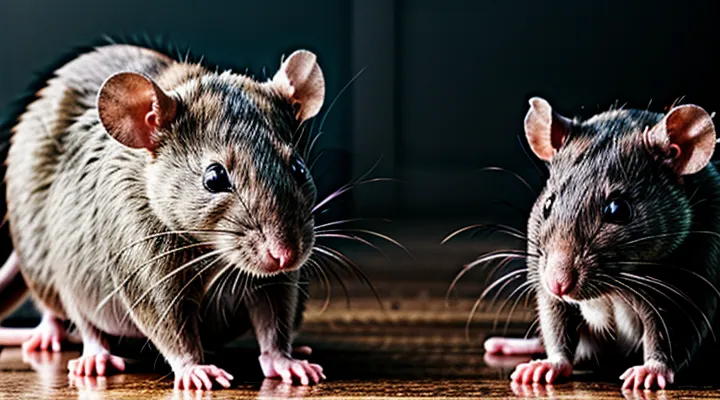
Understanding Rat Health: A Foundation
Common Health Issues in Pet Rats
Respiratory Infections
Respiratory infections in laboratory and pet rats commonly involve bacterial agents such as Streptococcus, Klebsiella, and Mycoplasma. Clinical signs include nasal discharge, sneezing, labored breathing, and reduced activity. Prompt identification of bacterial etiology is essential before initiating antimicrobial treatment.
Antibiotic selection should be guided by culture and sensitivity results whenever possible. Empirical therapy may be required in acute cases; the following agents are frequently effective against common rat respiratory pathogens:
- Enrofloxacin: 10 mg/kg subcutaneously once daily for 7–10 days.
- Trimethoprim‑sulfamethoxazole: 30 mg/kg orally every 12 hours for 10 days.
- Doxycycline: 5 mg/kg orally every 24 hours for 14 days; useful for Mycoplasma spp.
Dosage must be adjusted for weight and renal function. Intramuscular or subcutaneous routes are preferred when oral administration is compromised by nasal congestion.
Indications for antimicrobial use include:
- Positive bacterial culture or PCR confirming a pathogenic organism.
- Persistent or worsening respiratory signs despite supportive care.
- Evidence of systemic involvement, such as fever or weight loss.
Contraindications comprise viral or fungal infections, known drug hypersensitivity, and situations where the infection resolves spontaneously with environmental management. Supportive measures—humidified housing, adequate nutrition, and stress reduction—should accompany any drug regimen.
Monitoring parameters consist of daily clinical assessment, body weight tracking, and repeat diagnostic sampling after the treatment course. Resolution of nasal discharge and normalization of breathing rate indicate successful therapy; lingering symptoms warrant re‑evaluation of the antimicrobial choice or investigation of alternative diagnoses.
Skin Conditions
Rats frequently develop skin problems that may require antimicrobial treatment. Bacterial dermatitis, abscesses, and wound infections present with redness, swelling, purulent discharge, or ulceration. When such signs accompany a confirmed or strongly suspected bacterial etiology, systemic or topical antibiotics become appropriate.
Key bacterial agents include Staphylococcus aureus, Streptococcus spp., and Pseudomonas aeruginosa. Diagnosis relies on clinical observation, culture when feasible, and assessment of lesion progression. Immediate therapy is warranted for rapidly spreading infection, deep tissue involvement, or systemic signs such as fever or lethargy.
Commonly employed antibiotics for rat skin infections are:
- Enrofloxacin: 10 mg/kg subcutaneously once daily; effective against Gram‑negative and some Gram‑positive organisms.
- Trimethoprim‑sulfamethoxazole: 30 mg/kg orally twice daily; broad‑spectrum coverage, suitable for mild to moderate cases.
- Amoxicillin‑clavulanic acid: 20 mg/kg orally or subcutaneously twice daily; preferred for Staphylococcal infections.
- Gentamicin: 5 mg/kg intramuscularly once daily; reserved for severe Gram‑negative infections due to nephrotoxicity risk.
Dosage adjustments may be necessary for young, pregnant, or compromised rats. Treatment duration typically spans 7–10 days, extending until clinical resolution and, when possible, negative culture results.
Antibiotics should be avoided for fungal, parasitic, or allergic dermatologic conditions. Topical antiseptics, proper husbandry, and wound cleaning often suffice for minor lesions. Overuse promotes resistance; therefore, culture‑guided therapy and adherence to recommended courses are essential.
Gastrointestinal Problems
Rats frequently develop gastrointestinal disturbances that can progress to severe infection if left untreated. Common manifestations include diarrhoea, abdominal distension, reduced feed intake, and the presence of blood or mucus in feces. These signs often indicate bacterial overgrowth, dysbiosis, or opportunistic pathogen invasion, each of which may warrant antimicrobial intervention.
Antibiotic selection must consider the likely pathogens, drug absorption, and potential impact on the resident microbiota. Empirical choices for suspected enteric bacterial infection typically involve:
- Enrofloxacin – broad‑spectrum fluoroquinolone, effective against Gram‑negative rods such as Salmonella and Escherichia coli; good oral bioavailability.
- Trimethoprim‑sulfamethoxazole – targets a wide range of Gram‑positive and Gram‑negative organisms; useful when mixed flora is suspected.
- Metronidazole – specific activity against anaerobic bacteria and protozoa; indicated when Clostridium spp. or Giardia are implicated.
Therapy should commence only after one of the following criteria is met:
- Laboratory confirmation of bacterial pathogens (culture, PCR, or fecal smear) that are known to respond to the chosen drug.
- Persistent diarrhoea exceeding 48 hours despite supportive care, accompanied by systemic signs such as weight loss, lethargy, or fever.
- Evidence of intestinal inflammation or ulceration on necropsy or imaging, suggesting secondary bacterial infection.
Dosage regimens for adult rats typically range from 10–20 mg/kg body weight for enrofloxacin, 30 mg/kg for trimethoprim‑sulfamethoxazole, and 50 mg/kg for metronidazole, administered once or twice daily depending on the drug’s half‑life. Treatment courses should not exceed 7–10 days to reduce the risk of resistance and preserve normal gut flora.
Monitoring includes daily assessment of stool consistency, body weight, and overall activity. If clinical improvement is not observed within 48 hours of initiating therapy, re‑evaluation of the diagnosis, drug choice, and dosage is required. Discontinuation of antibiotics is appropriate once clinical signs resolve and laboratory tests confirm eradication of the pathogen.
Urinary Tract Infections
Urinary tract infections in rats present with dysuria, hematuria, increased water consumption, and reduced urine output. Early detection relies on clinical observation, urine dipstick analysis, and culture of samples obtained by cystocentesis.
Therapeutic intervention with antimicrobial agents is justified only after laboratory confirmation or when clinical signs indicate a high likelihood of bacterial involvement. Indications for treatment include:
- Positive urine culture identifying a pathogenic bacterium.
- Presence of systemic signs such as fever, lethargy, or weight loss.
- Evidence of ascending infection affecting the kidneys (pyelonephritis).
- Failure of supportive care (fluid therapy, diet modification) to alleviate symptoms.
First‑line choices for rat urinary infections are fluoroquinolones (e.g., enrofloxacin) and trimethoprim‑sulfamethoxazole, administered at dosages adjusted for body weight and renal function. Therapy should continue for a minimum of 7–10 days, with a follow‑up culture performed at the end of treatment to confirm eradication.
Monitoring includes daily assessment of urine output, temperature, and behavior, as well as periodic evaluation of renal parameters. Adjustments to the antimicrobial regimen are required if culture results reveal resistance or if adverse reactions develop. Responsible use of antibiotics minimizes the risk of resistant strains and preserves treatment efficacy for future infections.
Abscesses and Wounds
Abscesses and wounds in laboratory or pet rats often require antimicrobial therapy to prevent systemic infection and promote healing. Antibiotic selection should be based on the type of lesion, microbial risk, and the rat’s health status.
Indications for treatment include:
- Purulent discharge or visible pus indicating bacterial invasion.
- Swelling with fluctuance suggesting a developing abscess.
- Open skin lesions larger than 0.5 cm, deep punctures, or lacerations exposing underlying tissue.
- Signs of systemic involvement such as fever, lethargy, or weight loss.
When an infection is suspected, obtain a sample for culture and sensitivity whenever possible. Empirical therapy may begin immediately, using agents with proven efficacy against common rodent pathogens (e.g., Streptococcus, Staphylococcus, Pseudomonas). Preferred options are:
- Enrofloxacin – broad‑spectrum fluoroquinolone, effective against gram‑negative and gram‑positive organisms; administer 10 mg/kg subcutaneously once daily.
- Trimethoprim‑sulfamethoxazole – reliable against many gram‑positive cocci; dose 30 mg/kg orally twice daily.
- Amoxicillin‑clavulanic acid – useful for mixed flora; dose 20 mg/kg orally twice daily.
Duration of therapy typically spans 7–10 days, extending to 14 days for deep abscesses or when surgical drainage is performed. Monitor the lesion daily for reduction in size, decreased exudate, and improvement in the rat’s behavior. Discontinue antibiotics only after clinical resolution and, if possible, confirmation of a negative culture.
Adjunctive care:
- Clean the wound with sterile saline; avoid harsh antiseptics that may damage tissue.
- Apply a sterile, non‑adhesive dressing if the site is prone to contamination.
- Provide analgesia (e.g., meloxicam 0.2 mg/kg subcutaneously every 24 h) to reduce stress and support recovery.
Failure to treat appropriately can lead to septicemia, organ damage, or mortality. Prompt, targeted antimicrobial use, combined with proper wound management, maximizes recovery prospects for affected rats.
Recognizing Signs of Illness
Behavioral Changes
Antibiotic treatment in rats often produces observable behavioral alterations that can signal therapeutic efficacy, adverse reactions, or underlying infection severity. Recognizing these changes enables timely intervention and optimal dosing decisions.
- Reduced locomotor activity, including prolonged periods of inactivity or low‑level ambulation, may indicate central nervous system side effects or systemic malaise.
- Increased agitation, rapid pacing, or stereotypic circling suggests neuroexcitatory effects, possible drug‑induced seizures, or pain.
- Altered grooming patterns, such as excessive fur licking or neglect of self‑cleaning, reflect discomfort, stress, or dermatological irritation linked to the medication.
- Heightened aggression toward cage mates or handlers often correlates with irritability caused by drug toxicity or infection‑related inflammation.
- Changes in feeding or drinking behavior, including diminished intake or compulsive consumption, can precede metabolic disturbances or gastrointestinal upset.
Temporal patterns distinguish acute from chronic responses. Immediate onset (within hours) typically signals direct drug impact, while delayed onset (days) may reveal cumulative toxicity or secondary infection progression. Monitoring should commence prior to administration to establish baseline metrics, continue through the treatment course, and extend for at least 48 hours after cessation.
When behavioral deviations exceed normal variability, consider dosage reduction, substitution with an alternative antimicrobial, or supportive care such as analgesics and environmental enrichment. Documentation of each observation supports reproducibility and informs future protocol adjustments.
Physical Symptoms
Veterinary assessment of a rat’s condition relies heavily on observable physical signs that differentiate bacterial infections from other health issues. Recognizing these indicators guides the decision to initiate antimicrobial therapy.
Key physical manifestations suggesting a bacterial process include:
- Rapid weight loss despite adequate food intake.
- Discharge from the eyes, nose, or ears that is thick, yellow, or green.
- Swollen or painful limbs accompanied by warmth or redness.
- Unexplained lethargy with a marked decrease in activity levels.
- Respiratory distress such as labored breathing, wheezing, or nasal flaring.
- Fever detectable by rectal temperature exceeding the normal range (approximately 101–103 °F).
- Skin lesions that are ulcerated, purulent, or expanding rapidly.
- Abdominal distension with signs of pain on palpation.
When several of these symptoms appear concurrently, the likelihood of a bacterial infection rises, and prompt antibiotic administration becomes advisable. Conversely, isolated signs like mild sneezing or occasional watery eyes often indicate viral or allergic origins, for which antimicrobial agents are inappropriate.
Accurate interpretation of physical cues, combined with diagnostic testing when feasible, ensures that antibiotics are employed judiciously, preserving efficacy and minimizing resistance risks.
Antibiotic Treatment: Principles and Practices
When Antibiotics Are Necessary
Bacterial Infections
Rats frequently suffer from bacterial diseases that can compromise health and research outcomes. Recognizing infection and applying antimicrobial therapy at the appropriate stage prevents systemic spread and reduces mortality.
Common bacterial pathogens in laboratory and pet rats include Streptococcus pneumoniae, Salmonella spp., Clostridium spp., Pasteurella spp., and Mycoplasma pulmonis. Clinical manifestations vary but typically involve:
- Nasal discharge, sneezing, or labored breathing
- Diarrhea with mucus or blood
- Lethargy, weight loss, and reduced grooming
- Fever, detectable by rectal temperature above 38 °C
- Skin ulcerations or abscess formation
Diagnosis relies on culture of appropriate specimens (nasal swabs, feces, tissue biopsies) and, when available, polymerase chain reaction assays to confirm species identification. Empirical treatment may commence before definitive results if the animal shows rapid deterioration.
Antibiotic administration is justified when:
- Bacterial culture or PCR confirms a pathogenic organism.
- Clinical signs suggest a bacterial etiology and no alternative cause is evident.
- The infection threatens vital organ function or colony health.
Selection of an antimicrobial agent follows these principles:
- Choose a drug with proven efficacy against the identified or suspected pathogen.
- Prefer agents with high oral bioavailability for ease of dosing, such as enrofloxacin, trimethoprim‑sulfamethoxazole, or doxycycline.
- Avoid broad‑spectrum drugs when a narrow‑spectrum alternative suffices, to limit resistance pressure.
- Adjust dosage according to body weight (typically 10–20 mg/kg for enrofloxacin, 30 mg/kg for doxycycline) and administer for a minimum of five to seven days, extending based on clinical response and culture results.
Monitoring includes daily assessment of temperature, weight, and symptom progression. Discontinue therapy only after resolution of signs and, when possible, confirmation of bacterial clearance by repeat culture.
Antibiotics should not be used for:
- Viral infections such as Sendai virus or rat coronavirus.
- Fungal diseases (e.g., Aspergillus spp.).
- Non‑infectious inflammatory conditions without a bacterial component.
Effective management of bacterial infections in rats hinges on timely identification, targeted antimicrobial choice, and adherence to dosing protocols, thereby safeguarding animal welfare and experimental integrity.
Post-Surgical Care
Effective post‑surgical management of rats requires precise antibiotic administration combined with supportive care. Selection of an antimicrobial agent depends on the surgical site, likely pathogens, and the animal’s health status. Broad‑spectrum drugs such as enrofloxacin are appropriate for clean procedures, while agents targeting Gram‑positive organisms, like ampicillin, suit contaminated wounds.
Timing of the first dose influences infection risk. Administer the initial dose within 30 minutes of incision closure to achieve therapeutic plasma concentrations during the critical early phase of healing. Subsequent doses should follow the drug’s half‑life, typically every 12–24 hours, and continue for 3–5 days unless culture results dictate a shorter or longer course.
Monitoring parameters ensure the regimen remains effective and safe:
- Body temperature and weight recorded twice daily.
- Incision site inspected for redness, swelling, or discharge.
- Fecal consistency observed for signs of gastrointestinal disturbance.
- Blood samples taken on day 3 to assess renal and hepatic function if the drug is known for organ toxicity.
Adjunctive measures complement antimicrobial therapy. Provide a warm, quiet recovery cage with soft bedding to reduce stress. Offer moist, easily digestible food and electrolyte‑balanced water to support hydration. Maintain aseptic handling during cage cleaning to prevent re‑contamination. Implement these practices consistently to minimize postoperative infections and promote rapid recovery in laboratory rats.
Prophylactic Use (with caution)
Prophylactic antibiotic administration in laboratory rats requires strict justification and careful monitoring. Routine preventive treatment is discouraged; it should be limited to situations where the risk of bacterial infection is demonstrably high and where the benefits outweigh the potential for resistance development.
Key considerations for prophylactic use include:
- Confirmation of a pathogen‑specific threat, such as an outbreak in a colony or a surgical procedure with a known high infection rate.
- Selection of an agent with proven efficacy against the identified organisms and a narrow spectrum to minimize impact on normal flora.
- Dosage calibrated to the rat’s weight and species‑specific pharmacokinetics, adhering to the lowest effective concentration.
- Duration limited to the minimal period necessary to cover the vulnerable phase, typically not exceeding 24–48 hours unless otherwise justified.
- Continuous observation for adverse reactions, including gastrointestinal disturbances, allergic responses, and changes in behavior or weight.
Risk mitigation strategies:
- Implement strict aseptic techniques to reduce reliance on chemical prevention.
- Conduct regular microbiological surveillance to detect emerging resistance patterns.
- Reserve broad‑spectrum agents for confirmed infections rather than as a blanket preventive measure.
- Document justification, agent, dose, and duration in the animal care record for each prophylactic course.
When prophylaxis is deemed essential, the protocol must be approved by the institutional animal care and use committee, with a clear plan for post‑treatment evaluation. This approach balances the need to protect animal health against the imperative to preserve antibiotic efficacy.
Types of Antibiotics Used in Rats
Common Antibiotics and Their Applications
Common antibiotics administered to laboratory or pet rats fall into several pharmacological classes, each with a defined spectrum and typical clinical use.
- Penicillins (e.g., ampicillin, amoxicillin) – effective against many Gram‑positive cocci and some Gram‑negative rods; used for respiratory infections, septicemia, and postoperative prophylaxis.
- Cephalosporins (e.g., ceftazidime, ceftriaxone) – broad‑spectrum agents covering Gram‑negative bacilli and selected Gram‑positive organisms; indicated for severe systemic infections and bacterial meningitis.
- Tetracyclines (e.g., doxycycline, oxytetracycline) – active against atypical pathogens such as Mycoplasma spp. and certain Gram‑negative bacteria; employed in chronic respiratory disease and chlamydial infections.
- Fluoroquinolones (e.g., enrofloxacin, ciprofloxacin) – potent against a wide range of Gram‑negative and some Gram‑positive bacteria; reserved for resistant infections or when rapid bactericidal action is required.
- Macrolides (e.g., azithromycin, erythromycin) – target respiratory pathogens and intracellular bacteria; useful in pneumonia and Mycoplasma‑related conditions.
- Sulfonamides (e.g., trimethoprim‑sulfamethoxazole) – synergistic combination effective against a variety of Gram‑positive and Gram‑negative organisms; applied in urinary tract infections and skin lesions.
Dosage regimens for rats typically range from 10 mg/kg to 100 mg/kg depending on the drug class, route of administration (oral gavage, subcutaneous, intraperitoneal), and severity of infection. Therapeutic monitoring, including culture and sensitivity testing, guides selection and adjustment of treatment to minimize resistance development.
Specific Considerations for Rat Physiology
Rats possess physiological traits that directly affect antibiotic performance, requiring adjustments in drug choice, dose, and administration route.
Oral absorption in rodents differs from that of larger mammals; gastric pH is higher, gastric emptying is rapid, and intestinal transit time is short. Consequently, drugs with poor stability in alkaline environments or those requiring prolonged exposure may achieve subtherapeutic plasma concentrations when given by mouth. Parenteral routes bypass these limitations but demand careful attention to injection volume relative to the animal’s size.
Hepatic metabolism in rats is characterized by elevated activity of certain cytochrome P450 isoforms. This accelerated enzymatic clearance shortens the half‑life of many antimicrobials, often necessitating increased dosing frequency or higher per‑dose amounts to maintain effective concentrations.
Renal excretion dominates the elimination of most antibiotics used in laboratory rodents. Glomerular filtration rate in rats exceeds that of humans, leading to faster urinary clearance. Dosing regimens must account for this rapid elimination to avoid suboptimal exposure, especially for drugs primarily eliminated unchanged in the urine.
The native gastrointestinal microbiota of rats differs markedly from that of other species. Broad‑spectrum agents can disrupt this balance, precipitating overgrowth of resistant organisms or opportunistic pathogens. Selecting narrow‑spectrum compounds or employing targeted delivery methods reduces collateral impact on the microbial community.
Physiological stressors—such as crowding, handling, or temperature fluctuations—modulate immune competence and alter pharmacokinetic parameters. Maintaining stable environmental conditions and minimizing handling stress improve reproducibility of antimicrobial efficacy.
Key physiological considerations for antibiotic use in rats
- High gastric pH and rapid intestinal transit → prefer parenteral administration for drugs unstable in alkaline conditions.
- Elevated hepatic enzyme activity → anticipate shorter drug half‑life; adjust dosing interval accordingly.
- Faster glomerular filtration → increase dose or frequency for renally cleared agents.
- Distinct gut flora → limit use of broad‑spectrum agents to prevent dysbiosis.
- Stress‑induced variability → control environmental factors to ensure consistent drug response.
Administering Antibiotics Safely and Effectively
Dosage and Frequency
Accurate dosing depends on the rat’s body weight and the specific antimicrobial selected. Calculate the required amount by multiplying the animal’s weight in kilograms by the drug’s recommended milligrams‑per‑kilogram dosage. For example, a 250‑gram rat (0.25 kg) receiving an antibiotic prescribed at 20 mg/kg will require 5 mg per administration.
Common antibiotics and their standard dose ranges:
- Enrofloxacin: 5–10 mg/kg, administered orally or subcutaneously.
- Trimethoprim‑sulfamethoxazole: 30–50 mg/kg, given orally.
- Amoxicillin: 15–30 mg/kg, delivered orally or intraperitoneally.
- Gentamicin: 4–6 mg/kg, administered subcutaneously or intramuscularly.
Frequency reflects each drug’s plasma half‑life and the severity of infection. Typical intervals include:
- Every 12 hours for agents with a half‑life of 4–6 hours (e.g., enrofloxacin).
- Every 24 hours for longer‑acting compounds (e.g., amoxicillin).
- Every 8 hours for high‑risk systemic infections requiring aggressive coverage (e.g., gentamicin).
Adjust intervals when renal or hepatic impairment is present; prolonging the dosing period reduces toxicity risk. Monitor clinical response and, when feasible, perform therapeutic drug monitoring to confirm target concentrations. If signs of adverse effects emerge, reduce the dose or increase the dosing interval while maintaining therapeutic efficacy.
Methods of Administration
Accurate delivery of antimicrobial agents determines therapeutic success in laboratory rats. Selecting an appropriate route minimizes stress, ensures reliable plasma concentrations, and reduces the risk of adverse reactions.
- Oral gavage: provides precise dose, rapid absorption, suitable for drugs stable in the gastrointestinal tract; requires restraint and a calibrated gavage needle.
- Medicated feed or water: allows continuous exposure, useful for long‑term prophylaxis; dose variability may occur due to individual consumption differences.
- Subcutaneous injection: delivers moderate volumes with low tissue irritation; ideal for agents with good peripheral absorption.
- Intraperitoneal injection: yields rapid systemic distribution, appropriate for drugs requiring high bioavailability; technique must avoid organ puncture.
- Intramuscular injection: suitable for depot formulations and agents needing slow release; limited by muscle mass in small rodents.
- Topical application: effective for localized skin or wound infections; absorption limited to the application site.
- Aerosol or inhalation: reserved for respiratory pathogens; equipment must generate particle sizes compatible with rodent breathing patterns.
Route choice depends on drug solubility, target tissue, required speed of action, and the animal’s health status. Volume limits (generally ≤0.2 mL per 10 g body weight for parenteral routes) and needle gauge must match rat size to prevent tissue damage. Aseptic technique, correct labeling, and post‑administration monitoring are essential to maintain experimental integrity and animal welfare.
Potential Side Effects
When administering antibiotics to rats, monitoring for adverse reactions is a prerequisite for effective therapy. Side effects vary by drug class, dosage, and individual susceptibility.
- Gastrointestinal disturbances: Diarrhea, reduced appetite, and abdominal discomfort commonly follow oral or injectable agents. Persistent loss of weight may indicate severe dysbiosis.
- Renal and hepatic toxicity: Aminoglycosides and fluoroquinolones can impair kidney function; macrolides and sulfonamides may elevate liver enzymes. Elevated serum creatinine or bilirubin warrants dosage adjustment or drug substitution.
- Allergic responses: Cutaneous erythema, pruritus, and facial swelling appear after exposure to penicillins or cephalosporins. Anaphylaxis, though rare, requires immediate cessation and emergency treatment.
- Microbiome disruption: Broad‑spectrum antibiotics diminish commensal bacterial populations, increasing susceptibility to opportunistic infections such as Clostridium spp. Recolonization strategies or probiotic supplementation may mitigate this effect.
- Neurological signs: High doses of tetracyclines can produce tremors, ataxia, or seizures. Observation of abnormal gait or convulsions should prompt rapid reassessment.
- Hematologic alterations: Sulfonamides may cause hemolytic anemia or neutropenia. Regular blood counts detect early trends.
Prompt identification of these manifestations enables timely intervention, prevents treatment failure, and safeguards animal welfare.
The Importance of Veterinary Consultation
Diagnosing the Condition
Accurate diagnosis is the prerequisite for deciding whether a rat requires antimicrobial therapy. Veterinarians must distinguish bacterial infections from viral, fungal, or inflammatory conditions, because inappropriate use of antibiotics contributes to resistance and may mask underlying problems.
Key diagnostic actions include:
- Observation of clinical signs such as nasal discharge, ocular exudate, skin lesions, weight loss, or abnormal feces.
- Comprehensive physical examination focusing on temperature, respiratory rate, heart sounds, and palpation of the abdomen.
- Collection of specimens (e.g., swabs, urine, feces, blood) for microbiological culture and sensitivity testing.
- Hematology and biochemistry panels to identify leukocytosis, elevated acute‑phase proteins, or organ dysfunction.
- Imaging (radiography, ultrasound) when internal infection is suspected, especially in the respiratory or gastrointestinal tract.
Interpretation of results follows a hierarchy: positive culture with susceptibility data overrides clinical suspicion; elevated inflammatory markers support infection but do not confirm bacterial etiology; imaging findings guide the selection of target organs for sampling. Treatment with antibiotics proceeds only when laboratory evidence confirms a bacterial pathogen and the infection poses a risk to the animal’s health or welfare. In cases of ambiguous results, repeat sampling or consultation with a specialist is advisable before initiating antimicrobial agents.
Prescribing the Correct Medication
Prescribing antibiotics to rats requires confirmation of bacterial infection through clinical signs, culture results, or reliable empirical evidence. Empirical therapy is justified only when rapid progression threatens the animal’s health and laboratory data are unavailable.
Accurate diagnosis hinges on identifying the likely pathogen and its susceptibility pattern. Common sources of infection include respiratory tract, urinary system, skin wounds, and gastrointestinal tract. Sample collection must be aseptic, and results should guide drug selection whenever possible.
Select an antibiotic that matches the pathogen’s spectrum, achieves therapeutic concentrations in the target tissue, and respects the rat’s metabolic capacity. Preferred agents include:
- Enrofloxacin – effective against Gram‑negative rods and some Gram‑positive cocci; oral or injectable routes.
- Trimethoprim‑sulfamethoxazole – broad‑spectrum coverage for respiratory and urinary infections; requires dose adjustment for renal impairment.
- Amoxicillin‑clavulanate – suitable for mixed infections involving beta‑lactamase‑producing organisms; administered orally.
- Metronidazole – indicated for anaerobic infections of the gastrointestinal tract; injectable form for severe cases.
Dosage calculations must consider the animal’s weight (mg/kg) and the drug’s pharmacokinetic profile. For example, enrofloxacin is typically administered at 10 mg/kg once daily, while trimethoprim‑sulfamethoxazole requires 30 mg/kg divided into two doses. Adjust intervals for drugs with longer half‑lives to maintain steady plasma levels.
Monitor therapeutic response by tracking clinical improvement, temperature, weight, and appetite. Re‑evaluate after 48–72 hours; if no improvement occurs, obtain culture data and modify the regimen. Document all dosages, routes, and duration to ensure compliance with veterinary standards and to facilitate future treatment decisions.
Monitoring Treatment Progress
Effective antibiotic therapy in laboratory rats requires systematic observation of the animal’s response. Early indicators include changes in activity level, grooming behavior, and appetite; a decline suggests inadequate coverage or adverse effects. Regular weighing, performed at least every 24 hours during the acute phase, provides quantitative data on recovery or deterioration. Body temperature measured rectally complements visual assessment, revealing fever or hypothermia that may precede systemic infection.
Laboratory monitoring should extend to diagnostic sampling. Blood collected from the tail vein or saphenous site enables complete blood counts and biochemical panels; rising neutrophil counts or normalized liver enzymes confirm therapeutic impact. When feasible, repeat cultures from the original infection site verify bacterial clearance and guide potential adjustments in drug choice or dosage.
Documentation practices underpin reliable evaluation. Each observation, weight, temperature, and laboratory result must be entered into a dedicated log with date, time, and administered dose. Comparative charts allow rapid identification of trends and support decisions to continue, modify, or discontinue treatment.
Key parameters to track:
- Clinical signs: activity, grooming, respiratory pattern
- Body weight: daily measurements, percentage change from baseline
- Rectal temperature: twice‑daily during intensive therapy
- Hematology: white‑blood‑cell count, differential, hemoglobin
- Biochemistry: liver and kidney markers, electrolytes
- Microbiology: repeat cultures from infection source
- Medication record: dose, route, timing, any missed administrations
Consistent application of these measures ensures that antibiotic regimens achieve intended outcomes while minimizing toxicity and resistance development.
Responsible Antibiotic Use
Preventing Antibiotic Resistance
Completing the Full Course of Treatment
Completing the prescribed antibiotic regimen in rats eliminates the target pathogen and reduces the likelihood of bacterial resistance. Early cessation, even when symptoms improve, leaves surviving organisms capable of repopulating and developing resistance mechanisms.
A full course achieves the following:
- Maintains drug concentration above the minimum inhibitory level for the entire treatment period.
- Prevents recurrence of infection that can compromise animal welfare and research integrity.
- Limits selection pressure that favors resistant strains.
Administration should follow the exact schedule indicated by the veterinarian. Record each dose, time, and any observed reactions. Do not alter the interval or total duration without professional consultation.
Observe the animal daily for changes in appetite, activity, and respiratory signs. If adverse effects arise, report them immediately; adjustments must be made by a qualified practitioner, not by reducing the course length.
Common errors include stopping treatment after visible improvement, missing scheduled doses, and substituting antibiotics without veterinary approval. Adhering strictly to the full regimen safeguards both the individual rat and the broader colony from persistent or resistant infections.
Avoiding Unnecessary Use
Effective management of rat health requires restraint in prescribing antimicrobial agents. Unnecessary treatment accelerates resistance, disrupts gut flora, and adds cost without therapeutic benefit. Veterinarians should apply the following principles before initiating therapy:
- Confirm bacterial infection through culture, sensitivity testing, or clear clinical signs such as purulent discharge, fever, and localized inflammation.
- Reserve antibiotics for cases where the pathogen is known or strongly suspected; viral, fungal, or parasitic conditions do not warrant antibacterial drugs.
- Choose the narrowest-spectrum agent that covers the identified organism; broad-spectrum products increase collateral damage.
- Limit treatment duration to the minimum effective period, typically 5–7 days, adjusting based on follow‑up examinations and laboratory results.
- Document indication, drug, dosage, and duration in the animal’s medical record to enable review and audit.
Alternative strategies include environmental sanitation, stress reduction, proper nutrition, and targeted supportive care. When signs are mild or ambiguous, monitor the animal for progression before prescribing. Regular review of resistance patterns within the facility informs empirical choices and reduces reliance on high-tier drugs.
Proper Storage and Disposal
Proper storage and disposal are critical components of any antibiotic regimen for rats. Inadequate handling compromises drug potency, introduces contamination risks, and may contribute to antimicrobial resistance.
Store antibiotics in a cool, dry environment away from direct sunlight. Keep containers tightly sealed and label them with the drug name, concentration, expiration date, and batch number. For liquid formulations, refrigerate if the manufacturer specifies a temperature range of 2‑8 °C; otherwise, maintain room temperature below 25 °C. Separate antibiotics from other chemicals to avoid cross‑contamination, and place them on a stable shelf to prevent accidental drops.
When disposal is required, follow these steps:
- Remove any remaining liquid or powder from the original container; do not pour it down the drain.
- Mix the waste with an equal volume of a certified disinfectant (e.g., 10 % bleach solution) and allow a contact time of at least 30 minutes.
- Transfer the deactivated material into a rigid, leak‑proof container labeled “Hazardous Pharmaceutical Waste.”
- Deliver the sealed container to an authorized hazardous waste disposal service; do not place it in regular trash or recycling streams.
- Clean the original container with detergent, rinse thoroughly, and recycle if the material is compatible with local recycling programs.
Adhering to these storage and disposal protocols preserves antibiotic efficacy, safeguards laboratory personnel and animal caretakers, and aligns with regulatory requirements for hazardous pharmaceutical waste.
Supportive Care During Treatment
Nutrition and Hydration
Proper nutrition and adequate fluid intake are essential components of successful antimicrobial therapy in laboratory and pet rats. Antibiotic efficacy can be compromised by malnutrition, while dehydration may alter drug distribution and increase the risk of renal toxicity.
Before initiating treatment, provide a balanced diet containing at least 18 % protein, appropriate levels of vitamins and minerals, and a consistent supply of high‑quality pellets. During therapy, maintain the same diet to avoid gastrointestinal upset that could interfere with oral absorption. If the antibiotic is administered via injection, continue regular feeding but monitor for reduced appetite, which may signal adverse reactions.
Hydration management includes offering fresh, filtered water ad libitum. For drugs known to cause diuresis or gastrointestinal loss, supplement with a low‑sodium electrolyte solution at 1 % concentration for no more than 24 hours. Avoid sugary or flavored liquids that could disrupt gut flora.
Key practices:
- Verify that water bottles are clean and free of contaminants before each refill.
- Record daily water consumption; a drop of more than 20 % below baseline warrants investigation.
- Adjust feed quantity if weight loss exceeds 5 % of initial body mass.
- Consult the prescribing veterinarian if anorexia or polydipsia persists beyond 48 hours.
Continuous observation of body condition, feed efficiency, and fluid balance enables timely intervention, ensuring that antimicrobial agents achieve their intended therapeutic outcomes without compromising the animal’s overall health.
Environmental Enrichment
Environmental enrichment reduces stress‑induced immunosuppression in laboratory rats, thereby lowering the incidence of bacterial infections that might otherwise require antimicrobial therapy. Providing nesting material, chewable objects, and varied cage layouts encourages natural behaviors, improves gut motility, and stabilizes microbiota composition. These physiological benefits translate into fewer clinical signs that trigger antibiotic prescriptions.
Key considerations for integrating enrichment with antimicrobial decision‑making:
- Monitor body condition and wound healing; enriched animals typically display faster recovery, allowing clinicians to postpone or avoid prophylactic treatment.
- Record behavior patterns; reduced aggression and stereotypies correlate with lower pathogen transmission among cage mates.
- Adjust dosing schedules when enrichment introduces novel substrates (e.g., chewable blocks) that may affect oral drug absorption.
When an infection is confirmed, enrichment should continue throughout the treatment course. It supports appetite, maintains activity levels, and mitigates side effects such as gastrointestinal upset caused by certain antibiotics. Discontinuing enrichment can reverse the health advantages and increase relapse risk.
In summary, implementing a comprehensive enrichment program creates a physiological environment that diminishes the need for routine antibiotic use while enhancing therapeutic outcomes when treatment becomes necessary.
Stress Reduction
Reducing stress in laboratory or pet rats directly influences the likelihood that bacterial infections will develop, thereby affecting decisions about antimicrobial therapy. Elevated cortisol levels suppress immune function, increasing susceptibility to opportunistic pathogens. Maintaining a calm environment minimizes this risk and can postpone or eliminate the need for drug intervention.
Key practices for stress mitigation include:
- Consistent lighting cycles and temperature control to avoid physiological disruption.
- Gentle handling techniques: use of cupped hands, restraint devices designed to limit struggle, and habituation sessions before any procedures.
- Enrichment provision: nesting material, tunnels, and chewable objects that satisfy natural foraging behaviors.
- Noise reduction: placement of cages away from loud equipment and limiting exposure to sudden sounds.
- Group housing when compatible, preserving social structures that lower anxiety.
Monitoring stress biomarkers—such as serum corticosterone, weight fluctuations, and abnormal grooming—provides objective data for evaluating health status. When these indicators remain within normal ranges, the probability of bacterial overgrowth diminishes, supporting a more conservative approach to antimicrobial administration.
In cases where infection signs emerge despite optimal stress management, prompt diagnostic sampling and sensitivity testing guide targeted antibiotic selection. This strategy avoids empirical broad‑spectrum use, preserves gut flora, and reduces the potential for resistance development.