
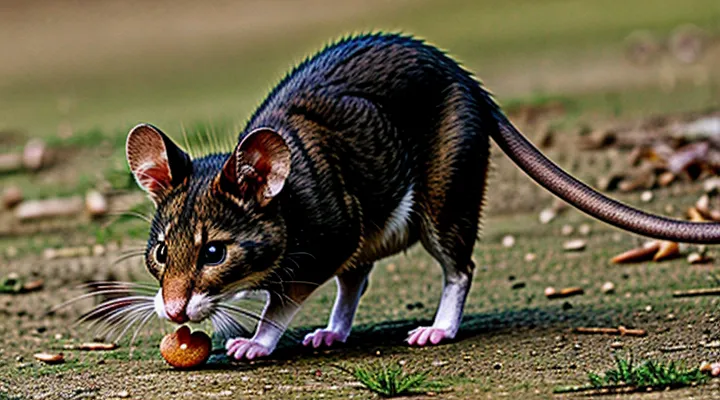
The Role of Predators in Ecosystems
Maintaining Ecological Balance
Predatory mammals, birds, and reptiles that specialize in hunting small rodents directly influence population dynamics of mouse communities. By reducing mouse abundance, these hunters limit the spread of diseases carried by rodents and prevent excessive pressure on seed and invertebrate resources.
Effective control of mouse numbers sustains the flow of energy through trophic levels. When predator populations remain stable, prey consumption rates align with reproductive output, preventing boom‑bust cycles that could destabilize ecosystems.
Key natural hunters include:
- Barn owls (Tyto alba), nocturnal raptors with high mouse capture efficiency.
- Weasels (Mustela spp.), agile carnivores that pursue rodents in dense vegetation.
- Red foxes (Vulpes vulpes), opportunistic canids that incorporate mice into a varied diet.
- Eastern copperheads (Agkistrodon contortrix), venomous snakes that ambush ground‑dwelling rodents.
Conservation measures that protect these predators—such as preserving nesting sites, limiting pesticide use, and maintaining habitat connectivity—contribute to the regulation of mouse populations and, consequently, to the stability of broader ecological networks.
Pest Control and Disease Prevention
Predatory animals that hunt mice contribute directly to pest control by lowering rodent numbers in residential, agricultural, and commercial environments. Their presence reduces reliance on chemical rodenticides, which can cause secondary poisoning and resistance development. Natural predation maintains rodent populations below thresholds that trigger economic damage.
Effective disease prevention stems from the removal of mouse carriers of pathogens such as hantavirus, leptospirosis, and salmonella. When predators capture or deter mice, the transmission cycle to humans and livestock is interrupted. This biological control lowers the incidence of outbreaks linked to rodent‑borne illnesses.
Key advantages of employing mouse predators in integrated pest management:
- Immediate reduction of active mouse activity, decreasing droplet and fecal contamination.
- Continuous pressure on rodent breeding cycles, limiting population rebound.
- Minimal environmental residues compared with toxic baits.
- Support for biodiversity, enhancing ecosystem resilience.
Implementing habitat features—nesting boxes for owls, brush piles for weasels, and perches for hawks—encourages predator occupancy. Monitoring predator activity alongside rodent indices provides measurable outcomes for pest control programs and public health initiatives.
Mammalian Predators of Mice
Feline Hunters
Domestic Cats («Felis catus»)
Domestic cats (Felis catus) are small carnivores that specialize in hunting rodents, particularly mice. Their anatomy supports this role: sharp retractable claws, a flexible spine, and a powerful bite enable rapid capture and killing of prey. Vision adapted for low‑light conditions, acute hearing, and whisker‑mediated spatial awareness allow detection of mouse movement in confined spaces.
The hunting sequence follows a predictable pattern. Cats locate a mouse using auditory and olfactory cues, stalk with a crouched posture, execute a brief sprint, and deliver a precise bite to the neck or spine. This method minimizes struggle and maximizes success rates, often exceeding 70 % in controlled observations.
Impact on mouse populations is measurable. In households and farms where cats are present, rodent counts decline markedly, reducing disease transmission risk and crop damage. The effect is most pronounced when cats have unrestricted indoor access and are not neutered, as reproductive hormones increase hunting drive.
Health considerations for cats include the need for balanced nutrition. While mouse predation supplies protein and essential nutrients, reliance on live prey can introduce parasites such as Toxoplasma gondii and Hymenolepis spp. Regular veterinary care and preventive deworming mitigate these risks.
Key attributes of domestic cats as mouse predators:
- Sensory acuity: night vision, high‑frequency hearing, vibrissae for tactile mapping.
- Physical tools: retractable claws, strong forelimbs, elongated canines.
- Behavioral pattern: stealth stalking, rapid acceleration, precise bite.
- Ecological effect: reduction of rodent numbers, indirect benefit to human environments.
- Health implications: nutritional value of prey balanced against parasite exposure.
Overall, domestic cats combine physiological adaptations and instinctual behavior to function as effective natural control agents against mice, contributing to pest management in residential and agricultural settings.
Wild Cats («Lynx» species, «Felis silvestris»)
Wild cats such as the various lynx species and the European wildcat (Felis silvestris) constitute efficient rodent predators in temperate and boreal ecosystems. Their hunting success stems from physiological and behavioral traits that optimize detection, capture, and consumption of small mammals, including mice.
Key adaptations include:
- Acute auditory and visual senses that detect minute movements of prey in low‑light conditions.
- Muscular forelimbs and retractable claws enabling rapid pounce and secure grip.
- Dentition designed for shearing flesh and crushing bone, allowing complete utilization of captured rodents.
- Solitary hunting strategy that reduces competition and maximizes individual intake.
Lynx species, ranging from the Eurasian lynx (Lynx lynx) to the Canada lynx (Lynx canadensis), exhibit larger territories and a preference for snow‑covered habitats where mouse populations fluctuate seasonally. Their diet often comprises 30–50 % small rodents, with mice contributing significantly during peak breeding periods.
The European wildcat occupies forested and scrubland regions across Europe and western Asia. Field studies report mouse remains in 20–35 % of scats, confirming regular predation. This species relies on dense undergrowth for ambush, exploiting the cover to approach prey undetected.
Collectively, these wild felids regulate mouse populations, influencing seed dispersal, vegetation dynamics, and disease transmission within their habitats. Their presence serves as an indicator of ecosystem health, reflecting intact prey chains and sufficient habitat complexity.
Canid Hunters
Foxes («Vulpes vulpes», «Urocyon cinereoargenteus»)
Foxes are efficient predators of small rodents, particularly mice, across a broad range of habitats. Their opportunistic feeding habits and keen sensory abilities enable frequent capture of murine prey, contributing to the regulation of rodent populations.
The red fox (Vulpes vulpes) occupies temperate and boreal zones in Europe, Asia, and North America. The gray fox (Urocyon cinereoargenteus) ranges from the southern United States through Central America into northern South America. Both species exhibit flexible foraging strategies that incorporate mice as a core component of their diet, especially when alternative food sources are scarce.
- Acute hearing and vision detect mouse movement beneath leaf litter and in low‑light conditions.
- Strong, retractable claws and a dental formula adapted for puncturing and crushing small vertebrates facilitate rapid subjugation.
- Stomach content analyses reveal that mice constitute 20–45 % of total biomass intake during peak breeding seasons.
- Seasonal shifts in prey selection correspond with fluctuations in mouse abundance, resulting in intensified predation pressure during population booms.
Predation by foxes reduces mouse density, limiting the spread of rodent‑borne pathogens and decreasing competition for seed dispersal agents. In agricultural landscapes, fox activity correlates with lower crop damage attributed to murine pests. Conservation of fox habitats therefore supports natural pest control mechanisms without reliance on chemical interventions.
Coyotes («Canis latrans»)
Coyotes (Canis latrans) are adaptable carnivores found throughout North America, ranging from deserts to forests and urban outskirts. Their opportunistic feeding habits include regular consumption of small rodents such as mice, which constitute a measurable portion of their diet, especially when larger prey are scarce.
Primary characteristics of coyote predation on mice:
- Stalk and pounce technique enables capture of agile prey in open fields and brush.
- Nighttime activity aligns with peak mouse activity, increasing encounter rates.
- Seasonal dietary shift toward rodents during spring and autumn when mouse populations surge.
- Consumption of entire prey provides protein and essential nutrients for reproductive cycles.
Ecological impact includes measurable reduction of local mouse densities, contributing to the regulation of disease‑carrying rodent populations. Coyotes also influence mouse behavior, prompting increased vigilance and altered foraging patterns that affect seed dispersal and vegetation dynamics.
Human‑coyote interactions often involve competition for rodent control in agricultural and suburban settings. Management practices that preserve natural coyote habitats can enhance their role as biological control agents, reducing reliance on chemical rodenticides.
Mustelid Hunters
Weasels («Mustela nivalis», «Mustela frenata»)
Weasels, represented by the species Mustela nivalis (the least weasel) and Mustela frenata (the long-tailed weasel), are small carnivorous mammals that specialize in hunting rodents, including mice. Their compact bodies, elongated necks, and retractable claws enable rapid entry into burrows and tight spaces where prey hide. Both species possess a high metabolic rate, requiring frequent consumption of prey to sustain energy levels.
Key characteristics of M. nivalis and M. frenata:
- Geographic range: M. nivalis occupies temperate Eurasia, extending from Western Europe to East Asia; M. frenata ranges across North America, from southern Canada to northern Mexico.
- Physical dimensions: Adult M. nivalis measures 13–20 cm in body length, weighing 20–30 g; M. frenata reaches 20–30 cm, weighing 80–150 g.
- Hunting tactics: Ambush and pursuit; use of keen sensory organs to locate movement; ability to kill prey larger than themselves by delivering a precise bite to the neck.
- Diet composition: Primarily rodents (mice, voles, shrews); supplemental intake of amphibians, insects, and small birds when available.
- Reproductive output: Litters of 4–10 kits after a gestation of 30–35 days; high juvenile survival linked to abundant rodent populations.
Ecological impact includes regulation of mouse densities in agricultural, forest, and suburban habitats. By suppressing rodent numbers, weasels indirectly reduce crop damage and limit disease vectors associated with mice. Their presence serves as an indicator of ecosystem health, reflecting balanced predator‑prey dynamics.
Conservation status for both species is listed as Least Concern by the IUCN, owing to broad distribution and adaptability. Localized threats involve habitat fragmentation and pesticide exposure, which can diminish prey availability and directly affect weasel health. Monitoring population trends remains essential to ensure continued predatory function within mouse‑controlled environments.
Stoats («Mustela erminea»)
Stoats (Mustela erminea) are small mustelids found across the Northern Hemisphere, ranging from tundra to temperate woodlands. Adult length averages 17–30 cm, weight 100–250 g, and seasonal coat changes from brown summer pelage to white winter fur in colder regions. Their elongated bodies, sharp claws, and high‑frequency hearing enable rapid pursuit of prey.
Mice constitute a significant portion of the stoat’s diet. Field studies report that 30–70 % of stomach contents consist of mouse remains, varying with seasonal rodent abundance. Stoats employ a “kill‑and‑hold” technique: they ambush, bite the neck vertebrae, and deliver a swift bite to the spinal cord, ensuring immediate incapacitation. After capture, they may cache surplus kills in shallow depressions for later consumption.
Key ecological traits related to mouse predation:
- Territoriality: Home ranges 0.5–2 km²; overlapping zones allow multiple individuals to exploit dense mouse populations.
- Reproductive output: Litters of 4–12 kits produced twice annually; high reproductive rate aligns with fluctuating rodent cycles.
- Habitat flexibility: Ability to hunt in open fields, forest underbrush, and agricultural margins increases access to mouse habitats.
- Seasonal adaptation: Winter white coat provides camouflage on snow, maintaining hunting efficiency when mouse activity persists beneath the surface.
Stoats influence rodent community dynamics by reducing mouse numbers, which can affect seed predation rates and disease transmission. Their presence is documented in integrated pest‑management programs where natural predation complements trapping and baiting methods. Conservation status is listed as Least Concern globally, though local declines occur where habitat fragmentation or intensive trapping reduce populations.
Other Mammalian Predators
Skunks («Mephitis mephitis»)
Skunks (Mephitis mephitis) are medium‑sized mustelids native to most of North America. Their omnivorous diet incorporates a substantial proportion of small rodents, especially mice, which they locate through a highly developed olfactory system.
Physical adaptations support mouse predation. Muscular forelimbs and sharp incisors enable rapid capture and consumption of prey. Nocturnal activity aligns with the peak activity periods of many mouse species, increasing encounter rates.
Skunks employ opportunistic hunting tactics. Upon detecting mouse scent, they approach stealthily, seize the animal with a quick bite, and either swallow it whole or strip it of fur before ingestion. Seasonal shifts in prey availability lead to increased reliance on mice during spring and fall, when insect populations decline.
Key components of the skunk diet include:
- House mice (Mus musculus) and field mice (Peromyscus spp.)
- Other rodents such as voles and rats
- Insects, amphibians, eggs, and plant matter
Predation by skunks contributes to regulation of mouse populations, providing a natural check that complements the role of larger carnivores. Their presence can reduce rodent‑related crop damage and lower disease transmission risk in agricultural and suburban environments.
Despite occasional conflicts with humans over their defensive spray, skunks deliver measurable ecological benefits by suppressing mouse numbers, thereby supporting balanced ecosystem dynamics.
Raccoons («Procyon lotor»)
Raccoons (Procyon lotor) are medium‑sized omnivores that regularly include mice in their diet. Their opportunistic feeding habits allow them to exploit a wide range of prey, and small rodents constitute a measurable portion of their intake.
Studies of stomach contents and scat analyses show that mammals, especially mice, account for roughly 10–20 % of the total food mass consumed by adult raccoons. This proportion increases during winter months when alternative food sources become scarce.
Hunting behavior reflects nocturnal activity and manual dexterity. Raccoons locate prey by scent, then use their sensitive forepaws to extract mice from burrows, crevices, or nests. Their ability to manipulate objects enables them to overturn debris and access concealed rodents.
The species thrives in diverse habitats—forests, wetlands, suburban areas, and agricultural lands—where mouse populations are abundant. Urban environments, with plentiful refuse and shelter, often support higher raccoon densities, thereby intensifying predation pressure on local rodent communities.
Ecological consequences include:
- Reduction of mouse numbers, limiting potential disease transmission.
- Regulation of seed predation by mice, indirectly influencing plant regeneration.
- Competition with other small‑mammal predators, shaping community dynamics.
Overall, raccoons serve as effective natural controllers of mouse populations across a broad geographic range.
Avian Predators of Mice
Raptors
Owls («Strigiformes» order)
Owls, members of the order Strigiformes, constitute a primary group of avian predators that regularly capture and consume mice. Their nocturnal activity aligns with the peak periods of rodent movement, allowing efficient exploitation of this prey resource.
The order includes roughly 200 species distributed across two families: Tytonidae (barn‑owls) and Strigidae (typical owls). Species such as the common barn‑owl (Tyto alba), the great horned owl (Bubo virginianus), and the Eurasian scops owl (Otus scops) demonstrate a global presence, each adapting to distinct habitats while maintaining a diet that frequently features small rodents.
Key adaptations supporting mouse predation:
- Silent flight – specialized feather fringes reduce aerodynamic noise, enabling undetected approach.
- Asymmetrical ears – facilitate precise sound localization, crucial for detecting rodents in darkness.
- Rotatable neck – up to 270° rotation provides a wide visual field without body movement.
- Powerful talons and beak – deliver rapid kill and efficient handling of prey.
By regulating mouse populations, owls contribute to the stability of ecosystems, limiting agricultural damage and reducing disease vectors associated with rodent overabundance. Their predatory impact reinforces biodiversity and supports the health of both natural and human‑altered environments.
Barn Owls («Tyto alba»)
Barn owls (Tyto alba) belong to the family Tytonidae and are widely distributed across temperate and tropical regions. The species occupies open habitats such as farms, grasslands, and woodland edges, where it nests in cavities, barns, or artificial nest boxes.
Adaptations that enable efficient capture of small rodents include a heart‑shaped facial disc that funnels sound to the ears, asymmetrical ear placement for vertical sound localization, and a wing structure that minimizes aerodynamic noise. Large, forward‑facing eyes provide acute nocturnal vision, while a flexible neck permits rapid head rotation to track prey.
- Primary prey: house mice (Mus musculus) constitute 60‑80 % of the diet in most agricultural studies.
- Secondary items: field mice, voles, shrews, and occasional insects.
- Hunting period: dusk to early morning, with peak activity between 20:00 and 02:00 local time.
- Capture success: field observations report 70‑90 % strike efficiency under optimal conditions.
By consuming large numbers of mice, barn owls reduce rodent pressure on crops and stored grain, contributing to natural pest regulation. Their presence correlates with lower incidence of crop damage and decreased reliance on chemical rodenticides.
Reproduction occurs once annually; clutches contain 4‑7 eggs, with incubation lasting about 30 days. Fledging occurs after 4‑5 weeks, and juveniles attain hunting proficiency within two months. Populations remain stable in regions with adequate nesting sites, but loss of barn structures and pesticide exposure threaten local numbers. Conservation measures focus on installing nest boxes, preserving foraging habitats, and monitoring pesticide residues.
Great Horned Owls («Bubo virginianus»)
The great horned owl (Bubo virginianus) is a top‑level predator of small rodents, especially mice, across a broad range of habitats in North America. Its size, powerful build, and versatile hunting tactics make it one of the most effective mouse hunters in the continent.
Morphologically, the species possesses a large, rounded head, facial disc that funnels sound, and eyes optimized for low‑light vision. Muscular, asymmetrical ears provide precise localization of prey movements underground. The owl’s flight is almost silent due to specialized feather edges, allowing close approach before striking.
Behaviorally, the owl hunts primarily at night but can also capture prey during daylight under overcast conditions. It employs a two‑stage attack: a silent glide to within a few meters of the target, followed by a rapid dive and grasp with talons that generate forces exceeding 150 psi, sufficient to immobilize a mouse instantly. After capture, the owl may cache surplus prey in hidden locations for later consumption.
Ecologically, great horned owls regulate mouse populations in forests, grasslands, and urban fringe areas. Their presence often correlates with reduced rodent damage to crops and stored grain. The species adapts to human‑altered environments, nesting in abandoned structures or tree cavities, and demonstrates a flexible diet that includes birds, insects, and larger mammals when mice are scarce.
Key characteristics supporting mouse predation:
- Acute auditory system: asymmetrical ear placement and facial disc enhance sound detection.
- Exceptional night vision: large pupils and high rod density allow detection of minute movements.
- Powerful talons: grip strength capable of subduing prey up to twice the owl’s body mass.
- Silent flight: serrated feather edges minimize aerodynamic noise.
- Territorial flexibility: use of natural and artificial nesting sites expands habitat range.
Overall, the great horned owl stands as a dominant rodent predator, combining anatomical specialization with behavioral adaptability to maintain its role in controlling mouse populations throughout its extensive distribution.
Hawks («Accipitriformes» order)
Hawks, members of the order Accipitriformes, are among the most effective rodent hunters in terrestrial ecosystems. Their morphology—sharp, hooked beaks, powerful talons, and binocular vision capable of detecting prey from several hundred meters—enables rapid pursuit and capture of mice in open fields, forest edges, and agricultural landscapes.
Dietary analyses show that small mammals constitute a significant portion of hawk intake. In many regions, mice represent 30‑60 % of the biomass consumed by resident hawk populations, directly influencing local rodent density and reducing the risk of crop damage.
Key hawk species known for mouse predation include:
- Red‑tailed Hawk (Buteo jamaicensis) – occupies grasslands and farmland; frequently captures field mice.
- Cooper’s Hawk (Accipiter cooperii) – forest‑edge specialist; targets house mice and other small rodents.
- Sharp‑shinned Hawk (Accipiter striatus) – adept at navigating dense foliage; preys on juvenile mice.
- Northern Goshawk (Accipiter gentilis) – prefers mixed woodlands; includes larger mouse species in its diet.
- Swainson’s Hawk (Buteo swainsoni) – migratory; exploits mouse populations during breeding season in open plains.
Hawks employ a sit‑and‑wait or low‑level soaring strategy, selecting perches that provide optimal visibility of mouse burrows and activity trails. Once a target is identified, a swift stoop delivers talons that immobilize the prey, allowing the hawk to dispatch it with a bite to the neck.
Population studies indicate that stable hawk numbers correlate with lower mouse outbreak frequencies. Conservation of suitable nesting sites and preservation of hunting habitats therefore support natural rodent control, reducing reliance on chemical pest management.
Red-tailed Hawks («Buteo jamaicensis»)
Red‑tailed hawks (Buteo jamaicensis) are widespread raptors known for their adaptability to diverse North American habitats, from open fields to forest edges. Adults measure 45–65 cm in length with a wingspan of 110–130 cm, and their characteristic brick‑red tail aids identification in the field.
The species’ diet includes a substantial proportion of small mammals; rodents constitute 30–50 % of prey items in most studies. Mice are captured through a combination of soaring flight and perching ambush, allowing the hawk to spot movement from a height of 30–100 m before a rapid stoop delivers a decisive strike. Vision acuity, estimated at 2–3 times that of humans, underpins this hunting efficiency.
Key aspects of mouse predation by red‑tailed hawks:
- Prey selection: Preference for adult field mice (e.g., Peromyscus spp.) weighing 15–30 g; juveniles are taken opportunistically.
- Hunting times: Peak activity at dawn and dusk aligns with peak rodent activity, increasing encounter rates.
- Impact on populations: Local studies report a 15–25 % reduction in mouse abundance where hawk territories overlap agricultural fields.
- Seasonal variation: In winter, mice become a primary food source as other prey (e.g., insects) decline.
Reproductive behavior supports sustained predation pressure. Pairs defend territories of 2–5 km², nesting in elevated sites that provide clear sightlines for detecting rodent movement. Clutch size ranges from 2 to 5 eggs; fledglings acquire hunting skills within weeks, contributing to the next generation of mouse hunters.
Kestrels («Falco sparverius»)
Kestrels (Falco sparverius) are small falcons found throughout North America, Europe, and parts of Asia. Their compact size, sharp eyesight, and agile flight enable them to locate and capture rodents, including mice, from open fields, grasslands, and suburban areas. The species exhibits a characteristic hovering technique, allowing precise targeting of prey on the ground before a swift dive.
Dietary analysis shows mice constitute a significant portion of the kestrel’s intake, especially during breeding season when protein demand rises. In addition to mice, kestrels consume voles, insects, and small birds, but the proportion of mammalian prey can exceed 30 % of total biomass in regions with abundant rodent populations. This predation pressure contributes to local regulation of mouse numbers, reducing the risk of crop damage and disease transmission.
Key biological traits relevant to mouse predation:
- Vision: Acuity up to eight times that of humans; detects movement of small mammals from distances of 150 m.
- Hunting method: Hover‑and‑pounce; aerial stability maintained by rapid wing beats (≈15 Hz).
- Territory: 1–2 km² per pair; overlaps with habitats supporting high mouse densities.
- Reproduction: Clutch of 4–6 eggs; nestlings require frequent feeding, prompting adults to increase hunting frequency during nestling growth.
Population assessments list the kestrel as “Least Concern” globally, though localized declines occur where pesticide use reduces prey availability. Conservation measures focusing on habitat preservation and reduction of toxic chemicals directly support the kestrel’s role as an effective mouse predator.
Other Birds
Herons («Ardeidae» family)
Herons, members of the Ardeidae family, are proficient hunters of small mammals, including mice. Their long legs and necks enable precise strikes from shallow water, marsh edges, and grassland perimeters where rodent activity is high. Vision adapted for distance detection and rapid bill closure allow capture of agile prey before it can escape.
Key characteristics supporting mouse predation:
- Sharp, pointed beak designed for impaling and tearing flesh.
- Sensitive plumage that reduces water resistance during low‑level approaches.
- Flexible neck joints permitting swift forward thrusts.
- Acute binocular vision for depth perception at distances up to 30 m.
Common heron species that regularly consume mice:
- Great Blue Heron (Ardea herodias)
- Grey Heron (Ardea cinerea)
- Little Egret (Egretta garzetta)
- Green Heron (Butorides virescens)
Habitat preference aligns with mouse abundance: wetlands, riverbanks, rice paddies, and agricultural fields provide both hunting grounds and nesting sites. Seasonal shifts in rodent populations prompt herons to adjust foraging ranges, often expanding into adjacent farmlands during peak mouse activity.
Ecological impact includes direct reduction of rodent numbers, which can alleviate crop damage and disease transmission. Predation pressure also influences mouse behavior, encouraging nocturnal activity and increased use of cover, thereby shaping local ecosystem dynamics.
Crows and Ravens («Corvus» genus)
Crows and ravens, members of the Corvus genus, regularly include mice in their diet. Field observations across temperate and subtropical regions document successful predation on adult mice and juveniles, with capture rates comparable to those of small raptors. Scavenging behavior often supplements hunting, allowing these birds to exploit mouse carcasses left by other predators.
Hunting techniques rely on visual acuity and opportunistic foraging. Crows approach mouse burrows, probe with their bills, and retrieve prey when the animal emerges. Ravens employ aerial surveillance, spotting movement from perches before descending to seize the mouse. Both species can adapt tactics to seasonal variations in mouse activity, shifting from ground pursuits in winter to aerial attacks during warmer months.
Key adaptations that facilitate mouse predation include:
- Strong, hooked bills capable of delivering precise strikes.
- Highly developed cerebellum supporting rapid flight maneuvers.
- Cognitive flexibility allowing problem‑solving in complex environments.
- Social learning that transmits successful hunting strategies within flocks.
Population studies indicate that Corvus predation contributes to regulating mouse numbers in agricultural and forested landscapes. By reducing rodent density, crows and ravens indirectly diminish crop damage and disease transmission. Their role complements that of mammals and birds of prey, forming a multi‑layered predatory network that maintains ecological balance.
Reptilian and Amphibian Predators of Mice
Snakes
Rat Snakes («Pantherophis» genus)
Rat snakes, classified in the genus Pantherophis, are among the most effective mammalian predators of small rodents, particularly mice. Their distribution spans North America, from southern Canada through the United States into northern Mexico, encompassing a variety of habitats such as forests, grasslands, and agricultural fields.
Morphologically, Pantherophis species possess elongated bodies, smooth scales, and a dorsal coloration that provides camouflage against leaf litter and soil. Adults typically reach lengths of 1.2–2.4 m, allowing them to subdue prey larger than a mouse when necessary.
Dietary habits focus on opportunistic hunting of small vertebrates. The primary components include:
- House mice (Mus musculus)
- Field mice (Peromyscus spp.)
- Voles and shrews
- Juvenile birds and amphibians (occasional)
Hunting strategy relies on ambush and active pursuit. Rat snakes detect prey through a combination of visual cues and chemosensory tracking via the forked tongue. Upon striking, they employ constriction, applying incremental pressure until the prey’s circulatory system fails, then swallow whole.
Reproductive cycles align with seasonal prey abundance. Females lay clutches of 4–30 eggs in concealed nests; hatchlings emerge after 60–70 days, already capable of capturing mice.
Ecologically, Pantherophis contributes to rodent population regulation, reducing potential crop damage and disease transmission associated with mouse infestations. Their presence in agricultural and suburban environments offers a natural alternative to chemical pest control.
Human interactions are generally benign. Rat snakes are non‑venomous and rarely bite unless provoked. Educational outreach emphasizes identification and tolerance, promoting coexistence and leveraging their predatory role to maintain balanced ecosystems.
Garter Snakes («Thamnophis» genus)
Garter snakes (genus Thamnophis) are widespread colubrids found across North America, from southern Canada to northern Mexico. Their habitats include wetlands, grasslands, woodlands, and suburban gardens, where they encounter small mammals such as mice.
These snakes regularly consume mice alongside amphibians, fish, and invertebrates. They locate prey through chemical cues and rapid tongue flicking, then employ a swift strike to seize the rodent. Once captured, the snake uses mild constriction to subdue the mouse before swallowing it whole.
Key physiological traits that facilitate mouse predation:
- Elongated, flexible jaws that expand to accommodate large prey relative to body size.
- Highly efficient digestive enzymes that break down mammalian tissue quickly.
- Low metabolic rate that allows extended periods between meals.
Ecologically, garter snakes help regulate rodent populations in both natural and human‑altered environments. Their predation pressure reduces the likelihood of mouse‑borne disease transmission and limits crop damage in agricultural settings.
Human interactions are generally neutral; garter snakes are non‑venomous and pose no threat to people. They often benefit gardens by controlling pest insects and rodents, making them valuable allies for sustainable pest management.
Conservation status varies among species, but most garter snakes are classified as least concern. Habitat loss and pesticide exposure can affect local populations, underscoring the need for habitat preservation and reduced chemical use.
Vipers («Viperidae» family)
Vipers, members of the Viperidae family, are efficient predators of small rodents, including mice. Their venomous bite immobilises prey rapidly, allowing the snake to swallow the animal whole. This feeding strategy positions them among the primary mammal hunters in many ecosystems.
Key adaptations that facilitate mouse predation:
- Long, hinged fangs that deliver venom deep into the prey’s body.
- Heat‑sensing pits that detect the warm outline of a mouse even in low‑light conditions.
- Muscular, flexible jaws capable of expanding to accommodate prey larger than the head.
- Camouflaged coloration that enables ambush from concealed positions.
Representative species that regularly consume mice:
- Vipera berus (common European adder) – widespread across temperate zones, frequently encounters field mice.
- Crotalus atrox (western diamondback rattlesnake) – inhabits North American deserts and grasslands, preys on Peromyscus spp.
- Echis carinatus (saw‑scaled viper) – found in South‑Asian scrublands, targets Mus musculus and related species.
- Bothrops asper (fer-de‑lance) – occupies Central and South American rainforests, includes mice in its diverse diet.
Vipers influence rodent populations by reducing numbers of adult mice and juvenile individuals, thereby contributing to the regulation of disease vectors and agricultural pests. Their predatory pressure also affects the behavior and habitat use of mice, prompting increased vigilance and altered foraging patterns. This dynamic underscores the ecological significance of viper species within the network of natural rodent control.
Frogs and Toads
Bullfrogs («Lithobates catesbeianus»)
Bullfrogs (Lithobates catesbeianus) are among the amphibian species that regularly capture and consume mice. Their large size—up to 20 cm in length—and powerful jaw muscles enable the ingestion of vertebrate prey that exceeds the typical insect diet of many frogs.
During nocturnal foraging, bullfrogs employ a sit‑and‑wait strategy near water edges, where small rodents frequently travel. The amphibian’s acute vision detects movement, prompting a rapid tongue‑flick that propels a sticky pad onto the mouse. The prey is then subdued by strong jaw closure and swallowed whole.
Key biological traits that facilitate mouse predation:
- Broad, flattened head providing a wide gape.
- Highly elastic tongue capable of extending up to half the body length.
- Muscular stomach able to accommodate prey up to 30 % of body mass.
- Tolerance for a wide range of temperatures, allowing activity in diverse habitats.
Ecologically, bullfrogs influence rodent populations in riparian zones, wetlands, and agricultural paddies. Their predation pressure can reduce mouse densities, indirectly affecting seed predation and disease transmission rates. Conversely, bullfrogs are invasive in many regions, where their voracious appetite for native fauna—including small mammals—contributes to biodiversity declines.
Geographic distribution spans native ranges in eastern North America and introduced populations across Europe, Asia, and South America. In each locale, bullfrogs exploit available murine prey, demonstrating adaptability to varied environmental conditions.
The Impact of Mouse Predation on Biodiversity
Food Web Dynamics
Mouse‑eating predators occupy intermediate to upper trophic levels, linking primary consumers with apex species. Their predation reduces rodent abundance, limiting herbivory pressure on seed‑producing plants and altering vegetation structure. Energy transferred from mice to these carnivores supports higher trophic processes, allowing biomass accumulation in birds of prey, reptiles, and larger mammals.
Predator groups include:
- Raptors such as owls and hawks, which capture mice during nocturnal and diurnal foraging.
- Snakes, notably rat snakes and garter snakes, that ambush rodents in ground litter and burrows.
- Small carnivorous mammals, including weasels, ferrets, and foxes, which hunt mice opportunistically.
- Larger carnivores, such as coyotes and bobcats, that supplement diets with rodent prey when available.
Top‑down regulation by these species generates cascading effects. Reduced mouse populations lower pathogen transmission rates, diminish competition for seed resources, and facilitate recruitment of plant seedlings. Conversely, predator declines can lead to rodent outbreaks, overgrazing, and altered nutrient cycling.
Temporal and spatial variability in predator presence shapes food‑web stability. Seasonal shifts in predator activity correspond with mouse reproductive cycles, creating synchronized peaks in predation intensity. Habitat fragmentation influences predator access, modifying interaction networks and potentially destabilizing local ecosystems.
Overall, mouse‑targeting carnivores serve as pivotal conduits of energy flow, mediating both direct consumption and indirect ecological consequences across the food web.
Population Control Mechanisms
Mouse‑hunting predators regulate rodent numbers through direct predation, territorial exclusion, and reproductive suppression. By capturing and consuming mice, these carnivores reduce the immediate population size and limit the availability of resources for remaining individuals.
Key mechanisms include:
- Direct mortality – lethal encounters lower the overall count of mice within a habitat.
- Territorial pressure – established ranges deter subordinate or transient mice from entering, effectively reducing local density.
- Stress‑induced fertility reduction – the presence of predators elevates cortisol levels in prey, decreasing breeding rates and litter sizes.
- Disruption of nesting sites – predators often destroy or occupy nesting areas, forcing mice to relocate and experience higher exposure to environmental hazards.
Seasonal fluctuations in predator activity amplify these effects. During breeding seasons, increased predator numbers intensify predation pressure, while winter scarcity drives predators to expand their hunting range, extending control over broader mouse populations.
Long‑term stability arises from the feedback loop between predator abundance and mouse availability. When mouse numbers rise, predator populations respond with higher reproductive output, restoring balance; conversely, a decline in prey leads to reduced predator reproduction, preventing overexploitation. This dynamic maintains ecological equilibrium without human intervention.