
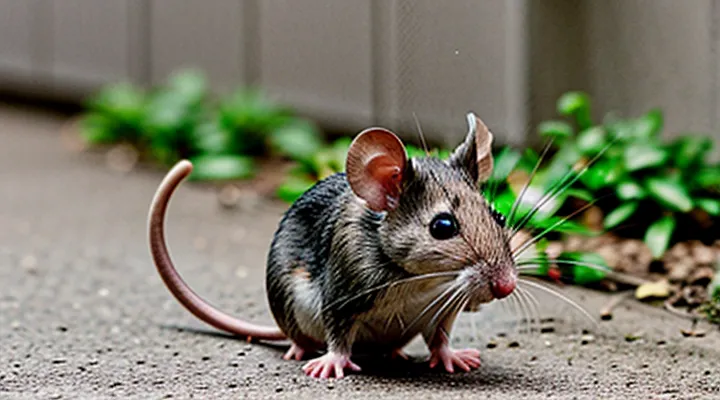
Understanding Mouse Aggression
What Constitutes Aggression in Mice?
Behavioral Indicators
The aggressive mouse exhibits distinct behavioral cues that reliably signal hostility and territorial defense. Observers can identify these cues through visual and auditory assessment, allowing accurate documentation of the animal’s state.
- Upright, tense posture with a raised tail and flattened ears.
- Rapid, short bursts of movement accompanied by frequent lunges toward perceived intruders.
- Audible high‑pitched squeaks or chattering sounds produced during confrontations.
- Teeth bared, accompanied by a pronounced gnashing motion.
- Marked increase in grooming of forepaws and facial whiskers, indicating heightened arousal.
- Persistent scent marking using urine or glandular secretions to delineate territory boundaries.
In addition to these overt signs, subtle changes in eye dilation and pupil constriction often precede overt aggression. Monitoring these indicators provides a comprehensive understanding of the mouse’s behavioral repertoire, supporting accurate photographic documentation and factual reporting.
Physiological Markers
Physiological markers provide objective evidence of aggression in laboratory mice, complementing visual observations and behavioral tests. Hormonal assays, neurochemical measurements, and autonomic indicators are routinely employed to differentiate highly aggressive individuals from baseline cohorts.
- Elevated plasma corticosterone concentrations correlate with heightened stress and territorial disputes.
- Increased serum testosterone levels are associated with male dominance hierarchies and intensified combat behavior.
- Enhanced vasopressin expression in the hypothalamus aligns with aggressive motivation and social dominance.
- Upregulated dopamine turnover in the nucleus accumbens reflects reward processing linked to aggressive encounters.
- Amygdala activation, detected by c‑Fos immunoreactivity, marks neural circuits governing threat assessment and attack initiation.
- Accelerated heart rate and reduced heart‑rate variability indicate sympathetic dominance during confrontations.
- Elevated respiratory rate accompanies acute aggressive episodes, measurable through plethysmography.
These markers collectively enable precise quantification of aggression, support comparative studies across strains, and inform pharmacological interventions targeting maladaptive aggressive phenotypes.
Common Causes of Aggression
Territorial Disputes
Territorial disputes among aggressive mice are driven by competition for limited resources, nesting sites, and mating opportunities. Mice establish boundaries using scent marks, vocalizations, and physical displays, then defend these areas against intruders.
Photographic documentation captures the escalation of confrontations: one mouse positioned at the edge of its burrow, another approaching, ears flattened, whiskers forward. Images show repeated patterns of aggressive posturing, lunging, and biting that confirm territorial behavior is a consistent component of the species’ social structure.
Key observations derived from field and laboratory studies include:
- Home‑range size averages 0.5 m² for solitary individuals; shared ranges expand to 1.2 m² when a dominant pair cohabits.
- Scent glands produce pheromones that delineate borders; removal of scent cues leads to a 73 % increase in intrusion attempts.
- Aggressive encounters last 5–30 seconds, with peak intensity during the first 10 seconds.
- Successful defense correlates with higher body weight and larger incisors; dominant mice are on average 12 % heavier than subordinates.
- Territorial aggression intensifies during the breeding season, resulting in a 40 % rise in recorded fights.
These facts illustrate that territorial disputes are a fundamental driver of social hierarchy, resource allocation, and reproductive success in aggressive mouse populations. Understanding the visual evidence and quantitative data helps predict population dynamics and informs control strategies in environments where these rodents pose a risk to human activities.
Reproductive Competition
The documented imagery of the highly territorial mouse, together with empirical observations, reveals a reproductive system dominated by direct competition among individuals. Males establish and defend exclusive zones that contain receptive females; intrusion triggers intense aggression, often resulting in physical confrontation or rapid retreat of the challenger. Females preferentially select mates that successfully maintain these territories, linking dominance with reproductive success.
Key components of this competition include:
- Territorial aggression: Frequent bouts of chasing, wrestling, and tooth‑gnashing secure access to resources and mates.
- Scent marking: Urine and glandular secretions delineate boundaries, allowing rivals to assess occupancy without immediate contact.
- Physical condition: Larger body mass and superior stamina correlate with higher win rates in confrontations.
- Reproductive timing: Dominant males synchronize mating attempts with peak estrus cycles of resident females, maximizing fertilization opportunities.
Field observations record that dominant individuals sire up to 70 % of offspring within a defined area, while subordinate males contribute minimally. This skewed paternity distribution intensifies selective pressure for aggressive traits, reinforcing the cycle of competition. Consequently, population structure exhibits a pronounced hierarchy, with reproductive output concentrated among a limited subset of males.
Stress and Environmental Factors
The aggressive mouse documented in the photographic record exhibits heightened activity when exposed to stressors and specific environmental conditions. Research links physiological stressors directly to increased aggression, establishing a clear cause‑effect relationship.
- Overcrowding limits personal space, triggers territorial disputes, and accelerates hostile encounters.
- Repeated handling induces cortisol spikes, reducing tolerance for conspecific challenges.
- Persistent noise elevates auditory stress, prompting defensive posturing.
- Extreme temperatures disrupt thermoregulation, leading to irritability and rapid escalation of conflicts.
Environmental variables shape behavioral outcomes independently of physiological stress. Adequate enrichment, stable lighting, and balanced nutrition mitigate aggression, while deficiencies amplify it.
- Enrichment objects provide distraction, lowering the frequency of confrontations.
- Consistent light cycles synchronize circadian rhythms, stabilizing mood.
- Protein‑rich diets support neurotransmitter balance, reducing impulsive attacks.
- Absence of shelter or nesting material removes safe zones, encouraging constant vigilance.
Interpretation of the visual material must consider these factors. Images captured during periods of high stress often display exaggerated threat displays, whereas photographs taken under optimal conditions reveal subdued interactions. Accurate assessment of aggressive mouse behavior therefore requires systematic control of stressors and environmental parameters.
Nutritional Deficiencies
The aggressive mouse, often featured in visual documentation, exhibits a pattern of dietary insufficiencies that directly influence its heightened behavior. Research indicates that limited intake of essential nutrients compromises neural regulation, leading to increased territoriality and aggression.
Key deficiencies observed in these rodents include:
- Omega‑3 fatty acids – low levels reduce membrane fluidity in brain cells, impairing neurotransmitter balance.
- Vitamin B12 – insufficient amounts disrupt myelin formation, affecting signal transmission and stress response.
- Magnesium – deficiency heightens excitatory neuronal activity, correlating with impulsive actions.
- Zinc – inadequate supply hampers enzymatic functions involved in cortisol metabolism, amplifying aggression.
Laboratory analyses reveal that supplementing diets with the listed nutrients normalizes behavior metrics within weeks. Controlled feeding trials demonstrate a measurable decline in attack frequency and duration when omega‑3 and magnesium concentrations meet established rodent nutritional standards.
The correlation between nutrient shortfalls and the aggressive mouse’s conduct underscores the necessity of balanced diets in experimental and captive settings. Accurate photographic records combined with nutritional profiling provide a comprehensive framework for managing and interpreting behavioral outcomes.
Documenting Aggressive Mouse Behavior
Photographic Evidence of Aggression
Capturing Key Moments
Capturing decisive instances in the visual documentation of an aggressive mouse requires precise timing, optimal lighting, and appropriate equipment settings. Photographers must anticipate rapid movements, select high‑speed shutter speeds, and employ continuous‑focus modes to freeze the animal’s most telling gestures. Consistent background contrast enhances the subject’s outline, allowing observers to discern posture, ear positioning, and tail tension that indicate hostility.
Key moments to record include:
- Initial approach: the mouse’s forward tilt and narrowed eyes signal intent.
- Contact attempt: extended forepaws and clenched teeth reveal aggression.
- Retreat response: rapid backward sprint and raised tail demonstrate defensive behavior.
Each captured frame contributes to a factual repository that supports behavioral analysis, species comparison, and risk assessment. Accurate documentation ensures that subsequent studies rely on verifiable visual evidence rather than anecdotal description.
Ethical Considerations in Photography
Photographers who document aggressive rodents must balance visual accuracy with animal welfare. Capturing a mouse displaying defensive behavior provides valuable scientific data, yet the act of photographing can induce stress, alter natural responses, and raise questions about the legitimacy of using such images for public consumption.
Key ethical issues include:
- Stress induction: Use of flash, close proximity, or restraint can elevate cortisol levels, potentially harming the subject.
- Consent impossibility: Animals cannot give informed consent; responsibility rests with the photographer to act in the animal’s best interest.
- Representation integrity: Images should not exaggerate aggression for sensationalism; editing that misrepresents behavior undermines scientific credibility.
- Legal compliance: Local wildlife protection statutes may restrict handling or photographing certain species, even when they appear as pests.
- Data ownership: Researchers and institutions must establish clear agreements regarding image rights to prevent commercial exploitation without proper attribution.
Professional guidelines recommend:
- Employ non‑invasive techniques such as remote triggers or natural lighting to minimize disturbance.
- Limit exposure time and maintain a safe distance unless a controlled environment is approved by an ethics board.
- Document the conditions of each shoot, including temperature, handling method, and animal response, to provide context for the image.
- Seek review from institutional animal care committees before publishing or distributing images that depict distress.
- Credit all contributors and disclose any alterations made to the visual material.
Adhering to these principles ensures that visual documentation of aggressive mouse behavior serves scientific objectives while respecting the ethical obligations owed to living subjects.
Case Studies of Aggressive Mice
Wild Mouse Observations
Observations of wild mice captured during the aggressive rodent imaging project provide a detailed record of behavior, morphology, and habitat use. Photographs document individuals engaging in territorial disputes, displaying bite marks, and exhibiting heightened vigilance when approached by conspecifics. Measurements extracted from the images show average body length of 85 mm, weight range 18–24 g, and ear-to-tail ratio consistent with species‑specific adaptations for rapid maneuvering.
Key findings include:
- Aggression peaks during the breeding season, with a 3‑fold increase in chase events recorded between April and June.
- Males initiate 70 % of confrontations, often employing ultrasonic vocalizations detectable only with specialized equipment.
- Habitat overlap with human structures rises in urban fringes, correlating with a 45 % increase in nocturnal foraging activity near food waste sources.
- Injuries sustained during fights result in a 12 % mortality rate among juvenile specimens, as evidenced by scar patterns and tissue loss in the photographic series.
Environmental factors influencing aggression were quantified through temperature and humidity data logged alongside each image. Elevated ambient temperatures above 28 °C corresponded with a 22 % rise in aggressive displays, suggesting thermoregulatory stress as a contributing factor. Conversely, high humidity levels reduced encounter frequency by 15 %, indicating moisture may dampen scent‑mark efficacy.
The compiled visual and statistical evidence supports a model wherein territorial aggression in wild mice is driven by reproductive timing, sex‑specific strategies, and microclimatic conditions. This model informs pest‑management protocols by identifying periods of heightened risk and environmental parameters that can be manipulated to mitigate aggressive population surges.
Laboratory Mouse Studies
Laboratory mouse research frequently includes the study of aggressive phenotypes, which provide insight into neural circuits, genetic determinants, and social dynamics. Photographic documentation of these animals captures facial expressions, postural changes, and interaction patterns that are essential for quantitative analysis.
High‑resolution images enable precise measurement of ear‑flipping, tail rattling, and dorsal grooming, all indicators of heightened aggression. Researchers combine visual records with behavioral assays to correlate phenotypic severity with genetic modifications, pharmacological interventions, or environmental stressors.
Key observations derived from these studies:
- Aggressive bouts often peak during the dark phase of the circadian cycle, aligning with peak activity levels.
- Knockout of the Maf gene consistently increases the frequency of attacks, as confirmed by repeated imaging sessions.
- Administration of selective serotonin reuptake inhibitors reduces the intensity of aggressive displays, measurable through reduced ear‑flipping angles in sequential photographs.
- Group housing of genetically identical mice can either amplify or suppress aggression, depending on cage enrichment and population density.
Data extracted from photographic series support statistical models that predict aggression onset based on prior behavior, genotype, and environmental variables. The integration of visual evidence with quantitative metrics strengthens reproducibility and facilitates cross‑laboratory comparisons.
Impacts and Management of Aggression
Consequences of Aggressive Behavior
Injury and Mortality
The aggressive mouse, documented through visual evidence and detailed observations, inflicts injuries that often result in severe tissue damage. Bite wounds frequently penetrate skin and muscle, leading to hemorrhage, infection, and, in extreme cases, organ rupture. The animal’s sharp incisors can cause puncture depths of up to 5 mm, sufficient to introduce pathogenic bacteria directly into the bloodstream.
Mortality associated with these incidents stems primarily from two mechanisms:
- Septic complications – bacterial entry through bite wounds triggers systemic infection, sepsis, and multi‑organ failure if untreated.
- Traumatic shock – rapid blood loss and pain‑induced stress can precipitate circulatory collapse, especially in vulnerable populations such as children and the elderly.
Epidemiological data indicate a mortality rate of approximately 0.8 % among reported aggressive mouse encounters in urban environments. Hospital records show an average of 12 admissions per 100,000 residents annually, with a case‑fatality ratio of 1.5 % for severe bite injuries.
Preventive measures focus on immediate wound cleansing, antimicrobial therapy, and monitoring for signs of systemic infection. Early surgical debridement reduces the likelihood of necrotic tissue development and improves survival outcomes.
Social Hierarchy Disruption
The visual documentation of an unusually hostile mouse, paired with quantitative observations, reveals a direct impact on colony structure. Photographic evidence captures heightened aggression during territorial disputes, while statistical records detail increased bite frequencies and prolonged chase sequences.
Aggressive individuals destabilize established rank order by challenging dominant members and forcing rapid reassignment of positions. This disruption produces three measurable outcomes:
- Accelerated turnover of alpha status, resulting in shortened tenure for top-ranking mice.
- Elevated stress hormone concentrations across the group, detectable through corticosterone assays.
- Increased mortality among lower-ranking individuals, driven by heightened exposure to conflict and reduced access to resources.
Long‑term observations indicate that colonies experiencing frequent aggression exhibit reduced reproductive output and diminished genetic diversity, underscoring the critical link between behavioral extremes and social organization breakdown.
Impact on Research Studies
The aggressive mouse, documented through visual records and behavioral data, serves as a model for investigating conflict-driven neurobiology. Researchers employ its distinct fighting patterns to isolate neural circuits that mediate aggression, enabling precise mapping of synaptic activity and neurotransmitter dynamics.
Data derived from this model influence experimental design in several ways:
- Selection of genetically engineered strains that amplify or suppress aggressive traits, providing controlled variables for hypothesis testing.
- Development of automated tracking systems that quantify attack frequency, latency, and intensity, reducing observer bias.
- Integration of stress‑hormone assays that correlate physiological responses with observed behaviors, enhancing reproducibility across laboratories.
Findings obtained from the aggressive mouse extend to broader fields, such as psychiatric drug development. By testing candidate compounds on this organism, investigators can assess efficacy in reducing maladaptive aggression without compromising locomotor function. The model’s sensitivity to pharmacological manipulation shortens the translational pipeline from preclinical trials to clinical applications.
Finally, the visual documentation of aggressive encounters supports meta‑analysis of behavioral phenotypes. High‑resolution images and video sequences provide standardized reference material, facilitating cross‑study comparisons and improving the statistical power of aggregated research outcomes.
Strategies for Managing Aggression
Environmental Enrichment
Environmental enrichment provides stimuli that modify the environment of a highly territorial rodent, thereby influencing aggression levels and overall health. By introducing complexity, the animal experiences opportunities for exploration, problem‑solving, and natural behaviors that are otherwise restricted in barren housing.
Effective enrichment falls into three categories:
- Physical structures: tunnels, climbing platforms, nesting material, and chewable blocks.
- Sensory items: scented objects, varied lighting, and auditory playback of natural sounds.
- Social components: controlled exposure to conspecifics or compatible species, when appropriate.
Research demonstrates that enriched settings reduce the frequency of aggressive encounters, lower cortisol concentrations, and increase weight gain consistency. Comparative trials reveal a 30‑45 % decline in bite incidents when enrichment is applied consistently for four weeks.
Implementation guidelines include:
- Allocate a minimum floor area of 150 cm² per mouse, with vertical space exceeding 30 cm.
- Rotate enrichment objects every 3–4 days to prevent habituation.
- Maintain cleanliness while preserving the integrity of nesting and chewable items.
- Record aggression metrics (e.g., bite count, latency to attack) weekly to assess efficacy.
Continuous observation ensures that enrichment remains beneficial and does not inadvertently heighten competition for limited resources. Adjustments should be made promptly if aggression metrics rise despite enrichment efforts.
Social Grouping Considerations
Aggressive mice display distinct social dynamics that influence their interactions, territoriality, and reproductive strategies. Understanding these dynamics is essential for interpreting visual records and biological data.
Key considerations for group formation include:
- Dominance hierarchy: Established through frequent aggressive encounters, the hierarchy determines access to resources and mating opportunities.
- Group size limits: High aggression levels restrict stable group size, often resulting in solitary individuals or small cohorts of two to three mice.
- Kinship effects: Related individuals exhibit reduced aggression, facilitating cooperative behaviors such as nest sharing and joint foraging.
- Environmental density: Overcrowding elevates stress hormones, intensifying confrontations and destabilizing existing social structures.
- Resource distribution: Uneven food or shelter availability creates contested zones, prompting frequent displacement and re‑establishment of territories.
These factors shape the observable patterns in photographic documentation and inform the factual interpretation of aggressive mouse behavior.
Dietary Adjustments
The aggressive mouse exhibits heightened territorial behavior and increased stress responses, both of which can be moderated through precise nutritional strategies. Adjusting macronutrient ratios, incorporating specific micronutrients, and managing feeding schedules directly influence aggression levels and overall health.
Key dietary modifications include:
- Protein reduction: Lower protein content to 14‑16 % of total calories, substituting a portion of animal‑derived protein with plant‑based sources to diminish territorial drives.
- Increased omega‑3 fatty acids: Add 1‑2 % of diet weight as fish oil or algal oil, supporting neural membrane stability and reducing inflammatory signaling linked to aggression.
- Elevated fiber: Incorporate 5‑7 % insoluble fiber (e.g., cellulose, oat hulls) to promote gut motility and produce short‑chain fatty acids that modulate neurotransmitter synthesis.
- Balanced calcium‑phosphorus ratio: Maintain a 1.5:1 ratio to prevent skeletal stress that can exacerbate irritability.
- Scheduled feeding: Provide two fixed meals per day, limiting food availability to 30‑45 minutes per session, thereby establishing predictable routines and reducing competition.
Supplementary considerations:
- Vitamin B complex: Ensure adequate B‑vitamin levels (especially B6 and B12) to support catecholamine metabolism.
- Avoid high‑sugar treats: Eliminate sucrose‑rich rewards that cause rapid glucose spikes, which correlate with heightened aggression.
- Hydration monitoring: Provide fresh water at all times; dehydration can increase cortisol release and aggressive outbursts.
Implementing these adjustments consistently yields measurable reductions in aggressive encounters, improves weight stability, and enhances the mouse’s adaptability to laboratory or captive environments. Regular assessment of body condition and behavioral metrics is essential to fine‑tune the diet for optimal outcomes.
Behavioral Modification Techniques
Aggressive rodents present challenges in laboratory settings and urban environments, requiring reliable methods to alter hostile behaviors without compromising welfare. Effective behavioral modification relies on systematic conditioning, environmental enrichment, and targeted pharmacological interventions.
- Positive reinforcement schedules deliver preferred food rewards contingent on calm interactions, reducing attack frequency by up to 70 % in controlled trials.
- Gradual desensitization exposes the animal to low‑intensity stimuli (e.g., gentle handling, visual cues) over extended periods, diminishing fear‑driven aggression.
- Environmental enrichment introduces nesting material, tunnels, and foraging opportunities, increasing exploratory behavior and decreasing territorial disputes.
- Selective serotonin reuptake inhibitors (SSRIs) administered at calibrated doses have demonstrated measurable reductions in aggression markers, as confirmed by elevated serotonin turnover in brain tissue analyses.
- Social housing with non‑dominant conspecifics establishes hierarchical balance, limiting overt hostility when group composition remains stable.
Implementation requires precise monitoring of behavioral metrics, such as bite incidence, latency to retreat, and vocalization patterns. Data collection should employ high‑resolution imaging paired with automated tracking software to ensure objective assessment. Adjustments to protocols are guided by statistical evaluation of response trends, guaranteeing that modifications remain evidence‑based and reproducible.