
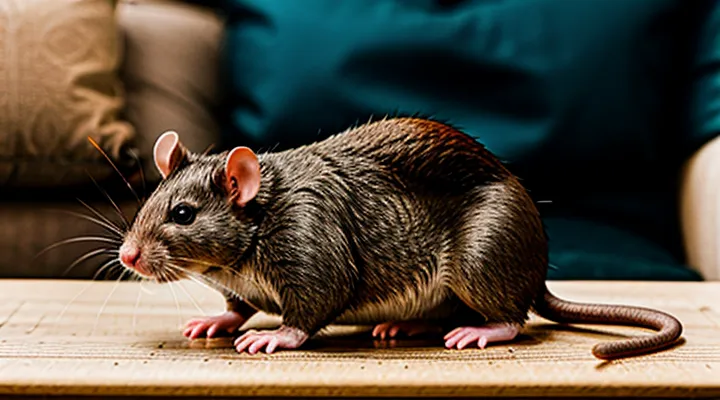
Factors Influencing Rat Weight
Age
Age is the primary factor determining the weight of a mature laboratory rat. Weight increases rapidly during the first weeks after weaning, then stabilizes as the animal reaches full maturity.
- 3 months (≈12 weeks): average 250–300 g, depending on strain and sex.
- 4 months (≈16 weeks): average 280–340 g; females typically weigh 10–15 % less than males.
- 5–6 months (≈20–24 weeks): average 300–360 g; weight plateau begins, with minor fluctuations linked to diet and housing conditions.
- 7–9 months (≈28–36 weeks): average 310–350 g; slight decline may occur in older females, while males maintain peak weight.
- 10–12 months (≈40–48 weeks): average 300–340 g; gradual reduction of muscle mass can cause a modest decrease in body mass.
These values represent pooled data from standard strains (e.g., Sprague‑Dawley, Wistar) under controlled feeding regimes. Deviations arise from genetic background, environmental enrichment, and health status, but the age‑weight relationship remains consistent across most laboratory environments.
Sex
Adult rats exhibit a clear sexual dimorphism in body mass. Male individuals typically weigh between 300 g and 500 g, while females range from 250 g to 400 g. These intervals represent the central tendency observed in laboratory colonies of Rattus norvegicus under standard housing conditions.
The disparity arises from differences in muscle development, hormonal profiles, and reproductive physiology. Males allocate a larger proportion of total mass to skeletal muscle, whereas females maintain a higher proportion of adipose tissue relative to body size, especially during estrous cycles.
Key points:
- Average male weight: 350 g ± 50 g
- Average female weight: 300 g ± 40 g
- Overlap zone (250 g–350 g) contains both sexes, with individual variation linked to age, diet, and strain.
Data derive from longitudinal studies of adult cohorts maintained on a balanced rodent diet, measured with calibrated scales to the nearest gram.
Strain and Breed
Adult rats exhibit distinct weight profiles that correspond closely to their genetic lineage. Each strain or breed possesses a characteristic adult mass range, reflecting differences in metabolism, growth rate, and body composition. Recognizing these patterns is essential for experimental design, health monitoring, and comparative studies.
Typical adult weight ranges for commonly used laboratory and pet strains are:
- Wistar: 250–300 g (females 230–260 g, males 260–320 g)
- Sprague‑Dawley: 300–350 g (females 280–310 g, males 320–380 g)
- Long‑Evans: 260–320 g (females 240–270 g, males 280–340 g)
- Fisher 344: 200–250 g (females 190–220 g, males 210–260 g)
- Dunkin‑Hartley (Hartley): 230–280 g (females 210–240 g, males 250–300 g)
- Pet breeds (e.g., Fancy, Rex): 180–250 g, with considerable variation among color morphs and coat types.
Weight differences arise from selective breeding objectives. Strains developed for research, such as Wistar and Sprague‑Dawley, prioritize rapid growth and robust size, resulting in higher adult masses. Heritage and pet lines, often bred for temperament or appearance, display broader weight distributions and lower average values. Accurate strain identification, combined with precise weight measurement, supports reproducibility and welfare standards across rodent facilities.
Diet and Nutrition
Adult rats typically weigh between 250 g and 500 g, with the exact value determined by strain, sex, and nutritional regimen. The most common laboratory diet supplies 18–20 % crude protein, 4–5 % fat, 4–5 % crude fiber, and a balanced mineral‑vitamin mix. When rats receive this standard chow ad libitum, body mass stabilizes within the cited range after the growth phase ends at approximately 10 weeks of age.
Key dietary factors that modify adult rat weight include:
- Caloric density: High‑fat or high‑sugar formulations increase daily energy intake, producing weight gains of 10–30 % above baseline.
- Protein level: Reducing protein below 10 % leads to lean mass loss and overall weight reduction, while excess protein (>25 %) has minimal impact on total mass but may affect organ size.
- Fiber content: Elevated crude fiber (≥8 %) improves gastrointestinal transit, modestly limiting weight gain despite unchanged caloric intake.
- Micronutrient balance: Deficiencies in essential vitamins (e.g., B‑complex, vitamin E) disrupt metabolic efficiency, resulting in irregular weight patterns.
Water consumption remains constant at 30–40 ml per 100 g body weight per day, provided the diet is not excessively salty. Restricting water intake below 50 % of normal levels induces dehydration‑related weight loss and compromises data reliability.
Feeding schedules influence weight stability. Continuous access to food yields the most consistent adult weights, whereas scheduled feeding (e.g., 12‑hour availability) produces modest fluctuations of 5–7 % around the mean. Researchers requiring precise weight control should employ measured portions matched to the animal’s metabolic rate, calculated from the formula:
[ \text{Daily kcal} = 0.08 \times (\text{body weight in g})^{0.75} ]
Applying this equation ensures that dietary energy aligns with the physiological demands of adult rats, maintaining body mass within the expected average range.
Environmental Conditions
Environmental temperature directly influences the body mass of mature rats. Ambient temperatures between 20 °C and 24 °C support the highest average weights, while exposure to temperatures below 15 °C or above 30 °C reduces weight by 5‑10 % due to increased metabolic demands.
Relative humidity affects water balance and, consequently, weight. Humidity levels of 40‑60 % maintain stable body mass; values outside this range cause minor fluctuations, typically 2‑4 % of total weight.
Dietary composition remains the primary determinant of weight, yet the feeding schedule modulates intake. Continuous access to standard laboratory chow yields average adult weights of 250‑300 g, whereas restricted feeding reduces the mean to 180‑220 g.
Cage density alters stress levels and competition for resources. Groups of up to three rats per 0.5 m² maintain average weights; higher densities increase variability, with individual weights deviating up to ±15 % from the mean.
Photoperiod regulates hormonal cycles that influence growth. A 12‑hour light/12‑hour dark cycle aligns with peak average weights; extended darkness or constant illumination produces modest weight reductions of 3‑5 %.
Key environmental parameters and their typical impact on adult rat body mass
- Temperature: 20‑24 °C → optimal weight; <15 °C or >30 °C → 5‑10 % decrease
- Humidity: 40‑60 % → stable weight; >70 % or <30 % → 2‑4 % fluctuation
- Feeding regime: ad libitum → 250‑300 g; restricted → 180‑220 g
- Cage density: ≤3 rats/0.5 m² → consistent weight; >3 rats/0.5 m² → up to ±15 % variation
- Photoperiod: 12 h light/12 h dark → peak weight; irregular cycles → 3‑5 % reduction
Maintaining these conditions yields reproducible average weights for mature rats, facilitating reliable experimental outcomes.
Average Weight Ranges for Adult Rats
Laboratory Rats
Laboratory rats, primarily the strains Rattus norvegicus such as Sprague‑Dawley, Wistar, and Long‑Evans, exhibit distinct adult body masses that serve as reference standards in biomedical research. Average mature weights differ by sex and genetic background, with males consistently heavier than females.
- Sprague‑Dawley: males ≈ 300–350 g, females ≈ 250–300 g.
- Wistar: males ≈ 280–320 g, females ≈ 220–260 g.
- Long‑Evans: males ≈ 250–300 g, females ≈ 200–250 g.
Weight ranges reflect age at measurement (typically 10–12 weeks), diet composition, housing density, and health status. Standardized feeding protocols (e.g., 18–20 % protein chow) and controlled environmental conditions (22 ± 2 °C, 12‑hour light cycle) minimize variability. Regular weighing, performed weekly with calibrated balances, ensures accurate monitoring of growth trajectories and detection of deviations that may indicate disease or experimental effects.
Reported averages provide baseline data for dose calculations, pharmacokinetic modeling, and interpretation of physiological endpoints. Deviations beyond ±10 % of strain‑specific norms warrant investigation of underlying factors, such as stress, illness, or nutritional deficiencies. Consistent documentation of weight metrics enhances reproducibility across studies and facilitates cross‑laboratory comparisons.
Pet Rats
Pet rats typically reach a stable body mass after reaching sexual maturity, which occurs around 10 weeks of age. For a healthy adult, the average weight falls within a defined range that varies by sex and breed.
- Male (stud) rats: 300–400 g (10.5–14 oz)
- Female (doe) rats: 250–350 g (8.8–12.3 oz)
These figures represent the central tendency observed in well‑cared laboratory and domestic populations. Individual measurements may deviate due to genetics, diet, and activity level.
Body composition influences weight. Lean muscle accounts for roughly 30 % of total mass, while adipose tissue contributes the remainder. Excessive fat accumulation, reflected by weights above the upper limits, often signals overfeeding or reduced exercise and can predispose rats to metabolic disorders.
Accurate weighing requires a calibrated digital scale with a capacity of at least 500 g and a resolution of 0.1 g. Weigh the animal at the same time of day, preferably after a brief fasting period, to minimize fluctuations caused by recent food intake.
Monitoring weight trends provides an early indicator of health status. A gradual decline of more than 10 % of baseline weight warrants veterinary assessment, as it may indicate illness, parasitic burden, or inadequate nutrition. Conversely, sustained weight gain beyond the typical adult range should prompt a review of diet composition and environmental enrichment to encourage activity.
Wild Rats
Wild adult rats exhibit considerable variation in body mass, reflecting species differences, habitat quality, and seasonal food availability. Accurate average weight data support pest management, ecological research, and disease risk assessment.
Typical adult weight ranges for common wild species are:
- Brown rat (Rattus norvegicus): 250–500 g, with coastal populations often reaching the upper limit.
- Black rat (Rattus rattus): 150–300 g, generally lighter than brown rats in comparable environments.
- Polynesian rat (Rattus exulans): 80–150 g, the smallest of the three, prevalent on islands and in agricultural settings.
Geographic factors influence these averages. Rats in temperate zones tend to be heavier during winter months due to increased fat deposition, while individuals in arid regions maintain lower body mass because of limited water and food resources. Urban populations frequently exceed rural averages, driven by abundant refuse and shelter.
Weight measurements are obtained through live‑capture trapping followed by immediate weighing on calibrated digital scales. Sample sizes of 30–50 individuals per site provide statistically robust mean values, while outlier exclusion criteria (e.g., pregnant females, juveniles) ensure consistency.
Comparisons with laboratory strains reveal that wild rats are, on average, 20–40 % heavier than standard laboratory albino rats of similar age, underscoring the impact of natural diet and activity levels on adult mass.
Health Implications of Rat Weight
Underweight Concerns
Adult rats typically weigh between 300 and 500 g, with variations reflecting strain, age, and environmental conditions. When an individual falls substantially below the lower bound of this range, it is classified as underweight and warrants immediate attention.
Underweight status often manifests as reduced muscle tone, diminished subcutaneous fat, and lethargy. Laboratory measurements frequently reveal:
- Body mass < 250 g for standard laboratory strains
- Body condition score ≤ 2 on a 5‑point scale
- Decreased serum albumin and total protein concentrations
Potential causes include inadequate caloric intake, malabsorption syndromes, chronic disease, or parasitic infestation. Persistent low weight compromises immune function, impairs wound healing, and can accelerate mortality.
Management strategies focus on identifying the underlying factor and correcting nutritional deficits:
- Conduct a thorough health assessment, including physical exam, fecal analysis, and blood chemistry.
- Adjust diet to provide higher energy density, incorporating supplemental fats and protein sources.
- Monitor weight daily until a steady increase of 5–10 % over baseline is achieved.
- Re‑evaluate housing conditions to ensure temperature stability and reduce stressors that may suppress appetite.
Prompt detection and intervention restore normal growth trajectories and prevent long‑term complications associated with chronic undernutrition in adult rats.
Overweight Concerns
Adult rats typically weigh between 300 and 500 grams, with variations linked to strain, sex, and age. Values exceeding this range indicate a risk of obesity, which can compromise health and experimental outcomes.
Key concerns associated with excess weight in adult rats include:
- Reduced locomotor activity, leading to muscle atrophy and impaired motor testing.
- Elevated blood glucose and lipid levels, increasing the likelihood of metabolic syndrome.
- Strain on cardiovascular and respiratory systems, manifesting as hypertension and diminished lung capacity.
- Altered drug metabolism, potentially skewing pharmacokinetic data.
- Higher incidence of joint degeneration and musculoskeletal disorders.
Monitoring weight trends against established average adult rat mass benchmarks enables early detection of overweight conditions. Adjustments to diet composition, feeding frequency, and environmental enrichment are effective interventions. Maintaining weight within normative limits preserves physiological integrity and ensures reliable, reproducible research results.
Measuring and Monitoring Rat Weight
Methods of Measurement
Accurate determination of average adult rat mass relies on standardized measurement protocols. Direct weighing of conscious rats uses calibrated digital balances with a capacity of 500 g and a resolution of 0.01 g. Animals are placed in a ventilated holding cage or a weigh‑boat to minimize stress and movement; readings are recorded after a 30‑second stabilization period. For increased precision, researchers may employ anesthesia‑induced immobilization, allowing placement on a precision analytical balance that detects changes as small as 0.001 g. Post‑mortem weighing follows euthanasia; the carcass is blotted dry, excess gut contents are removed, and the intact body is weighed to provide a reference value for live measurements.
Alternative techniques supplement scale data. Dual‑energy X‑ray absorptiometry (DXA) quantifies lean and fat tissue, generating an estimate of total body mass that correlates with scale measurements. Magnetic resonance imaging (MRI) and computed tomography (CT) produce volumetric reconstructions; tissue density assumptions convert volume to mass. Bioelectrical impedance analysis (BIA) offers rapid, non‑invasive assessment of body composition, from which total mass can be inferred using validated regression equations.
Consistency across studies requires adherence to the following procedural controls:
- Calibration of scales before each session using certified weights.
- Uniform time of day for measurements to reduce diurnal weight fluctuations.
- Standardized fasting period (typically 4 h) to limit gastrointestinal content variability.
- Documentation of animal sex, strain, and age, as these factors influence baseline mass.
Ethical compliance mandates that handling minimizes discomfort, and that any anesthesia or euthanasia follows institutional animal care guidelines. Combining direct weighing with imaging modalities enhances data robustness, supporting reliable reporting of average adult rat mass in scientific investigations.
Importance of Regular Monitoring
Regular measurement of adult rat weight supplies essential data for evaluating health status and experimental reliability. Weight values that deviate from established averages signal physiological stress, disease onset, or nutritional imbalance, prompting timely intervention.
- Detects health issues early through deviation from typical weight ranges.
- Ensures consistency across study groups by confirming comparable baseline metrics.
- Guides accurate dosage calculations for pharmacological or dietary treatments.
- Supports longitudinal analysis of growth patterns, metabolic changes, and aging effects.
Implement a systematic schedule: weigh each animal at least weekly, using calibrated scales and consistent restraint techniques. Record measurements in a centralized database, linking each value to the animal’s identification number, age, sex, and experimental condition. Regular audits of the data set identify trends, outliers, and potential procedural errors, reinforcing the integrity of research outcomes.