
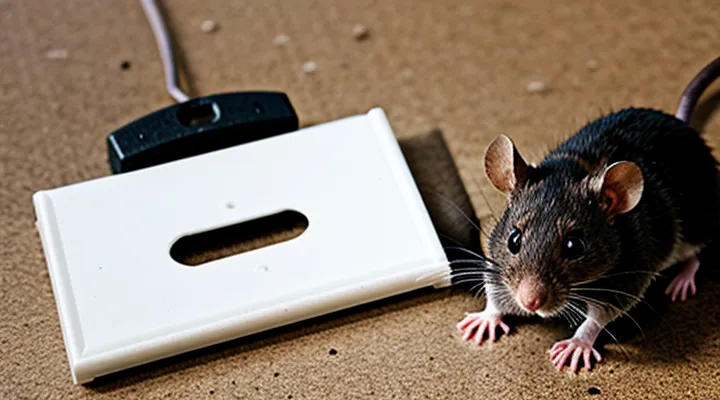
Understanding Adhesive Traps
What Are Adhesive Traps?
Adhesive traps are flat panels coated with a strong, non‑drying glue designed to capture mice and rats upon contact. The glue remains tacky for several weeks, allowing the device to retain multiple pests without losing effectiveness.
The traps consist of:
- A thin, rigid backing (often cardboard, plastic, or metal) that provides structural support.
- A uniformly applied adhesive surface that creates a high‑friction zone.
- Optional scent attractants or food lures applied to the glue to increase capture rates.
Operation relies on the animal's natural movement toward food or shelter. When a rodent steps onto the adhesive area, its paws become immobilized, preventing escape. The trap does not require electricity, bait replacement, or mechanical parts, making it suitable for confined spaces such as cabinets, walls, or under appliances.
Safety considerations include:
- Placement out of reach of children and non‑target animals.
- Proper disposal of captured pests according to local regulations.
- Replacement of the trap once the adhesive surface shows signs of contamination or loss of tackiness.
Adhesive traps provide a discreet, low‑maintenance option for controlling rodent populations while facilitating straightforward procurement from hardware stores, online retailers, and specialized pest‑control suppliers.
How Adhesive Traps Work
Adhesive traps consist of a flat platform coated with a strong, non‑drying glue. The platform is usually made of cardboard or plastic, providing a lightweight yet sturdy base that can be positioned in narrow passages, along walls, or near suspected activity zones.
When a mouse or rat walks onto the surface, the adhesive immediately captures the animal’s feet and tail. The glue creates a firm bond that prevents the rodent from regaining footing, leading to rapid immobilization. The trap’s design does not rely on a mechanical trigger; capture occurs the moment contact is made.
Effectiveness depends on several variables:
- Adhesive formulation – high‑tack, moisture‑resistant compounds maintain stickiness even in humid basements or kitchens.
- Environmental conditions – extreme cold can reduce glue viscosity, while excessive heat may cause it to dry out.
- Placement strategy – aligning the trap perpendicular to travel routes and positioning it against walls maximizes contact probability.
- Bait selection – small food items or scent attractants increase the likelihood that rodents will step onto the trap.
Proper handling minimizes risk to non‑target species and users. Wear disposable gloves when setting traps, avoid placing them where pets or children can access them, and seal captured rodents in a plastic bag before disposal. After use, store remaining traps in a sealed container to preserve adhesive integrity.
Understanding these mechanics enables informed purchasing decisions and optimizes pest‑control outcomes.
Pros and Cons of Using Adhesive Traps
Advantages
Sticky rodent traps provide a direct, chemical‑free method for controlling mice and rats. The design captures pests on a coated surface, eliminating the need for attractants or poisons. This approach reduces the risk of secondary poisoning for pets and wildlife.
- Immediate immobilization upon contact eliminates prolonged suffering and prevents escape.
- No bait required, simplifying placement and reducing ongoing expenses.
- Compact form factor allows discreet installation in concealed locations such as wall voids, cabinets, and crawl spaces.
- Low manufacturing cost translates to affordable pricing for consumers and professional pest‑control operators.
- Single‑use construction enables safe, hygienic disposal without the need for cleaning or decontamination procedures.
- Absence of toxic chemicals permits use in food‑storage areas, complying with health‑safety regulations.
These attributes make sticky traps a practical choice for environments where cleanliness, safety, and cost efficiency are priorities. When sourcing these devices, prioritize suppliers that provide sealed packaging and clear usage instructions to maintain product integrity.
Disadvantages
Adhesive rodent traps are widely sold online and in hardware stores, yet their use entails several significant drawbacks.
- Non‑selective capture: The sticky surface does not differentiate between target pests and non‑target animals, increasing the risk of harming beneficial wildlife or household pets that inadvertently contact the trap.
- Delayed mortality: Trapped rodents often suffer prolonged distress before death, raising ethical concerns and potentially releasing disease‑laden fluids that contaminate the surrounding area.
- Limited reusability: Once a mouse or rat is caught, the trap becomes unusable, requiring the purchase of additional units for continued control, which can raise overall costs compared with reusable mechanical devices.
- Environmental exposure: The adhesive compounds may degrade or lose effectiveness under high humidity, temperature fluctuations, or exposure to dust, reducing reliability in varied indoor conditions.
- Disposal complications: Removal of a dead rodent from the sticky surface can be messy, and the trap must be handled as hazardous waste to avoid pathogen transmission, adding a sanitation burden.
Understanding these limitations helps consumers evaluate whether sticky traps align with their pest‑management objectives and safety standards.
Ethical Considerations
When selecting glue‑based rodent traps, purchasers must assess the moral implications of their use. The primary concern is the suffering inflicted on captured animals; adhesive devices cause prolonged distress, dehydration, and potential injury. Buyers should verify that products include clear instructions for humane handling and rapid euthanasia, minimizing pain.
Regulatory compliance also influences ethical judgment. Many jurisdictions classify sticky traps as restricted pest control tools, requiring documentation of intended use and proof of training. Vendors that provide safety data sheets and certify adherence to local animal welfare statutes demonstrate responsible commerce.
Key ethical factors to evaluate:
- Presence of humane‑kill guidelines on packaging or accompanying literature.
- Availability of non‑lethal alternatives, such as live‑catch traps, offered by the same retailer.
- Transparency regarding by‑catch risks to beneficial insects or small wildlife.
- Manufacturer’s commitment to environmentally safe adhesives that do not release toxins upon disposal.
- Clear labeling of age‑restricted sale and mandatory user training where required.
Choosing suppliers that prioritize these criteria supports ethical pest management while maintaining effectiveness.
Where to Purchase Adhesive Traps
Online Retailers
Major E-commerce Platforms
Sticky rodent traps are widely available through leading online marketplaces. These platforms aggregate numerous brands, provide user reviews, and often include expedited shipping options, making them reliable sources for both residential and commercial buyers.
- Amazon – extensive catalog, filter by rating, Prime delivery for many items, competitive pricing.
- eBay – new and bulk listings, auction format can reduce cost, seller feedback system ensures credibility.
- Walmart.com – in‑store pickup available, price‑match guarantee, detailed product specifications.
- Chewy – pet‑focused inventory, subscription discounts, customer service specialized in pest‑control supplies.
- Home Depot – hardware‑oriented selection, option for same‑day delivery in select regions, professional‑grade products.
- Target – curated assortment, loyalty rewards, free shipping on orders over a set threshold.
- Wayfair – home‑goods emphasis, bulk‑pack offers, detailed sizing charts.
Each marketplace presents distinct advantages: Amazon and eBay excel in variety and price competition; Walmart and Target provide convenient pickup; Chewy and Wayfair focus on niche bundles; Home Depot supplies industrial‑strength options. Selecting the appropriate site depends on desired quantity, delivery speed, and the need for verified customer feedback.
Specialty Pest Control Stores
Specialty pest‑control retailers concentrate on professional‑grade adhesive devices designed to capture mice and rats. These stores typically stock a broad selection of trap types, including glue boards, snap‑type catchers, and bait‑integrated models, allowing customers to match the product to specific infestation levels and target species.
Advantages of purchasing from dedicated pest‑control outlets include:
- Expert guidance – staff are trained to advise on placement, safety, and disposal procedures.
- Higher‑quality materials – traps are often manufactured to meet industry standards for durability and adhesion.
- Bulk pricing – larger packs are offered at reduced unit costs, beneficial for extensive rodent problems.
- Regulatory compliance – products comply with local pest‑management regulations, reducing liability concerns.
Physical locations are usually found in industrial zones or near agricultural supply centers, where they serve both residential and commercial clients. Many retailers also maintain e‑commerce platforms, providing detailed product specifications, customer reviews, and rapid shipping options. Some chains operate loyalty programs that reward repeat purchases with discounts or free accessories such as protective gloves and disposal bags.
When evaluating a specialty store, consider the following criteria:
- Range of brands – presence of multiple manufacturers indicates competitive selection.
- Return policy – clear terms for defective or unsuitable traps protect the buyer.
- Technical resources – availability of manuals, videos, or webinars demonstrates commitment to effective rodent control.
- Customer support – responsive service lines for post‑sale inquiries enhance overall reliability.
By sourcing adhesive rodent traps from these focused retailers, users obtain products that meet professional standards, receive knowledgeable assistance, and benefit from cost efficiencies unavailable through general‑purpose retailers.
Brick-and-Mortar Stores
Hardware Stores
Hardware stores are a primary source for adhesive rodent traps, offering immediate access without the need for online ordering. Large‑format retailers such as Home Depot, Lowe’s, and Menards stock a range of glue boards and snap‑type traps that incorporate adhesive surfaces, typically positioned in the pest‑control aisle. These chains provide standardized pricing, often ranging from $2 to $8 per unit, and frequently carry well‑known brands like Tomcat, Trapper, and Victor. Inventory turnover is high, ensuring that popular sizes (12‑inch, 24‑inch, and 36‑inch boards) are readily available.
Local hardware outlets may stock specialty or bulk‑pack options not found in national chains. Independent stores often maintain relationships with regional distributors, allowing customers to request specific trap models or larger quantities. Staff members can advise on product placement, safety precautions, and disposal procedures, reducing the risk of accidental contact with non‑target animals.
Key considerations when purchasing adhesive traps from hardware retailers:
- Verify that the adhesive surface is sealed to prevent premature drying.
- Check for clear labeling of target species and usage instructions.
- Compare unit price versus bulk price to assess cost efficiency.
- Ensure the product complies with local pest‑control regulations.
- Ask about return policies in case of defective or expired adhesive material.
Supermarkets and Discount Stores
Supermarkets and discount retailers frequently stock adhesive mouse and rat traps, offering a convenient option for homeowners and small‑business operators. These outlets typically place the products on the pest‑control aisle alongside traditional snap traps and bait stations, allowing quick comparison of price and size.
When selecting a trap at a grocery or value‑store, consider the following factors:
- Brand availability – major manufacturers such as Tomcat, Victor, and Catchmaster are commonly found.
- Pack size – bulk packages (20‑50 units) reduce cost per trap; single‑unit packs suit occasional use.
- Adhesive strength – products labeled “extra‑strong” or “double‑sided” provide higher capture efficiency for larger rodents.
- Safety labeling – stores often include child‑proof packaging or warnings about non‑target species.
Pricing at these venues is generally lower than at specialty pest‑control shops. Discount chains may run weekly promotions, clearing inventory with reduced rates, while supermarkets often match manufacturer suggested retail prices but benefit from high turnover, keeping shelves stocked.
Availability can vary by region; checking the store’s online inventory before visiting saves time. Many retailers provide a “click‑and‑collect” service, enabling the purchase of adhesive traps online and pickup at the nearest location, merging the convenience of digital ordering with the immediacy of in‑store acquisition.
Garden and Home Improvement Centers
Garden and home improvement retailers stock a wide selection of adhesive rodent traps, offering immediate availability for homeowners and property managers. These stores typically carry traps in various sizes, strengths of adhesive, and packaging formats, allowing customers to match the product to the specific infestation level and target species.
Key advantages of buying from these outlets include:
- In‑store inspection: Products can be examined for expiration dates and adhesive quality before purchase.
- Instant acquisition: No waiting for delivery; traps are ready for checkout.
- Expert assistance: Staff trained in pest‑control supplies can recommend appropriate trap types and placement strategies.
- Bulk pricing: Many chains provide discounts on larger quantities, reducing per‑unit cost for extensive control efforts.
Major chains that regularly feature adhesive rodent traps are:
- Home Depot
- Lowe’s
- Menard’s
- Ace Hardware
- True Value
When selecting a retailer, verify that the store’s inventory list includes traps certified for indoor and outdoor use, and confirm the presence of safety instructions and packaging that meets local regulatory standards. Purchasing from these centers ensures reliable product quality, immediate access, and professional guidance for effective rodent management.
Professional Pest Control Suppliers
Professional pest‑control distributors are the most reliable source for adhesive rodent traps. They stock products that meet industry standards, offer bulk pricing, and provide technical assistance for proper placement and disposal.
Key factors when selecting a supplier:
- Certification – company holds ISO 9001 or equivalent quality management accreditation.
- Product range – includes various trap sizes, bait‑free options, and environmentally compliant adhesives.
- Pricing structure – tiered discounts for orders exceeding 100 units, transparent cost per trap.
- Logistics – same‑day processing, tracked shipping, and ability to deliver to commercial or residential sites.
- Support services – access to safety data sheets, usage guidelines, and on‑call pest‑control consultants.
Reputable distributors often operate nationwide and maintain online catalogs that allow quick comparison of specifications. Many provide sample kits for field testing before committing to larger purchases. Contacting a regional representative can confirm inventory availability and negotiate contract terms tailored to the scale of an infestation control program.
Considerations When Buying
Trap Size and Strength
Choosing an adhesive rodent trap requires matching its dimensions and holding power to the target animal. Undersized devices may fail to capture larger rats, while oversized traps can waste adhesive and increase cost.
- Mouse traps: typically 5–7 cm wide, 10–12 cm long, designed for animals up to 30 g.
- Rat traps: commonly 10–15 cm wide, 20–25 cm long, rated for rodents weighing 150 g or more.
Adhesive strength determines whether a trapped animal remains immobilized until removal. Strength is expressed by the maximum load the glue can sustain, usually measured in grams. Mouse‑grade glue holds up to 40 g; rat‑grade formulations support 200 g or more. Some manufacturers specify a “hold time” of 24 hours or longer, indicating resistance to escape attempts.
Effective selection aligns trap size with the expected pest weight and chooses an adhesive rating that exceeds the animal’s maximum load. Retailers that specialize in pest‑control supplies list both dimensions and load capacity in product descriptions, allowing direct comparison. Verify that the listed specifications meet the intended use before purchase.
Trap Material and Adhesion
Adhesive rodent traps rely on a sticky surface that immobilizes mice and rats upon contact. The substrate is typically a thin, flexible film made from polyethylene or polypropylene, providing a lightweight yet durable base that conforms to the floor or wall. The adhesive layer consists of a synthetic resin—often a blend of polyisobutylene and tackifiers—that remains tacky across a wide temperature range (‑10 °C to 45 °C). This formulation prevents the glue from hardening in cold storage and from losing grip in warm environments.
Key material characteristics:
- Thickness: 0.1–0.3 mm; thin enough to hide under debris, thick enough to resist tearing.
- Adhesive strength: Measured in grams per square centimeter; commercial traps usually offer 50–150 g/cm², sufficient to hold rodents weighing up to 500 g.
- Moisture resistance: Coated with a waterproof barrier to avoid degradation from humidity or spills.
- Non‑toxic composition: Food‑grade polymers ensure safety for households with pets or children.
Adhesion performance depends on surface preparation. Clean, dry areas improve contact; oil, dust, or pet hair reduce effectiveness. Some manufacturers embed a low‑friction release liner that protects the glue until the trap is deployed, extending shelf life to 12 months.
When selecting a product, verify the material specifications listed by the supplier. Compatibility with local climate, intended placement (floor, wall, or ceiling), and target pest size are essential factors for reliable capture.
Quantity and Packaging Options
Retailers commonly offer adhesive rodent traps in three quantity tiers: small packs of 5‑10 units for occasional use, medium packs of 20‑30 units for regular infestations, and bulk containers of 50‑100 units for professional or large‑scale applications. Selecting the appropriate tier depends on the severity of the problem and the anticipated re‑use rate.
Packaging formats vary to accommodate storage and handling requirements. Typical options include:
- Individual sealed plastic trays that protect each trap from moisture and damage.
- Cardboard cartons holding multiple trays, often with a pull‑out drawer for easy access.
- Reclosable zip‑lock bags that allow quick dispensing while maintaining a controlled environment.
Bulk purchases may be supplied in reinforced corrugated boxes or bulk‑load pallets, providing cost efficiency and streamlined inventory management for pest‑control services. Each packaging type is labeled with the number of traps, active ingredient safety information, and disposal instructions to ensure compliance with safety standards.
Brand Reputation and Reviews
When choosing adhesive rodent traps, the reputation of the manufacturer directly influences product reliability and safety. Established brands typically invest in quality control, consistent adhesive strength, and humane design, reducing the risk of ineffective captures or hazardous chemicals.
Reliable feedback comes from several channels:
- Customer reviews on major e‑commerce platforms (Amazon, Walmart, Home Depot). Look for verified‑purchase ratings and comments that mention trap longevity, adhesive performance, and ease of disposal.
- Independent testing reports from pest‑control blogs and consumer‑report organizations. These sources often compare multiple products under identical conditions.
- Forum discussions on dedicated rodent‑control communities (e.g., Reddit r/ratting, pest‑control forums). Users share real‑world experiences, replacement frequency, and brand-specific quirks.
Interpretation guidelines:
- Prioritize products with an average rating of four stars or higher and a substantial number of reviews (typically over 50). High volume mitigates statistical anomalies.
- Scrutinize recurring themes in negative feedback, such as premature adhesive loss or excessive mess. Isolated complaints may not reflect overall quality.
- Verify that positive remarks reference consistent performance across different environments (kitchens, basements, attics). Versatility indicates robust formulation.
Well‑known manufacturers often cited for dependable adhesive traps include:
- Catchmaster – noted for strong, long‑lasting glue and minimal residue.
- Trapper Express – praised for compact design and clear placement instructions.
- Rodent‑Stop – recognized for non‑toxic adhesive that complies with safety standards.
Selecting a trap from a brand with a solid track record and transparent customer feedback reduces uncertainty and increases the likelihood of successful rodent management.
Effective Use of Adhesive Traps
Placement Strategies
Identifying Rodent Activity Areas
Identifying rodent activity zones is essential for effective placement of sticky traps. Start by inspecting areas where food, water, or shelter are available. Look for the following indicators:
- Small droppings, typically dark and pellet‑shaped, near walls, cupboards, or behind appliances.
- Gnaw marks on wood, plastic, or insulation, especially at baseboards and cable entries.
- Grease or urine stains that appear shiny and darkened on surfaces.
- Burrows or nesting material such as shredded paper, fabric, or insulation fibers.
- Fresh tracks in dusty corners, along edges of cabinets, or on low‑lying furniture.
Map these signs on a floor plan to pinpoint high‑traffic corridors. Prioritize locations where multiple indicators converge, as rodents tend to follow the same routes repeatedly. Place adhesive traps perpendicular to walls, with the sticky surface facing the expected direction of travel. Secure traps in concealed yet accessible spots to prevent interference by pets or children.
When sourcing sticky traps, compare retailers based on product size, adhesive strength, and safety certifications. Verify that the chosen traps are rated for both mice and rats, as different species may require varying trap dimensions. Purchasing from suppliers that provide bulk discounts can reduce cost per unit while maintaining consistent trap quality.
Optimal Trap Positioning
Proper placement of adhesive boards determines capture efficiency and reduces collateral damage. Identify high‑traffic routes used by rodents: along walls, behind appliances, near food storage, and in dark corners. Position traps perpendicular to these pathways, with the sticky surface facing the expected direction of travel. Secure boards at least 1–2 inches off the floor to prevent dust interference while remaining within reach of the animal’s gait.
Key placement principles:
- Align traps directly against baseboards or molding where mice and rats habitually run.
- Install near known entry points such as gaps under doors, utility openings, and vents.
- Deploy in clusters of 2–3 boards spaced 12–18 inches apart to cover broader zones without creating gaps.
- Avoid areas with high human activity or pet traffic to prevent accidental adhesion.
When selecting a supplier, prioritize vendors that provide detailed placement guidelines with their products. Choose boards with a non‑slip backing to ensure stability on varied surfaces. Regularly inspect and replace traps once they become saturated, typically after 24–48 hours in active zones. This systematic approach maximizes the likelihood of successful rodent control while minimizing unnecessary exposure.
Safety Precautions
Handling and Disposal
When using glue‑based rodent capture devices, wear disposable gloves and, if available, a face shield to prevent skin contact with adhesive. After a capture, place the entire trap in a sealed, puncture‑resistant bag; avoid touching the sticky surface directly. Label the bag with the date and location of capture, then store it in a secure, out‑of‑reach area until disposal.
Disposal procedure:
- Transfer the sealed bag to a heavy‑duty trash container that is regularly emptied.
- Follow local waste‑management regulations; many jurisdictions require hazardous‑waste handling for adhesive products.
- If a municipal program accepts such items, place the bag in the designated collection bin; otherwise, contact a licensed pest‑control disposal service.
- Clean and disinfect any tools or surfaces that may have contacted the trap, using a solution of 1 % bleach or an EPA‑approved disinfectant.
For bulk purchases, select suppliers that provide clear material‑safety data sheets (MSDS) and offer sealed packaging to reduce exposure risk during transport and storage. Ensure the vendor’s product complies with OSHA and EPA standards, which simplifies compliance during handling and final disposal.
Preventing Accidental Contact
When selecting sticky traps for rodents, prioritize products that include clear safety instructions and child‑proof packaging. Choose vendors that list material safety data sheets (MSDS) and provide detailed labeling of toxic components.
Store traps in a sealed container away from food preparation areas. Keep the container out of reach of children and pets, preferably in a locked cabinet. Do not place traps in high‑traffic zones such as hallways or near furniture where accidental stepping is likely.
Handle each trap with disposable gloves. Avoid direct skin contact with the adhesive surface; if contact occurs, wash the area immediately with soap and water. Use tweezers or a plastic tool to position traps, minimizing hand exposure.
Label the storage container with warnings that include:
- “Do not touch adhesive surface”
- “Keep away from children and animals”
- “Use protective gloves when handling”
When setting traps, attach them to flat, stable surfaces where rodents travel, such as behind appliances or along baseboards. Ensure the trap is affixed securely to prevent it from falling or being knocked over.
Dispose of used traps according to local hazardous waste regulations. Place the spent trap in a sealed bag before discarding, and wash hands thoroughly after removal.
Alternative and Complementary Rodent Control Methods
Snap Traps
Snap traps are mechanical devices that kill mice and rats instantly by applying a rapid force to the rodent’s neck or spine. The mechanism consists of a spring‑loaded bar that releases when the animal bites a baited trigger plate. This design eliminates the need for poison and reduces the risk of secondary poisoning for pets and wildlife.
When selecting a snap trap, evaluate the following characteristics: trigger sensitivity (adjustable settings accommodate cautious or aggressive rodents); size of the killing bar (larger bars handle bigger rats); construction material (steel frames provide durability); and safety features such as insulated handles or protective shields that minimize accidental injury during set‑up and disposal.
Compared with adhesive boards, snap traps offer immediate lethality, lower risk of escape, and the ability to reuse the device after each capture. Adhesive surfaces retain rodents for extended observation but may allow escape if the animal frees itself. Snap traps require precise placement near active runways, whereas adhesive boards can be positioned in broader areas. Both methods benefit from complementary use in severe infestations.
Typical purchase channels include:
- Major online marketplaces (Amazon, eBay, Walmart) – wide selection, customer reviews, bulk pricing options.
- Specialty pest‑control retailers (Ortho, Terminix, Pest‑Control‑Products.com) – professional‑grade models, warranty coverage.
- Home‑improvement chains (Home Depot, Lowe’s, Menards) – in‑store availability, immediate pickup.
- Local hardware stores and farm supply outlets – often carry regional brands suited to specific rodent species.
Price ranges vary from $5 for basic wooden models to $30 for heavy‑duty steel traps with ergonomic handles. Bulk packs of 10‑20 units provide cost efficiency for large‑scale applications. Verify that the chosen product complies with local regulations governing rodent control devices.
Electronic Traps
Electronic traps eliminate rodents by delivering a high‑voltage pulse that instantly kills mice or rats. The device contains a sensing plate that detects the animal’s presence, then discharges electricity through a metal grid.
Compared with glue‑based devices, electronic models provide immediate lethality, reduce secondary contamination, and allow single‑use disposal of the deceased pest without adhesive residue. They also minimize accidental capture of non‑target species because activation occurs only when a specific weight threshold is met.
Key specifications to review before purchase:
- Voltage output (typically 3,000–8,000 V) and compliance with local safety regulations.
- Capacity (number of rodents per charge cycle, often 1–4).
- Power source (rechargeable battery, replaceable battery, or mains plug).
- Safety features such as insulated housing and child‑proof locks.
- Warranty period and availability of replacement parts.
Reliable sources for acquiring electronic rodent control devices include:
- Major e‑commerce platforms (Amazon, eBay) – extensive model selection, user reviews, and expedited shipping.
- Home‑improvement chains (Home Depot, Lowe’s, Menards) – in‑store inspection, return policies, and local pickup.
- Specialty pest‑control suppliers (Ortho, Pest‑Control‑Products.com) – professional‑grade models, technical support, and bulk pricing.
- Direct manufacturer websites (Victor, Rat Zapper) – access to the latest designs and official accessories.
When evaluating a vendor, confirm the presence of a clear return policy, verify that the product meets UL or CE certification, and check for customer feedback regarding durability. Selecting a reputable seller ensures compliance with safety standards and access to post‑purchase service.
Live Traps
Live traps capture mice and rats without causing injury, allowing release at a distant location. They consist of a cage, a trigger mechanism, and a secure door that closes automatically when the animal enters.
Key design elements include:
- Durable metal or reinforced plastic construction;
- Adjustable interior dimensions to accommodate various rodent sizes;
- Simple release latch that can be opened without handling the animal directly;
- Transparent side panels for visual monitoring.
Live traps avoid the hazards associated with adhesive devices, such as accidental capture of non‑target species and difficulty in removing trapped rodents. They also comply with humane‑pest‑control standards required by many municipalities.
Purchasing options:
- Major online marketplaces (e.g., Amazon, eBay) offer a range of models with customer reviews and fast shipping.
- Specialized pest‑control retailers (e.g., Pest‑World, Orkin) provide expert advice and warranty support.
- Home‑improvement chains (e.g., Home Depot, Lowe’s) stock live traps in the garden‑pest section.
- Local hardware stores often carry basic cage traps for immediate purchase.
Selection guidelines:
- Choose a trap size that matches the target species; mouse traps typically measure 5 × 5 × 6 in, while rat traps range from 7 × 7 in upward.
- Use attractive bait such as peanut butter, dried fruit, or commercial rodent attractants.
- Verify that the trigger sensitivity can be adjusted to prevent false closures.
- Ensure the door latch releases smoothly to minimize stress on the captured animal.
Baits and Repellents
Baits enhance the efficiency of sticky rodent traps by attracting mice and rats to the adhesive surface. Effective baits contain high‑protein or high‑fat ingredients such as peanut butter, cheese, or dried fish. When selecting a bait, match the flavor to the target species’ preferences; rats respond better to grain‑based mixtures, while mice prefer sweet or aromatic substances.
Repellents serve a complementary function by discouraging rodents from entering specific zones, thereby directing them toward trapped areas. Available formats include:
- Granular repellents (e.g., petroleum‑based or plant‑derived granules) applied around entry points.
- Spray repellents containing essential oils (peppermint, citronella) for interior surfaces.
- Ultrasonic devices that emit frequencies uncomfortable to rodents, limiting activity in treated rooms.
Purchasing considerations:
- Verify that the product complies with local pest‑control regulations; some chemical baits require certification.
- Choose suppliers that list ingredient concentrations and safety data sheets, ensuring proper handling.
- Opt for bulk packaging when managing extensive infestations to reduce cost per unit.
- Prefer retailers with a clear return policy and customer support for usage guidance.
Online platforms such as specialized pest‑control e‑stores, large‑scale hardware websites, and agricultural supply sites typically provide detailed product descriptions, user reviews, and shipping options. Physical outlets—including home‑improvement chains, farm supply warehouses, and professional pest‑control distributors—allow immediate inspection of bait texture and repellent potency before purchase. Selecting reputable vendors minimizes the risk of ineffective or hazardous products and supports consistent trap performance.
Exclusion Techniques
Effective rodent control relies on preventing entry before traps are deployed. Identify gaps around foundations, doors, windows, and utility penetrations; seal them with steel wool, silicone caulk, or copper mesh. Install door sweeps and weather stripping to block low‑level access. Replace cracked vent covers with metal screens. These measures reduce the likelihood that mice and rats will encounter adhesive devices.
When selecting adhesive traps, choose products with a strong, non‑toxic glue and a secure backing that resists tearing. Look for models featuring a built‑in release mechanism to avoid accidental capture of non‑target species. Verify that the trap size accommodates the target rodent, typically 1‑2 inches for mice and up to 3 inches for rats.
Purchase options include:
- Specialized pest‑control retailers that stock professional‑grade adhesive traps and sealing materials.
- Large‑scale home‑improvement chains offering bulk packs and compatible caulking supplies.
- Online marketplaces with user reviews, price comparison tools, and fast shipping.
Integrating exclusion practices with properly sourced adhesive traps creates a comprehensive barrier, limiting infestations and reducing the need for repeated baiting.