
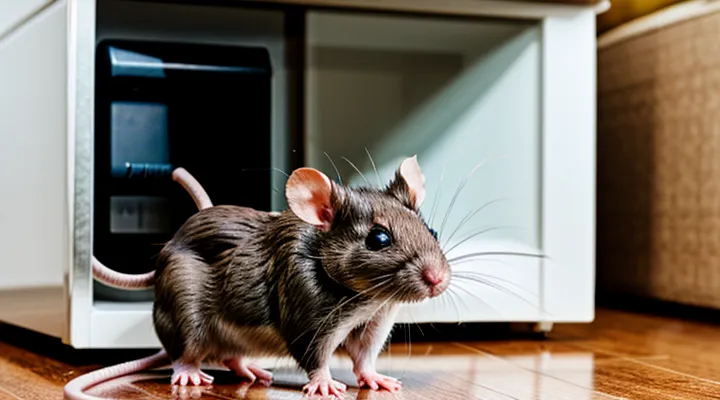
Understanding Heavy Breathing in Rats
What is Normal Rat Respiration?
Observing Your Rat«s Breathing Patterns
Observing a rat’s breathing provides the first clue to respiratory distress. Normal respiration is rapid, shallow, and silent; each breath lasts 1–2 seconds with a rate of 70–150 breaths per minute, depending on size and activity level. Deviations from this pattern—such as prolonged inhalation, audible wheezing, or irregular rhythm—signal potential problems.
Key indicators to record during observation:
- Rate: Count breaths for 30 seconds, multiply by two; a sustained increase above 200 breaths per minute warrants attention.
- Depth: Notice if the chest expands excessively or remains flat; shallow, rapid breaths often accompany congestion.
- Sound: Listen for harsh or high‑pitched noises; wheezing, crackles, or clicking suggest airway obstruction or fluid buildup.
- Effort: Look for flaring nostrils, visible throat movement, or the rat leaning forward to open the airway.
Documenting these parameters at regular intervals—morning, afternoon, and evening—creates a baseline for comparison. When a pattern emerges that deviates from the baseline, immediate steps include reducing stressors, ensuring a warm, draft‑free environment, and consulting a veterinarian with the recorded data. Accurate observation enables timely intervention and improves the likelihood of recovery.
Signs of Healthy Breathing
Rats that breathe normally show a steady, even rhythm without abrupt pauses or rapid spikes. The respiratory rate typically ranges from 70 to 150 breaths per minute when the animal is at rest; rates outside this window suggest distress. Each inhalation and exhalation should be quiet, producing no audible wheeze, chirp, or rattling sound.
Chest movement is symmetrical, with the ribcage expanding and contracting evenly on both sides. The abdomen may rise slightly during inhalation, but excessive belly movement can indicate compensatory breathing. Nasal passages remain clear; no mucus, blood, or discharge is present during normal respiration.
Additional indicators of healthy breathing include:
- Stable heart rate that does not fluctuate dramatically with each breath.
- Alert behavior and normal activity levels, showing no signs of lethargy or labored effort.
- Absence of flaring nostrils or open-mouth breathing, which are typical responses to oxygen deficiency.
Observing these criteria provides a reliable baseline for assessing respiratory problems in pet rats and helps determine when intervention is necessary.
Common Causes of Heavy Breathing
Respiratory Infections
Respiratory infections are a common cause of rapid, labored breathing in pet rats. Bacterial agents such as Streptococcus pneumoniae and Klebsiella pneumoniae invade the lower airways, producing pus‑filled lung tissue and obstructing gas exchange. Viral pathogens, notably sialodacryoadenitis virus, damage the respiratory epithelium and predispose the animal to secondary bacterial colonization. Fungal organisms, though rare, may establish opportunistic infections in immunocompromised individuals, leading to persistent cough and wheezing.
Clinical signs include audible wheezes, nasal discharge, fever, lethargy, and a noticeable increase in respiratory rate. Auscultation reveals crackles or harsh breath sounds, while chest radiographs typically show infiltrates or consolidation. Laboratory confirmation requires nasal swabs or bronchoalveolar lavage for culture and polymerase chain reaction testing.
Effective management follows a three‑step protocol:
- Diagnosis: Obtain samples for microbial identification; evaluate blood work for leukocytosis and elevated inflammatory markers.
- Therapy: Initiate broad‑spectrum antibiotics (e.g., enrofloxacin or trimethoprim‑sulfonamide) pending culture results; adjust to targeted agents once sensitivities are known. Antiviral treatment is limited; supportive care remains essential.
- Supportive care: Provide a warm, humidified environment; ensure easy access to fresh water and high‑quality protein‑rich diet; monitor weight and hydration status closely. Supplemental oxygen may be required for severe cases.
Prevention relies on strict biosecurity: isolate new arrivals for at least two weeks, maintain cage cleanliness, and avoid overcrowding. Regular health checks enable early detection of respiratory distress, reducing morbidity and mortality in laboratory and companion rat populations.
Mycoplasmosis («Myco»)
Mycoplasma infection, commonly called “Myco,” is a frequent cause of rapid, shallow respiration in rats. The bacterium colonizes the respiratory tract, leading to inflammation of the nasal passages, trachea, and lungs. Infected animals often exhibit open‑mouth breathing, audible wheezing, and nasal discharge, which can quickly progress to severe dyspnea if left untreated.
Diagnosis relies on clinical observation combined with laboratory confirmation. A veterinarian will typically collect nasal swabs or lung tissue for polymerase chain reaction (PCR) testing, which detects Mycoplasma DNA with high sensitivity. Radiographs may reveal bronchial thickening or pulmonary infiltrates, supporting the suspicion of infection.
Effective management includes:
- Immediate isolation of the affected rat to prevent spread to cage mates.
- Administration of a veterinarian‑prescribed antibiotic regimen, such as doxycycline or enrofloxacin, for a minimum of 10 days.
- Supportive care: humidified environment, warm bedding, and careful monitoring of respiratory rate.
- Post‑treatment re‑evaluation with a follow‑up PCR test to confirm eradication.
Prevention focuses on hygiene and biosecurity. Regular cleaning of cages, avoidance of shared feeding utensils, and quarantine of new arrivals for at least two weeks reduce the risk of introduction. Vaccination against Mycoplasma is not available for rats; therefore, strict sanitation remains the primary protective measure.
Other Bacterial Infections
Heavy breathing in a rat can signal bacterial infections that are not primarily respiratory. Pathogens such as Salmonella, Clostridium perfringens, Streptococcus species, and Leptospira may produce systemic illness, fever, and metabolic acidosis, all of which increase respiratory effort.
Typical signs accompanying bacterial illness include:
- Lethargy or reduced activity
- Loss of appetite and weight loss
- Diarrhea, sometimes with blood or mucus
- Abdominal swelling or tenderness
- Elevated body temperature (detectable with a rectal thermometer)
Laboratory evaluation is essential. Blood work should assess white‑blood‑cell count, glucose, and acid‑base balance. Cultures from feces, urine, or tissue samples identify the causative organism. Imaging (radiographs or ultrasound) helps detect organ involvement, such as liver abscesses or peritonitis.
Treatment protocols depend on the identified bacterium but generally involve:
- Broad‑spectrum antibiotics administered by injection or orally, adjusted after culture results.
- Supportive fluid therapy to correct dehydration and electrolyte disturbances.
- Antipyretics if fever threatens organ function.
- Nutritional support, including easily digestible foods or syringe feeding.
Prevention focuses on hygiene and environmental control. Regular cage cleaning, provision of clean water, and avoidance of raw or contaminated food reduce exposure. Quarantine new arrivals for at least two weeks and perform health screenings before integration. Routine veterinary check‑ups enable early detection of subclinical infections before respiratory distress develops.
Viral Infections
Heavy breathing in a pet rat often signals an underlying viral infection. Common pathogens include Sendai virus, rat coronavirus, and lymphocytic choriomeningitis virus. These agents attack the respiratory epithelium, causing inflammation, mucus accumulation, and reduced oxygen exchange, which manifests as rapid, shallow breaths.
Typical clinical signs accompany the respiratory distress:
- Nasal discharge, sometimes blood‑tinged
- Sneezing or audible wheezing
- Lethargy and reduced appetite
- Fever detectable by a rectal thermometer
Laboratory confirmation relies on polymerase chain reaction (PCR) of nasal swabs or serologic testing for specific antibodies. Early diagnosis improves outcomes because antiviral therapy, supportive oxygen, and fluid management are most effective before extensive lung damage occurs.
Treatment protocols include:
- Administering broad‑spectrum antiviral agents such as ribavirin when indicated by the specific virus.
- Providing humidified oxygen at 30–40 % FiO₂ to alleviate hypoxia.
- Delivering subcutaneous fluids to maintain hydration and support mucociliary function.
- Using anti‑inflammatory medication (e.g., low‑dose dexamethasone) to reduce airway swelling, monitored for immunosuppressive side effects.
Preventive measures reduce viral transmission within a colony:
- Quarantine new arrivals for at least 30 days, monitoring respiratory health.
- Maintain cage hygiene with regular disinfection using a 10 % bleach solution.
- Avoid overcrowding; provide at least 0.1 m² per rat to limit stress‑induced susceptibility.
- Implement routine health screenings, documenting weight, temperature, and respiratory rate.
Recognizing the link between viral pathogens and labored breathing enables timely intervention, mitigating morbidity and preserving the well‑being of the rat.
Environmental Factors
Heavy breathing in a pet rat often reflects conditions in its surroundings. Poor air quality, temperature extremes, and inadequate ventilation can force the respiratory system to work harder, leading to rapid, shallow breaths.
- Dust from bedding, wood shavings, or loose litter introduces irritants that inflame nasal passages.
- Low humidity dries mucous membranes, reducing their ability to filter particles.
- Temperatures above 80 °F (27 °C) or below 60 °F (15 °C) stress thermoregulation, prompting faster respiration.
- Stagnant air in cramped cages prevents fresh oxygen intake and allows carbon dioxide buildup.
- Strong odors from cleaning agents, scented products, or nearby cooking fumes act as respiratory irritants.
Mitigate these risks by improving the habitat: choose low‑dust bedding such as paper or hemp, maintain humidity around 50 % with a humidifier, keep ambient temperature within the 65‑75 °F (18‑24 °C) range, provide a well‑ventilated cage with multiple airflow openings, and avoid scented chemicals near the enclosure. Regularly monitor the rat’s breathing pattern after adjustments; a return to steady, quiet breaths indicates successful environmental correction.
Ammonia Buildup
Heavy breathing in a pet rat often signals poor air quality, most frequently caused by ammonia buildup from urine and feces. Ammonia irritates the respiratory tract, leading to increased breathing effort, nasal discharge, and reduced activity.
Ammonia levels rise when waste accumulates in the cage, when bedding is insufficiently changed, or when ventilation is inadequate. The gas dissolves in the moist lining of the nasal passages, causing inflammation and reduced oxygen exchange.
To reduce ammonia exposure and alleviate labored breathing:
- Clean the cage daily; remove wet bedding, droppings, and uneaten food.
- Replace the entire bedding substrate at least once a week with an absorbent, low‑dust material such as paper‑based or aspen shavings.
- Provide continuous airflow through the enclosure; use cage covers with ventilation holes or place the cage in a well‑ventilated room.
- Monitor humidity; keep it between 40‑60 % to prevent excess moisture that amplifies ammonia release.
- Use an ammonia‑detecting test strip or a digital sensor to verify safe levels (below 25 ppm is advisable).
If a rat continues to breathe heavily after environmental improvements, seek veterinary assessment promptly to rule out secondary infections or other respiratory conditions. Immediate action on cage hygiene and ventilation often prevents chronic respiratory stress caused by ammonia.
Dust and Allergens
Dust and allergens are frequent causes of labored breathing in pet rats. The respiratory system of a rat is highly sensitive; inhaled particles irritate the nasal passages and lower airways, prompting inflammation and increased effort to draw air.
Common sources include:
- Wood‑shavings or paper bedding that generates fine particles
- Dry food and treats that crumble into dust
- Pollen or outdoor spores carried on clothing or hands
- Mold spores from damp bedding or cage corners
- Human hair, skin flakes, and scented cleaning agents
When these particles enter the airway, they trigger mucosal swelling and bronchoconstriction. The result is a faster, deeper breath pattern, occasional wheezing, and reduced oxygen exchange. Persistent exposure can progress to chronic respiratory disease.
Effective mitigation strategies:
- Switch to low‑dust bedding such as aspen chips or hemp fiber
- Clean the cage weekly with warm, unscented water; avoid aerosol sprays
- Store food in airtight containers to limit crumb formation
- Maintain cage humidity between 40‑60 % to discourage mold growth
- Install a small HEPA filter or air purifier near the enclosure
- Wash hands before handling the rat and refrain from using strong fragrances in the room
Observe the rat for signs that exceed environmental correction: continuous heavy breathing, nasal discharge, lethargy, or loss of appetite. Immediate veterinary evaluation is warranted in these cases to rule out infection, pneumonia, or allergic asthma. Early intervention combined with a dust‑free environment maximizes respiratory recovery and overall health.
Temperature Extremes
Rats exposed to excessive heat or severe cold often increase their respiratory rate as a physiological response to maintain body temperature. High ambient temperatures raise metabolic demand, prompting rapid, shallow breaths to dissipate heat through evaporative cooling. Conversely, extreme cold can trigger stress‑induced hyperventilation as the animal attempts to generate warmth.
Key indicators that temperature is influencing breathing:
- Breathing rate noticeably higher than the normal 70–100 breaths per minute for a calm adult rat.
- Open mouth breathing or audible panting, especially in warm environments.
- Flushed or reddened skin, drooling, or lethargy during heat exposure.
- Shivering, trembling, or rigid posture when exposed to low temperatures.
Immediate actions to mitigate temperature‑related breathing disturbances:
- Relocate the rat to a stable environment where temperature stays within the 68–75 °F (20–24 °C) range.
- Ensure adequate ventilation without drafts; use a fan on low speed for heat, a heater with a thermostat for cold.
- Provide fresh water at all times; consider a shallow dish of cool water during heat stress.
- Offer supplemental heat sources such as a heating pad set to low, covered with a towel, for rats showing signs of cold stress.
- Monitor respiratory rate for at least 30 minutes after environmental adjustment; seek veterinary care if rapid breathing persists or is accompanied by nasal discharge, coughing, or loss of appetite.
Long‑term management includes maintaining consistent room temperature, avoiding direct sunlight, and using insulated cages to buffer against rapid temperature fluctuations. Regular observation of breathing patterns enables early detection of thermal stress and prevents escalation to more serious health issues.
Cardiac Issues
Heavy breathing in a rat may signal cardiac dysfunction. The heart’s inability to pump efficiently forces the respiratory system to compensate, producing rapid, shallow breaths.
Typical cardiac signs include:
- Irregular or muffled heartbeat detectable by a stethoscope
- Pale or bluish gums indicating reduced oxygen delivery
- Lethargy, weakness, or reluctance to move
- Swelling of the abdomen or limbs from fluid accumulation
When these symptoms appear, immediate veterinary assessment is required. Diagnosis often involves:
- Auscultation to evaluate rhythm and murmurs
- Chest X‑rays to reveal heart size and fluid presence
- Electrocardiography for electrical activity patterns
- Blood tests to detect markers of heart strain
Treatment focuses on stabilizing circulation and easing respiratory load:
- Oxygen supplementation to improve tissue oxygenation
- Diuretics to reduce fluid buildup
- Cardiac medications such as ACE inhibitors or beta‑blockers, prescribed based on the specific condition
- Fluid therapy adjusted to avoid overload
Preventive measures reduce the likelihood of cardiac episodes:
- Provide a balanced diet low in excess fats and salts
- Maintain a stable, moderate temperature environment to avoid stress on the cardiovascular system
- Schedule regular health checks, especially for older or genetically predisposed rats
Prompt identification and professional care can mitigate the impact of heart problems and restore normal breathing patterns.
Tumors and Growths
Heavy breathing in a pet rat often signals an internal abnormality; tumors and growths are frequent culprits. Abnormal tissue can obstruct airways, compress lung tissue, or impair blood oxygenation, forcing the animal to increase respiratory effort.
Common neoplasms that affect respiration include nasal adenocarcinomas, lung carcinomas, mediastinal lymphomas, and metastatic lesions. Each can reduce airway diameter, fill alveolar space, or press on the thoracic cavity, producing rapid, shallow breaths.
Observable indicators accompany the respiratory change: audible wheezing, nasal discharge, facial swelling, reduced activity, and loss of appetite. Palpable masses in the neck or chest, as well as weight loss, reinforce suspicion of a tumor.
Diagnostic approach:
- Physical examination focusing on airway patency and thoracic auscultation.
- Radiographic imaging of the skull, thorax, and abdomen to locate masses.
- Computed tomography for detailed assessment of tumor size and invasion.
- Fine‑needle aspiration or biopsy for histopathological confirmation.
- Blood work to evaluate anemia, organ function, and possible paraneoplastic syndromes.
Treatment options depend on tumor type, location, and stage:
- Surgical excision when the mass is accessible and confined.
- Chemotherapy protocols for lymphoma or aggressive carcinomas.
- Radiation therapy to shrink inoperable growths.
- Supportive care, including oxygen supplementation, analgesics, and nutritional support, to alleviate breathing difficulty while definitive therapy proceeds.
Prompt veterinary evaluation, accurate diagnosis, and targeted intervention improve the likelihood of stabilizing respiratory function and extending quality of life for the affected rat.
Stress and Fear
Heavy breathing in a pet rat frequently indicates acute stress or fear. When a rat perceives a threat, the sympathetic nervous system releases adrenaline, which accelerates heart rate and expands airway muscles, producing rapid, shallow breaths.
Physiological response includes:
- Elevated respiratory rate
- Increased heart rhythm
- Pupil dilation
- Muscular tension
These signs often appear together with heavy breathing, confirming a stress reaction rather than a respiratory disease.
Effective interventions focus on minimizing perceived danger and restoring calm:
- Provide a secure cage with multiple hiding spots.
- Limit sudden noises, bright lights, and abrupt movements.
- Conduct handling sessions in a quiet room, using slow, gentle motions.
- Introduce familiar scents or commercial rodent pheromone diffusers.
- Monitor for persistent tachypnea; if breathing remains elevated after environmental adjustments, seek veterinary assessment for possible infection or cardiac issues.
Consistent application of these measures reduces stress‑induced hyperventilation and promotes overall health.
Pain and Injury
Heavy breathing in a pet rat often signals pain or injury. Musculoskeletal trauma, abdominal cramps, or dental problems can restrict normal respiration, forcing the animal to increase airflow to meet oxygen demand. Inflammatory swelling compresses the thoracic cavity, reducing lung expansion and prompting rapid breaths. Unaddressed injuries may progress to shock, further elevating respiratory rate.
Identify the source of discomfort before attempting treatment. Observe for localized swelling, limping, or signs of oral distress such as drooling or reluctance to chew. Palpate gently to locate tenderness; avoid excessive pressure that could exacerbate pain. Record any recent cage accidents, rough handling, or changes in diet that might have precipitated injury.
Intervention steps:
- Isolate the rat in a quiet, warm enclosure to minimize stress.
- Administer a veterinary‑prescribed analgesic according to weight guidelines; avoid over‑the‑counter human medications.
- Apply a cold compress for acute swelling, limiting exposure to 10‑15 minutes to prevent tissue damage.
- If a wound is present, clean with sterile saline and cover with a breathable dressing; change dressings daily.
- Schedule a veterinary examination within 24 hours to assess internal injuries or fractures that require imaging or advanced care.
Continuous monitoring of breathing pattern, activity level, and appetite will indicate whether the intervention is effective. Persistent rapid respiration despite pain management warrants immediate professional attention, as it may reflect underlying organ failure or severe trauma.
Other Underlying Conditions
Rats that exhibit labored respiration often suffer from health problems beyond obvious respiratory infections. Recognizing additional conditions enables timely intervention and improves prognosis.
Common systemic issues that may manifest as heavy breathing include:
- Cardiovascular disease – heart failure or myocarditis reduces oxygen delivery, prompting rapid, shallow breaths.
- Metabolic disorders – diabetes mellitus and renal insufficiency generate acid‑base imbalances, stimulating compensatory hyperventilation.
- Anemia – insufficient hemoglobin forces the animal to increase ventilation to meet tissue oxygen demands.
- Pain or stress – acute discomfort from abdominal or musculoskeletal injuries can elevate respiratory rate as part of the sympathetic response.
- Neurological impairment – central nervous system lesions or seizures disrupt normal respiratory rhythm.
Each condition requires specific diagnostic steps. Electrocardiography, blood chemistry panels, complete blood counts, and imaging studies provide objective data. Treatment protocols should target the underlying pathology: cardiac support drugs, insulin therapy, fluid management, analgesics, or anticonvulsants as indicated. Monitoring respiratory rate alongside these interventions offers a practical gauge of therapeutic effectiveness.
Diagnosing and Treating the Problem
When to Seek Veterinary Care
Urgent Signs Requiring Immediate Attention
Heavy breathing in a pet rat can signal a life‑threatening condition. Recognizing signs that demand prompt veterinary intervention can prevent irreversible damage or death.
- Sudden, open‑mouth panting that persists beyond a few seconds
- Rapid breathing rate exceeding 120 breaths per minute
- Audible wheezing, rattling, or crackles in the chest
- Bluish discoloration of the gums, tongue, or skin
- Collapse, loss of consciousness, or inability to stand
- Unexplained bleeding from the nose, mouth, or rectum
- Severe abdominal swelling or distension
- Extreme lethargy coupled with refusal to eat or drink
When any of these symptoms appear, contact a qualified exotic‑animal veterinarian immediately. Provide details about the rat’s age, recent environmental changes, and any observed injuries. Prepare to transport the animal in a secure, ventilated carrier, minimizing stress and exposure to temperature extremes. Early professional assessment and treatment are essential for survival.
Preparing for Your Vet Visit
When a rat shows signs of labored breathing, a veterinary appointment becomes urgent. Proper preparation reduces stress for both animal and owner, and maximizes the information the clinician can obtain.
Gather all relevant records before leaving home. Include the rat’s age, weight, diet, recent environmental changes, and a timeline of the breathing difficulty. Note the frequency, duration, and any audible sounds. If the rat has been on medication or supplements, list names, dosages, and administration times.
Arrange safe transport. Choose a well‑ventilated carrier that fits the rat snugly but allows movement. Place a soft liner and keep the carrier out of direct sunlight. Maintain a stable temperature; avoid drafts and extreme heat.
Consider pre‑visit actions. If the veterinarian advises fasting, withhold food for the recommended period, typically 4–6 hours, while ensuring water remains available. Prepare a fresh sample of droppings or urine if the clinic requests it. Bring any previous test results or imaging studies.
During the examination, stay calm and speak clearly to the vet. Ask specific questions about possible causes, treatment options, and signs that require immediate attention. Request written instructions for medication administration and follow‑up care.
- Medical history sheet
- List of current medications
- Recent weight measurements
- Sample of droppings/urine
- Carrier with temperature control
These steps create a focused, efficient visit, allowing the veterinarian to diagnose the breathing issue promptly and outline an effective treatment plan.
Veterinary Diagnostic Procedures
Physical Examination
When a rat shows labored breathing, a systematic physical examination provides the first clues to the underlying problem. Begin by placing the animal in a quiet, well‑ventilated area and allowing it to settle for a few minutes. Observe the respiratory rate and pattern; count breaths for 30 seconds and double the number to obtain breaths per minute. Note whether the breaths are shallow, rapid, or irregular, and watch for abdominal or thoracic effort that exceeds normal.
Inspect the nostrils for flaring or discharge, and examine the perioral area for signs of cyanosis. Gently palpate the thorax to assess chest wall movement and detect any asymmetry or crepitus. Listen with a small animal stethoscope over the lung fields; identify wheezes, crackles, or diminished sounds that may indicate obstruction, fluid, or infection.
Evaluate additional vital parameters:
- Body temperature: rectal measurement should be 37‑39 °C (98‑102 °F); hypothermia can exacerbate respiratory distress.
- Heart rate: a normal adult rat beats 300‑500 bpm; tachycardia often accompanies hypoxia.
- Mucous membrane color: pink indicates adequate oxygenation; pale or bluish membranes suggest severe hypoxemia.
- Hydration status: skin turgor and capillary refill time reveal dehydration, which can thicken secretions and worsen breathing.
Check for external parasites, wounds, or masses that might compress airways. Examine the abdomen for signs of distress that could affect diaphragmatic movement, such as organ enlargement or intestinal blockage.
If any abnormal findings appear—persistent tachypnea, audible abnormal lung sounds, cyanotic mucosa, or temperature deviation—prompt veterinary intervention is warranted. Early identification of respiratory compromise through a thorough physical exam improves the chances of successful treatment and recovery.
Imaging (X-rays, Ultrasound)
When a rat exhibits labored breathing, imaging provides objective data that guide intervention. X‑ray examination visualizes the thoracic cavity, revealing lung opacity, pleural effusion, cardiac silhouette enlargement, or skeletal abnormalities that can impede ventilation. Proper positioning—lateral and ventrodorsal views—reduces superimposition and enhances diagnostic clarity. Sedation, if required, must be minimal to avoid respiratory depression.
Ultrasound complements radiography by assessing soft‑tissue structures in real time. Thoracic ultrasound detects pleural fluid, consolidations, and pericardial effusion with high sensitivity. A high‑frequency linear probe (10–15 MHz) yields detailed images of the dorsal lung surface; a curvilinear probe (5–8 MHz) evaluates deeper structures such as the heart and large vessels. Doppler mode identifies turbulent flow indicative of cardiac compromise or vascular obstruction.
Key considerations for imaging a breathing‑distressed rat:
- Confirm stable airway and oxygen support before transport to the imaging suite.
- Use low‑dose radiographic settings (e.g., 30 kVp, 0.2 mAs) to limit radiation exposure.
- Apply acoustic coupling gel sparingly to avoid airway contamination during ultrasound.
- Interpret findings in conjunction with clinical signs (e.g., nasal discharge, cyanosis) to formulate a treatment plan.
Radiographic evidence of pulmonary infiltrates or cardiac enlargement typically warrants supplemental oxygen, diuretics, or antimicrobial therapy, depending on the underlying cause. Ultrasound‑detected pleural fluid often leads to thoracocentesis, while pericardial effusion may require pericardiocentesis or surgical drainage. Prompt imaging, accurate interpretation, and targeted intervention together reduce morbidity in rats with respiratory distress.
Blood Tests and Cultures
When a rat exhibits rapid or labored breathing, blood analysis and microbial cultures provide essential data for identifying underlying problems. Blood sampling yields complete blood counts, biochemical panels, and arterial gas measurements that reveal anemia, infection, organ dysfunction, or metabolic imbalances directly affecting respiratory efficiency.
Key laboratory assessments include:
- Complete blood count (CBC): Detects leukocytosis, neutrophilia, or lymphopenia indicative of bacterial, viral, or fungal infection.
- Serum chemistry: Evaluates liver and kidney function, electrolyte levels, and glucose, all of which can influence breathing patterns.
- Arterial blood gas (ABG): Measures oxygen tension, carbon dioxide retention, and pH to determine the severity of hypoxemia or hypercapnia.
- Coagulation profile: Identifies clotting disorders that may cause pulmonary emboli or hemorrhage.
Culturing specimens from blood, respiratory secretions, or tissue samples isolates pathogenic organisms. Positive growth directs antimicrobial selection, while sterile cultures help rule out infectious causes and focus on non‑infectious etiologies such as heart disease or neoplasia.
Integrating laboratory results with clinical observation enables precise treatment planning—antibiotics for confirmed infection, supportive oxygen therapy for hypoxemia, or targeted interventions for metabolic disturbances—thereby addressing the root cause of the rat’s heavy breathing.
Biopsy
A rat that is breathing heavily may have underlying tissue damage, infection, or neoplasia that cannot be identified by external examination alone. A biopsy provides direct access to affected tissue, allowing microscopic evaluation and definitive diagnosis.
During a biopsy, a small sample of lung, liver, or abdominal tissue is removed with a sterile instrument such as a fine‑needle or punch cutter. The sample is placed in a fixative, typically formalin, and sent to a veterinary pathology laboratory. Microscopic analysis reveals cellular abnormalities, inflammatory infiltrates, or malignant cells, which guide treatment choices.
Key considerations for performing a biopsy on a laboratory rat include:
- Anesthesia: use an inhalant agent (isoflurane) or injectable combination (ketamine‑xylazine) to maintain a stable plane of sedation.
- Aseptic technique: sterilize the surgical site, wear gloves, and use disposable instruments to prevent iatrogenic infection.
- Sample size: obtain enough tissue (2–3 mm diameter) for histopathology without compromising organ function.
- Hemostasis: apply pressure or a cautery device to control bleeding before closing the incision with absorbable sutures.
- Post‑procedure monitoring: observe respiration rate, temperature, and activity for at least two hours; provide analgesia (buprenorphine) as needed.
The diagnostic information obtained from a biopsy can differentiate between pneumonia, pulmonary edema, tumor, or systemic disease. Accurate identification of the cause of labored breathing enables targeted therapy, such as antimicrobial agents for infection, corticosteroids for inflammatory conditions, or surgical removal of a localized mass. Without tissue confirmation, treatment remains empirical and may fail to address the underlying pathology.
In summary, a well‑executed biopsy supplies the essential pathological data required to resolve severe respiratory distress in pet rats, ensuring that interventions are based on concrete evidence rather than speculation.
Treatment Options
Antibiotics for Bacterial Infections
Heavy breathing in a rat often signals an underlying infection. Bacterial pathogens can inflame the respiratory tract, increase mucus production, and impair gas exchange, leading to rapid, labored breaths. Prompt antimicrobial therapy can halt disease progression and restore normal respiration.
Antibiotics target specific bacterial mechanisms. Selection depends on likely organisms, culture results, and drug safety for rodents. Commonly effective agents include:
- Enrofloxacin: broad‑spectrum fluoroquinolone, suitable for gram‑negative and some gram‑positive infections; dosage 5–10 mg/kg orally once daily.
- Trimethoprim‑sulfamethoxazole: effective against many respiratory bacteria; dosage 10–20 mg/kg orally twice daily.
- Doxycycline: tetracycline class, useful for atypical pathogens; dosage 5 mg/kg orally once daily.
Dosage must be calculated on the rat’s body weight and administered for the full prescribed course, typically 7–14 days, even if symptoms improve earlier. Incomplete treatment fosters resistance and relapse.
Potential adverse effects include gastrointestinal upset, alteration of normal gut flora, and, rarely, renal or hepatic toxicity. Monitoring includes observing appetite, stool consistency, and any signs of lethargy. If side effects arise, adjust the regimen or switch to an alternative agent.
Veterinary consultation is essential before initiating therapy. Professionals can perform diagnostic tests, identify the causative bacteria, and choose the most appropriate antibiotic, reducing the risk of inappropriate use and ensuring optimal recovery.
Anti-inflammatory Medications
When a rat shows labored respiration, inflammation in the respiratory tract or surrounding tissues often contributes to the difficulty. Anti‑inflammatory drugs can reduce swelling, improve airway patency, and alleviate discomfort, thereby supporting normal breathing.
Common options include non‑steroidal anti‑inflammatory drugs (NSAIDs) such as meloxicam, carprofen, or ibuprofen. These agents inhibit cyclooxygenase enzymes, decreasing prostaglandin production and tissue edema. Dosage for rats typically ranges from 0.1 to 0.3 mg/kg once daily, administered orally or subcutaneously, but exact amounts must follow a veterinarian’s prescription.
Corticosteroids, for example prednisolone or dexamethasone, provide a broader anti‑inflammatory effect by suppressing multiple immune pathways. They are useful when inflammation is severe or unresponsive to NSAIDs. Standard dosing falls between 0.5 and 2 mg/kg per day, given orally or via injection. Because steroids can impair immune function and cause gastrointestinal irritation, short courses are preferred, and the animal should be monitored for signs of infection or ulceration.
When selecting a medication, consider the following factors:
- Underlying cause (bacterial infection, allergic reaction, trauma)
- Severity of airway swelling
- Rat’s age, weight, and overall health status
- Potential drug interactions with other treatments
Monitoring includes checking respiratory rate, observing for nasal discharge or wheezing, and assessing appetite and activity levels. Any adverse reaction—such as vomiting, diarrhea, lethargy, or sudden worsening of breathing—requires immediate veterinary attention.
In practice, anti‑inflammatory therapy is most effective when combined with supportive measures: humidified environment, gentle handling, and, if needed, supplemental oxygen. Prompt veterinary evaluation ensures appropriate drug choice, correct dosing, and safe integration into a comprehensive care plan for a rat struggling to breathe.
Bronchodilators
Bronchodilators are medications that relax airway smooth muscle, increasing airflow and reducing respiratory effort in rodents experiencing labored breathing. By targeting β‑adrenergic receptors or muscarinic pathways, they counteract bronchoconstriction that often accompanies infections, allergic reactions, or asthma‑like conditions in rats.
The pharmacologic effect relies on one of two mechanisms: β‑agonists stimulate cyclic AMP production, causing smooth‑muscle relaxation; anticholinergics block acetylcholine‑induced contraction, preventing airway narrowing. Both actions restore tidal volume and lower respiratory rate.
Commonly used agents include:
- Albuterol (salbutamol) – short‑acting β₂‑agonist, inhaled or subcutaneous.
- Terbutaline – long‑acting β₂‑agonist, injectable or oral.
- Ipratropium bromide – anticholinergic, inhaled formulation.
- Theophylline – phosphodiesterase inhibitor, oral dosing for chronic management.
Dosage must reflect the animal’s weight (typically 0.1–0.3 mg/kg for β‑agonists) and route of delivery. Inhalation via a nebulizer ensures rapid onset; subcutaneous injection provides reliable systemic absorption when nebulization is impractical. Monitor respiratory rate, heart rate, and behavior after administration; adjust dose if tachycardia or tremors appear.
Adverse reactions may include tachyarrhythmia, jitteriness, or gastrointestinal upset. β‑agonists can exacerbate existing cardiac disease; anticholinergics may cause dry mouth or urinary retention. Discontinue use if severe side effects emerge and consult a veterinarian for alternative therapy.
For owners observing persistent heavy breathing, obtain a prescription, follow the exact dosing schedule, and keep a log of respiratory observations. Ensure the rat remains in a well‑ventilated, stress‑free environment to complement pharmacologic treatment. Regular veterinary check‑ups are essential to assess response and modify therapy as needed.
Oxygen Therapy
When a rat exhibits rapid or labored breaths, supplemental oxygen can stabilize oxygen saturation while the underlying cause is addressed.
Oxygen therapy delivers a higher concentration of O₂ to the lungs, increasing the gradient for diffusion into the bloodstream. This reduces hypoxemia, improves tissue perfusion, and can prevent progression to respiratory failure.
Key considerations for effective oxygen administration:
- Delivery method: Use a small‑animal oxygen cage, a candle‑style mask, or a flow‑through chamber. Ensure the device fits the rat’s size to avoid stress.
- Flow rate: Set the flow to 0.5–1 L/min for a standard cage; adjust based on the animal’s tolerance and observed respiratory effort.
- Duration: Begin with 15–20 minutes of continuous flow, then reassess. Extend treatment if SpO₂ remains below 95 %.
- Monitoring: Check respiratory rate, effort, and coloration of the mucous membranes every 5 minutes. Use a pulse oximeter if available; a reading under 90 % indicates inadequate oxygenation.
- Safety: Avoid excessive flow that may cause barotrauma or dry the airway. Provide humidified oxygen when treatment exceeds 30 minutes.
Potential complications:
- Hyperoxia can suppress the animal’s natural respiratory drive, leading to CO₂ retention.
- Prolonged exposure may irritate the nasal passages and cause mucosal drying.
- Improper mask fit can increase stress and reduce intake.
When to seek veterinary intervention:
- No improvement in breathing pattern after 20 minutes of therapy.
- Persistent SpO₂ below 90 % despite adequate flow.
- Signs of cyanosis, lethargy, or sudden collapse.
- Presence of additional symptoms such as nasal discharge, wheezing, or fever.
Implementing oxygen therapy promptly can bridge the gap between acute distress and definitive veterinary care, improving the likelihood of recovery for a rat struggling with heavy breathing.
Surgical Interventions
Heavy breathing in a rat may signal a respiratory emergency that sometimes requires surgical correction. When medical therapy fails to relieve airway obstruction, restore lung function, or control internal bleeding, veterinary surgeons consider operative measures.
Common surgical interventions include:
- Tracheostomy – creation of a permanent or temporary opening in the trachea to bypass upper‑airway blockage. The procedure is performed under general anesthesia, with the stoma sutured to the skin for easy access to airflow.
- Thoracotomy with lung lobectomy – opening the chest cavity to remove diseased lung tissue, such as a necrotic lobe or tumor that impedes ventilation. Surgeons isolate the affected bronchus, ligate vessels, and excise the lobe, then close the thoracic wall with absorbable sutures.
- Nasal cavity decongestion – removal of polyps, foreign bodies, or severe inflammation from the nasal passages. The approach may involve a dorsal rhinotomy, allowing direct visualization and precise excision.
- Cardiopulmonary bypass (rare) – in extreme cases of heart failure causing pulmonary congestion, a miniature bypass circuit can support circulation while the surgeon repairs cardiac defects.
Pre‑operative preparation requires thorough diagnostics: radiographs, computed tomography, or endoscopic examination to identify the exact lesion. Blood work assesses anemia, coagulation status, and organ function. Anesthetic protocols for rodents emphasize rapid induction, precise temperature control, and minimal respiratory depression.
Post‑operative care focuses on airway patency, pain management, and infection prevention. Continuous oxygen delivery, humidified chambers, and gentle suctioning maintain clear passages. Analgesics such as buprenorphine are administered at regular intervals. Antibiotic therapy targets common rodent pathogens, typically a broad‑spectrum agent for the first 48 hours, followed by culture‑guided treatment if needed.
Complications to monitor include stoma collapse, hemorrhage, pneumothorax, and postoperative pneumonia. Early detection relies on frequent respiratory rate checks, auscultation, and observation of behavior. Prompt intervention—re‑suturing a tracheostomy site, chest tube placement for air leaks, or additional antibiotics—prevents mortality.
Successful surgical outcomes depend on accurate diagnosis, skilled technique, and diligent postoperative monitoring. When non‑invasive measures are insufficient, these operative options provide a definitive path to restore normal breathing in affected rats.
Pain Management
Rats that exhibit rapid, labored breathing often experience pain, which can exacerbate respiratory distress. Recognizing pain as a contributing factor enables targeted intervention and improves recovery prospects.
Assess pain by observing posture, vocalizations, reduced mobility, and changes in grooming. Use a standardized scoring system—such as the Rat Grimace Scale—to quantify discomfort and guide treatment decisions.
Effective pain management combines environmental modifications, pharmacologic agents, and ongoing monitoring:
- Provide a quiet, temperature‑controlled enclosure to reduce stress.
- Administer non‑steroidal anti‑inflammatory drugs (e.g., meloxicam 1–2 mg/kg, subcutaneously, every 24 h) for mild to moderate pain.
- Use opioid analgesics (e.g., buprenorphine 0.05 mg/kg, subcutaneously, every 12 h) when severe pain is evident.
- Consider local anesthetics (e.g., lidocaine 2 % gel) for minor procedural discomfort.
- Re‑evaluate pain scores every 4–6 hours and adjust dosages accordingly.
Maintain hydration and nutrition, as dehydration intensifies discomfort and respiratory strain. Record respiratory rate, effort, and pain scores in a log to detect trends and respond promptly.
By integrating systematic pain assessment with appropriate analgesic protocols, caregivers can alleviate the underlying cause of heavy breathing and promote stable respiratory function.
Home Care and Supportive Measures
Optimizing Cage Environment
A rat’s respiratory effort can increase when the cage environment is suboptimal. Excess heat, stagnant air, or excessive dust force the animal to work harder to obtain oxygen, which appears as heavy breathing.
Key environmental variables that affect breathing include:
- Temperature: keep the cage between 18 °C and 24 °C; avoid direct sunlight and drafts.
- Humidity: maintain relative humidity at 40‑60 %; low humidity dries nasal passages, high humidity promotes mold growth.
- Ventilation: provide continuous airflow without creating strong currents; use cages with mesh sides or install a low‑velocity fan.
- Bedding: select low‑dust materials such as paper or aspen; replace bedding weekly to prevent accumulation of particulates.
- Cage size: ensure the enclosure offers at least 0.5 ft² of floor space per rat; overcrowding limits movement and raises stress levels.
- Cleaning schedule: clean droppings and urine daily; perform a full cage overhaul weekly to eliminate ammonia buildup.
- Enrichment: include chew toys and tunnels that do not obstruct airflow; proper enrichment reduces stress‑induced tachypnea.
Implement the following actions to improve cage conditions:
- Measure temperature and humidity with a digital hygrometer; adjust heating or humidifiers accordingly.
- Replace high‑dust bedding with a certified low‑dust alternative; monitor for signs of respiratory irritation.
- Install a small, quiet ventilation system or select cages with built‑in airflow channels.
- Perform spot cleaning twice daily; conduct a thorough cleaning once per week, using mild, unscented soap and rinsing thoroughly.
- Evaluate cage dimensions; upgrade to a larger enclosure if the current space falls short of the recommended floor area.
- Rotate enrichment items weekly to maintain interest without compromising ventilation.
By controlling these factors, the rat experiences a stable, clean, and well‑ventilated habitat, which reduces the workload on its respiratory system and helps alleviate heavy breathing.
Proper Ventilation
Proper ventilation is essential when a rat exhibits labored breathing. Stagnant air reduces oxygen availability and allows irritants to accumulate, worsening respiratory distress.
To create an optimal environment:
- Keep the cage in a well‑ventilated room; avoid enclosed cabinets or closets.
- Ensure at least one side of the cage is exposed to fresh air without drafts that could chill the animal.
- Replace bedding daily; wet or soiled bedding traps moisture and odors.
- Use a low‑speed fan positioned to circulate air around the cage, not directly on the rat.
- Monitor room humidity; maintain levels between 40 % and 60 % to prevent excessive dryness or condensation.
If ventilation appears insufficient, relocate the cage to a space with higher air exchange, such as near a window that can be opened briefly each day. Verify that any enclosure material (plastic, wire) does not block airflow.
Regular observation of the rat’s breathing pattern will indicate whether ventilation adjustments are effective. Reduced effort and steadier rhythm suggest that the respiratory load has lessened.
Dust-Free Bedding
Dust‑free bedding directly affects respiratory health in pet rats. Inhalation of fine particles irritates the nasal passages and lungs, leading to rapid or labored breathing. Removing airborne dust reduces the risk of inflammation and infection, allowing the animal’s airway to remain clear.
Choosing appropriate bedding material is critical. Effective options include:
- Paper‑based products (e.g., shredded paper, recycled paper pellets) that produce negligible dust.
- Aspen shavings, which are low‑dust compared to pine or cedar.
- Hemp or cotton fibers processed to eliminate fine particles.
When selecting bedding, verify the manufacturer’s dust‑emission rating and avoid scented or chemically treated varieties. Replace used bedding regularly; accumulated waste can re‑introduce dust and bacterial growth.
Implementing a dust‑free environment supports recovery. Steps to follow:
- Remove existing dusty substrate completely.
- Clean the cage with a mild, non‑abrasive cleanser and rinse thoroughly.
- Install the chosen low‑dust bedding, ensuring a depth of 2–3 cm for comfort without excess material.
- Monitor the rat’s breathing pattern for improvement over 24–48 hours; persistent heavy breathing warrants veterinary evaluation.
By eliminating airborne particles, you create a stable respiratory setting that helps alleviate labored breathing and promotes overall well‑being.
Humidity Control
Heavy breathing in pet rats often signals respiratory distress, and improper humidity is a common trigger. Low humidity dries nasal passages, while excessive moisture encourages bacterial and fungal growth, both of which can impair breathing.
Optimal indoor humidity for rodents ranges between 40 % and 55 %. Maintaining this window reduces airway irritation and limits pathogen proliferation.
Practical steps to regulate humidity:
- Measure ambient moisture with a calibrated hygrometer; place the device at rat‑cage level to obtain accurate readings.
- Use a humidifier when levels fall below 40 %; set the device to maintain the lower bound of the target range.
- Deploy a dehumidifier or moisture‑absorbing crystals if humidity exceeds 55 %; ensure the source is positioned away from the cage to avoid direct drafts.
- Increase ventilation by installing a small exhaust fan or opening windows briefly each day; avoid strong breezes that can create rapid temperature fluctuations.
- Keep the cage substrate dry; replace bedding regularly and clean spills promptly to prevent localized humidity spikes.
Regular monitoring and prompt adjustment of humidity levels help keep a rat’s respiratory system stable, reducing the frequency of heavy breathing episodes.
Nutritional Support
Heavy breathing in rats often signals metabolic strain that can be mitigated through targeted nutrition. Providing the right balance of macro‑ and micronutrients supports respiratory efficiency and overall vitality.
Protein of high biological value supplies the amino acids required for tissue repair and oxygen transport. Sources such as cooked chicken, boiled egg white, or commercial rodent formula should constitute 20‑25 % of daily caloric intake. Omega‑3 fatty acids, found in flaxseed oil or fish oil, reduce inflammation in the airways and improve lung compliance.
Fresh vegetables (e.g., kale, spinach, broccoli) deliver vitamins A, C, and K, as well as antioxidants that protect pulmonary cells from oxidative damage. Fruit pieces (blueberries, apple slices) add natural sugars for quick energy without overloading the digestive system. Avoid processed treats, high‑fat snacks, and sugary foods that can exacerbate respiratory stress.
Adequate hydration maintains mucus fluidity and facilitates gas exchange. Provide fresh water at all times; consider adding a few drops of electrolyte solution to prevent dehydration during episodes of rapid breathing. Moist foods such as plain yogurt or pumpkin puree increase fluid intake without forcing extra drinking.
Supplementation can fill dietary gaps:
- Vitamin C (100 mg/kg body weight) – supports immune function and reduces inflammation.
- B‑complex vitamins (thiamine, riboflavin, niacin) – aid energy metabolism.
- Magnesium (10‑20 mg/kg) – relaxes smooth muscle in the airway walls.
- Probiotic powder (1 × 10⁹ CFU) – promotes gut health, indirectly influencing respiratory resilience.
Monitor weight, appetite, and breathing patterns daily. Adjust portion sizes or supplement doses if the rat loses weight or shows reduced activity. Consult a veterinarian before introducing new supplements to ensure dosage aligns with the animal’s size and health status.
Stress Reduction Techniques
Heavy breathing in pet rats often signals acute stress, which can exacerbate respiratory strain. Reducing environmental and psychological stress directly improves breathing efficiency and overall health.
- Provide a secure cage with multiple hideouts; closed spaces allow the rat to retreat when startled.
- Maintain a consistent light‑dark cycle; irregular illumination disrupts circadian rhythms and elevates cortisol levels.
- Limit handling to short, gentle sessions; excessive or abrupt contact triggers sympathetic responses that increase respiratory rate.
- Offer chewable toys and foraging opportunities; activity that mimics natural behavior lowers anxiety and promotes steady breathing.
- Keep ambient temperature between 18‑24 °C (64‑75 °F); extreme heat or cold forces the respiratory system to work harder.
- Ensure a balanced diet rich in fiber and low in processed ingredients; nutritional deficiencies can cause inflammation that aggravates breathing difficulties.
- Schedule regular veterinary examinations; early detection of infections or heart conditions prevents stress‑induced respiratory escalation.
Implementing these measures creates a stable environment, reduces the rat’s physiological stress load, and supports smoother respiration.
Monitoring and Follow-up
When a pet rat exhibits rapid or labored respiration, continuous observation is essential to assess the underlying cause and the effectiveness of any intervention. Record the breathing rate, depth, and any audible sounds at regular intervals. Note accompanying symptoms such as nasal discharge, lethargy, or changes in appetite, as these provide clues about disease progression.
- Measure breaths per minute while the rat is at rest; normal range is 70–120.
- Check for irregular patterns, pauses, or wheezing.
- Monitor temperature and humidity of the enclosure; extreme conditions can exacerbate respiratory strain.
- Observe behavior: reduced activity, grooming neglect, or altered posture may indicate worsening condition.
- Log all findings in a simple chart, noting date and time of each entry.
If measurements remain outside normal limits for more than a few hours, or if the rat shows signs of distress, contact a veterinarian promptly. Follow the professional’s treatment plan, and continue the same monitoring routine throughout the recovery period. Adjust care based on documented trends: improvement warrants gradual reduction of observation frequency, while deterioration requires immediate reassessment and possible modification of therapy.
Prevention and Long-Term Care
Proactive Measures for Respiratory Health
Regular Cage Cleaning
Regular cage cleaning reduces airborne irritants that can trigger labored respiration in pet rats. Dust, urine crystals, and mold spores accumulate quickly in confined spaces, increasing the concentration of particles that the animal inhales with each breath. Removing these contaminants lowers the risk of respiratory inflammation and supports normal lung function.
Consistent cleaning routine includes:
- Spot‑cleaning soiled bedding daily; discard any wet or clumped material.
- Changing the entire bedding substrate at least once a week; use low‑dust, absorbent material.
- Wiping interior surfaces with a mild, non‑toxic disinfectant weekly; rinse thoroughly to eliminate residue.
- Inspecting ventilation openings for blockage; ensure unobstructed airflow throughout the cage.
- Monitoring humidity levels; keep ambient humidity between 40 % and 60 % to prevent mold growth.
A clean environment also minimizes stress, which can exacerbate breathing difficulties. By maintaining a hygienic cage, you create stable air quality, reduce pathogen exposure, and give your rat a healthier respiratory baseline.
Choosing Appropriate Substrates
Choosing the right bedding directly influences a rat’s airway condition. Dust‑laden materials increase particulate inhalation, aggravating heavy breathing, while absorptive substrates reduce ammonia buildup, a known respiratory irritant. Selecting a low‑dust, high‑absorbency option supports clearer airways and easier temperature regulation.
- Paper‑based bedding (e.g., shredded newspaper, cellulose pads): minimal dust, excellent moisture retention, easy to replace.
- Aspen shavings: low resin content, moderate dust, good for burrowing behavior.
- Hemp pellets: low particulate release, high absorbency, biodegradable.
- Corncob bedding: higher dust levels, moderate absorbency; suitable only in well‑ventilated enclosures.
- Wood shavings (pine, cedar): high resin and dust, promote respiratory irritation; avoid unless thoroughly tested for low emissions.
When evaluating a substrate, measure three factors: dust generation, ammonia absorption capacity, and ease of cleaning. Prioritize products that score low on dust and high on absorption. Regularly monitor enclosure humidity and replace bedding before it becomes saturated to prevent mold growth, which can further compromise breathing.
Air Filtration and Purification
Airborne contaminants such as dust, pollen, mold spores, and volatile organic compounds can irritate a rat’s respiratory tract, leading to rapid or labored breathing. Poor ventilation increases the concentration of these particles, reducing oxygen exchange and stressing the animal’s delicate lung tissue.
Effective filtration reduces the load of irritants. High‑efficiency particulate air (HEPA) filters capture particles as small as 0.3 µm with 99.97 % efficiency, removing dust, dander, and most allergens. Activated‑carbon media adsorb gases, odors, and volatile organic compounds that can trigger respiratory distress. Ultraviolet‑C (UV‑C) lamps deactivate bacterial and fungal spores, preventing secondary infections. Combining HEPA and carbon layers yields comprehensive protection.
Implementing a clean‑air environment for a pet rat involves several practical steps:
- Install a compact air purifier rated for the cage’s square footage; verify that the unit includes a true HEPA filter and an activated‑carbon cartridge.
- Replace filters according to the manufacturer’s schedule, typically every 3–6 months, to maintain performance.
- Ensure the cage is placed away from direct drafts, smoke sources, and strong fragrances.
- Perform regular cage cleaning; remove soiled bedding, uneaten food, and waste to limit internal pollutant buildup.
- Monitor humidity; keep levels between 40 % and 60 % to discourage mold growth.
Consistent use of these measures lowers airborne irritants, supports normal breathing patterns, and facilitates quicker recovery when respiratory symptoms appear.
Avoiding Irritants
Heavy breathing in pet rats often signals exposure to airborne or environmental irritants. These substances provoke inflammation of the respiratory tract, reducing airflow and forcing the animal to increase effort with each breath. Prompt identification and removal of the offending agents can prevent escalation to more serious conditions.
Effective prevention requires controlling the rat’s immediate surroundings. Keep cages in well‑ventilated rooms, avoid scented cleaning products, and eliminate sources of dust or fumes. Regularly inspect bedding for mold or strong odors; replace it with low‑dust, unscented material. Monitor nearby activities such as cooking, painting, or smoking, and ensure that any chemicals are stored away from the cage.
Common irritants to eliminate:
- Tobacco smoke, including vapor from e‑cigarettes
- Aerosol sprays (deodorizers, insecticides, hair‑spray)
- Strongly scented cleaning agents or detergents
- Dusty or mold‑infested bedding and litter
- Perfumed pet accessories (shampoo, bedding additives)
- Poor ventilation leading to stale air accumulation
By maintaining a clean, odor‑free, and well‑ventilated environment, you reduce the likelihood that respiratory irritation will trigger heavy breathing, supporting the rat’s health and comfort.
Importance of Regular Health Checks
Regular veterinary examinations allow early identification of respiratory problems that manifest as labored breathing. A veterinarian can assess airway patency, detect infections, and evaluate heart function before symptoms become severe.
Consistent health assessments provide:
- Baseline weight and body condition data for comparison.
- Dental checks that prevent pain‑induced stress, which can aggravate breathing.
- Parasite screening that eliminates secondary respiratory irritants.
- Vaccination updates that reduce the risk of viral pneumonia.
- Environmental advice on cage ventilation and humidity to minimize airway irritation.
Early detection reduces the likelihood of emergency interventions, lowers treatment costs, and improves the animal’s overall prognosis. Owners who schedule quarterly check‑ups create a reliable record of physiological trends, enabling precise adjustments to diet, enrichment, and habitat conditions that support optimal respiratory health.
Recognizing Early Warning Signs
Rats that develop labored respiration often exhibit subtle changes before obvious distress appears. Detecting these changes early enables timely intervention and reduces the risk of severe complications.
- Breathing rate noticeably higher than the normal 70–120 breaths per minute.
- Mouth open while inhaling, especially when the animal is at rest.
- Audible wheeze or crackle during expiration.
- Nasal discharge that is clear, cloudy, or contains blood.
- Reduced activity, reluctance to explore, or frequent pauses in movement.
- Hunched posture with the chest elevated, indicating effort to draw air.
- Frequent grooming of the facial area, suggesting irritation or obstruction.
When one or more of these indicators emerge, immediate assessment is required. Verify ambient temperature (rats thrive at 20–24 °C) and humidity (40–60 %). Ensure the enclosure is free of drafts, strong odors, and dust. Observe the rat for signs of cyanosis around the ears or tail, which signal oxygen deprivation.
If the condition does not improve within minutes, or if any sign of severe distress—such as gasping, loss of balance, or collapse—appears, contact a veterinarian experienced with small mammals. Provide the professional with a concise report of observed symptoms, enclosure conditions, and any recent changes in diet or environment. Prompt veterinary care, combined with supportive measures like humidified air and stress reduction, markedly improves outcomes for rats experiencing respiratory difficulty.
Providing a Healthy and Happy Life for Your Rat
A rat that breathes heavily often signals an underlying health issue. To prevent such episodes, maintain conditions that support respiratory function, nutrition, and mental well‑being.
- Provide a spacious cage with multiple ventilation points; avoid drafts that force the animal to over‑compensate.
- Supply a balanced diet rich in protein, fiber, and fresh vegetables; limit sugary treats that can lead to obesity and reduced lung capacity.
- Offer daily enrichment—tunnels, chew toys, and climbing structures—to encourage physical activity and keep the respiratory system exercised.
- Keep the environment free of strong odors, smoke, and aerosol sprays; these irritants can trigger bronchial inflammation.
- Schedule regular veterinary examinations; early detection of infections or dental problems reduces the risk of chronic breathing strain.
Consistent monitoring of weight, coat condition, and behavior enables rapid response to subtle changes. Immediate action—adjusting humidity, providing a warm, quiet space, and contacting a veterinarian—can alleviate stress on the respiratory system and promote a longer, contented life for the rat.