
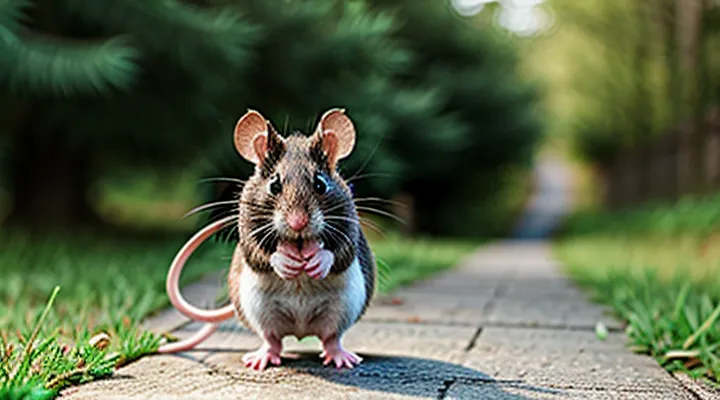
Genetic Underpinnings
Spontaneous Mutations
Spontaneous mutations provide the primary genetic explanation for the occurrence of tailless phenotypes in certain mouse populations. Random alterations in the DNA sequence arise during replication, repair, or exposure to endogenous reactive molecules, producing heritable changes without external induction.
Key genetic elements affected by such mutations include:
- The T (Brachyury) gene, whose loss‑of‑function variants disrupt notochord development and consequently truncate the vertebral column.
- Hox gene clusters, particularly Hox10 and Hox11, where deletions or frameshifts eliminate posterior axial patterning cues.
- Genes governing tail bud proliferation, such as Wnt3a and Fgf8, where point mutations reduce signaling intensity required for tail outgrowth.
The mutation rate in murine germ cells averages 1 × 10⁻⁸ per nucleotide per generation, yielding sufficient variation for natural selection to act upon tail length. Mechanisms underlying these events comprise replication slippage, spontaneous deamination, and activity of endogenous retrotransposons that insert into coding regions.
Empirical data support this model. Laboratory strains carrying spontaneous T‑null alleles display consistent tail loss across generations. In wild mouse populations, genome sequencing has identified private loss‑of‑function mutations in Hox10 paralogs that correlate with observed tailless individuals. Controlled ENU mutagenesis experiments have reproduced the phenotype by inducing random point mutations, confirming that a single genetic lesion can abolish tail formation.
Collectively, spontaneous genetic alterations in developmental regulators constitute the decisive factor behind the absence of tails in affected mice.
Induced Mutations
Induced mutations are deliberately created alterations in the mouse genome that can generate a spectrum of developmental defects, including the loss or severe reduction of the tail. By exposing embryos or germ cells to mutagenic agents, researchers obtain heritable changes that disrupt normal morphogenesis.
Common mutagenic procedures include:
- Chemical agents such as ethyl‑methanesulfonate (EMS) and N‑ethyl‑N‑nitrosourea (ENU), which alkylate nucleotides and produce point mutations.
- Ionizing radiation (X‑ray, gamma‑ray) that creates double‑strand breaks and large deletions.
- Transposon insertions (e.g., Sleeping Beauty) that interrupt coding sequences or regulatory regions.
- Targeted genome editing (CRISPR‑Cas9) that introduces precise deletions or frameshifts in selected genes.
When these agents affect genes governing posterior development—most notably Hox clusters, the T (Brachyury) locus, and signaling pathways such as Wnt and FGF—the embryonic tail bud fails to form correctly. Loss‑of‑function mutations in Hox10 or Hox11 paralogs, for example, truncate vertebral structures, producing a phenotype indistinguishable from naturally occurring tailless strains.
Laboratory records document several induced alleles that yield tailless mice:
- tl (tailless) allele generated by ENU mutagenesis; a missense mutation in the T gene abolishes tail bud proliferation.
- Hox10‑null line produced through CRISPR deletion; mice display absent lumbar vertebrae and a rudimentary tail.
- Wnt3a hypomorphic mutation induced by X‑ray; results in partial loss of caudal structures.
These experimentally derived mutations provide a controlled framework for dissecting the genetic circuitry behind tail development and for modeling congenital vertebral disorders.
Known Genes and Pathways
Mutations in several developmental genes produce the tail‑less phenotype observed in laboratory mice. Loss‑of‑function alleles, hypomorphic variants, or regulatory disruptions interfere with the formation of posterior structures during embryogenesis.
- T (Brachyury) – allelic variants reduce mesodermal progenitor expansion, yielding shortened or absent tails.
- HoxA13 and HoxD13 – altered expression limits posterior axial patterning, leading to truncation of the vertebral column.
- Shh (Sonic hedgehog) – reduced signaling in the notochord and floor plate impairs somite differentiation, causing tail agenesis.
- Fgf8 – disruptions in fibroblast growth factor gradients affect tail bud proliferation.
- Wnt3a – deletion abolishes posterior axis elongation, resulting in complete loss of the tail.
- Bmp4 – ectopic activation suppresses tail bud survival, producing a tailless phenotype.
These genes converge on a limited set of signaling cascades that regulate posterior growth. The primary pathways implicated are:
- Sonic hedgehog (Shh) pathway – governs ventral patterning and mesenchymal proliferation; attenuation leads to tail bud failure.
- Wnt/β‑catenin pathway – drives axial extension; loss of Wnt3a activity stops tail bud outgrowth.
- Fibroblast growth factor (FGF) pathway – sustains cell proliferation in the tail bud; diminished Fgf8 expression curtails tail development.
- Bone morphogenetic protein (BMP) pathway – modulates apoptosis in posterior tissues; excessive BMP signaling eliminates tail progenitors.
Interaction among these pathways establishes a feedback network that balances cell proliferation, differentiation, and survival in the posterior embryonic region. Disruption of any component can shift the equilibrium, producing the observed spectrum from shortened tails to complete absence. Continuous mapping of quantitative trait loci and CRISPR‑based functional studies refine the list of contributors and clarify how specific genetic alterations translate into the tailless condition.
Environmental Influences
Teratogens and Their Impact
Teratogenic compounds interfere with embryonic morphogenesis by disrupting signaling pathways that govern axial elongation. In laboratory mouse colonies, exposure to agents such as retinoic acid, cyclophosphamide, and thalidomide during early gestation frequently produces offspring lacking a caudal extension, demonstrating a direct link between chemical insult and tail agenesis. These substances alter the expression of Hox genes, impair somite segmentation, and compromise the formation of the notochord, resulting in truncated vertebral columns.
Key observations from controlled studies include:
- Retinoic acid administered between embryonic days 7 and 9 reduces tail length by up to 60 % in affected litters.
- Alkylating agents, notably cyclophosphamide, cause dose‑dependent loss of caudal vertebrae when given during the same developmental window.
- Thalidomide exposure induces severe malformations of the posterior body wall, often eliminating the distal tail structures.
The impact of teratogens extends beyond morphological deficits; altered tail development correlates with impaired locomotion, reduced balance, and compromised thermoregulation. Understanding the molecular mechanisms by which these chemicals disrupt axial patterning informs both risk assessment for environmental contaminants and the design of genetic models that mimic naturally occurring tail‑less phenotypes.
Maternal Factors
Tail loss in certain laboratory mouse strains occurs with measurable frequency, and maternal contributions account for a substantial portion of this variation. Research identifies several maternal parameters that directly affect embryonic tail development.
Maternal nutrition shapes the supply of micronutrients critical for axial formation. Deficiencies in folate, vitamin A, and choline correlate with reduced proliferation of tail‑bud cells, leading to partial or complete absence of the caudal structure.
Hormonal balance during gestation modulates expression of genes governing posterior growth. Elevated maternal glucocorticoids, abnormal estrogen‑to‑progesterone ratios, and disrupted thyroid hormone levels each alter transcriptional programs that drive tail elongation.
Uterine environment influences embryonic oxygenation and mechanical support. Restricted uterine blood flow, hypoxic episodes, and excessive uterine pressure impede the expansion of the tail bud, increasing the likelihood of truncation.
Epigenetic transmission from the dam to the embryo contributes to tail phenotype. Methylation patterns established in oocytes can silence Hox and Wnt pathway genes essential for caudal morphogenesis, producing offspring with shortened or missing tails.
Maternal age and stress exposure affect endocrine and metabolic status, thereby modifying the risk of tail loss. Older females and those experiencing chronic stress display altered cortisol rhythms and insulin sensitivity, factors linked to higher incidence of tailless progeny.
Key maternal factors influencing tail absence:
- Nutrient availability (folate, vitamin A, choline)
- Hormonal ratios (estrogen, progesterone, glucocorticoids, thyroid hormones)
- Uterine blood flow and oxygen tension
- Epigenetic marks on developmental genes
- Age‑related endocrine changes and chronic stress
Understanding these maternal influences provides a framework for controlling tail phenotype in experimental mouse populations.
Early Developmental Disturbances
Early embryonic events shape the vertebral column, and disruptions during this period often result in an absent or truncated tail. Genetic mutations that impair the expression of Hox genes, particularly those governing posterior patterning, interfere with somite segmentation and axial elongation. When Hox‑10 and Hox‑11 paralogs are down‑regulated, the caudal mesoderm fails to form the typical sacral and caudal vertebrae, producing a tailless phenotype.
Environmental factors compound genetic susceptibility. Exposure to teratogens such as retinoic acid excess, alcohol, or certain heavy metals during the gastrulation stage perturbs the signaling gradients of fibroblast growth factor (FGF) and Wnt pathways. These disturbances alter the proliferation and migration of axial progenitor cells, limiting the growth of the tail bud.
Key developmental disturbances associated with tail loss include:
- Loss‑of‑function mutations in posterior Hox clusters
- Overactivation of retinoic acid signaling during early somitogenesis
- Inhibition of FGF/Wnt signaling by environmental toxins
- Defective neural tube closure affecting caudal neural crest migration
The convergence of genetic defects and teratogenic exposures during the first two weeks of gestation determines whether a mouse will develop a complete tail or exhibit the tailless condition observed in certain laboratory strains.
Evolutionary Perspectives
Adaptive Advantages (or Disadvantages)
Tail reduction or complete loss occurs in several rodent lineages that inhabit environments where a tail offers limited functional value. The morphological change influences locomotion, thermoregulation, predator avoidance, and reproductive success.
- In burrowing species, a shortened or absent tail reduces drag while moving through narrow tunnels, allowing faster forward thrust and lower energy expenditure.
- Reduced surface area diminishes heat loss in cold subterranean habitats, contributing to a more stable core temperature.
- Absence of a protruding appendage lowers the risk of entanglement in dense vegetation or soil, decreasing the probability of injury and predation.
- In some island populations, limited predatory pressure relaxes selection for tail‑mediated balance, permitting genetic drift to fix tailless phenotypes.
Conversely, tail loss imposes constraints. Lack of a tail compromises balance during rapid aerial maneuvers, limiting escape speed from terrestrial predators. The tail’s role in social signaling—such as tail flicking during courtship or territorial displays—is diminished, potentially affecting mating success. Additionally, the tail serves as a fat storage depot in certain species; its removal reduces reserves available during food scarcity.
Overall, the adaptive value of a reduced or missing tail is context‑dependent, providing measurable benefits in subterranean or predator‑free niches while presenting trade‑offs in locomotor agility, communication, and energy storage.
Natural Selection Pressures
Natural selection can favor tail reduction in mouse populations when the trait improves survival or reproductive success. Predators that capture prey by grasping the tail impose a direct cost; individuals with shorter or absent tails are less vulnerable to such attacks. In dense underbrush or burrow systems, a tail may hinder rapid maneuvering; selection therefore favors streamlined bodies that navigate narrow spaces more efficiently.
Energy allocation also influences tail morphology. Producing and maintaining a tail requires metabolic resources; in environments where food is scarce, individuals that redirect energy from tail growth to vital functions gain a competitive edge. Parasite loads that target tail tissue create an additional selective pressure, as reduced tail size limits habitat for ectoparasites and lowers infection risk.
Social and reproductive factors can reinforce tail loss. In species where tail length signals dominance or mating eligibility, a shift in social structure that de‑emphasizes such signals reduces the advantage of a prominent tail. Consequently, genetic variants associated with reduced tail development spread through the population.
Key selective agents include:
- Predator handling strategies that exploit the tail.
- Habitat complexity demanding compact body forms.
- Limited nutritional resources driving metabolic efficiency.
- Parasite pressures targeting tail tissue.
- Altered social signaling that diminishes tail relevance.
Genetic Drift and Isolation
The occurrence of tailless individuals in certain mouse populations stems from stochastic genetic processes amplified by limited gene exchange.
Genetic drift operates most effectively in small, isolated groups. Random fluctuations in allele frequencies can drive a mutation that reduces or eliminates tail development to fixation, even when the mutation offers no selective advantage.
Geographic barriers, habitat fragmentation, or behavioral isolation restrict mating between the affected group and surrounding populations. Reduced gene flow prevents reintroduction of alleles that produce normal tails, allowing drift‑driven changes to persist.
When isolation and drift coincide, the probability of tail‑loss alleles becoming predominant rises sharply. The combined effect produces distinct, tail‑deficient lineages that differ markedly from their conspecifics.
Factors that promote tail loss through this mechanism include:
- Small effective population size
- Persistent physical or ecological barriers
- Limited dispersal ability
- Absence of selective pressure to maintain tail structures
These conditions explain why tail reduction appears repeatedly in separate mouse lineages without invoking adaptive explanations.
Research and Implications
Laboratory Mouse Models
Laboratory mouse models provide a controlled system for investigating the genetic and developmental basis of tail loss in certain strains. Researchers select these models because they reproduce specific mutations that interrupt normal caudal development, allowing precise measurement of phenotypic outcomes.
Genetic alterations most frequently associated with tailless phenotypes include:
- Mutations in the T gene, which encodes the Brachyury transcription factor essential for mesoderm formation.
- Disruptions of Hox cluster genes, particularly Hox10 and Hox11, that regulate axial patterning.
- Deletions affecting the Sonic hedgehog (Shh) signaling pathway, a driver of ventral embryonic structures.
These mutations interfere with the establishment of the posterior body axis during embryogenesis. The resulting defects manifest as shortened or absent vertebral elements, reduced tail musculature, and altered nerve patterning.
Experimental use of tailless mouse strains extends beyond basic developmental biology. The models serve as platforms for:
- Testing pharmacological agents that modulate signaling pathways implicated in axial growth.
- Evaluating gene‑editing techniques, such as CRISPR‑Cas9, for correcting congenital defects.
- Studying the impact of tail morphology on locomotion, thermoregulation, and behavior.
Practical considerations include maintaining homozygous colonies, confirming genotype through PCR or sequencing, and documenting tail length measurements with calibrated imaging. Limitations arise from genetic background effects that can mask or modify the tailless phenotype, necessitating backcrossing to standardized strains for reproducibility.
Overall, laboratory mouse models furnish a reproducible framework for dissecting the molecular mechanisms that lead to tail absence, supplying data that translate to broader vertebrate developmental research.
Ethical Considerations in Research
Research on the genetic and developmental causes of taillessness in rodents raises several ethical issues. First, the welfare of the animals must be protected. Procedures that induce or select for tail loss should minimize pain, distress, and long‑term health impacts. Analgesia, humane endpoints, and continuous monitoring are required by most institutional animal care guidelines.
Second, justification of the study must be clear. Researchers need to demonstrate that knowledge gained about embryonic patterning, gene function, or disease models cannot be obtained through less invasive methods, such as in‑vitro systems or computational simulations. Ethical review boards assess whether the scientific benefit outweighs the animal cost.
Third, transparency in reporting is essential. Detailed descriptions of breeding practices, genetic modifications, and any adverse outcomes enable reproducibility and allow external evaluation of the ethical rigor applied. Publication standards often require statements on compliance with relevant regulations.
Key ethical considerations can be summarized:
- Animal welfare: Use of anesthesia, analgesia, and humane housing conditions.
- Scientific justification: Evidence that the research question cannot be addressed without live animals.
- Regulatory compliance: Adherence to national and institutional animal use protocols.
- Data transparency: Full disclosure of methods, results, and any welfare issues encountered.
Compliance with these principles ensures that investigations into the absence of tails in certain mouse strains remain ethically defensible while contributing valuable insight to developmental biology.
Potential for Human Health Insights
The occurrence of tail loss in specific mouse strains results from genetic mutations that disrupt normal vertebral development, affect limb patterning signals, and alter neural crest cell migration. These alterations produce phenotypes that can be traced to single‑gene defects, such as mutations in the Hox gene cluster, T (brachyury) locus, or genes governing extracellular matrix composition. Because the same developmental pathways operate in humans, the mouse models provide direct evidence of how analogous genetic disruptions may contribute to congenital spinal anomalies, vertebral segmentation defects, and associated musculoskeletal disorders.
Research on tailless mice yields several translational insights:
- Identification of pathogenic variants in human patients with sacral agenesis or caudal regression syndrome.
- Clarification of signaling cascades (e.g., Wnt, FGF, BMP) that, when dysregulated, produce axial truncations, informing drug‑target discovery.
- Validation of gene‑editing approaches that rescue tail formation in mice, suggesting therapeutic strategies for correcting developmental defects in utero.
- Generation of biomarkers linked to altered extracellular matrix proteins, enabling early diagnosis of related skeletal malformations.
By linking murine tail phenotypes to human developmental biology, investigators can refine diagnostic criteria, prioritize candidate genes for clinical sequencing, and design interventions that address the root causes of axial truncation disorders.