
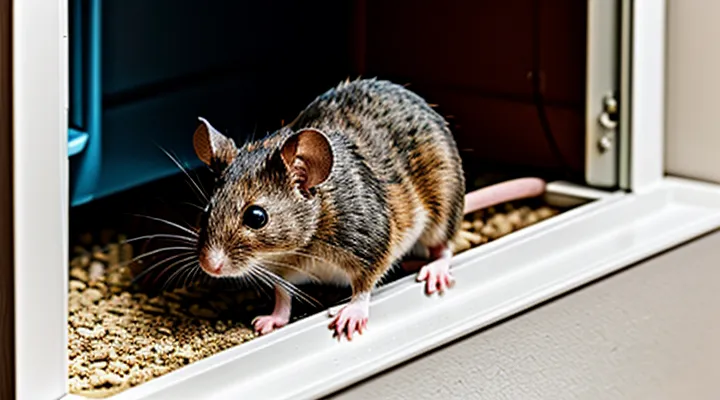
«The Allure of Shelter»
«Protection from Predators»
Mice select domestic environments primarily because these spaces reduce exposure to natural predators. Structures within a house create barriers that limit the ability of birds of prey, snakes, and larger mammals to reach the rodents.
Key protective features include:
- Physical obstacles: walls, doors, and sealed entry points block direct access.
- Concealment opportunities: insulation, wall voids, and stored items provide hidden routes and nesting sites.
- Absence of outdoor hunters: indoor settings lack the typical predator fauna found in fields and forests.
- Stable microclimate: consistent temperature and humidity diminish the need for mice to expose themselves while foraging for shelter.
By exploiting these conditions, mice enhance their survival odds and maintain populations within residential areas.
«Escape from Harsh Weather»
Mice frequently enter residential buildings when outdoor conditions become extreme. The indoor environment offers a stable microclimate that shields them from temperature extremes, precipitation, and wind.
Key weather‑related incentives include:
- Consistent warmth during cold spells
- Dry conditions that prevent soaked fur and nesting material
- Protection from wind‑driven chill
- Reduced exposure to snow and heavy rain
- Stable humidity levels that avoid desiccation
Rodents rely on body‑heat maintenance; a warm, dry shelter lowers the energetic cost of thermoregulation. Materials commonly found in homes, such as insulation, cardboard, and fabric, provide dry, insulated nesting sites that retain heat.
Residential structures also exhibit limited temperature fluctuations. This stability allows mice to conserve energy, decreasing food requirements and enhancing survival prospects during prolonged adverse weather.
Preventing entry points—such as gaps around doors, windows, and utility penetrations—removes the refuge that harsh weather creates, reducing the likelihood of indoor colonization.
«The Quest for Sustenance»
«Food Sources»
«Spilled Food and Crumbs»
Spilled food and crumbs create a reliable energy source that draws mice into residential spaces. The presence of even small food particles signals a habitat where basic nutritional needs can be met without extensive foraging.
- Crumbs left on countertops or floors provide immediate sustenance.
- Residual sugars and fats in spilled snacks remain accessible for extended periods.
- Food particles infiltrate wall voids, offering concealed feeding sites.
- Moisture from wet spills supports bacterial growth, enhancing the attractiveness of the area.
Mice exploit these resources by establishing foraging routes that connect entry points with abundant food deposits. Repeated exposure to food remnants reinforces habituation, increasing the likelihood that rodents will remain and reproduce.
Effective control requires eliminating the primary attractant. Strategies include:
- Promptly cleaning surfaces after meals.
- Vacuuming or sweeping to remove hidden debris.
- Storing dry goods in sealed containers.
- Repairing leaks to reduce moisture accumulation.
By removing spilled food and crumbs, the incentive for mice to colonize a dwelling diminishes significantly.
«Pet Food»
Pet food provides a reliable nutrient source that encourages rodents to enter residential spaces. The combination of protein, fat, and strong aromas creates an attractive food supply, especially when waste accumulates near feeding areas.
Characteristics that make pet food appealing to mice include:
- High caloric density, satisfying the rodents’ energy requirements.
- Strong scent compounds released during storage or after exposure to air.
- Small particle size, allowing easy handling and transport by mice.
Risk‑increasing practices are:
- Leaving bowls on the floor overnight.
- Storing dry kibble in unsealed containers.
- Allowing crumbs to collect on countertops or near pet habitats.
Effective control measures consist of:
- Using airtight containers for all pet food.
- Installing timed dispensers that release portions only during feeding periods.
- Cleaning feeding zones immediately after meals to remove residual particles.
- Positioning bowls on elevated, inaccessible platforms.
When pet food is managed properly, the primary lure for mice diminishes, reducing the likelihood that rodents will establish a presence in the home.
«Pantry Access»
Mice are attracted to any location that provides easy entry to stored food. A pantry that lacks proper sealing offers a direct route to grains, cereals, and packaged snacks, which supply the calories mice need to survive and reproduce. Gaps around pantry doors, loose hinges, or cracked walls create pathways that rodents can exploit without detection.
- Small openings (≤¼ inch) allow mice to slip into the pantry.
- Unsecured containers leave food exposed, encouraging foraging.
- Warm, dry conditions inside the pantry support nesting and breeding.
Preventing pantry access requires sealing all potential entry points with steel wool, caulk, or metal mesh, and storing food in airtight containers. Regular inspection of door sweeps and floor joints reduces the likelihood that mice will locate a viable food source, thereby decreasing the chance that they will establish a permanent presence in the home.
«Water Sources»
«Leaky Pipes and Faucets»
Leaking water sources create a reliable supply of moisture and food for rodents. Constant drips from pipes or faucets leave droplets that accumulate on surfaces, providing mice with easy access to hydration without the need to search outdoors. The persistent presence of water also softens building materials, allowing mice to gnaw through weakened wood or insulation more efficiently.
The following effects increase the likelihood of mouse infestation around faulty plumbing:
- Moisture‑rich environments support bacterial growth, attracting insects that serve as additional food for mice.
- Damp insulation and plaster become pliable, facilitating the creation of concealed pathways and nests.
- Stagnant water in sink basins or floor drains offers a permanent drinking source, reducing the animals’ motivation to leave the premises.
Addressing leaks eliminates the primary attractant. Prompt repair of pipe joints, replacement of worn washers, and regular inspection of faucet seals remove the moisture incentive, thereby decreasing the probability that mice will establish a presence in the home.
«Condensation»
Condensation creates a micro‑environment that attracts rodents to residential structures. When warm indoor air meets cold surfaces—windows, walls, pipes—it releases moisture that settles as water droplets or damp patches. These moist zones provide several advantages for mice.
- Elevated humidity reduces the desiccation risk for small mammals, allowing them to remain active for longer periods without seeking external water sources.
- Damp insulation and building materials soften, making it easier for rodents to gnaw and create passageways.
- Accumulated moisture encourages the growth of mold, fungi, and insects, which serve as supplemental food items.
Mice detect these conditions through their highly sensitive olfactory system. The scent of moisture and associated microorganisms signals a reliable habitat. Moreover, condensation‑induced structural degradation often leads to gaps around doors, vents, and utility openings, facilitating entry and concealment. Maintaining dry interior surfaces, sealing leaks, and ensuring adequate ventilation directly diminish the attractiveness of a dwelling to mice.
«Pet Water Bowls»
Pet water bowls placed near the kitchen or living area create a reliable moisture source that attracts small rodents. Mice require water for survival; a bowl left unattended supplies an easy, low‑effort option compared to seeking leaks or condensation. When the bowl is open, scent trails evaporate, signaling the presence of liquid to foraging mice.
The material of the bowl influences attraction. Plastic containers often retain odors from cleaning agents, while ceramic or stainless‑steel bowls emit fewer chemical cues. However, any bowl that is not sealed permits scent diffusion, increasing the likelihood that mice will locate it.
Typical factors that encourage mouse activity around pet water dishes include:
- Placement on the floor or low shelf, where mice can approach without climbing.
- Absence of a cover, allowing direct access to the water surface.
- Infrequent refilling, leading to stagnant water that emits stronger odors.
- Proximity to food sources, creating a combined attraction zone.
Mitigation strategies involve elevating the bowl above ground level, using a lid with a narrow drinking aperture, and regularly cleaning to remove residue. These measures reduce moisture availability and limit the sensory cues that draw mice into residential spaces.
«Comfort and Nesting»
«Ideal Nesting Materials»
«Fabric and Insulation»
Mice are drawn to residential structures that contain soft, porous materials and effective thermal barriers. Fabric and insulation create environments that meet several biological needs of rodents.
- Shelter: Loose fibers in curtains, upholstery, and clothing provide concealed nesting sites. The irregular texture allows mice to construct compact nests that retain body heat and conceal movement from predators.
- Thermal stability: Insulation in walls, attics, and ceilings maintains a relatively constant temperature. This reduces the energy mice must expend to regulate their body heat, especially during cold periods.
- Food access: Fabric items often accumulate dust, lint, and small organic particles. Mice can scrape these residues for protein and carbohydrates, supplementing their diet without leaving the nest.
- Moisture retention: Certain insulating materials absorb ambient humidity, creating micro‑environments with higher moisture levels. Elevated humidity supports the growth of fungi and insects, which serve as additional food sources for opportunistic rodents.
- Protection from disturbances: Dense insulation layers dampen vibrations and sound transmission. Mice experience fewer disruptions from human activity, increasing the likelihood of long‑term occupancy.
Effective rodent management therefore requires sealing gaps that expose fabric and insulation, removing or storing textiles in airtight containers, and replacing compromised insulation with materials less attractive to nesting, such as rigid foam or metal sheeting. Regular inspection of hidden cavities can identify early signs of infestation before populations become established.
«Paper and Cardboard»
Paper and cardboard create a micro‑environment that satisfies several basic needs of house‑bound rodents. The material’s texture offers a comfortable nesting surface, while its fibrous composition retains moisture, which helps maintain body temperature. The low cost of these resources makes them readily available in most residences, allowing mice to establish a base without competing for scarce natural materials.
- Softness provides insulation for nests, reducing energy expenditure for warmth.
- Absorbent fibers retain scent marks, reinforcing territorial boundaries and communication.
- Loose sheets can be easily reshaped into burrows, facilitating rapid construction.
- Cardboard boxes often contain food residues, delivering an immediate nutritional source.
Consequently, the presence of paper and cardboard in a dwelling directly influences mouse settlement patterns by meeting shelter, thermoregulation, and foraging requirements. Removing or securely storing these items diminishes the habitat suitability and discourages colonization.
«Warmth and Concealment»
«Behind Walls and Appliances»
Mice are attracted to the concealed spaces that exist behind interior walls and within household appliances. These areas provide stable temperatures, protection from predators, and easy access to food residues.
The primary factors that make these hidden zones appealing are:
- Thermal stability – walls and appliances retain heat, creating a warm micro‑environment during winter and a cool refuge in summer.
- Safety from disturbance – concrete, drywall, and metal enclosures limit exposure to humans and pets, reducing the likelihood of detection.
- Proximity to food sources – crumbs, grease, and spilled liquids accumulate in appliance crevices, offering a reliable supply of nutrients.
- Structural support for nests – insulation material, wiring bundles, and foam sealants supply soft, pliable media for building nests.
- Ease of movement – gaps around plumbing, electrical conduits, and vent ducts create concealed pathways that connect multiple rooms, facilitating foraging and escape routes.
Mice exploit these advantages by entering through small openings such as gaps around pipe penetrations, unsealed cable entries, or deteriorated caulking. Once inside, they can burrow behind drywall, nest within the insulation of refrigerators, ovens, or dishwashers, and travel along concealed routes to reach additional food caches.
Effective control requires sealing entry points, maintaining appliance cleanliness, and removing insulation debris that could serve as nesting material. Regular inspection of wall cavities and appliance interiors helps identify early signs of infestation before populations expand.
«Attics and Basements»
Mice are drawn to attics and basements because these spaces provide stable temperatures, protection from predators, and easy access to food. In the upper levels, insulation retains warmth during winter and coolness in summer, creating an environment where metabolic rates remain efficient. The lower levels maintain a constant, cool humidity that supports nesting material preservation and reduces the risk of dehydration.
Key structural features that facilitate mouse habitation include:
- Gaps around vent pipes, chimneys, and utility lines that serve as entry points.
- Exposed wiring or unfinished insulation that offers concealment for nests.
- Stored items such as seasonal clothing, cardboard boxes, or firewood that supply both shelter and occasional food sources.
Both attics and basements are often overlooked during routine inspections, allowing mouse populations to establish colonies undetected. Prompt sealing of openings, removal of clutter, and regular monitoring disrupt the conditions that make these areas attractive, thereby reducing the likelihood of infestation throughout the dwelling.
«Cluttered Areas»
Cluttered spaces create a network of concealed pathways that mice can navigate without exposure to predators. Loose papers, cardboard boxes, and piles of clothing conceal movement and reduce the likelihood of detection.
Key factors that make disordered areas attractive to rodents:
- Protection from sight – dense stacks block visual cues, allowing mice to remain hidden while foraging.
- Thermal insulation – accumulated fabrics retain heat, offering a warm micro‑environment during colder months.
- Easy access to food – debris often hides crumbs, pet food, or discarded snacks, providing a readily available energy source.
- Nesting material – shredded paper, fabric fibers, and insulation fragments serve as building material for nests.
- Reduced disturbance – infrequently accessed corners experience fewer human interactions, decreasing stress for the animals.
When clutter is removed, the same benefits disappear. Open floor plans eliminate hiding spots, improve visibility, and simplify cleaning, thereby lowering the probability that mice will establish a foothold in the residence. Regular decluttering, combined with sealing entry points, constitutes an effective strategy to deter rodent settlement.
«Ease of Access»
«Small Entry Points»
«Cracks and Gaps in Foundations»
Cracks and gaps in a building’s foundation create direct pathways for rodents to enter living spaces. Even openings as small as ¼ inch allow a mouse to squeeze through, linking the exterior environment with interior rooms. Once inside, the structural breach provides continuous shelter, protection from predators, and proximity to stored food sources.
Typical locations of vulnerable openings include:
- Joint seams between concrete slabs and exterior walls.
- Gaps around utility penetrations such as pipes, cables, and vents.
- Deteriorated mortar or brickwork at the perimeter of basements.
- Settlement cracks caused by soil movement or moisture fluctuations.
Remediation measures focus on eliminating these access points. Sealant compounds, steel wool, and hardware cloth effectively block small openings; larger fissures require hydraulic cement or epoxy injection. Regular inspection of the foundation perimeter, especially after heavy rain or seasonal temperature changes, ensures early detection of new cracks before they become permanent entry routes.
«Unsealed Utility Lines»
Unsealed utility lines create direct pathways from the exterior to interior spaces, allowing mice to infiltrate a residence without encountering barriers. Gaps around electrical conduit, plumbing, and cable entries often measure less than an inch, a size sufficient for a mouse to pass through.
These openings also provide sheltered routes that protect rodents from predators and weather, encouraging repeated use. Once inside, mice exploit the concealed environment to travel between rooms, locate food sources, and establish nests.
- Gaps around service entrances remain open year‑round, offering constant access.
- Insulation material surrounding lines supplies nesting fibers.
- Heat generated by electrical components creates a warm microhabitat.
- Moisture from leaking pipes attracts insects, supporting a secondary food chain for mice.
Sealing utility penetrations with steel wool, copper mesh, or approved caulking eliminates the primary ingress route, reduces available nesting material, and disrupts the thermal and moisture advantages that unsealed lines provide. This straightforward intervention directly lowers the likelihood of mouse habitation within a home.
«Open Doors and Windows»
Open doors and windows create direct pathways for rodents to enter residential spaces. Gaps around frames, unscreened openings, or doors left ajar allow mice to move from exterior environments to indoor areas without encountering barriers. Once inside, they can explore for food, water, and shelter, establishing a foothold that leads to persistent infestation.
Key factors associated with unsecured openings include:
- Lack of weather‑stripping or door sweeps that seal gaps at the bottom of entryways.
- Absence of mesh screens on windows, especially in kitchens or basements where ventilation is frequent.
- Frequent propping of doors for convenience, which eliminates the physical barrier that normally deters entry.
- Poor maintenance of hinges and hinges that become misaligned, widening the clearance between door and frame.
By eliminating these access points—installing proper seals, fitting screens, and keeping doors closed when not in use—homeowners reduce the likelihood that mice will find entry, thereby limiting the conditions that encourage them to settle indoors.
«Proximity to Natural Habitats»
«Gardens and Yards»
Gardens and yards create an environment that draws rodents toward residential structures. Plantings, compost piles, and irrigation systems generate abundant food residues and moisture, which satisfy mice’s nutritional needs and encourage frequent foraging trips near the house.
Seasonal vegetables, fallen fruit, and seed heads supply high‑energy resources. Mice readily harvest these items, store excess in nearby burrows, and transport collected material into interior spaces when external supplies diminish. The proximity of edible matter reduces the energy cost of travel, making the dwelling an attractive extension of the garden’s food network.
Dense vegetation, mulch, and debris offer concealment and nesting sites. Ground cover protects mice from predators while providing easy access points to foundation gaps, utility openings, and vents. Continuous ground contact between garden beds and the building envelope facilitates movement into interior walls and crawl spaces.
Preventive actions focus on eliminating attractants and sealing entry routes:
- Remove fallen produce and prune overgrown plants weekly.
- Store compost in sealed containers away from the house foundation.
- Maintain a clear perimeter of at least 12 inches between mulch and the building wall.
- Inspect and repair cracks, gaps around pipes, and damaged weatherstripping.
- Install metal flashing or concrete barriers at the base of exterior walls to block burrowing.
Implementing these measures reduces the likelihood that garden‑derived resources will encourage mice to establish a permanent presence inside the home.
«Nearby Fields and Woods»
Fields and woods adjacent to a residence generate a steady influx of food, shelter, and escape routes that draw mice into the indoor environment. Seasonal harvests leave grain, seed heads, and fallen fruit exposed, providing an abundant energy source within easy reach of the house perimeter. Dense vegetation and leaf litter create protective cover, allowing rodents to move undetected from the outer landscape to entry points such as cracks, gaps around doors, and utility openings.
The transition from open terrain to the built structure is facilitated by several factors:
- Continuous vegetative corridors that link field margins to building foundations, reducing exposure to predators.
- Moist soil and decomposing organic matter that sustain insect populations, which serve as supplementary prey for opportunistic mice.
- Microclimatic stability near wooded edges, offering temperature moderation that encourages nocturnal foraging close to the home.
When these external resources are abundant, mice expend less energy to locate sustenance, increasing the likelihood of establishing nests inside walls, attics, or storage areas. Consequently, proximity to productive fields and mature woods directly elevates the probability of indoor colonization.
«Reproductive Advantage»
«Safe Breeding Grounds»
Mice select domestic environments primarily because they provide secure sites for reproduction. A safe breeding ground reduces exposure to predators, stabilizes temperature, and ensures continuous access to nourishment and nesting material.
Key attributes of an effective breeding site include:
- Predator protection – concealed spaces behind walls, under floors, or within insulation limit visual and tactile detection by cats, birds, and other threats.
- Thermal consistency – indoor temperatures remain within the narrow range required for embryonic development, preventing heat loss that can jeopardize litters.
- Food proximity – stored grains, crumbs, and pantry items supply the high‑energy diet needed for gestation and lactation without requiring extensive foraging.
- Nesting resources – soft fibers from fabrics, paper, and shredded insulation allow construction of insulated nests that retain heat and shield newborns.
- Disturbance minimization – human activity typically follows predictable patterns, allowing mice to schedule breeding cycles during periods of reduced movement and noise.
By meeting these criteria, a household transforms into a reliable reproductive hub, encouraging mice to establish permanent colonies rather than remain transient.
«Abundant Resources for Offspring»
Mice are drawn to residential structures because they provide the essential supplies needed to raise young efficiently. A steady supply of high‑calorie food, readily available water, and abundant nesting material creates an environment where reproduction can proceed with minimal risk.
- Food: grains, crumbs, processed snacks, and pet food offer dense energy sources that support rapid growth of pups.
- Water: leaky pipes, condensation, and pet water bowls furnish reliable hydration without the need for foraging.
- Nesting material: shredded paper, fabric fibers, and insulation fibers allow construction of insulated nests that protect offspring from temperature fluctuations.
- Shelter: concealed cavities behind walls, under floorboards, and within attics provide safe, predator‑free sites for litters.
These resources reduce the time and effort required for parents to locate sustenance and secure a safe nursery. Consequently, reproductive cycles accelerate, litter sizes increase, and juvenile survival rates improve, reinforcing the preference for domestic habitats.
«Signs of Infestation»
«Droppings and Urine Stains»
Mice are drawn to buildings where food remnants, clutter, and shelter are readily available. Their waste—small, dark pellets and faint urine streaks—signals ongoing activity and can inadvertently attract additional rodents by confirming a reliable food source.
- Droppings appear near stored grains, pantry shelves, and behind appliances, indicating that mice have accessed these areas. Their presence often coincides with crumbs and spills that provide sustenance.
- Urine stains, usually invisible until illuminated by ultraviolet light, serve as territorial markers. When a mouse marks a location, it communicates safety and resource abundance to conspecifics, encouraging further settlement.
Both waste types degrade indoor hygiene, contaminating surfaces and spreading pathogens. Their detection should prompt immediate sanitation and exclusion measures to prevent escalation of the infestation.
«Gnaw Marks»
Gnaw marks appear where mice encounter resistance, such as wood, plastic, or electrical wiring. The incisors continuously grow, forcing the animal to bite material to maintain tooth length. This behavior leaves characteristic shallow, V‑shaped cuts that widen with repeated chewing.
Typical locations include:
- Baseboards and framing timber
- Cable sheathing and insulation
- Food‑storage containers with hard lids
- Furniture legs and door frames
The presence of gnaw marks signals active foraging and nesting. Mice create pathways to reach food sources and shelter, expanding their range as they encounter new obstacles. Damage to wiring poses fire risk, while compromised structural components can weaken the building envelope.
Identifying gnaw marks early enables targeted control measures. Seal entry points, replace damaged sections with chew‑resistant materials, and eliminate accessible food. Regular inspection of the listed areas reduces the likelihood of further colonisation.
«Scratching Noises»
Mice generate scratching sounds primarily when they move through walls, ceilings, or insulation. The noise originates from their claws contacting hard surfaces and from gnawing activities that create vibrations. These sounds are most audible at night, when ambient noise levels drop and the animals are most active.
Key characteristics of mouse scratching:
- Frequency ranges from 200 Hz to 1 kHz, matching the acoustic profile of small rodent movement.
- Duration varies from brief, intermittent taps to continuous series lasting several minutes.
- Intensity increases when mice explore new routes or establish nesting sites.
The presence of scratching noises signals that rodents have gained access to concealed spaces such as attic joists, wall cavities, or floor voids. Once inside, mice seek warmth, shelter, and food sources, making the home environment favorable for long‑term habitation. The sounds themselves do not attract additional mice, but they indicate that the structural integrity of the building has been compromised—typically through gaps, cracks, or unsealed entry points.
Mitigation steps focus on eliminating the conditions that produce the noise:
- Seal openings larger than ¼ inch with steel wool, caulk, or metal mesh.
- Remove clutter and stored items that provide nesting material.
- Install traps or bait stations near identified scratching locations.
- Repair damaged insulation and replace compromised wiring that may be gnawed.
By addressing the structural pathways that enable rodents to move and produce audible scratching, homeowners reduce the likelihood that mice will remain and expand their presence within the residence.
«Visible Sightings»
Visible sightings provide the most direct evidence that rodents have chosen a dwelling as a habitat. When droppings appear along baseboards, behind appliances, or in pantry corners, they signal that mice are actively foraging and establishing a feeding zone. Gnaw marks on wiring, wood, or packaging indicate the need for nesting material and a secure shelter. Small, shredded piles of paper, fabric, or insulation reveal the construction of nests, confirming that the environment offers both warmth and concealment. Footprints or tail marks left in dusty areas map the routes mice use to move between food sources and hideouts, highlighting the accessibility of the interior layout. Audible evidence—scratching in walls, squeaking at night, or rustling in stored goods—complements visual cues, confirming ongoing activity.
These observations collectively explain the attraction of a residence:
- Abundant food residues detected by droppings and gnaw marks.
- Structural gaps and openings that provide entry points.
- Warm, sheltered spaces suitable for nest building.
- Quiet, undisturbed zones that facilitate movement.
By documenting each visible sign, homeowners can assess the severity of infestation and understand the underlying reasons rodents have settled within the property.