
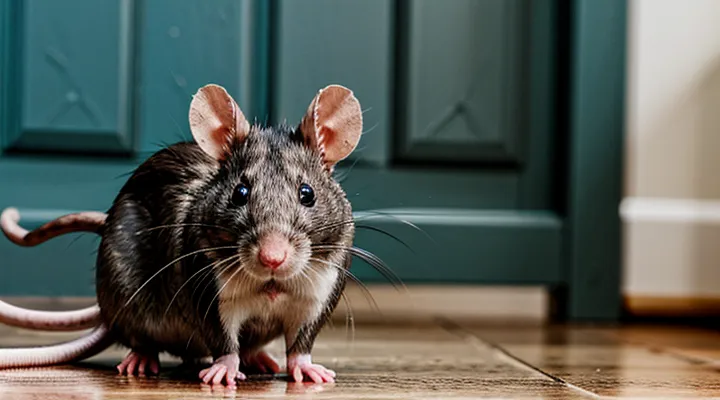
Understanding Rat Behavior
The Enigma of Rat «Hiccups»
Differentiating Normal from Abnormal Movements
Rats display brief, rhythmic contractions of the diaphragm and intercostal muscles that resemble hiccups. To determine whether such twitches are part of normal physiology or indicate pathology, observers must assess several objective parameters.
- Frequency: Normal hiccup‑like events occur intermittently, typically fewer than ten per hour. Persistent or clustered bursts suggest neurological irritation.
- Amplitude: Small, low‑intensity movements that do not interfere with locomotion are expected. Large, forceful jerks that alter posture indicate abnormal motor output.
- Context: Occurrence during rest, grooming, or after mild stress aligns with normal behavioral responses. Appearance during feeding, escape attempts, or after exposure to toxins signals dysfunction.
- Duration: Episodes lasting seconds to a minute are typical. Prolonged contractions extending beyond two minutes require further evaluation.
- Accompanying signs: Absence of vocalization, normal heart rate, and stable respiration support a benign interpretation. Concurrent tremor, ataxia, or seizures denote a systemic or central nervous system disorder.
When all criteria fall within the normal range, the twitching is classified as a physiological reflex linked to minor respiratory adjustments or brief arousal states. Deviations in any metric warrant detailed neurological assessment, possible electrophysiological recording, and consideration of environmental or pharmacological factors that could provoke pathological motor activity.
Initial Observations and Common Misconceptions
Observations recorded in laboratory cages show brief, rhythmic contractions of the diaphragm and intercostal muscles that resemble hiccups. The events last from a few seconds to half a minute, occur most often when the animal is quiet, and are not accompanied by audible vocalizations or overt stress signals. Video analysis confirms that the twitches are isolated to the thoraco‑abdominal region and do not involve limb movement.
A frequent mistake is to interpret the behavior as a sign of pain or imminent seizure. Another common belief equates the phenomenon with a respiratory reflex triggered by gastric distension. Both ideas persist despite evidence that the episodes appear in well‑fed, unstressed subjects and cease without pharmacological intervention.
- Misconception: indicator of acute distress → Reality: occurs in calm, habituated rats.
- Misconception: manifestation of epileptic activity → Reality: lacks cortical spike discharges on EEG.
- Misconception: reflex to stomach irritation → Reality: not correlated with feeding schedule or gastrointestinal manipulation.
Clarifying these points directs research toward genuine behavioral mechanisms rather than diagnostic misinterpretations.
Behavioral Explanations for Twitching
Stress and Anxiety Responses
Environmental Triggers
Rats often display a rapid, rhythmic contraction of the diaphragm that resembles a hiccup. This response is highly sensitive to external conditions, and specific environmental factors can provoke the behavior without direct physiological distress.
- Sudden temperature shifts, especially rapid cooling, trigger muscular spasms that manifest as hiccup-like twitches.
- Bright or flickering light sources stimulate the visual system and can induce involuntary respiratory movements.
- Vibrations from equipment, ventilation fans, or handling cages generate mechanosensory input that elicits the response.
- Strong odors, including predator scents or unfamiliar food aromas, activate olfactory pathways linked to stress-related motor patterns.
- Introduction of novel objects or changes in cage layout creates a perception of uncertainty, prompting the twitch as part of an exploratory stress reaction.
These stimuli operate through sensory integration centers that coordinate respiratory and motor circuits. When the brain receives abrupt or intense signals, it may release a brief, coordinated burst of diaphragmatic activity, producing the characteristic twitch. Repeated exposure to any of these triggers can condition the animal, increasing the frequency of the behavior under similar circumstances.
Understanding the environmental origins of this phenomenon assists researchers in designing controlled habitats, minimizing unintended stressors, and interpreting the twitch as an indicator of external disturbance rather than an intrinsic pathology.
Social Stressors
Rats display brief, involuntary twitches resembling hiccups when exposed to acute social challenges. These movements often accompany heightened arousal of the autonomic nervous system and serve as an outward indicator of internal conflict.
Crowding increases competition for resources, elevating cortisol-like hormone levels and prompting the motor pattern. Dominance hierarchies generate predictable bouts of aggression; subordinate individuals experience repeated bouts of social defeat, which trigger the same twitch response. Introduction of unfamiliar conspecifics creates a novel threat, activating the amygdala and brainstem circuits that coordinate the hiccup-like contraction. Sudden removal of a familiar cage mate eliminates established social support, leading to a rebound in stress‑related motor activity.
Key social stressors that provoke this behavior include:
- High population density within a limited space.
- Persistent exposure to dominant aggressors.
- Frequent turnover of group members.
- Forced isolation after prolonged group housing.
- Unpredictable changes in social composition.
Neurochemical studies link the phenomenon to rapid fluctuations in dopamine and serotonin transmission within the nucleus accumbens and dorsal raphe nucleus. These neurotransmitters modulate both affective state and motor output, producing the characteristic twitch when the animal perceives social threat. Monitoring the frequency and intensity of these contractions provides a reliable metric for assessing the impact of social stress on rodent welfare and experimental outcomes.
Play Behavior and Social Interaction
Play-fighting Rituals
Rats often display rapid, hiccup‑like twitches while engaged in play‑fighting. The movements arise as part of a structured ritual that balances aggression and social bonding.
During a typical play‑fight, a rat will:
- Initiate contact with a brief, forceful bite or nudge.
- Alternate between pursuit and retreat, maintaining a predictable rhythm.
- Emit high‑frequency vocalizations that signal intent without escalating to genuine aggression.
- Perform brief, involuntary twitches that punctuate each exchange.
These twitches serve several functions. First, they act as a motor reset, allowing the animal to quickly shift from offensive to defensive posture. Second, the brief spasmodic contraction mirrors a hiccup reflex, recruiting spinal interneurons that coordinate limb movement without involving higher‑order brain centers. Third, the visible jitter provides a visual cue to the partner, confirming that the interaction remains non‑threatening.
Neurophysiologically, the twitch reflects activation of the central pattern generator in the lumbar spinal cord, modulated by dopamine‑driven reward circuits associated with social play. The reflex is triggered by sensory feedback from whisker and paw contacts, producing a rapid, stereotyped contraction of the diaphragm and intercostal muscles.
Understanding this behavior refines interpretations of rat social dynamics. Researchers can differentiate genuine distress from play‑related twitching by monitoring context, frequency, and accompanying vocalizations, thereby improving the validity of behavioral assays that rely on rodent models.
Dominance Displays
Rats occasionally exhibit brief, rapid abdominal or neck twitches that resemble hiccups. Researchers interpret this behavior as a component of dominance signaling rather than a reflexive respiratory event. When an individual perceives a competitive context—such as the presence of a conspecific of similar size, a newcomer to its territory, or a potential mate—the animal may produce a short, involuntary contraction of the diaphragm or intercostal muscles. This contraction serves several functions within the social hierarchy.
First, the twitch creates a conspicuous, non‑aggressive visual cue that alerts nearby rats to the emitter’s heightened arousal. Second, the brief sound generated by the muscle movement provides an auditory signal that can travel through the enclosure, reinforcing the visual cue. Third, the pattern of repeated twitches can be modulated in frequency and intensity, allowing the emitter to convey its relative status without escalating to overt aggression.
Key points linking the twitch to dominance displays:
- Occurs most frequently during encounters with unfamiliar or rival rats.
- Increases in frequency when the subject is positioned near a resource (food, nesting material).
- Diminishes after the subject establishes clear control over the contested area.
- Correlates with other dominance behaviors such as upright posture, flank marking, and tail rattling.
Experimental observations show that suppressing the twitch—through pharmacological blockade of the diaphragm—reduces the rat’s ability to assert rank, leading to longer resolution times for social disputes. Conversely, stimulating the twitch artificially can elevate the animal’s perceived dominance, prompting submissive responses from peers.
Thus, the hiccup‑like twitch functions as a low‑intensity, multimodal signal that integrates visual and auditory components to negotiate social hierarchy, minimize physical confrontation, and maintain stability within the group.
Sleep-Related Movements
Dreaming and REM Sleep Phenomena
Rats display brief, rhythmic contractions of the diaphragm and intercostal muscles that closely resemble hiccup-like motions while asleep. These movements occur during rapid eye movement (REM) sleep, a stage characterized by vivid dreaming, cortical activation, and widespread skeletal muscle atonia.
During REM, inhibitory pathways suppress tonic muscle tone, yet phasic bursts of activity persist in specific motor nuclei. The residual excitability generates isolated contractions of respiratory muscles, producing the observed twitch. Simultaneously, the brain’s limbic and cortical networks generate dream imagery that often incorporates bodily sensations, including breath control.
The twitch serves several behavioral functions:
- Reinforces coordination between central respiratory commands and peripheral musculature.
- Provides feedback for the calibration of internal models of breathing that are updated during dream scenarios.
- Prevents maladaptive hypertonicity by intermittently activating motor units within the otherwise silent muscular landscape of REM.
Experimental recordings show that the frequency of these twitches correlates with the intensity of REM-associated cortical oscillations. Disruption of the phasic motor pattern leads to altered respiratory rhythm and impaired consolidation of breath‑related learning tasks. Consequently, the hiccup‑like response reflects an integral component of the REM sleep architecture, linking dream‑driven neural activity to peripheral motor output.
Muscle Twitches During Rest
Rats often display brief, rhythmic contractions of the diaphragm and intercostal muscles while at rest, producing a motion that resembles hiccuping. These events occur without overt respiratory demand and are typically isolated to a few seconds.
The underlying mechanisms include:
- Spontaneous discharge of motor neurons in the brainstem that control diaphragmatic rhythm.
- Residual activity in spinal circuits that generate stereotyped motor patterns during quiet wakefulness.
- Transient bursts of activity during REM sleep, when muscle tone is reduced but phasic twitches persist.
From a behavioral perspective, such twitches serve as indicators of internal physiological states. They may reflect low‑level stress responses, preparation for grooming, or a brief reset of motor pathways after periods of inactivity. Observing the frequency and pattern of these contractions can provide insight into the animal’s arousal level and overall health.
Exploration and Scent Marking
Olfactory Investigation Twitches
Rats display brief, rhythmic neck and facial twitches when they encounter a novel odor. These movements accompany the initial phase of olfactory sampling and serve several functional purposes.
The twitches synchronize airflow through the nasal cavity, maximizing odorant capture by the olfactory epithelium. By briefly altering the shape of the nasopharyngeal passage, the animal can increase the velocity of inhaled air, enhancing the concentration gradient across the sensory surface.
During an olfactory investigation, the twitches also provide a temporal marker that separates exploratory sniff cycles from baseline respiration. This separation allows the central nervous system to distinguish between self‑generated airflow and external odor cues, improving signal discrimination.
Key behavioral implications include:
- Rapid assessment of odor intensity, enabling immediate decisions about approach, avoidance, or further investigation.
- Coordination of whisker movements with sniffing, integrating somatosensory and olfactory information.
- Facilitation of memory encoding by aligning odor detection with a distinct motor pattern, which later serves as a cue for recall.
The phenomenon represents a tightly coupled sensorimotor loop: odor detection triggers a motor burst, the burst modifies airflow, and the resulting sensory input refines the animal’s behavioral response. This loop underlies the characteristic hiccup‑like twitches observed when rats explore new scents.
Communication Through Scent
Rats emit a complex blend of volatile compounds that convey social information such as reproductive status, dominance rank, and territorial boundaries. When a rat detects a sudden change in the olfactory environment—especially the appearance of a novel or threatening scent—its nervous system can trigger a brief, involuntary muscle contraction resembling a hiccup. This response serves to alert the animal to potential danger and to synchronize its behavior with conspecifics reacting to the same cue.
The twitch often follows a rapid inhalation of scented air, which activates the vomeronasal organ and main olfactory epithelium. Stimulation of these receptors sends signals to the amygdala and hypothalamus, regions that coordinate stress‑related motor outputs. The resulting contraction of the diaphragm and intercostal muscles produces the characteristic hiccup‑like motion.
Key aspects of scent‑driven communication that can induce this behavior include:
- Detection of predator‑derived kairomones, which elicit immediate defensive motor patterns.
- Recognition of unfamiliar male urine, prompting a brief startle response that may manifest as a twitch.
- Exposure to elevated levels of conspecific alarm pheromones, which synchronize group vigilance through rapid motor cues.
Understanding the link between olfactory cues and the observed twitch clarifies why rats display this seemingly reflexive movement during social encounters and environmental assessments.
Respiratory Peculiarities
Reflexive Diaphragmatic Spasms
Rats often display brief, rhythmic contractions of the diaphragm that resemble hiccup-like twitches. These movements are reflexive diaphragmatic spasms, generated by the phrenic nerve in response to sudden changes in respiratory drive. The spinal and brainstem circuitry that controls breathing can be activated by non‑respiratory stimuli, producing a brief, involuntary inspiratory burst followed by a rapid glottal closure. The resulting motion is perceptible as a twitch of the thoracic wall and abdomen.
Behavioral contexts that trigger this reflex include:
- Sudden auditory or tactile stimuli that startle the animal.
- Rapid vocalizations such as ultrasonic calls, which increase intra‑thoracic pressure.
- Intense grooming or biting motions that compress the chest cavity.
- Brief episodes of hypoxia or hypercapnia during exploratory bursts of activity.
Each trigger alters the balance of excitatory and inhibitory inputs to the respiratory centers, prompting the phrenic motor neurons to fire a single, high‑amplitude burst. The cascade produces the characteristic twitch without requiring a conscious decision, explaining why the phenomenon appears during various behavioral episodes.
Airway Irritation Responses
Rats often display brief, involuntary abdominal or thoracic twitches that resemble hiccups when their airways encounter irritants.
The twitches originate from sensory receptors located in the nasal passages, larynx, and trachea. C‑fibers and mechanoreceptors respond to chemical, particulate, or thermal stimuli and transmit signals via the vagus and trigeminal nerves to brainstem respiratory centers.
Brainstem integration triggers a rapid motor sequence: a sudden contraction of the diaphragm and intercostal muscles followed by glottic closure. The resulting pressure shift produces the characteristic hiccup‑like movement.
Typical irritants that elicit this response include:
- Fine dust or bedding particles
- Aerosolized volatile compounds (e.g., ammonia, formaldehyde)
- Cold or dry air streams
- Bacterial endotoxins and fungal spores
The reflex serves to expel foreign material, maintain airway patency, and reduce the risk of aspiration during exploratory or feeding activities.
In research settings, the presence of these twitches signals heightened airway sensitivity and may interfere with behavioral measurements that rely on locomotion or respiration. Recognizing the pattern as an airway irritation response enables accurate interpretation of experimental data.
Factors Influencing Twitching Frequency and Intensity
Age and Developmental Stages
Pups vs. Adult Rats
Rats exhibit brief, rhythmic contractions of the diaphragm and intercostal muscles that resemble hiccups. In juvenile individuals, these movements occur more frequently and serve distinct functions compared to mature animals.
In pups, the twitching is linked to several developmental processes:
- Respiratory maturation – sporadic diaphragmatic bursts help coordinate breathing patterns as the pulmonary system transitions from uterine to external ventilation.
- Neuromuscular calibration – repetitive motor bursts refine synaptic connections between brainstem nuclei and thoracic muscles, ensuring reliable respiratory control.
- Thermoregulatory support – brief muscle activations generate heat, assisting pups in maintaining body temperature before fur fully develops.
Adult rats display the same motor pattern, but the underlying motivations shift:
- Stress response – exposure to sudden stimuli or handling can trigger a reflexive diaphragm spasm, signaling heightened arousal.
- Social signaling – occasional twitches accompany vocalizations or grooming, conveying agitation or attention to conspecifics.
- Homeostatic adjustment – after prolonged feeding or gastrointestinal distension, the reflex helps relieve abdominal pressure.
Thus, while the physical manifestation—rapid, hiccup-like twitches—remains consistent across life stages, its primary behavioral drivers transition from developmental calibration in pups to stress, communication, and physiological regulation in adults.
Senior Rat Considerations
Senior rats often display brief, rhythmic abdominal contractions that resemble hiccups. These movements occur less frequently than in younger individuals but can signal age‑related alterations in neuromuscular control.
Age‑associated decline in diaphragm elasticity reduces the smoothness of breathing cycles, making occasional spasms more noticeable. Degeneration of central pattern generators in the brainstem can disrupt the timing of respiratory and swallowing muscles, producing isolated twitch episodes.
In a behavioral framework, senior rats may exhibit these twitches during periods of low activity or after feeding, when the gastrointestinal tract exerts increased pressure on the diaphragm. The response can serve as a reflexive mechanism to clear excess air or gastric distension.
Caretakers should consider the following when monitoring older rodents:
- Observe the frequency and duration of twitches; persistent episodes may indicate respiratory or gastrointestinal pathology.
- Ensure a diet low in fermentable fibers to reduce gastric bloating that can trigger diaphragmatic spasms.
- Maintain ambient temperature within the thermoneutral range to prevent stress‑induced respiratory strain.
- Provide enrichment that encourages gentle movement, supporting muscle tone and neural plasticity.
Recognizing these age‑specific patterns helps differentiate normal senescent reflexes from clinically significant disorders.
Health and Wellness Indicators
Pain and Discomfort Manifestations
Rats often display brief, rhythmic contractions of the diaphragm and intercostal muscles that resemble hiccups. Such movements frequently signal underlying nociceptive or visceral irritation. When tissue damage, inflammation, or gastrointestinal distress occurs, afferent fibers transmit signals to the brainstem, triggering reflexive spasms that protect the animal by limiting further exposure to the harmful stimulus.
These spasmodic episodes serve several adaptive functions:
- Rapid alteration of breathing pattern reduces pressure on irritated organs.
- Contraction of abdominal muscles can expel irritants from the gastrointestinal tract.
- Brief motor bursts draw attention from conspecifics, prompting social grooming or avoidance of harmful environments.
In laboratory settings, researchers observe increased twitch frequency following procedures that cause abdominal pressure, chemical irritation, or nerve injury. The intensity and duration of the response correlate with the severity of the discomfort, providing a measurable indicator of pain levels.
Physiological mechanisms involve the vagus nerve and the nucleus tractus solitarius, which integrate visceral feedback and coordinate diaphragmatic activity. Elevated cortisol and catecholamine levels often accompany the twitching, confirming activation of the stress axis.
Consequently, hiccup-like twitches in rats represent a reliable behavioral manifestation of pain and discomfort, reflecting both reflexive protective actions and communicative signals within the species.
Underlying Medical Conditions (without specific disease names)
Rats sometimes exhibit rapid, involuntary contractions resembling hiccups. These movements often signal disturbances in internal regulatory systems rather than simple reflexes.
Neurological irritation can produce the pattern. Excessive activation of brainstem nuclei that coordinate respiration may generate brief, rhythmic bursts of diaphragm activity. Disruption of neurotransmitter balance, such as altered GABAergic or glutamatergic signaling, can lower the threshold for spontaneous motor bursts.
Metabolic instability is another frequent contributor. Shifts in plasma electrolytes, especially calcium, magnesium, or potassium, affect neuronal excitability and muscle contractility. Low blood glucose or transient acid‑base imbalances can provoke similar twitching by destabilizing central chemoreceptor output.
Systemic stressors create conditions conducive to the behavior. Inflammatory mediators released during infection or tissue injury can sensitize peripheral nerves and central circuits. Exposure to environmental toxins or endogenous metabolic by‑products may impair mitochondrial function, reducing energy availability for sustained neuronal control.
Typical underlying medical contexts include:
- Electrolyte disturbances
- Energy substrate deficiencies
- Acid‑base fluctuations
- Autonomic dysregulation
- Inflammatory or toxic load affecting neural pathways
Identifying these physiological disruptions guides targeted interventions and prevents misinterpretation of the twitching as purely behavioral.
Environmental Enrichment and Housing
Impact of Cage Size and Design
Rats that exhibit rapid, hiccup‑like twitches often do so in response to environmental constraints. A cage that is too small limits the animal’s ability to stretch, turn, and perform normal grooming sequences, leading to muscular tension that can manifest as brief, involuntary contractions. When the enclosure lacks vertical space, the animal cannot engage in natural climbing behavior, increasing the frequency of stereotypic movements that resemble hiccuping.
Design elements that affect airflow and temperature also modulate this behavior. Poor ventilation creates localized heat buildup, raising respiration rate and triggering diaphragmatic spasms. Conversely, cages equipped with adjustable vents and temperature‑stable materials reduce the incidence of these twitches by maintaining a stable microclimate.
Enrichment structures influence the pattern of muscle activation. Providing platforms, tunnels, and chewable objects encourages varied postural changes, distributing muscular effort across different groups and preventing repetitive, low‑amplitude twitches. Absence of such stimuli forces the rat to repeat the same movements, amplifying the hiccup‑like response.
Key considerations for minimizing the twitching phenomenon:
- Minimum floor area: at least 0.2 m² per adult rat.
- Height allowance: ≥ 0.4 m to enable vertical exploration.
- Transparent or mesh walls for visual enrichment without compromising security.
- Adjustable ventilation slots to sustain consistent airflow.
- Inclusion of multi‑level platforms, nesting material, and chewable items.
By adhering to these spatial and structural guidelines, the likelihood of involuntary twitching decreases, reflecting improved welfare and more natural behavioral expression.
Social Group Dynamics
Rats often display brief, hiccup‑like twitches while interacting with conspecifics. The movements occur during periods of heightened social tension, such as when establishing dominance or negotiating access to resources.
These twitches function as rapid, non‑vocal signals that convey internal arousal levels to nearby group members. By producing a visible, low‑amplitude contraction, an individual can broadcast discomfort, submission, or readiness to engage without attracting predators.
- Communicates heightened physiological state to peers.
- Marks transitional phases between aggressive and affiliative behaviors.
- Allows observers to adjust their own actions, reducing the likelihood of costly conflicts.
The frequency and intensity of the twitches vary with group composition. In larger, hierarchically structured colonies, subordinate rats exhibit more frequent twitches when approaching dominant individuals, whereas dominant rats show fewer twitches, reserving them for moments of uncertainty. In pairs or small groups, the behavior is less pronounced, reflecting reduced need for complex signaling.
Understanding this motor pattern clarifies how rats coordinate social interactions. The twitch serves as a concise, reliable cue that shapes group cohesion, minimizes aggression, and facilitates the fluid negotiation of social roles.
When to Seek Expert Advice
Identifying Concerning Patterns
Changes in Behavior
Rats display rapid, involuntary torso contractions that resemble hiccups when their behavioral state shifts abruptly. The twitches arise from a reflex circuit that links respiratory muscles to limb and whisker movements, producing a brief, coordinated jerk. This response serves several adaptive purposes.
- Exposure to a novel arena or sudden lighting change increases alertness, prompting the reflex to prepare the animal for rapid escape.
- Direct handling or brief restraint triggers a stress surge, activating the same circuit to maintain airway stability during heightened tension.
- Presence of predator scent or a conspecific’s alarm vocalization heightens vigilance, leading to intermittent twitches that accompany scanning movements.
- Food deprivation followed by sudden feeding introduces a visceral stimulus that can provoke the reflex as the gastrointestinal tract adjusts.
- Social isolation over extended periods alters baseline arousal, making the twitch more frequent during spontaneous locomotion.
The underlying neurobiology involves brainstem central pattern generators that coordinate breathing and motor output. Modulation by serotonin and dopamine adjusts the threshold for activation, so fluctuations in these neurotransmitters during stress or reward states directly impact twitch frequency. Consequently, any shift in the rat’s internal or external environment that modifies arousal, respiratory drive, or motor planning can manifest as the characteristic hiccup‑like twitch.
Accompanying Symptoms
Rats that display rapid, hiccup‑like twitches often show a cluster of additional behaviors that signal underlying physiological or neural states. Recognizing these accompanying signs helps differentiate benign reflexes from pathological conditions.
- Sudden pauses in locomotion followed by a brief, repetitive contraction of the diaphragm or thoracic muscles.
- Rapid, shallow breathing interspersed with brief apneas.
- Transient loss of posture stability, causing the animal to wobble or briefly lose balance.
- Audible or vibratory noises generated by the diaphragm’s abrupt movement, sometimes heard as faint clicks.
- Increased grooming or scratching immediately after the twitch episode, suggesting heightened arousal.
- Elevated heart rate measured by telemetry, often coinciding with the twitch burst.
These symptoms typically appear in quick succession, lasting seconds to a few minutes. Their presence, especially when coupled with abnormal respiratory patterns or cardiovascular spikes, may indicate stress, neurological irritation, or early signs of respiratory infection. Absence of the additional signs usually points to a normal reflexive response triggered by minor stimuli such as sudden temperature change or tactile perturbation.
Consulting a Veterinarian
Describing the Observations
Rats display brief, rhythmic contractions of the diaphragm and intercostal muscles that resemble hiccup-like twitches. These movements occur spontaneously during periods of quiet wakefulness, often after a brief pause in locomotion or grooming. The twitches are typically unilateral or bilateral, last 0.5–2 seconds, and are followed by a brief pause before normal breathing resumes. Video recordings show that the animal’s forelimbs remain still, while the torso exhibits a sudden, upward jerk.
Key observational patterns include:
- Occurrence during low‑intensity activity or resting phases.
- Frequency of 3–7 events per minute when the animal is in a calm state.
- Absence of overt stress indicators such as elevated heart rate or vocalizations.
- Greater prevalence in younger adult rats compared to older individuals.
- Consistency across different strains when housed under standard laboratory conditions.
Diagnostic Approaches
Observing the spontaneous motor pattern provides the first indication that a rodent is experiencing intermittent, hiccup‑like twitches. High‑resolution video capture, synchronized with frame‑by‑frame analysis, quantifies frequency, amplitude, and temporal relationship to respiration. Electromyography (EMG) recorded from diaphragm and intercostal muscles distinguishes true hiccup contractions from reflexive limb jerks. Simultaneous plethysmography measures airflow and thoracic pressure, confirming whether each twitch coincides with a brief inspiratory interruption.
Pharmacological provocation clarifies underlying pathways. Administration of agents that modulate cholinergic or serotonergic transmission, followed by repeat EMG and respiratory monitoring, reveals sensitivity of the twitch to specific neurotransmitter systems. Receptor antagonists that suppress the behavior support a neurochemical basis, whereas lack of effect suggests alternative mechanisms.
Neuroimaging techniques, such as functional magnetic resonance imaging (fMRI) or positron emission tomography (PET), map brain regions activated during the episode. Correlating activity in the medullary reticular formation, nucleus tractus solitarius, or respiratory central pattern generators with twitch onset identifies central drivers.
Post‑mortem histology completes the diagnostic suite. Staining for c‑Fos expression highlights neurons engaged during the behavior. Immunohistochemical labeling of synaptic proteins and neurotransmitter markers in brainstem nuclei validates functional findings from live recordings.
A typical diagnostic workflow includes:
- Baseline video‑EMG‑plethysmography recording.
- Pharmacological challenge with dose‑response monitoring.
- In‑vivo neuroimaging during induced episodes.
- Tissue collection for c‑Fos and neurotransmitter profiling.
Integrating these approaches yields a comprehensive profile of the physiological and neural substrates responsible for the rat’s hiccup‑like twitches, enabling precise classification and targeted experimental manipulation.