
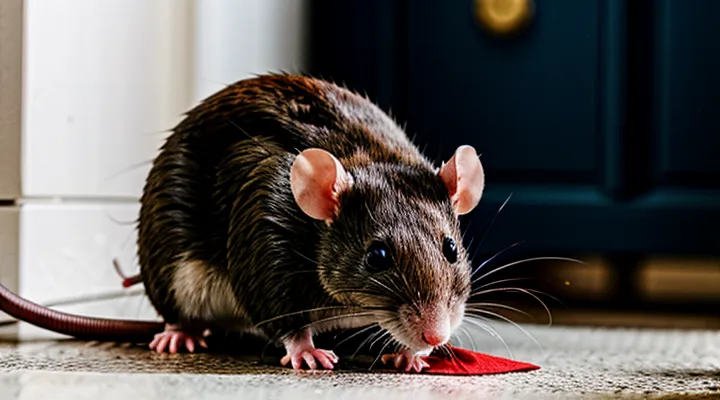
Normal Nasal Secretions in Rats
Porphyrin: The Red Herring
Rats can present with blood-tinged secretions from the nasal passages, prompting investigators to search for underlying pathology. A common source of red discoloration is porphyrin, a pigment secreted by the Harderian gland and excreted in tears and nasal mucus. Because porphyrin appears dark red or brown, it may be mistaken for genuine hemorrhage, leading to erroneous conclusions about the origin of the bleed.
Key characteristics of porphyrin that contribute to misinterpretation:
- Produced continuously as part of normal ocular and nasal physiology.
- Concentrated in secretions during stress, illness, or environmental irritation.
- Color intensity varies with concentration, often mimicking fresh blood.
- Does not indicate vascular rupture; it is a chemical by‑product, not a clotting event.
Actual causes of nasal bleeding in rats differ from porphyrin staining and include:
- Traumatic injury to the nasal mucosa (e.g., cage cleaning, aggressive handling).
- Infectious agents such as Mycoplasma pulmonis or Streptococcus spp. that erode mucosal vessels.
- Neoplastic growths within the nasal cavity, leading to fragile tumor vasculature.
- Coagulopathies, whether inherited or induced by anticoagulant exposure.
When evaluating a rat with apparent epistaxis, practitioners should first confirm the presence of true blood by:
- Microscopic examination of the secretion to detect erythrocytes.
- Comparison of color and viscosity with known porphyrin samples.
- Assessment of accompanying clinical signs (respiratory distress, nasal discharge, weight loss).
By distinguishing porphyrin staining from authentic hemorrhage, researchers avoid the “red herring” that can obscure diagnosis and ensure that therapeutic interventions target the genuine source of nasal bleeding.
Causes of Excessive Porphyrin
Excessive porphyrin production is a common factor behind nasal bleeding in rodents. The pigment, secreted by the Harderian gland, accumulates around the eyes and nose; when concentrations rise, the fluid can irritate the delicate nasal mucosa and trigger hemorrhage.
Typical sources of heightened porphyrin output include:
- Chronic stress – persistent agitation elevates adrenal activity, stimulating glandular secretion.
- Nutritional deficiencies – lack of B‑complex vitamins or inadequate protein hampers metabolic pathways that regulate porphyrin synthesis.
- Infectious agents – bacterial or viral infections of the upper respiratory tract provoke inflammation, increasing gland output.
- Environmental irritants – dust, ammonia, or strong odors damage nasal epithelium, prompting compensatory porphyrin release.
- Genetic predisposition – certain strains possess inherently hyperactive Harderian glands.
- Systemic disease – renal or hepatic dysfunction disrupts waste clearance, allowing porphyrin buildup.
When any of these conditions persist, the excess pigment moistens the nasal passages, weakens capillary walls, and results in observable nosebleeds. Addressing the underlying cause—reducing stress, correcting diet, improving housing hygiene, treating infections, or managing organ disease—normally restores normal porphyrin levels and stops bleeding.
Common Causes of True Rat Nosebleeds
Trauma and Injuries
Nasal bleeding in rats frequently results from direct trauma or internal injury. Sharp objects, cage mates’ bites, or accidental impacts can rupture delicate nasal vessels. Even minor collisions with hard surfaces may cause enough force to break capillaries within the nasal mucosa.
Internal factors also contribute. Excessive anticoagulant use, severe hypertension, or blood‑clotting disorders weaken vessel integrity, making spontaneous bleeding more likely. Tumors or infections that erode nasal tissue create pathways for blood loss.
Typical signs include visible blood from the nostrils, reduced activity, and pale mucous membranes. Prompt observation and isolation of the affected animal reduce stress and prevent further injury.
Management steps:
- Inspect the nasal cavity for lacerations or foreign bodies.
- Apply gentle pressure with a sterile gauze pad for 2–3 minutes to control bleeding.
- Administer a topical vasoconstrictor (e.g., phenylephrine) if bleeding persists.
- Provide analgesia and monitor vital signs, especially heart rate and respiratory rhythm.
- Arrange veterinary evaluation for imaging or laboratory tests when bleeding recurs or is unexplained.
Preventive measures focus on minimizing hazards: use smooth‑finished cage components, limit aggressive pairings, and ensure diet supplies adequate vitamin K to support clotting. Regular health checks detect underlying coagulopathies before they manifest as epistaxis.
Respiratory Infections
Respiratory infections are a frequent trigger of epistaxis in laboratory and pet rats. Pathogens such as Mycoplasma pulmonis, Streptococcus pneumoniae, and adenoviruses invade the nasal mucosa, causing inflammation that weakens capillary walls. The resulting edema and ulceration expose fragile vessels, making them prone to rupture during normal respiration or minor trauma.
Inflammatory mediators released during infection increase vascular permeability and promote hemorrhage. Histopathological examinations often reveal infiltrates of neutrophils and lymphocytes surrounding dilated venules, a pattern consistent with infectious rhinitis. When the infection spreads to the sinuses, pressure buildup further stresses the delicate nasal epithelium, accelerating bleeding episodes.
Management requires rapid identification of the infectious agent and supportive care to stop bleeding. Effective steps include:
- Collecting nasal swabs for culture or PCR to pinpoint the pathogen.
- Administering appropriate antibiotics (e.g., tetracyclines for mycoplasma) or antiviral agents when indicated.
- Providing humidified oxygen and topical vasoconstrictors to reduce mucosal swelling.
- Monitoring hemoglobin levels and supplying fluid therapy to maintain circulatory volume.
Prevention focuses on maintaining strict hygiene, reducing stress, and implementing quarantine protocols for new arrivals. Regular health screening of breeding colonies limits the spread of respiratory pathogens, thereby decreasing the incidence of nosebleeds linked to infection.
Dental Issues Affecting the Nasal Cavity
Dental disease in rats frequently compromises the nasal passages, producing epistaxis. Overgrown incisors can pierce the palate, creating a direct conduit between the oral cavity and the nasal mucosa. The resulting trauma disrupts fragile blood vessels, leading to intermittent bleeding.
Abscess formation at the root of cheek teeth is another common source. Bacterial infection spreads from the periodontal space into adjacent sinuses, inflaming the mucosa and eroding capillaries. The inflammatory process increases vascular permeability, making spontaneous hemorrhage likely.
Periodontal disease also contributes by altering the alignment of maxillary molars. Malocclusion forces molar crowns into the nasal septum, causing chronic irritation and micro‑ruptures of the epithelial lining. Persistent irritation promotes neovascularization, which is prone to rupture.
Key dental conditions that affect the nasal cavity include:
- Incisor overgrowth with palatal perforation
- Cheek‑tooth root abscesses extending into sinus tissue
- Severe periodontitis causing molar misalignment
- Dental plaque‑induced osteomyelitis of the maxilla
Early detection of these oral pathologies reduces the risk of nosebleeds. Regular oral examinations, radiographic imaging of the skull, and prompt treatment of infections are essential for maintaining respiratory health in rats.
Environmental Factors
Nasal hemorrhage in rats often originates from external conditions that compromise the delicate vasculature of the nasal mucosa. Dry air reduces mucosal moisture, leading to crust formation and subsequent vessel rupture. Elevated ambient temperature accelerates evaporation, intensifying dryness and increasing bleed risk.
Airborne irritants such as dust, pollen, and chemical fumes provoke inflammatory responses. Inflammation swells the mucosal lining, weakening capillary walls and making them prone to rupture. Persistent exposure to strong odors, including ammonia from bedding or cleaning agents, can produce similar effects.
Sudden changes in barometric pressure disturb the pressure equilibrium across nasal vessels. Rapid drops in atmospheric pressure create a relative negative pressure within the nasal passages, encouraging blood vessel leakage.
Temperature extremes, both high and low, affect blood flow. Heat causes vasodilation, raising blood volume within nasal capillaries, while cold induces vasoconstriction followed by rebound hyperemia when warmth returns, both scenarios heightening bleed potential.
Common environmental contributors can be summarized:
- Low humidity or overly dry environments
- High ambient temperature or rapid temperature fluctuations
- Dust, pollen, and chemical aerosol exposure
- Strong ammonia or other irritant odors from bedding or cleaning products
- Sudden barometric pressure shifts
Mitigating these factors—maintaining optimal humidity (40‑60 %), regulating temperature, using low‑dust bedding, and ensuring adequate ventilation—significantly reduces the incidence of nasal bleeding in laboratory and pet rats.
Irritants and Allergens
Rats experience nasal hemorrhage when the delicate mucosal lining is exposed to substances that provoke inflammation or disrupt vascular integrity. The nasal epithelium contains a dense network of capillaries; any agent that irritates this tissue can trigger bleeding.
- Dust particles from bedding, especially those containing wood shavings or straw, abrade the mucosa.
- Chemical fumes such as ammonia, formaldehyde, or strong detergents cause direct irritation and vasodilation.
- Powdered allergens, including mold spores, pollen, and dust mites, elicit inflammatory responses that increase vascular permeability.
- Inhaled irritants from tobacco smoke or incense introduce particulate matter that damages epithelial cells.
Inflammatory mediators released during an allergic reaction—histamine, prostaglandins, and leukotrienes—constrict and then dilate blood vessels, weakening vessel walls. Repeated exposure amplifies this effect, making spontaneous bleeding more likely. Additionally, certain allergens can induce nasal congestion, raising intranasal pressure and promoting rupture of fragile capillaries.
Mitigation requires controlling environmental quality: use low-dust bedding, maintain ventilation to disperse fumes, and limit exposure to known allergens. Regular health monitoring can detect early signs of mucosal irritation before severe bleeding occurs.
Humidity and Air Quality
Rats experiencing nasal bleeding often show a direct connection to the moisture level in their surroundings. When ambient humidity falls below the optimal range, the nasal epithelium loses moisture, becomes brittle, and ruptures under minor stress. Conversely, excessive humidity encourages fungal growth and bacterial proliferation, which irritate the nasal passages and increase the likelihood of hemorrhage.
Air quality compounds the effect of humidity. Elevated concentrations of airborne particles—dust, pollen, and especially ammonia from waste—damage the delicate blood vessels lining the nasal cavity. Chemical irritants trigger inflammation, swelling, and subsequent vessel rupture. Poor ventilation intensifies exposure, while clean, filtered air reduces the incidence of bleeding.
Key environmental variables influencing rat nasal bleeding:
- Relative humidity below 30 % or above 70 %
- Presence of ammonia or other volatile compounds
- High levels of dust, mold spores, or particulate matter
- Inadequate air exchange rates
- Sudden temperature fluctuations that alter moisture balance
Managing these factors—maintaining stable, moderate humidity, ensuring proper ventilation, and minimizing contaminant sources—directly lowers the risk of nasal hemorrhage in rats.
Underlying Health Conditions
Nasal bleeding in rats frequently indicates an underlying medical problem rather than a simple irritation. Several systemic conditions predispose rodents to epistaxis, and recognizing these disorders is essential for accurate diagnosis and treatment.
- Coagulopathies – deficiencies in clotting factors or platelet disorders reduce blood‑clot formation, leading to spontaneous hemorrhage from the nasal mucosa.
- Hypertension – elevated arterial pressure strains delicate nasal vessels, increasing the risk of rupture.
- Infectious diseases – bacterial, viral, or fungal infections that cause inflammation or necrosis of the nasal epithelium can erode blood vessels.
- Neoplasia – malignant tumors of the nasal cavity or adjacent sinuses invade vascular tissue, producing persistent bleeding.
- Metabolic disorders – severe liver dysfunction or vitamin K deficiency impairs synthesis of clotting proteins, while renal disease may contribute to platelet dysfunction.
- Toxin exposure – inhalation of chemical irritants or ingestion of anticoagulant rodenticides interferes with normal hemostasis and damages mucosal lining.
- Trauma – accidental injury from cage fixtures or aggressive conspecifics can lacerate nasal vessels, resulting in acute bleeding.
Identifying the specific health condition requires thorough clinical assessment, laboratory testing, and, when appropriate, imaging studies. Prompt intervention targeting the root cause—whether correcting a clotting defect, managing blood pressure, treating infection, or removing a tumor—generally resolves the epistaxis and improves overall prognosis.
Blood Clotting Disorders
Rats experience epistaxis when the coagulation cascade fails to form a stable fibrin clot at the site of nasal vessel injury. Inherited or acquired blood‑clotting disorders disrupt one or more steps of this cascade, leading to prolonged bleeding from delicate nasal capillaries.
Key mechanisms that predispose a rodent to nosebleeds include:
- Deficiency of clotting factors such as VIII, IX, or XI, which reduces thrombin generation.
- Platelet dysfunction caused by genetic mutations or exposure to toxicants, impairing primary hemostasis.
- Hyperfibrinolysis, where excessive plasmin activity dissolves clots before they can seal vascular breaches.
- Anticoagulant substances present in the diet or environment, which inhibit factor IIa or factor Xa.
Laboratory evaluation typically measures prothrombin time, activated partial thromboplastin time, platelet count, and fibrin degradation products. Abnormal results guide therapeutic decisions, which may involve factor replacement, platelet transfusion, or antifibrinolytic agents such as tranexamic acid.
Effective management of rat epistaxis therefore hinges on identifying the specific clotting defect and applying targeted hemostatic interventions.
Tumors and Polyps
Nasal bleeding in rats frequently indicates serious disease; neoplastic growths within the nasal passages are a common source.
Tumors in the rat nasal cavity include malignant carcinomas, sarcomas, and lymphomas that arise from epithelial, mesenchymal, or immune cells. Polyps are benign, edematous protrusions of mucosal tissue that may contain inflammatory cells. Both entities occupy limited space, disrupt normal architecture, and interact directly with the rich vascular network of the nasal mucosa.
Mechanisms by which these growths produce epistaxis:
- Direct erosion of fragile capillaries as the mass expands.
- Infiltration of blood vessels, causing wall weakening and rupture.
- Obstructive pressure that raises intraluminal venous pressure, leading to vessel leakage.
- Secondary infection that inflames mucosa and precipitates hemorrhage.
Diagnosis relies on radiographic or computed‑tomographic imaging to locate the lesion, followed by biopsy and histopathological analysis to differentiate malignant tumors from benign polyps. Laboratory evaluation may reveal anemia or altered coagulation parameters secondary to chronic bleeding.
Therapeutic strategies focus on complete excision of the mass when feasible; malignant lesions may require adjunctive radiation or chemotherapy. Benign polyps often resolve with surgical removal and anti‑inflammatory medication. Monitoring for recurrence includes periodic imaging and clinical observation of nasal discharge and bleeding.
Hypertension
Hypertension in rats elevates systemic arterial pressure and places continuous stress on microvascular networks. When blood pressure exceeds the structural capacity of nasal mucosal capillaries, these vessels become prone to rupture, resulting in epistaxis.
Elevated pressure creates the following physiological conditions that lead to nasal bleeding:
- Increased transmural force across capillary walls.
- Reduced compliance of nasal mucosa due to chronic pressure exposure.
- Disruption of endothelial integrity, facilitating hemorrhage.
Experimental models that induce hypertension through angiotensin II infusion or renal artery clipping report a higher frequency of nosebleeds compared with normotensive controls. Quantitative data show a 2‑ to 3‑fold rise in epistaxis incidence when systolic pressure surpasses 150 mm Hg.
For researchers observing nasal hemorrhage in rodents, controlling blood pressure is essential. Regular sphygmomanometric measurements, antihypertensive treatment, and environmental modifications that lower stress can reduce the occurrence of nosebleeds and improve the reliability of experimental outcomes.
Vitamin Deficiencies
Rats experience epistaxis when essential nutrients are lacking, and specific vitamin shortfalls directly impair vascular integrity.
- Vitamin C deficiency reduces collagen synthesis, weakening capillary walls and increasing susceptibility to rupture.
- Vitamin K insufficiency impairs clotting factor production, prolonging bleeding once a vessel is damaged.
- Vitamin B12 deficiency disrupts DNA synthesis in endothelial cells, leading to fragile microvessels.
Low levels of these vitamins compromise the structural and functional stability of nasal blood vessels. Collagen deficiency leaves the basement membrane thin, while inadequate clotting factors prevent rapid hemostasis. Impaired endothelial renewal further destabilizes the mucosal lining, creating a persistent risk of bleeding.
Ensuring adequate dietary intake of the mentioned vitamins prevents the physiological cascade that culminates in nosebleeds. Supplementation of vitamin C (500 mg/kg feed), vitamin K (5 mg/kg feed), and vitamin B12 (0.02 mg/kg feed) restores normal vascular resilience in laboratory rat populations.
Monitoring serum concentrations of these nutrients provides early detection of deficiency, allowing timely dietary adjustment before hemorrhagic symptoms appear.
When to Seek Veterinary Care
Signs of a Serious Nosebleed
A rat with a nosebleed may appear normal at first, but certain indicators reveal a potentially life‑threatening situation. Recognizing these signs allows prompt veterinary intervention and reduces the risk of complications.
- Bleeding that persists for more than five minutes despite gentle pressure.
- Blood loss exceeding a few drops per minute, or a visible pool of blood in the cage.
- Blood present in the mouth, throat, or vomit, suggesting ingestion or aspiration.
- Rapid, shallow breathing or audible wheezing, indicating airway obstruction.
- Marked lethargy, loss of coordination, or sudden collapse.
- Pale or grayish mucous membranes, reflecting anemia or shock.
- Unusual swelling or bruising around the nasal bridge or eyes.
- Frequent sneezing or nasal discharge that changes from clear to bloody.
When any of these observations occur, immediate veterinary assessment is required. Delayed treatment can lead to severe blood loss, respiratory distress, and secondary infections, compromising the animal’s survival.
Diagnostic Procedures
When a rodent presents with nasal bleeding, a systematic diagnostic approach is essential to identify the underlying cause and guide treatment.
Initial assessment includes a thorough physical examination. The clinician inspects the nasal cavity for visible lesions, crusts, or foreign material, palpates the facial structures for swelling or deformity, and evaluates respiratory rate and effort. Vital signs such as temperature, heart rate, and mucous membrane color provide clues about systemic involvement.
Laboratory analysis supports the visual findings. A complete blood count detects anemia or thrombocytopenia, while a coagulation profile (PT, aPTT, fibrinogen) reveals clotting abnormalities. Serum chemistry screens for renal or hepatic dysfunction that could predispose to hemorrhage. Nasal swabs cultured on selective media identify bacterial pathogens; polymerase chain reaction assays detect viral agents such as parvovirus or coronavirus.
Imaging studies clarify the extent of internal damage. Radiographs of the skull outline bone integrity and reveal possible fractures or masses. Computed tomography, with thin-slice reconstructions, delineates soft‑tissue structures, sinus involvement, and vascular lesions. Contrast‑enhanced scans highlight areas of abnormal perfusion or neoplasia.
Endoscopic examination provides direct visualization of the nasal mucosa. A flexible otoscope or miniature endoscope allows targeted biopsy of suspicious tissue, removal of obstructive debris, and assessment of vascular integrity. Histopathology of collected samples distinguishes inflammatory, infectious, or neoplastic processes.
If systemic disease is suspected, additional tests may be warranted. Serologic panels for leptospirosis, hantavirus, or mycoplasma evaluate zoonotic infections. Urinalysis and fecal examinations rule out concurrent organ involvement. In cases of suspected coagulopathy, factor assays and platelet function tests refine the diagnosis.
The diagnostic workflow proceeds from non‑invasive observation to targeted invasive sampling, ensuring that each step builds on the information gathered previously. This structured methodology maximizes the likelihood of identifying the precise etiology of nasal hemorrhage in a rat.
Treatment Options
A rat that presents with epistaxis requires swift intervention to prevent blood loss and to identify underlying pathology. Immediate measures focus on stabilizing the animal and controlling bleeding.
Apply gentle pressure to the nostrils with a clean gauze pad for several minutes. Keep the rat in a quiet, warm environment to reduce stress. If bleeding persists beyond five minutes, seek veterinary assistance without delay.
Veterinary care includes diagnostic and therapeutic steps:
- Physical examination to assess the source of hemorrhage and overall health.
- Laboratory tests such as complete blood count and coagulation profile to detect anemia, infection, or clotting disorders.
- Imaging (radiography or CT) when structural lesions, tumors, or foreign bodies are suspected.
- Local hemostatic agents (e.g., topical thrombin or gelatin sponge) applied by a professional to the bleeding site.
- Systemic medication, including vitamin K1 for coagulopathy, antibiotics for bacterial infections, or antifungal agents if a fungal cause is identified.
- Surgical intervention for severe trauma, neoplasia, or persistent arterial bleeding not responsive to conservative measures.
After stabilization, supportive care promotes recovery. Provide a balanced diet enriched with vitamin K and iron, maintain optimal humidity to keep nasal passages moist, and monitor for recurrent bleeding. Regular veterinary follow‑up ensures that any chronic condition is managed effectively.
Prevention and Management
Maintaining a Healthy Environment
Rats experience nasal bleeding when the surrounding conditions compromise the integrity of their respiratory mucosa. Poor ventilation, excessive dust, high humidity, and toxic chemicals irritate the delicate nasal passages, leading to vessel rupture. Maintaining a stable, clean environment reduces these risks and supports overall health.
Key environmental controls include:
- Air quality: Install high‑efficiency filters; replace them regularly to keep airborne particles below 5 µg/m³.
- Humidity: Keep relative humidity between 40 % and 60 %; use dehumidifiers or humidifiers as needed.
- Temperature: Maintain ambient temperature within 20‑24 °C; avoid rapid fluctuations that stress the respiratory system.
- Cleaning protocol: Employ mild, non‑irritating disinfectants; rinse cages thoroughly after each cleaning cycle.
- Chemical exposure: Store cleaning agents, pesticides, and laboratory chemicals away from animal housing; use sealed containers and proper ventilation hoods.
Regular monitoring of these parameters, combined with prompt identification of abnormal bleeding, ensures that rats remain in a condition that minimizes nasal hemorrhage and promotes long‑term well‑being.
Nutritional Considerations
Rats experiencing epistaxis often show dietary imbalances that compromise vascular integrity. Deficiencies in vitamin C impair collagen synthesis, weakening nasal mucosa and predisposing to bleeding. Low levels of vitamin K interfere with clotting factor activation, reducing the ability to halt hemorrhage. Inadequate protein intake limits the availability of amino acids necessary for tissue repair and blood vessel maintenance.
Mineral imbalances also affect bleeding risk. Excessive sodium can increase blood pressure, placing additional stress on delicate nasal vessels. Insufficient calcium and magnesium disrupt smooth‑muscle function, potentially leading to vasodilation and fragility of capillary walls. Elevated phosphorus without adequate calcium may trigger secondary hyperparathyroidism, further destabilizing vascular structures.
Practical nutritional guidelines for managing rat epistaxis include:
- Provide a balanced commercial rodent diet formulated to meet AAFCO nutrient profiles.
- Supplement fresh fruits and vegetables rich in vitamin C (e.g., bell peppers, broccoli) when the base diet lacks adequate amounts.
- Ensure a steady source of vitamin K through leafy greens such as kale or spinach.
- Offer high‑quality protein sources, including soy‑based pellets or cooked lean meat, to support tissue regeneration.
- Limit salty treats and monitor sodium content in supplemental foods.
- Maintain calcium‑to‑phosphorus ratio near 1:1 by including fortified blocks or mineral mixes.
- Add magnesium‑rich items like pumpkin seeds in moderation.
Monitoring body condition, coat quality, and wound healing provides indirect evidence of nutritional adequacy. Laboratory analysis of serum vitamin and mineral levels can confirm deficiencies and guide targeted supplementation. Consistent provision of a complete, balanced diet reduces the incidence of nasal bleeding by strengthening vascular walls and supporting normal coagulation pathways.
Regular Health Checks
Regular veterinary examinations are essential for identifying the causes of nasal bleeding in rats. A systematic health check can reveal trauma, infection, clotting disorders, or neoplasia that manifest as epistaxis.
Key components of a routine assessment include:
- Physical inspection of the nasal passages for lesions, crusts, or discharge.
- Palpation of the head and thorax to detect swelling or masses.
- Complete blood count and coagulation profile to evaluate hematologic status.
- Radiographic or endoscopic imaging to visualize internal structures and identify hidden pathology.
Examinations should be scheduled at least quarterly for breeding or research colonies and monthly for pets showing any respiratory signs. Caregivers must monitor for recurrent bleeding, sneezing, or changes in behavior, and report these observations promptly.
Consistent health monitoring shortens the interval between symptom onset and diagnosis, enabling targeted treatment and reducing the risk of severe complications associated with uncontrolled nasal hemorrhage.