
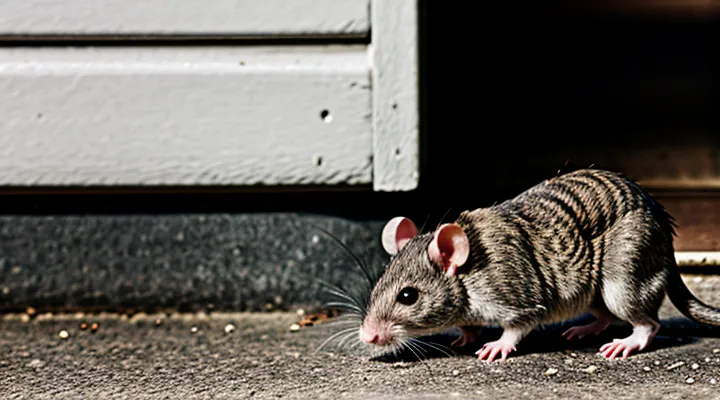
Normal Rat Respiration
Subtle Sounds and Their Significance
Rats produce low‑frequency grunts during respiration, a phenomenon that often goes unnoticed without careful observation. These subtle sounds arise from the rapid movement of the diaphragm and thoracic muscles, which generate pressure fluctuations audible to the human ear when the animal inhales or exhales forcefully.
The acoustic signature of each grunt carries information about the animal’s physiological state. Variations in intensity, duration, and rhythm can reveal:
- respiratory effort, indicating possible obstruction or lung distress;
- metabolic demand, reflecting activity level or stress response;
- health status, where abnormal patterns may precede overt symptoms of disease.
Researchers exploit these acoustic cues to monitor laboratory rodents non‑invasively. By recording and analyzing grunt patterns, they can detect early signs of respiratory infection, assess the impact of pharmacological agents, and evaluate the effectiveness of environmental interventions.
Understanding the role of these faint noises enhances experimental precision and improves animal welfare. When the respiratory grunts are interpreted correctly, they become a reliable, real‑time metric of a rat’s internal condition, reducing the need for more intrusive diagnostic methods.
Causes of Grunting Sounds
Upper Respiratory Tract Issues
Rats produce audible grunts during respiration when the upper airways are compromised. Inflammatory swelling of the nasal passages, sinus mucosa, or laryngeal tissues increases resistance to airflow, creating turbulent sound as air passes through narrowed passages. The sound often intensifies during exhalation because expiratory pressure is higher than inspiratory pressure.
Common conditions affecting the upper respiratory tract in rodents include:
- Viral or bacterial rhinitis causing mucosal edema and discharge.
- Sinusitis leading to obstructed sinus ostia and altered airflow patterns.
- Laryngeal edema or ulceration that narrows the glottic opening.
- Nasal tumor growth restricting the nasal cavity.
These pathologies disrupt normal airflow, forcing the animal to exert greater effort to move air through constricted spaces. The resulting vibration of soft tissues produces the characteristic grunt. Persistent or worsening grunting signals progressive airway obstruction and warrants immediate veterinary assessment to identify the underlying cause and initiate appropriate treatment.
Allergic Reactions
Rats may produce audible grunts during respiration when an allergic response compromises airway patency. The reaction involves immunoglobulin E binding to mast cells in the nasal and bronchial mucosa; subsequent allergen exposure triggers histamine release, causing mucosal edema, bronchoconstriction, and increased airway resistance. The resulting turbulence produces the characteristic low‑frequency sounds.
Typical rat allergens include:
- Wood shavings and dust particles
- Feed components such as soy or grain proteins
- Rodent parasites and their feces
- Cage cleaning agents and disinfectants
Exposure to these substances initiates the cascade described above, leading to observable signs such as:
- Nasal discharge
- Sneezing
- Audible wheezing or grunting
- Elevated respiratory rate
- Reduced activity levels
Effective control relies on minimizing allergen load and pharmacological intervention. Strategies encompass:
- Replacing dusty bedding with low‑dust alternatives
- Implementing regular cage cleaning while avoiding harsh chemicals
- Providing hypoallergenic feed formulations
- Administering antihistamines or corticosteroids under veterinary guidance to suppress inflammation and restore normal breathing patterns.
Foreign Bodies
Rats that produce audible grunting during respiration often have an obstruction within the upper airway. Inhaled foreign material creates a partial blockage that forces turbulent airflow and increased muscular effort, resulting in a low‑frequency grunt audible during each breath.
Typical intruding objects include:
- Small food particles (seeds, pellets)
- Bedding fibers or cotton
- Plastic shavings
- Metallic fragments from cages
- Hair or fur clumps
The obstruction mechanism operates as follows. The foreign body lodges in the nasal passages, nasopharynx, or laryngeal inlet, reducing the cross‑sectional area for air passage. The rat compensates by generating higher negative pressure during inspiration, which produces a characteristic grunting sound. Continuous effort can lead to hypoxia, stress, and secondary infection.
Diagnostic steps:
- Observe respiratory pattern and listen for repetitive low‑frequency sounds.
- Perform visual inspection of the oral cavity and nasal openings.
- Obtain radiographs or CT scans to locate radiopaque objects.
- Use endoscopic examination for direct visualization and removal.
Therapeutic actions focus on prompt extraction of the material and supportive care. Gentle suction or forceps removal under anesthesia eliminates the source of obstruction. Post‑procedure monitoring includes supplemental oxygen, analgesia, and antimicrobial therapy if bacterial contamination is suspected. Early intervention prevents progression to severe respiratory distress and improves survival rates.
Minor Infections
Rats that produce audible grunting while inhaling often suffer from low‑grade infections of the upper respiratory tract. These infections irritate the nasal passages and laryngeal mucosa, creating resistance to airflow and prompting the animal to generate a low‑frequency sound with each breath.
Common minor infections that trigger this response include:
- Streptococcus spp. colonization of the nasopharynx
- Pasteurella spp. causing mild sinusitis
- Viral agents such as Sendai virus producing transient rhinitis
- Fungal spores (e.g., Aspergillus) leading to mild mucosal inflammation
Pathophysiology centers on edema and purulent exudate that narrow the nasal vestibule and laryngeal opening. The reduced lumen forces the rat to increase intrathoracic pressure during inspiration, producing a brief, grunting noise. The sound typically ceases when the animal is at rest or when the infection resolves.
Diagnostic steps involve:
- Visual inspection of nasal discharge and swelling
- Cytological smear of secretions to identify bacterial or fungal elements
- Culture of nasal swabs for definitive pathogen identification
- Radiographic assessment if sinus involvement is suspected
Treatment focuses on targeted antimicrobial therapy, supportive hydration, and environmental control to reduce aerosolized irritants. Short‑course antibiotics effective against Pasteurella and Streptococcus are standard; antifungal agents are reserved for confirmed fungal infections. Monitoring respiratory sounds daily provides a rapid indicator of therapeutic success, as the grunting diminishes within 24–48 hours of effective intervention.
Lower Respiratory Tract Issues
Rats produce audible grunts when the lower airway is compromised. Inflammation or obstruction of the trachea, bronchi, or pulmonary tissue increases airway resistance, forcing the animal to generate additional pressure during exhalation. The resulting turbulent airflow creates the characteristic sound.
Common lower‑respiratory disorders that generate this noise include:
- Bacterial or viral pneumonia, which fills alveoli with exudate and reduces compliance.
- Chronic bronchitis, where mucus accumulation narrows bronchi and induces wheezing‑like grunts.
- Pulmonary edema, leading to fluid‑filled alveolar spaces and increased work of breathing.
- Bronchial tumors, causing focal obstruction and localized vibration during airflow.
Diagnostic evaluation relies on auscultation, radiography, and laboratory analysis of respiratory secretions. Treatment protocols target the underlying pathology: antimicrobial agents for infection, bronchodilators and mucolytics for airway clearance, diuretics for edema, and surgical removal or chemotherapy for neoplasia. Prompt intervention reduces respiratory effort and eliminates the grunting sound.
Bacterial Infections
Rats that produce audible grunts while inhaling often suffer from bacterial infections of the respiratory tract. Pathogenic bacteria colonize the nasal passages, trachea, and lungs, causing inflammation, mucus accumulation, and airway obstruction. The resulting turbulence generates the characteristic grunting sounds.
Common bacterial agents include:
- Bordetella bronchiseptica – induces bronchopneumonia, thick secretions, and labored breathing.
- Streptococcus pneumoniae – produces lobar pneumonia with rapid onset of respiratory distress.
- Mycoplasma pulmonis – causes chronic respiratory disease, persistent coughing, and intermittent grunting.
- Klebsiella pneumoniae – leads to severe necrotizing pneumonia, often in immunocompromised animals.
Clinical indicators accompanying the grunts:
- Nasal discharge (purulent or serous).
- Elevated respiratory rate and effort.
- Reduced activity and appetite.
- Fever detectable by rectal thermometer.
Diagnostic approach:
- Physical examination of respiratory sounds.
- Radiographic imaging to identify pulmonary infiltrates.
- Collection of nasal or tracheal swabs for bacterial culture and sensitivity testing.
- Hematologic analysis for leukocytosis.
Therapeutic measures:
- Targeted antibiotic therapy based on culture results; empirical choices include doxycycline for Mycoplasma and fluoroquinolones for Gram‑negative organisms.
- Supportive care: humidified environment, fluid replacement, and nutritional support.
- Isolation of affected individuals to prevent spread within a colony.
Prophylaxis focuses on maintaining clean housing, regular health monitoring, and vaccination where available (e.g., Bordetella vaccine for laboratory colonies). Prompt identification and treatment of bacterial respiratory infections reduce the incidence of grunting noises and improve overall rat welfare.
Viral Infections
Rats produce audible grunt‑like noises during respiration when viral pathogens compromise the upper or lower airways. Viral agents infect the respiratory epithelium, trigger inflammation, and cause mucosal edema, which narrows the airway lumen. The resulting turbulence of airflow generates the characteristic grunting sounds.
Common respiratory viruses in laboratory and wild rats include:
- Sendai virus (parainfluenza‑type pathogen)
- Rat coronavirus (RCV)
- Pneumonia virus of mice (PVM) that can cross‑infect rats
- Adenoviruses belonging to the Mastadenovirus genus
These viruses share a pathogenic sequence: attachment to ciliated cells, replication, cell death, and recruitment of inflammatory cells. The ensuing exudate and swelling increase airway resistance, forcing the animal to exert greater effort to inhale and exhale, which produces the audible grunt.
Diagnostic evaluation relies on:
- Clinical observation of respiratory sounds and behavior changes.
- Nasal or tracheal swab collection for PCR detection of viral RNA.
- Histopathological examination of lung tissue for epithelial necrosis and inflammatory infiltrates.
Therapeutic options are limited; supportive care—oxygen supplementation, fluid therapy, and antipyretics—mitigates secondary complications. Antiviral agents are rarely effective against the described viruses, making prevention the primary control measure. Strategies include strict quarantine, regular health monitoring of colonies, and vaccination where available (e.g., Sendai virus vaccines for specific research colonies).
Understanding the viral etiology of respiratory grunting clarifies the link between infectious agents and altered breathing patterns, enabling targeted management and improved animal welfare.
Mycoplasma Pulmonis
Mycoplasma pulmonis is a cell‑wall‑deficient bacterium that colonizes the respiratory tract of laboratory rats. Its attachment to ciliated epithelium disrupts mucociliary clearance, leading to inflammation of the bronchi and alveoli. The resulting airway obstruction forces the animal to generate audible, low‑frequency grunts during each respiratory cycle.
Infected rats commonly display:
- Persistent nasal discharge
- Labored breathing with audible grunt-like sounds
- Weight loss and reduced activity
- Histopathological evidence of peribronchiolar infiltrates and epithelial hyperplasia
Diagnosis relies on culture of respiratory samples, polymerase chain reaction targeting the 16S rRNA gene, and serologic detection of specific antibodies. Radiographic imaging may reveal interstitial infiltrates consistent with mycoplasmal pneumonia.
Therapeutic control includes administration of macrolide or tetracycline antibiotics, coupled with enhanced ventilation and hygiene measures to limit transmission. Eradication of the organism eliminates the respiratory noise and restores normal pulmonary function in affected colonies.
Bronchitis
Bronchial inflammation in rats produces narrowing of the airways and accumulation of mucus, which creates turbulent airflow during respiration. The turbulence generates audible grunting sounds that are most evident during the expiratory phase. This acoustic sign is a direct manifestation of bronchitis and indicates compromised pulmonary function.
Key aspects of bronchitis‑related grunting in rats:
- Pathophysiology – Inflammatory swelling of bronchial walls and excess secretions increase airway resistance, forcing air to pass through narrowed passages and produce vibration.
- Clinical presentation – Persistent cough, labored breathing, and audible grunts accompany reduced exercise tolerance and weight loss.
- Diagnostic methods – Auscultation confirms the presence of low‑frequency expiratory grunts; radiographic imaging reveals bronchial wall thickening and peribronchial infiltrates; bronchoalveolar lavage quantifies inflammatory cells.
- Therapeutic interventions – Anti‑inflammatory agents (e.g., corticosteroids), bronchodilators, and mucolytic compounds reduce airway edema and mucus load, diminishing the grunting sound.
- Prognostic implications – Resolution of grunting correlates with recovery of normal respiratory mechanics; persistent sounds suggest chronic bronchitis or secondary infection.
Understanding that the grunting noise originates from bronchial inflammation clarifies why rats emit such sounds during breathing and guides effective clinical management.
Environmental Factors
Rats produce audible grunting during respiration when external conditions interfere with normal airflow. Elevated ambient temperature raises metabolic demand, increasing respiratory rate and narrowing the airway lumen. The combination of higher airflow velocity and reduced airway diameter generates turbulent sounds that manifest as grunts.
Low humidity desiccates nasal and pharyngeal membranes, decreasing mucosal compliance. Stiffened tissues limit smooth air passage, creating resistance that translates into audible vibrations during inhalation and exhalation.
Air quality directly impacts respiratory acoustics. Presence of particulate matter, ammonia, or volatile organic compounds irritates the respiratory epithelium, provoking reflex constriction of bronchioles. Constricted passages accelerate airflow, producing a characteristic grunting noise.
Housing characteristics contribute to the phenomenon. Overcrowded cages restrict movement, elevate stress hormones, and promote rapid, shallow breathing. Inadequate ventilation leads to accumulation of carbon dioxide and odors, further irritating the airway and amplifying grunt production.
Key environmental factors:
- Ambient temperature above the thermoneutral zone
- Relative humidity below optimal levels (30‑40 %)
- Airborne irritants (dust, ammonia, chemicals)
- Poor ventilation and high CO₂ concentration
- Overcrowding and limited space
Mitigating these conditions—maintaining stable temperature, ensuring adequate humidity, providing clean, well‑ventilated housing, and preventing overcrowding—reduces airway resistance and eliminates the grunting sounds associated with compromised breathing in rats.
Dust and Allergens
Dust particles suspended in a rat’s environment can irritate the nasal passages and upper airway. When inhaled, these particles trigger inflammation of the mucous membranes, leading to increased resistance to airflow. The rat compensates by generating low‑frequency vocalizations that sound like grunts, a mechanical response to maintain ventilation despite narrowed passages.
Allergens such as mold spores, pollen, and rodent‑specific proteins exacerbate the same inflammatory process. Exposure raises histamine levels, causing swelling of the respiratory epithelium and mucus hypersecretion. The resulting obstruction forces the animal to employ audible breathing efforts.
Key physiological mechanisms linking particulate matter and audible respiration in rats:
- Mechanical irritation of the nasal turbinates
- Histamine‑mediated edema of the airway lining
- Elevated mucus production reducing airway diameter
- Activation of respiratory muscles to overcome increased resistance
Reducing dust and allergen load in a rat’s habitat—through regular cleaning, air filtration, and the use of low‑dust bedding—diminishes airway irritation. Consequently, the frequency and intensity of grunting breaths decline, indicating improved respiratory comfort.
Ammonia Fumes
Rats often produce a low‑frequency grunt while inhaling when exposed to elevated concentrations of ammonia vapor. The odorless, highly soluble gas dissolves in the moist lining of the nasal passages, forming ammonium hydroxide. This solution lowers pH, irritates sensory nerve endings, and triggers a protective laryngeal reflex that contracts the vocal cords during expiration, creating the characteristic sound.
Physiological effects of ammonia inhalation include:
- Immediate irritation of nasal epithelium and tracheal mucosa.
- Stimulation of vagal afferents that mediate reflex glottic closure.
- Increased respiratory resistance leading to audible airflow turbulence.
- Potential onset of coughing or sneezing if exposure persists.
Experimental records demonstrate a dose‑response relationship: low‑level fumes (≈5 ppm) cause occasional grunting, while concentrations above 20 ppm produce continuous vocalization and measurable reductions in tidal volume. Histological examinations reveal epithelial swelling and mild inflammatory infiltrates after repeated exposure.
For laboratory personnel, controlling ambient ammonia is essential. Recommended measures include:
- Maintaining ventilation rates that keep airborne ammonia below 5 ppm.
- Employing activated carbon filters in cage racks.
- Monitoring cage air with calibrated electrochemical sensors.
Adhering to these practices reduces respiratory irritation, eliminates the grunt response, and improves overall animal welfare.
Temperature Extremes
Rats produce audible grunts while inhaling when their bodies confront extreme temperatures. Cold environments cause peripheral vasoconstriction, reducing blood flow to the nasal mucosa and increasing airway resistance. The resulting pressure differential forces the animal to exert additional muscular effort, generating a low‑frequency grunt audible to observers.
Heat stress produces the opposite effect. Elevated ambient temperature triggers vasodilation, swelling of the nasal epithelium, and accumulation of mucus. The expanded airway volume creates turbulent airflow, which can be heard as a short, sharp grunt during inspiration.
Key physiological responses to temperature extremes that influence respiratory sounds include:
- Sympathetic activation in cold, leading to bronchoconstriction and heightened inspiratory effort.
- Parasympathetic dominance in heat, causing mucosal edema and increased airflow turbulence.
- Metabolic rate adjustments that alter oxygen demand and breathing frequency, amplifying audible cues.
Understanding these mechanisms allows researchers to interpret grunt patterns as indirect indicators of environmental stress in laboratory and field settings.
Other Health Conditions
Grunting noises during respiration in rats often signal underlying medical problems beyond simple airway obstruction. Identifying these conditions helps differentiate normal vocalizations from pathological signs and guides appropriate veterinary intervention.
- Upper respiratory infections – viral or bacterial agents inflame nasal passages and larynx, increasing airway resistance and producing audible grunt-like sounds.
- Pulmonary edema – fluid accumulation in alveolar spaces reduces lung compliance, forcing the animal to exert extra effort when inhaling, which generates low‑frequency grunts.
- Heart failure – compromised cardiac output leads to congestion in pulmonary vessels, causing similar respiratory strain and audible breathing noises.
- Chronic bronchitis – persistent inflammation of bronchi narrows airflow, resulting in harsh, repetitive grunting during both inhalation and exhalation.
- Neuromuscular disorders – impaired control of respiratory muscles limits ventilation efficiency, prompting audible effortful breaths.
Recognition of these health issues through careful observation of respiratory sounds enables timely diagnostic testing and treatment, reducing the risk of progression to severe respiratory distress.
Cardiovascular Problems
Rats that produce audible grunts while inhaling often exhibit underlying cardiovascular disturbances. Reduced cardiac output limits blood flow to respiratory muscles, leading to inefficient ventilation and audible effort. Elevated pulmonary arterial pressure forces the right ventricle to work harder, causing intermittent chest wall vibrations that are perceived as grunting. Myocardial ischemia impairs the coordination of diaphragmatic contraction, resulting in irregular breathing patterns accompanied by low‑frequency sounds.
Key cardiac conditions associated with respiratory grunting include:
- Congestive heart failure: fluid accumulation in the lungs increases airway resistance and produces audible breathing noises.
- Pulmonary hypertension: heightened pressure in the pulmonary circuit creates turbulent flow audible during inspiration.
- Arrhythmias: irregular heart rhythm disrupts the timing of respiratory muscle activation, generating sporadic grunts.
Diagnostic assessment should combine auscultation with echocardiography and arterial blood‑gas analysis to confirm the presence of cardiac pathology. Prompt therapeutic intervention—diuretics for fluid overload, vasodilators for pressure reduction, or anti‑arrhythmic agents—often eliminates the grunting sound by restoring normal cardiovascular function.
Tumors or Growths
Rats that produce audible grunts while inhaling often have compromised airway patency. Tumorous growths can directly impede airflow, creating turbulent passage that manifests as a low‑frequency grunt. Lesions situated in the nasal cavity, nasopharynx, trachea, or bronchi generate resistance that forces the animal to exert additional effort during inspiration, producing the characteristic sound.
Typical neoplastic conditions responsible for this phenomenon include:
- Nasal adenocarcinoma – malignant epithelial proliferation within the nasal passages.
- Tracheal lymphoma – lymphoid tissue expansion narrowing the tracheal lumen.
- Bronchial carcinoma – malignant cells forming obstructive masses in the lower respiratory tract.
- Benign fibroma – localized fibroblastic growth that can still cause mechanical blockage.
Obstruction leads to increased negative intrathoracic pressure, altered airflow dynamics, and audible grunting. Additionally, tumor‑induced inflammation may cause edema and mucus hypersecretion, further narrowing the airway. In advanced cases, necrotic tumor tissue can produce secretions that block the trachea, intensifying the sound.
Veterinary evaluation should include:
- Physical examination focusing on respiratory sounds.
- Radiographic imaging to locate and size the mass.
- Endoscopic inspection for direct visualization and biopsy.
- Histopathological analysis to determine malignancy grade.
Early detection of tumorous growths improves therapeutic options, which may involve surgical excision, chemotherapy, or radiation. Persistent grunting during breathing warrants immediate diagnostic work‑up to rule out neoplastic obstruction.
Stress and Anxiety
Rats produce audible grunts while inhaling or exhaling when they experience heightened physiological arousal. The sound originates from increased airway resistance and altered respiratory muscle tone, both of which are common responses to emotional distress. When a rodent perceives a threat or encounters an unfamiliar environment, the sympathetic nervous system activates, releasing catecholamines that raise heart rate and tighten bronchial smooth muscle. The resulting airflow turbulence generates low‑frequency vocalizations that are perceived as grunts.
Stress triggers the hypothalamic‑pituitary‑adrenal axis, elevating cortisol levels. Elevated cortisol suppresses immune function and amplifies inflammatory mediators in the respiratory tract, leading to mild edema or mucus accumulation. These changes further obstruct airflow, reinforcing the grunting pattern. Anxiety, characterized by anticipatory fear, maintains a chronic state of sympathetic activation, causing persistent subtle bronchoconstriction. Even in the absence of overt danger, the animal may continue to emit grunts during normal breathing cycles.
Key physiological links between emotional disturbance and respiratory sounds include:
- Sympathetic surge → bronchial smooth‑muscle contraction → turbulent airflow.
- Cortisol increase → airway inflammation → reduced lumen diameter.
- Muscle tension in diaphragm and intercostals → irregular breath force → audible vibration.
Understanding these mechanisms clarifies why a rat’s breathing may be accompanied by grunting during periods of stress or anxiety, providing a reliable behavioral indicator of its emotional state.
When to Seek Veterinary Care
Recognizing Warning Signs
Rats produce grunting noises during respiration when airway resistance increases, blood oxygen levels fall, or lung tissue becomes compromised. These sounds serve as immediate indicators that the animal is experiencing physiological stress. Recognizing the associated warning signs enables timely intervention and reduces the risk of severe outcomes.
Key warning signs accompanying the vocalizations include:
- Rapid, shallow breathing that deviates from the normal rhythm.
- Nasal flaring or visible effort in the chest muscles.
- Discoloration of the mucous membranes, especially a pale or bluish hue.
- Decreased activity level, lethargy, or loss of coordination.
- Audible wheezing or crackles heard alongside the grunts.
Veterinary assessment should focus on measuring respiratory rate, evaluating blood oxygen saturation, and examining the thoracic cavity for fluid accumulation or obstruction. Early detection of these symptoms guides appropriate treatment, such as oxygen therapy, antimicrobial administration, or surgical correction, thereby improving the animal’s prognosis.
Professional Diagnosis Methods
Professional diagnosis of audible respiratory noises in laboratory rats relies on a combination of clinical assessment, imaging, and laboratory techniques. Initial evaluation includes a thorough physical examination, focusing on the thoracic region, and auscultation with a high‑frequency stethoscope to detect abnormal breath sounds. Observation of the animal’s posture, activity level, and nasal discharge provides contextual clues for further testing.
Imaging modalities confirm structural abnormalities. Standard radiographs identify lung consolidation, pleural effusion, or airway obstruction. Computed tomography offers detailed cross‑sectional views of parenchymal lesions, bronchial narrowing, and mediastinal masses. Magnetic resonance imaging is reserved for soft‑tissue assessment when neoplastic processes are suspected.
Endoscopic procedures allow direct visualization of the airway. Rigid or fiber‑optic bronchoscopy detects mucosal inflammation, foreign bodies, or tumor growth. Biopsies obtained during bronchoscopy enable histopathological analysis, distinguishing infectious, inflammatory, or neoplastic etiologies.
Laboratory diagnostics support the imaging findings. Complete blood counts and serum biochemistry reveal systemic infection or organ dysfunction. Sputum or bronchoalveolar lavage samples undergo bacterial culture, fungal identification, and PCR testing for viral agents. Cytology of lavage fluid assesses cellular inflammation patterns.
Functional assessment quantifies the severity of respiratory compromise. Pulse oximetry measures arterial oxygen saturation in real time. Capnography records end‑tidal CO₂ levels, indicating ventilation efficiency. Spirometry, adapted for small rodents, provides data on tidal volume, respiratory rate, and airway resistance. Acoustic analysis software records and characterizes the frequency and duration of grunting sounds, facilitating objective monitoring of disease progression or treatment response.
Key professional methods
- Physical examination and high‑frequency auscultation
- Thoracic radiography, CT, and MRI
- Rigid/fiber‑optic bronchoscopy with biopsy
- Complete blood count, serum chemistry, and targeted microbiology (culture, PCR)
- Pulse oximetry, capnography, and rodent‑adapted spirometry
- Acoustic waveform analysis of respiratory sounds
Integration of these techniques yields a comprehensive diagnostic profile, allowing veterinarians and researchers to identify the underlying cause of respiratory grunting, assess its impact on animal health, and guide appropriate therapeutic interventions.
Physical Examination
Physical examination provides the primary data needed to interpret the audible respiratory grunts observed in laboratory rats. Direct observation of the animal’s breathing pattern reveals the timing, intensity, and frequency of the sounds, allowing differentiation between normal inspiratory noises and pathological grunting that occurs during expiration.
Auscultation with a small animal stethoscope targets the thoracic cavity. The examiner notes any harsh, low‑frequency noises that coincide with exhalation, assesses symmetry between left and right lung fields, and records any crackles or wheezes that may accompany the grunts.
Palpation evaluates chest wall movement and thoracic musculature. Gentle pressure over the intercostal spaces detects rigidity or tenderness, while observation of rib cage expansion quantifies respiratory effort. A reduced or uneven expansion suggests obstructive or restrictive processes.
Visual inspection complements acoustic findings. The rat’s posture—such as a hunched back or extended neck—indicates respiratory distress. Nasal or oral discharge, ocular secretions, and the condition of the fur provide clues to systemic involvement.
Additional measurements complete the assessment:
- Respiratory rate counted over a full minute.
- Body temperature measured with a rectal probe.
- Heart rate obtained via pulse palpation or ECG leads.
- Mucous membrane color examined for cyanosis or pallor.
These systematic steps generate a comprehensive profile of the rat’s respiratory status, enabling accurate identification of the underlying cause of the grunting sounds.
Diagnostic Imaging
Diagnostic imaging provides objective data for evaluating the respiratory grunting observed in laboratory rats. By visualizing the thoracic cavity, clinicians can differentiate between mechanical obstruction, inflammatory processes, and neuromuscular dysfunction that may generate audible breathing sounds.
Radiography supplies a rapid overview of pulmonary aeration and skeletal alignment. Lateral and dorsoventral projections reveal pleural effusion, pneumothorax, or rib malformations that could impede airflow. Plain films also allow measurement of diaphragmatic silhouette, indicating possible paralysis.
Computed tomography (CT) delivers high‑resolution cross‑sectional images, exposing subtle airway narrowing, bronchial wall thickening, or parenchymal consolidations. Multiplanar reconstructions facilitate three‑dimensional assessment of tracheal deviation and mediastinal masses, which are often invisible on radiographs.
Magnetic resonance imaging (MRI) excels in soft‑tissue contrast, enabling detailed visualization of diaphragmatic musculature and neuromuscular junctions. Dynamic MRI sequences can capture real‑time diaphragmatic excursion, identifying hypokinesia that correlates with abnormal breathing noises.
Ultrasound offers a bedside, radiation‑free option for assessing pleural fluid, lung sliding, and diaphragmatic motion. Color Doppler can detect vascular abnormalities that may contribute to respiratory distress. Portable probes permit repeated examinations without anesthesia.
Nuclear medicine techniques, such as single‑photon emission computed tomography (SPECT) with ventilation agents, map regional airflow distribution. Areas of reduced ventilation appear as perfusion‑ventilation mismatches, suggesting localized obstruction responsible for audible grunts.
Key imaging considerations
- Choose modality based on suspected pathology (airway vs. muscle vs. pleural).
- Prioritize non‑invasive, low‑stress techniques for conscious animals.
- Correlate imaging findings with auscultation and clinical signs for comprehensive diagnosis.
- Document baseline images to monitor disease progression or treatment response.
By integrating these imaging strategies, researchers can accurately pinpoint the anatomical and functional sources of respiratory grunting in rats, guiding targeted therapeutic interventions.
Laboratory Tests
Laboratory investigations are essential for diagnosing the cause of respiratory grunting in rodents. Blood gas analysis provides direct measurement of oxygen and carbon‑dioxide levels, indicating hypoxemia or hypercapnia that may trigger audible breathing sounds. Complete blood counts and serum biochemistry reveal inflammatory markers, electrolyte disturbances, or metabolic acidosis that can affect airway tone.
Imaging studies clarify structural abnormalities. High‑resolution computed tomography visualizes airway narrowing, pulmonary edema, or masses that produce turbulent airflow. Chest radiographs, when combined with contrast agents, detect pleural effusion or infiltrates.
Pulmonary function testing quantifies airflow limitation. Whole‑body plethysmography records respiratory frequency, tidal volume, and airway resistance, correlating these parameters with the intensity of grunting. Methacholine challenge tests assess bronchial hyper‑responsiveness.
Histopathological examination of lung tissue identifies cellular lesions. Staining for fibrosis, inflammation, or neoplastic growth distinguishes chronic conditions from acute infections. Immunohistochemistry detects specific pathogens or markers of tissue injury.
Microbiological cultures from tracheal swabs or bronchoalveolar lavage isolate bacterial, viral, or fungal agents. Polymerase chain reaction assays confirm the presence of respiratory pathogens that may irritate the airway and produce sound.
A typical testing protocol includes:
- Blood gas panel and arterial blood chemistry
- Complete blood count with differential
- Thoracic imaging (CT or radiography)
- Whole‑body plethysmography with provocation tests
- Lung tissue biopsy for histology and immunohistochemistry
- Microbial culture and PCR analysis
Integration of these results enables precise identification of physiological or pathological factors responsible for the audible breathing pattern in laboratory rats.
Preventive Measures and Management
Maintaining Optimal Environment
Rats produce audible grunts during respiration when environmental conditions compromise airway patency or gas exchange. Maintaining a stable habitat reduces the likelihood of such sounds and supports overall health.
Optimal temperature ranges between 20 °C and 26 °C. Temperatures below this band increase mucus viscosity, while higher temperatures promote dehydration of the nasal passages. A calibrated thermostat or environmental chamber ensures consistent heat levels.
Relative humidity should remain at 40 %–60 %. Low humidity dries mucosal membranes, leading to irritation and noisy breathing; excessive humidity encourages mold growth, which can irritate the respiratory tract. A hygrometer paired with a humidifier or dehumidifier provides precise control.
Ventilation must exchange air without creating drafts. Continuous airflow removes carbon dioxide and volatile compounds, but direct breezes can cause stress‑induced respiratory changes. Use filtered ventilation fans set to low speed, and position cages away from open windows.
Bedding material influences dust exposure. Dusty wood shavings introduce particulate matter that irritates the nasal cavity and triggers grunting. Opt for low‑dust paper products or processed cellulose bedding; replace soiled bedding daily.
Noise levels affect stress responses that manifest as altered breathing patterns. Keep ambient sound below 60 dB; employ acoustic insulation or quiet equipment to prevent sudden spikes.
Regular health monitoring detects early signs of respiratory distress. Observe for persistent grunting, nasal discharge, or labored breaths; intervene with veterinary assessment and environmental adjustments promptly.
Key environmental parameters
- Temperature: 20 °C–26 °C
- Humidity: 40 %–60 %
- Air exchange: filtered, low‑velocity flow
- Bedding: low‑dust, replace daily
- Noise: ≤60 dB
- Health checks: daily observation
Adhering to these standards minimizes respiratory noise and promotes normal breathing in laboratory and pet rats.
Air Quality Control
Rats often produce audible grunts while breathing when the respiratory system encounters resistance or irritation. Elevated concentrations of airborne contaminants such as dust, ammonia, carbon dioxide, and volatile organic compounds increase airway resistance and trigger reflexive vocalizations during the respiratory cycle.
Air quality control directly influences the frequency and intensity of these sounds. Maintaining optimal indoor environments reduces respiratory strain and eliminates the physiological stimulus for grunting.
Key measures for managing air quality in rat habitats include:
- Continuous monitoring of particulate matter, ammonia, and carbon dioxide levels with calibrated sensors.
- Installation of high-efficiency particulate air (HEPA) filters to capture fine dust and microbial spores.
- Use of activated carbon filters to adsorb volatile organic compounds and ammonia vapors.
- Implementation of mechanical ventilation systems that provide at least 10 air changes per hour, ensuring dilution of contaminants.
- Regular cleaning protocols that remove waste and damp bedding, preventing microbial growth and ammonia buildup.
- Temperature and humidity regulation within the range of 20–24 °C and 40–60 % relative humidity to inhibit mold proliferation.
By applying these controls, respiratory irritation diminishes, and the occurrence of grunt-like sounds during breathing declines markedly.
Appropriate Bedding
Rats may produce audible grunts while inhaling, a symptom frequently associated with respiratory irritation caused by the substrate in their enclosure. When bedding releases particulate matter or contains volatile compounds, the nasal passages become inflamed, prompting the animal to generate low‑frequency sounds during each breath.
Effective bedding minimizes airway irritation by offering low dust levels, high absorbency, and chemical neutrality. Materials that generate minimal airborne particles reduce the likelihood of the animal developing the characteristic grunt.
- Paper‑based products (e.g., Carefresh, shredded paper) – low dust, high absorbency, biodegradable.
- Aspen shavings – low resin content, moderate absorbency, readily available.
- Hemp bedding – natural fibers, excellent moisture control, minimal scent.
- Cellulose pellets – compact, low dust, easy to replace.
Materials such as pine or cedar should be excluded because their aromatic oils irritate the respiratory mucosa and increase particulate exposure.
Maintain bedding by replacing it at least weekly, ensuring the substrate remains dry and free of mold. Observe the rat for persistent grunting; continuous sounds despite optimal bedding may indicate an underlying health issue requiring veterinary assessment.
Nutritional Support
Nutrient intake directly influences respiratory muscle performance and airway stability in rodents. Deficiencies in specific vitamins and minerals can exacerbate the audible effort observed during breathing.
Key dietary components:
- Protein: Adequate levels (18‑20 % of calories) support diaphragmatic strength and prevent fatigue‑related grunting.
- Vitamin A: Essential for maintaining epithelial integrity of the trachea and bronchi; deficiency increases mucus viscosity and airway resistance.
- Vitamin C: Antioxidant protection reduces oxidative stress in pulmonary tissue, limiting inflammation that may trigger abnormal breathing sounds.
- Magnesium: Facilitates smooth muscle relaxation in the airway; low concentrations can cause bronchoconstriction and heightened respiratory effort.
- Omega‑3 fatty acids: Modulate inflammatory pathways, decreasing edema that could obstruct airflow and generate audible breaths.
Practical feeding guidelines:
- Provide a balanced laboratory chow formulated with the above nutrients at recommended concentrations.
- Supplement water with vitamin C (10 mg/L) during periods of increased stress or illness.
- Introduce a modest amount of fish oil (0.5 % of diet) to ensure consistent omega‑3 intake.
- Monitor body weight and body condition score weekly; adjust protein content if weight loss exceeds 5 % of baseline.
- Conduct periodic blood tests for serum magnesium and vitamin A levels; correct deficiencies with calibrated supplements.
Optimizing nutrition reduces the likelihood that respiratory musculature must exert excessive force, thereby diminishing the frequency and intensity of grunt‑like sounds during inhalation and exhalation.
Stress Reduction Techniques
Rats produce audible grunts while breathing when they experience heightened anxiety or physiological stress. Elevated stress hormones constrict airway muscles and alter respiratory rhythm, leading to the characteristic sound. Mitigating stress therefore reduces the occurrence of these vocalizations and improves overall health.
Effective stress‑reduction methods for laboratory and pet rats include:
- Environmental enrichment: Provide nesting material, chewable objects, and varied terrain to encourage natural foraging and exploration.
- Consistent handling: Use gentle, slow movements and allow the animal to become accustomed to human contact over several sessions.
- Predictable lighting cycles: Maintain a stable light‑dark schedule to support circadian regulation.
- Sound attenuation: Shield the cage from sudden loud noises and vibrations that trigger startle responses.
- Dietary balance: Offer a nutritionally complete diet with adequate fiber to prevent gastrointestinal discomfort, a common stressor.
Implementation of these techniques lowers cortisol levels, stabilizes breathing patterns, and diminishes grunt emissions. Continuous monitoring of respiratory sounds can serve as a non‑invasive indicator of stress management efficacy.
Early Detection Strategies
Rats sometimes produce audible grunts while inhaling, a symptom that frequently signals respiratory distress or disease. Detecting this behavior promptly allows intervention before the condition progresses to severe compromise.
Early identification relies on systematic observation and quantitative assessment. Consistent monitoring reduces the risk of overlooking subtle changes that precede clinical decline.
- Visual inspection of breathing pattern at regular intervals (e.g., every 2 h)
- Automated acoustic recording with threshold‑based alert for increased grunt frequency or amplitude
- Pulse oximetry to detect drops in arterial oxygen saturation concurrent with grunting episodes
- High‑resolution chest imaging (micro‑CT) to reveal airway obstruction or inflammation when acoustic cues appear
- Laboratory analysis of nasal lavage or bronchoalveolar fluid for inflammatory markers triggered by abnormal breathing sounds
Implementing these measures in laboratory animal facilities or veterinary clinics involves calibrating equipment to the species‑specific acoustic range, training personnel to recognize the characteristic grunt, and integrating data streams into a centralized health‑status dashboard. Prompt response to alerts—such as administering bronchodilators, antibiotics, or supportive oxygen—improves outcomes and minimizes mortality associated with respiratory pathology in rodents.