
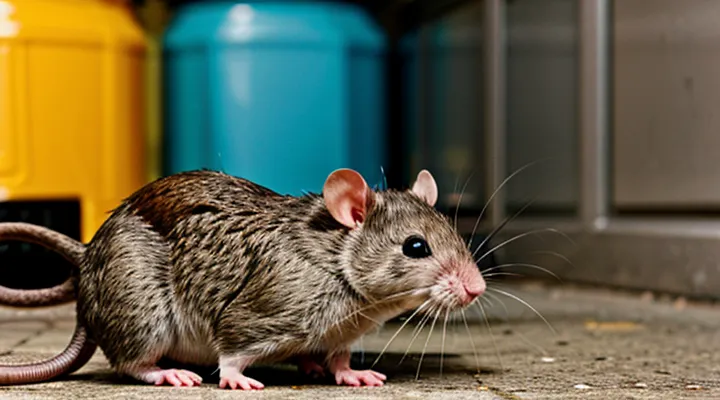
The Fascinating World of Rat Olfaction
The Mechanics of Rat Nose Function
Olfactory Receptors and Their Role
Rats possess a dense array of olfactory receptors embedded in the nasal epithelium. Each receptor protein binds specific volatile molecules, triggering a cascade that generates electrical signals transmitted to the olfactory bulb. The high sensitivity of this system enables detection of low‑concentration irritants that can provoke reflexive sneezing.
When airborne particles or chemical irritants activate a subset of receptors, the trigeminal nerve receives concurrent input, initiating the sneeze reflex to expel the offending agents. Following the expulsion, rats frequently engage in rapid nasal grooming. This behavior clears residual debris and re‑establishes a clean mucosal surface, preserving receptor function and preventing desensitization.
Key aspects of the receptor system include:
- Family A (Class I) receptors: Detect short‑chain aldehydes and acids common in food odors.
- Family B (Class II) receptors: Respond to larger, hydrophobic compounds, often associated with environmental pollutants.
- Accessory proteins (e.g., RTP1, REEP1): Facilitate proper folding and membrane trafficking of receptors, ensuring functional expression.
The interplay between receptor activation, trigeminal signaling, and grooming maintains nasal hygiene and optimal olfactory performance. Disruption of any component—such as receptor mutation or impaired grooming—can increase sneeze frequency and reduce odor discrimination.
The Vomeronasal Organ
Rats often exhibit rapid sneezing and repeated nose‑rubbing, behaviors that reflect the activity of their accessory olfactory system.
The vomeronasal organ (VNO) is a paired cavity situated at the base of the nasal septum, lined with sensory epithelium that detects non‑volatile chemical signals. Its neurons project to the accessory olfactory bulb, where information about pheromones and irritants is processed.
When airborne particles stimulate the VNO, the organ generates a reflex arc that activates the trigeminal nerve. This pathway triggers a sneeze to expel unwanted substances and protect the sensory epithelium.
Following the sneeze, rats frequently rub their noses with forepaws. This grooming action serves two purposes:
- removal of residual debris from the VNO entrance,
- redistribution of mucus to maintain optimal chemical detection.
Thus, the VNO directly links the observed sneezing and nose‑cleaning pattern to its role in monitoring environmental chemicals and preserving sensory function.
Common Causes of Nasal Activity in Rats
Natural Behaviors and Communication
Scent Marking
Rats that exhibit frequent sneezing and repeated nose cleaning are often responding to intense olfactory activity associated with scent marking. The act of depositing chemical cues triggers a cascade of sensory input that can overload the nasal mucosa, prompting reflexive sneezing to clear irritants and subsequent grooming to maintain nasal hygiene.
Scent marking in rodents relies on secretions from the flank, anal, and preputial glands, as well as urine deposits. These chemicals contain volatile compounds that travel through the air and settle on surfaces. When a rat encounters freshly laid marks, the high concentration of pheromones and metabolites stimulates the olfactory epithelium, increasing mucus production and sensitivity of the trigeminal nerve. The resulting irritation manifests as sudden sneezes, after which the animal licks or rubs its snout to remove excess residue.
Key drivers of the sneezing‑grooming cycle include:
- Elevated levels of volatile fatty acids in fresh marks.
- Presence of ammonia from urine deposits.
- Activation of nasal sensory receptors by pheromonal ligands.
- Mechanical disturbance of nasal hairs during close inspection of scent sources.
Understanding this link clarifies why a rat may appear to sneeze continuously and engage in persistent nose washing: the behavior serves as a physiological response to the intense olfactory signals generated during territorial and social communication.
Exploration and Sensory Input
Rats that exhibit persistent sneezing and frequent nose‑grooming are responding to continuous sensory stimulation of the nasal mucosa. Irritating particles, airborne chemicals, or microbial agents activate trigeminal receptors, which trigger the sneeze reflex to expel foreign matter. Immediately after a sneeze, the animal often rubs its snout with forepaws, a behavior that removes residual debris and re‑moistens the nasal epithelium, preserving the sensitivity of olfactory receptors.
Exploratory activity intensifies this cycle. While navigating complex environments, rats rely on their highly developed olfactory system to locate food, assess predators, and communicate with conspecifics. Each sniff introduces potential irritants; the more the animal investigates, the greater the likelihood of nasal contamination. The grooming response thus serves as a rapid maintenance routine that restores optimal sensory function without interrupting foraging or escape behaviors.
Key physiological components include:
- Trigeminal nerve endings detecting mechanical and chemical irritants.
- Nasal mucus production increasing to trap particles.
- Central grooming circuits in the hypothalamus coordinating forelimb movements toward the snout.
- Olfactory bulb feedback adjusting sniffing patterns after each cleansing action.
The interplay between environmental sampling and self‑cleaning ensures that the rat’s sensory apparatus remains effective during sustained exploration, explaining the observed pattern of continual sneezing followed by nose‑washing.
Potential Health Concerns
Respiratory Infections
Rats that exhibit continuous sneezing and frequent nose cleaning are often suffering from respiratory infections. These infections involve the upper airway mucosa, leading to irritation, excess mucus production, and reflexive nasal grooming.
Common pathogens include:
- Streptococcus pneumoniae – bacterial agent causing purulent nasal discharge and sneezing.
- Mycoplasma pulmonis – atypical bacterium associated with chronic rhinitis and serous discharge.
- Sendai virus – paramyxovirus that induces coughing, sneezing, and nasal epiphora.
- Pneumonia virus of mice – can infect rats, producing similar upper‑respiratory signs.
Clinical signs typically comprise:
- Repetitive sneezing episodes.
- Wet or dry nasal discharge.
- Repeated pawing at the snout.
- Reduced activity or weight loss in severe cases.
Diagnostic steps involve visual inspection, collection of nasal swabs for culture or PCR, and radiographic evaluation of the thoracic cavity to assess secondary lower‑respiratory involvement.
Effective treatment strategies focus on antimicrobial therapy tailored to the identified pathogen, supportive care such as humidified environments, and, when indicated, antiviral agents. Antibiotic selection should consider resistance patterns; macrolides and tetracyclines are frequently employed against Mycoplasma spp., while beta‑lactams target Streptococcus.
Prevention relies on strict biosecurity, regular health monitoring, and vaccination where vaccines are available (e.g., for Sendai virus). Reducing stressors, maintaining optimal cage hygiene, and providing adequate ventilation further diminish infection risk.
Persistent sneezing and nasal grooming in rats therefore serve as reliable indicators of underlying respiratory infection, warranting prompt veterinary assessment and targeted intervention.
Allergies and Irritants
Rats sneeze and repeatedly clean their noses when airborne substances trigger the nasal mucosa. Allergens such as pollen, mold spores, and rodent‑specific proteins provoke histamine release, swelling the nasal epithelium and generating the sneeze reflex. Irritants—including dust, ammonia from urine, cleaning agents, and aerosolized oils—directly stimulate sensory nerve endings, producing the same response without an immune component.
The subsequent nose‑washing behavior serves two purposes. First, it removes excess mucus and particulate matter, restoring airflow. Second, it reduces the risk of secondary infection by clearing potential bacterial colonies that could colonize the moist nasal passages.
Common sources of these triggers in laboratory and household settings are:
- Bedding material that accumulates dust and fecal ammonia.
- Food storage containers releasing volatile compounds.
- Seasonal influx of outdoor pollen entering indoor environments.
- Mold growth on damp surfaces or improperly ventilated cages.
Effective mitigation involves regular cage cleaning, low‑dust bedding, adequate ventilation, and monitoring for mold. Reducing exposure limits the frequency of sneezing and the associated grooming activity.
Environmental Factors
Rats that exhibit frequent sneezing and persistent nasal grooming are often responding to conditions in their surroundings. Airborne particles such as dust, pollen, mold spores, and fur debris can irritate the nasal mucosa, triggering reflexive sneezing and the subsequent cleaning behavior. Low humidity levels dry the nasal passages, reducing mucosal lubrication and increasing sensitivity to irritants; conversely, overly humid environments promote fungal growth, which also provokes nasal irritation.
Chemical agents present in the habitat contribute significantly. Residues from cleaning agents, rodent‑attractive baits, or industrial vapors can act as irritants or allergens, leading to repeated sneezing episodes. Inadequate ventilation compounds these effects by allowing irritant concentrations to accumulate, while proper airflow dilutes contaminants and reduces nasal stress.
Temperature fluctuations influence respiratory comfort. Sudden drops in ambient temperature cause vasoconstriction in nasal vessels, heightening the likelihood of sneezing. Stable, moderate temperatures maintain optimal mucosal function and diminish the need for excessive nasal grooming.
Typical environmental triggers can be summarized as follows:
- Dust, pollen, and fur particles
- Variable humidity (dry or overly moist conditions)
- Chemical residues (cleaners, baits, vapors)
- Poor ventilation and air stagnation
- Rapid temperature changes
Mitigating these factors—by maintaining clean bedding, controlling humidity, using non‑irritant cleaning products, ensuring adequate airflow, and stabilizing temperature—reduces the stimulus for repetitive sneezing and nasal cleaning in laboratory or domestic rat populations.
Differentiating Normal from Concerning Behavior
Observing Behavioral Patterns
Frequency and Intensity
Rats that exhibit continuous sneezing and nasal grooming display a measurable pattern of episodes that can be quantified in terms of how often the behaviors occur and how vigorous each episode is. Frequency typically ranges from several bouts per hour to dozens per day, depending on environmental conditions such as airborne dust, bedding material, or the presence of respiratory pathogens. In laboratory settings, controlled exposure to allergens can increase the count to 10–15 sneezes within a 5‑minute interval, followed by immediate nose‑washing actions lasting 2–5 seconds each.
Intensity refers to the force of the expiratory burst during a sneeze and the vigor of the subsequent grooming stroke. High‑intensity sneezes generate airflow velocities exceeding 5 m s⁻¹, measurable with flow meters placed near the animal’s snout. Intense grooming motions involve rapid forelimb strokes of 150–200 mm s⁻¹, observable with high‑speed video analysis. Repeated high‑intensity episodes correlate with elevated nasal mucosal inflammation, evident from increased neutrophil counts in lavage samples.
Key factors influencing both frequency and intensity include:
- Ambient particulate concentration: >200 µg m⁻³ raises sneeze count by 40 % and peak airflow by 15 %.
- Pathogen load: viral or bacterial infection doubles grooming stroke speed.
- Stress hormones: corticosterone spikes amplify sneeze force by up to 20 %.
Monitoring these parameters provides a reliable index of respiratory irritation in rats and supports the evaluation of therapeutic interventions aimed at reducing excessive nasal reflexes.
Accompanying Symptoms
Rats that display persistent sneezing and frequent nose grooming frequently show a cluster of related clinical signs. Nasal discharge is common; it may start as a thin, clear fluid and progress to thicker, yellow‑green material if bacterial infection develops. Conjunctival exudate often accompanies the nasal secretions, indicating irritation of the ocular mucosa. Labored breathing, audible wheezes, or increased respiratory rate suggest involvement of the lower airway. Reduced activity levels, reluctance to explore, and decreased food intake point to discomfort or systemic illness. Weight loss can occur rapidly when the animal limits feeding due to nasal obstruction. Elevated body temperature, detectable by rectal measurement, signals an inflammatory response. Skin around the nose may become reddened or ulcerated from excessive rubbing. In severe cases, secondary infections can spread to the ears, producing head shaking and ear discharge.
When to Seek Veterinary Advice
Persistent or Worsening Symptoms
Repeated sneezing and frequent nasal grooming in rats may signal underlying pathology. Persistent or escalating signs warrant immediate veterinary assessment because they often reflect progressive respiratory disease.
Key indicators of worsening condition include:
- Increase in sneeze frequency or intensity over days.
- Development of nasal discharge that changes from clear to cloudy, yellow, or blood‑stained.
- Audible wheezing, labored breathing, or open‑mouth respiration.
- Reduced activity, loss of appetite, or weight loss.
- Swelling or redness around the nasal bridge and eyes.
- Presence of crusted debris or ulceration on the snout.
These symptoms suggest possible infections (e.g., Mycoplasma pulmonis), allergic reactions, environmental irritants, or neoplastic growths. Early identification of persistent or deteriorating signs enables timely diagnostic testing—such as radiography, culture, or histopathology—and targeted treatment, improving the animal’s prognosis.
Changes in Appetite or Activity
Persistent sneezing and frequent nasal grooming in a laboratory rat often coincide with measurable shifts in feeding behavior. A sudden decline in food intake can signal an underlying respiratory infection, which typically increases mucus production and triggers reflexive sneezing. Conversely, a temporary surge in appetite may accompany allergic reactions that stimulate nasal irritation, prompting the animal to clean its snout more often.
Alterations in locomotor activity also affect nasal health. Increased movement raises exposure to airborne particles, dust, or cage bedding, each capable of irritating the nasal passages and eliciting sneezing bouts. Reduced activity, such as lethargy associated with systemic illness, may diminish the animal’s ability to clear nasal secretions, leading to prolonged nasal rubbing.
Key observations linking appetite or activity changes to nasal symptoms include:
- Decreased food consumption paired with watery nasal discharge.
- Elevated grooming frequency concurrent with heightened exploration of the enclosure.
- Weight loss accompanied by persistent sneezing episodes.
- Diminished wheel running or reduced cage exploration alongside excessive nose wiping.
Monitoring feeding patterns and locomotor metrics provides early indication of respiratory distress. Prompt veterinary assessment should follow any combination of appetite loss, activity alteration, and intensified nasal cleaning to address potential infection, allergy, or environmental irritant.
Maintaining a Healthy Environment
Cage Hygiene and Ventilation
Substrate Choices
Choosing an appropriate bedding material directly influences a rat’s respiratory condition and the frequency of nasal cleaning behaviors. Dust‑producing substrates introduce particulate matter that irritates the nasal mucosa, triggering sneezing and prompting the animal to lick its nose to remove debris. Low‑dust options reduce this irritation and support healthier nasal passages.
- Paper‑based bedding (e.g., shredded paper, cellulose pads) generates minimal airborne particles, maintains consistent moisture balance, and is readily absorbed, limiting nasal inflammation.
- Aspen shavings contain low resin content and produce fewer fine particles than pine or cedar, which release volatile oils that can exacerbate airway sensitivity.
- Hemp or cotton fibers, when processed to a fine texture, provide absorbency with limited dust, though quality control is essential to avoid contaminant buildup.
- Synthetic fleece blankets eliminate dust entirely but lack absorbency; they require frequent cleaning to prevent humidity‑related mold growth, which can also provoke sneezing.
Substrate selection should consider ventilation, humidity control, and ease of replacement. Regular monitoring of bedding condition—removing soiled material promptly and maintaining a dry environment—prevents the accumulation of irritants that force the rat to sneeze repeatedly and engage in excessive nasal grooming.
Air Quality
Rats exhibit frequent sneezing and repetitive nasal grooming when the surrounding air contains irritants. Particulate matter, especially dust and fine silica, deposits on the nasal mucosa, triggering reflexive sneezes to expel the particles. The subsequent cleaning behavior removes mucus and debris, restoring airway patency.
Chemical contaminants also provoke the response. Ammonia, carbon monoxide, and volatile organic compounds (VOCs) irritate sensory receptors in the nasal epithelium. Continuous exposure lowers the threshold for sneeze initiation, leading to repeated episodes and increased grooming to alleviate discomfort.
Key air‑quality factors influencing this pattern include:
- High concentrations of suspended dust or pollen.
- Elevated levels of ammonia from waste accumulation.
- Presence of strong odors or toxic gases (e.g., formaldehyde, benzene).
- Low humidity, which dries nasal passages and enhances irritant adhesion.
Improving ventilation, regularly cleaning enclosures, and monitoring pollutant levels reduce the stimulus for sneezing and nasal cleaning, promoting healthier respiratory function in laboratory and pet rats.
Diet and Nutrition
Impact on Respiratory Health
Rats that exhibit continual sneezing and frequent nasal grooming experience repeated irritation of the upper airway. The mechanical action of nasal cleaning clears particulate matter but also generates micro‑trauma to the mucosal lining. Recurrent inflammation stimulates mucus hypersecretion, which can obstruct airflow and reduce gas exchange efficiency.
Key effects on respiratory health include:
- Increased epithelial permeability, allowing pathogens to penetrate deeper lung tissue.
- Elevated cytokine production, promoting chronic bronchial inflammation.
- Impaired ciliary function, diminishing the clearance of inhaled debris.
- Higher susceptibility to secondary infections such as bacterial pneumonia.
Experimental observations show that prolonged nasal irritation correlates with reduced tidal volume and altered respiratory rate. Histological analyses reveal thickened epithelial layers and infiltration of immune cells in the trachea and bronchi. These changes compromise the protective barrier and may accelerate the progression of respiratory disorders.
Mitigation strategies focus on environmental control and physiological monitoring. Reducing airborne irritants, maintaining optimal humidity, and providing bedding material that minimizes dust exposure lower the frequency of sneezing episodes. Regular health assessments, including pulmonary function tests and airway imaging, enable early detection of respiratory decline.
Understanding the link between persistent nasal reflexes and lung pathology informs both veterinary care and translational research. Insight into these mechanisms supports the development of therapeutic interventions aimed at preserving airway integrity in rodent models and, potentially, in broader mammalian contexts.
Hydration
Rats frequently exhibit sneezing and nasal grooming when their mucosal surfaces become dry. Adequate fluid intake maintains the moisture layer that lines the nasal epithelium, preventing irritation that triggers reflexive sneezing. When water consumption falls short, the mucous membranes lose elasticity, leading to crust formation and increased particulate adhesion. The animal responds by vigorous nose cleaning to remove debris and restore airflow.
Key points linking hydration to nasal health in rats:
- Fluid balance – Sufficient drinking water supports continuous secretion of thin, lubricating mucus.
- Mucociliary function – Proper hydration enables cilia to move mucus effectively, clearing irritants before they provoke sneezing.
- Temperature regulation – Hydration assists in evaporative cooling of the nasal passages, reducing thermal stress that can stimulate nasal reflexes.
Dehydration, whether caused by limited water availability, high ambient temperature, or metabolic disorders, directly elevates the frequency of sneezing episodes and the intensity of nose washing. Restoring normal water intake typically reduces these behaviors within hours, confirming the primary influence of hydration on nasal stability.