
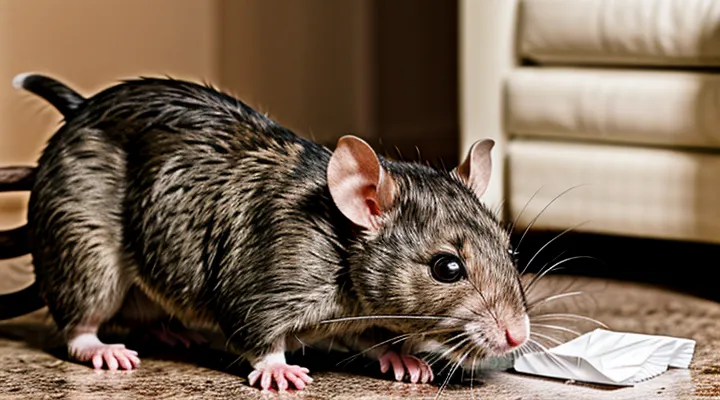
Understanding Rat Nosebleeds: The Basics
What is a «Nosebleed» in Rats?
Differentiating True Blood from Porphyrin
When a pet rat appears to bleed from the nose, the first step is to confirm whether the discharge is genuine blood or a porphyrin secretion. Porphyrins are reddish‑brown fluids produced by the Harderian gland and by the lacrimal system; they can be mistaken for hemorrhage because they darken when exposed to air.
Key visual differences:
- Color change – Fresh blood is bright red and turns dark brown as it clots; porphyrin is initially dark brown or rust‑colored and may become black after drying.
- Viscosity – Blood flows freely and may pool; porphyrin is thicker, gelatinous, and often adheres to the fur or cage bars.
- Location – Blood typically emerges from the nostrils or oral cavity; porphyrin often drips from the eyes, around the whisker pads, or from the mouth when the animal licks its fur.
Diagnostic methods:
- Microscopic examination – A drop of the material examined under a light microscope reveals erythrocytes in true blood, while porphyrin lacks cellular components.
- Chemical test – Adding a few drops of a dilute hydrogen peroxide solution causes rapid bubbling if hemoglobin is present; porphyrin does not react.
- pH strip – Blood is slightly acidic (pH 7.35‑7.45); porphyrin solutions are more alkaline, providing a quick field test.
Correct identification guides treatment. If the discharge is blood, immediate veterinary assessment is required to address potential causes such as trauma, hypertension, coagulopathy, or infectious disease. Supportive care may include nasal packing, fluid therapy, and targeted antibiotics or antihypertensive medication. Conversely, if the fluid is porphyrin, the focus shifts to reducing stress, improving environmental hygiene, and treating underlying ocular or respiratory irritation. Regular cleaning of the cage, humidification of the air, and providing chewable enrichment can lower porphyrin production. In persistent cases, a veterinary eye examination may uncover glandular inflammation that warrants topical therapy.
Distinguishing true hemorrhage from porphyrin prevents unnecessary interventions and directs owners toward appropriate medical or husbandry measures, ultimately reducing the risk of complications in domestic rats.
Common Causes of Rat Nosebleeds
Environmental Factors
Nasal bleeding in pet rats frequently originates from the surrounding environment.
Common environmental contributors include:
- Low relative humidity that dries the nasal mucosa.
- Sudden temperature shifts causing rapid vasodilation of nasal vessels.
- Drafts that expose the animal to cold air currents.
- Poor ventilation or accumulation of airborne pollutants such as tobacco smoke, aerosol cleaners, or strong fragrances.
- Excessive dust from bedding, wood shavings, or nesting material.
- Chemical irritants from disinfectants, scented products, or pesticides.
Dry air reduces mucosal moisture, making capillaries fragile and prone to rupture. Temperature fluctuations stress vascular regulation, while airborne irritants provoke inflammation and edema, both of which can precipitate bleeding.
Mitigation strategies focus on stabilizing the cage climate: maintain humidity at 45‑55 %, keep ambient temperature within a narrow band (approximately 20‑24 °C), eliminate drafts, provide high‑quality low‑dust bedding, and avoid scented or chemical cleaning agents. Installing a small air purifier or using a cage cover with breathable fabric can further reduce pollutant exposure.
If bleeding occurs, immediate steps are to place the rat in a quiet, warm area, apply a sterile saline solution to the nostrils to moisten the mucosa, and monitor the frequency and volume of discharge. Persistent or recurrent epistaxis warrants veterinary assessment for possible underlying pathology and targeted treatment.
Low Humidity and Irritants
Low humidity dries the nasal mucosa of pet rats. When the lining loses moisture, blood vessels become fragile and can rupture with minimal disturbance. In environments where relative humidity falls below 30 %, the risk of spontaneous epistaxis increases markedly.
Irritants such as dust, strong fragrances, cleaning agents, and aerosolized medications provoke inflammation of the nasal passages. Repeated exposure sensitizes the mucosal tissue, leading to edema and micro‑trauma that frequently culminates in bleeding.
Management strategies
- Maintain indoor humidity between 40 % and 60 % using a humidifier or water‑filled containers.
- Clean cages with low‑dust bedding; avoid scented litters and perfumed cleaners.
- Ensure proper ventilation while preventing drafts that further desiccate the nasal lining.
- Apply sterile saline drops to the nostrils twice daily to keep the mucosa moist.
- Seek veterinary evaluation if bleeding persists, as underlying infections or coagulopathies may require medication.
Stress and Overheating
Nosebleeds in pet rats often signal underlying physiological stress or elevated body temperature. Recognizing these triggers allows owners to intervene promptly and reduce the risk of severe hemorrhage.
Stress induces vasoconstriction followed by sudden dilation of the delicate nasal vessels. Acute fear, handling anxiety, or environmental disturbances can elevate cortisol levels, weakening vascular integrity. Rats subjected to frequent loud noises, overcrowding, or abrupt changes in routine display a higher incidence of epistaxis. The physiological response includes increased heart rate and blood pressure, which can rupture the thin nasal mucosa.
Overheating compromises thermoregulation and leads to mucosal drying. Ambient temperatures above 30 °C, insufficient ventilation, or direct exposure to sunlight raise core temperature, causing dehydration of nasal tissues. Dehydrated mucosa becomes brittle, making it susceptible to cracking under normal airflow. Persistent high humidity combined with heat further impedes evaporative cooling, intensifying vascular stress.
Effective management focuses on alleviating both stressors and thermal load:
- Relocate the rat to a quiet, temperature‑controlled enclosure (18–22 °C, 40–60 % humidity).
- Provide nesting material that allows the animal to regulate its microenvironment.
- Limit handling sessions to brief, gentle interactions; introduce new objects gradually.
- Ensure continuous access to fresh water; consider adding electrolytes if dehydration is suspected.
- Apply a sterile, water‑based nasal lubricant to moisten the mucosa and prevent cracking.
- Monitor for recurrence; persistent bleeding warrants veterinary examination for possible coagulopathy or infection.
By stabilizing the environment and minimizing physiological stress, owners can significantly reduce the occurrence of nasal hemorrhage in domestic rats.
Health Issues
Nasal bleeding in a pet rat signals an underlying health problem that requires prompt veterinary evaluation. The symptom may appear as a sudden flow of blood from the nostrils or as a slow ooze after a minor injury. Because rats conceal illness, visible hemorrhage often precedes more severe systemic signs.
Common medical conditions that produce nasal hemorrhage include:
- Physical trauma to the nasal passages or facial bones
- Upper respiratory infections caused by bacteria, viruses, or fungi
- Nasal tumors such as adenocarcinoma or lymphoma
- Coagulopathies linked to liver disease, vitamin K deficiency, or inherited clotting factor defects
- Severe vitamin C deficiency leading to fragile blood vessels
- Environmental irritants (dust, smoke, high humidity) that damage mucosal lining
Veterinary assessment should begin with a thorough physical exam, followed by diagnostic imaging (radiographs or CT scans) to detect masses or bone fractures. Blood work evaluates complete blood count, coagulation profile, and liver function. Nasal swabs or biopsies identify infectious agents or neoplastic tissue.
Treatment strategies correspond to the identified cause:
- Direct pressure applied to the nostrils for a few minutes to halt active bleeding
- Topical hemostatic agents (e.g., gelatin sponge) placed under veterinary supervision
- Antibiotic therapy for bacterial infections, selected based on culture results when possible
- Surgical excision of localized tumors, often combined with adjunctive chemotherapy or radiation
- Administration of vitamin K or plasma transfusions to correct clotting deficits
- Supportive care including fluid therapy, analgesics, and environmental enrichment to reduce stress
Preventive measures reduce the likelihood of recurrence. Maintain low-dust bedding, ensure adequate humidity, provide a balanced diet rich in vitamin C, and schedule regular health checks. Early detection of respiratory distress or abnormal bleeding improves prognosis and minimizes the need for invasive interventions.
Respiratory Infections
Respiratory infections are a frequent source of epistaxis in pet rats. Pathogens such as Mycoplasma pulmonis, Streptococcus pneumoniae, and viral agents damage the nasal mucosa, increase vascular fragility, and provoke inflammation that can rupture capillaries. Secondary bacterial overgrowth often follows primary viral infection, intensifying tissue irritation and bleeding.
Common clinical signs accompanying a nosebleed include sneezing, nasal discharge, labored breathing, and reduced activity. Diagnosis relies on physical examination, otoscopic inspection of the nasal cavity, and laboratory analysis of secretions. Radiography or computed tomography may reveal sinus involvement or pulmonary consolidation.
Effective management requires a two‑step approach:
-
Eliminate the infectious agent
- Administer appropriate antibiotics (e.g., doxycycline for Mycoplasma, enrofloxacin for secondary bacterial infection).
- Use antiviral or supportive therapy if a viral component is identified.
-
Control hemorrhage and support recovery
- Apply gentle nasal pressure with a sterile gauze pad for a few minutes to stop active bleeding.
- Provide humidified air, saline nasal rinses, and vitamin C supplementation to promote mucosal healing.
- Maintain a stress‑free environment, ensure adequate nutrition, and monitor weight loss.
Prognosis improves markedly when treatment begins promptly after the onset of bleeding. Persistent or recurrent epistaxis despite therapy warrants re‑evaluation for chronic sinusitis, neoplasia, or coagulopathies, and may require referral to a veterinary specialist.
Bacterial Infections
Bacterial infections are a common medical reason for spontaneous bleeding from the nostrils of a pet rat. Pathogens such as Streptococcus pneumoniae, Pasteurella multocida, Mycoplasma pulmonis and Clostridium species invade the nasal mucosa, provoke inflammation, and erode the delicate capillary network. The resulting ulceration and tissue necrosis create a direct route for blood to escape, often accompanied by purulent discharge, crust formation and sneezing.
Accurate diagnosis requires a systematic approach. Veterinarians typically collect nasal swabs for bacterial culture or polymerase chain reaction, examine a complete blood count for leukocytosis, and assess the nasal cavity with a otoscopic instrument to identify ulcerated lesions. These steps differentiate bacterial epistaxis from trauma, neoplasia or parasitic disease.
Effective management focuses on eliminating the infectious agent and supporting mucosal healing. Recommended interventions include:
- Targeted antibiotic therapy based on culture sensitivity (e.g., enrofloxacin, doxycycline, or amoxicillin‑clavulanate).
- Topical antiseptic irrigation with sterile saline to remove crusts and reduce bacterial load.
- Environmental control: dry bedding, reduced humidity, and regular cage cleaning to limit bacterial proliferation.
- Nutritional support with high‑protein feed and vitamin C supplementation to promote tissue repair.
- Monitoring for systemic signs; immediate veterinary attention if bleeding persists beyond 24 hours or if the rat shows lethargy, weight loss, or fever.
Prompt treatment of bacterial nasal infections usually resolves epistaxis within several days. Delayed intervention increases the risk of chronic sinusitis, secondary fungal colonization, and irreversible nasal tissue damage.
Viral Infections
Viral agents are a notable source of epistaxis in pet rats. Certain viruses damage the nasal mucosa, disrupt coagulation pathways, or trigger severe inflammation, leading to bleeding.
Common viral culprits include:
- Rat coronavirus (RCV) – induces respiratory distress, necrosis of nasal epithelium, and occasional hemorrhage.
- Sendai virus – causes acute rhinitis, edema, and capillary rupture.
- Adenovirus – produces ulcerative lesions in the nasal cavity that may bleed.
Pathophysiology
- Viral replication damages epithelial cells, exposing underlying vessels.
- Inflammatory cytokines increase vascular permeability, weakening capillary walls.
- Some viruses interfere with platelet function or clotting factors, prolonging bleeding time.
Clinical presentation
- Recurrent or single episode of nasal discharge mixed with blood.
- Sneezing, labored breathing, and reduced appetite.
- Pale mucous membranes indicating blood loss.
Diagnostic approach
- Physical examination of the nasal cavity for ulceration or lesions.
- Laboratory testing: PCR or ELISA for specific viral nucleic acids.
- Hematology: platelet count, PT/PTT to assess coagulation status.
Treatment protocol
- Antiviral therapy is limited; supportive care is primary.
- Intranasal saline irrigation reduces crust formation and clears clots.
- Broad‑spectrum antibiotics prevent secondary bacterial infection.
- Vitamin K supplementation corrects coagulopathy if indicated.
- Hemostatic agents (e.g., topical tranexamic acid) applied sparingly to control active bleeding.
Prevention strategies
- Quarantine new arrivals for at least 30 days and test for common rat viruses.
- Maintain strict cage hygiene; disinfect surfaces with rodent‑safe agents.
- Avoid overcrowding to reduce stress‑induced immunosuppression.
- Provide balanced nutrition rich in vitamins A, C, and K to support mucosal integrity and clotting mechanisms.
Prompt identification of viral involvement and immediate supportive measures markedly improve outcomes for rats experiencing nosebleeds.
Allergies
Allergies can trigger nasal bleeding in a pet rat by irritating the delicate mucosal lining of the nose. Common allergens include dust, mold spores, pollen, and certain bedding materials. When an allergic reaction occurs, histamine release causes inflammation, swelling, and increased fragility of nasal blood vessels, leading to occasional epistaxis.
Typical signs of an allergic episode are sneezing, nasal discharge, itching around the snout, and intermittent bleeding. Observation of these symptoms alongside a known exposure to a potential allergen helps differentiate allergy‑related nosebleeds from trauma or infection.
Management focuses on eliminating the offending allergen and supporting the rat’s recovery:
- Replace scented or dusty bedding with plain, low‑dust alternatives such as paper or aspen shavings.
- Maintain a clean cage environment; clean spills promptly and ensure adequate ventilation to reduce mold growth.
- Introduce an air purifier with a HEPA filter to lower airborne particles.
- If symptoms persist, consult a veterinarian for antihistamine therapy appropriate for rodents, and consider a short course of nasal saline drops to soothe the mucosa.
Regular monitoring of the rat’s nasal health, combined with prompt environmental adjustments, reduces the likelihood of allergy‑induced bleeding and promotes overall well‑being.
Trauma and Injury
Nosebleeds in pet rats often result from direct trauma or injury to the nasal passages. Accidental impacts, cage fights, or mishandling can rupture delicate blood vessels, leading to epistaxis.
Common traumatic triggers include:
- Biting or scratching during aggressive encounters with other rodents.
- Collisions with cage bars, toys, or hard surfaces.
- Rough handling that compresses the snout or head.
- Injuries from falls when the rat jumps from elevated platforms.
Visible signs consist of fresh blood streaming from one or both nostrils, blood staining the fur around the nose, and occasional shaking of the head to clear the airway. In severe cases, the rat may exhibit pale gums, rapid breathing, or lethargy, indicating significant blood loss.
Veterinary assessment starts with a physical examination, focusing on the nasal cavity, oral cavity, and surrounding tissues. Light anesthesia may be required to inspect internal structures and rule out fractures or foreign objects. Hematology helps determine the extent of blood loss and any underlying clotting disorders.
Immediate care involves applying gentle pressure to the nostrils for several minutes to halt bleeding. If pressure fails, a veterinarian may use cauterization, topical vasoconstrictors, or nasal packing designed for small mammals. Intravenous fluids restore circulation when blood loss is considerable.
Long‑term management includes:
- Providing a secure, low‑stress environment to prevent future injuries.
- Monitoring for recurrent epistaxis and seeking veterinary follow‑up promptly.
- Adjusting cage design to eliminate sharp edges and reduce overcrowding.
- Ensuring proper nutrition to support vascular health and immune function.
Effective treatment of trauma‑induced nosebleeds relies on rapid hemorrhage control, thorough diagnostic evaluation, and preventive measures that minimize the risk of repeat injury.
Tumors and Polyps
Tumor growth within the nasal cavity or adjacent sinuses can disrupt fragile blood vessels, leading to recurrent epistaxis in pet rats. Malignant neoplasms, such as adenocarcinomas, often infiltrate the mucosal lining, eroding capillary networks and causing spontaneous bleeding. Benign tumors, including fibromas, may also exert pressure on vessels, resulting in intermittent hemorrhage.
Polyps, typically arising from the nasal septum or turbinates, act as mechanical irritants. Their protrusion can ulcerate the epithelium, exposing underlying vasculature. Chronic inflammation associated with polyps further weakens vessel walls, increasing the likelihood of bleeding episodes.
Diagnostic considerations
- Physical examination of the nostrils for visible masses or discharge.
- Endoscopic inspection to locate intranasal growths.
- Radiographic or CT imaging to assess size, location, and bone involvement.
- Histopathological sampling to differentiate malignant from benign tissue.
Therapeutic approach
- Surgical excision of accessible tumors or polyps under general anesthesia.
- Adjunctive radiation therapy for malignant lesions not fully resectable.
- Post‑operative anti‑inflammatory medication to reduce swelling and prevent recurrence.
- Regular monitoring for re‑bleeding, with repeat imaging as needed.
Early identification of neoplastic or polypoid lesions improves prognosis and reduces the frequency of nosebleeds in domestic rats. Prompt veterinary intervention, combined with targeted treatment, restores nasal integrity and minimizes blood loss.
Blood Clotting Disorders
Blood clotting disorders frequently underlie spontaneous epistaxis in pet rats. Deficiencies in clotting factors, such as factor VIII or IX, impair the intrinsic pathway, leading to prolonged bleeding times. Von Willebrand disease reduces platelet adhesion, also promoting nasal hemorrhage. Platelet function abnormalities—thrombocytopenia or platelet aggregation defects—directly diminish primary hemostasis, making even minor trauma result in persistent bleeding from the nasal mucosa.
Diagnosis requires a systematic approach. First, collect a complete blood count to evaluate platelet numbers and morphology. Second, perform a prothrombin time (PT) and activated partial thromboplastin time (aPTT) assay to identify extrinsic or intrinsic pathway defects. Third, specific factor assays or von Willebrand factor antigen testing confirm inherited deficiencies. If laboratory results are normal, consider acquired causes such as liver disease or anticoagulant exposure.
Treatment strategies focus on restoring hemostasis and preventing recurrence. Immediate measures include applying gentle pressure to the nostrils and using a topical hemostatic agent (e.g., gelatin sponge or fibrin sealant). For confirmed factor deficiencies, administer the appropriate plasma product or recombinant factor concentrate. Von Willebrand disease responds to desmopressin (DDAVP) at a dose of 0.3 µg/kg subcutaneously, repeated every 12 hours if needed. Platelet transfusions address severe thrombocytopenia, while vitamin K supplementation corrects coagulopathy linked to hepatic insufficiency. Long‑term management involves regular monitoring of clotting parameters and genetic counseling to avoid breeding carriers.
Preventive care includes minimizing environmental hazards that provoke nasal trauma, maintaining a balanced diet rich in vitamin K, and screening breeding lines for hereditary clotting abnormalities. Early detection and targeted therapy markedly reduce the incidence of nosebleeds in domestic rats with clotting disorders.
Other Underlying Diseases
Nosebleeds in pet rats often signal systemic illness beyond local trauma. Several medical conditions predispose rodents to epistaxis, each requiring specific diagnostic attention.
- Coagulopathies – inherited clotting factor deficiencies (e.g., hemophilia) or acquired disorders such as vitamin K deficiency, liver failure, and anticoagulant toxicosis impair hemostasis, leading to spontaneous bleeding from the nasal mucosa.
- Neoplastic disease – malignant tumors of the nasal cavity, sinus, or adjacent structures (olfactory neuroblastoma, lymphoma, squamous cell carcinoma) erode vascular tissue, producing persistent or recurrent hemorrhage.
- Infectious agents – severe bacterial infections (e.g., Pasteurella, Streptococcus) and viral illnesses (e.g., Sendai virus) cause mucosal inflammation, ulceration, and vessel rupture. Parasites such as Mycoplasma pulmonis may exacerbate mucosal fragility.
- Renal insufficiency – uremic platelet dysfunction and hypertension associated with chronic kidney disease increase bleeding risk, often manifesting as nasal discharge mixed with blood.
- Endocrine disorders – hyperadrenocorticism and uncontrolled diabetes impair collagen synthesis and vascular integrity, contributing to mucosal bleeding.
- Immune-mediated vasculitis – systemic autoimmune conditions target small vessels, producing inflammatory damage and hemorrhage within the nasal passages.
Accurate identification relies on comprehensive clinical examination, complete blood count, coagulation profile, serum chemistry, imaging (radiography or CT), and, when indicated, histopathology of nasal tissue. Prompt treatment addresses the primary disease: plasma or vitamin K for coagulopathies, surgical excision or chemotherapy for neoplasia, targeted antibiotics for bacterial infections, renal supportive care, endocrine modulation, or immunosuppressive therapy for vasculitis. Controlling the underlying condition typically resolves epistaxis and prevents recurrence.
Treatment and Management of Rat Nosebleeds
Immediate Actions for a Nosebleed
When a pet rat begins to bleed from the nose, swift intervention can prevent excessive blood loss and reduce stress. Follow these steps immediately:
- Place the rat on a clean, flat surface. Keep the head slightly elevated to discourage blood from flowing backward.
- Apply gentle pressure to the nostrils using a clean gauze pad or a folded paper towel. Hold for 2–3 minutes without interruption.
- If bleeding persists, use a sterile cotton swab dipped in a diluted saline solution (0.9 % sodium chloride) to rinse the nasal passages. This clears clots and reduces irritation.
- After pressure, monitor the rat for 10 minutes. If bleeding stops, transfer the animal to a quiet area with warm bedding and provide fresh water.
- Should bleeding resume, repeat the pressure technique for another 2 minutes and contact a veterinarian without delay.
Post‑incident care includes checking for underlying trauma, inspecting the nasal cavity for foreign objects, and observing the rat for signs of anemia such as lethargy or pale gums. A veterinary examination is essential to identify the root cause and to prescribe appropriate treatment.
Veterinary Consultation and Diagnosis
Diagnostic Procedures
When a pet rat presents with nasal bleeding, a systematic diagnostic approach is essential to identify underlying pathology and guide therapy.
The first step is a thorough physical examination. Inspect the nasal cavity for visible lesions, discharge, or trauma. Palpate the head and neck to detect swelling, masses, or tenderness. Record vital signs, including temperature, heart rate, and respiratory rate, to assess systemic involvement.
Laboratory analysis provides quantitative data. Collect a complete blood count to evaluate anemia, leukocytosis, or thrombocytopenia. Perform serum biochemistry to screen for hepatic, renal, or metabolic disturbances that may predispose to hemorrhage. Coagulation profiling (PT, aPTT) determines clotting deficiencies.
Imaging studies clarify internal structures not visible externally. Radiographs of the skull and facial region reveal bony abnormalities, foreign bodies, or tumor shadows. Computed tomography offers high‑resolution cross‑sections for detailed assessment of sinus cavities, nasal turbinates, and potential neoplastic infiltration. When infection is suspected, sinus lavage followed by cytology and bacterial culture isolates pathogens.
Advanced diagnostics may be required for definitive diagnosis. Endoscopic examination of the nasal passages permits direct visualization and targeted biopsy of suspicious tissue. Histopathological evaluation of biopsy samples differentiates inflammatory, neoplastic, or vascular lesions. In cases of suspected coagulopathy, specific factor assays or genetic testing identify inherited bleeding disorders.
A concise checklist of recommended procedures:
- Physical inspection and palpation of nasal area
- Complete blood count with differential
- Serum chemistry panel
- Prothrombin time and activated partial thromboplastin time
- Skull radiographs (lateral and ventrodorsal views)
- Computed tomography of nasal cavities
- Nasal endoscopy with tissue biopsy
- Cytology and culture of nasal lavage fluid
- Histopathology of obtained specimens
Implementing this diagnostic protocol enables accurate determination of the cause of epistaxis in a domestic rat and supports evidence‑based treatment planning.
Physical Examination
Physical examination of a pet rat presenting with epistaxis begins with a calm, restrained assessment to reduce stress‑induced bleeding. Observe the animal’s posture, activity level, and respiratory effort; any lethargy, labored breathing, or abnormal gait may indicate systemic involvement.
Inspect the nasal region closely. Look for active bleeding, crusted blood, or swelling on the external nares. Gently open the nostrils with a soft speculum or a small syringe tip to visualize the nasal cavity. Note the location (anterior vs. posterior), color, and volume of discharge; bright red fluid suggests arterial bleed, while darker blood may be venous.
Palpate the head and neck. Feel for tenderness over the nasal bridge, maxilla, and sinuses. Detect any masses, fractures, or foreign bodies that could damage vessels. Assess the oral cavity for ulcerations, tumors, or dental overgrowth that might contribute to bleeding.
Record vital parameters. Measure heart rate, respiratory rate, and temperature. Check mucous membrane color and capillary refill time to evaluate circulatory status. Rapid pulse or pale membranes may point to significant blood loss.
Collect baseline data for further diagnostics. If bleeding is active, apply gentle pressure with a sterile gauze for a few minutes before proceeding. Document all findings systematically, as they guide imaging choices (radiography or CT) and laboratory tests (CBC, coagulation profile).
Blood Tests
Blood tests are essential when evaluating a pet rat that presents with epistaxis. They provide objective data that distinguishes between systemic disorders and localized trauma, allowing veterinarians to target therapy effectively.
A complete blood count (CBC) reveals anemia, leukocytosis, or thrombocytopenia, each indicating possible blood loss, infection, or clotting deficiencies. Coagulation profiling, including prothrombin time (PT) and activated partial thromboplastin time (aPTT), identifies deficiencies in clotting factors or the presence of anticoagulant substances. A biochemical panel assesses organ function; elevated liver enzymes may suggest hepatic disease that impairs clot production, while abnormal renal values can point to uremic bleeding tendencies. Serological screens for pathogens such as Mycoplasma pulmonis, rat coronavirus, or bacterial infections detect infectious agents that can inflame nasal mucosa and provoke hemorrhage.
Key diagnostic contributions of blood work:
- Detects hematologic abnormalities that explain persistent bleeding.
- Differentiates between primary (coagulopathy) and secondary (infection, inflammation) causes.
- Guides selection of therapeutic interventions, such as vitamin K administration, plasma transfusion, or antimicrobial therapy.
- Provides baseline values for monitoring response to treatment and for future health assessments.
Interpreting results within the context of the rat’s clinical signs, diet, and environment enables a precise treatment plan, reducing the risk of recurrence and improving overall prognosis.
Imaging Techniques «X-rays, Ultrasound»
Imaging is essential for identifying internal sources of nasal bleeding in pet rats and guiding therapeutic decisions.
X‑ray examination provides a rapid overview of bony structures and potential foreign bodies within the nasal cavity. Radiographs reveal fractures, osteolysis, or calcified masses that may irritate mucosal vessels. The technique requires minimal restraint and can be performed with standard veterinary radiography equipment, producing images that are easy to interpret by clinicians familiar with rodent anatomy. Limitations include reduced sensitivity for soft‑tissue lesions and the need for precise positioning to avoid superimposition of adjacent skull bones.
Ultrasound offers real‑time visualization of soft‑tissue pathology behind the nasal passages. High‑frequency probes detect fluid collections, inflammatory thickening, or tumor infiltration that are invisible on radiographs. Doppler mode evaluates blood flow within abnormal vascular structures, aiding in the differentiation between hemorrhagic lesions and neoplastic growths. Ultrasound is non‑invasive, does not expose the animal to ionizing radiation, and can be repeated during treatment monitoring. Challenges involve the small size of the rat skull, which may limit acoustic windows, and the requirement for skilled operators to obtain diagnostic images.
Key considerations when selecting an imaging modality:
- X‑ray
- Quick acquisition
- Excellent for bone assessment
- Limited soft‑tissue detail
- Ultrasound
- Superior for soft‑tissue evaluation
- No radiation exposure
- Operator‑dependent, may require specialized probes
Integrating both modalities provides a comprehensive diagnostic picture: X‑ray confirms skeletal involvement, while ultrasound clarifies soft‑tissue contributions. This combined approach enables precise identification of the bleeding source and informs targeted interventions such as surgical removal of obstructive material, cauterization of abnormal vessels, or pharmacologic management of underlying inflammation.
Treatment Approaches
Addressing Underlying Causes
Nosebleeds in pet rats often signal a deeper health problem that must be identified before any symptomatic care is applied. The first step is a systematic evaluation of potential sources of bleeding.
- Environmental irritants – dry air, dust, or abrasive bedding can damage the delicate nasal mucosa. Maintaining humidity at 45‑55 % and using soft, dust‑free substrate reduce this risk.
- Infectious agents – bacterial, viral, or fungal infections commonly inflame nasal tissues. Cultures or PCR tests determine the pathogen, allowing targeted antimicrobial or antifungal therapy.
- Trauma – cage fights, rough handling, or accidental nose strikes produce vascular injury. Observation for bruising or swelling guides the need for wound cleaning and possible suturing.
- Neoplastic growths – nasal tumors obstruct vessels and cause chronic bleeding. Imaging (radiography or CT) and biopsy confirm diagnosis; surgical excision or radiation may be required.
- Coagulation disorders – liver disease, vitamin K deficiency, or inherited clotting abnormalities impair blood clot formation. Blood panels assess clotting times; supplementation with vitamin K or plasma transfusion corrects deficits.
- Nutritional deficiencies – lack of essential fatty acids or minerals weakens mucosal integrity. Balanced commercial rat diets supplemented with omega‑3 oils and calcium support tissue health.
- Parasitic infestations – nasal mites or ear mites can erode mucosal vessels. Microscopic examination of nasal secretions identifies parasites; acaricide treatment eliminates them.
After pinpointing the cause, treatment proceeds directly at the source:
- Eliminate environmental triggers by adjusting humidity, cleaning cages, and selecting appropriate bedding.
- Administer pathogen‑specific medication based on laboratory results; complete the full course even after symptoms subside.
- Repair traumatic lesions with antiseptic lavage and, when necessary, suturing; monitor for secondary infection.
- Pursue oncologic intervention for confirmed tumors; coordinate with a veterinary surgeon for excision or radiotherapy.
- Correct coagulation issues through dietary supplementation, vitamin K injections, or blood product transfusion, guided by repeat coagulation testing.
- Rebalance nutrition with a high‑quality pellet diet enriched with essential fatty acids and minerals; consider a veterinary‑formulated supplement for compromised rats.
- Treat parasitic infestations with a prescribed acaricide; repeat dosing may be required to eradicate the life cycle.
Resolving the underlying factor typically stops the bleeding and prevents recurrence. Ongoing observation—daily checks for nasal discharge, weight loss, or behavioral changes—ensures early detection of any new issue. Regular veterinary examinations, including blood work and periodic imaging, maintain long‑term health and reduce the likelihood of future epistaxis.
Antibiotics for Infections
Nosebleeds in pet rats frequently stem from bacterial infections that damage nasal mucosa or compromise clotting mechanisms. Pathogens such as Streptococcus spp., Staphylococcus spp., and Pasteurella spp. invade the upper respiratory tract, producing inflammation, ulceration, and hemorrhage. Prompt identification of the infectious agent guides effective antimicrobial therapy.
Antibiotics act by eradicating the causative bacteria, reducing tissue damage and stopping bleeding. Selection criteria include bacterial susceptibility, rat metabolism, and potential side effects. Commonly prescribed agents are:
- Enrofloxacin: broad‑spectrum fluoroquinolone, effective against gram‑negative organisms; dosage 5 mg/kg once daily for 7–10 days.
- Trimethoprim‑sulfamethoxazole: covers gram‑positive and some gram‑negative bacteria; dosage 10 mg/kg twice daily for 7 days.
- Doxycycline: useful for atypical pathogens; dosage 5 mg/kg twice daily for 5–7 days.
Dosage must be calculated on the rat’s body weight and administered consistently. Oral gavage or medicated water ensures accurate delivery; injectable forms are reserved for severe cases where oral intake is compromised.
Treatment protocol combines antimicrobial administration with supportive measures. Steps include:
- Confirm infection via nasal swab culture or PCR.
- Initiate appropriate antibiotic based on susceptibility results.
- Apply gentle pressure to the nostrils for 1–2 minutes to control active bleeding.
- Maintain a humid environment to prevent mucosal drying.
- Re‑evaluate bleeding after 24 hours; adjust therapy if hemorrhage persists.
Monitoring parameters encompass appetite, activity level, and nasal discharge. Resolution of epistaxis typically occurs within 48–72 hours of effective antibiotic therapy; persistent bleeding warrants investigation of coagulopathies or neoplastic lesions.
Anti-inflammatories
Anti‑inflammatory medications are frequently employed when a pet rat presents with epistaxis, because inflammation of the nasal mucosa often precedes or aggravates bleeding. By reducing vascular permeability and edema, these drugs help stabilize fragile capillaries and limit the duration of hemorrhage.
Commonly used anti‑inflammatories for rodents include non‑steroidal agents such as meloxicam and carprofen, and corticosteroids like prednisolone. Selection depends on the underlying cause, the rat’s health status, and the risk of side effects. Non‑steroidal anti‑inflammatory drugs (NSAIDs) inhibit cyclo‑oxygenase enzymes, decreasing prostaglandin synthesis and thereby lowering inflammatory swelling. Corticosteroids suppress the broader immune response, reducing cytokine production and preventing severe mucosal irritation.
Dosage guidelines for small mammals typically range from 0.1 to 0.3 mg/kg for meloxicam administered orally once daily, and 2 to 5 mg/kg for prednisolone given every 12 hours. Precise dosing must be calculated based on the animal’s weight; overdosing can lead to gastrointestinal ulceration, renal impairment, or immunosuppression, which may exacerbate bleeding.
When integrating anti‑inflammatories into a treatment plan for rat nosebleeds, consider the following steps:
- Identify the primary irritant (trauma, infection, neoplasia) before initiating therapy.
- Initiate the lowest effective dose and monitor for changes in bleeding frequency or intensity.
- Combine medication with supportive measures: humidified environment, gentle nasal cleaning, and avoidance of abrasive bedding.
- Re‑evaluate after 48–72 hours; discontinue or adjust therapy if adverse reactions appear.
Anti‑inflammatory treatment should never replace addressing the root cause. Persistent epistaxis despite medication warrants diagnostic imaging, culture, or biopsy to rule out malignancy or chronic infection. Proper use of anti‑inflammatories, aligned with comprehensive care, can markedly reduce nasal bleeding episodes and improve recovery prospects for domestic rats.
Surgery for Tumors
Surgical removal of tumors is a direct intervention for rats presenting with epistaxis when a neoplastic growth obstructs or invades nasal tissues. Tumors of the nasal cavity, sinus, or adjacent oral structures can erode blood vessels, leading to persistent bleeding. Prompt identification of a mass through physical examination, radiography, or computed tomography guides the decision to operate.
Pre‑operative assessment includes complete blood count, coagulation profile, and anesthesia risk evaluation. Imaging defines tumor size, extent, and involvement of critical structures such as the ethmoid bone or carotid artery branches. When imaging confirms resectable disease, the surgeon proceeds with general anesthesia and sterile preparation of the nasal region.
The operative technique typically follows these steps:
- Incision of the nostril or dorsal nasal skin to expose the lesion.
- Careful dissection around the tumor, preserving surrounding mucosa when possible.
- Hemostasis achieved with electrocautery or ligature of feeding vessels.
- Complete excision of the mass with a margin of healthy tissue to reduce recurrence risk.
- Closure of the incision with absorbable sutures and application of a topical hemostatic agent.
Post‑operative care focuses on controlling bleeding, preventing infection, and monitoring for signs of tumor regrowth. Analgesics and broad‑spectrum antibiotics are administered for 48–72 hours. Daily inspection of the nasal cavity ensures that any residual hemorrhage is addressed promptly. Long‑term follow‑up includes periodic imaging to detect early recurrence.
Outcomes depend on tumor type, size, and completeness of excision. Benign adenomas removed with clear margins often resolve epistaxis permanently, while malignant sarcomas may require adjunctive therapies such as radiotherapy or chemotherapy to achieve lasting control. Surgical intervention remains the most effective means of eliminating the source of nasal bleeding caused by tumor invasion in domestic rats.
Supportive Care
Supportive care stabilizes a bleeding domestic rat while underlying causes are investigated. Immediate actions include applying gentle pressure with a clean gauze pad to the nostril for 1–2 minutes; avoid excessive force that could damage delicate nasal tissue. Keep the animal in a warm, quiet enclosure to prevent hypothermia and reduce stress, which can exacerbate bleeding.
Maintain hydration by offering fresh water in a low‑profile bottle or shallow dish; if the rat refuses to drink, administer small volumes of sterile saline subcutaneously under veterinary guidance. Provide easily digestible, high‑energy foods such as softened pellets or mashed banana to support recovery and prevent weight loss.
Environmental hygiene reduces infection risk. Replace bedding with paper‑based material, clean the cage thoroughly, and limit exposure to drafts or extreme temperatures. Monitor the rat closely for signs of continued bleeding, lethargy, or respiratory distress; record frequency and volume of any epistaxis.
If bleeding persists despite pressure, a veterinarian may apply a topical hemostatic agent (e.g., a diluted solution of chlorhexidine or a veterinary‑approved powder). Use only the recommended concentration to avoid mucosal irritation.
Isolation from other pets prevents transmission of potential infectious agents and minimizes competition for resources. Continue supportive measures for at least 24–48 hours while diagnostic tests (e.g., blood work, nasal swab) are performed.
Key supportive steps:
- Gentle nasal pressure with sterile gauze
- Warm, low‑stress housing
- Adequate fluid intake, supplemented if necessary
- Soft, nutrient‑dense diet
- Clean, paper‑based bedding and cage sanitation
- Close observation of bleeding and behavior
- Veterinary‑directed topical hemostatics when indicated
- Temporary isolation from conspecifics
These interventions stabilize the rat, reduce secondary complications, and create optimal conditions for definitive treatment of the underlying cause of the nosebleed.
Humidifiers
Domestic rats frequently experience epistaxis when the surrounding air lacks sufficient moisture. Dry conditions cause the delicate nasal mucosa to become brittle, increasing the likelihood of spontaneous bleeding.
A humidifier introduces water vapor into the enclosure, raising ambient humidity and preventing mucosal desiccation. Consistent moisture levels help maintain tissue elasticity, thereby reducing the incidence of nosebleeds.
- Target relative humidity: 45 %–55 % for small‑animal cages.
- Device placement: at least 12 inches away from bedding to avoid direct water contact.
- Maintenance routine: clean the reservoir and filter weekly; replace filter cartridges according to manufacturer instructions.
- Monitoring: use a hygrometer to verify stable humidity; adjust output if fluctuations exceed 5 %.
Complementary measures include ensuring constant access to fresh water, providing a diet rich in omega‑3 fatty acids, and seeking veterinary assessment if bleeding persists despite environmental control.
Pain Management
A pet rat that suffers a nosebleed endures discomfort that requires immediate attention. Effective pain control reduces stress, stabilizes vital signs, and supports healing while the underlying cause is addressed.
Analgesic options include:
- Non‑steroidal anti‑inflammatory drugs (NSAIDs). Low‑dose meloxicam or carprofen, administered according to veterinary dosing tables, provide anti‑inflammatory and analgesic effects. Monitor for gastrointestinal irritation and renal function.
- Opioid analgesics. Buprenorphine, given subcutaneously at 0.01–0.02 mg/kg, offers potent pain relief with a ceiling effect that limits respiratory depression. Use only under veterinary supervision.
- Local anesthetics. A small amount of lidocaine gel applied to the nasal mucosa can numb the bleeding site temporarily, facilitating cleaning and examination.
- Adjunctive agents. Gabapentin, at 5–10 mg/kg orally, may alleviate neuropathic components of pain associated with mucosal trauma.
Supportive measures complement medication:
- Provide a warm, quiet environment to minimize stress‑induced pain amplification.
- Offer soft, high‑calorie foods to encourage intake without requiring extensive chewing.
- Maintain hydration with electrolyte‑balanced solutions if oral intake is reduced.
Pain assessment should be performed at least twice daily, using observable indicators such as reduced activity, altered grooming, vocalization, or changes in posture. Adjust analgesic regimens promptly based on the rat’s response and any side effects. Prompt, balanced pain management enhances recovery and improves outcomes for rats experiencing epistaxis.
Nutritional Support
Nutritional support can reduce the severity of epistaxis in pet rats by stabilizing blood vessels and enhancing clotting mechanisms. Adequate intake of specific vitamins, minerals, and macronutrients addresses deficiencies that often accompany chronic bleeding.
- Vitamin C: promotes collagen synthesis, strengthening capillary walls.
- Vitamin K 1 and K 2: essential for synthesis of clotting factors.
- Iron: replenishes losses from frequent hemorrhage and prevents anemia.
- Zinc: participates in tissue repair and immune function.
- Omega‑3 fatty acids: modulate inflammation, decreasing mucosal irritation.
A balanced diet should include high‑quality rodent pellets fortified with the listed micronutrients, supplemented with fresh vegetables rich in vitamin C (e.g., bell peppers) and occasional lean protein sources (e.g., boiled egg white) for iron. Avoid foods high in sodium or acidic content, which can aggravate nasal mucosa.
When dietary adjustments are insufficient, targeted supplementation may be required. Use veterinary‑approved formulations to deliver precise doses of vitamin K and iron; monitor serum levels weekly to prevent toxicity. Incorporate a small amount of cod liver oil for omega‑3, ensuring total fat intake remains within recommended limits.
Regular assessment of weight, coat condition, and bleeding frequency guides nutritional interventions. Adjust portions and supplement concentrations based on observed response, aiming for stable hemoglobin values and cessation of nosebleeds.
Preventing Future Nosebleeds
Optimal Cage Environment
A well‑maintained cage is essential for preventing nasal bleeding in pet rats. Excessive dryness, poor air circulation, and abrasive bedding can damage delicate nasal membranes, making hemorrhage more likely.
Key environmental parameters:
- Relative humidity: Keep at 45‑55 %. Use a hygrometer and a shallow water dish or a humidifier if the room is arid.
- Temperature: Maintain a stable range of 18‑24 °C (65‑75 °F). Avoid sudden spikes caused by direct sunlight or drafts.
- Ventilation: Provide gentle airflow without creating drafts. Mesh panels or a low‑speed fan positioned away from the cage entrance work well.
- Bedding: Choose soft, dust‑free materials such as paper‑based or aspen shavings. Replace bedding weekly to prevent accumulation of irritants.
- Enrichment: Include platforms, tunnels, and chew toys made from safe, non‑abrasive wood. Proper enrichment reduces stress‑induced hypertension, a factor in nasal bleeding.
Cleaning schedule:
- Spot‑clean daily to remove wet waste and food debris.
- Perform a full cage change weekly, washing all surfaces with a mild, unscented detergent and rinsing thoroughly.
- Disinfect monthly with a diluted bleach solution (1 % concentration) followed by a complete rinse and dry cycle.
Monitoring:
- Observe the rat’s breathing for signs of irritation, such as frequent sneezing or nasal discharge.
- Check the cage for excess dust or mold, which can exacerbate mucosal irritation.
- Record humidity and temperature readings to ensure they remain within the recommended range.
Implementing these measures creates a stable, low‑irritant environment that supports healthy nasal tissue and reduces the incidence of bleeding episodes.
Proper Ventilation and Substrate
Proper airflow prevents the accumulation of airborne irritants that can damage the delicate nasal membranes of pet rats. Enclosures should receive at least 10–15 air changes per hour, achieved through well‑placed vents or a filtered fan system. Direct drafts must be avoided; airflow should be gentle and uniform. Maintaining relative humidity between 45 % and 55 % reduces mucosal drying, a common trigger for epistaxis.
Bedding material influences both air quality and nasal health. Substrates that generate fine particles, such as pine shavings, increase inhalable dust and raise the risk of nasal irritation. Recommended options include paper‑based pellets, compressed wood wool, or fleece liners, all of which produce minimal dust and absorb moisture effectively. Substrate depth of 2–3 cm ensures adequate waste absorption without compromising ventilation.
To correct an environment that may be contributing to nosebleeds, follow these steps:
- Replace dusty bedding with a low‑dust alternative; clean the enclosure thoroughly before adding fresh material.
- Install adjustable vents or a quiet fan; verify that airflow moves across the cage without creating strong gusts.
- Monitor humidity with a digital hygrometer; adjust water sources or humidifiers to stay within the target range.
- Perform weekly spot cleaning to remove soiled substrate, preventing microbial growth that can further irritate nasal passages.
Consistent implementation of these measures reduces exposure to irritants, supports healthy nasal mucosa, and complements medical treatment for rats experiencing epistaxis.
Maintaining Humidity Levels
Maintaining proper humidity is a critical factor in preventing and managing epistaxis in pet rats. Low ambient moisture dries the nasal mucosa, increasing fragility of blood vessels and raising the likelihood of spontaneous bleeding. Conversely, excessively high humidity encourages fungal growth and respiratory irritation, which can also trigger hemorrhage.
The optimal relative humidity for a rat enclosure lies between 45 % and 55 %. Hygrometers placed at cage height provide accurate readings; adjustments should be made based on daily fluctuations rather than occasional extremes.
Effective techniques for controlling humidity include:
- Using a calibrated humidifier set to maintain the target range.
- Adding a shallow water dish with a sponge to release moisture gradually.
- Placing a dehumidifier or ventilation fan in rooms where humidity exceeds 60 %.
- Monitoring enclosure seals to prevent drafts that lower humidity abruptly.
- Rotating bedding material regularly to avoid compaction, which impedes moisture distribution.
During active treatment of a nosebleed, keep humidity at the upper end of the recommended range (around 55 %). This supports mucosal healing without creating an environment conducive to pathogens. Re‑evaluate humidity levels after each cleaning cycle to ensure consistency throughout the recovery period.
Diet and Nutrition
A domestic rat may experience epistaxis when its diet lacks essential nutrients or includes irritants that damage the delicate nasal mucosa. Deficiencies in vitamin C, vitamin K, and omega‑3 fatty acids weaken blood vessel integrity, increasing susceptibility to bleeding. Excessive sodium, dried grains, or hard pelleted food can cause mechanical abrasion of the nasal passages, also leading to hemorrhage.
Key dietary contributors to nasal bleeding:
- Insufficient vitamin C (scurvy‑like weakening of capillaries)
- Low vitamin K (impaired clotting factor synthesis)
- Inadequate omega‑3 fatty acids (reduced anti‑inflammatory protection)
- High salt content (elevated blood pressure, fragile vessels)
- Hard, abrasive kibble or seeds (physical irritation)
Correcting the problem involves adjusting the rat’s nutrition to support vascular health and clotting function. Provide fresh, vitamin‑rich vegetables such as kale, broccoli, and bell peppers to supply vitamin C. Incorporate a modest amount of liver or a calibrated vitamin K supplement to restore clotting factor levels. Add fish oil or flaxseed oil to increase omega‑3 intake, aiming for 0.5 % of total caloric intake. Replace dry, hard pellets with softened, high‑protein mash or soaked kibble to reduce mechanical trauma. Limit sodium by avoiding salty treats and monitoring commercial feed formulations.
Monitoring the rat’s condition after dietary changes is essential. Observe for cessation of bleeding within 48–72 hours; persistent hemorrhage may indicate additional pathology requiring veterinary assessment. Regularly rotate fresh produce to maintain nutrient diversity and prevent deficiencies that could precipitate future episodes.
Balanced Diet
A balanced diet directly influences the vascular health of pet rats, reducing the likelihood of spontaneous epistaxis. Deficiencies in essential nutrients weaken capillary walls, making them prone to rupture under minor stress.
Key dietary components that support nasal mucosa integrity include:
- Vitamin C: collagen synthesis, strengthens blood vessel walls.
- Vitamin K: promotes proper clotting factor production.
- Omega‑3 fatty acids: anti‑inflammatory effect, stabilizes endothelial cells.
- Protein: supplies amino acids for tissue repair and maintenance.
- Iron and copper: co‑factors for enzymes involved in hemoglobin formation and vascular stability.
Excessive salt or processed foods increase blood pressure and can trigger bleeding episodes. Commercial rat chow formulated to meet the species’ nutritional requirements typically provides balanced levels of the above nutrients. Supplementation should be considered only when laboratory analysis confirms a specific deficiency.
When a rat presents with a nosebleed, immediate dietary adjustment can complement medical intervention. Steps include:
- Switch to a high‑quality, grain‑free pellet with verified vitamin and mineral content.
- Add a small portion of fresh leafy greens rich in vitamin C (e.g., kale, broccoli).
- Provide a source of omega‑3, such as a few drops of fish oil per day, calibrated to the rat’s weight.
- Ensure constant access to clean, fresh water to maintain mucosal hydration.
Long‑term adherence to a nutritionally complete regimen minimizes recurrent hemorrhage and supports overall recovery. Regular monitoring of weight, coat condition, and activity level helps detect early signs of dietary imbalance, allowing timely correction before vascular complications arise.
Vitamin K Supplementation «If Recommended»
Vitamin K is essential for the synthesis of clotting factors II, VII, IX, and X. A deficiency can impair hemostasis and contribute to spontaneous epistaxis in pet rodents. Supplementation should be considered only after laboratory confirmation of low plasma vitamin K levels or when a veterinarian identifies a diet lacking adequate sources of the vitamin.
- Indications for supplementation:
- Typical dosing regimen for adult rats: 0.5 mg of oral vitamin K1 per kilogram of body weight daily for three days, followed by a maintenance dose of 0.25 mg/kg every other day. Adjustments may be required based on weight, severity of deficiency, and response to treatment.
- Administration routes: oral liquid formulation mixed with food or water, or subcutaneous injection if oral intake is compromised.
- Monitoring: repeat coagulation profile (PT, aPTT) after 48 hours of therapy; normalize values indicate effective supplementation. Observe for signs of hypercoagulability, such as thrombosis, especially in animals receiving concurrent anticoagulant drugs.
Veterinary oversight is mandatory. Unsupervised vitamin K supplementation can mask underlying pathology, delay appropriate diagnostics, or cause adverse effects. When the veterinarian prescribes vitamin K, adherence to the recommended dose and schedule ensures optimal clotting function and reduces the likelihood of recurrent nosebleeds.
Regular Vet Check-ups
Regular veterinary examinations are essential for preventing and managing epistaxis in pet rats. A professional assessment identifies underlying conditions such as respiratory infections, neoplasia, hypertension, or trauma that may trigger bleeding.
During a routine visit, the veterinarian typically:
- Conducts a thorough physical inspection, focusing on the nasal cavity, oral cavity, and respiratory sounds.
- Performs diagnostic sampling, including nasal swabs, blood work, and radiographs, to detect bacterial, viral, or neoplastic agents.
- Evaluates blood pressure and heart function, recognizing hypertension as a common contributor to nasal hemorrhage.
- Reviews housing, diet, and environmental factors that could predispose a rat to mucosal irritation or injury.
- Updates vaccination and parasite control protocols, reducing infection risk.
Scheduling examinations every three to six months aligns with the rapid health changes observed in small rodents. Early detection of subtle abnormalities enables timely intervention, often avoiding severe bleeding episodes. Owners should report any nasal discharge, sneezing, or visible blood immediately, as prompt veterinary care can limit tissue damage and improve recovery outcomes.
Stress Reduction Techniques
Domestic rats experience nosebleeds when chronic stress triggers hypertension and fragile nasal vessels. Reducing stress lowers blood pressure, stabilizes vascular integrity, and prevents recurrent epistaxis. Implementing proven stress‑mitigation methods creates a calmer environment and supports overall health.
- Provide a predictable daily routine; feed, clean, and interact at consistent times.
- Enrich the cage with tunnels, climbing structures, and chewable items to satisfy natural exploratory behavior.
- Limit exposure to loud noises, sudden movements, and unfamiliar scents that provoke anxiety.
- Offer gentle handling sessions lasting no more than a few minutes, gradually increasing duration as the animal becomes comfortable.
- Maintain ambient temperature between 18‑24 °C and humidity around 40‑60 % to avoid physiological strain.
- Use pheromone diffusers or herbal calming agents (e.g., valerian root) approved for rodent use, applying them sparingly to the enclosure.
Regular veterinary checks should assess nasal tissue health and blood pressure. When stress‑reduction strategies are consistently applied, the incidence of nosebleeds in pet rats declines markedly, supporting both immediate symptom control and long‑term wellbeing.