
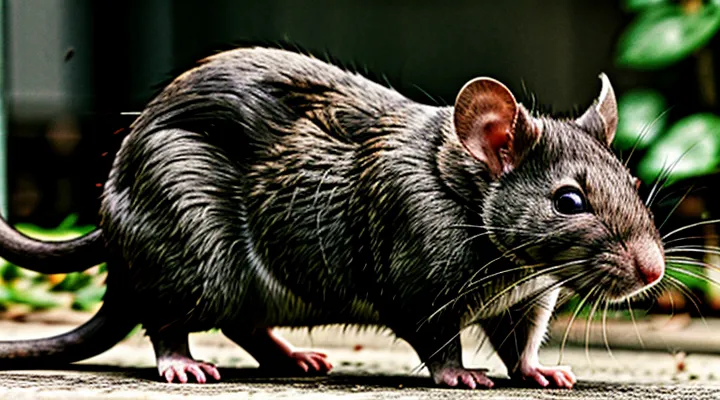
Introduction to Rat Sneezing
The Curious Case of Rat Sneezes
Rats exhibit sudden, forceful expulsion of air through the nasal passages, a behavior that captures scientific interest due to its diagnostic and ecological implications.
The reflex originates in the trigeminal nerve, which detects irritants in the nasal mucosa. Activation triggers a coordinated contraction of respiratory muscles, producing a high‑velocity airflow that clears the airway.
Common precipitants include:
- Fine dust particles generated by bedding or feed
- Volatile organic compounds from cleaning agents
- Temperature fluctuations that dry nasal membranes
- Allergens such as mold spores
- Pathogenic agents, notably respiratory viruses and bacteria
Infection‑related sneezing often accompanies additional signs: nasal discharge, reduced activity, and weight loss. These symptoms assist veterinarians in distinguishing between allergic responses and infectious diseases.
Laboratory investigations rely on controlled exposure trials, histological examination of nasal tissue, and polymerase chain reaction testing for microbial agents. Results consistently demonstrate a correlation between environmental irritants and increased sneezing frequency.
«Sneezing in rodents frequently indicates airway irritation», notes a leading researcher, emphasizing the value of the reflex as a non‑invasive health indicator.
Understanding the mechanisms and triggers of rat sneezing enhances pest‑management strategies, improves laboratory animal welfare, and contributes to broader knowledge of mammalian respiratory physiology.
Understanding Rat Respiratory Health
Rats frequently exhibit sneezing as a visible indicator of respiratory system disturbances. The phenomenon often originates from irritants, infectious agents, or anatomical factors that affect the nasal passages and lungs.
Common triggers include:
- Dust, bedding material, or aerosolized particles that infiltrate the nasal mucosa.
- Viral pathogens such as Sendai virus, which provoke inflammation of the upper respiratory tract.
- Bacterial infections, notably Streptococcus spp. and Pasteurella spp., leading to purulent discharge and sneezing bouts.
- Parasitic infestations, for example Notoedric mites, that irritate mucosal surfaces.
- Anatomical abnormalities, including deviated septum or nasal polyps, that obstruct airflow.
Clinical signs accompanying sneezing often comprise nasal discharge, ocular discharge, labored breathing, and reduced activity levels. Persistent sneezing may signal chronic rhinitis or progressing pneumonia, conditions that require prompt veterinary assessment.
Preventive strategies focus on maintaining optimal environmental conditions and health monitoring:
- Employ low-dust bedding and ensure regular cage cleaning to minimize particulate exposure.
- Implement quarantine protocols for new or ill rodents to limit pathogen transmission.
- Provide balanced nutrition rich in vitamin A and essential fatty acids to support mucosal immunity.
- Schedule routine health checks, including respiratory examination and, when indicated, radiographic imaging.
Research indicates that early detection of respiratory anomalies improves treatment outcomes. A study reported that «early intervention reduced mortality in laboratory rat colonies by 30 %», highlighting the value of vigilant health surveillance.
Understanding the factors that provoke sneezing and the associated health implications enables caretakers to implement evidence‑based measures, thereby preserving respiratory integrity and overall welfare of rat populations.
Common Causes of Rat Sneezing
Environmental Irritants
Dust and Bedding Materials
Dust and bedding are primary irritants that provoke sneezing in laboratory and pet rats. Fine particles become airborne during handling, cleaning, or when bedding collapses, entering the nasal passages and stimulating the trigeminal nerve. Repeated exposure to respirable dust leads to mucosal inflammation, increased mucus production, and reflexive sneezing.
Common bedding materials vary in dust generation:
- Wood shavings, especially pine and cedar, release volatile oils and high‑volume dust; particles remain suspended for extended periods.
- Corncob bedding produces larger fragments but can fragment into fine dust under compression.
- Paper‑based products, such as shredded paper or compressed paper pulp, generate minimal airborne particles.
- Aspen shavings offer low‑dust characteristics while providing adequate absorbency.
Environmental control reduces dust exposure. Frequent spot cleaning prevents accumulation of disturbed particles. Ventilation systems that supply filtered air dilute airborne dust concentrations. Maintaining relative humidity between 45 % and 55 % decreases particle suspension, limiting nasal irritation.
When selecting bedding, prioritize low‑dust options and monitor rats for signs of chronic sneezing, which may indicate ongoing respiratory irritation. Substituting high‑dust substrates with paper or aspen alternatives can markedly diminish sneezing frequency and improve overall respiratory health.
Allergens in the Environment
Rats sneeze when airborne particles trigger the nasal mucosa. Environmental allergens constitute a primary source of such particles. Common allergens encountered by laboratory and urban rats include:
- Dust‑mite feces, rich in protein allergens that bind to IgE receptors.
- Pollen grains, especially from grasses and weeds, carried on ventilation currents.
- Mold spores, proliferating in damp bedding or storage areas.
- Fungal fragments, released from contaminated feed.
- Urine‑derived proteins, aerosolized in confined cages and acting as intra‑species allergens.
These substances enter the respiratory tract via inhalation. Upon contact, they provoke either an irritant response—directly stimulating sensory nerves—or an immunologic reaction, where sensitized rats produce histamine and other mediators that induce sneezing. Repeated exposure can lead to chronic rhinitis, reduced feeding efficiency, and impaired experimental outcomes.
Mitigation strategies focus on environmental control. Regular replacement of bedding, maintenance of low humidity, filtration of incoming air, and use of low‑allergen feed reduce particulate load. Monitoring allergen concentrations with air‑sampling devices provides quantitative feedback for facility management. Implementing these measures limits sneezing episodes and promotes overall rodent health.
Strong Scents and Chemical Fumes
Strong odors and volatile chemicals often provoke sneezing in rats. When airborne molecules reach the nasal epithelium, they irritate sensory receptors and trigger a reflex contraction of the nasal muscles. The reflex expels the irritant and protects the respiratory tract.
The irritation mechanism involves activation of the trigeminal nerve endings located in the nasal mucosa. Electrical signals travel to the brainstem, where a coordinated sneeze response is generated. The response occurs rapidly, typically within a few seconds of exposure.
Common strong scents and chemical fumes that induce sneezing include:
- «ammonia» from cleaning agents
- «acetone» and other organic solvents
- «perfume» with high concentrations of essential oils
- «citrus» extracts containing limonene
- «formaldehyde» in industrial environments
Repeated exposure to these substances can lead to chronic nasal inflammation, reducing the animal’s ability to filter particulate matter and increasing susceptibility to respiratory infections. Proper ventilation and avoidance of high‑concentration volatile compounds are essential for maintaining respiratory health in laboratory and pet rat populations.
Respiratory Infections
Bacterial Infections
Rats sneeze primarily when the nasal mucosa is irritated by pathogens, and bacterial infections represent a frequent source of such irritation. Infected rodents exhibit rapid, repetitive nasal expulsions that serve to clear obstructed airways and reduce microbial load.
Common bacterial agents implicated in rodent sneezing include:
- « Streptococcus pneumoniae »
- « Bordetella bronchiseptica »
- « Klebsiella pneumoniae »
- « Pasteurella multocida »
These organisms colonize the upper respiratory tract, produce toxins or inflammatory mediators, and provoke mucosal edema. The resulting increase in secretions triggers the sneeze reflex through stimulation of the trigeminal nerve endings in the nasal cavity.
Pathophysiological sequence begins with bacterial adhesion to epithelial cells, followed by invasion and activation of innate immune responses. Cytokine release expands vascular permeability, leading to fluid accumulation. Mechanical pressure on sensory receptors initiates the rapid contraction of respiratory muscles, producing the characteristic sneeze.
Diagnostic protocols prioritize culture of nasal swabs, polymerase chain reaction assays for specific pathogens, and radiographic assessment of sinus involvement. Effective treatment combines appropriate antibiotics, based on sensitivity testing, with supportive measures such as humidified environments and anti‑inflammatory agents to reduce mucosal swelling. Continuous monitoring ensures resolution of sneezing episodes and prevents secondary complications.
Viral Infections
Rats frequently sneeze when respiratory epithelium is compromised by viral agents. Infection of the nasal mucosa triggers inflammation, edema, and increased secretions, which generate the sudden expulsion of air known as a sneeze.
Common viral pathogens implicated in this response include:
- Rat coronavirus (RCV), which infects epithelial cells and induces ciliostasis;
- Sendai virus, a paramyxovirus that causes acute rhinitis and bronchitis;
- Rat adenovirus, associated with persistent low‑grade inflammation of the nasal passages;
- Lymphocytic choriomeningitis virus (LCMV), which can produce systemic symptoms, including nasal discharge in susceptible strains.
The mechanism underlying sneezing involves viral replication that damages ciliated cells, reducing mucociliary clearance. Cytokine release, particularly interleukin‑1β and tumor necrosis factor‑α, increases vascular permeability, leading to fluid accumulation in the nasal cavity. The irritated mucosa triggers the trigeminal sensory pathway, resulting in a reflexive expulsion of air.
Diagnosis relies on polymerase chain reaction or serological assays to identify viral nucleic acids or antibodies. Control measures in laboratory colonies emphasize quarantine, regular health monitoring, and vaccination where available. Understanding viral‑induced sneezing improves colony welfare and reduces confounding variables in experimental studies that use rats as model organisms.
Mycoplasma pulmonis
Mycoplasma pulmonis is a cell‑wall‑deficient bacterium that colonizes the upper respiratory tract of laboratory and wild rats. Infection establishes in the nasal passages and trachea, where the organism adheres to epithelial surfaces and proliferates without provoking immediate necrosis.
The presence of Mycoplasma pulmonis irritates nasal mucosa, stimulating sensory nerves that trigger the sneeze reflex. Inflammatory mediators released by infected tissues increase mucus secretion and edema, further enhancing the mechanical stimulus for rapid expulsion of air.
Typical clinical signs associated with the pathogen include:
- Repetitive sneezing episodes
- Nasal discharge, often serous to mucoid
- Conjunctival redness
- Reduced weight gain in young animals
Transmission occurs primarily through direct contact, aerosolized droplets, and contaminated bedding. Diagnosis relies on culture of nasal swabs, PCR detection of specific genomic sequences, or serological assays identifying antibodies. Antimicrobial therapy, most commonly tetracycline‑based regimens, reduces bacterial load and alleviates sneezing frequency, though eradication may require prolonged treatment.
Control measures emphasize strict hygiene, quarantine of affected colonies, and regular health monitoring to prevent outbreaks that compromise research integrity and animal welfare.
Stress and Anxiety
Impact of Environment on Stress
Environmental conditions exert measurable influence on physiological stress levels in laboratory rodents. Elevated ambient temperature, low humidity, and high concentrations of airborne particulates increase corticosterone secretion, a reliable biomarker of stress. Chronic exposure to such stressors modifies respiratory mucosa, predisposing rats to frequent nasal irritation and subsequent sneezing episodes.
Key environmental variables affecting stress include:
- Temperature extremes (above 30 °C or below 15 °C)
- Relative humidity below 30 %
- Particulate matter concentration exceeding 50 µg m⁻³
- Presence of volatile organic compounds from cleaning agents
- Noise levels above 70 dB
Each factor can independently raise stress hormone levels, while combined exposure often produces synergistic effects. Heightened stress compromises immune defenses, leading to increased susceptibility to upper‑respiratory infections that trigger sneezing.
Research indicates that stress‑induced alterations in nasal epithelial integrity amplify sensitivity to allergens and irritants. Consequently, rats subjected to adverse environmental conditions display a higher frequency of sneezing compared with counterparts housed in stable, low‑stress settings. This relationship underscores the importance of controlling habitat parameters to minimize stress‑related respiratory responses.
Behavioral Indicators of Stress
Rats exhibit a range of observable behaviors when experiencing physiological or psychological stress, and these signs often precede or accompany nasal discharge. Recognizing these indicators helps differentiate stress‑related sneezing from reactions to allergens or infections.
- Increased grooming of the face and whisker pads, frequently accompanied by rapid forelimb movements.
- Repetitive scratching or rubbing of the snout against cage walls or bedding.
- Elevated activity levels, including rapid locomotion, frequent rearing, and sudden changes in exploration patterns.
- Vocalizations with higher pitch or frequency, especially when an unfamiliar stimulus is present.
- Reduced consumption of food and water, paired with prolonged periods of immobility in a corner of the enclosure.
Physiological correlates support these observations. Elevated corticosterone levels, heightened heart rate, and altered respiratory patterns often accompany the behaviors listed above. In experimental settings, stressed rats display a higher incidence of spontaneous sneezing episodes, suggesting a link between autonomic arousal and nasal reflexes. Monitoring the described behaviors provides a reliable, non‑invasive method for assessing stress and anticipating sneezing events in laboratory and pet rat populations.
Differentiating Between Normal and Concerning Sneezing
Occasional Sneezes: What’s Normal?
Rats display occasional sneezing as a routine physiological response. Minor nasal irritation from dust, dry bedding, or brief exposure to mild allergens can trigger a single or few sneezes without indicating disease. Such episodes typically last only a second or two, occur sporadically, and are not accompanied by other symptoms.
Indicators that occasional sneezes remain within normal limits include:
- Isolated sneezes occurring no more than once or twice per day.
- Absence of nasal discharge, crusting, or bleeding.
- No accompanying coughing, lethargy, or loss of appetite.
- Stable weight and normal activity levels.
When sneezing frequency increases, persists for several minutes, or is coupled with respiratory distress, ocular discharge, or behavioral changes, it suggests an underlying health issue requiring veterinary assessment.
Persistent Sneezing: When to Be Concerned
Frequency and Intensity
Rats exhibit sneezing as a reflex response to respiratory irritation. Frequency refers to the number of sneezes recorded over a defined period, while intensity describes the force and duration of each sneeze event.
Observed frequency varies with environmental and physiological conditions. Healthy laboratory rats typically sneeze less than five times per hour under low‑dust conditions. Exposure to airborne allergens, such as pollen or mold spores, raises the rate to 10–20 sneezes per hour. Viral or bacterial infections can produce sustained episodes exceeding 30 sneezes per hour, often clustered in bursts lasting several minutes.
Intensity depends on the magnitude of airway irritation and the animal’s age. Young rats generate lower‑amplitude sneezes, measured by peak airflow of approximately 0.2 L s⁻¹, whereas mature adults reach 0.5–0.7 L s⁻¹. Severe irritants, like concentrated ammonia, trigger high‑intensity sneezes with rapid airflow spikes exceeding 1.0 L s⁻¹ and audible bursts lasting 0.3–0.5 seconds.
Key factors influencing frequency and intensity:
- Pathogen load: higher viral titers correlate with increased sneeze count and stronger expulsions.
- Allergen concentration: elevated particulate levels amplify both rate and force.
- Ambient temperature and humidity: low humidity enhances airway dryness, raising sneeze frequency.
- Age and body mass: larger, mature rats produce more forceful sneezes.
«Experimental data indicate a direct proportionality between irritant concentration and sneeze intensity», supporting the link between environmental triggers and the measurable parameters of rat sneezing.
Accompanying Symptoms
Rats that exhibit frequent nasal expulsions often present additional clinical signs that clarify the underlying cause. Recognizing these manifestations enables accurate diagnosis and appropriate intervention.
Common accompanying signs include:
- Nasal discharge of clear, serous, or purulent nature
- Ocular discharge or conjunctival reddening
- Labored breathing or audible wheezing
- Reduced activity levels and lethargy
- Weight loss or diminished food intake
The presence of mucopurulent discharge typically indicates bacterial infection, whereas clear fluid suggests irritant exposure or viral involvement. Conjunctival inflammation frequently co‑occurs with upper respiratory tract irritation, reinforcing the need for comprehensive examination. Respiratory distress and decreased vigor reflect systemic impact, often warranting antimicrobial therapy or environmental remediation. Monitoring these symptoms alongside sneezing provides a reliable framework for assessing the health status of laboratory or pet rodents.
Nasal Discharge
Rats frequently exhibit nasal discharge when the respiratory tract reacts to irritants, pathogens, or allergic agents. The fluid consists of mucus, cellular debris, and, in infectious cases, bacteria or viruses. Its consistency ranges from clear and watery to thick and purulent, reflecting the underlying condition.
Common triggers for nasal discharge in laboratory and wild rodents include:
- Exposure to dust, strong odors, or chemical fumes that irritate the nasal mucosa.
- Viral infections such as Sendai virus, which provoke inflammation and mucus overproduction.
- Bacterial pathogens like Streptococcus pneumoniae that infiltrate the sinus cavities.
- Allergic responses to rodent feed additives or bedding materials.
The presence of discharge often precedes or accompanies sneezing episodes. When the mucosal lining swells, airflow disruption forces the animal to expel air rapidly, producing a sneeze. Monitoring the volume, color, and odor of nasal secretions provides a practical indicator of respiratory health and aids in distinguishing between allergic, infectious, or environmental causes.
Clinical assessment typically involves:
- Visual inspection for unilateral or bilateral flow.
- Microscopic examination of smears to identify inflammatory cells or pathogens.
- Culture of samples when bacterial infection is suspected.
Effective management requires eliminating the irritant source, implementing appropriate antimicrobial therapy, or applying antihistamines for allergic cases. Reducing nasal discharge consequently diminishes the frequency of sneezing, improving overall welfare and experimental reliability.
Labored Breathing
Rats often sneeze as part of a broader respiratory response that includes increased effort to inhale and exhale. The presence of «labored breathing» indicates that airway resistance has risen beyond normal limits, forcing the animal to use additional muscular activity to move air.
Physiological triggers such as nasal mucosal irritation, viral or bacterial infections, and exposure to airborne particulates provoke reflex arcs in the brainstem. These arcs simultaneously activate sneezing muscles and elevate diaphragmatic contraction, producing the characteristic effortful respiration.
Common contributors to «labored breathing» during sneezing episodes:
- Inhalation of dust, pollen, or fungal spores that inflame nasal passages.
- Upper respiratory tract infections that cause edema and mucus accumulation.
- Allergic sensitization leading to histamine release and bronchoconstriction.
- Structural abnormalities, including deviated septum or congenital airway narrowing.
Monitoring of respiratory patterns provides early detection of underlying pathology. Intervention strategies—humidified environments, antimicrobial therapy, or antihistamine administration—reduce airway obstruction and restore normal breathing dynamics. Accurate assessment of «labored breathing» therefore enhances experimental reliability and improves animal welfare.
Lethargy and Reduced Appetite
Rats that exhibit a sudden decline in activity and a noticeable decrease in food intake frequently present with nasal irritation that leads to sneezing. The combination of lethargy and reduced appetite signals systemic stress, which commonly originates from respiratory infections, allergic reactions, or exposure to airborne toxins. When the mucosal lining of the nasal passages becomes inflamed, sneezing serves as a protective reflex, while the body conserves energy by limiting movement and feeding.
Typical factors linking these symptoms include:
- Viral or bacterial pathogens affecting the upper respiratory tract;
- High concentrations of dust, ammonia, or strong odors in the habitat;
- Allergic sensitization to bedding materials or food additives;
- Chronic stressors such as overcrowding or temperature fluctuations.
Porphyrin Staining
Porphyrins are tetrapyrrole pigments excreted by rodents through lacrimal, salivary and nasal glands. The pigments possess a characteristic reddish‑brown hue that readily stains fur, bedding and laboratory surfaces. In rats, nasal secretions contain measurable concentrations of porphyrins, which become visible when expelled during a sneeze.
When a sneeze forces air through the nasal passages, secretions enriched with porphyrins are aerosolized and deposited on surrounding substrates. The resulting stains serve as a non‑invasive indicator of respiratory irritation and can be quantified using spectrophotometric methods. This relationship provides researchers with a practical tool for monitoring the physiological response to allergens, pathogens or environmental irritants.
Key aspects of porphyrin staining relevant to sneezing studies:
- Direct correlation between sneeze frequency and the intensity of nasal porphyrin deposition.
- Rapid appearance of stains allows real‑time assessment of acute nasal irritation.
- Spectral analysis of stained samples yields quantitative data on porphyrin concentration, reflecting glandular activity.
- Staining patterns assist in distinguishing between spontaneous sneezing and reflexes induced by experimental agents.
Understanding porphyrin staining enhances the interpretation of sneezing behavior, supports the evaluation of respiratory health, and improves the accuracy of experimental outcomes in rodent models.
Maintaining a Healthy Environment for Your Rat
Optimal Cage Setup
Proper Ventilation
Rats exhibit sneezing when respiratory passages encounter irritants such as dust, ammonia, or microbial spores. The presence of these agents often reflects inadequate air circulation within the enclosure.
Proper ventilation, defined as the systematic replacement of stale indoor air with fresh outdoor air, reduces the concentration of airborne contaminants. Effective systems maintain a balanced humidity level, control temperature fluctuations, and ensure a consistent air exchange rate.
When ventilation fails, waste by‑products accumulate, elevating ammonia concentrations that irritate the nasal mucosa. Dust particles settle on feeding surfaces, become airborne during activity, and trigger reflexive sneezing. Pathogenic aerosols persist longer in poorly ventilated spaces, increasing the likelihood of respiratory infections that manifest as sneezing episodes.
Practical steps to achieve optimal air quality:
- Install exhaust fans calibrated to provide at least six air changes per hour in small habitats.
- Position intake vents opposite exhaust points to create a directional airflow pattern.
- Incorporate high‑efficiency particulate air (HEPA) filters to capture fine dust and spores.
- Monitor humidity, keeping levels between 40 % and 60 % to prevent mold growth.
- Schedule regular cleaning to remove residual waste that contributes to ammonia buildup.
Consistent implementation of these measures minimizes irritant exposure, thereby reducing the frequency of sneezing incidents in laboratory and domestic rat populations.
Appropriate Substrate Choices
Rats frequently sneeze when exposed to airborne particles generated by their bedding. Dust particles irritate the nasal mucosa, trigger reflexive sneezing, and can predispose animals to respiratory infections. Selecting a substrate that minimizes airborne particulates reduces the incidence of sneezing and supports overall health.
Effective substrate characteristics include low dust production, high absorbency, antimicrobial properties, and stability under cleaning. Materials that meet these criteria create a dry, clean environment and limit the release of fine particles during handling.
- «Paper-based bedding» – shredded paper sheets, low dust, excellent absorbency, easy to replace.
- «Aspen shavings» – hardwood with minimal resin, low particulate release, suitable for frequent changes.
- «Corncob pellets» – compressed corncob, dust‑free when broken into small pieces, good moisture control.
- «Cellulose fiber pellets» – processed plant fibers, virtually dust‑free, high absorbency, biodegradable.
Substrates that generate significant dust, such as pine or cedar shavings, should be avoided. Their aromatic oils and high particulate output increase nasal irritation and elevate sneezing frequency.
Hygiene Practices
Regular Cleaning Schedule
Regular cleaning reduces the presence of dust, mold spores, and rodent‑derived allergens that trigger sneezing in rats. By removing particulate matter from cages, bedding, and surrounding surfaces, the respiratory tracts of the animals remain clear, decreasing the frequency of nasal irritation.
A systematic schedule should include:
- Daily removal of wet waste and uneaten food to prevent microbial growth.
- Weekly replacement of bedding with low‑dust material, followed by thorough vacuuming of the enclosure.
- Bi‑weekly disinfection of cage walls, feeding bowls, and water bottles using a mild, non‑irritant sanitizer.
- Monthly deep cleaning of the entire housing area, including vents and flooring, to eliminate accumulated debris.
Consistent implementation of these steps maintains a low‑allergen environment, directly addressing the primary factors that cause rats to sneeze.
Dust Control Measures
Dust accumulation in rodent habitats frequently triggers sneezing episodes in rats. Inhalation of particulate matter irritates nasal mucosa, leading to reflexive expulsions. Reducing airborne particles directly lowers the incidence of such respiratory responses.
- Implement regular wet‑mopping of floors to capture settled dust.
- Install high‑efficiency particulate air (HEPA) filters in ventilation systems.
- Maintain relative humidity between 45 % and 55 % to suppress dust suspension.
- Employ sealed storage containers for feed and bedding to prevent dust release.
- Schedule weekly inspections of ductwork and replace filters according to manufacturer guidelines.
Effective dust mitigation diminishes nasal irritation, stabilizes respiratory health, and minimizes sneeze‑related stress in rat colonies.
Air Quality Management
Air Filters and Purifiers
Airborne particles trigger sneezing in rodents by irritating the nasal mucosa. Dust, pollen, mold spores, and volatile organic compounds accumulate in indoor environments where laboratory and pet housing are located. When these irritants reach a concentration above the sensory threshold, the trigeminal nerve initiates a rapid expulsion of air to clear the nasal passages.
Air filtration systems reduce the load of particulate matter. High‑efficiency particulate air (HEPA) filters capture particles as small as 0.3 µm with 99.97 % efficiency, removing dust, spores, and pollen before they circulate. Activated‑carbon filters adsorb volatile organic compounds and ammonia, both of which can provoke mucosal inflammation in rats.
Purifiers complement filters by continuously circulating air through the filtration media. Continuous operation maintains low particle counts, preventing the buildup that would otherwise occur during periods of inactivity. Proper placement—outside cages, near ventilation intake, and away from direct airflow into the enclosure—optimizes removal of contaminants.
Key considerations for effective control:
- Select filters rated for the target particle size; HEPA classification is essential for fine dust and spores.
- Replace filter media according to manufacturer guidelines; saturated media lose efficiency and may become sources of microbial growth.
- Monitor indoor air quality with a particle counter; values below 5 µg/m³ correlate with reduced sneezing incidence.
- Ensure adequate room ventilation; fresh air exchange dilutes residual gases that filters cannot capture.
By maintaining a clean airflow environment, the frequency of sneezing episodes in rats declines, supporting respiratory health and experimental reliability.
Avoiding Irritants
Rats exhibit a heightened sensitivity of the nasal mucosa; exposure to airborne particles, strong odors, or chemical vapors often induces a sneeze reflex. By actively limiting contact with such irritants, the frequency of sneezing episodes can be reduced.
Common avoidance strategies include:
- Selecting bedding with low dust content and regular replacement.
- Positioning nests away from ventilation sources that carry scented or aerosolized substances.
- Employing nesting material that absorbs moisture, thereby decreasing fungal spore proliferation.
- Restricting access to food items that emit volatile compounds, such as strong‑smelling cheeses or citrus peels.
- Maintaining a clean enclosure to prevent accumulation of particulate matter.
Physiological adaptation reinforces these behaviors. The nasal epithelium contains cilia that transport trapped particles toward the pharynx, while mucus secretion increases in response to irritant detection, prompting a rapid expulsion through sneezing. Effective irritant avoidance therefore aligns behavioral choices with innate defensive mechanisms, minimizing the trigger for the sneeze reflex.
Seeking Veterinary Care
When to Consult a Vet
Pet rats may sneeze occasionally without cause for concern; however, persistent or severe episodes indicate underlying health issues that warrant professional evaluation. Recognizing the threshold between normal and pathological sneezing enables timely veterinary intervention and prevents disease progression.
Key indicators that justify immediate consultation include:
- Continuous sneezing lasting more than a few minutes
- Nasal discharge that is thick, colored, or foul‑smelling
- Labored breathing, wheezing, or audible crackles
- Facial swelling, especially around the eyes or snout
- Loss of appetite, weight loss, or lethargy accompanying respiratory signs
- Fever, identified by elevated body temperature or reduced activity
When any of these signs appear, contact a veterinarian experienced with small mammals without delay. The professional will likely perform a physical examination, complete blood work, and imaging such as radiographs to identify infections, allergies, or structural abnormalities. Early diagnosis facilitates appropriate treatment, which may involve antibiotics, anti‑inflammatory medication, or environmental modifications to reduce irritants. Prompt action improves prognosis and supports the overall well‑being of the animal.
Diagnostic Procedures
Physical Examination
Physical examination of a sneezing rodent focuses on identifying respiratory, nasal, and systemic abnormalities. The veterinarian restrains the animal gently to allow unobstructed observation of facial expressions, nasal discharge, and breathing patterns. Palpation of the thorax assesses lung expansion and detects crepitus or tenderness. Auscultation with a pediatric stethoscope reveals wheezes, crackles, or reduced breath sounds that may indicate obstruction or infection.
Key inspection points include:
- Nasal cavity: presence of mucus, blood, or foreign material; asymmetry of nostril patency.
- Oral cavity: ulcerations, dental overgrowth, or inflammation that could affect airflow.
- Eyes and ears: discharge or inflammation suggesting concurrent infection.
- Body condition: weight loss or cachexia indicating chronic disease.
Laboratory samples are collected when visual findings suggest infectious agents. Nasal swabs provide material for bacterial culture, viral PCR, or fungal microscopy. Blood drawn from the tail vein enables complete blood count and biochemical profiling, revealing leukocytosis, eosinophilia, or metabolic disturbances that contribute to sneezing.
Radiographic imaging, performed under brief anesthesia, visualizes sinus cavities, nasal turbinates, and lung fields. Findings such as sinusitis, neoplasia, or interstitial infiltrates guide differential diagnosis. Endoscopic evaluation may be employed for direct inspection of the nasal passages and targeted biopsy.
The synthesis of visual assessment, auscultation, laboratory data, and imaging forms a comprehensive diagnostic framework. Identifying the underlying cause of sneezing—whether infectious, allergic, traumatic, or neoplastic—relies on systematic physical examination combined with targeted ancillary testing.
Laboratory Tests
Laboratory investigations provide the primary means of determining the physiological and pathological triggers of sneezing in rodents. Controlled exposure experiments identify irritant thresholds, while pathogen detection clarifies infectious contributions.
Key diagnostic procedures include:
- Microbial culture of nasal swabs to isolate bacterial or fungal agents.
- Polymerase chain reaction assays for viral genomes and specific bacterial genes.
- Histological examination of nasal epithelium to assess inflammation and cellular damage.
- Allergen-specific IgE quantification using enzyme‑linked immunosorbent assays.
- Nasal lavage fluid analysis for cytokine profiles and neuropeptide concentrations.
Sample acquisition follows sterile technique, with animals anesthetized to prevent stress‑induced reflexes. Parallel control groups receive sham exposures to distinguish baseline sneezing frequency from test‑induced responses. Data interpretation relies on statistical comparison of sneeze counts, inflammatory markers, and pathogen loads across experimental conditions.
Results inform toxicological screening, vaccine safety assessment, and the development of disease models that replicate human respiratory hypersensitivity. Accurate laboratory testing thus underpins the elucidation of mechanisms driving rodent sneezing and supports translational research into respiratory disorders.
Treatment Options
Antibiotics and Other Medications
Rats that exhibit frequent sneezing often suffer from respiratory irritation or infection; appropriate pharmacological intervention can mitigate the condition.
Antibiotics become necessary when bacterial pathogens are identified. Veterinary assessment confirms the causative agent, enabling selection of a drug with proven susceptibility. Recommended practices include prescribing the full therapeutic course, adhering to weight‑based dosing, and avoiding premature discontinuation to reduce resistance development.
Other medications address non‑bacterial causes and supportive care:
- Antihistamines for allergic rhinitis, reducing histamine‑mediated nasal congestion.
- Corticosteroids to diminish inflammatory swelling of the nasal passages.
- Saline nasal drops or sprays to moisturize mucosal surfaces and facilitate clearance of irritants.
- Fluid therapy for systemic dehydration that may accompany severe respiratory distress.
Continuous observation of clinical response guides dosage adjustments; adverse effects such as gastrointestinal upset or immunosuppression warrant immediate veterinary consultation. Proper medication management contributes to the resolution of sneezing episodes and overall respiratory health in rodents.
Supportive Care
Supportive care for rodents experiencing nasal discharge focuses on alleviating irritation, maintaining airway patency, and preventing secondary infections. Immediate actions include isolating the affected animal to reduce stress and limit exposure to potential pathogens. Environmental adjustments, such as lowering ambient dust levels, increasing humidity to 50‑60 %, and ensuring proper ventilation, diminish irritant load on the respiratory mucosa.
Key interventions:
- Provide softened, nutrient‑dense feed to encourage intake when nasal obstruction reduces appetite.
- Offer fresh water with added electrolytes to counter dehydration from increased nasal drainage.
- Administer isotonic saline drops to the nostrils using a fine pipette; repeat every 4–6 hours to clear mucus.
- Monitor temperature and weight daily; intervene with warmed blankets or heating pads if hypothermia develops.
- Conduct routine health checks for signs of secondary bacterial or fungal infection; initiate appropriate antimicrobial therapy based on culture results.
Long‑term management emphasizes stable housing conditions: use low‑allergen bedding, maintain consistent temperature (20‑24 °C), and avoid strong scents or aerosols. Regular cleaning schedules with mild, non‑irritating disinfectants reduce pathogen burden without compromising mucosal health. Documentation of symptom progression supports timely veterinary consultation and informs adjustments to the care protocol.