
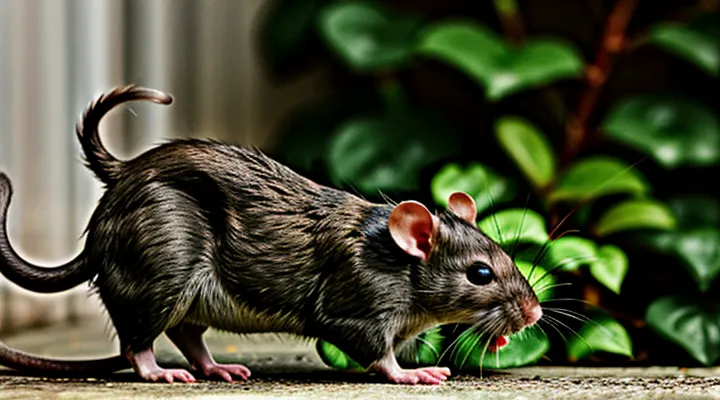
Understanding Rat Behavior
The Nature of Licking in Rats
Grooming and Social Bonding
Rats lick human hands as a form of grooming that reinforces social connections. When a rat perceives a human as a reliable source of safety and resources, it applies the same licking behavior used with cage‑mates to maintain group cohesion.
The act serves several functions:
- Chemical exchange: Saliva transfers pheromones that convey identity and health status, allowing the rat to assess the human’s suitability as a social partner.
- Tactile stimulation: Repetitive licking activates mechanoreceptors, reducing stress and promoting relaxation in both parties.
- Neurochemical response: The behavior triggers the release of oxytocin and dopamine, hormones associated with bonding and reward.
Observations in laboratory and home environments show that rats increase licking frequency after consistent, gentle handling. This pattern indicates that the behavior adapts to reinforce trust and predictability, mirroring the grooming rituals that maintain hierarchy and cooperation within rodent colonies.
Exploration and Sensory Input
Rats often lick a person’s hand when they encounter it, because licking serves as a primary method of gathering information about unfamiliar objects. The act allows the animal to assess texture, temperature, and the presence of residues such as food particles or skin secretions, all of which contribute to a rapid evaluation of safety and nutritional value.
During the lick, the rat activates several sensory pathways simultaneously. The mouth houses mechanoreceptors that detect surface roughness; taste buds sample soluble compounds; and the trigeminal nerve transmits temperature and chemical irritation signals. These inputs combine with olfactory cues detected by the nasal epithelium, creating a multimodal profile of the hand.
- Mechanoreception: detects pressure and fine surface features
- Gustation: identifies sugars, salts, and bitter substances
- Thermoreception: registers warmth or cold, indicating living tissue
- Chemoreception: perceives pheromones, sweat, and other volatile compounds
The integration of these signals informs the rat’s decision to continue, withdraw, or seek further contact. In domesticated or laboratory settings, repeated exposure reduces perceived threat, causing the animal to treat the hand as a benign exploratory target rather than a predator. Consequently, licking becomes a routine part of social interaction, reinforcing trust and facilitating handling by humans.
Reasons for Licking Human Hands
Affection and Trust
Rats lick human hands primarily to convey affection and establish trust. The act functions as a social grooming gesture that rodents use with conspecifics; when directed toward a person, it signals that the animal perceives the human as a safe, familiar partner. Saliva contains pheromonal cues that reinforce the bond, while the physical contact reduces stress hormones in both parties.
Evidence shows that licking increases after repeated, gentle handling. Rats that receive consistent, calm interaction develop a higher frequency of this behavior, indicating that the gesture reflects a learned assessment of safety. Conversely, abrupt movements or loud noises suppress licking, demonstrating the animal’s sensitivity to perceived threat.
Key indicators that a rat’s licking reflects genuine trust include:
- Persistent, gentle strokes of the hand with the tongue rather than brief, exploratory bites.
- Licking accompanied by relaxed body posture, ears back, and slow breathing.
- Continuation of the behavior across multiple sessions with the same individual.
Understanding this affiliative response helps caretakers interpret licking as a positive sign of social connection, rather than a nuisance. It also guides proper handling techniques that promote welfare and strengthen human‑rat relationships.
Seeking Attention
Rats often lick a person’s hand as a direct attempt to gain attention. The behavior signals that the animal has noticed a potential source of social interaction and is trying to engage the human. In laboratory and domestic settings, the following mechanisms are consistently observed:
- Physical contact initiates a sensory cue that the rat interprets as an invitation to communicate.
- Licking releases saliva‑borne pheromones that reinforce the rat’s presence and increase the likelihood of a response.
- Repeated licking establishes a predictable pattern, encouraging the human to provide food, grooming, or tactile stimulation.
When a hand is ignored, the rat may intensify the licking, indicating a higher motivational drive to obtain acknowledgment. Understanding this attention‑seeking pattern helps caretakers respond appropriately, reducing stress for both the animal and the handler.
Investigating New Scents
Rats rely on a highly developed olfactory system to evaluate potential food sources, grooming partners, and environmental cues. When a rat encounters a human hand, the scent profile of the skin, sweat, and any residues can trigger a licking response if the chemical composition resembles familiar or rewarding odors. Introducing unfamiliar volatile compounds alters this evaluation, prompting the animal to investigate through oral contact.
Experimental investigation of novel scents involves several precise steps:
- Compound selection: Choose volatile organic molecules that differ structurally from typical human skin odors, including synthetic pheromones, food extracts, and environmental chemicals.
- Application protocol: Apply a measured quantity of each compound to a gloved fingertip, ensuring uniform coverage and minimal residue.
- Behavioral recording: Observe and log the frequency, duration, and latency of licking episodes within a defined observation window, using high‑resolution video for later analysis.
- Control conditions: Include untreated hands and hands with known attractants to establish baseline licking rates.
Data analysis focuses on correlating specific molecular features—such as functional groups, volatility, and concentration—with changes in licking intensity. Patterns emerge when certain aromatic or fatty acid derivatives consistently increase oral investigation, suggesting that rats interpret these cues as indicators of nutritional or social relevance.
Understanding how new scents modulate hand‑licking behavior informs broader insights into rodent sensory integration. It clarifies the mechanisms by which rats assess risk and reward, and it guides the design of humane pest‑deterrent strategies that exploit olfactory aversion without relying on physical barriers.
Potential Interpretations of Licking
A Sign of Comfort
Rats lick human hands primarily as a grooming gesture that signals a relaxed state. When a rat extends its tongue, it releases oxytocin, a hormone associated with bonding and reduced anxiety. The act reduces the animal’s heart rate and cortisol levels, indicating that the rat perceives the interaction as safe.
Key indicators that licking reflects comfort:
- Slow, rhythmic tongue movements
- Absence of defensive postures such as freezing or fleeing
- Continued proximity to the hand after the lick
The behavior also serves a communicative function. By grooming a human, the rat transfers the social norms of its colony to the individual, reinforcing a hierarchical relationship that places the human in a trusted, caretaker role. This exchange strengthens mutual trust and encourages cooperative handling.
In captive or laboratory settings, frequent licking correlates with higher success rates in training and lower incidences of stress‑related behaviors. Observers can use the presence of licking as a reliable metric for assessing the animal’s welfare during interaction.
Curiosity and Learning
Rats often explore human hands by licking, a behavior observed in laboratory and domestic settings. The action reflects the animal’s innate drive to gather information about unfamiliar objects.
- Curiosity motivates the rat to sample surface textures, temperature, and moisture.
- Licking provides immediate feedback on chemical composition, allowing the rat to assess potential food sources or contaminants.
- Repeated exposure to a human hand creates associative learning; the rat links the hand’s scent and taste with safety or reward, reinforcing the licking response.
Neuroscientific studies show that the olfactory and gustatory cortices activate during oral investigation, confirming that tactile and chemical data are integrated into the rat’s decision‑making process. Over time, the behavior shifts from exploratory sampling to a conditioned response, indicating that curiosity initiates the action while learning sustains it.
When Licking Might Indicate an Issue
Excessive Licking and Stress
Rats that repeatedly lick a person’s hand often do so because they are experiencing heightened stress. In laboratory and domestic settings, stress triggers compulsive oral behaviors, and licking becomes a self‑soothing mechanism. When the stimulus (the hand) is constantly available, the behavior may escalate into excessive licking, which can lead to skin irritation, infection risk, and reinforcement of the stress response.
Key indicators of stress‑related over‑licking include:
- Persistent licking lasting several minutes without pause.
- Restlessness, rapid breathing, or darting movements before or after licking.
- Avoidance of other enrichment items such as tunnels or chew toys.
Mitigation strategies focus on reducing the underlying stressors:
- Provide a stable environment with regular light‑dark cycles and minimal noise.
- Offer a variety of nesting material, chew objects, and foraging opportunities.
- Limit direct hand contact unless it is part of a controlled training session, and replace it with gentle handling using a gloved or cloth‑covered hand.
- Monitor health for signs of dermatological issues and consult a veterinarian if lesions develop.
Addressing the root causes of anxiety curtails the compulsive licking pattern, improves the animal’s welfare, and reduces potential harm to both the rat and the human handler.
Licking Due to Skin Conditions or Hunger
Rats may lick human hands when they detect skin conditions that signal moisture, salt, or injury. Sweat contains electrolytes that attract rodents, while broken skin releases blood and tissue fluids, providing a source of protein and iron. The animal’s highly developed sense of smell identifies these cues, prompting a licking response that can serve both exploratory and nutritional purposes.
When hunger drives the behavior, the rat treats the hand as a potential food item. Salty residues from perspiration or crumbs adhering to the skin mimic natural foraging targets. Licking allows the rat to ingest trace nutrients without expending the energy required to locate conventional food sources.
Key factors influencing hand‑licking:
- Presence of sweat or salty secretions
- Open wounds or abrasions exposing bodily fluids
- Detectable food particles on the skin surface
- Elevated hunger levels in the rat, especially after periods of food restriction
Understanding these triggers helps differentiate between incidental grooming and a behavior motivated by the rat’s physiological needs.
Maintaining a Healthy Relationship with Your Pet Rat
Encouraging Positive Interactions
Gentle Handling Techniques
Rats frequently lick a handler’s hand as a sign of trust and curiosity. The behavior intensifies when the animal perceives the interaction as safe and calm. Gentle handling directly influences this response by minimizing stress hormones and encouraging exploratory licking.
- Approach the cage slowly, keeping movements smooth and predictable.
- Extend a hand palm‑up, allowing the rat to sniff before any contact.
- Use a light, steady grip on the base of the tail or the scruff, avoiding pressure on the spine.
- Support the body with both hands when lifting, preventing sudden shifts in balance.
- Maintain a quiet environment; reduce loud noises and abrupt lighting changes.
Consistent application of these methods lowers cortisol levels, stabilizes heart rate, and increases the frequency of licking. The resulting interaction reinforces the rat’s perception of the handler as a non‑threatening presence, fostering reliable cooperation in research or pet care settings.
Providing Enrichment
Rats lick human hands primarily to explore texture, obtain salts, and reinforce social bonds. When a rat’s environment lacks stimulation, the animal redirects its investigative behavior toward available surfaces, including a caretaker’s skin. Providing enrichment interrupts this pattern by satisfying the rat’s need for novelty, foraging, and physical activity.
Effective enrichment strategies include:
- Foraging puzzles – containers that require manipulation to release food, encouraging problem‑solving and reducing oral fixation on external objects.
- Variable textures – tunnels, climbing ropes, and chewable wood introduce tactile variety, diverting attention from human skin.
- Sensory toys – objects emitting mild scents or sounds stimulate curiosity without involving the caretaker’s hands.
- Social complexity – grouping compatible individuals or rotating cage mates increases social interaction, decreasing the need for human‑directed licking.
- Scheduled exploration periods – timed sessions where the rat can investigate novel items under supervision limit spontaneous licking episodes.
Research demonstrates that rats presented with a minimum of three enrichment types per week show a measurable decline in hand‑licking incidents. Monitoring behavior after implementation helps refine the enrichment mix, ensuring the most effective combination for each animal.
Addressing Unwanted Licking
Redirection Strategies
Rats lick human hands primarily to explore scent, obtain salt, and reinforce social bonds. When this behavior poses health or comfort concerns, redirection strategies can modify the interaction without causing stress to the animal.
Effective redirection includes:
- Provide alternative objects: Offer chewable toys, wooden blocks, or textured pads that carry similar olfactory cues. Rats quickly transfer licking from hands to these items.
- Schedule regular feeding: Deliver small, frequent portions of nutrient‑rich food that contain trace minerals. Satiated rats show reduced inclination to seek sodium from skin.
- Apply harmless deterrents: Lightly coat hands with citrus‑scented oils or a dilute vinegar solution. The odor discourages licking while remaining safe for the rodent’s skin.
- Enrich the habitat: Install tunnels, climbing structures, and nesting material to satisfy exploratory drives. A stimulated rat spends less time investigating human skin.
- Conditioned response training: Pair hand contact with a brief, gentle tap that signals a cue for the rat to move to a designated “acceptance zone.” Repetition establishes a predictable pattern of behavior.
Monitoring the rat’s response to each method allows fine‑tuning of the approach, ensuring that the animal’s natural curiosity is satisfied while minimizing direct licking of human hands.
Consulting a Veterinarian
Rats licking human hands often signals stress, nutritional deficiency, or a medical condition such as dental disease. The behavior may also transmit pathogens from the animal to the person, making professional assessment essential.
Consult a veterinarian when the licking is frequent, accompanied by weight loss, changes in appetite, or visible oral lesions. Early evaluation reduces the risk of complications for both the rat and the handler.
During the appointment the veterinarian will:
- Review the rat’s diet, housing, and handling routine.
- Perform a physical exam focusing on teeth, gums, and skin.
- Order diagnostic tests (e.g., fecal analysis, blood work) if infection or systemic illness is suspected.
- Provide treatment recommendations, which may include dietary adjustments, dental care, or medication.
Follow the prescribed plan, monitor the rat’s behavior, and schedule re‑checks if symptoms persist. Prompt veterinary involvement ensures the animal’s health and minimizes potential hazards to humans.