
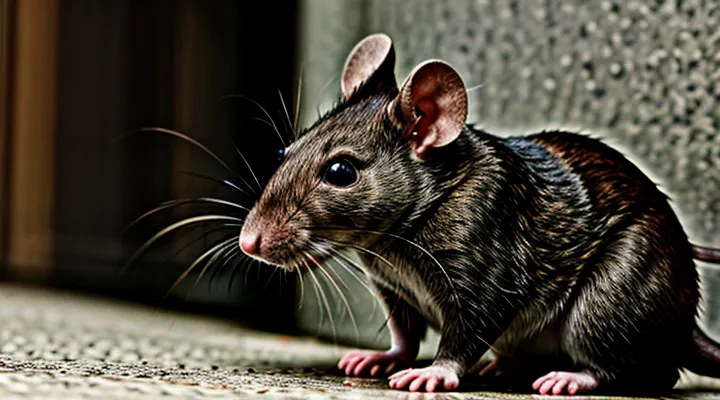
Understanding Rat Behavior
Social Grooming and Affection
Rats frequently lick the hands of people who handle them. This action is a manifestation of social grooming, a behavior that rats use to maintain group cohesion and hygiene. During grooming, an individual transfers saliva to another’s fur, removing parasites and debris while reinforcing social hierarchies.
In the context of human‑rat interaction, licking serves as an extension of the same mechanism. The rat perceives the hand as part of its social environment, applying the same tactile and chemical cues it would use with conspecifics. The act signals acceptance, reduces tension, and strengthens the bond between animal and caretaker.
Affectional aspects emerge when the rat repeatedly engages in hand‑licking during calm, repetitive handling sessions. The behavior correlates with decreased corticosterone levels, indicating reduced stress. It also promotes the release of oxytocin‑like peptides, which enhance affiliative motivation.
Key observations:
- Licking occurs most often after the rat has been gently restrained or fed, contexts that encourage trust.
- The duration of licking increases with the frequency of positive human interaction.
- Rats that receive regular hand‑licking display fewer signs of anxiety in open‑field tests.
- The behavior can be disrupted by abrupt movements or loud noises, which break the perceived safety of the interaction.
Communication Through Touch
Rats licking human hands is a form of tactile communication that conveys information about the animal’s emotional state, social hierarchy, and environmental assessment. The act involves direct skin contact, allowing the rat to gather chemical cues through its whiskers and the moisture on the hand, which supplements visual and auditory signals.
The primary functions of this touch‑based interaction include:
- Chemical signal exchange: Saliva contains pheromones that the rat detects with its vomeronasal organ, providing data on the human’s stress level and health status.
- Social bonding: Repetitive licking reinforces a bond between the rat and the handler, reducing aggression and promoting cooperative behavior.
- Stress modulation: Physical contact triggers the release of oxytocin in both species, lowering cortisol concentrations and creating a calmer environment.
- Environmental exploration: Contact with a foreign surface allows the rat to assess texture, temperature, and potential contaminants, informing its risk‑assessment processes.
Neuroscientific studies show that somatosensory cortex activation occurs during hand‑licking, indicating that rats process the tactile feedback as meaningful information rather than a random reflex. Observations of laboratory colonies reveal that individuals receiving regular hand contact exhibit higher rates of grooming and lower incidences of stereotypic behaviors, confirming the adaptive value of this communicative gesture.
Curiosity and Exploration
Rats lick human hands primarily as a form of tactile investigation. The act engages whisker receptors and the highly sensitive palate, allowing the animal to gather chemical and textural data about an unfamiliar surface. When a rat encounters a new object, it initiates a sequence of exploratory behaviors: sniffing, whisker sweeping, and brief licking. This pattern reduces uncertainty about potential food sources or threats and facilitates rapid adaptation to novel environments.
Key aspects of the exploratory licking response include:
- Direct contact with saliva‑borne enzymes that dissolve residues, revealing nutritional cues.
- Activation of the gustatory cortex, which processes flavor signals even from non‑edible substrates.
- Reinforcement of neural pathways associated with curiosity, encouraging repeated investigation of similar stimuli.
The behavior reflects an innate drive to reduce sensory ambiguity. By sampling a hand, the rat obtains immediate feedback on temperature, moisture, and scent, informing subsequent decisions about approach, avoidance, or potential consumption. This mechanism underscores the broader principle that rodent curiosity is a decisive factor in their interaction with human contact.
Common Reasons for Hand-Licking
Expressing Affection and Bonding
Rats lick human hands as a deliberate social gesture that signals affection and reinforces the bond between animal and caretaker. The act transfers scent cues, allowing the rat to identify the individual as a trusted companion and to integrate the person into its olfactory network.
The behavior triggers physiological responses in both parties. In rats, licking stimulates the release of oxytocin and dopamine, hormones associated with reward and attachment. Humans experience a calming effect, with reduced heart rate and increased parasympathetic activity, reflecting the reciprocal nature of the interaction.
Key functions of hand‑licking include:
- Establishing and maintaining hierarchy within the rat’s social group.
- Communicating safety and acceptance of the human as part of the group.
- Facilitating grooming reciprocity, which strengthens long‑term cooperation.
Understanding this gesture helps owners interpret rat behavior accurately, adjust handling techniques, and foster a trustworthy relationship without misreading the lick as a sign of hunger or disease.
Mimicking Maternal Care
Rats frequently lick the hands of humans when they are handled, a response that mirrors the grooming actions performed by a mother toward her offspring. The behavior originates from an innate caregiving circuit that drives pups to receive oral stimulation, which in turn promotes physiological regulation and stress reduction. When an adult rat encounters a human hand, the tactile cues trigger the same neural pathways that mediate maternal licking, leading the animal to extend the gesture toward the unfamiliar surface.
The mimicry serves several functions. First, it reinforces the perception of safety; the rat interprets the hand as a surrogate caregiver, thereby lowering cortisol levels and facilitating calmness. Second, the act stimulates the release of oxytocin and dopamine, neurotransmitters associated with bonding and reward, which strengthen the rat’s attachment to the handler. Third, the repetitive grooming motion helps maintain oral motor proficiency, a skill essential for nurturing offspring.
Observed outcomes of this maternal‑care imitation include:
- Decreased heart rate and respiration in the rat during handling sessions.
- Increased willingness to approach and explore the experimental arena after hand contact.
- Enhanced performance in tasks that require social learning, suggesting that the grooming response extends beyond immediate stress mitigation.
Overall, the hand‑licking response reflects a conserved biological strategy: by reproducing maternal care behaviors toward a non‑maternal stimulus, rats achieve physiological stability and reinforce social bonds with their human caretakers. This adaptive mechanism explains the prevalence of the behavior across laboratory and pet populations.
Strengthening Social Ties
Rats lick human hands as a form of allogrooming, a behavior that signals trust and affiliation within rodent colonies. When a rat directs its tongue toward a person’s skin, it mirrors the mutual cleaning rituals that maintain group cohesion among conspecifics. This tactile exchange activates the same neurochemical pathways—particularly oxytocin and dopamine—that underlie bonding in many mammalian species.
The act of hand‑licking can extend the rat’s social network to include humans, creating a reciprocal relationship that benefits both parties. For the animal, repeated positive contact reduces stress markers such as corticosterone, while the human experiences lowered heart rate and increased feelings of empathy. The interaction therefore functions as a bidirectional reinforcement of social attachment.
Practical measures to harness this behavior for relationship building include:
- Allow the rat to approach voluntarily; avoid forced handling.
- Maintain clean hands to prevent aversive taste cues that interrupt grooming.
- Offer a calm environment with minimal sudden noises or movements.
- Reinforce gentle licking with soft verbal affirmations, which further stimulates oxytocin release.
Consistent application of these steps transforms a simple grooming gesture into a structured protocol for strengthening interspecies social ties. The resulting bond enhances welfare for laboratory, pet, and research rats, and provides measurable benefits for caretakers and observers.
Exploring Their Environment
Rats employ their tongues as a primary sensory organ when navigating unfamiliar surroundings. The act of licking allows rapid detection of moisture, temperature, and chemical residues that cannot be captured by whiskers alone.
During exploration, rats gather information through several channels:
- Tactile feedback from the skin surface, indicating texture and firmness.
- Chemical cues released by sweat, skin oils, and trace substances, revealing the presence of other organisms.
- Thermal gradients that help locate warm spots, which often correlate with safe resting areas.
Human hands present a combination of warmth, moisture, and distinctive scent profiles. When a rat contacts a hand, the tongue contacts these cues, confirming the suitability of the surface for grooming, thermoregulation, or social interaction. The immediate feedback guides the animal’s decision to maintain contact or retreat.
Understanding this exploratory mechanism informs safe handling practices. Minimizing strong odors, keeping hands clean, and providing alternative enrichment objects reduce unnecessary licking and lower the risk of pathogen transmission.
Using Scent and Taste Receptors
Rats explore human hands primarily through their olfactory and gustatory systems. The nasal epithelium houses millions of odorant receptors that detect volatile compounds released from skin, sweat, and superficial residues. When a rat contacts a hand, inhaled air carries these molecules to the olfactory bulb, where pattern‑recognition circuits generate a rapid assessment of the surface’s chemical profile. Simultaneously, the vomeronasal organ samples non‑volatile substances, providing additional information about pheromonal or metabolic cues.
The tongue contributes complementary data. Taste buds on the rat’s papillae contain receptors for salty, sweet, sour, bitter, and umami compounds. Contact with a hand deposits trace amounts of sodium, amino acids, and microbial metabolites onto the papillae, triggering neural signals that inform the animal about the hand’s nutritional and health status. This dual‑sensory input guides the rat’s decision to continue licking, retreat, or seek alternative sources.
Key sensory mechanisms involved:
- Odorant receptors: detect skin secretions, bacterial volatiles, and environmental chemicals.
- Vomeronasal receptors: sense pheromones and non‑volatile metabolites.
- Salty and umami taste receptors: respond to sodium ions and amino acids transferred from the hand.
- Bitter and sour receptors: monitor potentially harmful substances, limiting excessive ingestion.
The integration of scent and taste signals enables rats to evaluate human hands quickly and accurately, explaining the repetitive licking behavior observed in laboratory and field settings.
Gathering Information About You
Rats lick human hands primarily to collect chemical cues that reveal the individual’s physiological state, recent diet, and emotional condition. Saliva dissolves surface residues, allowing the animal’s vomeronasal organ to detect pheromones, hormones, and metabolic by‑products. The information guides social hierarchy decisions, mating choices, and threat assessment.
Key information gathered through hand licking includes:
- Hormonal levels such as cortisol, indicating stress.
- Metabolic markers like glucose or ketone residues, reflecting recent food intake.
- Microbial signatures that signal health status or disease presence.
- Personal scent profiles that differentiate familiar from unfamiliar individuals.
Understanding this behavior clarifies how rats use tactile exploration to acquire detailed data about humans, influencing their interactions and survival strategies.
Grooming and Hygiene
Rats lick human hands primarily to maintain clean fur and skin. Their tongues contain papillae that remove debris, parasites, and excess oils, functioning as a portable grooming tool. When a rat contacts a hand, it can detect scent particles and foreign matter; licking transfers these substances to the mouth where enzymatic saliva breaks down organic residues. This behavior also helps regulate the animal’s body temperature by evaporative cooling through saliva spread.
Key aspects of rat grooming related to hand licking:
- Mechanical cleaning: Tongue rasping dislodges dirt and ectoparasites from fur.
- Chemical sanitation: Saliva contains lysozyme and other antimicrobial agents that neutralize bacteria on the surface.
- Sensory assessment: Licking provides tactile feedback about the hand’s texture and odor, informing the rat about potential threats or food sources.
- Thermoregulation: Moisture from licking aids heat dissipation, especially after physical contact.
Observations in laboratory settings confirm that rats increase licking frequency after handling, suggesting a direct link between tactile exposure and grooming response. The behavior reduces pathogen load on both the animal and the handler, reinforcing mutual hygiene.
Attempting to "Clean" You
Rats lick human hands when they perceive the skin as an extension of their nest environment. Saliva contains enzymes that break down organic debris, so the act functions as a rapid decontamination method. The behavior also transfers the animal’s microbiota, which can suppress pathogenic microbes on the surface.
Key biological drivers:
- Grooming instinct – Rats spend up to 15 % of their active time cleaning themselves and conspecifics; the same neural circuitry triggers licking of external objects that contact their fur.
- Chemical communication – Saliva deposits pheromonal cues that signal the individual’s identity and health status, reinforcing social bonds.
- Stress reduction – Licking releases oxytocin‑like peptides in rodents, lowering cortisol levels and creating a calm interaction for both parties.
Health implications for humans are mixed. Antimicrobial peptides in rat saliva can reduce superficial bacterial load, yet the same fluid may introduce zoonotic agents such as Leptospira or Streptobacillus species. Proper hand washing after contact eliminates most risks, while immediate licking provides only a transient reduction in surface microbes.
In laboratory settings, researchers use controlled hand‑licking assays to study grooming hierarchies and pathogen transmission pathways. Data show that rats preferentially lick hands coated with proteinaceous residues, confirming the cleaning hypothesis.
Instinctive Self-Grooming Behavior
Rats commonly lick a handler’s hand when they are picked up or approached. The action derives from an innate grooming program that activates whenever the animal contacts a surface it can manipulate with its forepaws and mouth.
The grooming sequence begins with rapid whisker movements, proceeds to forelimb strokes, and finishes with oral cleaning. Neural circuits in the brainstem and spinal cord generate the pattern without conscious deliberation, ensuring that fur, skin, and paws remain free of contaminants.
- Removal of debris and parasites;
- Redistribution of natural oils that preserve coat integrity;
- Application of individual scent, which signals identity to conspecifics;
- Regulation of peripheral temperature through evaporative cooling;
- Reinforcement of social hierarchy when grooming is directed toward another animal.
When a rat encounters a human hand, the tactile stimulus fits the criteria for a grooming target. The animal extends the oral phase of its routine to the hand, simultaneously cleaning the surface, gathering scent cues, and receiving sensory feedback that confirms the environment is safe for further interaction. This behavior reflects the same instinctive mechanisms that underlie self‑maintenance, adapted to an external object.
Potential Interpretations of Licking
Seeking Attention
Rats often lick a person’s hand as a direct attempt to obtain attention. The act serves as a social signal that the animal has recognized the human as a potential source of interaction. By contacting the skin, the rat triggers tactile feedback, which reinforces the behavior through immediate sensory stimulation.
Key aspects of attention‑seeking licking include:
- Proximity reinforcement – close contact with a hand provides warmth and scent cues that the rat associates with positive encounters.
- Learned response – repeated human reactions such as petting or vocal acknowledgment after licking condition the rat to repeat the gesture.
- Communication intent – licking conveys a request for engagement, similar to grooming behavior observed among conspecifics.
In captive environments, the frequency of hand‑licking rises when rats experience limited enrichment or reduced social contact. Providing alternative stimuli—e.g., tunnels, chew toys, or companion animals—can decrease reliance on human interaction for attention. Nevertheless, the behavior remains a reliable indicator that the rat perceives the handler as a socially relevant partner.
Showing Submission
Rats lick human hands primarily to communicate deference. The act signals that the animal recognizes the person as a dominant figure and accepts a subordinate role. This behavior reduces the likelihood of aggression and promotes a stable social hierarchy.
Key aspects of submissive licking include:
- Body language alignment – the rat lowers its head, approaches slowly, and makes brief, gentle contact.
- Chemical exchange – saliva transfers pheromones that convey the rat’s status and reinforce the hierarchy.
- Stress mitigation – acknowledging the handler’s authority calms the rat’s nervous system, decreasing cortisol levels.
When a rat perceives a hand as a source of control—such as during handling, feeding, or cage cleaning—it often initiates licking to avoid conflict. Consistent, calm handling reinforces this pattern, encouraging the animal to view human interaction as predictable and safe. Consequently, the rat’s willingness to lick hands serves as a reliable indicator of its acceptance of the human’s dominant position within the shared environment.
Comfort and Reassurance
Rats lick human hands primarily to convey comfort and reassurance. The act functions as a form of social grooming, a behavior that reinforces bonds within a colony and extends to interactions with humans. When a rat licks, tactile stimulation activates sensory receptors that signal safety, prompting the animal to relax.
Key physiological effects accompany this behavior:
- Release of oxytocin and endorphins reduces anxiety.
- Lowered heart rate and cortisol levels indicate diminished stress.
- Increased willingness to explore the environment after licking.
From the rat’s perspective, hand licking signals acceptance of the person as a non‑threatening presence. The tactile contact mirrors intra‑species grooming, translating a familiar, calming cue to a cross‑species context. Consequently, the human receives subtle reassurance that the animal feels secure, which can strengthen the human‑rat relationship and encourage cooperative handling.
Nutritional Interest
Rats often lick human hands when they encounter them in a shared environment. The action reflects a search for specific nutrients that are scarce in the animal’s usual diet.
- Sodium: salts on skin surface satisfy a physiological need for electrolytes.
- Protein fragments: residues from food handling contain amino acids that complement the rat’s protein intake.
- Simple sugars: trace amounts of glucose or fructose from sweat or food remnants provide quick energy.
- Moisture: skin moisture helps maintain hydration, especially in dry habitats.
The behavior indicates that rats assess human skin as a supplemental source of these compounds. Understanding this motive can guide caretakers to limit hand exposure after handling food, thereby reducing the likelihood of the licking response.
Factors Influencing Licking Behavior
Individual Rat Personality
Rats exhibit consistent individual differences that shape how they interact with humans, including the tendency to lick a handler’s hand. These differences are measurable, stable across time, and influence risk assessment, exploratory behavior, and social engagement.
- Boldness: rapid approach to novel stimuli, high likelihood of initiating hand licking.
- Curiosity: persistent investigation of objects, increased frequency of licking when hands are presented as novel items.
- Sociability: preference for close contact with conspecifics and humans, strong propensity for hand licking as affiliative behavior.
- Aggression: defensive responses, reduced or absent licking, possible avoidance of direct contact.
Bold rats often interpret a hand as an opportunity for tactile exploration, leading to immediate licking. Curious individuals may lick after brief hesitation, using the behavior to gather chemical cues. Highly sociable rats treat hand licking as a greeting, repeating the action during repeated interactions. Aggressive or fearful rats display minimal licking, preferring to withdraw or display defensive postures.
Understanding these personality profiles assists caretakers in predicting and managing hand-licking episodes. Selecting rats with desired traits can reduce unexpected licking, while recognizing a rat’s disposition enables appropriate handling techniques that respect individual comfort levels.
Owner-Rat Relationship
Rats lick human hands primarily as a social grooming behavior that signals trust and reinforces the bond between animal and caretaker. When a rat approaches a person’s hand and gently licks, it mirrors the grooming rituals observed among conspecifics, indicating that the owner is accepted as part of the rat’s social group. This action reduces stress hormones in both parties and promotes a stable, cooperative relationship.
Key aspects of the owner‑rat interaction that influence licking frequency include:
- Consistent, gentle handling that respects the rat’s natural posture and whisker orientation.
- Regular provision of fresh food and water, establishing the caretaker as a reliable resource.
- Positive reinforcement through treats or soft vocalizations immediately after a lick, strengthening associative learning.
- Maintenance of a clean, well‑ventilated habitat, which minimizes disease risk and encourages the rat to focus on social cues rather than environmental stressors.
Research on rodent ethology demonstrates that hand‑licking correlates with measurable changes in heart‑rate variability, reflecting reduced autonomic arousal. Long‑term observation shows that rats that receive daily, calm interaction display higher frequencies of licking compared with those handled sporadically or roughly.
For owners seeking to deepen this communicative exchange, the following protocol yields consistent results:
- Approach the cage calmly, allowing the rat to sniff the hand before contact.
- Offer a light, steady stroke along the dorsal surface, avoiding sudden movements.
- Pause; if the rat initiates licking, maintain a still posture for 5–10 seconds.
- Reward with a small piece of fruit or a brief verbal affirmation, then withdraw gently.
By adhering to these practices, caretakers foster a reciprocal grooming dynamic that not only explains the hand‑licking phenomenon but also enhances overall welfare and mutual trust.
Environmental Stimuli
Rats lick human hands primarily in response to sensory cues present in their surroundings. Tactile input from skin texture, temperature, and moisture signals a potential source of nutrients or hydration, prompting the animal to investigate with its tongue. Visual detection of movement or the presence of a hand within close range also activates the exploratory circuitry in the brain, leading to licking as a method of gathering information.
Auditory and olfactory signals further shape the behavior. Soft rustling or the sound of breath can indicate a living organism, while scents such as sweat, salt, or food residues on the skin provide chemical incentives. When these cues converge, the rat’s neural pathways prioritize oral contact as a rapid assessment tool.
Key environmental factors that trigger hand‑licking include:
- Warm, damp surfaces that mimic natural water sources.
- Presence of sodium or other electrolytes detectable through smell.
- Proximity of a moving object that matches the size and shape of typical prey or foraging items.
- Low‑intensity vibrations or sounds signaling activity nearby.
Understanding these stimuli clarifies that the licking action is not random but a directed response to specific sensory information that the rat interprets as beneficial for survival.
Addressing Excessive Licking
Identifying the Underlying Cause
Rats lick human hands primarily to gather chemical information. Their tongues contain taste buds and vomeronasal receptors that detect salts, proteins, and pheromones. When a rat contacts a hand, it samples the surface to assess the presence of nutrients or potential threats.
Key mechanisms include:
- Exploratory behavior – tactile contact triggers oral investigation, allowing the animal to map its environment.
- Nutrient detection – sodium and other electrolytes on skin stimulate a craving response, especially in animals on low‑salt diets.
- Social signaling – pheromonal residues convey hierarchy and reproductive status; licking transfers scent and reinforces bonds.
- Stress mitigation – repetitive licking can activate soothing neural pathways, reducing anxiety in unfamiliar settings.
These factors combine to produce the observed licking pattern. Identifying the dominant driver in a specific encounter requires observing the rat’s overall behavior, diet, and the context of human interaction.
Behavioral Modification Techniques
Rats commonly lick human hands when they encounter a person, a behavior that can transmit pathogens and cause discomfort. Controlling this response requires systematic modification strategies that target the underlying motivations—exploration, grooming, and social bonding.
Effective modification techniques include:
- Positive reinforcement: Deliver a preferred food reward immediately after the rat refrains from licking. Repetition builds a new association between the presence of a hand and a non‑licking outcome.
- Negative reinforcement: Remove an aversive stimulus, such as a mild air puff, when the rat stops licking. The removal strengthens the desired non‑licking behavior.
- Habituation: Present the hand repeatedly without allowing licking, gradually increasing exposure time. The animal learns that the hand poses no threat or reward, reducing the impulse to lick.
- Counter‑conditioning: Pair hand contact with an unpleasant but harmless cue (e.g., a brief, low‑intensity sound). Over time the rat develops a negative response to licking while maintaining tolerance of the hand.
- Environmental enrichment: Provide ample foraging and nesting materials to satisfy exploratory drives, decreasing the need to seek stimulation from human skin.
- Shaping: Reinforce successive approximations toward the target behavior—first tolerating hand proximity, then touching without licking, and finally remaining still.
- Scheduled reinforcement: Use variable‑interval schedules to maintain the new behavior without constant reward, preventing relapse.
Implementation steps:
- Identify a high‑value food item for each individual rat.
- Establish a baseline licking frequency to gauge progress.
- Apply the chosen technique consistently for at least five consecutive sessions, recording responses after each trial.
- Adjust reinforcement magnitude or timing if the rat shows signs of stress or extinction.
- Transition to intermittent reinforcement once the licking rate drops below a predefined threshold, typically less than 5 % of contacts.
Monitoring and documentation are essential. Record the number of licking incidents, latency to non‑licking, and any adverse reactions. Data-driven adjustments ensure that the selected method remains effective across different strains and housing conditions.
When to Consult a Veterinarian
Rats licking human hands may be a harmless expression of curiosity or affection, but certain patterns indicate a need for veterinary assessment.
- Persistent licking accompanied by swelling, redness, or discharge at the bite site.
- Sudden change in the rat’s appetite, weight, or activity level after frequent hand contact.
- Unexplained lethargy, tremors, or difficulty breathing observed in the animal.
- Visible signs of dental problems, such as overgrown incisors, that cause the rat to seek relief through licking.
- Presence of parasites, wounds, or skin lesions that become irritated by repeated licking.
If any of these conditions appear, contact a veterinarian promptly. Early intervention prevents infection, reduces stress for both animal and owner, and supports the rat’s overall health.
Maintain a record of the rat’s behavior, diet, and environment. Provide the veterinarian with details about the frequency and context of hand licking, recent health changes, and any treatments already administered. Accurate information enables precise diagnosis and effective care.