
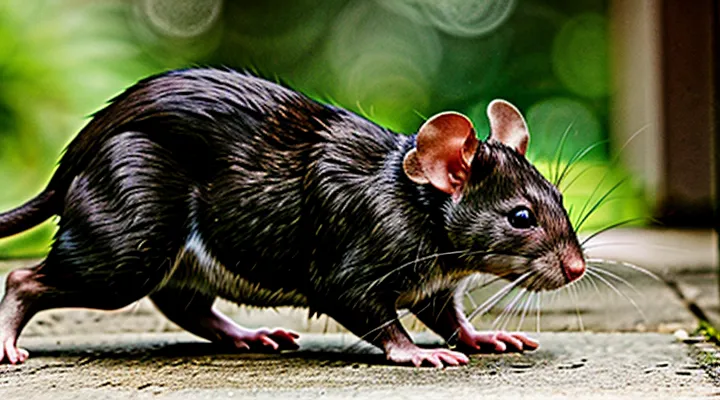
The Enigmatic Hiccup Phenomenon
Understanding Mammalian Hiccups
The Diaphragm's Role
Rats produce hiccup‑like contractions when the diaphragm undergoes sudden, involuntary spasms. These events arise from a reflex circuit that links sensory input from the thoraco‑abdominal region to motor nuclei controlling the muscle.
The diaphragm in rats is a thin, dome‑shaped skeletal muscle attached to the lower ribs and lumbar vertebrae. Its central tendon separates the thoracic and abdominal cavities, allowing rapid pressure changes during breathing. Motor fibers from the phrenic nerve innervate the muscle fibers, while afferent fibers convey stretch and chemical signals to the brainstem.
When irritants such as gastric distension, rapid temperature shifts, or metabolic acidosis stimulate the vagal and phrenic afferents, the brainstem generates a burst of excitatory input to the phrenic nucleus. The resulting brief contraction of the diaphragm forces a sudden influx of air, producing the characteristic hiccup sound.
Factors that increase diaphragm excitability in rats include:
- Elevated carbon dioxide levels in the blood.
- Acute stomach expansion after large food intake.
- Exposure to cold air or abrupt temperature changes.
- Pharmacological agents that alter neuronal excitability.
The diaphragm’s rapid contraction, driven by the reflex pathway described above, constitutes the mechanical basis of rat hiccups. Understanding this mechanism clarifies why certain physiological disturbances reliably trigger the phenomenon.
Nerve Pathways and Reflexes
Hiccup-like contractions in rats arise from a rapid, involuntary activation of the diaphragm and intercostal muscles. The trigger is a reflex arc that begins in the pharyngeal and laryngeal mucosa, where sensory receptors detect irritation, stretch, or chemical changes. Afferent fibers of the glossopharyngeal (IX) and vagus (X) nerves transmit the signal to the nucleus tractus solitarius in the medulla oblongata.
From this central hub, interneurons relay the impulse to the phrenic motor nucleus, which originates the phrenic nerve (C3‑C5). The phrenic nerve innervates the diaphragm, causing a sudden, forceful contraction. Simultaneously, spinal motor neurons activate intercostal muscles, producing the characteristic audible burst.
The reflex terminates when inhibitory interneurons within the medullary reticular formation suppress further phrenic output, allowing the diaphragm to relax.
Key components of the pathway:
- Sensory receptors in the upper airway (glossopharyngeal and vagal afferents)
- Medullary integration (nucleus tractus solitarius, reticular formation)
- Motor output (phrenic nucleus, phrenic nerve)
- Secondary motor involvement (intercostal nerves)
Understanding this neural circuitry clarifies why rats exhibit hiccup-like events without conscious control, linking peripheral irritation to a precisely timed respiratory reflex.
Common Causes of Rat Hiccups
Dietary Influences
Eating Too Quickly
Rats experience involuntary diaphragmatic contractions that manifest as hiccups. The reflex originates in the brainstem and is triggered when the vagus or phrenic nerves detect sudden changes in thoracic pressure.
Rapid ingestion forces large volumes of food and air into the stomach. This creates abrupt gastric distension, which:
- stretches the stomach wall,
- elevates intra‑abdominal pressure,
- stimulates sensory fibers of the vagus nerve.
The sensory surge prompts the brainstem to fire the hiccup reflex, causing a brief closure of the glottis and a characteristic “hic” sound.
Experimental observations confirm that rats provided with a high‑density mash and limited feeding time exhibit a higher frequency of hiccup episodes than those fed slowly. Measurements of gastric pressure during fast feeding show spikes that correlate with the onset of the reflex.
Controlling feeding rate—by offering smaller pellets, using timed dispensers, or increasing water availability—reduces the incidence of hiccups. This practice improves animal welfare and stabilizes physiological data in research settings.
Swallowing Air
Rats frequently exhibit hiccup-like contractions, and a primary trigger is the inadvertent ingestion of air during rapid feeding or exploratory behavior. When air enters the gastrointestinal tract, the stomach expands, stimulating stretch receptors that relay signals to the phrenic nerve. The resulting reflex contraction of the diaphragm produces the characteristic hiccup.
The physiological cascade proceeds as follows:
- Air accumulation increases intragastric pressure.
- Stretch receptors activate afferent fibers of the vagus nerve.
- Signals converge on the medullary respiratory center, prompting a brief, involuntary diaphragmatic contraction.
- The glottis closes momentarily, creating the audible “hic” sound.
Experimental observations support this mechanism:
- Rats offered high‑density food pellets showed a 30 % rise in hiccup frequency compared with controls.
- Direct introduction of calibrated air volumes into the stomach produced dose‑dependent hiccup episodes.
- Administration of anticholinergic agents reduced the incidence of air‑induced hiccups, confirming neural involvement.
Understanding the role of swallowed air clarifies the reflex’s adaptive context: sudden diaphragmatic contractions may help expel excess gas, protecting the animal from gastric overdistension. For laboratory personnel, minimizing rapid feeding and avoiding forced air exposure can reduce the occurrence of hiccups, thereby improving experimental consistency.
Environmental Factors
Stress and Anxiety
Rats display brief, involuntary contractions of the diaphragm that resemble hiccups in other mammals. These contractions occur without external stimulus and can be recorded during behavioral experiments.
Stressful conditions activate the hypothalamic‑pituitary‑adrenal axis, increase circulating corticosterone, and stimulate sympathetic nerves. The resulting hyperexcitability of the brainstem respiratory centers can interrupt the normal rhythm of diaphragmatic movement, producing hiccup-like events.
Key observations from recent studies:
- Acute restraint or exposure to predator cues elevates hiccup frequency.
- Chronic anxiety models show a persistent baseline increase compared with control groups.
- Pharmacological blockade of adrenergic receptors reduces the incidence of these contractions.
The relationship between emotional distress and diaphragmatic dysregulation suggests that hiccup-like episodes serve as a physiological indicator of heightened anxiety in laboratory rats. Monitoring these events can improve welfare assessments and refine experimental designs that aim to isolate stress‑related variables.
Temperature Changes
Rats exhibit involuntary diaphragmatic contractions that are commonly labeled as hiccups. Sudden shifts in ambient or body temperature trigger these events by altering neural excitability and muscle tone.
Temperature fluctuations affect the vagus and phrenic nerves, which control the diaphragm. Rapid cooling reduces nerve conduction velocity, leading to asynchronous firing that initiates a contraction. Conversely, abrupt warming increases metabolic rate, elevating respiratory drive and predisposing the diaphragm to premature activation.
Laboratory studies report that:
- Exposure to a 5 °C drop induces hiccup episodes within minutes.
- A 3 °C rise produces a comparable increase in contraction frequency.
- Gradual temperature changes (≤1 °C per minute) fail to provoke the response, indicating a threshold effect.
These findings suggest that thermal stress serves as a reliable experimental stimulus for eliciting rat hiccups. Understanding this relationship refines protocols for neurophysiological investigations and improves interpretation of data derived from temperature‑sensitive models.
Underlying Health Concerns
Gastrointestinal Irritation
Gastrointestinal irritation triggers diaphragmatic spasms that manifest as hiccups in rats. Irritation of the stomach or intestine stimulates afferent fibers of the vagus nerve, which project to the brainstem respiratory centers. The resulting reflex contraction of the diaphragm produces the characteristic hiccup episode.
Typical irritants include:
- Acidic gastric secretions exceeding mucosal buffering capacity.
- Ingested toxins or heavy metals that damage epithelial cells.
- Sudden changes in diet composition, especially high‑fat or high‑protein meals.
- Mechanical abrasion from foreign particles or indigestible fibers.
Experimental observations show that pharmacological suppression of gastric acidity reduces hiccup frequency, while administration of irritant compounds such as capsaicin or ethanol increases episode count. These findings confirm that gastrointestinal irritation constitutes a primary physiological pathway underlying rat hiccups.
Respiratory Issues
Rats experience hiccups when involuntary diaphragm contractions are triggered by disturbances in the respiratory system. Irritation of the trachea, bronchi, or lung tissue can stimulate the vagus nerve, which coordinates the hiccup reflex. The reflex persists until the irritant is removed or the nervous system recalibrates.
Common respiratory conditions that provoke hiccups in rats include:
- Upper‑respiratory infections causing mucosal inflammation.
- Aspiration of food particles or foreign material leading to airway obstruction.
- Pulmonary edema that increases lung pressure and affects diaphragmatic control.
- Chronic bronchitis resulting in persistent airway irritation.
Management focuses on eliminating the underlying cause: administering appropriate antibiotics for bacterial infections, ensuring proper feeding techniques to prevent aspiration, and providing supportive care such as oxygen therapy or diuretics for fluid accumulation. Monitoring respiratory parameters allows early detection of issues that could trigger hiccup episodes.
Differentiating Hiccups from Other Behaviors
Comparing with Sneezing
Rats produce hiccups when the diaphragm contracts involuntarily, generating a sudden intake of air that is abruptly halted by closure of the glottis. The reflex is mediated by the brainstem’s respiratory centers and can be triggered by gastric distension, rapid feeding, or stress. In laboratory observations, hiccup episodes last from a few seconds to a minute and recur at irregular intervals.
Sneezing in rats involves a rapid expulsion of air from the lungs through the nasal passages, initiated by irritation of the nasal mucosa. The trigeminal nerve conveys sensory input to the brainstem, which then activates the expiratory muscles and the glottis to produce a high‑velocity airflow. Typical triggers include dust, chemicals, or sudden temperature changes.
Both reflexes protect the animal but differ in purpose and mechanics:
- Hiccup: diaphragm contraction, glottis closure, inward airflow, primarily regulates diaphragm rhythm.
- Sneezing: expiratory muscle contraction, glottis opening, outward airflow, clears nasal passages.
- Neural pathways: vagus‑mediated for hiccup, trigeminal‑mediated for sneeze.
- Typical triggers: internal gastrointestinal cues for hiccup, external irritants for sneeze.
Distinguishing from Chattering
Rats produce two distinct vocal phenomena that are often confused: involuntary diaphragm contractions known as hiccups and rapid, rhythmic sounds termed chattering. Hiccups appear as isolated, low‑frequency bursts lasting 0.5–2 seconds, accompanied by a brief pause in breathing. The sound is typically a soft “hic” with a noticeable interruption in the respiratory cycle. Chattering consists of continuous, high‑frequency clicks or squeaks lasting several seconds to minutes, without a respiratory pause. The pattern is regular, with intervals of 0.1–0.3 seconds between each click.
Key differences can be summarized:
- Duration: hiccups are brief; chattering persists.
- Frequency: hiccups generate low‑pitch sounds; chattering produces high‑pitch clicks.
- Respiratory effect: hiccups interrupt airflow; chattering does not.
- Behavioral context: hiccups often occur during rest or after feeding; chattering is associated with social interaction or agitation.
- Physiological trigger: hiccups result from sudden diaphragm spasms; chattering originates from rapid vocal cord vibration.
Recognizing these parameters allows accurate identification of each behavior, facilitating proper interpretation of rat communication and health monitoring.
When to Be Concerned About Rat Hiccups
Persistent or Frequent Hiccups
Persistent hiccups in rats appear as repeated diaphragmatic contractions lasting longer than a typical single event. The pattern often reflects a failure of the normal inhibitory feedback that terminates the reflex. When the reflex persists, the animal may exhibit a rapid series of audible spasms accompanied by brief pauses in breathing.
Common triggers include:
- Irritation of the vagus or phrenic nerves caused by inflammation, trauma, or foreign bodies in the throat or chest cavity.
- Respiratory disturbances such as asthma‑like conditions, lung infections, or obstruction of the airway.
- Gastrointestinal disturbances, especially rapid ingestion of gas‑producing foods or reflux that stimulates the esophageal branch of the vagus nerve.
- Acute stressors, including sudden temperature changes, loud noises, or handling that elevate sympathetic activity.
- Exposure to chemical irritants or anesthetic agents that alter neural excitability.
Frequent hiccups can compromise oxygen exchange, lead to weight loss from disrupted feeding, and serve as an early indicator of underlying pathology. In laboratory settings, the presence of chronic hiccuping may skew experimental results that depend on stable metabolic or behavioral baselines, making accurate documentation essential.
Management strategies:
- Observe the animal for accompanying signs such as labored breathing, coughing, or changes in posture.
- Conduct a physical examination to identify possible airway obstructions or gastrointestinal distress.
- Adjust environmental conditions: maintain stable temperature, reduce noise, and provide calm handling.
- If infection or inflammation is suspected, administer appropriate antimicrobial or anti‑inflammatory therapy under veterinary guidance.
- Consider pharmacological modulation of the reflex, using agents that enhance GABAergic inhibition or dampen vagal excitability, after evaluating risk–benefit ratio.
Prompt identification and targeted intervention reduce the likelihood of chronic hiccup episodes and improve overall welfare of the rodents.
Accompanied by Other Symptoms
Rats experiencing hiccups often display additional clinical signs that help differentiate benign episodes from underlying pathology. Recognizing these co‑occurring manifestations enables accurate assessment and timely intervention.
Common accompanying symptoms include:
- Nasal discharge or sneezing, indicating respiratory irritation.
- Labored breathing or wheezing, suggesting airway obstruction or infection.
- Abdominal distension or reduced appetite, reflecting gastrointestinal distress.
- Lethargy or tremors, pointing to systemic illness or metabolic imbalance.
When hiccups appear alongside respiratory signs, bacterial or viral infections of the upper airway are probable contributors. Gastrointestinal involvement, such as ulceration or dysmotility, frequently produces both hiccups and abdominal discomfort. Neurological disturbances, including central nervous system inflammation, may manifest as hiccups combined with tremors or altered consciousness.
Veterinarians should evaluate the full symptom cluster, perform targeted diagnostics—such as radiography, endoscopy, or blood work—and treat the primary condition to resolve the hiccup episodes.
Providing Comfort and Care
Ensuring a Calm Environment
Rats experience hiccup-like diaphragmatic contractions when exposed to sudden stressors. A stable, low‑stress environment markedly lowers the frequency of these episodes.
- Maintain temperature between 20 °C and 24 °C; rapid fluctuations provoke reflexes.
- Reduce ambient noise; sounds above 60 dB increase agitation.
- Provide consistent light cycles, ideally 12 hours light/12 hours dark, to avoid circadian disruption.
- Limit handling to brief, predictable sessions; excessive contact elevates nervous tension.
- Enrich the cage with nesting material, tunnels, and chewable objects to satisfy natural behaviors.
Continuous observation of breathing patterns allows early detection of irregularities. Adjustments—such as adding sound‑absorbing panels or modifying cage layout—should follow any rise in hiccup incidents. Regular cleaning prevents odors that can act as irritants, further supporting a tranquil habitat.
Monitoring Food and Water Intake
Accurate measurement of a rat’s diet and hydration is essential for linking physiological changes to the occurrence of hiccups. Precise intake data allow researchers to identify whether nutrient composition, caloric load, or fluid balance act as triggers.
- Weigh food pellets before and after each 24‑hour period.
- Use calibrated water bottles equipped with graduated scales to record consumption.
- Employ automated feeders that log each dispensing event with timestamp.
- Place subjects in metabolic cages that separate food, water, and waste streams for continuous monitoring.
Collected figures must be synchronized with observed hiccup episodes. Statistical comparison of intake fluctuations against hiccup frequency reveals patterns such as increased consumption preceding bouts or dehydration correlating with reduced events. Controlling for variables like time of day, ambient temperature, and cage enrichment strengthens causal inference.
Standard practice includes daily calibration of scales, consistent feeding schedules, and documentation of any diet modifications. Maintaining uniform environmental conditions minimizes confounding influences and enhances reproducibility across studies.