
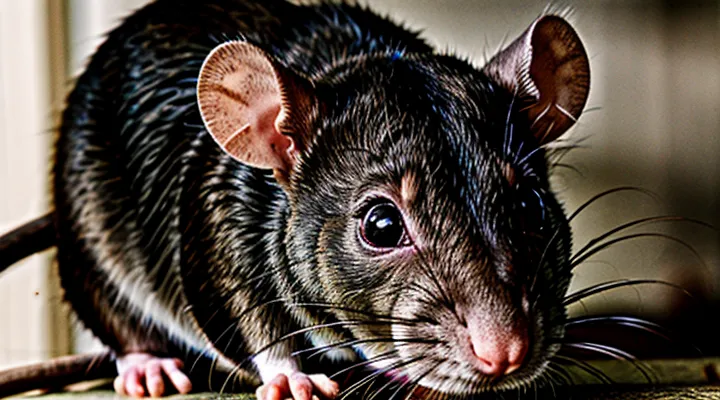
The Anatomy of a Rat's Eye
Orbital Structure and Eye Placement
Evolutionary Adaptations for Vision
Rats possess pronounced ocular protrusion because their visual system evolved to function efficiently in low‑light, cluttered habitats. The forward placement of the eyes, combined with a relatively large orbital cavity, maximizes the amount of light reaching the retina and expands the field of view, essential for detecting predators and navigating tunnels.
Key visual adaptations include:
- Enlarged corneas that gather more photons, improving scotopic sensitivity.
- High rod density in the retina, providing acute motion detection under dim conditions.
- Wide-angle binocular overlap, allowing precise depth perception despite the limited range of nocturnal vision.
- Flexible eyelids that can close rapidly to protect the eyes while maintaining peripheral awareness.
These traits result from selective pressures favoring individuals that could locate food and evade threats in subterranean or urban environments where illumination is scarce. Consequently, the bulging eye morphology represents a functional compromise: it enhances light capture and peripheral vision at the cost of a less streamlined skull profile.
In summary, the pronounced eye bulge observed in rats is a direct consequence of evolutionary modifications aimed at optimizing visual performance in dim, confined spaces, rather than an incidental anatomical feature.
Common Causes of Bulging Eyes in Rats
Health Conditions and Diseases
Glaucoma and Increased Intraocular Pressure
Glaucoma in rats results from sustained elevation of intra‑ocular pressure (IOP), which compresses the optic nerve head and distorts the globe. The pressure rise originates when aqueous humor outflow through the trabecular meshwork and Schlemm’s canal is impeded, either by structural narrowing, extracellular matrix accumulation, or cellular dysfunction. Persistent IOP elevation forces fluid into the posterior chamber, expanding the vitreous cavity and producing a visibly protruding eye.
Key physiological consequences of increased IOP include:
- Compression of retinal ganglion cell axons, leading to apoptosis and visual field loss.
- Distortion of the scleral wall, causing outward bulging of the periorbital region.
- Disruption of blood‑retinal barrier, resulting in edema and further globe enlargement.
Experimental models frequently induce glaucoma in rodents by cauterizing episcleral veins or injecting micro‑beads into the anterior chamber. These interventions reliably raise IOP by 30–50 mm Hg within days, after which rats display noticeable ocular protrusion. The bulging eye serves as a readily observable phenotype for assessing therapeutic agents that target aqueous outflow pathways or neuroprotective mechanisms.
Management strategies focus on lowering IOP through pharmacologic agents (e.g., prostaglandin analogues, β‑blockers) or surgical enhancement of outflow (trabecular meshwork ablation). In research settings, successful IOP reduction correlates with reversal of eye bulging and preservation of retinal ganglion cell density, confirming the direct link between pressure elevation and the outward appearance of the rat eye.
Orbital Abscesses and Infections
Rats may develop pronounced ocular protrusion when an infection or abscess forms within the orbit. An orbital abscess is a localized collection of pus surrounded by inflamed tissue, typically resulting from bacterial invasion after trauma, dental disease, or spread from adjacent sinusitis. The pressure exerted by the purulent material displaces the globe forward, producing the characteristic bulging appearance.
Key factors contributing to orbital infections include:
- Penetrating wounds near the eye socket.
- Untreated upper respiratory or sinus infections.
- Dental abscesses that extend into the maxillary bone.
- Poor hygiene and overcrowded housing conditions.
Clinical signs associated with orbital abscesses are:
- Visible eye bulging and displacement.
- Redness, swelling, and heat around the orbit.
- Discharge from the eye or nasal passages.
- Pain on palpation and reduced visual function.
Diagnosis relies on physical examination, imaging (radiography or CT), and microbiological culture of aspirated material to identify the causative organism. Prompt identification of the pathogen guides targeted antimicrobial therapy.
Effective management comprises:
- Surgical drainage of the abscess to relieve pressure.
- Systemic antibiotics based on culture sensitivity.
- Analgesics and anti‑inflammatory agents to control pain and swelling.
- Monitoring for recurrence and ensuring complete resolution before discharge.
Preventive measures focus on maintaining clean environments, providing balanced nutrition, and promptly treating dental or respiratory infections to reduce the risk of orbital spread. Early intervention limits tissue damage, preserves ocular function, and prevents permanent deformity.
Tumors and Growths
Rats develop protruding eyes primarily when abnormal tissue expands within the orbital cavity. Neoplastic growths exert pressure on ocular structures, forcing the globe forward and producing a visibly bulged appearance.
Common tumor types that cause this condition include:
- Meningiomas – arise from the meninges surrounding the brain and can extend into the retro‑orbital space.
- Pituitary adenomas – enlarge the pituitary gland, displacing surrounding bone and soft tissue.
- Fibrosarcomas – malignant connective‑tissue tumors that infiltrate orbital muscles and fat.
- Lymphomas – proliferations of lymphoid cells that may occupy the orbit or surrounding sinuses.
These lesions often present with additional signs such as reduced visual acuity, epiphora, and behavioral changes indicating discomfort. Diagnosis relies on imaging (CT or MRI) to assess mass size and location, followed by histopathological examination to confirm tumor identity.
Treatment options depend on tumor classification and stage. Surgical excision removes accessible masses, while radiation therapy and chemotherapy target residual or inoperable cells. Early intervention improves prognosis by limiting orbital distortion and preserving ocular function.
Environmental and Stress Factors
Physical Trauma or Injury
Rats develop protruding eyes when facial or orbital structures suffer direct damage. Blunt force, such as a fall onto a hard surface, can fracture the orbital bone, allowing the eyeball to shift forward. Penetrating wounds that sever the connective tissue surrounding the eye also reduce support, leading to noticeable bulging.
Common causes of trauma‑induced eye protrusion include:
- Accidental strikes from cages, equipment, or predators.
- Injuries sustained during handling or transport, especially if restraint is improper.
- Bites from conspecifics that damage orbital muscles or ligaments.
The physiological response involves inflammation and swelling of orbital tissues, which increases intra‑orbital pressure. Elevated pressure pushes the globe outward, producing the characteristic bulge. If the injury compromises the optic nerve or blood supply, vision loss and further tissue degradation may follow.
Prompt veterinary assessment is essential. Diagnosis typically relies on visual inspection, palpation of the orbital region, and radiographic imaging to identify fractures or foreign bodies. Treatment options range from surgical repair of bone fragments to anti‑inflammatory medication and supportive care. Without intervention, chronic bulging can lead to permanent ocular damage and increased susceptibility to infection.
Genetic Predisposition
Rats occasionally display pronounced ocular protrusion, a condition linked to inherited genetic factors. Specific alleles alter orbital bone development, orbital fat distribution, and ocular muscle tone, producing the characteristic bulging appearance.
Heritable patterns follow Mendelian inheritance in many laboratory strains. Homozygous carriers of certain mutations exhibit the phenotype with greater consistency than heterozygotes, indicating a recessive mode of transmission in most cases.
Key genetic components identified include:
- Mutations in the COL2A1 gene, affecting collagen synthesis and orbital cartilage rigidity.
- Variants of the FGFR2 gene, influencing craniofacial growth rates.
- Polymorphisms in the RHO gene, modifying retinal attachment and intra‑ocular pressure.
These genes interact with developmental pathways that regulate skull morphology. Cross‑breeding experiments confirm that introducing normal alleles reduces eye bulging incidence, demonstrating the direct influence of genotype.
The presence of a genetic predisposition informs experimental design. Researchers must screen breeding colonies for the identified markers to avoid confounding ocular morphology with behavioral or physiological outcomes.
Implications of Bulging Eyes
Impact on Rat's Vision and Well-being
Pain and Discomfort
Rats with pronounced ocular protrusion experience several sources of pain and discomfort directly linked to the anatomical changes. The forward displacement of the globe stretches the surrounding connective tissue, creating tension on the sclera and extra‑ocular muscles. This tension produces constant pressure that can irritate corneal nerves, leading to chronic ocular pain.
The abnormal shape also interferes with normal tear film distribution. Inadequate lubrication results in dry spots on the cornea, which trigger nociceptor activation and cause a gritty, burning sensation. Dryness can progress to superficial ulceration, further intensifying discomfort.
Bulging eyes increase the risk of mechanical injury. Protruding globes are more exposed to environmental hazards such as dust, debris, or accidental contact with cage mates. Even minor abrasions stimulate inflammatory pathways, producing swelling and heightened sensitivity.
Key physiological consequences include:
- Elevated intra‑ocular pressure from compromised drainage, which may cause headache‑like sensations.
- Reduced blink frequency due to limited eyelid mobility, exacerbating corneal exposure.
- Persistent inflammation of the conjunctiva and surrounding tissues, generating a throbbing ache.
Effective management requires prompt veterinary assessment, humidified environments to support tear film stability, and analgesic protocols tailored to rodent physiology. Addressing the underlying cause of ocular protrusion, such as genetic predisposition or respiratory disease, is essential to prevent ongoing pain.
Behavioral Changes
Rats that develop pronounced ocular protrusion often exhibit distinct alterations in activity and interaction patterns. The swelling typically signals underlying pathology such as orbital infection, systemic illness, or severe dehydration, which in turn disrupts normal physiological regulation.
Observable behavioral shifts include:
- Reduced exploration of novel environments, indicating discomfort or impaired vision.
- Decreased grooming frequency, reflecting difficulty reaching facial areas or diminished motivation.
- Increased aggression toward conspecifics, possibly driven by heightened irritability or pain.
- Slower locomotion and frequent pauses, suggesting fatigue or balance challenges.
- Preference for low‑light or concealed spaces, aligning with heightened sensitivity to visual strain.
These changes emerge rapidly after the onset of ocular bulging and may intensify as the condition progresses, providing reliable indicators for early intervention.
When to Seek Veterinary Attention
Signs Indicating Urgency
Rats may develop pronounced eye protrusion due to infection, trauma, or systemic disease. Certain manifestations signal a medical emergency that demands prompt veterinary intervention.
- Rapid swelling of the orbital tissue, surpassing the normal size increase observed in mild cases.
- Sudden loss of vision or inability to locate food, indicating possible optic nerve compression.
- Bleeding from the eye or surrounding skin, suggesting vascular rupture or severe inflammation.
- Excessive discharge that is thick, colored, or foul‑smelling, reflecting bacterial infection.
- Lethargy, tremors, or uncoordinated movements accompanying the ocular change, pointing to systemic toxicity.
- Fever above the normal rat body temperature (approximately 38 °C), revealing a systemic response.
When any of these signs appear, immediate assessment by a qualified veterinarian is essential to prevent irreversible damage or death.
Diagnostic Procedures
Ophthalmic Examination
Ophthalmic examination is essential for evaluating the pronounced ocular protrusion observed in laboratory rats. The procedure provides objective data on the structural and functional status of the eye, allowing researchers to differentiate between normal anatomical variation and pathological conditions such as orbital tumors, inflammatory processes, or congenital malformations.
Key components of the examination include:
- External inspection – assessment of eyelid position, periocular fur, and presence of edema or discharge.
- Palpebral reflex testing – gentle stimulation of the eyelid to gauge corneal sensitivity and neural integrity.
- Slit‑lamp biomicroscopy – magnified visualization of the cornea, anterior chamber, iris, and lens for opacities, neovascularization, or inflammatory cells.
- Intraocular pressure measurement – tonometry using a calibrated handheld device to detect elevated pressure that may contribute to globe enlargement.
- Fundoscopic evaluation – indirect ophthalmoscopy to inspect the retina, optic nerve head, and vitreous body for signs of degeneration or vascular abnormalities.
- Photographic documentation – high‑resolution imaging of the orbit and ocular structures for longitudinal comparison.
Interpretation of these findings clarifies whether the bulging appearance results from increased orbital contents, fluid accumulation, or other etiologies. Accurate diagnosis informs experimental design, animal welfare decisions, and potential therapeutic interventions.
Imaging Techniques
Imaging provides direct visualization of orbital structures, allowing researchers to pinpoint anatomical and physiological factors behind ocular protrusion in rodents. High‑resolution magnetic resonance imaging (MRI) captures soft‑tissue contrast, revealing orbital fat volume, extraocular muscle thickness, and optic nerve displacement without ionizing radiation. Computed tomography (CT) excels at delineating bony orbit geometry, identifying malformations or fractures that may force the globe outward. Ultrasound biomicroscopy supplies real‑time assessment of anterior segment dimensions, measuring corneal curvature and anterior chamber depth in live subjects. Optical coherence tomography (OCT) delivers micrometer‑scale cross‑sections of retinal and choroidal layers, detecting edema or vascular leakage that can contribute to bulging. Positron emission tomography (PET), often combined with CT, maps metabolic activity, highlighting inflammatory processes or tumor growth within orbital tissues.
Typical workflow combines modalities:
- MRI for soft‑tissue assessment
- CT for skeletal analysis
- Ultrasound for dynamic measurements
- OCT for retinal health
- PET/CT for metabolic evaluation
Correlating imaging data with histopathology validates findings, enabling precise determination of the underlying cause of the rat’s protruding eyes.
Treatment Options
Medical Management
Rats presenting with pronounced ocular protrusion require prompt medical intervention to prevent secondary complications such as corneal ulceration, infection, or vision loss. Initial assessment should include ocular examination, measurement of intra‑ocular pressure, and evaluation for systemic signs of disease. Diagnostic imaging (ultrasound or CT) can identify orbital masses, fluid accumulation, or structural abnormalities.
Therapeutic measures focus on three priorities: reducing inflammation, controlling infection, and addressing underlying causes.
- Anti‑inflammatory agents – topical corticosteroid drops (e.g., prednisolone acetate 1 %) administered twice daily, or systemic non‑steroidal anti‑inflammatory drugs (e.g., meloxicam 0.2 mg/kg PO q24 h) to lower orbital edema.
- Antimicrobial therapy – broad‑spectrum ophthalmic antibiotics (e.g., ofloxacin 0.3 % drops q6 h) combined with systemic coverage (e.g., enrofloxacin 10 mg/kg SC q24 h) when bacterial involvement is suspected.
- Fluid management – subcutaneous or intravenous lactated Ringer’s solution (20–30 ml/kg/day) to correct dehydration and support tissue perfusion.
If a mass or abscess is identified, surgical drainage or excision should be performed under general anesthesia, followed by postoperative analgesia (e.g., buprenorphine 0.05 mg/kg IM q12 h) and continued antimicrobial prophylaxis. In cases of chronic orbital disease, referral to a veterinary ophthalmologist for specialized procedures, such as orbital decompression, may be necessary.
Continuous monitoring includes daily assessment of ocular discharge, corneal integrity, and intra‑ocular pressure. Adjustments to medication dosages are made based on response and any adverse effects. Successful management relies on early detection, targeted pharmacologic therapy, and, when indicated, surgical correction.
Surgical Interventions
Rats develop pronounced ocular protrusion when orbital tissue expands due to infection, trauma, neoplasia, or congenital anomalies. Surgical correction targets the underlying cause, relieves pressure on the globe, and prevents secondary complications such as corneal ulceration or vision loss.
Enucleation removes the affected eye and eliminates the source of pain. The procedure involves a peri‑ocular incision, careful dissection of extraocular muscles, and removal of the globe with preservation of the optic nerve sheath. Closing the orbital cavity with absorbable sutures reduces postoperative inflammation.
Orbital decompression reduces intra‑orbital pressure without sacrificing the eye. Common techniques include:
- Lateral wall osteotomy: removal of a segment of the zygomatic arch to create space.
- Medial wall resection: excision of the ethmoid bone to allow fluid drainage.
- Sub‑periosteal fat excision: reduction of orbital adipose tissue that contributes to bulging.
When neoplastic growth causes the protrusion, excisional biopsy followed by wide local excision is indicated. Margins are assessed histologically; incomplete resection may require adjunctive radiation therapy.
Post‑operative management focuses on infection control, pain mitigation, and ocular surface protection. Recommended measures are:
- Broad‑spectrum antibiotics administered for 5–7 days.
- Analgesics such as buprenorphine at 0.05 mg/kg every 12 hours.
- Topical lubricants applied twice daily to prevent corneal desiccation.
- Daily monitoring for swelling, discharge, or signs of orbital cellulitis.
Long‑term outcomes depend on the etiology. Enucleation yields immediate resolution of pain but eliminates vision. Decompression preserves visual function when the retina remains intact, yet recurrence may occur if underlying disease persists. Regular veterinary examinations are essential to detect early signs of re‑expansion or infection.
Preventing Eye Issues in Rats
Proper Care and Husbandry
Nutritional Needs
Rats that display pronounced eye protrusion often suffer from dietary deficiencies. Insufficient intake of specific nutrients compromises orbital tissue health, leading to fluid accumulation and inflammation that push the eyeballs outward.
Key dietary components affecting ocular integrity include:
- High‑quality protein to sustain muscle and connective tissue.
- Essential fatty acids (omega‑3 and omega‑6) for cell membrane stability.
- Vitamin A for retinal function and mucosal protection.
- Vitamin E and selenium as antioxidants that prevent oxidative damage.
- Adequate calcium and phosphorus to maintain bone structure around the orbit.
- Consistent access to clean water to avoid dehydration‑induced tissue swelling.
Correcting the problem requires feeding a complete, commercially formulated rodent diet, supplementing only when laboratory analyses reveal specific gaps, and regularly monitoring body condition. Adjustments should be made promptly; prolonged deficiency accelerates ocular deformation and may lead to permanent damage.
Cleanliness of Environment
Rats often exhibit protruding eyes when exposed to unhygienic surroundings. Accumulated waste, damp bedding, and contaminated food sources create breeding grounds for bacteria, fungi, and parasites that invade ocular tissues. Infections such as conjunctivitis, keratitis, and orbital cellulitis cause inflammation, fluid accumulation, and ultimately visible bulging.
Key factors linking poor sanitation to ocular swelling:
- High microbial load in litter and nesting material
- Moisture retention that promotes fungal growth
- Presence of ectoparasites (mites, lice) that irritate the eye surface
- Limited airflow, leading to heat stress and vascular congestion
Specific agents commonly identified in dirty habitats include Staphylococcus aureus, Pseudomonas aeruginosa, and Mycoplasma pulmonis. These pathogens release toxins and enzymes that degrade corneal epithelium, increase vascular permeability, and trigger edema. Ectoparasites mechanically damage eyelids and introduce secondary bacterial infections, compounding the problem.
Maintaining a clean environment reduces the incidence of eye bulging. Effective practices consist of:
- Daily removal of soiled bedding and feces
- Weekly deep cleaning of cages with a mild disinfectant, followed by thorough rinsing
- Use of absorbent, low‑humidity bedding to limit moisture buildup
- Regular inspection for ectoparasites and prompt treatment if detected
A controlled, sanitary setting minimizes pathogen exposure, preserves ocular health, and prevents the characteristic eye swelling observed in rats kept in contaminated conditions.