
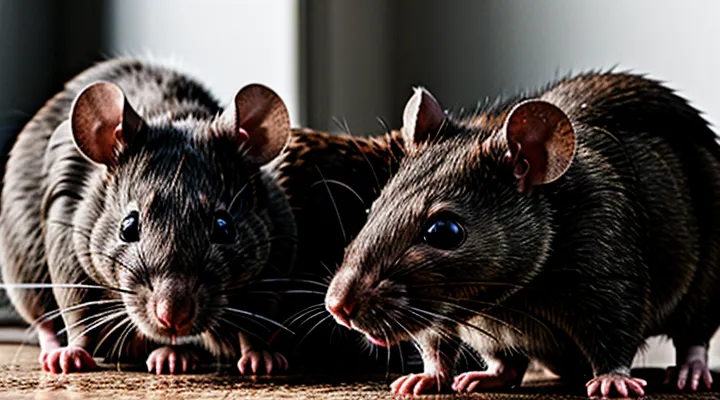
Understanding Porphyrin
What is Porphyrin?
Porphyrins are macrocyclic organic compounds composed of four pyrrole subunits linked by methine bridges, forming a planar ring that coordinates metal ions. The most biologically relevant porphyrin, protoporphyrin IX, chelates iron to create heme, an essential cofactor for oxygen transport, electron transfer, and enzymatic catalysis.
- Aromatic, conjugated structure produces intense coloration.
- Strong affinity for divalent metal ions (Fe²⁺, Mg²⁺, Zn²⁺).
- Precursor in the biosynthetic pathway of chlorophyll and cytochromes.
In rodents, porphyrin accumulates in the Harderian gland and lacrimal secretions. When secreted onto the nasal mucosa, the pigment imparts a reddish hue that can be mistaken for hemorrhage. The presence of porphyrin in nasal discharge results from glandular excretion rather than vascular injury.
Distinguishing porphyrin from true blood involves visual and analytical cues: porphyrin stains remain bright orange‑red after drying, lack clot formation, and fluoresce under ultraviolet light. Laboratory assays, such as spectrophotometric detection of the Soret band near 400 nm, confirm porphyrin identity.
Understanding porphyrin’s properties clarifies why rodents exhibit red‑tinged nasal secretions without underlying bleeding, informing accurate diagnosis and appropriate animal care.
Glands Producing Porphyrin
Rats frequently exhibit epistaxis, and one physiological factor that can precipitate this condition is the activity of the peri‑nasal porphyrin‑secreting glands. These exocrine structures, located in the vibrissal pads and rhinarium, produce a reddish‑brown porphyrin‑rich secretion that serves as a moisture‑retaining and antimicrobial agent. The secretion’s high concentration of iron‑bound porphyrins creates a mildly acidic, oxidative environment. When excess porphyrin accumulates on the nasal mucosa, it can erode epithelial cells, compromise capillary integrity, and trigger spontaneous bleeding.
Key mechanisms linking porphyrin gland output to nasal hemorrhage include:
- Oxidative stress induced by iron‑porphyrin complexes, leading to cellular damage.
- Acidic pH lowering mucosal barrier resistance, facilitating micro‑trauma.
- Mechanical irritation from crust formation as the secretion dries and adheres to nasal passages.
- Inflammatory response provoked by porphyrin‑mediated tissue irritation, increasing vascular permeability.
Elevated glandular activity may result from stress, hormonal fluctuations, or environmental irritants. Under such conditions, the heightened secretion volume overwhelms the nasal epithelium’s protective capacity, producing the observed bleeding. Managing stressors and maintaining optimal humidity can reduce porphyrin output and mitigate epistaxis incidence.
Normal Porphyrin Secretion
Rats frequently exhibit red fluid from the nasal area. This secretion is primarily composed of porphyrins, pigments produced by the Harderian gland and lacrimal system. Under normal conditions the fluid appears reddish because porphyrins absorb light in the visible spectrum, creating a coloration that can be mistaken for blood.
The production of porphyrins serves several physiological purposes:
- Antimicrobial activity that protects ocular and nasal surfaces.
- Regulation of oxidative stress on mucosal membranes.
- Contribution to the protective tear film that maintains moisture.
When a rat experiences stress, environmental irritants, or minor trauma, the rate of porphyrin release can increase. The heightened flow amplifies the visible red stain, leading observers to assume hemorrhage. Laboratory analysis distinguishes true hemoglobin from porphyrin by spectrophotometric peaks at 400 nm for porphyrins versus 540 nm for hemoglobin.
Understanding normal porphyrin secretion clarifies that the reddish discharge does not necessarily indicate nasal bleeding. Researchers should consider porphyrin levels before diagnosing pathological hemorrhage in rodent studies.
Causes of Excessive Porphyrin Secretion
Stress and Environmental Factors
Rats sometimes develop epistaxis, a condition that can be traced to physiological stress and adverse environmental conditions.
Acute stress activates the hypothalamic‑pituitary‑adrenal axis, releasing cortisol and catecholamines. Elevated catecholamine levels increase systemic blood pressure and cause vasoconstriction followed by rapid vasodilation, which weakens nasal capillaries. Chronic stress maintains high cortisol concentrations that impair mucosal integrity and delay tissue repair, making vessels more prone to rupture.
Environmental factors that compromise nasal health include:
- Low relative humidity, which dries the nasal epithelium and creates micro‑cracks.
- High ambient ammonia from urine accumulation, irritating the mucosa and inducing inflammation.
- Extreme temperatures, especially rapid drops, that cause vasoconstriction and subsequent rebound hyperemia.
- Overcrowding, which raises stress hormones and increases exposure to airborne irritants.
When stress and hostile surroundings coexist, their effects amplify. Elevated stress hormones sensitize the nasal mucosa, lowering the threshold at which irritants trigger bleeding. Simultaneously, environmental irritants exacerbate inflammation, accelerating capillary damage.
Laboratory observations confirm that rats housed in enriched, low‑stress environments with controlled humidity and ventilation exhibit markedly fewer nosebleeds than those kept in cramped, poorly ventilated cages. Managing both physiological stress and environmental quality therefore reduces the incidence of epistaxis in rodent populations.
Social Stressors
Social stressors—competition for dominance, overcrowding, and unstable group composition—trigger physiological responses in laboratory rodents that can manifest as epistaxis. Elevated corticosterone levels, induced by chronic hierarchical tension, increase vascular fragility in the nasal mucosa. Aggressive encounters raise blood pressure transiently, stressing capillary networks and promoting micro‑ruptures. Isolation from conspecifics disrupts normal grooming behavior, leading to irritation of the nasal epithelium and heightened susceptibility to bleeding. Environmental instability, such as frequent cage changes or introduction of unfamiliar individuals, amplifies sympathetic activation, further compromising nasal vessel integrity.
Key mechanisms linking social stress to nasal hemorrhage:
- Hormonal surge: Corticosterone and adrenaline elevate, weakening endothelial junctions.
- Hemodynamic strain: Repeated spikes in systolic pressure stress capillaries.
- Behavioral neglect: Reduced self‑cleaning intensifies mucosal irritation.
- Immune modulation: Stress‑induced immunosuppression impairs mucosal repair.
Mitigation strategies focus on stable social hierarchies, adequate space per animal, and consistent group composition to limit stress‑related vascular damage and reduce the incidence of nasal bleeding.
Housing Conditions
Rats housed in environments that lack proper ventilation often experience drying of the nasal mucosa, which can lead to epistaxis. Low humidity accelerates mucosal desiccation, while excessive humidity promotes fungal growth that irritates nasal passages.
Overcrowding increases aggression and physical contact, raising the likelihood of nasal trauma. Cages that are too small restrict movement, causing rats to rub against bars or mesh, which can abrade delicate nasal tissue.
Bedding material influences nasal health. Dust‑rich substrates such as wood shavings release particulate matter that irritates the respiratory tract. Low‑dust, absorbent bedding reduces mucosal irritation and the incidence of bleeding.
Temperature fluctuations affect vascular stability in the nasal cavity. Consistently high temperatures cause vasodilation, making capillaries more prone to rupture. Maintaining a stable ambient temperature within the recommended range minimizes this risk.
Improper cage design can create sharp edges or protruding objects that rats may strike with their snouts. Regular inspection and removal of hazardous elements prevent accidental injury.
Key housing factors that mitigate nasal hemorrhage in laboratory rats:
- Adequate cage size (minimum floor space per animal as defined by guidelines)
- Controlled humidity (40‑60 % relative humidity)
- Sufficient airflow (minimum 30 air changes per hour)
- Low‑dust, absorbent bedding
- Stable temperature (20‑24 °C)
- Regular cleaning to eliminate debris and sharp objects
- Monitoring of animal density to avoid overcrowding
By adhering to these conditions, researchers can substantially reduce the occurrence of nosebleeds and improve overall welfare of the subjects.
Temperature and Humidity
Rats develop nasal bleeding when environmental conditions stress the delicate mucosal vessels of the nasal passages. Temperature extremes and moisture levels directly influence vascular integrity and mucosal dryness, creating conditions that precipitate hemorrhage.
Elevated ambient temperature increases metabolic rate, causing faster respiration and higher airflow through the nasal cavity. Accelerated airflow dries the mucosal surface, reducing its elasticity and making capillaries more prone to rupture. Temperatures above 30 °C (86 °F) consistently correlate with a rise in reported epistaxis incidents among laboratory and wild rats.
Low relative humidity compounds the drying effect. When humidity falls below 30 %, the mucous layer thins, exposing underlying epithelium to abrasive particles and temperature fluctuations. Conversely, excessively high humidity (above 80 %) promotes microbial growth, leading to inflammation that also weakens vascular walls.
Key environmental thresholds linked to nasal bleeding:
- Temperature ≥ 30 °C (86 °F)
- Relative humidity ≤ 30 % or ≥ 80 %
- Rapid shifts between temperature or humidity levels (greater than 10 °C or 20 % change within a few hours)
Maintaining a stable environment—temperature between 20–25 °C (68–77 °F) and humidity around 50 %—minimizes mucosal stress and reduces the likelihood of nosebleeds in rats.
Health Issues
Nasal hemorrhage in rodents signals underlying health problems that require prompt evaluation. Common medical conditions producing blood from the nostrils include:
- Traumatic injury to the nasal passages or facial bones.
- Severe upper‑respiratory infections, especially those caused by Streptococcus or Pasteurella species, which inflame mucosal vessels.
- Vitamin C or K deficiency, leading to fragile capillaries and impaired clotting.
- Hypertension or cardiac disease that raises vascular pressure in the nasal mucosa.
- Neoplastic growths such as nasal adenocarcinoma or lymphoma, which erode tissue and disrupt blood vessels.
- Coagulopathies, whether inherited (e.g., hemophilia) or induced by anticoagulant exposure.
- Environmental irritants—dust, ammonia, or extreme dryness—that damage the nasal epithelium.
Diagnostic steps should begin with a thorough physical exam, followed by:
- Complete blood count and coagulation panel to detect anemia, thrombocytopenia, or clotting disorders.
- Radiographic or CT imaging to identify fractures, masses, or sinus involvement.
- Nasal swab culture for bacterial pathogens when infection is suspected.
- Nutritional assessment to rule out deficiencies.
Treatment protocols depend on the identified cause. Acute bleeding is managed with gentle nasal compression and, if necessary, topical vasoconstrictors. Underlying infections require appropriate antibiotics; vitamin supplementation corrects nutritional deficits; antihypertensive drugs address elevated blood pressure; surgical excision or radiotherapy is indicated for malignant tumors; and coagulation disorders are corrected with plasma or factor replacement.
Monitoring includes daily observation of nasal discharge, weight, and behavior, along with periodic re‑evaluation of laboratory results. Early detection and targeted therapy reduce morbidity associated with nasal bleeding in rats.
Respiratory Infections
Rats develop nasal bleeding primarily when respiratory infections damage the delicate mucosal lining of the nasal passages. Viral agents such as Sendai virus, bacterial pathogens like Streptococcus pneumoniae, and fungal organisms can inflame and ulcerate the epithelium, leading to hemorrhage. Inflammatory edema narrows airways, increases pressure, and ruptures capillaries, producing the characteristic blood‑stained discharge.
Key clinical features accompanying the bleeding include:
- Sneezing or nasal discharge that progresses from clear to purulent or bloody
- Labored breathing, especially during the acute phase
- Reduced activity, weight loss, and occasional fever
Diagnostic evaluation relies on visual inspection, nasal swabs for culture or PCR, and radiographic imaging to assess sinus involvement. Histopathology can confirm mucosal erosion and identify specific pathogens.
Effective management combines antimicrobial therapy targeted to the identified organism, supportive care such as humidified environments, and topical hemostatic agents when bleeding is severe. Early intervention reduces tissue damage and prevents secondary complications like secondary bacterial pneumonia.
Prevention focuses on maintaining a clean housing environment, controlling humidity, and implementing quarantine protocols for new or sick animals. Vaccination against common respiratory viruses, when available, further lowers infection rates and associated nasal hemorrhage.
Mycoplasma pulmonis
Mycoplasma pulmonis is a primary respiratory pathogen in laboratory and wild rats. The organism colonizes the upper airway epithelium, leading to chronic rhinitis and bronchopneumonia. Inflammation of the nasal mucosa damages capillary networks, producing intermittent epistaxis that is often the first observable sign of infection.
Key characteristics of the infection include:
- Persistent nasal discharge, frequently serous or purulent.
- Hemorrhagic nasal exudate caused by mucosal ulceration.
- Cough, dyspnea, and reduced activity as the disease progresses.
- Transmission through direct contact, aerosols, and contaminated bedding.
Pathogenesis proceeds as follows: adhesion of M. pulmonis to ciliated cells triggers an immune response; cytokine release recruits neutrophils and macrophages, which exacerbate tissue injury; subsequent breakdown of the epithelial barrier exposes submucosal vessels, resulting in bleeding. The organism lacks a cell wall, rendering β‑lactam antibiotics ineffective; treatment relies on tetracyclines or macrolides, combined with supportive care to control inflammation.
Control measures focus on colony hygiene, routine screening of breeding stock, and quarantine of affected animals. Elimination of the pathogen reduces the incidence of nasal hemorrhage and improves overall colony health.
Eye Infections
Rats frequently develop ocular infections that can compromise the integrity of surrounding tissues, including the nasal passages. Pathogens such as Staphylococcus aureus, Pseudomonas aeruginosa, and Mucor spp. invade the conjunctiva and cornea, producing inflammation, ulceration, and increased vascular permeability. The resulting hemorrhage often extends to adjacent sinuses, manifesting as epistaxis.
Key mechanisms linking eye disease to nasal bleeding include:
- Direct extension of infection from the orbital cavity into the ethmoidal sinuses.
- Elevated intra‑orbital pressure causing rupture of fragile capillaries near the nasal mucosa.
- Systemic inflammatory response that weakens endothelial junctions throughout the head.
Effective management requires prompt antimicrobial therapy, regular ophthalmic examination, and environmental control to reduce irritants. Early detection of ocular lesions minimizes the risk of secondary nasal hemorrhage and improves overall health outcomes in laboratory and pet rat populations.
Dental Problems
Dental disease is a frequent cause of epistaxis in laboratory and pet rodents. Overgrown incisors, malocclusion, or periodontal infection can damage the delicate vasculature of the nasal cavity. When an incisor exceeds normal length, it may pierce the rostral palate and extend into the nasal passages, rupturing capillaries and producing blood discharge from the nostrils.
Key dental conditions that precipitate nosebleeds include:
- Incisor overgrowth – unchecked growth due to inadequate wear, leading to mucosal abrasion.
- Malocclusion – misaligned teeth that create abnormal pressure on surrounding tissues.
- Periodontal abscesses – bacterial infection that spreads to the nasal mucosa.
- Tooth fractures – sharp fragments that lacerate nasal epithelium.
Effective management requires regular oral examinations, trimming of incisors to appropriate length, and treatment of infections with appropriate antibiotics. Early detection of dental abnormalities reduces the risk of hemorrhagic episodes and promotes overall health in rats.
Tumors
Nasal hemorrhage in laboratory rats frequently signals underlying neoplastic growth within the upper respiratory tract. Primary tumors of the nasal cavity—including adenocarcinomas, squamous cell carcinomas, and olfactory neuroblastomas—directly invade vascular structures, rupturing capillaries and producing observable blood discharge. Secondary metastatic lesions, especially from mammary or lung carcinomas, can lodge in nasal tissues, creating similar vascular disruption.
Tumor‑induced inflammation aggravates bleeding. Cytokine release promotes edema, increasing pressure on fragile vessels. Necrotic tumor cores often erode adjacent mucosa, exposing raw surfaces that bleed spontaneously or upon minor trauma.
Key pathological features associated with tumor‑related epistaxis:
- Vascular invasion: Tumor cells infiltrate and destroy endothelial walls.
- Necrosis: Central tumor death creates cavities that erode surrounding tissue.
- Inflammatory infiltrate: Recruitment of immune cells heightens vessel fragility.
- Metastatic colonization: Distant cancers seed the nasal mucosa, replicating primary tumor effects.
Diagnostic confirmation relies on histopathological examination of nasal tissue, supplemented by imaging modalities such as micro‑CT or MRI to assess tumor extent. Early identification of neoplastic causes allows targeted therapeutic interventions, reducing morbidity from persistent bleeding.
Nutritional Deficiencies
Rats develop nasal hemorrhage when their diet lacks essential nutrients that support vascular integrity and mucosal health. Deficiencies impair collagen synthesis, weaken blood‑vessel walls, and disrupt epithelial repair, making the nasal passages prone to bleeding.
Key nutrients whose absence contributes to this condition include:
- Vitamin C – required for hydroxylation of proline and lysine in collagen; deficiency leads to fragile capillaries.
- Vitamin K – essential for the activation of clotting factors; shortfall prolongs bleeding time.
- Zinc – supports epithelial regeneration and immune function; inadequate levels delay mucosal healing.
- Essential fatty acids (Omega‑3, Omega‑6) – maintain cell membrane fluidity; deficiency compromises vascular resilience.
- Protein (particularly amino acids such as lysine and proline) – provides the building blocks for structural proteins; insufficient intake weakens tissue strength.
Laboratory observations show that rats fed a minimal diet lacking these components exhibit frequent epistaxis, accompanied by delayed wound closure and increased susceptibility to infection. Supplementation restores normal blood‑vessel structure and eliminates bleeding episodes within weeks.
Preventive measures consist of formulating rodent chow with balanced levels of the listed nutrients, monitoring feed intake, and conducting periodic blood analyses to detect early signs of deficiency. Adjusting the diet promptly corrects the underlying cause and eliminates nasal bleeding.
Toxins and Irritants
Rats may develop nasal hemorrhage when exposed to chemical agents that damage the mucosal lining or disrupt vascular integrity. Toxic substances and irritants act directly on the delicate blood vessels of the nasal cavity, leading to leakage of blood.
- Heavy metals (lead, mercury, cadmium) bind to endothelial proteins, weakening vessel walls.
- Pesticides (organophosphates, carbamates) cause inflammation and edema, increasing pressure on capillaries.
- Volatile organic compounds (acetone, benzene, formaldehyde) irritate the epithelium, prompting ulceration and bleeding.
- Acidic or alkaline aerosols (sulfuric acid mist, ammonia fumes) corrode mucosal tissue, resulting in rupture of small vessels.
- Particulate pollutants (silica dust, metal shavings) cause mechanical abrasion and chronic inflammation.
The pathological sequence typically involves epithelial erosion, inflammatory cell infiltration, and breakdown of the basement membrane. Compromised capillaries become prone to rupture under normal respiratory pressure, producing visible blood discharge from the nostrils.
Monitoring environmental concentrations of these agents, employing proper ventilation, and providing protective barriers reduce the risk of toxin‑induced nasal bleeding in laboratory and pet rat populations. Regular health checks that include inspection of the nasal area enable early detection and intervention.
Differentiating Porphyrin from Actual Blood
Visual Characteristics
Rats experiencing nasal hemorrhage display distinct external signs that allow quick identification. Blood may be visible at the nostril rims, often forming a dark, crusted layer that drips onto the fur surrounding the snout. The nasal tissue itself can appear swollen, with the outer cartilage taking on a reddish hue that contrasts with the normal pink‑white coloration of healthy mucosa. In severe cases, the nostrils may be partially or fully occluded by clotted blood, creating a noticeable blockage that impedes normal breathing.
Key visual indicators include:
- Fresh, bright red or dark brown fluid exiting one or both nostrils.
- Crusty deposits of dried blood on the whisker pads and adjacent fur.
- Redness or edema of the nasal bridge and surrounding skin.
- Obvious narrowing or blockage of the nasal passages due to clotted material.
- Discoloration of the inner nostril lining, visible when the animal is gently restrained.
Observation of these characteristics provides immediate evidence of nasal bleeding, supporting further diagnostic steps to determine underlying causes such as trauma, infection, or vascular disorders.
Consistency and Location
Rats that exhibit epistaxis often present a distinctive discharge whose texture and origin provide clues to underlying pathology. The nasal exudate can range from thin, watery fluid to thick, coagulated blood. Thin, serous bleeding typically indicates minor mucosal irritation or mild trauma, whereas clotted, viscous material suggests larger vessel rupture or prolonged bleeding. Observing the consistency helps differentiate between acute injuries, such as bite wounds, and chronic conditions, including neoplasia or infectious inflammation.
The anatomical site of bleeding influences both severity and clinical management. Anterior nasal passages, especially the vestibular region, contain delicate capillary networks that bleed readily after minor abrasions. Posterior bleeding, originating deeper within the nasal cavity or sinuses, may involve larger arteries and produce heavier hemorrhage that is harder to control. Localization can be assessed through visual inspection, endoscopic examination, or imaging studies, each confirming whether the source is superficial mucosa or deeper vascular structures.
Key considerations for evaluating consistency and location include:
- Visual assessment of discharge: clear vs. clotted.
- Identification of bleeding site: anterior vestibule vs. posterior sinus.
- Correlation with potential etiologies: trauma, infection, tumor, coagulopathy.
- Selection of diagnostic tools: otoscopic lens, fluoroscopy, CT scan.
Understanding these parameters enables precise diagnosis and targeted treatment, reducing the risk of recurrent nasal bleeding in laboratory and pet rodents.
Behavioral Changes to Observe
Rats experiencing nasal hemorrhage often display distinct alterations in routine activity. Recognizing these changes enables timely intervention and reduces the risk of secondary complications.
- Frequent pawing or scratching at the snout, indicating irritation or blood loss.
- Sudden reduction in grooming, as discomfort limits self‑care behaviors.
- Increased respiratory effort, manifested by louder or more rapid breathing.
- Preference for lying low or seeking shelter, reflecting a need to protect the injured area.
- Diminished food and water intake, caused by pain or obstruction of the nasal passages.
- Unusual aggression or irritability toward cage mates, stemming from heightened stress.
Observation of these patterns, coupled with visual inspection for blood traces, provides clear evidence of nasal bleeding and guides appropriate veterinary assessment.
When to Seek Veterinary Care
Signs of Concern
Rats that experience nasal bleeding may be showing underlying medical problems. Recognizing the early indicators helps prevent severe outcomes and guides timely veterinary intervention.
- Continuous or recurrent bleeding from the nostrils
- Weakness, reduced activity, or prolonged periods of inactivity
- Noticeable weight loss despite unchanged food intake
- Clear, cloudy, or pus‑laden nasal discharge accompanying the hemorrhage
- Labored breathing, wheezing, or audible rattling sounds
- Visible trauma to the nasal area, such as cuts or swelling
- Abnormal grooming habits, including excessive scratching around the face
- Changes in social behavior, such as increased aggression or isolation from cage mates
Each of these observations suggests that the bleeding is not merely a minor irritation but may reflect infection, tumor growth, clotting disorders, or severe trauma. Immediate assessment by a qualified veterinarian is recommended when any of the listed signs appear.
Diagnostic Procedures
Rats presenting with epistaxis require a systematic diagnostic approach to identify underlying pathology. Initial assessment includes a thorough physical examination, focusing on nasal discharge characteristics, respiratory rate, and signs of systemic illness. Palpation of the nasal cavity and oropharynx helps detect trauma, masses, or ulcerations.
Laboratory investigations provide essential data:
- Complete blood count to reveal anemia, leukocytosis, or thrombocytopenia.
- Serum biochemistry for renal, hepatic, and electrolyte abnormalities that may predispose to bleeding.
- Coagulation profile (PT, aPTT) to assess clotting disorders.
- Nasal swab culture and sensitivity to detect bacterial or fungal pathogens.
Imaging techniques clarify structural lesions:
- Radiography identifies bone erosion, sinus opacification, or foreign bodies.
- Computed tomography offers high‑resolution visualization of nasal turbinates, sinuses, and adjacent soft tissue.
- Magnetic resonance imaging is valuable for soft‑tissue mass characterization and vascular anomalies.
When non‑invasive methods are inconclusive, invasive diagnostics are warranted:
- Endoscopic examination permits direct visualization, biopsy, and lavage of the nasal passages.
- Necropsy, followed by histopathology of nasal tissues, distinguishes neoplasia, inflammatory infiltrates, or vasculitis.
- Immunohistochemistry and molecular assays detect specific viral agents (e.g., Sendai virus) or genetic mutations linked to bleeding disorders.
Integration of clinical findings, laboratory results, and imaging data enables precise determination of the cause of nasal hemorrhage, guiding targeted therapeutic interventions.
Physical Examination
A thorough physical examination is essential when evaluating a rodent that presents with nasal hemorrhage. The examiner should first restrain the animal gently to minimize stress and obtain a clear view of the nasal region. Visual inspection of the external nares, surrounding fur, and skin detects lesions, abrasions, or swelling that may explain bleeding. Palpation of the nasal bridge and adjacent facial bones assesses for tenderness, fractures, or tumors.
If external signs are inconclusive, an otoscopic or rhinoscopic probe can be introduced to examine the nasal cavity interior. This allows identification of mucosal ulceration, foreign bodies, or vascular abnormalities. The examiner should note the color, consistency, and volume of any discharge, distinguishing fresh blood from clotted material.
Systemic assessment includes measurement of body temperature, heart rate, and respiratory rate to detect concurrent infection or shock. Auscultation of the thorax identifies potential pulmonary involvement, while abdominal palpation checks for organ enlargement that might indicate systemic disease.
Laboratory samples collected during the exam—such as nasal swabs, blood smears, or clot analysis—provide data on bacterial infection, coagulopathy, or parasitic infestation.
Key steps in the examination protocol:
- Restrain and calm the rat.
- Inspect external nasal structures.
- Palpate facial bones and surrounding tissue.
- Use endoscopic tools for internal cavity visualization.
- Record vital signs and overall condition.
- Collect appropriate diagnostic specimens.
Accurate documentation of findings guides subsequent diagnostic testing and therapeutic decisions, ensuring that the underlying cause of the epistaxis is addressed promptly.
Lab Tests
Laboratory analysis is essential for determining the underlying causes of nasal hemorrhage in rats. Blood‑filled nasal passages can result from infectious agents, toxic exposure, traumatic injury, or systemic disorders such as coagulopathies. Precise identification of the etiology requires a systematic series of diagnostic procedures.
Typical investigations include:
- Microbial culture and sensitivity – isolates bacterial, fungal, or viral pathogens from nasal swabs or tissue samples, guiding targeted antimicrobial therapy.
- Complete blood count (CBC) with differential – reveals anemia, leukocytosis, or platelet abnormalities that suggest infection, inflammation, or clotting defects.
- Serum biochemistry panel – assesses liver and kidney function, electrolyte balance, and markers of systemic disease that may contribute to vascular fragility.
- Coagulation profile (PT, aPTT, fibrinogen) – detects deficiencies or inhibitors in the clotting cascade, indicating hereditary or acquired bleeding disorders.
- Histopathology of nasal mucosa – examines tissue architecture for ulceration, neoplasia, or vasculitis, providing direct evidence of local pathology.
- Toxicology screen – identifies exposure to hazardous chemicals, heavy metals, or rodenticide residues that can damage nasal vasculature.
Interpretation of these results must consider the animal’s age, strain, and environmental conditions. Correlating laboratory findings with clinical signs enables researchers and veterinarians to pinpoint the specific factor(s) responsible for the bleeding, implement appropriate treatment, and prevent recurrence in experimental colonies.
Imaging
Imaging provides direct evidence of the pathological processes that lead to nasal hemorrhage in laboratory rats. High‑resolution micro‑computed tomography (micro‑CT) visualizes bone erosion, sinus obstruction, and vascular malformations without invasive dissection. Contrast‑enhanced magnetic resonance imaging (MRI) delineates soft‑tissue edema, inflammatory infiltrates, and active bleeding sites, allowing differentiation between traumatic lesions and neoplastic growths. Ultrasound, especially Doppler mode, detects real‑time blood flow alterations in the nasal mucosa, identifying hypervascular areas that may predispose to rupture.
Key imaging techniques for evaluating rat epistaxis include:
- Micro‑CT with iodine‑based contrast for detailed skeletal and vascular mapping.
- High‑field MRI (≥7 T) with T2‑weighted and susceptibility sequences for soft‑tissue characterization.
- Doppler ultrasound for dynamic assessment of mucosal perfusion.
- Positron emission tomography (PET) combined with CT for metabolic activity in suspected tumors.
These modalities together establish a comprehensive diagnostic profile, guiding experimental interventions and therapeutic strategies aimed at preventing recurrent nasal bleeding in rodent models.
Preventing Excessive Porphyrin Secretion
Optimal Cage Environment
Rats develop nasal hemorrhage when environmental stressors compromise the integrity of the nasal mucosa. Excessive humidity, poor ventilation, abrasive bedding, and temperature fluctuations increase mucosal irritation and predispose animals to bleeding. Maintaining a stable microclimate reduces the likelihood of such episodes.
Key elements of an optimal cage environment:
- Temperature: 20 °C ± 2 °C, avoiding rapid shifts.
- Relative humidity: 40‑60 %, monitored with hygrometer.
- Bedding: soft, dust‑free material (e.g., shredded paper) changed weekly.
- Airflow: continuous, filtered exchange providing 15‑20 air changes per hour without drafts.
- Enrichment: chewable objects and nesting material to promote natural behavior and reduce stress.
- Cleaning schedule: thorough sanitation twice weekly, with spot cleaning to prevent ammonia buildup.
Implementing these parameters creates a stable, low‑irritant habitat, directly mitigating the factors that trigger nosebleeds in laboratory and pet rats.
Substrate Choice
Choosing an appropriate bedding material directly affects the incidence of nasal bleeding in laboratory and pet rats. Rough or highly particulate substrates create mechanical irritation of the nasal mucosa, increase the risk of micro‑trauma, and promote drying of the respiratory passages. Dust generated by pine or cedar shavings can be inhaled, leading to inflammation that predisposes the delicate nasal vessels to rupture. Moisture‑retaining but low‑dust substrates reduce mucosal desiccation while limiting bacterial growth, thereby decreasing the likelihood of epistaxis.
Key considerations for substrate selection:
- Particle size and texture: Fine, smooth fibers (e.g., compressed paper pulp) minimize abrasion; coarse wood chips increase friction.
- Dust production: Materials such as hardwood shavings release fewer airborne particles than softwood varieties.
- Absorbency: High‑absorbency substrates (e.g., aspen shavings, corncob) control humidity, preventing excessive drying of nasal passages.
- Chemical composition: Avoid aromatic oils and phenols present in cedar, which can irritate respiratory tissues.
- Sanitation: Substrates that resist mold and bacterial colonization lessen secondary infections that may exacerbate bleeding.
Recommended substrates for minimizing nosebleeds include:
- Paper‑based pellets or compressed paper bedding – low dust, smooth texture, excellent absorbency.
- Aspen shavings – minimal aromatic compounds, moderate dust, suitable for short‑term use.
- Cellulose fiber mats – uniform surface, negligible particulate release, easy to replace.
Substrates that raise the risk of nasal hemorrhage should be excluded:
- Cedar and pine shavings – high volatile oil content and dust.
- Coarse corncob bedding – large fragments can cause direct trauma.
- Untreated straw – variable particle size, prone to mold growth.
Implementing a substrate regime that prioritizes low dust, non‑irritating composition, and adequate moisture control markedly reduces the frequency of rat nosebleeds. Regular monitoring of bedding condition and prompt replacement further protect the nasal health of the animals.
Ventilation
Rats frequently experience epistaxis when housed in environments with compromised air exchange. Insufficient ventilation allows moisture, heat, and waste gases to accumulate, creating conditions that irritate the delicate nasal mucosa and trigger hemorrhage.
Poor airflow raises ambient humidity and temperature, promoting bacterial growth and the release of ammonia from urine. Ammonia contacts the nasal epithelium, causing inflammation and weakening of capillary walls. Simultaneously, dry, stagnant air desiccates mucosal surfaces, increasing fragility and susceptibility to rupture.
Low oxygen levels resulting from inadequate ventilation induce vasodilation in nasal vessels. Expanded vessels become more prone to leakage, especially when combined with chemical irritants and mechanical stress from grooming or fighting.
Effective control of the environment requires specific ventilation standards:
- Minimum air changes per hour (ACH) of 10–15 for laboratory cages; 5–7 for larger enclosures.
- Continuous filtration to remove ammonia, dust, and pathogens.
- Temperature maintained between 20 °C and 24 °C; relative humidity kept at 40 %–60 %.
- Regular monitoring of oxygen and carbon dioxide concentrations, keeping O₂ above 19 % and CO₂ below 0.5 %.
Implementing these measures reduces mucosal irritation, stabilizes vascular integrity, and markedly lowers the incidence of nosebleeds in rodent populations.
Proper Nutrition
Proper nutrition directly influences the integrity of the nasal mucosa in rodents. Deficiencies in essential vitamins, such as vitamin C and vitamin K, weaken capillary walls, making them prone to rupture under normal respiratory stress. Insufficient protein intake reduces tissue repair capacity, prolonging bleeding episodes when damage occurs.
Key dietary components that support nasal health include:
- Vitamin C: promotes collagen synthesis, stabilizing blood vessel walls.
- Vitamin K: essential for clotting factor activation, accelerating hemostasis.
- Omega‑3 fatty acids: reduce inflammation, decreasing mucosal irritation.
- High‑quality protein: supplies amino acids for tissue regeneration.
- Adequate water: maintains mucosal moisture, preventing crust formation that can irritate vessels.
Feeding rats a balanced diet that meets recommended nutrient levels minimizes the risk of spontaneous nasal hemorrhage. Commercial rodent chow formulated to contain these nutrients provides a reliable baseline; supplemental fresh fruits, leafy greens, and occasional lean meat can further enhance nutritional adequacy.
Monitoring feed composition and adjusting for life‑stage requirements ensures that the vascular system remains robust. Consistent provision of complete nutrition eliminates a primary physiological factor behind nasal bleeding, allowing other environmental or genetic causes to be evaluated with greater clarity.
Regular Health Checks
Rats that exhibit nasal bleeding often signal underlying pathology such as trauma, infection, neoplasia, or coagulopathy. Recognizing these signs promptly prevents escalation and protects colony health.
Regular veterinary examinations provide systematic observation that identifies early-stage disorders before hemorrhagic episodes become severe. Consistent monitoring also establishes baseline parameters, allowing deviations to be quantified accurately.
Key elements of a routine health assessment for detecting causes of epistaxis include:
- Visual inspection of the nares for crusting, discharge, or active bleeding.
- Palpation of facial structures to detect swelling, masses, or fractures.
- Evaluation of the animal’s weight, coat condition, and behavior for systemic clues.
- Environmental review to ensure adequate humidity, ventilation, and absence of abrasive bedding.
- Laboratory analysis: complete blood count, coagulation profile, and nasal swab culture when indicated.
Implementing these checks on a weekly or bi‑weekly schedule reduces morbidity, supports early therapeutic intervention, and maintains stable breeding or research colonies.
Stress Reduction Techniques
Rats frequently develop nasal bleeding when acute stress triggers spikes in blood pressure, compromises vascular integrity, or induces inflammatory responses within the nasal mucosa. Elevated catecholamine levels and heightened sympathetic activity directly affect capillary walls, making them prone to rupture.
Effective measures to lower stress in laboratory rodents include:
- Environmental enrichment: provide nesting material, tunnels, and objects for manipulation.
- Consistent handling routine: use gentle, brief restraint and habituate animals to human contact.
- Controlled lighting and noise: maintain a stable light‑dark cycle, reduce sudden sounds, and limit vibrations.
- Temperature and humidity regulation: keep conditions within species‑specific comfort ranges.
- Positive reinforcement: offer palatable treats after handling or experimental procedures.
Implementing these practices reduces physiological arousal, stabilizes cardiovascular parameters, and consequently lowers the incidence of nasal hemorrhage in rats.