
The Anatomical Imperative: Ever-Growing Incisors
Dental Structure of Rats
Open-Rooted Incisors
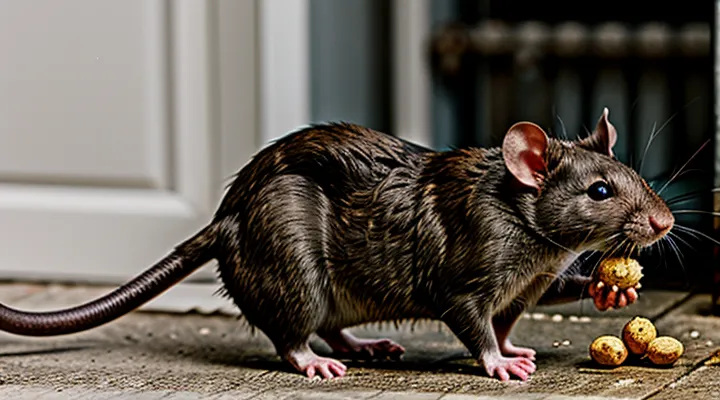
Rats possess continuously growing incisors that lack a closed root canal. The enamel covers only the front surface, while the underlying dentin is exposed on the rear side, creating a self-sharpening edge as the softer dentin wears away during use.
The open‑rooted design forces the animal to gnaw constantly to keep the teeth at a functional length. Each chewing episode removes a thin layer of dentin, prompting further growth and preventing overgrowth that would impede feeding or cause injury. This feedback loop explains the persistent gnawing observed in rodent populations.
Key functional aspects of open‑rooted incisors include:
- Automatic length regulation through wear‑induced growth.
- Maintenance of a sharp cutting edge without external sharpening tools.
- Adaptation to a diet consisting of hard materials such as seeds, bark, and plastic.
Overall, the anatomical configuration of rat incisors directly drives the species’ relentless gnawing behavior, ensuring dental health and efficient food processing throughout the animal’s life.
Rapid Growth Rate
Rats exhibit continuous gnawing because their bodies increase in size at an exceptionally fast pace. From birth to adulthood, a laboratory rat gains roughly 10 % of its body weight each day during the first three weeks, and skeletal length expands by up to 2 mm daily. This rapid somatic development demands constant acquisition of nutrients and simultaneous maintenance of the continuously growing incisors.
The high metabolic turnover associated with swift growth forces rats to ingest food frequently. Each chewing episode supplies energy for tissue synthesis while simultaneously wearing down teeth that lengthen throughout the animal’s life. Without regular gnawing, incisors would overgrow, obstruct feeding, and jeopardize survival.
Key physiological drivers of the accelerated growth‑induced gnawing pattern include:
- Elevated growth‑hormone secretion that speeds bone and muscle formation.
- Persistent eruption of the mandibular and maxillary incisors, which extend about 0.2 mm per day.
- High basal metabolic rate, requiring multiple small meals to sustain tissue anabolism.
- Continuous remodeling of jaw muscles, which benefits from repetitive mastication.
These factors create a feedback loop: rapid body expansion raises nutritional demand, which intensifies gnawing activity, which in turn prevents dental overgrowth and supports continued growth.
The Consequences of Neglect: Overgrown Teeth
Malocclusion and Eating Difficulties
Malocclusion in rats occurs when the incisors fail to align properly, often because of genetic predisposition, trauma, or inadequate diet. Misaligned teeth create uneven wear patterns, leading to sharp points that obstruct normal chewing motions.
When incisors cannot close evenly, rats experience reduced bite efficiency. They must apply greater force to break food, which accelerates enamel wear and prompts continuous gnawing to re‑establish a functional edge. This cycle intensifies chewing activity beyond normal levels.
Consequences of dental misalignment include:
- Decreased food intake due to difficulty processing solid matter
- Weight loss and impaired growth in juvenile specimens
- Increased stress on jaw muscles, potentially causing inflammation
- Higher susceptibility to oral infections from tissue injury
Addressing malocclusion with regular trimming and a diet rich in fibrous materials restores proper occlusion, reduces excessive gnawing, and improves overall health.
Oral Lesions and Infections
Rats maintain continuous incisor growth by persistent gnawing, which subjects oral mucosa and gingiva to repeated mechanical trauma. The resulting stress produces identifiable lesions that serve as entry points for microbial colonization.
Common oral lesions in gnawing rodents include:
- Erosive ulcerations on the labial and palatal mucosa
- Linear abrasions along the incisor edges
- Hyperplastic gingival tissue caused by chronic irritation
- Overgrown incisors that create pressure necrosis on adjacent structures
When lesions breach the epithelial barrier, opportunistic bacteria such as Streptococcus and Pasteurella species colonize the site, leading to localized infection. Secondary fungal invasion, particularly by Candida species, may develop in immunocompromised individuals. Inflammation progresses to suppuration, tissue edema, and, in severe cases, systemic spread.
Clinical observation reveals excessive salivation, halitosis, reduced food intake, and visible tooth malocclusion. Diagnosis relies on oral examination, cytological smears, and bacterial culture when infection is suspected. Effective management combines mechanical trimming of overgrown incisors, topical antiseptics, and systemic antibiotics tailored to cultured pathogens. Preventive measures focus on providing adequate chewing substrates to reduce excessive gnawing and maintain dental alignment.
Evolutionary and Behavioral Drivers of Gnawing
Resource Acquisition and Survival
Breaking Down Food Sources
Rats maintain constant tooth wear through frequent gnawing, a behavior directly linked to the nutritional composition of their diet. Their incisors grow continuously; without regular abrasion, misalignment and oral injury occur. Consequently, the selection of food items reflects both caloric need and mechanical properties that promote effective chewing.
- Grains and seeds: high starch content provides rapid energy; hard husks create sufficient resistance to sharpen incisors.
- Nuts and legumes: dense protein and fat supply sustained fuel; shells offer durable surfaces for tooth grinding.
- Fruit and vegetables: moisture balances dehydration risk; fibrous skins and cores present moderate abrasion.
- Meat scraps and fish: rich amino acids support muscle development; tendons and cartilage act as natural chew toys.
- Human refuse: processed foods often contain synthetic polymers or hard packaging, inadvertently serving as supplemental gnawing material.
Each category contributes to dental health while satisfying metabolic demands. The interplay between nutrient value and structural hardness ensures that rats continuously manage tooth length, preventing overgrowth and preserving feeding efficiency.
Accessing Shelter
Rats gnaw extensively to secure and maintain access to safe shelter. The behavior serves several practical functions:
- Creating entryways: Teeth remove obstacles such as wood, plastic, or drywall, forming passages that lead to hidden nests.
- Enlarging burrows: Continuous gnawing widens tunnels, allowing adult rats and their offspring to move freely.
- Repairing damage: When a shelter’s structure collapses or is compromised, gnawing restores integrity by cutting away broken material.
- Adapting to environmental changes: Seasonal temperature shifts or increased predator activity prompt rats to modify existing hideouts or excavate new ones.
Each gnawed opening reduces exposure to predators and harsh weather, directly supporting survival and reproductive success. The necessity of a secure refuge therefore drives the relentless incisor activity observed in rodent populations.
Instinctual Behavior and Stress Reduction
Environmental Exploration
Rats gnaw extensively as a method of probing their surroundings. The act of biting into objects supplies tactile data that informs decisions about shelter, foraging routes, and escape pathways.
Incisor growth obliges continuous abrasion. By testing materials, rats gauge hardness and durability, ensuring that tunnels and nests remain structurally sound while preventing dental overgrowth.
Key environmental information obtained through gnawing includes:
- Surface texture, indicating suitability for burrowing or nesting
- Chemical residues, revealing food sources or toxic substances
- Moisture levels, which affect nest humidity and disease risk
- Acoustic feedback, alerting to potential predators or competitors
In human habitats, gnawing serves the same exploratory function, leading rats to target building components, electrical wiring, and stored goods. Their assessment of material integrity often precedes larger infestations, making early detection of gnaw marks a practical indicator of rodent activity.
Self-Soothing Mechanism
Rats maintain constantly growing incisors by gnawing, a behavior that also serves as a self‑soothing mechanism. Repetitive chewing stimulates the somatosensory cortex, releasing endorphins that reduce stress and regulate arousal. This neurochemical feedback loop allows rats to cope with crowded environments, limited resources, or sudden disturbances without external assistance.
Key elements of the self‑soothing function include:
- Activation of mechanoreceptors in the jaw and oral cavity, which transmit calming signals to the brain.
- Elevated dopamine and serotonin levels that accompany sustained gnawing, promoting a stable mood.
- Decreased cortisol concentrations observed in rodents that have access to chewable materials compared with those denied such outlets.
Consequently, providing appropriate gnawing objects—such as wooden blocks, cardboard, or safe plastics—supports both dental health and emotional equilibrium, reducing the likelihood of abnormal behaviors and enhancing overall welfare.
The Impact of Gnawing on Human Environments
Damage to Property and Infrastructure
Electrical Wiring Hazards
Rats gnaw electrical wiring because the material provides a reliable source of nutrients and a means to sharpen continuously growing incisors. Their incisors contain enamel that wears down only through repetitive biting; insulation, especially rubber or plastic, offers low resistance to chewing forces. The act also creates a warm, protected tunnel within walls, allowing rodents to travel unseen while maintaining contact with the conductive core.
When rodents bite through cables, several hazards arise:
- Short circuits caused by exposed copper strands contacting each other or grounded surfaces.
- Overheating of conductors due to increased resistance at damaged points, potentially igniting surrounding insulation.
- Loss of power to critical systems, leading to equipment failure and safety‑critical downtime.
- Generation of electrical arcs that can produce toxic fumes from burning insulation materials.
These risks compound in residential and commercial structures where wiring runs through concealed spaces. Damage often remains hidden until a breaker trips, a fire alarm activates, or smoke is detected. Early detection requires regular visual inspections of accessible wiring, monitoring for chew marks, and installing rodent‑proof conduit or metal sleeves in vulnerable areas.
Mitigation strategies include:
- Sealing entry points with steel mesh or caulking to prevent rodent access.
- Replacing vulnerable polymer insulation with metal‑clad cable in high‑risk zones.
- Deploying bait stations and traps to control rodent populations near electrical panels.
- Using ultrasonic deterrents or scent repellents specifically calibrated for rodent aversion.
Implementing these measures reduces the probability of wiring failure, protects occupants from fire, and maintains the reliability of electrical infrastructure in environments where rodent activity is prevalent.
Structural Compromise
Rats maintain continuously growing incisors by gnawing, a behavior that exerts persistent pressure on surrounding materials. Each bite removes a small amount of substrate, and the cumulative effect can weaken structural components. The process creates micro‑fractures that propagate under repeated stress, eventually compromising the integrity of walls, pipes, and electrical conduits.
Key mechanisms of structural compromise include:
- Material erosion: Hard surfaces such as wood, plastic, and metal experience surface loss, reducing load‑bearing capacity.
- Stress concentration: Gnaw marks act as focal points for stress, accelerating crack initiation and growth.
- Moisture infiltration: Created openings allow water ingress, promoting rot, corrosion, and mold development.
- Electrical damage: Bite marks sever insulation, exposing conductors and increasing the risk of short circuits and fire.
Engineering assessments frequently identify rat‑induced damage as a primary factor in premature failure of building envelopes and utility networks. Mitigation strategies focus on sealing entry points, employing rodent‑resistant materials, and implementing regular inspections to detect early signs of gnawing before structural thresholds are exceeded.
Health Risks and Contamination
Disease Transmission
Rats gnaw constantly because their incisors grow continuously; the activity creates pathways for pathogens to move from contaminated environments into human habitats. Each bite releases saliva that can carry viruses and bacteria, while the resulting damage to pipes, electrical wiring, and storage containers exposes food, water, and surfaces to rodent excreta.
- Saliva deposits on chewed material introduce agents such as hantavirus and leptospira.
- Urine and feces left on gnawed surfaces foster growth of salmonella, escherichia coli, and plague‑causing Yersinia pestis.
- Breached infrastructure allows runoff to contaminate municipal water supplies, increasing the risk of hepatitis A and rotavirus outbreaks.
These pathogens exploit the physical breaches created by gnawing, turning ordinary household items into vectors. Effective mitigation requires sealing entry points, regular inspection of wiring and plumbing, and prompt removal of gnawed debris. Integrated pest‑management programs that combine trapping, baiting, and sanitation reduce the frequency of gnawing incidents, thereby limiting the transmission of rodent‑borne diseases.
Food Spoilage
Rats gnaw extensively because decaying food supplies a reliable source of nutrients and moisture. As organic matter breaks down, bacteria and fungi produce volatile compounds that attract rodents. The scent of fermentation, putrefaction, and mold signals an easy feeding opportunity, prompting rats to chew through packaging and structural barriers to reach the material.
Food spoilage creates several conditions that stimulate gnawing:
- Moisture increase – softened textures reduce resistance to teeth.
- Chemical cues – ammonia, sulfur compounds, and ethanol act as olfactory triggers.
- Nutrient concentration – microbial activity concentrates sugars, proteins, and fats.
- Reduced structural integrity – compromised containers become easier to breach.
Rats possess continuously growing incisors; constant wear prevents overgrowth. Accessing spoiled food provides the necessary abrasion while delivering calories. When fresh supplies are scarce, the enhanced palatability of decomposing matter outweighs the risk of toxins, leading rodents to prioritize gnawing activity.
Effective control measures focus on limiting exposure to deteriorating food. Strategies include:
- Prompt removal of waste before microbial colonization.
- Sealing storage containers with rodent‑proof materials.
- Maintaining low ambient humidity to slow spoilage processes.
By restricting the availability of decayed nourishment, the incentive for rats to gnaw diminishes, reducing damage to infrastructure and food supplies.
Mitigation and Management Strategies
Environmental Modifications
Rat-Proofing Structures
Rats gnaw continuously to wear down ever‑growing incisors and to explore their environment for food and shelter. This behavior compromises building integrity, contaminates supplies, and creates fire hazards. Effective rat‑proofing eliminates entry points and removes materials that encourage gnawing.
Key measures include:
- Seal all openings larger than ¼ in (6 mm) with steel wool, copper mesh, or cement‑based caulk.
- Install heavy‑gauge hardware cloth (½ in mesh) around vents, utility penetrations, and pipe sleeves.
- Replace wooden lintels and joists near foundations with metal or concrete equivalents.
- Fit door sweeps and weatherstripping on exterior doors; ensure thresholds are free of gaps.
- Apply chew‑resistant coatings (e.g., epoxy or metal sheathing) to exposed beams, studs, and joist ends.
Additional practices strengthen defenses:
- Keep storage areas clear of cardboard, paper, and other gnawable materials.
- Maintain a perimeter free of vegetation, debris, and standing water that attract rodents.
- Conduct regular inspections, focusing on roof eaves, attic spaces, and crawl spaces for new gaps.
- Use motion‑activated lighting or ultrasonic deterrents in vulnerable zones to discourage activity.
Implementing these steps creates a continuous barrier that counters rats’ persistent gnawing, preserving structural safety and hygiene.
Eliminating Food Sources
Rats gnaw continuously because their incisors grow throughout life and require constant wear. When food is readily available, gnawing serves both nutritional and dental purposes, reinforcing the behavior. Removing accessible nourishment eliminates one of the primary incentives for this activity.
Effective elimination of food sources includes:
- Securing all stored grains, pet food, and waste in airtight containers made of metal or thick plastic.
- Installing tight-fitting lids on trash cans and disposing of organic waste in sealed bags.
- Cleaning spills immediately, especially sugary or greasy residues that attract rodents.
- Removing outdoor feeding stations, bird feeders, and compost piles that provide supplemental calories.
- Inspecting and repairing cracks, gaps, and vent openings that allow rats to enter structures where food may be stored.
By denying rats the opportunity to locate and consume food, the motivation to gnaw diminishes. The reduced dental stimulation leads to fewer chewing incidents, decreasing damage to building materials and wiring. Consistent implementation of these measures disrupts the feedback loop between food availability and gnawing, ultimately curbing the persistent chewing behavior observed in rodent populations.
Humane Deterrents and Trapping Methods
Non-Lethal Solutions
Rats gnaw continuously because incisors grow throughout life, requiring constant wear. This behavior also serves to explore surroundings, access food, and create burrows. Understanding the underlying motive allows targeted, humane control measures.
Effective non-lethal interventions focus on eliminating incentives and obstructing access. Strategies include:
- Securing all food sources in airtight containers; rodents cannot gnaw through metal or heavy‑gauge plastic.
- Removing clutter and nesting materials such as cardboard, fabric, and paper, which provide chewable substrates.
- Installing metal or hardened‑plastic barrier strips around entry points; rats cannot penetrate steel mesh or copper flashing.
- Deploying ultrasonic emitters calibrated to frequencies that disrupt rodent communication without harming other animals.
- Applying natural repellents—peppermint oil, mustard oil, or predator urine—on surfaces where gnawing occurs; strong odors deter chewing activity.
- Implementing regular inspections to identify fresh gnaw marks and repair breaches promptly; early detection prevents escalation.
Maintaining a clean environment, reinforcing structural defenses, and employing sensory deterrents collectively reduce gnawing without resorting to lethal methods.
Effective Trapping Techniques
Rats’ relentless gnawing produces structural damage, contaminates food supplies, and spreads disease; rapid removal is essential for health and property protection.
Effective trapping relies on three principles: strategic placement, appropriate bait, and selection of a trap that matches the target’s size and behavior.
- Position traps along walls, behind appliances, and near known gnawing sites; rodents prefer concealed routes.
- Use fresh, aromatic bait such as peanut butter, dried fruit, or meat scraps; replace daily to maintain potency.
- Choose snap traps for immediate kill, live‑catch cages for relocation, or electronic devices for quick incapacitation; ensure trigger sensitivity matches the rodent’s weight.
- Deploy multiple traps within a 10‑foot radius of activity; stagger placement to prevent trap avoidance.
Inspect traps every 12 hours, dispose of captured rats hygienically, and reset with fresh bait. Wear gloves and protective clothing to avoid disease transmission. Regularly seal entry points and eliminate food sources to sustain trap effectiveness over the long term.