
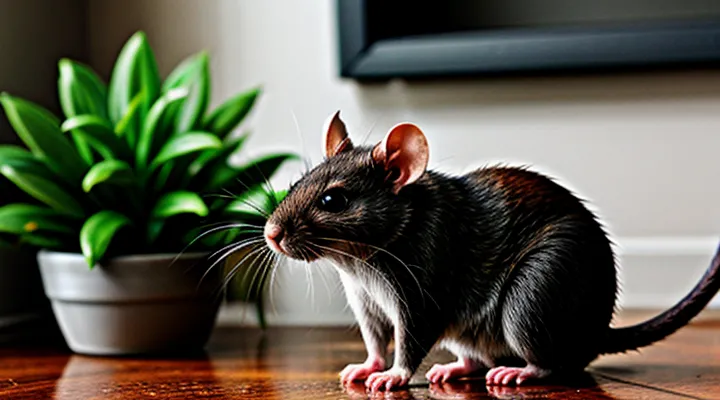
Understanding the Domestic Rat
The Evolution of Pet Rats
The domestication of rats began with the capture of wild Rattus norvegicus for laboratory use in the early 20th century. Researchers selected individuals for tameness, rapid reproduction, and ease of handling, establishing a genetic pool distinct from wild populations. Over successive generations, traits such as reduced aggression and increased sociability became fixed, creating a lineage suited for companionship.
Selective breeding for aesthetic characteristics intensified after pet rats entered the consumer market. Breeders emphasized coat color, pattern, and body size, often introducing recessive alleles that do not occur in natural populations. The concentration of such alleles produces a limited genetic diversity, which compromises immune function and predisposes individuals to metabolic disorders.
Key factors contributing to reduced longevity in ornamental rats include:
- Genetic bottlenecks – repeated use of a narrow set of founders limits heterozygosity.
- Inbreeding depression – accumulation of deleterious recessive genes lowers overall vitality.
- Phenotypic extremes – exaggerated coat mutations can impair thermoregulation and skin integrity.
- Metabolic strain – selection for larger or more compact body types stresses organ systems.
These biological constraints explain why visually distinctive pet rats tend to experience shorter lifespans compared with their more genetically robust laboratory or wild counterparts. Sustainable breeding practices that prioritize genetic health over appearance can mitigate these effects, extending the lifespan of decorative rodents while preserving their unique traits.
Common Breeds and Their Characteristics
Decorative rats are bred for visual traits, and each breed exhibits distinct physical and behavioral characteristics that influence health outcomes and longevity.
- Standard Fancy – smooth, short coat; wide color palette; medium size; robust health; average lifespan 2–3 years.
- Dumbo – enlarged, low‑set ears; gentle disposition; moderate grooming needs; lifespan comparable to Fancy but prone to ear infections if hygiene lapses.
- Hairless (Satin) – lack of fur or silky, thin coat; heightened sensitivity to temperature extremes; skin irritation common; typical lifespan 1.5–2 years.
- Rex – plush, wavy fur; calm temperament; moderate susceptibility to skin issues; lifespan 2–3 years.
- Himalayan – pointed coloration with white body; larger head and ears; generally sturdy; lifespan 2–3 years.
- Merle – mottled coat pattern; active nature; health comparable to Fancy; lifespan 2–3 years.
Breed‑specific traits affect mortality rates. Hairless and Dumbo varieties experience increased stress on thermoregulation and ear health, respectively, which can accelerate age‑related decline. Coat density influences susceptibility to respiratory infections; sparse or absent fur reduces natural insulation, demanding stricter environmental control. Proper husbandry—temperature regulation, regular cleaning, balanced diet—mitigates breed‑related risks and extends the average life expectancy across all decorative rat types.
Factors Influencing Lifespan
Genetic Predispositions
Inbreeding and Genetic Bottlenecks
In breeding programs that prioritize visual appeal, small founder populations are common. Limited genetic diversity forces repeated mating among closely related individuals, creating inbreeding. Each generation accumulates homozygous alleles that can be deleterious, reducing physiological resilience and accelerating age‑related decline.
Genetic bottlenecks compound the problem. When a few individuals supply the entire gene pool, rare harmful mutations become fixed, and beneficial variation is lost. The resulting population exhibits:
- Elevated incidence of congenital defects
- Compromised immune function
- Accelerated metabolic wear
Together, inbreeding and bottleneck events shrink the effective population size, increase the expression of recessive disorders, and shorten the overall lifespan of decorative rats.
Susceptibility to Specific Diseases
Decorative rats often experience a reduced life expectancy because they are highly vulnerable to several disease categories that are uncommon in wild or standard laboratory strains. Genetic selection for unusual coat colors, body shapes, or exaggerated features frequently narrows the gene pool, eliminating alleles that confer resistance to pathogens. The resulting inbreeding depression weakens immune surveillance, allowing opportunistic infections to progress rapidly.
Common disease groups that contribute to early mortality include:
- Respiratory infections – Mycoplasma pulmonis, Sendai virus, and Streptococcus pneumoniae exploit compromised mucosal defenses, leading to chronic pneumonia and fatal respiratory failure.
- Dermatological disorders – Genetic skin abnormalities predispose rats to Staphylococcus aureus colonization, dermatitis, and secondary fungal infections, which can spread systemically.
- Metabolic syndromes – Selective breeding for dwarfism or extreme size alters endocrine regulation, increasing the incidence of insulin resistance, fatty liver disease, and renal failure.
- Neoplastic conditions – Certain coat‑color genes are linked to heightened tumor susceptibility; lymphoma and mammary adenocarcinoma appear at younger ages than in outbred populations.
- Gastrointestinal dysbiosis – Altered gut microbiota, often a by‑product of specialized diets, encourages overgrowth of pathogenic Escherichia coli and Clostridium difficile, causing lethal enteritis.
Environmental stressors amplify these risks. Overcrowded cages, inadequate ventilation, and inconsistent temperature control raise cortisol levels, suppressing leukocyte activity and accelerating disease progression. Nutritional imbalances—excessive sugary treats, insufficient fiber, or vitamin deficiencies—further impair mucosal immunity and organ function.
Effective mitigation requires three coordinated actions: maintain genetic diversity through outcrossing, provide optimal husbandry conditions (clean bedding, stable climate, proper airflow), and implement rigorous health monitoring with early detection of respiratory and skin pathogens. By addressing the specific disease vulnerabilities inherent to ornamental rat breeding, owners can extend the animals’ lifespan beyond the typical short range observed in these aesthetically engineered populations.
Environmental Influences
Diet and Nutrition
Decorative rats often experience reduced longevity because their diets fail to meet physiological requirements. Commercial pelleted feeds formulated for laboratory or pet rodents typically provide balanced protein, fat, fiber, vitamins, and minerals. When owners substitute these with grain‑based mixes, human snacks, or excessive treats, rats receive insufficient essential nutrients and excessive calories. Overfeeding leads to obesity, which strains the cardiovascular and respiratory systems, while nutrient deficiencies impair immune function and organ health.
Key nutritional issues affecting lifespan:
- Protein deficiency – low‑quality or low‑protein diets hinder growth and tissue repair.
- Excessive fat – high‑fat treats cause rapid weight gain and hepatic lipidosis.
- Insufficient fiber – inadequate roughage results in gastrointestinal stasis and impaction.
- Vitamin/mineral imbalance – lack of vitamin C, B‑complex, calcium, and phosphorus disrupts metabolic pathways.
- Inadequate water – stale or contaminated water reduces hydration and renal function.
- Toxic foods – onions, chocolate, caffeine, and citrus oils cause acute organ damage.
Optimal feeding strategy:
- Provide a certified rodent pellet as the staple, ensuring at least 18 % protein and 4 % fiber.
- Supplement with small portions of fresh vegetables (e.g., carrots, broccoli) and occasional fruits for vitamins.
- Limit high‑fat treats to less than 5 % of total caloric intake.
- Offer fresh water daily, using a bottle with a clean nozzle.
- Monitor body condition monthly; adjust portions to maintain a lean, muscular silhouette.
By adhering to these dietary guidelines, caretakers can mitigate the primary nutritional factors that shorten the lives of ornamental rats.
Housing Conditions
Decorative rats often experience reduced longevity due to suboptimal housing environments. Inadequate cage dimensions limit movement, impede natural foraging behavior, and increase stress levels that accelerate age‑related decline. Poor ventilation allows accumulation of ammonia from urine, causing respiratory irritation and susceptibility to infections. Temperature fluctuations beyond the species’ thermoneutral zone trigger metabolic strain, while excessive humidity promotes fungal growth in bedding and skin.
Key housing factors affecting lifespan:
- Space allocation: Minimum floor area of 0.5 sq ft per rat; vertical height of at least 12 in for climbing.
- Air quality: Daily spot cleaning, weekly full substrate replacement, and use of low‑dust bedding to keep ammonia below 25 ppm.
- Temperature control: Maintain ambient temperature between 65–75 °F (18–24 °C) with minimal nightly variation.
- Humidity management: Keep relative humidity between 40–60 %; employ absorbent bedding and proper cage sealing.
- Enrichment: Provide chewable objects, tunnels, and nesting material to stimulate natural behaviors and reduce stereotypies.
- Sanitation schedule: Remove soiled bedding, clean food and water containers, and disinfect cages weekly to prevent pathogen buildup.
Neglecting any of these conditions creates chronic physiological stress, impairs immune function, and shortens the overall lifespan of ornamental rats. Ensuring each parameter meets established standards directly supports healthier, longer‑lived individuals.
Stress and Social Environment
Decorative rats experience elevated mortality when subjected to chronic stressors and inadequate social conditions. Persistent activation of the hypothalamic‑pituitary‑adrenal axis increases cortisol levels, suppresses immune function, and accelerates cellular aging. Together, these physiological changes reduce disease resistance and shorten lifespan.
Social deprivation compounds stress effects. Rats are highly gregarious; isolation disrupts normal affiliative behaviors, leading to anxiety, stereotypic movements, and heightened aggression. Group housing that mimics natural hierarchies mitigates these responses, whereas overcrowding creates competition for resources, elevating cortisol and injury risk.
Key mechanisms linking environment to survival include:
- Hormonal dysregulation: sustained glucocorticoid release impairs tissue repair.
- Immune suppression: reduced lymphocyte activity heightens infection susceptibility.
- Behavioral pathology: increased self‑injury and aggression raise mortality odds.
- Metabolic disturbance: stress‑induced hyperglycemia accelerates organ decline.
Optimizing enclosure design, providing enrichment, and maintaining stable group structures directly address these stressors, thereby extending the functional lifespan of ornamental rats.
Common Health Issues in Pet Rats
Respiratory Diseases
Mycoplasma pulmonis
Mycoplasma pulmonis is a cell‑wall‑deficient bacterium that colonises the respiratory tract of rats. In ornamental breeds, the organism frequently establishes chronic infection, leading to progressive pulmonary deterioration.
Transmission occurs primarily through direct contact, aerosolised secretions, and contaminated bedding. The pathogen adheres to ciliated epithelium, evades immune clearance, and proliferates within the lower airways. Stressors common in breeding environments—overcrowding, inadequate ventilation, and suboptimal nutrition—enhance susceptibility.
Clinical presentation includes persistent nasal discharge, sneezing, laboured breathing, and weight loss. Histopathology reveals bronchopneumonia, peribronchial inflammation, and fibrotic changes that impair gas exchange. These lesions diminish physiological reserve, making affected rats vulnerable to secondary infections and premature death, often within months of onset.
Effective management relies on the following actions:
- Maintain a dry, well‑ventilated habitat; replace bedding regularly.
- Quarantine new arrivals for a minimum of four weeks; perform respiratory screening.
- Apply targeted antimicrobial therapy (e.g., tetracyclines) under veterinary supervision.
- Implement strict hygiene protocols: hand washing, equipment disinfection, and personnel rotation.
By eliminating exposure sources and treating established infections, breeders can markedly extend the lifespan of decorative rats, mitigating the impact of Mycoplasma pulmonis on population health.
Other Respiratory Infections
Decorative rats often succumb to a range of respiratory ailments beyond the commonly cited viral and bacterial agents. These secondary infections exacerbate pulmonary stress, accelerate tissue damage, and contribute significantly to reduced longevity in captive populations.
Common opportunistic pathogens include:
- Pasteurella multocida – Gram‑negative bacteria that colonize the upper airway, producing purulent discharge and bronchopneumonia.
- Mycoplasma pulmonis – Cell‑wall‑less organism causing chronic interstitial pneumonia, characterized by progressive dyspnea and weight loss.
- Streptococcus pneumoniae – Encapsulated cocci responsible for acute lobar pneumonia, often following viral compromise.
- Bordetella bronchiseptica – Gram‑negative rod inducing tracheobronchitis and secondary inflammation of the lower respiratory tract.
These agents typically exploit weakened host defenses, such as impaired mucociliary clearance or prior viral injury. Clinical signs manifest as nasal discharge, audible breathing sounds, and reduced activity. Prompt antimicrobial therapy, targeted supportive care, and stringent biosecurity measures mitigate mortality risk.
Effective management requires regular health monitoring, isolation of symptomatic individuals, and environmental controls that minimize aerosolized pathogen load. By addressing these ancillary respiratory threats, caretakers can extend the functional lifespan of ornamental rats and improve overall colony health.
Tumors and Cancers
Mammary Tumors
Mammary tumors are a leading cause of reduced longevity in ornamental rats. The disease accounts for a substantial proportion of mortality in breeding colonies and pet populations, often appearing before one year of age.
Incidence rises sharply after sexual maturity, with females affected more frequently than males. Hormonal fluctuations during estrus and pregnancy stimulate glandular tissue, increasing susceptibility to neoplastic transformation.
Common clinical signs include palpable masses in the thoracic or abdominal region, skin ulceration, and weight loss. Tumors may metastasize to the lungs, liver, and lymph nodes, accelerating systemic decline.
Diagnosis relies on physical examination, fine‑needle aspiration cytology, and histopathological confirmation. Imaging techniques such as radiography or ultrasound identify internal spread.
Management options are limited:
- Surgical excision of localized lesions, with margins of at least 2 mm, provides the best chance of prolonged survival.
- Chemotherapy protocols (e.g., cyclophosphamide and vincristine) are employed for disseminated disease but yield modest improvement.
- Hormonal therapy (tamoxifen) shows variable efficacy and is not universally recommended.
Prognosis correlates with tumor grade, size, and metastatic status. Early detection and prompt surgical removal can extend life expectancy by several months; advanced cases often result in rapid decline.
Preventive measures focus on breeding strategies: selecting lines with low tumor incidence, delaying breeding until after full skeletal maturity, and minimizing exposure to estrogenic compounds. Regular health monitoring enables timely intervention, reducing the overall impact of mammary neoplasia on the lifespan of decorative rats.
Pituitary Tumors
Pituitary tumors are a frequent cause of premature death in ornamental rats kept for display. The gland sits at the base of the brain and regulates growth, metabolism, and reproductive functions through hormone secretion. When a tumor disrupts this balance, several pathophysiological processes accelerate mortality.
- Excessive prolactin production leads to hormonal imbalances that impair immune competence and increase susceptibility to infections.
- Overproduction of growth‑hormone‑releasing factors induces abnormal tissue growth, causing organ enlargement and cardiovascular strain.
- Compression of adjacent brain structures produces neurological deficits, loss of coordination, and reduced ability to obtain food or water.
- Tumor‑induced hypopituitarism reduces cortisol and thyroid hormone levels, resulting in metabolic collapse and rapid weight loss.
Clinical presentation often includes enlarged abdomen, alopecia, lethargy, and erratic behavior. Diagnosis relies on magnetic resonance imaging or high‑resolution ultrasound combined with serum hormone panels. Treatment options are limited: surgical excision carries high risk due to the gland’s delicate location; radiotherapy may slow progression but does not restore normal endocrine function; pharmacological agents such as dopamine agonists can partially control prolactin excess but rarely extend life expectancy beyond a few weeks.
Consequently, the presence of pituitary neoplasia shortens the lifespan of decorative rats by disrupting multiple homeostatic systems, leading to early organ failure and systemic decline.
Other Health Concerns
Cardiovascular Issues
Decorative rats often die prematurely due to a cluster of cardiovascular disorders that compromise heart function and blood vessel integrity. Genetic selection for aesthetic traits frequently concentrates deleterious alleles that predispose these animals to arrhythmias, myocardial degeneration, and structural heart defects. The resulting hemodynamic instability reduces oxygen delivery to vital organs, accelerating overall physiological decline.
Key cardiovascular problems observed in ornamental rodents include:
- Ventricular tachycardia and atrial fibrillation, leading to irregular heartbeats and reduced cardiac output.
- Hypertrophic cardiomyopathy, characterized by thickened ventricular walls that impede normal contraction.
- Congenital valve malformations, causing regurgitation and increased workload on the heart.
- Atherosclerotic plaque formation in arterial walls, limiting blood flow and promoting ischemic injury.
These conditions often coexist, creating a feedback loop where impaired circulation exacerbates tissue hypoxia, further damaging cardiac muscle and shortening the animal’s lifespan. Early detection through auscultation, electrocardiography, and echocardiography, followed by targeted medical management, can mitigate some effects but does not fully counteract the genetic predisposition inherent in selectively bred decorative rats.
Renal Disease
Decorative rats often experience premature mortality, and renal disease represents a principal factor. Chronic kidney disease, acute renal failure, and glomerulonephritis are the most frequently reported renal conditions in these animals. Progressive loss of nephrons diminishes glomerular filtration rate, leading to accumulation of nitrogenous waste, electrolyte disturbances, and systemic acidosis.
Common clinical manifestations include:
- Polyuria and polydipsia
- Weight loss despite normal appetite
- Lethargy and reduced activity
- Pale or icteric mucous membranes
- Abdominal distension from fluid accumulation
Diagnostic evaluation relies on serum chemistry (elevated blood urea nitrogen and creatinine), urinalysis (proteinuria, specific gravity changes), and imaging techniques such as ultrasonography to assess kidney size and architecture.
Therapeutic measures focus on slowing progression and alleviating symptoms. Strategies encompass renal‑protective diets low in protein and phosphorus, controlled fluid supplementation, antihypertensive agents, and, when indicated, phosphate binders or diuretics. Early intervention improves quality of life but does not reverse underlying nephron loss.
Renal impairment accelerates systemic decline, reducing overall lifespan by months to a year compared with healthy counterparts. Continuous monitoring and prompt treatment remain essential to mitigate the impact of kidney disease on the longevity of decorative rats.
Mitigating Factors for a Longer Life
Preventive Care and Veterinary Visits
Decorative rats often experience reduced longevity because underlying health issues remain undetected until they cause severe decline. Early intervention through systematic preventive care directly influences survival rates.
- Provide a balanced diet formulated for rodents, avoiding excessive sugary treats.
- Maintain enclosure hygiene: clean bedding weekly, replace it monthly, and disinfect surfaces regularly.
- Ensure constant access to fresh water; use a bottle with a leak‑proof valve.
- Offer enrichment items that promote exercise and mental stimulation, reducing stress‑related disorders.
- Monitor weight, coat condition, and behavior daily; record any deviations promptly.
Veterinary visits should follow a structured schedule. Initial examination occurs at acquisition to establish baseline health metrics. Subsequent appointments every three months allow for:
- Full physical assessment, including oral cavity and respiratory evaluation.
- Diagnostic screening (e.g., fecal analysis, blood work) to identify parasites, infections, or metabolic abnormalities.
- Vaccination updates where applicable and discussion of parasite prophylaxis.
- Guidance on diet adjustments and environmental modifications tailored to the individual rat’s condition.
Consistent application of preventive measures and routine veterinary oversight markedly reduces the incidence of fatal diseases, thereby extending the functional lifespan of ornamental rats.
Optimal Diet and Supplements
A balanced diet is the most direct factor influencing the longevity of ornamental rats. Commercial rodent pellets formulated for laboratory strains provide a reliable baseline of protein (18‑20 %), fat (4‑6 %), and fiber (5‑7 %). Supplementing this foundation with fresh vegetables and limited fruit supplies essential vitamins and antioxidants while preventing excess sugar.
Key nutrients and their recommended sources:
- Vitamin E: Sunflower seeds (1 % of daily intake) or a low‑dose supplement, supports cellular membranes.
- Vitamin C: Fresh bell pepper or a calibrated supplement; rats synthesize this vitamin but additional amounts aid stress resistance.
- Calcium and phosphorus: Crushed calcium carbonate tablets (0.2 % of diet) balanced with phosphorus‑rich foods such as boiled egg yolk, maintaining bone health.
- Omega‑3 fatty acids: Small quantities of fish oil (0.1 % of diet) improve cardiovascular function and reduce inflammation.
- Probiotics: Freeze‑dried Lactobacillus strains (10⁸ CFU per day) promote gut flora stability, enhancing nutrient absorption.
Avoid these common errors:
- Excessive treats: High‑fat or sugary items accelerate obesity and metabolic disorders.
- Inconsistent feeding schedule: Irregular meals disrupt circadian rhythms, increasing stress hormone levels.
- Unbalanced supplements: Over‑dosing fat‑soluble vitamins (A, D, E, K) leads to toxicity; adhere strictly to manufacturer dosage guidelines.
Water must be fresh, filtered, and available at all times. Adding a few drops of electrolytes during hot weather prevents dehydration without altering taste.
Monitoring body condition weekly, adjusting portions based on weight trends, and rotating vegetable varieties ensure a comprehensive nutrient profile. Consistency in diet quality, combined with targeted supplementation, directly mitigates the factors that typically curtail the lifespan of decorative rats.
Enriching Environment and Stress Reduction
Providing a stimulating habitat and minimizing stress are critical factors that extend the limited life expectancy of ornamental rats.
A varied environment supplies opportunities for natural behaviors, which reduces chronic anxiety and supports physiological health. Essential components include:
- Multiple levels and tunnels to encourage climbing and exploration.
- Regular rotation of chewable objects such as wooden blocks, untreated branches, and safe toys to prevent dental overgrowth and boredom.
- Access to foraging activities, for example hidden food pellets or puzzle feeders, which engage problem‑solving instincts.
Stress mitigation relies on consistent handling and predictable routines. Key practices are:
- Gentle, daily interaction that respects the animal’s comfort threshold, avoiding sudden movements or loud noises.
- Stable temperature (18‑24 °C) and humidity (40‑60 %) to prevent thermal stress.
- Quiet housing away from predators, loud appliances, and other species that may trigger fear responses.
Research indicates that rats housed in enriched cages exhibit lower corticosterone levels, improved immune function, and delayed onset of age‑related diseases. Conversely, barren environments correlate with heightened aggression, reduced appetite, and earlier mortality.
Implementing these measures creates a physiological balance that directly counters the factors responsible for the abbreviated lifespan of decorative rats.
Responsible Breeding Practices
Decorative rats frequently exhibit reduced longevity, a condition closely linked to the methods employed by breeders. When breeding decisions prioritize appearance over health, genetic defects accumulate, and environmental stresses increase, leading to premature mortality.
Responsible breeding practices address these risks through concrete actions:
- Conduct comprehensive health screenings for hereditary disorders before pairing animals.
- Select mates with low coefficient of relationship to prevent inbreeding depression.
- Provide a balanced diet formulated for the species, avoiding nutrient deficiencies and excesses.
- Maintain enclosures that meet space, ventilation, and enrichment standards, reducing stress and injury.
- Record lineage, health outcomes, and environmental conditions to inform future breeding choices.
Neglecting any of these steps often results in observable consequences. Unchecked genetic anomalies manifest as organ failures or immune deficiencies; close breeding pairs produce offspring with compromised vigor; inadequate nutrition accelerates aging processes; substandard housing fosters chronic stress, suppressing immune function. Each factor contributes directly to the shortened lifespan observed in ornamental rats.
Implementing the outlined practices aligns breeding objectives with animal welfare, stabilizing genetic health and extending life expectancy. Consistent application of health screening, genetic diversity, proper nutrition, and optimal housing creates a breeding environment where decorative rats achieve lifespans comparable to their wild counterparts.