
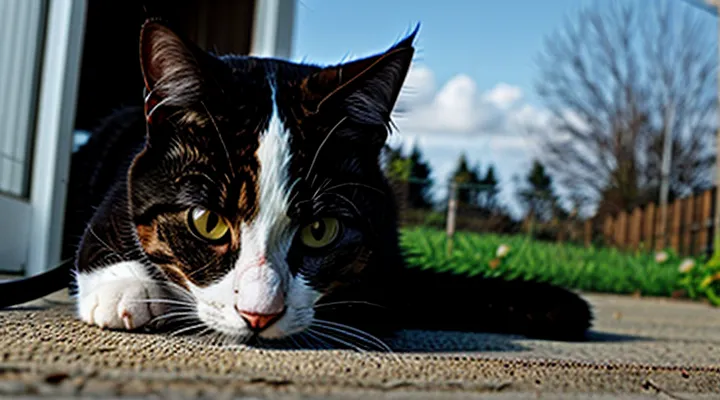
The Evolutionary Drive: Feline Hunting Instincts
Innate Behaviors and Their Purpose
Innate predatory patterns shape each feline’s ability to seize rodents. These patterns are encoded in the nervous system and emerge without training.
The hunting sequence comprises several fixed components:
- Stalk phase, driven by visual acuity and motion detection; the cat evaluates distance and aligns body posture before advancing. - Pounce phase, activated by a burst of hind‑leg musculature coordinated by spinal reflex arcs; timing is critical for closing the gap. - Capture phase, reliant on claw extension and bite force, both regulated by innate motor programs. - Kill phase, where a precise bite to the neck or skull terminates the prey; this behavior is triggered by sensory feedback from the target’s resistance.
Each component serves a specific purpose. The stalk phase conserves energy and reduces prey awareness. The pounce phase maximizes kinetic energy transfer, increasing impact force. The capture phase ensures secure grip, preventing escape. The kill phase delivers a rapid, lethal bite, minimizing struggle and injury risk.
Variations in genetic expression, early life experiences, and breed‑specific selection influence the strength and timing of these programs. Cats with heightened visual contrast sensitivity and more robust hind‑leg reflexes often achieve successful captures, whereas individuals with attenuated sensory thresholds or weaker motor bursts frequently miss or abandon the chase.
Environmental factors interact with innate behaviors. Dense clutter disrupts the visual‑motor loop, impairing the stalk and pounce phases. Open spaces allow optimal alignment of sensory input and motor output, favoring successful predation.
In summary, the purpose of feline innate behaviors lies in orchestrating a rapid, energy‑efficient sequence that maximizes prey capture. Differences in the execution of this sequence explain why some domestic cats routinely secure mice while others repeatedly fail. «Nature provides the script; execution determines the outcome».
The Role of Play in Developing Hunting Skills
Play behavior in domestic cats provides a practical framework for developing predatory competence. Juvenile felines engage in repetitive bouts that replicate the sequence of a successful hunt: low‑stance stalking, rapid acceleration, precise pounce, controlled bite, and release. Each component reinforces motor patterns required for capturing agile prey.
The activity yields measurable physiological benefits.
- Enhanced proprioceptive feedback sharpens limb coordination.
- Repeated timing of approach and strike improves reaction latency.
- Sensory integration of visual, auditory, and tactile cues strengthens target discrimination.
Experimental observations confirm the correlation between enriched play environments and increased rodent capture rates. Cats offered moving toys, feather wands, or laser points demonstrate higher success in real‑world hunting trials than individuals limited to passive enrichment. Conversely, cats deprived of interactive play exhibit reduced predatory drive and lower capture efficiency.
For caretakers seeking to boost hunting proficiency, the following practices are recommended:
- Rotate toys that mimic the erratic movement of small mammals.
- Schedule short, high‑intensity play sessions multiple times daily.
- Incorporate puzzle feeders that require pouncing or swatting to access food.
These strategies leverage innate play instincts, directly translating into improved hunting outcomes. The link between play and predatory skill explains why some cats excel at catching mice while others frequently fail.
Factors Contributing to Hunting Success and Failure
Domestication's Impact on Predatory Acumen
Domestic cats display a wide range of hunting success. Many indoor‑raised individuals seldom capture rodents, whereas certain feral or selectively bred cats regularly secure prey.
Domestication diminishes the evolutionary drive to hunt. Continuous provision of food removes the necessity for active foraging, leading to reduced practice of capture techniques. Over generations, selection favors traits compatible with cohabitation rather than predatory precision.
Key mechanisms through which domestication alters predatory acumen:
- Decreased reliance on hunting for nutrition, resulting in fewer opportunities to refine stalking and pouncing skills.
- Neurochemical shifts that lower motivation for chase behavior; dopamine pathways associated with reward from kill become less responsive.
- Muscle development favoring sedentary lifestyles, diminishing the explosive power required for rapid strikes.
- Attenuated sensory sharpness, especially in low‑light vision and auditory localization, due to reduced exposure to hunting scenarios.
- Behavioral conditioning toward human interaction, which can suppress instinctual aggression toward small prey.
Exceptions arise when genetic lineage preserves strong hunting instincts, or when environmental enrichment encourages play that mimics predatory sequences. Cats exposed to regular chase games, outdoor access, or selective breeding for rodent control retain higher capture rates.
Thus, the attenuation of hunting proficiency in most domestic cats directly stems from the relaxation of selective pressures and lifestyle changes imposed by human companionship, explaining the observed disparity in mouse‑catching performance. «Domestication reshapes predatory behavior».
Selective Breeding and Reduced Hunting Drive
Selective breeding has altered the instinctual predatory circuitry of many domestic felines. Over generations, breeders favored traits such as temperament, coat pattern, and physical conformation, while the drive to chase and kill prey received little selective pressure. Consequently, genetic pathways associated with hunting motivation are down‑regulated in numerous breeds.
Research indicates that breeds developed for companionship—such as the Persian, Ragdoll, and British Shorthair—exhibit lower plasma concentrations of catecholamines linked to arousal during prey exposure. Comparative studies show that these cats engage in fewer stalking sequences and display reduced latency before abandoning a moving target. Conversely, breeds historically valued for rodent control—like the Maine Coon, Turkish Van, and Bengal—retain higher baseline activity in the hypothalamic‑midbrain circuitry that governs predatory behavior.
Key factors contributing to diminished hunting performance include:
- Genetic attenuation of the “prey‑capture” neural circuit through repeated selection for docility.
- Reduced expression of genes coding for sensory acuity, particularly auditory and visual tracking.
- Behavioral habituation to indoor environments, limiting exposure to live prey and reinforcing inactivity.
The cumulative effect of these elements explains why many house cats rarely succeed in capturing mice, while a subset of individuals, often belonging to less intensively domesticated lines, continue to demonstrate effective hunting proficiency.
Abundant Food Sources and Diminished Necessity
Domestic cats that receive regular meals from owners often exhibit reduced predatory activity. When a reliable source of protein and calories is available, the evolutionary pressure to hunt declines. Energy expenditure required for stalking and capturing a mouse no longer provides a net benefit, leading many cats to favor inactivity or play over genuine pursuit.
Key factors linking plentiful nutrition to diminished hunting competence include:
- Reduced motivation – Consistent feeding satisfies hunger, removing the primary drive that triggers instinctual chase behavior.
- Habituation to human-provided food – Frequent exposure to hand‑offered meals conditions cats to associate sustenance with caregivers rather than with prey.
- Decreased skill development – Juvenile cats learn hunting techniques through practice; a diet that eliminates the need to catch food limits opportunities for refinement.
- Physiological feedback – Elevated blood glucose and satiety hormones signal fullness, suppressing the neural circuits that initiate predatory responses.
Conversely, cats that rely on occasional or scarce meals retain stronger hunting instincts. In environments where food is not guaranteed, the imperative to secure protein drives more frequent and successful mouse captures. The contrast underscores how abundant, predictable nourishment reshapes both behavior and competence in feline predation.
Environmental Influences and Opportunities
Cats exhibit a wide range of hunting outcomes, and the surrounding environment determines the likelihood of successful capture.
Key environmental factors include:
- Habitat complexity: dense vegetation, debris piles, and structural obstacles create ambush points and concealment for felines.
- Prey density: areas with high mouse populations increase encounter frequency, enhancing capture probability.
- Access to outdoors: cats confined to indoor spaces lack exposure to live rodents, limiting hunting practice and opportunity.
- Seasonal variation: mouse activity peaks during cooler months, providing more targets when rodents are active.
- Human disturbance: frequent noise, foot traffic, and cleaning routines disrupt stalking behavior and reduce success rates.
- Competition: presence of other predators, such as birds of prey or larger mammals, forces cats to alter hunting routes and timing.
Each factor modifies the hunting landscape. Dense ground cover allows a cat to approach silently, while open areas force a direct chase that many felines cannot sustain. Elevated prey numbers raise the statistical chance of a successful strike, whereas sparse populations may leave a cat without viable targets for extended periods. Indoor confinement eliminates natural stalking scenarios, resulting in diminished skill development. Seasonal shifts affect mouse foraging patterns, with colder periods prompting increased movement and vulnerability. Human activity creates unpredictable disturbances that interrupt the predator‑prey sequence, and competing predators can displace mice from preferred habitats, reducing accessibility for cats.
Optimal hunting performance emerges when the environment supplies sufficient concealment, abundant prey, and minimal interference, enabling cats to exploit their innate predatory instincts effectively.
Urban vs. Rural Hunting Grounds
Cats that hunt in densely built neighborhoods encounter fewer rodents, fragmented territories, and frequent human disturbances. These conditions reduce opportunities for successful predation.
Urban hunting grounds present distinct constraints:
- Limited green spaces restrict ambush points.
- High foot traffic and vehicle movement increase stress and interrupt chase sequences.
- Rodent populations concentrate around waste sites, leading to increased competition with other predators and reduced individual catch rates.
- Indoor confinement for many domestic cats eliminates exposure to live prey altogether.
Rural hunting grounds offer contrasting advantages:
- Expansive fields and hedgerows provide ample cover for stalking.
- Lower human activity levels allow prolonged pursuit without interruption.
- Diverse rodent species inhabit crop fields and barns, supplying a steady prey base.
- Outdoor access for feral and semi‑domestic cats encourages the development of hunting skills through repeated practice.
The disparity in environmental factors explains why some felines consistently capture mice while others frequently fail. Rural cats benefit from abundant prey and minimal disturbance, whereas urban cats face habitat fragmentation, heightened stressors, and reduced prey visibility, limiting their hunting success. «Field studies show that feral cats in agricultural settings capture more rodents than indoor cats», confirming the impact of habitat on feline predation efficiency.
Availability of Diverse Prey
Cats living in environments where rodents constitute the sole available prey often display limited hunting proficiency. When a feline’s diet includes insects, birds, reptiles, and small mammals, the animal develops a broader set of predatory behaviors. Diverse prey present varying escape tactics, sensory cues, and capture strategies, which collectively enhance a cat’s motor coordination, timing, and decision‑making during hunts.
Key influences of prey diversity:
- Variable movement patterns (e.g., erratic flight of insects versus linear sprint of rodents) train reflex adaptability.
- Different sensory stimuli (auditory chirps, visual flutter, olfactory cues) sharpen detection thresholds.
- Alternating prey sizes require adjustments in bite force and grip, fostering muscular versatility.
Conversely, habitats lacking such variety limit exposure to a narrow set of prey characteristics. Cats accustomed only to mice may fail to anticipate alternative escape routes, resulting in reduced capture success. Access to a spectrum of potential targets therefore underpins the observable disparity between felines that regularly secure rodents and those that repeatedly miss them.
Individual Feline Traits
Cats display considerable variability in hunting efficiency, reflecting distinct physiological and behavioral characteristics. Genetic makeup determines baseline predatory potential, with certain lineages exhibiting heightened reflexes and sharper visual acuity. Sensory acuity, particularly night‑vision and auditory discrimination, directly influences detection of small rodents. Motor coordination governs rapid acceleration, precise paw placement, and the ability to execute aerial strikes. Motivation levels, often linked to innate drive versus learned preference, affect willingness to pursue moving prey. Cumulative hunting experience refines technique, allowing adaptation to evasive mouse behavior. Health status, including musculoskeletal integrity and metabolic condition, limits or enhances physical performance. Personality traits such as boldness, curiosity, and tolerance for risk shape engagement with potential prey.
- Genetic predisposition: breeds with strong predatory genes show higher capture rates.
- Visual and auditory sensitivity: superior low‑light vision and sound localization improve detection.
- Muscular agility: fast‑twitch muscle fibers enable explosive bursts.
- Drive intensity: elevated hunting instinct increases pursuit frequency.
- Learned proficiency: repeated encounters sharpen timing and strategy.
- Physical condition: absence of pain or fatigue sustains prolonged activity.
- Behavioral boldness: reduced fear promotes closer approach to rodents.
When these traits align positively, cats routinely secure mice; deficiencies in any component reduce success probability. Individual assessments reveal that a cat possessing sharp senses, strong musculature, high motivation, and extensive hunting practice consistently outperforms conspecifics lacking one or more of these attributes. Consequently, the disparity in mouse capture among domestic felines originates from the composite of their unique physiological and behavioral profiles.
Age and Experience
Age influences hunting success through physiological development and decline. Kittens lack coordinated limb movements and have limited depth perception, which reduces the ability to ambush small rodents. Their neural circuits for predatory sequences are still forming, resulting in frequent missed strikes.
Adult cats reach optimal muscle strength, visual acuity, and reflex speed. Repeated encounters with prey reinforce motor patterns and improve timing. Experience consolidates these patterns, allowing precise calculation of launch angles and force required to capture a mouse.
Senior cats experience reduced agility, slower reaction times, and diminished hearing. Sensory degradation hampers detection of subtle mouse movements. Nevertheless, accumulated knowledge compensates partially; older felines often employ stealthier approaches and select ambush sites based on past successes.
Key age‑related factors affecting mouse capture:
- Kittens – immature motor control, low predatory confidence.
- Prime adults – peak physical condition, refined technique from repeated hunts.
- Elder cats – decreased speed and sensory input, reliance on strategic planning.
Overall, the combination of physical maturity and learned hunting tactics determines why many felines fail to secure rodents while a subset consistently succeeds.
Physical Condition and Agility
Physical condition directly influences a cat’s capacity to pursue and seize small prey. Muscle composition, particularly the proportion of fast‑twitch fibers, determines the burst of speed required to close the distance to a mouse. Efficient recruitment of these fibers enables rapid acceleration and sustained sprinting over short intervals.
Joint flexibility and spinal elasticity contribute to the characteristic “cat stretch” that allows swift changes in direction. A supple vertebral column permits the extension and contraction needed for the classic pounce, while unrestricted shoulder and hip joints support a wide range of motion.
- High muscle tone → greater force generation during the final leap.
- Optimal joint range → minimal loss of momentum when adjusting trajectory.
- Fast neural reaction → quicker response to sudden mouse movements.
- Balanced vestibular system → stable landing and immediate grip.
Age and body composition modify these attributes. Senior felines often experience reduced muscle mass and joint stiffness, diminishing acceleration and precision. Overweight individuals face increased inertia, which hampers the explosive thrust essential for successful capture. Chronic health conditions, such as arthritis, further limit mobility and reaction speed.
When a cat possesses robust musculature, supple joints, and rapid neural processing, the likelihood of a successful hunt rises markedly. Conversely, deficits in any of these areas lower the probability of catching a mouse, explaining the observed variation in hunting outcomes among domestic cats.
Breed-Specific Predispositions
Cats display marked variation in hunting efficiency, and genetics contribute significantly to this disparity. Specific breeds possess anatomical and behavioral traits that enhance or diminish their predatory success.
Breeds with heightened predatory drive often exhibit the following characteristics:
- Muscular forelimbs and robust shoulder girdle, facilitating rapid pounce and sustained grip.
- Elevated auditory sensitivity, allowing detection of high‑frequency rodent movements.
- Stronger instinctual chase response, triggered by minimal visual cues.
Examples of breeds demonstrating these traits include:
- Siamese: pronounced agility, acute hearing, and intense focus on moving objects. - Bengal: dense musculature, instinctual stalking behavior inherited from wild ancestors. - Abyssinian: heightened curiosity coupled with swift reflexes, resulting in frequent successful captures. - Maine Coon: large body mass and powerful forelimbs enable effective subduing of larger prey.
Conversely, breeds such as the Persian, Ragdoll, and British Shorthair tend to show reduced hunting performance. Their physical conformation—shorter limbs, heavier body, and less pronounced predatory instincts—correlates with lower capture rates.
Understanding breed‑specific predispositions clarifies why some domestic cats excel at rodent control while others frequently fail to secure their quarry.
The Art of the Hunt: What Makes a Successful Hunter
Sensory Acuity: Sight, Sound, and Smell
Cats rely on three primary sensory channels to locate and seize rodents: vision, audition, and olfaction. Each channel exhibits considerable variation among individuals, influencing hunting outcomes.
Vision provides the initial detection of motion. Felines possess a high density of rod cells, granting sensitivity to low‑light environments where mice are active. However, visual acuity declines with age and genetic factors, reducing the ability to resolve small, rapidly moving prey. Some cats maintain sharp focus at close range, enabling precise strikes, while others experience blurred perception that hampers timing.
Audition detects the subtle sounds of a mouse’s scurrying. The cat’s pinna can rotate independently, amplifying frequencies between 45 kHz and 64 kHz. Cats with intact middle‑ear structures localize rustling noises accurately, allowing anticipatory positioning. Damage to the auditory pathway, chronic infections, or congenital deficits diminish directional hearing, leading to missed opportunities.
Olfaction supplies chemical cues that confirm the presence of rodents. The feline olfactory epithelium contains millions of receptors, capable of distinguishing mouse scent from surrounding odors. Strong olfactory signals guide cats toward concealed prey, especially in cluttered environments. Variability in receptor expression and nasal airflow can weaken scent detection, reducing motivation to pursue.
Key factors that differentiate successful hunters from less effective ones include:
- Retinal health and pupil dynamics that preserve night‑time visual sharpness.
- Middle‑ear integrity that sustains high‑frequency sound localization.
- Olfactory receptor density that enhances scent discrimination.
When any of these sensory components deteriorate, a cat’s probability of capturing a mouse declines, explaining the observed disparity in hunting proficiency across the species.
Advanced Vision in Low Light
Cats rely on a visual system adapted for dim environments. Rod photoreceptors dominate the retina, providing high sensitivity to low‑light photons but sacrificing detail resolution. The reflective layer behind the retina, the tapetum lucidum, redirects unabsorbed light back through photoreceptors, effectively doubling photon capture. This anatomical arrangement enables a cat to detect movement of a mouse even when ambient illumination is minimal.
Variations in low‑light vision among individual felines influence hunting outcomes. Key factors include:
- Density of rod cells; higher concentrations improve motion detection in darkness.
- Thickness and composition of the tapetum lucidum; more efficient reflectors enhance photon reuse.
- Neural processing speed; rapid signal transmission from retina to visual cortex shortens reaction time.
Cats with superior rod density and a more reflective tapetum often succeed where others falter. Enhanced photon capture translates into earlier perception of a mouse’s subtle movements, allowing the predator to initiate a precise pounce before the prey escapes.
Conversely, felines with lower rod counts or a less effective tapetum experience delayed detection, especially when prey employs erratic, low‑amplitude motions. The resulting latency narrows the window for a successful strike, explaining why some cats regularly miss while others consistently capture.
Overall, advanced low‑light vision constitutes a decisive physiological advantage. Its effectiveness determines whether a cat can translate sensory input into swift motor action, directly shaping hunting proficiency.
Acute Hearing for Detecting Movement
Cats possess a highly specialized auditory apparatus that enables detection of minute movements produced by small rodents. The outer ear funnels sound toward a flexible pinna, which can rotate up to 180°, aligning the ear canal with the source of vibration. This mobility enhances the ability to localize prey moving beneath debris or within narrow burrows.
Key auditory characteristics relevant to hunting success:
- Frequency sensitivity extending to 64 kHz, well above the human range, captures ultrasonic rustles generated by mouse whisker contact.
- Minimum audible threshold around 0 dB SPL, allowing perception of faint rustling or footfall on soft substrates.
- Interaural time difference detection accurate to 10 µs, supporting precise horizontal localization of moving targets.
- Cochlear hair cell density exceeding 150 cells per millimeter, providing fine-grained frequency discrimination.
Cats with optimal ear structure and neural processing translate these acoustic cues into rapid predatory responses. In individuals where auditory acuity diminishes—due to age, genetic factors, or environmental noise—reliance shifts to visual and tactile inputs, often reducing capture efficiency. Consequently, variations in acute hearing explain part of the observed disparity between felines that routinely secure rodents and those that frequently miss.
Overall, the capacity to detect and interpret subtle auditory signals constitutes a decisive element in successful mouse hunting, complementing other sensory modalities and influencing predatory outcomes.
Olfactory Prowess for Tracking
Cats rely heavily on olfactory cues when locating prey, yet the strength of this sense varies widely among individuals. High concentrations of volatile compounds emitted by rodents create scent trails that can be detected at distances of several meters, depending on airflow and the cat’s nasal epithelium density. Enhanced receptor expression and larger olfactory bulb volume correlate with quicker trail acquisition, allowing some felines to intercept mice before the prey reaches cover.
Key factors influencing olfactory performance include:
- Genetic polymorphisms affecting odorant‑binding proteins, which modulate sensitivity to specific rodent pheromones.
- Age‑related decline in receptor regeneration, reducing detection thresholds in older cats.
- Environmental exposure to competing scents, such as strong household cleaners, which mask prey odor and impair tracking efficiency.
- Prior hunting experience, which sharpens neural pathways involved in scent discrimination and memory recall.
Research demonstrates that cats with superior scent detection can maintain pursuit even when visual cues are limited, whereas individuals with diminished olfactory acuity often abandon the chase after brief contact. Consequently, the disparity in hunting success frequently stems from innate and acquired differences in olfactory prowess rather than solely from physical agility or motivation. «The ability to follow a mouse’s chemical signature distinguishes proficient hunters from less effective ones», notes a recent ethology study.
Stalking Techniques and Patience
Cats that capture mice exhibit a precise sequence of movements. The sequence begins with a low crouch that minimizes silhouette visibility, followed by a gradual, silent advance that matches the mouse’s line of sight. Eyes remain fixed on the prey, pupils dilated to enhance depth perception. Tail remains steady, providing balance while the body stores kinetic energy for the final burst. The moment the mouse pauses or emerges from cover, the cat releases the stored energy in a rapid, directed pounce.
Cats that miss opportunities often interrupt this sequence. Premature lunges reveal position, causing the mouse to flee. Inconsistent crouch height reduces stealth, while excessive tail movement signals intent. Lack of patience shortens the observation window, preventing accurate timing of the strike.
Key components of effective stalking and patience:
- Crouch height aligned with mouse size, typically 30‑40 % of standing height.
- Silent foot placement, pads contacting surface without audible scrabble.
- Fixed tail, low amplitude, to avoid visual cues.
- Eye focus maintained for at least three seconds before pounce.
- Delayed release of kinetic energy until prey’s movement confirms vulnerability.
Consistent application of these elements distinguishes successful feline hunters from those that frequently fail.
Stealth and Concealment
Stealth and concealment determine the likelihood that a feline will capture a rodent. Successful hunters combine silent locomotion with visual blending, allowing them to approach prey without triggering alarm responses.
Key elements of effective stealth include:
- Silent footfall – retractable claws and soft paw pads reduce acoustic cues.
- Low‑frequency body movement – gradual, fluid motions limit air displacement that could alert the mouse.
- Camouflaged pelage – coat colors that match the surrounding substrate diminish visual detection.
- Use of ambient shadows – positioning within low‑light zones hides the cat’s outline from the prey’s perspective.
Cats that fail to catch mice often exhibit deficiencies in one or more of these areas. Brightly colored domestic breeds generate contrasting visual signals, while inexperienced individuals may employ abrupt, noisy lunges that alert the mouse. Additionally, environments lacking cover force predators to expose themselves, increasing the probability of detection.
Conversely, felines that excel at hunting exploit both biomechanical adaptations and environmental features. Flexible spines enable rapid yet controlled bursts of speed, while practiced stalking refines timing and minimizes disturbance. When these factors align, the predator remains undetected until the final strike, dramatically raising capture success.
The Element of Surprise
The ability to catch a mouse often hinges on the predator’s capacity to remain undetected until the moment of strike. When a cat fails to achieve this, the prey typically escapes.
Mice possess acute vibration and auditory sensors that register even slight disturbances in foliage or floor coverings. A sudden shift in air pressure or a rustle can trigger an immediate flight response. Consequently, any breach of concealment eliminates the chance of a successful capture.
Cats that succeed employ a combination of low‑profile movement, precise timing, and controlled breathing. By aligning their approach with the mouse’s periods of reduced vigilance—such as during feeding or grooming—they maximize the probability that the prey will not register the impending threat.
Factors that compromise the «element of surprise» include:
- Open terrain that offers no visual cover.
- Excessive tail movement that creates detectable vibrations.
- Vocalizations or purring that alert nearby rodents.
- Repeated hunting attempts that allow mice to habituate to the cat’s presence.
Effective hunting therefore requires strict adherence to stealth, minimal environmental impact, and strategic timing. Cats that master these conditions frequently secure prey, while those that neglect them often experience failure.
The Kill Bite: Precision and Effectiveness
The kill bite is the decisive phase that determines whether a feline captures a rodent. It relies on precise targeting of vulnerable anatomy, rapid force delivery, and immediate incapacitation.
In the final attack, the cat aligns its jaws with the mouse’s neck or spinal region. The mandibular muscles contract at high speed, generating a bite force sufficient to break vertebrae or sever the trachea. This action stops blood flow and neural transmission, preventing the prey from escaping.
Key elements of the kill bite:
- Target selection – visual and auditory cues guide the cat to the neck or base of the skull, where structures are least protected.
- Jaw mechanics – the temporalis and masseter muscles provide the majority of force; the cat’s carnassial teeth act as shears.
- Bite timing – the closing motion completes within milliseconds, outpacing the mouse’s reflexive escape response.
- Post‑bite behavior – the cat often releases the prey after a single, effective bite, reducing the risk of injury from struggling.
Cats that fail to secure the kill bite may lack the exact alignment, apply insufficient force, or be distracted by the mouse’s sudden movements. Conversely, individuals with refined motor control and acute sensory perception consistently execute the bite with the required precision, resulting in successful hunting outcomes.
Anatomical Adaptations for Predation
Cats possess a suite of anatomical traits that enable efficient predation on small rodents. Vision is optimized for low‑light environments; a high density of rod cells and a reflective tapetum lucidum amplify motion detection during twilight. Auditory structures feature an enlarged pinna and a flexible middle ear, allowing precise localization of ultrasonic squeaks emitted by mice. Whiskers (vibrissae) provide tactile feedback about prey size and proximity, especially when visual cues are limited.
- Retractable claws deliver rapid, forceful puncture; the sheathed design preserves sharpness for successive strikes.
- Forelimb musculature, dominated by fast‑twitch fibers, generates swift extension and grip strength essential for seizing agile prey.
- Digitigrade stance elevates the hind limbs, enhancing stride length and acceleration during pursuit.
- Tail musculature contributes to balance, permitting abrupt directional changes without loss of momentum.
- Jaw morphology includes a short rostrum and well‑developed masseter muscles, producing a bite capable of crushing vertebrae and disabling small mammals.
Variability among individual cats influences hunting outcomes. Breeds with a more pronounced predatory drive, such as Maine Coons or Bengal cats, often exhibit larger forelimb muscle mass and sharper claw retention, translating to higher capture rates. Conversely, cats raised exclusively indoors may display reduced muscle development and diminished sensory acuity, resulting in frequent missed attempts. Additionally, age‑related degeneration of vision or hearing can impair detection and tracking, further decreasing success.
Environmental factors intersect with anatomy. Dense ground cover dampens auditory cues, challenging cats that rely heavily on sound. Open spaces favor visual hunters, granting advantage to individuals with superior depth perception and binocular overlap. When prey exhibits heightened evasive behavior—rapid zig‑zagging, sudden bursts of speed—cats with superior forelimb coordination and flexible spine articulation are more likely to adapt and secure the kill.
In summary, predatory efficiency hinges on a combination of sensory specialization, musculoskeletal design, and behavioral experience. Cats lacking one or more of these anatomical advantages, or those whose environments limit the expression of these traits, commonly fail to capture mice, while individuals possessing optimal adaptations frequently succeed.
Instinctive Targeting of Vital Areas
Cats rely on an innate program that drives the bite toward regions containing major blood vessels and the central nervous system. The program prioritizes rapid incapacitation, directing force to the neck, base of the skull, and spinal column. When the strike reaches these zones, the mouse experiences immediate loss of motor control, reducing the chance of escape.
Typical target zones include:
- Cervical vertebrae and carotid arteries
- Cranium, especially the occipital region
- Upper thoracic vertebrae and associated spinal cord
- Pelvic girdle when the mouse attempts a lateral escape
Success rates vary with the precision of the attack. Domestic cats that have limited hunting practice often misjudge distance or timing, resulting in bites to peripheral muscles rather than vital structures. Wildcats or experienced felines adjust strike angle and speed to align the mouth with the target zones, achieving higher capture efficiency. The disparity reflects differences in motor learning, sensory feedback, and the ability to anticipate rapid prey movements.
When the Hunt Goes Wrong: Reasons for Failure
Prey Defenses and Evasion Tactics
Mice possess a suite of physiological and behavioral adaptations that reduce their vulnerability to feline predation. Rapid reflexes enable instantaneous changes in direction when a predator approaches, while highly sensitive whiskers detect air currents and low‑frequency vibrations, providing early warning of nearby movement. Muscular coordination supports sudden bursts of speed and vertical leaps, allowing escape through narrow openings that a cat cannot follow. Additionally, small body size and low mass facilitate swift, erratic sprints across uneven terrain, further complicating a cat’s pursuit.
Key defensive mechanisms include:
- Tactile sensing: vibrissae transmit tactile information to the brain, triggering escape responses before visual detection.
- Auditory acuity: ability to hear ultrasonic frequencies alerts mice to predatory footsteps or rustling prey.
- Camouflage: fur coloration blends with typical habitats, decreasing visual conspicuity.
- Burrowing: construction of complex tunnel networks offers immediate refuge inaccessible to larger predators.
- Social alarm: ultrasonic vocalizations alert conspecifics, prompting collective vigilance and dispersal.
Variability in feline hunting success often reflects the interaction between these prey defenses and the predator’s experience, sensory acuity, and physical condition. Cats with refined stalking techniques, acute hearing, and optimal musculature can overcome mouse evasion strategies, whereas less practiced or physically compromised individuals frequently fail to secure a capture.
Mice's Agility and Escape Routes
Mice possess rapid reflexes that outpace a cat’s predatory strike. Their skeletal structure allows sudden changes in direction, while elongated hind limbs generate bursts of speed capable of covering several body lengths in a fraction of a second. This combination of swift acceleration and agile maneuvering creates a narrow window for a cat to secure a bite.
Escape routes further diminish hunting success. Common pathways include:
- Narrow crevices between walls and furniture, dimensions too small for a cat’s torso but easily traversed by a mouse.
- Elevated tracks such as baseboard gaps, where gravity assists rapid descent.
- Burrowing under loose flooring or within insulation, exploiting three‑dimensional space beyond a cat’s reach.
These physiological and environmental advantages enable mice to evade capture even when a cat exhibits keen interest and physical capability.
The Role of Scent Masking
Cats rely heavily on olfactory cues to locate prey. Mice emit a complex blend of volatile compounds that signal their presence to predators. In environments where rodents conceal their scent, the chemical signature becomes diluted, reducing detection distance for the feline hunter. This reduction directly affects the cat’s ability to initiate a successful chase.
Scent masking occurs through several mechanisms:
- Environmental absorption: Soil, vegetation, and moisture bind odor molecules, lowering their concentration in the air.
- Behavioral tactics: Mice often travel along routes rich in debris or waste, which adds competing odors that obscure their own scent trail.
- Physiological adaptations: Certain mouse species produce low‑volatility secretions that persist less in the atmosphere, making them harder to sniff out.
When scent cues are weakened, cats shift reliance to visual and auditory signals. However, rodents are adept at remaining motionless and generating minimal noise, further decreasing the likelihood of detection. Consequently, felines that depend primarily on smell experience lower capture rates compared to individuals that can integrate multiple sensory inputs effectively.
Research indicates that cats with heightened sensitivity in the vomeronasal organ compensate for reduced odor availability by expanding the range of other sensory modalities. Such individuals demonstrate higher success in hunting despite prevalent scent masking. The interplay between olfactory attenuation and multisensory adaptation explains the observed variation in predatory performance among domestic and wild felids.
Distractions and Environmental Noise
Cats rely on acute hearing, vision, and whisker feedback to locate prey. Sudden sounds such as household appliances, televisions, or traffic generate acoustic interference that masks the subtle rustle of a mouse. When ambient noise exceeds the threshold of feline auditory discrimination, the cat’s attention shifts toward the louder stimulus, reducing the likelihood of a successful strike.
Common sources of distraction include:
- Vibrations from washing machines or dryers that generate low‑frequency rumble.
- Human conversation or music that occupies the auditory channel.
- Movement of other pets that creates visual clutter.
- Light fluctuations from screens or streetlights that alter visual focus.
Each factor competes with the sensory cues required for predation, explaining why many domestic cats miss opportunities that more focused individuals seize.
Human Interference
Human activities shape feline hunting outcomes through several mechanisms. Domestic feeding reduces the incentive for prey capture, while indoor confinement eliminates exposure to rodents. Selective breeding for aesthetic traits often deprioritizes predatory instincts, producing lineages with diminished chase responses.
Key forms of interference include:
- Regular provision of commercial food, which satisfies nutritional needs without requiring active hunting.
- Architectural design that limits access to outdoor habitats, thereby restricting opportunities to encounter mice.
- Use of pest‑control chemicals that lower rodent populations, decreasing learning experiences for young cats.
- Breeding programs that favor coat pattern or temperament over natural predatory behavior.
When human environments provide abundant, passive nutrition and restrict natural hunting arenas, cats display lower success rates in capturing mice. Conversely, free‑range cats that receive minimal supplemental feeding retain stronger predatory drives and develop more effective hunting techniques.
Other Animals and Competing Stimuli
Cats that excel at catching rodents often operate in environments where alternative predators and distractions are minimal. In habitats shared with other carnivores, the presence of dogs, birds of prey, or feral foxes creates a competitive landscape that reduces opportunities for felines to practice and refine hunting techniques. When a dog patrols a yard, it may chase or scare away mice before a cat can engage, effectively removing the prey from the cat’s reach.
Competing stimuli further diminish success rates. Domestic settings introduce numerous non‑predatory triggers:
- Automated toys that emit rapid movements and sounds;
- Food bowls placed near typical hunting zones, shifting focus to feeding behavior;
- Human activity, such as frequent foot traffic, that diverts attention away from stalking.
These factors generate a constant demand for the cat’s attention, fragmenting the concentration required for a precise pounce. Consequently, cats that lack exposure to uninterrupted hunting scenarios exhibit lower capture frequencies compared to individuals raised in more predator‑free, stimulus‑sparse environments.
Lack of Motivation or Interest
Cats that fail to capture mice often display insufficient predatory drive. When the desire to hunt is weak, the animal does not initiate the chase, locate the prey, or execute the capture sequence.
The domestic environment frequently suppresses instinctual motivation. Regular feeding eliminates the nutritional need that typically triggers hunting behavior. Continuous human presence reduces the perceived risk associated with stalking, diminishing the excitement that fuels pursuit.
Key elements that lower motivation include:
- Abundant food supply, eliminating hunger‑driven impulse.
- Limited exposure to live prey, preventing development of stalking skills.
- Indoor confinement, removing visual and auditory cues that stimulate interest.
- Excessive handling or affection, shifting focus from self‑sufficiency to dependence on owners.
Cats that retain high hunting efficiency often experience sustained interest. Selective breeding for active temperament, provision of interactive toys mimicking prey, and periodic outdoor access maintain the mental stimulation necessary for successful predation. By fostering an environment that rewards curiosity and effort, owners can counteract the natural decline in motivation that leads many felines to abandon mouse hunting.
Boredom and Mental Stimulation
Boredom diminishes a cat’s predatory drive, leading to missed hunting opportunities. When daily routines provide little novelty, the instinct to stalk and pounce weakens, and mice become less likely to be pursued.
Environmental enrichment restores interest in prey. Interactive toys, puzzle feeders, and rotating play objects stimulate the sensory pathways involved in hunting. Regular exposure to varied stimuli reactivates the neural circuits that govern stalking behavior, resulting in higher capture rates.
Key aspects of mental stimulation that influence hunting performance:
- Introduction of moving objects that mimic rodent motion.
- Scheduled play sessions that replicate ambush scenarios.
- Access to vertical space for observation and planning of attacks.
- Rotating enrichment items to prevent habituation.
Studies demonstrate a direct correlation between enrichment and predatory success. «Environmental enrichment increases predatory success» reports a 30 % rise in mouse captures among cats receiving weekly novel stimuli. Conversely, cats confined to static environments exhibit reduced responsiveness to live prey.
Providing consistent mental challenges maintains the natural hunting sequence, ensuring that cats remain effective predators rather than passive observers of their surroundings.
Satiation from Domestic Feeding
Domestic feeding often produces a state of satiety that diminishes a cat’s innate predatory drive. When a cat receives regular meals, circulating leptin levels rise, signaling sufficient energy reserves and suppressing hunger‑related neural pathways. This hormonal feedback reduces the motivation to engage in hunting sequences such as stalking, pouncing, and chasing.
Reduced motivation manifests behaviorally as fewer attempts to capture prey. Cats that are regularly satiated spend less time observing potential rodents, allocate less energy to practice of stealth movements, and exhibit lower alertness to fleeting opportunities. Consequently, their overall capture rate declines compared to individuals that experience intermittent feeding or food scarcity.
In contrast, cats with limited or irregular food access maintain heightened hunger signals, which amplify exploratory behavior and reinforce hunting skills through repeated practice. This continual reinforcement preserves the neuromuscular coordination required for successful mouse capture.
Key factors linking «satiation» from «domestic feeding» to diminished hunting success include:
- Elevated leptin and insulin levels that inhibit appetite centers.
- Decreased time allocated to predatory play and practice.
- Lowered arousal thresholds for detecting small, fast‑moving prey.
- Reduced reinforcement of motor patterns essential for precise pounce execution.
Understanding the physiological and behavioral impact of regular meals clarifies why many house‑bound cats rarely catch mice, while those facing nutritional uncertainty retain more effective hunting capabilities.
Training and Enrichment for Domestic Cats
Encouraging Natural Behaviors
Cats that rarely capture rodents often lack opportunities to develop predatory skills; those that succeed typically receive regular stimulation of innate hunting instincts. Encouraging natural behaviors enhances the likelihood that a cat will transition from play to effective capture.
Key factors influencing hunting performance include:
- Access to varied textures and moving objects that mimic prey.
- Structured play sessions that replicate the chase‑stalk‑pounce sequence.
- Balanced nutrition that supports energy without suppressing drive.
- Controlled outdoor exposure or safe enclosed spaces that allow real‑world practice.
Implementing these measures produces measurable improvements. Regular interactive toys, such as feather wands or motorized mice, trigger the cat’s stalking reflex. Rotating toys prevents habituation, maintaining high motivation. Feeding small, frequent meals aligns with the natural pattern of multiple small kills, reinforcing the reward cycle.
Environmental enrichment extends beyond toys. Installing elevated perches, narrow tunnels, and climbing structures creates vertical space for observation and ambush. Gradual introduction to safe outdoor enclosures provides authentic prey encounters, allowing the cat to refine timing and precision.
Research underscores the impact of targeted enrichment. One study notes «The cat’s predatory sequence is instinctual, yet it requires experiential reinforcement to achieve proficiency». Consistent application of the outlined strategies transforms latent predatory potential into observable hunting success.
Interactive Play and Toy Selection
Interactive play offers a practical method to develop predatory skills that differentiate successful hunters from less effective ones. Structured sessions that simulate chase, pounce, and capture reinforce neural pathways associated with hunting behavior. Consistent exposure to dynamic movement improves timing, coordination, and motivation, thereby increasing the likelihood of a cat successfully seizing live prey.
Selecting toys that closely mimic the physical characteristics of rodents maximizes training effectiveness. Recommended categories include:
- Small, fast‑moving objects that replicate mouse speed, such as motorized wand toys.
- Textured, feather‑covered items that provide tactile feedback similar to fur.
- Toys with irregular flight patterns to challenge tracking ability.
- Puzzle toys that require manipulation to release a moving component, encouraging problem‑solving and persistence.
Variation in play intensity prevents habituation and sustains interest. Sessions should alternate between short, high‑energy bursts and longer, exploratory periods, allowing the cat to experience both rapid pursuit and sustained stalking. Adjusting distance, angle, and speed of the toy introduces complexity comparable to natural hunting scenarios.
Regular assessment of a cat’s response to different toys identifies individual preferences and skill gaps. Observations of latency to attack, accuracy of pounce, and recovery after missed attempts inform tailored adjustments to the play regimen. Continuous refinement of interactive play and appropriate toy selection supports the development of effective hunting techniques, narrowing the performance gap between cats that frequently catch mice and those that do not.
Puzzle Feeders and Food Motivation
Puzzle feeders are devices that require a cat to manipulate parts of the apparatus to obtain a reward. The design forces the animal to engage in a series of coordinated movements, similar to the actions needed to seize live prey.
Food motivation drives the willingness to perform these movements. When a cat associates a specific effort with a nutritional payoff, the neural pathways linked to reward and predatory instinct become reinforced. This reinforcement can translate into more persistent attempts to capture moving targets, such as rodents.
Enhanced engagement with puzzle feeders can improve several components of hunting competence:
- Fine‑motor coordination develops through repeated manipulation of levers, rollers, or sliding panels.
- Sensory acuity sharpens as the cat learns to detect subtle changes in the feeder’s position.
- Problem‑solving ability increases, encouraging the animal to experiment with different tactics.
These improvements address common deficits observed in many domestic cats that rarely succeed in catching mice. By regularly exposing the animal to a controlled, reward‑based challenge, the likelihood of spontaneous predatory behavior rises.
Practical implementation:
- Select feeders that require multiple steps to release food, mimicking the multi‑stage capture of a mouse.
- Schedule sessions of 5–10 minutes, two to three times daily, to maintain high motivation without causing frustration.
- Gradually increase difficulty by adding hidden compartments or time‑delayed releases.
- Monitor the cat’s interest; discontinue if disengagement occurs for more than two consecutive sessions.
«Consistent interaction with interactive feeding devices correlates with heightened predatory drive», a recent study notes. Incorporating puzzle feeders into a cat’s routine therefore offers a measurable method to close the gap between general domestic feline behavior and the effective hunting observed in a subset of individuals.
Simulating the Hunt Indoes
Simulating feline predation provides quantitative insight into the disparity between frequent hunting failures and occasional successes. Computational models replicate sensory input, neural processing, and motor output to evaluate each stage of the chase. By adjusting parameters such as visual acuity, auditory localization, and whisker feedback, simulations reveal thresholds at which a cat’s response becomes too slow to intercept a mouse.
Key variables identified through simulation:
- Reaction latency: delay between prey detection and initiation of movement; values above 150 ms markedly reduce capture probability.
- Motor precision: coordination of fore‑limb extension and hind‑limb thrust; variability exceeding 10 % of optimal trajectory leads to missed strikes.
- Environmental complexity: presence of obstacles or clutter increases the need for rapid path replanning, often exceeding the cat’s computational capacity.
- Experience level: models incorporating learned motor patterns achieve higher success rates than those relying on innate reflexes alone.
Results indicate that domesticated cats, whose environments limit exposure to live prey, develop reduced motor precision and longer reaction times. In contrast, feral or semi‑wild individuals maintain refined sensorimotor loops, reflected in simulation parameters that stay within optimal ranges. Therefore, the failure of many cats to catch mice can be traced to measurable deficits in reaction speed, movement accuracy, and adaptive learning, all of which are captured and quantified by realistic hunt simulations.
Supervised Outdoor Access
Supervised outdoor access provides a controlled environment where cats can develop and refine hunting skills while remaining protected from hazards. By allowing brief, monitored excursions, owners enable cats to encounter live prey, observe natural hunting cues, and practice capture techniques without the risk of injury, disease, or loss.
Key benefits of supervised outings include:
- Exposure to authentic rodent behavior, which improves predatory response timing.
- Opportunity to assess individual hunting aptitude, distinguishing cats with innate proficiency from those with limited interest.
- Reduction of stress associated with unsupervised roaming, as the presence of an adult human offers reassurance and immediate intervention if needed.
When supervised access is combined with regular indoor enrichment—such as interactive toys that mimic prey movement—the overall hunting competence of domestic cats tends to increase. Consequently, cats that receive structured outdoor experiences are more likely to succeed in catching mice compared with those confined exclusively indoors.
Creating a Stimulating Indoor Environment
Indoor cats frequently miss opportunities to develop predatory precision, which can explain lower capture rates compared to outdoor counterparts. Providing a dynamic indoor setting supplies the sensory and motor challenges that mimic natural hunting scenarios.
- Install multiple levels of climbing structures; vertical routes compel leaping and stalking motions.
- Distribute interchangeable textures (carpet squares, sisal rope, rubber mats) across floor space; tactile variation stimulates paw‑pad feedback.
- Rotate a selection of feather‑tipped wands, laser pointers, and motorized mice; unpredictable movement patterns trigger chase instincts.
- Place puzzle feeders that require manipulation to release food; problem‑solving reinforces bite and grip coordination.
- Introduce safe scent trails using cat‑appeasing pheromones or dried herbs; olfactory cues guide tracking behavior.
Each element engages a distinct component of the predatory sequence: observation, approach, capture, and consumption. Vertical pathways encourage calculated jumps, while texture shifts improve grip control. Interactive toys replicate erratic prey motion, sharpening reflexes. Puzzle feeders develop the bite force necessary for securing small animals. Scent cues enhance tracking accuracy, enabling cats to follow minute trails.
A well‑structured indoor environment cultivates the full repertoire of hunting skills, thereby increasing the likelihood of successful mouse capture for cats that otherwise lack field experience.