
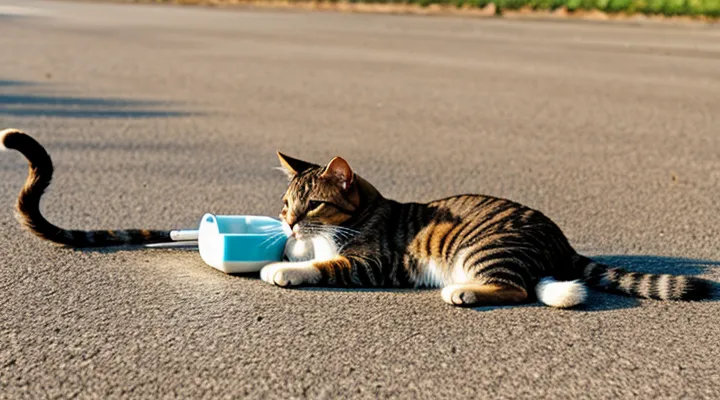
Understanding the "Lazy" Cat Phenomenon
Beyond Stereotypes: What is a Lazy Cat?
A lazy cat is an animal that consistently prefers rest over active pursuit, exhibiting reduced locomotor activity, minimal hunting attempts, and prolonged periods of inactivity. This behavioral pattern results from a combination of physiological, environmental, and genetic factors.
Key characteristics include:
- Low baseline metabolism, leading to decreased energy expenditure.
- Preference for warm, comfortable surfaces rather than exploratory spaces.
- Diminished response to typical prey stimuli such as movement or sound.
- Limited engagement in play or climbing activities, even when presented with enrichment tools.
Underlying causes often involve:
- Age‑related muscle atrophy, which reduces agility and stamina.
- Nutritional excess, causing excess body fat and lethargy.
- Chronic health conditions such as hypothyroidism or arthritis, which impair mobility.
- Lack of environmental stimulation, resulting in habituation to sedentary routines.
Addressing laziness requires targeted interventions:
- Implementing a balanced diet to prevent weight gain.
- Providing regular, low‑impact exercise sessions, for example brief indoor obstacle courses.
- Scheduling veterinary examinations to identify and treat medical issues.
- Introducing varied sensory toys that trigger predatory instincts without overwhelming the animal.
Understanding these elements clarifies the distinction between a cat that merely enjoys relaxation and one whose inactivity stems from deeper physiological or environmental influences. Recognizing the true nature of a lazy cat enables effective strategies to promote healthier, more active behavior. «A lazy cat conserves energy, but proper care can redirect that energy toward constructive activity».
The Instinctive Hunter: What Drives a Cat to Catch Prey?
Cats possess a predatory circuit rooted in evolution. Visual motion, especially rapid, erratic movements, activates the optic tectum, prompting a fixation response. Auditory cues resembling rustling prey stimulate the auditory cortex, reinforcing the chase impulse. Tactile feedback from whisker contact with objects near the ground sharpens spatial awareness, completing the sensory triad that triggers hunting behavior.
Genetic programming endows felines with a fixed action pattern: stalk, pounce, bite, and kill. This sequence operates automatically once the sensory threshold is surpassed, requiring minimal conscious deliberation. Hormonal fluctuations, notably elevated levels of testosterone and catecholamines, intensify the drive, while satiety hormones such as leptin can suppress it temporarily.
Environmental factors modulate the expression of the instinct. Limited space, lack of vertical structures, and absence of moving stimuli reduce opportunities for practice, leading to apparent laziness. Conversely, enriched settings with climbing posts, interactive toys, and scheduled play sessions sustain the predatory loop, encouraging regular engagement with prey-like objects.
Practical measures to reinforce hunting activity include:
- Providing feather‑tipped or laser‑guided toys that mimic rodent motion.
- Installing shelves and perches to facilitate stalking from elevated positions.
- Scheduling short, frequent play intervals to maintain high catecholamine levels.
- Offering puzzle feeders that require paw manipulation, simulating capture effort.
By addressing sensory triggers, genetic predispositions, hormonal states, and environmental enrichment, the underlying motivation for a cat to hunt can be sustained, reducing the likelihood of inactivity that hampers mouse capture.
Core Reasons for Lack of Predatory Behavior
Health-Related Causes
Age and Physical Limitations
Aging reduces a cat’s ability to pursue prey. Muscle mass declines, joint flexibility diminishes, and sensory acuity weakens, all of which impair the rapid bursts and precise coordination required for catching mice. Chronic conditions such as osteoarthritis limit the range of motion, while vision and hearing loss diminish detection of small, fast‑moving targets.
Physical limitations manifest as slower reaction times, reduced stamina, and reluctance to climb or jump. These factors combine to lower hunting efficiency, even in otherwise motivated felines.
Practical measures can mitigate the impact of age‑related decline:
- Schedule regular veterinary examinations to identify and treat arthritis, vision problems, or other health issues.
- Provide a diet formulated for senior cats, emphasizing protein quality and joint‑support nutrients such as glucosamine.
- Maintain an optimal body weight to reduce stress on joints and improve mobility.
- Install low‑height platforms and easy‑access pathways, allowing the cat to observe and ambush prey without excessive climbing.
- Offer interactive toys that simulate hunting motions, preserving reflexes and mental engagement.
Implementing these steps supports older cats in retaining hunting behavior despite physiological constraints.
Medical Conditions and Pain
A cat’s reluctance to pursue mice often stems from underlying medical problems that impair mobility or diminish motivation. Common conditions include arthritis, which restricts joint movement and causes stiffness; dental disease, which makes chewing and swallowing painful, reducing overall activity; obesity, which adds excess weight and strains the musculoskeletal system; hyperthyroidism, which can disrupt energy regulation and lead to erratic behavior; and chronic pain from injuries or internal disorders such as kidney disease. Each condition interferes with the cat’s instinctual hunting drive by creating discomfort or limiting physical capability.
Identifying the precise cause requires veterinary assessment. Diagnostic steps typically involve:
- Physical examination of joints, teeth, and body condition
- Blood tests to evaluate thyroid function, kidney health, and inflammation markers
- Imaging studies (X‑ray, ultrasound) to detect osteoarthritis or internal abnormalities
- Pain assessment using validated feline pain scales
Effective management combines medical treatment and environmental adjustments. For arthritis, non‑steroidal anti‑inflammatory drugs or joint supplements alleviate inflammation and improve flexibility. Dental issues resolve with professional cleaning, extractions, or antibiotics. Weight reduction programs employ calibrated feeding schedules and increased play to encourage movement without overexertion. Hyperthyroidism responds to antithyroid medication, radioactive iodine therapy, or surgical removal of the affected gland. Chronic pain benefits from multimodal analgesia, including opioid‑free options such as gabapentin or acupuncture.
Environmental modifications support recovery and stimulate hunting behavior despite physical limitations. Strategies include:
- Elevating food and water dishes to reduce neck strain
- Providing low‑profile litter boxes and climbing structures with gentle slopes
- Using lightweight, feather‑based toys that require minimal force to chase
- Implementing short, frequent play sessions to avoid fatigue
Addressing medical conditions and pain restores a cat’s capacity to engage in predatory activities, thereby increasing the likelihood of successful mouse capture. Regular veterinary follow‑up ensures ongoing health monitoring and adjustment of therapeutic plans.
Nutritional Deficiencies
Nutritional deficiencies weaken a cat’s muscle tone, reduce stamina, and impair sensory acuity, all of which diminish hunting drive.
Key deficiencies affecting predatory behavior include:
- Taurine shortage – compromises retinal function and cardiac health, leading to lethargy.
- Vitamin A insufficiency – blunts night vision, reducing ability to locate prey.
- Low protein intake – limits muscle development and energy reserves.
- Deficient omega‑3 fatty acids – impair neural transmission and coordination.
When a cat’s diet lacks these nutrients, energy expenditure during play and pursuit declines, resulting in a preference for inactivity.
Correcting the problem requires targeted dietary adjustments:
- Provide commercially formulated cat food that meets AAFCO nutrient profiles, ensuring adequate taurine and vitamin A levels.
- Supplement with high‑quality animal‑based proteins, prioritizing muscle‑building amino acids.
- Incorporate fish oil or other sources of EPA/DHA to support neural function.
- Conduct regular veterinary assessments to monitor blood nutrient levels and adjust the regimen accordingly.
Addressing nutritional gaps restores physical vigor and sensory sharpness, encouraging a return to natural hunting instincts.
Environmental and Behavioral Factors
Lack of Stimulation and Boredom
Lack of stimulation and boredom reduce a cat’s natural hunting drive. When the environment offers few sensory cues, the predatory instincts remain dormant, resulting in minimal pursuit of rodents.
Key factors contributing to reduced motivation include:
- Monotonous surroundings with limited vertical space or hiding spots.
- Absence of interactive toys that mimic prey movement.
- Predictable feeding schedule that eliminates the need to hunt for food.
Addressing these issues restores the cat’s predatory behavior. Effective interventions are:
- Introduce rotating puzzle feeders that require manipulation to access food.
- Provide climbing structures, shelves, and tunnels to encourage exploration.
- Schedule short play sessions using feather wands or laser pointers to simulate mouse activity.
- Rotate toys weekly to maintain novelty and prevent habituation.
- Occasionally hide small treats in safe locations to prompt natural foraging.
Implementing environmental enrichment reactivates the cat’s instinctual drive, increasing the likelihood of successful mouse capture. «A stimulated cat is a hunting cat».
Overfeeding and Availability of Food
Overfeeding delivers excess calories that activate satiety pathways, diminishing the instinctual drive to pursue prey. When a cat’s energy requirements are met continuously, the neural circuitry responsible for hunting motivation receives reduced stimulation, leading to inactivity and a preference for resting.
Continuous availability of food eliminates the necessity of searching for sustenance. This convenience reduces physical exertion, promotes weight gain, and impairs the agility required for successful capture of rodents. Excess body mass restricts rapid movements, while the lack of foraging effort weakens muscle tone and coordination.
Practical measures to restore hunting behavior include:
- Establish fixed feeding times and limit daily portions to maintain a slight caloric deficit.
- Replace free‑feeding bowls with puzzle feeders that require manipulation to access food, simulating predatory effort.
- Provide regular play sessions using feather wands or laser pointers to reinforce chase instincts.
- Gradually decrease the quantity of human‑provided meals, encouraging the cat to seek alternative food sources such as safe, indoor‑only rodents or live‑capture toys.
- Monitor body condition and adjust diet composition to support lean muscle development.
Implementing these steps reduces reliance on constant food supply, reactivates predatory drive, and improves the physical capacity needed for effective mouse capture.
Stress and Anxiety
Stress and anxiety suppress a cat’s predatory drive, leading to reduced activity and failure to capture prey. Elevated cortisol interferes with the neural circuits that trigger hunting instincts, while chronic anxiety diminishes motivation for exploration and movement.
Physiological response to stress includes increased adrenaline, reduced dopamine release, and impaired motor coordination. These changes diminish the cat’s ability to stalk, pounce, and react swiftly, essential components of successful mouse capture.
Typical stressors comprise sudden alterations in household composition, inconsistent feeding schedules, inadequate environmental enrichment, and underlying medical conditions. Each factor contributes to a heightened state of alertness that overrides natural hunting behavior.
Practical measures to mitigate stress and restore hunting competence:
- Establish a predictable daily routine for feeding, play, and rest.
- Provide diverse enrichment items such as puzzle feeders, climbing structures, and interactive toys.
- Introduce synthetic feline pheromone diffusers to create a calming atmosphere.
- Conduct regular veterinary examinations to rule out pain or illness that may exacerbate anxiety.
- Gradually acclimate the cat to new stimuli through controlled exposure, reducing fear responses.
Implementation of these strategies lowers cortisol levels, reactivates predatory circuits, and encourages the cat to resume active hunting.
Early Life Experiences and Socialization
Early life experiences shape a cat’s predatory drive. Kittens that receive limited exposure to moving objects, such as toys or live prey, often develop a muted hunting response. Socialization periods that lack interaction with other cats or experienced hunters reduce the opportunity to observe and mimic chase behaviors, resulting in reduced motivation to pursue mice.
Key early factors that contribute to reduced hunting activity:
- Minimal play with interactive toys during the first eight weeks.
- Absence of exposure to natural prey scents or sounds.
- Lack of observation of adult cats engaging in capture sequences.
- Over‑reliance on human‑provided food, diminishing the need to hunt.
Solutions focus on enriching the developmental environment:
- Introduce varied, fast‑moving toys that simulate prey motion during the critical socialization window.
- Arrange supervised encounters with confident adult cats to demonstrate stalking and pouncing techniques.
- Incorporate scent trails of small rodents or safe live insects to stimulate innate tracking instincts.
- Gradually reduce supplemental feeding, encouraging the cat to seek out and capture food independently.
Implementing these measures reactivates the predatory circuitry established in early life, increasing the likelihood that a previously inactive cat will engage in effective mouse capture. «Early handling improves predatory drive», reinforcing the link between formative experiences and hunting competence.
Genetic Predisposition and Breed Differences
Genetic predisposition shapes a cat’s baseline energy expenditure, muscle composition, and motivation to pursue prey. Specific alleles influence the proportion of fast‑twitch fibers, which generate rapid, powerful bursts required for catching mice. Variations in dopamine and norepinephrine receptors affect reward sensitivity, altering the likelihood of initiating a hunt.
Breed differences amplify genetic effects. The Bengal, Abyssinian, and Siamese exhibit high activity levels, frequent sprinting, and persistent stalking behavior, correlating with elevated fast‑twitch fiber ratios and heightened catecholamine activity. In contrast, the Persian, Ragdoll, and British Shorthair display a predominance of slow‑twitch fibers, lower metabolic rates, and reduced predatory drive, resulting in a relaxed posture toward rodent capture.
Practical responses focus on aligning cat selection and management with genetic realities:
- Choose breeds with documented high predatory vigor when rodent control is a priority.
- Provide structured play that mimics hunting sequences to stimulate innate chasing instincts, especially for low‑activity breeds.
- Employ genetic testing kits to identify markers linked to muscle performance and neurotransmitter function; adjust enrichment strategies accordingly.
- Maintain optimal nutrition that supports muscular development and sustained energy output, reducing fatigue during chase attempts.
Understanding the interplay between inherited traits and breed‑specific behavior enables targeted interventions that compensate for natural lethargy and improve a cat’s effectiveness in mouse capture.
Practical Solutions and Strategies
Reintroducing the Hunting Instinct
Interactive Play and Toy Selection
Interactive play stimulates a cat’s predatory instinct, compensating for reduced outdoor hunting activity. Regular engagement with moving objects reinforces muscle coordination, visual tracking, and the mental focus required for capturing prey.
Effective toy selection follows three criteria: safety, motion realism, and variability. Toys that mimic the erratic movements of rodents trigger the chase response; those with textures similar to fur provide tactile feedback; and rotating or interchangeable features prevent habituation.
- Feather‑tipped wands that flutter unpredictably
- Battery‑powered mice that dart across the floor
- Laser pointers with adjustable speed settings
- Puzzle balls releasing small objects when rolled
- Soft plush toys containing crinkling material
Choosing items that satisfy these parameters and scheduling short, frequent sessions maximizes the cat’s motivation to hunt, thereby addressing the underlying inactivity that hinders mouse capture.
Puzzle Feeders and Food Scavenging
Puzzle feeders transform a cat’s feeding routine into a problem‑solving activity. By requiring the animal to manipulate compartments, slide panels, or roll balls to release kibble, these devices stimulate predatory instincts that remain dormant when food is presented in a static bowl. The effort needed to access the reward mimics the chase and capture of prey, encouraging movement and mental engagement that counteracts lethargy.
Food scavenging behavior often develops when cats receive large, easily accessible meals. Excess calories reduce the drive to hunt, and the cat learns to rely on passive consumption rather than active pursuit. Implementing puzzle feeders limits the amount of food available at any moment, forcing the cat to work for each bite. This approach restores a sense of effort associated with hunting, thereby increasing the likelihood of spontaneous mouse‑chasing behavior.
Practical steps:
- Choose feeders with adjustable difficulty levels to match the cat’s skill and gradually increase complexity.
- Schedule multiple short feeding sessions throughout the day to prevent over‑satiation.
- Combine puzzle feeding with occasional live‑prey play using feather wands or laser pointers to reinforce natural predatory patterns.
- Monitor body condition; maintain a lean physique to preserve agility and motivation for catching rodents.
Outdoor Access (Controlled and Safe)
Outdoor access that is both controlled and safe influences a cat’s willingness to pursue prey. When a cat can explore a defined external area, sensory stimulation increases, encouraging natural hunting instincts. Conversely, unrestricted outdoor freedom often leads to fatigue, injury risk, and reduced motivation to chase rodents.
Insufficient stimulation, exposure to predators, and the presence of abundant easy food sources diminish a cat’s drive to hunt. A secure environment eliminates threats, allowing the animal to focus on tracking and capturing mice rather than evading danger.
Practical measures:
- Install a cat‑proof enclosure that provides fresh air, vegetation, and visual contact with potential prey while preventing escape.
- Conduct supervised outings using a harness and leash; limit sessions to short, regular intervals to maintain interest without exhaustion.
- Schedule outdoor time during twilight hours when rodents are most active, enhancing opportunities for successful hunting.
- Incorporate interactive toys and puzzle feeders indoors to complement outdoor experiences and reinforce predatory behavior.
Implementing these strategies creates a balanced setting where a cat remains physically safe and mentally engaged, thereby improving its propensity to catch mice.
Addressing Health Concerns
Veterinary Check-ups and Treatment
A cat that shows little interest in hunting often signals an underlying health issue. Veterinary examinations identify physiological factors that reduce energy, agility, and motivation, directly affecting predatory behavior.
Routine veterinary check‑ups provide a systematic assessment of body condition, organ function, and musculoskeletal health. Physical examination, blood work, and imaging reveal conditions that may not be evident to owners.
Common medical causes of reduced activity include:
- Obesity, which limits movement and increases fatigue.
- Hypothyroidism, leading to sluggish metabolism.
- Dental disease, causing pain while eating and overall discomfort.
- Parasite infestations, resulting in anemia and weakness.
- Arthritic or joint disorders, restricting flexibility.
- Chronic infections or organ dysfunction, draining vitality.
Effective treatment strategies consist of:
- Nutritional plans tailored to achieve optimal weight.
- Hormone replacement therapy for thyroid deficiencies.
- Professional dental cleaning and ongoing oral care.
- Regular deworming and flea control programs.
- Anti‑inflammatory medication and physiotherapy for joint health.
- Monitoring protocols that adjust medication and diet based on follow‑up results.
Implementing scheduled veterinary visits and adhering to prescribed treatments restores activity levels, enabling the cat to resume natural hunting behaviors.
Dietary Adjustments and Weight Management
A cat’s propensity to remain inactive often stems from excess body weight, which reduces agility and diminishes hunting instinct. Overnutrition leads to fat deposits around the spine and limbs, limiting the swift movements required to pursue rodents.
- Increase protein content to support lean muscle development.
- Reduce carbohydrate intake, especially from grain‑based fillers.
- Measure portions according to the cat’s ideal body condition score.
- Incorporate wet food to boost moisture intake and promote satiety.
Effective weight management combines dietary control with environmental stimulation. Regular monitoring of body mass allows timely adjustments to caloric supply. Providing climbing structures, interactive toys, and scheduled play sessions encourages muscular activity, enhancing the cat’s capacity to chase prey. Consistency in feeding schedules and activity routines sustains a healthier weight, thereby improving the likelihood of successful mouse capture.
Pain Management Strategies
A cat that avoids hunting often suffers from discomfort that limits movement and motivation. Pain in the musculoskeletal system reduces agility, while oral discomfort diminishes the desire to chase prey. Recognizing pain as a primary factor clarifies why a normally predatory animal may become inactive.
Common sources of feline pain include osteoarthritis, spinal strain, dental disease, and soft‑tissue injuries. Chronic inflammation gradually erodes joint flexibility, making rapid pounces difficult. Dental abscesses cause facial tenderness, discouraging the cat from engaging in energetic activities.
Effective pain management comprises several coordinated actions:
- Veterinary diagnostic evaluation to identify the exact origin of discomfort.
- Prescription of appropriate analgesics, such as non‑steroidal anti‑inflammatory drugs or opioids, adjusted to the cat’s health status.
- Implementation of physical therapy, including controlled exercise and massage, to restore joint range of motion.
- Maintenance of optimal body weight to lessen mechanical load on joints.
- Provision of a supportive environment: low‑height resting platforms, soft bedding, and easy‑access litter boxes reduce strain during daily routines.
- Exploration of adjunct therapies, such as acupuncture or omega‑3 fatty‑acid supplementation, to complement pharmaceutical treatment.
Regular monitoring of pain levels and functional improvement ensures that the cat regains the capacity to pursue and capture mice, thereby restoring its natural hunting behavior.
Modifying the Environment
Enrichment and Vertical Space
Enrichment and vertical space directly affect a cat’s willingness to engage in predatory behavior. When the environment lacks stimulating elements, the animal conserves energy and shows reduced interest in pursuing prey.
Insufficient enrichment deprives the cat of opportunities to practice stalking, pouncing, and problem‑solving. Repetitive or barren surroundings lead to mental fatigue, which translates into a lower drive to chase mice.
Vertical space offers a natural platform for observation and ambush. Elevated perches allow a cat to survey its territory, select optimal attack angles, and feel secure while planning a strike. Access to multiple heights also encourages climbing, stretching, and muscle development, all of which improve hunting efficiency.
Practical measures:
- Install sturdy shelves, cat trees, or wall‑mounted platforms at varying heights.
- Rotate toys, puzzle feeders, and interactive gadgets every few days to maintain novelty.
- Provide safe outdoor enclosures (catios) that combine vertical climbing structures with natural foliage.
- Position perches near windows to enable visual tracking of potential prey.
- Integrate scratching posts and climbing ropes that connect lower and higher levels, creating a continuous vertical pathway.
Implementing these strategies enhances physical activity, stimulates instinctual hunting patterns, and reduces the likelihood that a cat will remain passive when rodents are present.
Reducing Stressors
Cats that appear lazy often suffer from chronic stress, which suppresses hunting instincts and reduces physical activity. Persistent anxiety interferes with the neural pathways that trigger predatory behavior, leading to missed opportunities to capture rodents.
Typical stressors include:
- Loud or unpredictable noises that startle the animal.
- Inconsistent feeding schedules that create uncertainty about food availability.
- Overcrowded spaces where territorial boundaries are constantly challenged.
- Poor health conditions such as untreated pain, dental issues, or parasites.
- Lack of safe hiding spots that allow the cat to retreat and recover.
Mitigation measures focus on stabilizing the environment and supporting feline well‑being:
- Maintain a quiet household by limiting sudden sounds and using soft background music.
- Establish regular feeding times, offering nutritionally balanced meals at consistent intervals.
- Provide multiple elevated perches and enclosed shelters to reinforce territorial security.
- Schedule routine veterinary examinations to detect and treat medical problems promptly.
- Introduce enrichment toys that simulate prey movement, encouraging natural hunting responses without exposing the cat to real threats.
«Cats thrive when stress is minimized», notes veterinary behaviorist Dr. Elaine Harper. By systematically reducing these stressors, a cat’s motivation to hunt can recover, improving its contribution to rodent control.
Positive Reinforcement Training
Positive reinforcement training offers a practical method to increase a cat’s motivation to pursue prey. By associating hunting‑related behaviors with desirable outcomes, the animal learns that active pursuit yields benefits, reducing the tendency toward inactivity.
Key elements of the approach include:
- Identify a reward that the cat finds highly motivating, such as a favorite treat or brief play session.
- Present the reward immediately after the cat displays a target behavior, for example stalking a moving toy or pouncing on a simulated mouse.
- Repeat the pairing consistently, gradually shaping the behavior toward more realistic hunting actions.
- Phase out the reward schedule once the cat reliably performs the desired behavior, maintaining occasional reinforcement to prevent extinction.
Implementation requires a controlled environment where distractions are minimized. Begin with low‑intensity stimuli and progress to more lifelike prey representations. Monitoring the cat’s response allows adjustment of reward type and timing, ensuring the association remains strong.
When applied correctly, positive reinforcement transforms the cat’s perception of hunting from a low‑priority activity to a rewarding pursuit, addressing the underlying cause of lethargic prey capture.«Success» is measured by increased frequency of stalking and pouncing episodes, indicating that the cat now engages actively in mouse‑chasing behavior.