
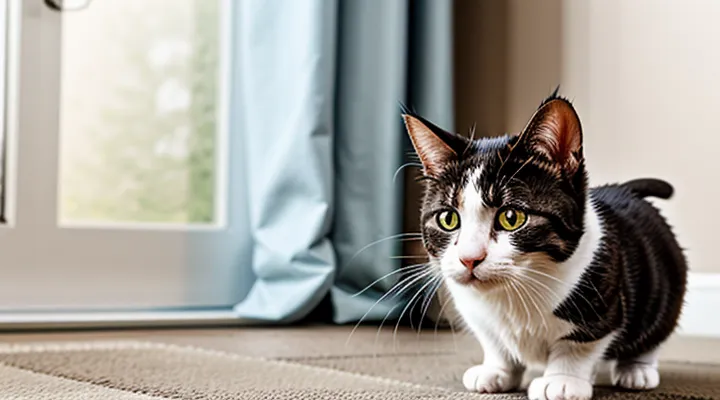
Understanding the Feline Predatory Instinct
Natural Hunting Behavior of Cats
Instinctual Drive and Play
Cats possess a predatory instinct that is activated by movement, shape, and sound. The instinct triggers a chase sequence, yet the same neural circuitry also underlies play behavior. During play, the cat rehearses hunting skills without the intention to kill, resulting in frequent capture attempts that end with the prey released unharmed.
The transition from play to lethal predation depends on several factors:
- Motivation level – hunger or scarcity of food raises the drive to kill, while satiety favors playful engagement.
- Experience – cats with limited hunting exposure treat mouse encounters as training exercises rather than meals.
- Environmental cues – safe indoor settings reduce perceived threat, encouraging a non‑lethal approach.
Solutions that encourage effective mouse control while respecting the cat’s instinctual and playful nature include:
- Scheduled feeding – regular, high‑protein meals keep the cat’s nutritional needs met, reducing the need to hunt for sustenance.
- Structured play sessions – interactive toys that mimic mouse movement channel the predatory impulse into controlled exercises, sharpening skills without harming live prey.
- Gradual exposure – supervised introductions to live mice, followed by positive reinforcement when the cat exhibits appropriate capture behavior, can convert playful pursuit into decisive predation.
- Environmental enrichment – climbing structures, scratching posts, and puzzle feeders sustain mental stimulation, preventing boredom‑driven play that distracts from hunting efficiency.
By aligning feeding routines, play opportunities, and controlled exposure, owners can harness the cat’s innate drive to improve mouse‑catching outcomes while maintaining the animal’s welfare.
Evolution of Domesticated Cats
Domesticated cats originated from Near Eastern wildcats (Felis silvestris lybica) that began associating with human grain stores around 9,000 years ago. Humans tolerated these felines because they reduced rodent populations, and the animals received a reliable food source and shelter. Over millennia selective pressure favored individuals tolerant of human proximity, leading to genetic divergence from their wild ancestors.
Genomic analyses reveal reduced expression of genes linked to high‑intensity predatory behavior. Compared with wildcats, domestic cats display lower baseline levels of dopamine associated with hunting stimulation. This neurochemical shift diminishes spontaneous mouse‑chasing in many household pets.
Living conditions further suppress hunting instincts. Consistent feeding eliminates the need to hunt for sustenance. Indoor environments limit exposure to prey cues such as scent and movement, weakening motor patterns required for capture. Reduced physical activity also curtails the development of agile reflexes characteristic of effective predators.
To increase mouse‑catching performance in domestic cats, owners can implement the following measures:
- Provide scheduled, small meals to maintain hunger-driven motivation.
- Introduce safe, realistic prey toys that replicate mouse movement and scent.
- Arrange short, daily outdoor or indoor play sessions that encourage stalking and pouncing.
- Reinforce successful mock captures with positive feedback, such as treats or praise.
- Preserve access to natural light and varied terrain to stimulate sensory engagement.
Applying these strategies aligns a cat’s behavior more closely with its ancestral hunting repertoire, thereby mitigating the decline in mouse control observed in many modern households.
Reasons for a Cat's Lack of Hunting
Behavioral and Environmental Factors
Overfeeding and Lack of Hunger
Overfeeding eliminates the natural hunger that triggers predatory behavior. When a cat receives more calories than needed, the physiological drive to seek food diminishes, and the instinct to chase and capture rodents weakens.
Excess nutrition alters hormone levels, particularly leptin and insulin, which signal satiety to the brain. Elevated leptin reduces the motivation to hunt, while high insulin promotes storage of energy rather than expenditure through activity. Consequently, the cat’s focus shifts from external prey to internal calorie management.
Research on domestic felines demonstrates a clear correlation between caloric surplus and reduced outdoor activity. Cats fed ad libitum or on high‑calorie diets show fewer hunting attempts and lower success rates in mouse capture compared with those on controlled portions.
Practical steps to restore hunting impulse:
- Reduce daily caloric intake to match the cat’s ideal body weight; calculate requirements based on age, activity level, and breed.
- Implement scheduled feeding times instead of free‑feeding to re‑establish anticipation of meals.
- Incorporate short, interactive play sessions that simulate prey movement; use wand toys or laser pointers to encourage stalking and pouncing.
- Provide environmental enrichment such as climbing structures and hidden food puzzles to stimulate natural foraging instincts.
- Monitor body condition regularly; adjust portions if weight gain resumes.
By aligning nutrition with the cat’s physiological needs and offering targeted stimulation, the suppressed predatory drive can recover, increasing the likelihood that the animal will resume effective mouse hunting.
Insufficient Stimulation and Boredom
Cats that seem indifferent to hunting mice frequently experience a deficit of mental and physical engagement. When daily routines consist of predictable feeding and minimal play, the animal’s natural predatory drive diminishes. Boredom suppresses the instinct to stalk, pounce, and capture, resulting in a noticeable decline in hunting activity.
Key contributors to insufficient stimulation include:
- Limited access to interactive toys that mimic prey movement.
- Absence of varied climbing structures or perches that encourage exploration.
- Routine feeding without problem‑solving elements, such as puzzle feeders.
- Lack of exposure to auditory or olfactory cues associated with small rodents.
Practical measures to restore hunting motivation:
- Introduce a rotation of toys that emulate mouse behavior—feather wands, laser pointers, and motorized rodents.
- Install shelves, cat trees, and hide‑away tunnels to expand vertical and horizontal territory.
- Use puzzle feeders or treat‑dispensing devices that require paw manipulation to obtain food.
- Schedule short, high‑energy play sessions multiple times a day, focusing on stalking and pouncing drills.
- Occasionally present safe, live prey substitutes, such as refrigerated or frozen‑thawed rodents, under controlled conditions.
Implementing these strategies reactivates the cat’s predatory circuitry, increasing the likelihood that the animal will resume effective mouse capture.
Early Socialization and Handling
Early exposure to diverse stimuli shapes a cat’s instinctual response to prey. Kittens handled by humans and introduced to varied environments between two and twelve weeks develop confidence in navigating unfamiliar situations. This confidence reduces hesitation when encountering small mammals, increasing the likelihood of successful capture.
Consistent, gentle handling teaches the animal to tolerate touch and movement without triggering defensive aggression. When a cat associates human interaction with safety rather than threat, stress levels remain low during hunting episodes, allowing focus on tracking and striking behavior.
Key practices for fostering effective predatory competence include:
- Daily brief sessions of handling, emphasizing soft strokes along the neck, back, and paws.
- Introduction to different textures (carpet, grass, wood) and sounds (rustling paper, squeaky toys) during the critical socialization window.
- Controlled exposure to live or simulated prey, such as feather wands or motorized mice, to reinforce chase and pounce sequences.
- Positive reinforcement when the kitten exhibits calm curiosity, using treats or verbal praise to cement the desired reaction.
Neglecting early socialization often results in fear‑based avoidance of moving objects, causing a cat to ignore or flee from potential prey. By establishing a solid foundation of trust and sensory familiarity, owners can mitigate one of the primary reasons cats may fail to catch mice.
Past Traumatic Experiences
Past traumatic events can diminish a cat’s instinct to pursue rodents. Negative experiences such as physical abuse, severe neglect, or exposure to loud, chaotic environments during the critical socialization window create lasting fear associations with movement and sound. When these memories persist, the animal interprets the rapid scurrying of a mouse as a threat rather than prey.
Trauma‑induced alterations manifest as reduced confidence, heightened startle responses, and avoidance of confined spaces where mice typically hide. Cats may freeze, retreat, or display excessive grooming instead of initiating a chase. These behaviors directly lower capture rates, even in otherwise healthy individuals.
Addressing the problem requires targeted interventions:
- Conduct a veterinary health check to rule out pain or sensory deficits that could compound fear.
- Implement gradual desensitization by exposing the cat to low‑intensity mouse sounds or toy movements, increasing intensity only as tolerance improves.
- Pair exposure sessions with high‑value rewards (e.g., preferred food) to rebuild positive associations with prey‑like stimuli.
- Enrich the environment with structured play sessions that mimic hunting patterns, encouraging natural predatory sequences without overwhelming the cat.
- Monitor progress and adjust exposure pace; persistent avoidance may indicate deeper anxiety that benefits from consultation with a veterinary behaviorist.
Consistent, low‑stress training can overwrite traumatic memories, restore predatory drive, and increase the likelihood that the cat will successfully capture mice.
Presence of Other Predators or Pests
Cats often ignore rodents when other predators share the same environment. Larger carnivores, such as hawks or feral dogs, can intimidate domestic cats, causing them to retreat from hunting zones. Smaller pests, like insects or other small mammals, may distract a cat’s attention, reducing the likelihood of mouse pursuit. Additionally, some predators leave scent marks that signal danger, prompting cats to avoid areas where mice might hide.
Key factors influencing this behavior include:
- Presence of dominant predators that establish territorial boundaries.
- Overlap with species that compete for the same prey, creating a hierarchy.
- Environmental cues (feces, urine, vocalizations) indicating higher‑risk zones.
To mitigate these influences and encourage feline rodent control, consider the following actions:
- Limit access to areas frequented by larger predators, using fencing or indoor confinement during peak activity periods.
- Reduce competition by controlling populations of other small pest species, employing traps or humane exclusion methods.
- Introduce scent‑free zones within the home or garden, removing predator markings through regular cleaning and the use of neutralizing agents.
- Provide enrichment that reinforces hunting instincts—interactive toys, puzzle feeders, and scheduled play sessions that simulate prey capture.
By managing the ecosystem around the cat, owners can restore the animal’s natural drive to chase and eliminate mice.
Health and Physical Conditions
Age and Physical Limitations
Aging reduces a cat’s hunting efficiency. Muscle mass declines, joint cartilage thins, and flexibility wanes, limiting the speed and agility required to chase swift prey. Arthritis or chronic pain can discourage sudden bursts of movement, making ambush tactics less viable. Sensory deterioration—diminished night vision, reduced hearing acuity, and slower reflexes—further impairs the ability to detect and react to a mouse’s subtle cues.
Physical impairments compound these effects. Obesity adds excess weight, straining joints and slowing acceleration. Dental problems can affect a cat’s willingness to engage in vigorous activity. Neurological disorders, such as vestibular disease, disrupt balance and coordination, preventing precise pouncing.
To mitigate age‑related hunting decline, owners can:
- Schedule regular veterinary examinations to identify and treat arthritis, dental disease, and sensory loss.
- Provide a balanced, calorie‑controlled diet to maintain optimal body condition.
- Encourage low‑impact exercise (e.g., gentle play with feather wands) to preserve muscle tone and joint mobility.
- Offer soft, easy‑to‑access feeding stations that reduce the need for climbing or jumping.
- Use environmental enrichment, such as puzzle feeders, to stimulate mental engagement without requiring high‑speed pursuit.
Implementing these measures supports older cats in retaining functional ability, thereby improving their chances of successful mouse capture despite age‑related constraints.
Medical Conditions Affecting Mobility or Senses
Cats that fail to capture rodents often suffer from health problems that limit movement or impair sensory input. When joints, muscles, or nerves cannot function properly, the rapid bursts of speed and precise coordination required for hunting are compromised. Likewise, diminished sight or hearing reduces the ability to detect, track, and ambush prey.
- Arthritis and osteoarthritis – joint inflammation restricts stride length and causes pain during sudden sprints.
- Hip dysplasia – malformed hip joints limit agility and can lead to chronic discomfort.
- Obesity – excess weight adds stress to limbs, slows acceleration, and shortens endurance.
- Peripheral neuropathy – nerve damage reduces proprioception, making balance and timing unreliable.
- Vestibular disease – inner‑ear dysfunction disrupts equilibrium, preventing stable jumps.
- Cataracts, retinal degeneration, or progressive retinal atrophy – loss of visual acuity eliminates depth perception needed for precise strikes.
- Age‑related hearing loss – reduced ability to hear rustling prey diminishes the trigger for attack.
Effective management begins with veterinary diagnosis, followed by targeted interventions. Pain relief medication and anti‑inflammatory drugs address arthritic discomfort, while physiotherapy restores joint range of motion. Weight‑loss programs combine diet modification with controlled exercise to improve mobility. Surgical correction may be required for severe hip dysplasia. For sensory deficits, supplemental lighting, contrast‑enhanced toys, and auditory cues can compensate for visual or hearing loss. Regular monitoring ensures that treatment adjustments maintain the cat’s hunting capability.
Breed-Specific Traits
Certain cat breeds display physiological and behavioral characteristics that diminish their effectiveness in rodent control. Muscular structure, coat length, and temperament combine to influence predatory drive, agility, and willingness to chase.
Breeds commonly associated with reduced hunting performance include:
- Persian – heavy body mass and dense coat impede rapid movement; docile temperament lowers motivation to pursue prey.
- Ragdoll – large size and relaxed disposition discourage active stalking; preference for human interaction supersedes instinctual chase.
- British Shorthair – sturdy build favors sedentary behavior; selective hunting response often limited to specific stimuli.
- Exotic Shorthair – similar to Persian in body type, with a calm personality that reduces pursuit intensity.
Conversely, breeds such as the Abyssinian, Siamese, and American Shorthair retain high predatory instincts, swift reflexes, and lean frames that facilitate mouse capture.
When a household relies on feline pest control but possesses a breed with low hunting propensity, owners can adopt targeted measures. Structured play sessions using feather wands and laser pointers simulate prey movement, reinforcing chase behavior. Introducing scent‑marked toys or live‑prey simulators encourages activation of latent predatory circuits. Environmental enrichment—climbing structures, varied perches, and regular exercise—maintains muscular tone and responsiveness.
Selective breeding programs that prioritize hunting aptitude may gradually increase the prevalence of effective rodent hunters within a population. However, immediate solutions focus on behavioral conditioning and habitat optimization to compensate for breed‑specific limitations.
Impact of Spaying/Neutering
Spaying or neutering alters hormonal balance, which directly affects a cat’s drive to hunt. Reduced testosterone in males and lowered estrogen in females diminish territorial marking and mating behaviors that often trigger predatory bursts. Consequently, sterilized cats display fewer spontaneous chases, leading to lower mouse capture rates.
Beyond behavior, sterilization curbs population growth, preventing the emergence of large feral colonies that compete with domestic cats for prey. Smaller colonies reduce overall pressure on rodent populations, but they also limit opportunities for individual cats to practice hunting skills. This dual effect explains why many owned cats, especially those neutered early, rarely bring home mice.
Health benefits accompany the behavioral shift. Sterilized cats experience fewer reproductive‑related diseases, decreasing the need for veterinary interventions that could otherwise limit outdoor activity. Healthier cats remain more active, yet the diminished instinctual drive still results in fewer successful hunts.
Practical measures to restore hunting effectiveness while maintaining the advantages of sterilization include:
- Delay neutering until after the kitten reaches sexual maturity, allowing natural predatory instincts to develop.
- Provide regular outdoor access in safe, controlled environments to encourage practice of stalking and pouncing.
- Offer interactive toys that mimic live prey, reinforcing the chase response.
- Supplement diet with protein‑rich foods that support energy levels for active hunting.
Implementing these steps balances population control, feline health, and the preservation of natural hunting behavior, addressing the decline in mouse capture among sterilized cats.
Strategies to Encourage Hunting Behavior
Environmental Enrichment
Introducing Interactive Toys
Interactive toys provide a direct method to engage a cat’s natural hunting instincts when the animal shows little success in capturing rodents. By simulating prey movement, these devices generate the sensory cues—visual, auditory, and tactile—that trigger predatory behavior without requiring live mice.
Key functions of interactive toys include:
- Stimulus variation: Randomized patterns prevent habituation and keep the cat’s focus sharp.
- Skill reinforcement: Toys that require pouncing, swatting, or chasing develop coordination and timing essential for effective hunting.
- Energy expenditure: Structured play sessions increase activity levels, reducing lethargy that often correlates with reduced hunting drive.
Implementing a routine of short, high‑intensity play sessions with such toys can compensate for deficiencies in a cat’s natural mouse‑catching performance, offering both behavioral enrichment and practical improvement in predatory competence.
Providing Opportunities for Exploration
Cats that rarely catch mice often lack environments that stimulate natural hunting instincts. When a feline’s surroundings are predictable and confined, curiosity wanes, and the drive to stalk prey diminishes. Providing structured opportunities for exploration restores the sensory feedback cats need to practice predatory behavior.
Practical measures include:
- Rotating toys and puzzle feeders to introduce new textures and movements.
- Installing climbing shelves, tunnels, and hide‑outs at varying heights.
- Scheduling short, supervised outdoor excursions in safe, enclosed areas.
- Varying feeding locations to encourage movement across the home.
- Adding scent trails (e.g., dried herbs, safe insect extracts) that mimic prey cues.
These interventions increase spatial variety, trigger instinctual tracking responses, and reinforce the motor patterns essential for successful mouse capture. Regularly updating the exploratory setup prevents habituation, ensuring the cat remains engaged and capable of effective hunting.
Creating a «Hunting» Environment
Creating an environment that encourages a cat’s natural hunting instincts requires deliberate adjustments to the home’s layout, sensory cues, and routine.
First, provide physical structures that mimic typical hunting terrain. Place sturdy cat trees, narrow shelves, and hide‑away tunnels at varying heights. These elements allow a cat to stalk, pounce, and retreat, replicating the three‑dimensional spaces where rodents hide.
Second, introduce prey‑related stimuli. Scatter short bursts of catnip or silver‑vine on fabric strips, and use toys that emit rustling sounds similar to mouse movement. Rotate these items regularly to prevent habituation.
Third, manage feeding patterns to stimulate predatory drive. Offer small, frequent meals rather than one large portion, and incorporate interactive feeders that require the cat to work for food, reinforcing problem‑solving behavior.
Fourth, control the presence of actual rodents in a safe manner. If feasible, use live‑capture traps placed in a secure area and release captured mice into a controlled outdoor enclosure. Observing real prey reinforces instinctual responses without endangering the cat.
Key actions can be summarized:
- Install vertical and horizontal perches at different levels.
- Use toys that mimic mouse texture, movement, and sound; rotate weekly.
- Apply catnip or silver‑vine sparingly on hunting zones.
- Feed small, frequent meals from puzzle feeders.
- Provide occasional, supervised exposure to live rodents in a secure setting.
By systematically integrating these components, a household can transform ordinary spaces into a functional hunting arena, increasing the likelihood that a cat will engage with and capture mice.
Dietary Adjustments
Regulating Feeding Schedules
Regulating a cat’s feeding schedule directly influences its motivation to hunt. When meals are predictable and abundant, the animal’s natural drive to seek food diminishes, reducing the likelihood of pursuing rodents. Conversely, irregular or insufficient feeding can heighten predatory instincts, prompting the cat to chase and capture mice.
Consistent timing creates a clear boundary between domesticated nutrition and instinctual behavior. By offering measured portions at fixed intervals, owners reinforce the expectation that meals will arrive without the need for active hunting. This approach also stabilizes blood‑sugar levels, preventing spikes that might trigger impulsive predatory responses.
Practical steps for owners:
- Establish three to four meals per day, spaced evenly (e.g., 6 a.m., 12 p.m., 6 p.m., and optional night snack).
- Use calibrated scoops to deliver a consistent calorie count appropriate for the cat’s age, weight, and activity level.
- Avoid free‑feeding bowls that allow unrestricted access to food.
- Monitor weight and adjust portions quarterly to maintain a healthy body condition.
- If a cat shows persistent hunting despite regulated feeding, introduce interactive toys that mimic prey movements to satisfy the chase instinct without harming wildlife.
By aligning feeding routines with the cat’s physiological needs, owners can diminish the drive to capture mice while preserving the animal’s overall health and well‑being.
Considering Raw or Prey-Based Diets
Feeding a cat a diet composed primarily of raw meat or whole prey can alter its hunting behavior. Natural prey provides sensory cues—texture, scent, and movement—that differ from processed foods, potentially reducing the animal’s drive to pursue live rodents.
Key factors influencing the decline in mouse capture include:
- Diminished prey drive caused by consistent access to easily digestible protein.
- Reduced exposure to hunting‑related stimuli when meals are pre‑killed.
- Altered gastrointestinal flora, which can affect energy levels and motivation.
- Behavioral conditioning that associates feeding with human delivery rather than self‑sustained hunting.
To restore or maintain a cat’s predatory response, consider the following measures:
- Incorporate occasional live‑prey simulations, such as feather toys or motorized replicas, to stimulate chase instincts.
- Schedule raw meals at irregular intervals, preventing predictability that may blunt interest in actual hunting.
- Blend raw components with small portions of whole prey (e.g., frozen‑thawed mice) under veterinary supervision to reintroduce realistic prey cues.
- Monitor health indicators—weight, activity, stool consistency—to ensure the diet supports physical capability without compromising welfare.
A balanced approach that respects nutritional needs while providing realistic hunting experiences can mitigate the reduction in mouse capture observed in indoor‑fed cats.
Behavioral Training and Conditioning
Positive Reinforcement Techniques
Cats often ignore mice because instinctual drive is weak, environment is unstimulating, or previous experiences have not reinforced hunting behavior. Positive reinforcement can reshape this pattern by rewarding desired actions, thereby increasing the likelihood of successful predation.
Effective reinforcement methods include:
- Immediate food rewards: Offer a small treat the moment the cat shows interest in a mouse‑like stimulus (e.g., pouncing on a toy). Prompt delivery links the behavior to a pleasant outcome.
- Clicker signaling: Use a distinct sound to mark the exact instant of a correct response, followed by a reward. The click becomes a conditioned cue for future hunting attempts.
- Progressive shaping: Break the hunting sequence into steps—tracking, stalking, pouncing. Reward each step before moving to the next, gradually building a complete predatory chain.
- Variable‑ratio schedules: Occasionally provide a reward after a random number of successful captures. This schedule sustains motivation and reduces reliance on constant reinforcement.
- Environmental enrichment: Place realistic prey simulators (feathered or motorized toys) in the cat’s territory. Pair interactions with positive feedback to strengthen the association between play and reward.
Implementation guidelines:
- Conduct short training sessions (5–10 minutes) to maintain focus.
- Keep reward value consistent; avoid using treats that exceed the cat’s normal diet.
- Record progress to adjust reinforcement frequency and identify which stimuli elicit the strongest response.
- Phase out treats gradually while preserving the clicker cue, allowing the cat to act on intrinsic motivation.
By systematically applying these reinforcement strategies, owners can convert passive observation into active hunting, addressing the underlying reasons cats may neglect mouse capture.
Scent-Based Training
Cats often fail to catch mice because the prey’s scent fails to trigger a strong predatory response. Domestic cats may become desensitized to mouse odors, especially when raised in environments where rodents are absent. Scent‑based training restores the association between the smell of a mouse and the instinct to chase, increasing hunting effectiveness.
Training proceeds through three stages:
- Odor introduction: Present a fresh mouse scent on a cloth or small plush toy. Allow the cat to sniff without distraction for several minutes, reinforcing calm interest with a gentle voice.
- Stimulus pairing: Combine the scent with a moving object, such as a feather wand, to link the smell to prey‑like motion. Conduct short sessions (5‑7 minutes) several times daily.
- Gradual escalation: Introduce live, safely contained mice or realistic replicas that emit the same odor. Reduce human interaction, letting the cat rely on scent cues to initiate pursuit.
Consistent exposure reshapes neural pathways, making the mouse scent a reliable trigger for the chase sequence. Over time, cats trained with this method display increased engagement with actual rodents, reducing the likelihood of missed hunting opportunities.
Professional Consultation
Professional consultation offers targeted analysis for owners whose cats fail to capture rodents. Specialists evaluate physiological health, behavioral conditioning, and environmental factors that diminish hunting efficiency.
Common impediments include:
- Undiagnosed medical conditions (e.g., vision impairment, arthritis) that limit mobility.
- Inadequate exposure to natural prey cues during early development.
- Over‑reliance on indoor feeding, reducing motivation to hunt.
- Presence of pest control methods that discourage instinctual behavior.
A consultant proceeds through a structured process:
- Conducts a veterinary assessment to rule out health issues.
- Observes the cat’s interaction with simulated prey to gauge skill level.
- Reviews the household layout, identifying obstacles that prevent pursuit.
- Designs a training regimen that re‑engages predatory instincts, incorporating live‑prey exposure or interactive toys.
- Advises on nutrition adjustments to sustain energy for hunting activities.
Implementing these recommendations typically restores a cat’s predatory response, improves mouse capture rates, and reduces reliance on chemical extermination. Continuous monitoring ensures adjustments remain effective as the cat’s abilities evolve.
When Professional Help is Needed
Recognizing Persistent Issues
Cats that fail to catch mice often exhibit recurring problems that mask the underlying cause. Recognizing these patterns is essential before applying corrective measures.
- Inadequate stimulation: indoor environments provide limited opportunities for natural hunting behavior, leading to reduced predatory drive.
- Health impairments: vision loss, arthritis, or dental pain diminish a cat’s ability to stalk and capture prey.
- Nutritional deficiencies: diets lacking protein or essential fatty acids weaken muscle coordination and motivation.
- Genetic factors: breeds selected for companionship rather than predation may lack instinctual proficiency.
- Age-related decline: senior cats experience slower reflexes and reduced stamina, limiting hunting success.
Addressing persistent issues requires systematic evaluation. Veterinary examinations confirm or rule out medical conditions. Environmental enrichment—interactive toys, puzzle feeders, and scheduled play sessions—restores hunting instincts. Adjusting diet to meet high‑protein standards supports muscle performance. Selecting breeds with proven predatory traits, or providing targeted training, compensates for genetic limitations. Monitoring progress over weeks identifies whether interventions resolve the chronic shortcomings or if additional adjustments are needed.
Consulting a Veterinarian
A cat that fails to catch mice often signals underlying health or behavioral problems that require professional assessment. Veterinary evaluation identifies medical conditions—such as vision impairment, arthritis, dental pain, or neurological disorders—that diminish hunting efficiency. Blood work, ocular exams, and musculoskeletal imaging provide objective data, allowing the practitioner to prescribe targeted treatments, adjust nutrition, or recommend pain management protocols.
Behavioral factors also affect predatory performance. Stress, lack of stimulation, or inadequate socialization can suppress instinctual drive. A veterinarian can differentiate between physiological and psychological causes, then refer the owner to a certified animal behaviorist or suggest enrichment strategies that restore natural hunting patterns.
Practical steps when consulting a veterinarian:
- Schedule a comprehensive physical exam focused on sensory and motor function.
- Request diagnostic tests (CBC, chemistry panel, radiographs) if the cat shows signs of illness.
- Discuss the cat’s hunting history, diet, and environment to uncover potential stressors.
- Follow prescribed medication regimens and monitor response over a set period.
- Implement recommended environmental enrichment (interactive toys, puzzle feeders, safe outdoor access) to reinforce predatory behavior.
Timely veterinary intervention prevents chronic conditions from worsening and restores the cat’s ability to control rodent populations effectively. Regular check‑ups maintain overall health, ensuring the cat remains a competent hunter.
Working with an Animal Behaviorist
Working with an animal behaviorist provides a systematic approach to diagnosing and correcting a cat’s lack of hunting activity. A specialist observes the cat’s environment, health status, and behavioral patterns, then identifies factors that inhibit predatory instincts. Common inhibitors include limited outdoor exposure, over‑reliance on commercial food, and chronic stress from household dynamics.
The behaviorist applies evidence‑based techniques to restore natural hunting drives. These techniques typically involve:
- Gradual introduction of safe, live‑prey simulations to encourage stalking behavior.
- Structured play sessions using feather or wand toys that mimic mouse movement.
- Environmental enrichment, such as climbing structures and hidden feeding stations, to stimulate exploration.
- Assessment of medical conditions (e.g., dental pain, sensory deficits) that may diminish pursuit ability.
Progress is measured through regular observation reports and adjustments to the training plan. Successful implementation often results in increased voluntary hunting attempts, improved physical fitness, and reduced reliance on human‑provided food sources.