
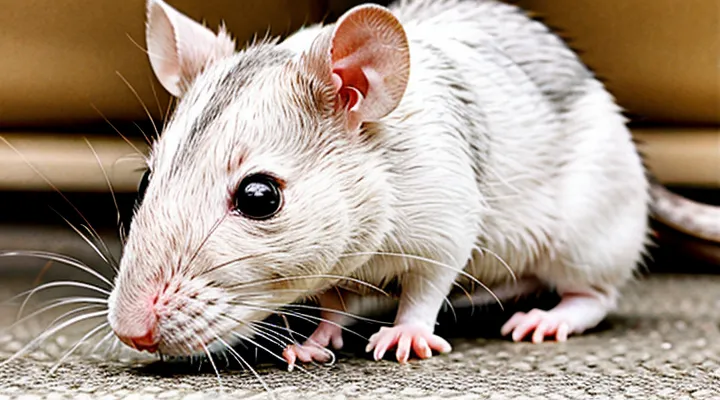
Understanding White Spots on a Rat's Eye
What is a White Spot on a Rat's Eye?
Visual Characteristics
The lesion appears as a discrete, sharply demarcated area of opacity on the corneal surface. It is typically milky‑white, lacking any pigmentation, and contrasts markedly with the surrounding transparent tissue. The spot may be circular or slightly oval, ranging from 0.5 mm to 3 mm in diameter, and is most often situated centrally or slightly nasally, though peripheral placement is also reported.
Transparency loss is confined to the affected zone; surrounding cornea remains clear, allowing the pupil to be visualized except where the spot overlaps the iris. The opacity does not fluoresce under standard illumination and does not exhibit vascularization. In early stages the lesion is flat; progressive cases may develop slight elevation, indicating stromal involvement.
Key visual parameters:
- Color: uniform white, no hemorrhage or discoloration
- Shape: round to oval, well‑defined borders
- Size: 0.5–3 mm, measurable with slit‑lamp calipers
- Location: central, nasal, or peripheral cornea
- Surface: smooth, non‑irregular, no ulceration
- Depth: superficial in acute presentations, deeper in chronic cases
These characteristics assist in differentiating the condition from infectious keratitis, cataract formation, or traumatic scarring, thereby guiding appropriate therapeutic decisions.
Potential Severity
A white lesion on a rat’s cornea can indicate a range of pathological conditions, each with distinct prognostic implications. The severity of the condition depends on the underlying cause, depth of tissue involvement, and the animal’s systemic health.
- Superficial epithelial opacity: limited to the outer cell layer, typically resolves with topical antimicrobial or anti‑inflammatory therapy; minimal impact on vision.
- Stromal infiltrate: deeper tissue involvement, often associated with bacterial or fungal keratitis; may lead to scar formation, reduced visual acuity, and prolonged treatment.
- Endothelial damage or ulceration: penetration to the innermost corneal layer, frequently linked to severe infections or trauma; high risk of perforation, secondary glaucoma, and permanent loss of ocular function.
Rapid progression from superficial to deeper layers increases the likelihood of irreversible damage. Early identification of the lesion’s depth and etiology is essential for preventing complications such as corneal opacity, neovascularization, and loss of sight. Prompt, targeted intervention can mitigate the worst outcomes, whereas delayed or inappropriate therapy may result in chronic ocular disease or euthanasia due to pain and impaired function.
Common Causes of White Spots
Injuries and Trauma
Scratches and Abrasions
Scratches and abrasions of the cornea are frequent sources of focal white lesions on a rat’s eye. Direct contact with sharp objects, aggressive interactions, or abrasive bedding can breach the epithelial surface, producing a localized opacity that appears as a white spot.
Typical causes include:
- Cage equipment with rough edges
- Aggressive biting or fighting
- Bedding particles that become lodged on the ocular surface
- Accidental contact with cleaning tools
Clinical presentation consists of a discrete, whitish area on the cornea, accompanied by tearing, photophobia, and occasional blepharospasm. Fluorescein staining highlights the defect, confirming epithelial loss.
Effective management follows a three‑step protocol:
- Flush the eye with sterile isotonic solution to remove debris.
- Apply a broad‑spectrum ophthalmic antibiotic ointment three times daily to prevent infection.
- Administer a topical non‑steroidal anti‑inflammatory agent for pain relief; consider a temporary protective bandage if the lesion is extensive.
Recovery is monitored by repeated fluorescein examinations; complete re‑epithelialization typically occurs within 5–7 days if treatment is uninterrupted.
Preventive measures focus on minimizing mechanical trauma: inspect cage hardware for sharpness, provide low‑abrasion bedding, and separate aggressive individuals. Regular environmental checks reduce the incidence of corneal scratches, thereby limiting the appearance of white ocular spots.
Foreign Objects
Foreign objects lodged on the ocular surface are a frequent source of white lesions in laboratory rats. The material may be dust, hair, bedding fibers, or small fragments of equipment. When such particles adhere to the cornea or conjunctiva, they provoke localized inflammation, leading to a pale opacity that mimics other ocular pathologies.
Typical foreign bodies include:
- Fine cellulose fibers from bedding
- Metal shavings from cage components
- Plastic particles from enrichment toys
- Hair or fur fragments
- Environmental dust or pollen
Diagnostic steps:
- Perform a thorough external eye examination under a stereomicroscope.
- Use fluorescein staining to reveal epithelial defects and highlight embedded particles.
- Apply a portable slit‑lamp or handheld ophthalmoscope to assess depth of penetration.
- Record the size, shape, and location of the object for treatment planning.
Treatment protocol:
- Irrigate the eye with sterile saline or balanced salt solution to dislodge superficial debris.
- If irrigation fails, employ fine, sterile forceps or a micro‑spatula to extract the object under magnification.
- Apply a broad‑spectrum ophthalmic antibiotic ointment to prevent secondary infection.
- Administer a short course of topical anti‑inflammatory drops (e.g., dexamethasone 0.1 %) if marked edema persists.
- Re‑examine after 24 hours; repeat irrigation or extraction if residual material is observed.
Preventive measures:
- Use low‑dust, paper‑based bedding to reduce fiber contamination.
- Inspect cages and enrichment items regularly for wear that could generate fragments.
- Maintain a clean environment with routine air filtration to limit airborne particles.
Prompt identification and removal of ocular foreign bodies eliminates the white spot, restores visual clarity, and prevents progression to ulceration or secondary infection.
Infections
Bacterial Infections
Bacterial infections are a frequent cause of ocular white lesions in laboratory rats. Pathogenic bacteria colonize the corneal surface or penetrate the sclera, producing localized opacity that appears as a discrete white spot.
Typical agents include:
- Staphylococcus aureus: adheres to the corneal epithelium, secretes toxins that damage stromal tissue.
- Pseudomonas aeruginosa: thrives in moist environments, releases proteases that degrade extracellular matrix.
- Streptococcus pneumoniae: induces inflammatory exudate, leading to fibrin deposition and opacity.
- Mannheimia spp.: associated with conjunctival infection that may extend to the cornea.
Clinical signs often consist of reduced visual acuity, lacrimation, and mild periocular swelling. Microscopic examination reveals infiltrates of neutrophils and bacterial colonies within the affected area. Culture of ocular swabs confirms the causative species and guides antimicrobial selection.
Effective therapy relies on prompt administration of targeted antibiotics:
- Topical fluoroquinolones (e.g., ciprofloxacin 0.3%) applied every 4 hours for 7–10 days.
- Systemic therapy with enrofloxacin (10 mg/kg, subcutaneously, once daily) when deep stromal involvement is suspected.
- Adjunctive anti-inflammatory agents (e.g., dexamethasone eye drops) used cautiously to control edema without compromising bacterial clearance.
Treatment success is monitored by disappearance of the white spot and restoration of corneal clarity. Persistent opacity after 14 days indicates possible scar formation, requiring surgical debridement or corneal grafting.
Preventive measures include strict aseptic handling, regular health surveillance of colony animals, and environmental control to limit humidity and bacterial load. Disinfection of cages and equipment with agents effective against gram‑positive and gram‑negative organisms reduces infection risk.
Fungal Infections
Fungal pathogens are a frequent source of ocular white lesions in laboratory rats. The most commonly isolated species include Aspergillus fumigatus, Candida albicans and Fusarium spp. Infection typically originates from contaminated bedding, feed or humid environments, allowing spores to reach the conjunctival sac and penetrate the corneal epithelium.
Clinical signs consist of a discrete, opaque spot on the cornea, mild edema, and occasionally discharge. Diagnosis relies on direct microscopic examination of corneal scrapings, culture on Sabouraud agar, and, when necessary, polymerase chain reaction to confirm species identity.
Effective management follows a three‑step protocol:
- Topical antifungal therapy: 1% voriconazole or 0.5% natamycin applied every 4 hours for 7–14 days.
- Systemic support: oral itraconazole at 10 mg/kg once daily for 14 days to prevent dissemination.
- Environmental control: replace bedding, reduce humidity below 50 %, and sterilize feed to eliminate spore reservoirs.
Prognosis improves markedly when treatment begins within 48 hours of lesion detection. Persistent lesions may require surgical debridement followed by repeat antifungal application. Regular monitoring of ocular health and strict hygiene reduce recurrence risk.
Viral Infections
Viral agents are frequent contributors to corneal opacity in laboratory rats. Common pathogens include Sendai virus, rat coronavirus, and adenovirus, each capable of inducing epithelial necrosis that manifests as a discrete white spot on the ocular surface. Infection typically follows aerosol or direct contact exposure, with viral replication concentrating in the conjunctival and corneal epithelium, leading to localized inflammation and stromal edema.
Clinical presentation consists of a solitary, non‑pigmented lesion, often accompanied by mild tearing and reduced visual acuity. Cytologic smears reveal multinucleated giant cells and intranuclear inclusion bodies, while polymerase chain reaction (PCR) of conjunctival swabs confirms viral identity. Differential diagnosis must exclude bacterial keratitis, fungal infection, and traumatic injury, which produce distinct morphological and microbiological patterns.
Therapeutic management relies on antiviral compounds and supportive care. Recommended regimen includes:
- Topical application of 0.5 % cidofovir drops every 12 hours for 7 days.
- Systemic administration of 10 mg/kg ribavirin intraperitoneally, divided into two daily doses for 5 days.
- Artificial tear substitutes to maintain corneal hydration.
- Monitoring of lesion size and ocular pressure twice daily; escalation to intravitreal antiviral injection if progression persists.
Prophylaxis emphasizes strict quarantine, routine PCR screening of colony animals, and vaccination where available. Environmental decontamination with 0.1 % sodium hypochlorite reduces viral load on surfaces, limiting transmission within the facility.
Other Medical Conditions
Cataracts
Cataracts are lens opacities that appear as white or cloudy areas, often observed as a distinct spot on the rat’s eye. The condition impairs light transmission and leads to reduced visual acuity.
Common causes include:
- Advanced age
- Inherited mutations affecting lens proteins
- Metabolic disturbances such as diabetes mellitus
- Exposure to ionizing radiation
- Deficiencies of antioxidants (e.g., vitamin E, selenium)
- Chronic infections (e.g., Sendai virus)
- Mechanical trauma to the ocular globe
Diagnosis relies on direct visualization with a slit‑lamp biomicroscope or a handheld ophthalmoscope. Grading of opacity follows established scales, and histopathological examination confirms protein aggregation and fiber disorganization.
Therapeutic options:
- Phacoemulsification to emulsify and aspirate the cataractous lens
- Intra‑ocular lens implantation tailored to rat ocular dimensions
- Experimental pharmacological agents targeting oxidative pathways
- Supportive care with anti‑inflammatory drops to reduce postoperative edema
Preventive measures focus on maintaining stable blood glucose, providing antioxidant‑rich diets, limiting exposure to ultraviolet and ionizing radiation, and breeding programs that screen for hereditary lens defects. Continuous monitoring of ocular health in laboratory colonies enables early detection and timely intervention.
Ulcers
A corneal ulcer is a common source of a white lesion on a rat’s eye. The ulcer represents a breach in the epithelial layer, exposing stromal tissue to infection and inflammation, which appears as a localized opacity.
Typical causes include:
- Mechanical trauma from cage fixtures or handling.
- Bacterial invasion, especially Staphylococcus spp. and Pseudomonas aeruginosa.
- Fungal contamination, often Aspergillus or Fusarium species.
- Chemical irritants such as ammonia or cleaning agents.
- Underlying systemic disease that compromises ocular immunity.
Effective management follows a three‑step protocol:
- Debridement – gently remove necrotic tissue to promote re‑epithelialization.
- Antimicrobial therapy – apply topical antibiotics (e.g., enrofloxacin) or antifungal agents (e.g., natamycin) based on culture results; systemic treatment may be required for severe infections.
- Supportive care – maintain a humidified environment, provide analgesia (e.g., meloxicam), and ensure adequate nutrition to support healing.
Prognosis improves markedly when treatment begins within 24 hours of ulcer detection. Regular ocular examinations and strict hygiene reduce recurrence risk.
Tumors
Tumors are a primary source of unilateral white ocular lesions in laboratory rats. Neoplastic growths arise from the iris, ciliary body, or retinal pigment epithelium, producing a localized opacity that mimics a cataract but lacks lens involvement. Histopathology typically reveals melanocytic or epithelial cell proliferation, with occasional vascularized sarcomas.
Clinical assessment begins with slit‑lamp examination to confirm the lesion’s extra‑lens location. Ultrasonography differentiates solid masses from cystic structures, while fluorescein angiography highlights neovascularization. Definitive diagnosis requires excisional biopsy or fine‑needle aspiration, followed by cytological or immunohistochemical analysis.
Therapeutic options depend on tumor type, size, and progression:
- Surgical excision: enucleation for advanced or invasive lesions; partial iridectomy for localized growths.
- Radiotherapy: fractionated doses achieve tumor control when surgery is contraindicated.
- Chemotherapy: alkylating agents (e.g., cyclophosphamide) or targeted inhibitors for malignant melanomas.
- Observation: small, benign nodules may be monitored with serial imaging.
Prognosis correlates with histological grade; low‑grade melanocytic tumors often remain stable, whereas high‑grade sarcomas exhibit rapid enlargement and metastasis to regional lymph nodes. Early detection and prompt intervention reduce the risk of vision loss and systemic spread.
Nutritional Deficiencies
Nutritional deficiencies can produce a localized, opaque area on the cornea of laboratory rats. Insufficient intake of essential vitamins and minerals disrupts epithelial cell turnover, leading to accumulation of abnormal keratin and loss of transparency. The most common deficits associated with this ocular sign are:
- Vitamin A: reduces mucopolysaccharide synthesis, impairs tear film stability, and weakens corneal epithelium.
- Riboflavin (vitamin B2): essential for cellular energy metabolism; deficiency slows regeneration of corneal cells.
- Zinc: co‑factor for metalloproteases that remodel extracellular matrix; shortage promotes stromal opacity.
- Essential fatty acids: deficiency alters membrane fluidity, compromising barrier function.
Diagnosis relies on dietary history, clinical examination, and, when necessary, serum analysis to confirm low levels of the implicated nutrients. Therapeutic measures focus on correcting the diet and providing targeted supplementation:
- Introduce a balanced rodent chow formulated with adequate vitamin A, riboflavin, zinc, and omega‑3 fatty acids.
- Administer oral or injectable vitamin A at 200 000 IU/kg for three consecutive days, followed by maintenance dosing.
- Provide riboflavin supplementation at 10 mg/kg daily for two weeks.
- Add zinc gluconate to drinking water at 50 ppm for one month.
- Ensure availability of a high‑quality source of essential fatty acids, such as fish oil, at 2 % of total diet.
Monitoring after two weeks should show reduced opacity and restored corneal clarity. Persistent lesions may indicate additional factors, requiring further investigation.
Diagnosis of White Spots
Veterinary Examination Process
Visual Inspection
Visual inspection provides the first reliable indication of ocular pathology in laboratory rodents. The examiner should observe the animal under adequate lighting, preferably with a penlight or low‑magnification loupe, and record the following characteristics of any opaque area on the cornea or sclera:
- Location (central, peripheral, nasal, temporal).
- Size (measured with a calibrated ocular ruler or by comparing with the pupil diameter).
- Shape (round, irregular, crescent).
- Color (pure white, opalescent, grayish).
- Surface texture (smooth, rough, ulcerated).
- Presence of accompanying signs such as discharge, redness, or lid swelling.
A solitary, well‑defined white spot on the central cornea often suggests a focal cataract or early lens opacity, whereas peripheral white lesions may indicate keratitis, ulceration, or calcific deposits. Diffuse whitening of the sclera can be a sign of systemic disease, such as hypervitaminosis A or metabolic disturbances. The observer must also assess the animal’s behavior for signs of visual impairment, including hesitancy to navigate obstacles or reduced grooming.
Documentation should include a brief description, measurements, and a photographic record when possible. Re‑examination after 24–48 hours helps differentiate transient inflammatory changes from progressive lesions. If the spot enlarges, becomes ulcerated, or is accompanied by pain indicators (e.g., squinting, pawing at the eye), immediate referral for diagnostic imaging or microbiological testing is warranted.
Ophthalmoscopy
Ophthalmoscopy provides direct visualization of the retinal and anterior segment structures in laboratory rats. By positioning a handheld ophthalmoscope or a binocular indirect device over the cornea, the examiner obtains a magnified view of the fundus, allowing identification of focal opacities, vascular changes, and inflammatory infiltrates that correspond to the observed white lesion.
Key diagnostic features observed through ophthalmoscopy include:
- Localized retinal whitening with well‑defined borders
- Absence of hemorrhage or exudate surrounding the spot
- Normal optic disc and vasculature, indicating localized pathology
- Presence of anterior chamber reaction, if any, suggesting uveitis
Interpretation of these findings guides therapeutic decisions. A solitary, non‑vascular white area typically indicates focal retinal degeneration or early infectious keratitis, warranting antimicrobial or anti‑inflammatory treatment. Diffuse whitening with associated vasculitis suggests systemic infection or autoimmune response, requiring broader antimicrobial coverage and immunosuppressive therapy.
Repeated ophthalmoscopic examinations track lesion progression, assess treatment efficacy, and detect secondary complications such as retinal detachment or cataract formation. Accurate documentation of lesion size, location, and morphological changes ensures reproducible data for experimental protocols and veterinary care.
Fluorescein Stain Test
The fluorescein stain test is the primary diagnostic tool for evaluating corneal opacity in laboratory rats. A sterile 1 % fluorescein solution is applied to the ocular surface; the dye adheres to areas where the epithelium is compromised, revealing the lesion under cobalt‑blue illumination. This method distinguishes superficial defects from deeper stromal changes, guiding therapeutic decisions.
Procedure
- Place the rat in a gentle restrainer to minimize stress.
- Instill a single drop of fluorescein onto the affected eye.
- Observe the cornea with a blue light source within 30 seconds.
- Record the size, shape, and intensity of the stained area.
- Clean excess dye with sterile saline before any further treatment.
Interpretation
- Uniform, bright green staining indicates epithelial erosion, often linked to traumatic injury or chemical exposure.
- Patchy or peripheral staining suggests localized ulceration, frequently associated with bacterial or fungal infection.
- Absence of staining despite a visible white spot may point to stromal scarring or calcification, requiring alternative imaging modalities.
Treatment implications
- Positive epithelial staining warrants immediate antimicrobial eye drops and a protective ointment to prevent progression.
- Persistent staining after 48 hours signals deeper involvement; systemic antibiotics or antifungal agents may be required.
- Negative staining combined with a persistent white area calls for histopathological analysis to assess fibrosis or mineral deposition.
The fluorescein stain test provides rapid, objective data that streamlines the management of corneal white lesions in rats, reducing the need for invasive procedures.
Additional Diagnostic Tools
Blood Tests
Blood analysis is essential for identifying underlying conditions that produce a white ocular lesion in laboratory rats. A complete blood count evaluates leukocyte populations, indicating bacterial, viral, or parasitic infections that may manifest as corneal opacity. Elevated neutrophils suggest acute bacterial involvement, while lymphocytosis can point to viral or immunologic processes. Platelet counts help assess hemorrhagic tendencies that could compromise ocular integrity.
Serum chemistry profiles reveal metabolic disturbances influencing ocular health. Hyperglycemia, hyperlipidemia, or electrolyte imbalances may predispose rats to corneal edema and subsequent white spotting. Liver enzyme elevations indicate systemic infection or toxin exposure, both capable of inducing ocular changes.
Serological assays detect specific pathogens known to affect the eye. Antibody titers for Mycoplasma pulmonis, Streptococcus spp., and Pseudomonas spp. provide evidence of exposure and guide antimicrobial selection. Polymerase chain reaction (PCR) on blood samples confirms active infection with high specificity, allowing targeted therapy.
When blood results indicate an infectious etiology, treatment protocols include:
- Antibiotics matched to culture or susceptibility data
- Antiviral agents for confirmed viral agents
- Anti‑inflammatory drugs to reduce immune‑mediated damage
If metabolic abnormalities dominate, corrective measures involve dietary adjustments, insulin therapy for hyperglycemia, or electrolyte supplementation. Continuous monitoring of blood parameters ensures therapeutic efficacy and early detection of complications.
In summary, systematic blood testing supplies diagnostic clarity for white eye lesions in rats, directs appropriate medical interventions, and supports ongoing health assessment throughout treatment.
Biopsy
A biopsy provides definitive tissue diagnosis when a white ocular lesion appears in a laboratory rat. The procedure supplies microscopic evidence that distinguishes infectious agents, neoplastic growth, or inflammatory processes, enabling targeted therapy.
During sampling, the eye is anesthetized with an inhalant or injectable agent appropriate for rodents. A sterile microsurgical instrument excises a 1‑2 mm fragment from the affected corneal or scleral area, avoiding damage to adjacent structures. The specimen is placed in formalin or a suitable fixative for histopathological processing, and, if required, in a transport medium for microbiological culture.
Histological evaluation reveals characteristic features:
- Bacterial colonies with associated neutrophils indicate infectious keratitis.
- Atypical epithelial cells with mitotic figures suggest neoplasia.
- Granulomatous infiltrates point to chronic inflammatory disease.
Results guide treatment selection. Antimicrobial eye drops are prescribed for bacterial infection, while surgical excision or chemotherapy may be required for neoplastic lesions. Anti‑inflammatory agents are employed when granulomatous inflammation predominates.
Biopsy thus serves as a critical diagnostic bridge between observation of a white spot and the implementation of an effective therapeutic regimen.
Treatment Approaches for White Spots
Topical Medications
Antibiotic Eye Drops
Antibiotic eye drops constitute the first line of pharmacologic therapy for bacterial ocular lesions that appear as white spots on the cornea or conjunctiva of laboratory rats. Topical agents deliver high concentrations directly to the infected tissue while minimizing systemic exposure.
Commonly employed formulations include aminoglycoside solutions (tobramycin 0.3 %, gentamicin 0.3 %), fluoroquinolone drops (ciprofloxacin 0.3 %, ofloxacin 0.3 %), and macrolide preparations (erythromycin 0.5 %). Selection depends on the suspected pathogen, local resistance patterns, and the drug’s ocular penetration profile.
Standard administration protocol for rats involves:
- Instilling 1–2 µL per eye, calibrated with a micropipette or calibrated dropper.
- Repeating the dose every 4–6 hours during the acute phase (typically 5–7 days).
- Extending treatment by 2–3 days after clinical resolution to prevent relapse.
Effective use requires adherence to aseptic technique, storage of unopened bottles at 2–8 °C, and protection of opened containers from light and contamination. Monitoring for adverse reactions—such as local irritation, corneal epithelial toxicity, or hypersensitivity—should be part of the treatment plan. If signs of inflammation persist despite appropriate therapy, culture and sensitivity testing are recommended to guide alternative antimicrobial choices.
Anti-inflammatory Eye Drops
A white spot on a rat’s cornea often signals inflammation, ulceration, or infection; topical anti‑inflammatory drops are a primary pharmacologic option for reducing edema and pain while supporting tissue repair.
These preparations act by suppressing cytokine release, stabilizing cell membranes, and inhibiting prostaglandin synthesis, thereby limiting leukocyte infiltration and vascular leakage.
Typical agents used in laboratory rodents include:
- Dexamethasone 0.1 % – potent glucocorticoid, rapid reduction of cellular inflammation.
- Prednisolone acetate 1 % – moderate‑strength steroid, suitable for longer‑term use.
- Flurbiprofen 0.03 % – non‑steroidal anti‑inflammatory, minimal impact on intra‑ocular pressure.
- Ketorolac tromethamine 0.5 % – NSAID with strong analgesic effect, compatible with concurrent antimicrobial therapy.
Standard dosing regimens involve 1–2 µL per eye, administered 3–4 times daily for 5–7 days, with adjustments based on lesion severity and response. Frequent observation of corneal clarity, pupil size, and intra‑ocular pressure is required; any rise in pressure or cataract formation warrants immediate cessation.
Adverse effects may include delayed epithelial healing, increased susceptibility to secondary infection, and steroid‑induced glaucoma; combining drops with broad‑spectrum antibiotics mitigates infection risk.
In practice, anti‑inflammatory eye drops form a core component of a multimodal strategy that also addresses microbial agents, nutritional support, and environmental hygiene, ensuring comprehensive management of the ocular lesion.
Antifungal Medications
Antifungal drugs are essential when a fungal infection produces a white ocular lesion in a laboratory rat. The most frequent etiologic agents are Aspergillus spp., Candida spp., and Fusarium spp., which invade the cornea or conjunctiva and generate a localized opacity.
Effective agents include:
- Itraconazole – oral suspension, 10 mg/kg once daily; high tissue penetration, minimal ocular irritation.
- Voriconazole – topical 1 % ophthalmic solution, applied every 4 hours; rapid fungicidal activity against Aspergillus.
- Amphotericin B – 0.15 % eye drops, administered every 6 hours; broad‑spectrum, but may cause epithelial toxicity.
- Fluconazole – oral 15 mg/kg twice daily; useful for Candida infections, limited corneal penetration.
Dosage adjustments are required for rats with hepatic or renal impairment; reduce the dose by 30 % and monitor serum drug levels where feasible. Treatment duration typically spans 7–14 days, extending until the opacity resolves and no clinical signs persist.
Adverse effects to watch for include anorexia, hepatotoxicity (elevated ALT/AST) with azoles, and local irritation or ulceration with polyene eye drops. Routine blood chemistry and ocular examinations should be performed at baseline and midway through therapy.
Resistance patterns emerge when azole monotherapy is prolonged; rotating agents or combining topical polyene with systemic azole can mitigate this risk. Steroid eye drops should be avoided during active infection, as they suppress immune response and promote fungal proliferation.
Supportive measures—maintaining a clean cage environment, providing humidified air, and ensuring adequate nutrition—enhance recovery and reduce recurrence. Prompt identification of the pathogen through culture or PCR guides optimal antifungal selection, leading to faster resolution of the white ocular lesion.
Systemic Medications
Oral Antibiotics
White lesions on the cornea or conjunctiva of laboratory rats often indicate bacterial involvement. Systemic therapy with oral antibiotics is required when topical treatment alone is insufficient or when the infection has spread beyond the ocular surface.
Oral agents are selected based on the likely pathogen, susceptibility patterns, and the ability of the drug to achieve therapeutic concentrations in ocular tissues. Common choices include fluoroquinolones (e.g., enrofloxacin), broad‑spectrum sulfonamides (e.g., trimethoprim‑sulfamethoxazole), and tetracyclines (e.g., doxycycline). Typical dosages are:
- Enrofloxacin: 10 mg/kg once daily.
- Trimethoprim‑sulfamethoxazole: 30 mg/kg twice daily.
- Doxycycline: 5 mg/kg twice daily.
Dosage adjustments may be necessary for young, pregnant, or renally compromised animals.
Effective treatment depends on proper administration. Oral drugs should be given with a small amount of water to ensure complete ingestion; food may be withheld for 30 minutes before and after dosing to improve absorption of certain agents. Treatment duration ranges from 5 to 10 days, extending until clinical signs resolve and culture results confirm eradication. Short courses increase the risk of relapse and promote resistance.
Monitoring includes daily observation of lesion size, discharge, and animal behavior. If signs persist beyond the prescribed period, culture and sensitivity testing guide alternative therapy. Adjunct measures—environmental sanitation, reduced stress, and adequate nutrition—support recovery and reduce reinfection risk.
Pain Management
Pain associated with an ocular white lesion in rats requires prompt, effective control to prevent secondary stress and interference with recovery. Analgesic selection must consider the lesion’s inflammatory component, the animal’s size, and potential interactions with antimicrobial or anti‑inflammatory drugs used for the underlying condition.
Systemic agents commonly employed include:
- Non‑steroidal anti‑inflammatory drugs (NSAIDs) such as meloxicam (0.2 mg/kg, subcutaneously, every 24 h) or carprofen (5 mg/kg, orally, every 12 h). Provide anti‑inflammatory and mild analgesic effects; monitor for gastrointestinal irritation and renal impairment.
- Opioids such as buprenorphine (0.05 mg/kg, subcutaneously, every 8–12 h) or fentanyl patches (0.018 mg/kg/day transdermally). Offer strong analgesia; observe for respiratory depression and altered behavior.
- Combination therapy using a low‑dose NSAID with an opioid enhances pain relief while minimizing individual drug side effects.
Topical options complement systemic treatment:
- Lidocaine ophthalmic gel (0.5 %) applied sparingly to the conjunctival surface every 4 h reduces corneal discomfort; avoid excessive volume to prevent spillover.
- Cyclodextrin‑based NSAID eye drops (e.g., diclofenac 0.1 %) provide localized anti‑inflammatory action; monitor for epithelial irritation.
Monitoring protocols:
- Assess facial expression, grooming, and locomotor activity at least twice daily.
- Record body weight and food intake; declines indicate inadequate analgesia.
- Adjust dosages based on pain scores and physiological parameters, not exceeding recommended maximums.
When the lesion resolves, taper opioid use over 48–72 h to prevent withdrawal. Maintain NSAID therapy for an additional 3–5 days to control residual inflammation. Documentation of analgesic regimen and response ensures reproducibility and compliance with humane research standards.
Surgical Interventions
Removal of Foreign Objects
Foreign material lodged in the cornea or conjunctiva can produce a localized opacity that appears as a white spot on a rat’s eye. The presence of such an object often initiates an inflammatory response, leading to epithelial disruption and stromal edema, which manifest as the observed lesion. Prompt removal eliminates the mechanical irritation, reduces inflammation, and prevents secondary infection.
Effective extraction follows a standardized protocol:
- Anesthetize the animal with an appropriate inhalant or injectable agent to ensure immobility and analgesia.
- Apply a sterile ocular lubricant to the surface to facilitate visualization and reduce friction.
- Examine the eye under a dissecting microscope to locate the foreign body, noting its size, depth, and composition.
- Use fine microsurgical forceps or a sterile needle to grasp the object, taking care not to damage surrounding tissue.
- Gently lift the material away from the ocular surface, maintaining a steady trajectory to avoid tearing the epithelium.
- Irrigate the ocular cavity with sterile saline or balanced salt solution to remove residual debris and inflammatory exudate.
- Administer a topical broad‑spectrum antibiotic and a corticosteroid eye drop to control infection and inflammation, following the veterinary prescription guidelines.
- Monitor the eye for 24–48 hours, recording any recurrence of opacity or signs of infection.
When the foreign object is embedded within the stromal layer, a superficial keratectomy may be required. The procedure involves creating a small lamellar incision with a micro‑trephine, extracting the embedded material, and suturing the corneal flap if necessary. Post‑operative care mirrors the topical regimen described above, with additional analgesia if indicated.
Failure to remove the irritant can lead to persistent leukoma, cataract formation, or perforation. Early intervention, precise technique, and diligent post‑removal management are essential to restore ocular clarity and preserve visual function in laboratory rats.
Cataract Surgery
Cataract surgery is the primary intervention for eliminating a dense, white lens opacity that appears in the rat eye. The procedure restores visual acuity by removing the clouded lens and replacing it with an artificial intra‑ocular lens (IOL). In experimental rodent models, the technique mirrors human phacoemulsification but is adapted to the smaller ocular anatomy.
The operative steps are:
- Induction of general anesthesia with isoflurane or injectable agents, followed by topical anesthetic drops.
- Creation of a corneal or limbal incision (1.0–1.5 mm) to access the anterior chamber.
- Injection of viscoelastic substance to maintain chamber depth and protect corneal endothelium.
- Phacoemulsification of the cataractous lens using a micro‑ultrasonic probe, or manual aspiration for softer lenses.
- Insertion of a foldable or rigid IOL into the capsular bag, ensuring centration.
- Removal of viscoelastic material, wound closure with a single suture or self‑sealing technique, and application of postoperative antibiotic‑steroid ointment.
Post‑operative management includes daily ocular examinations for inflammation, intra‑ocular pressure monitoring, and administration of topical anti‑inflammatory drops for 5–7 days. Successful outcomes are reported in over 90 % of treated rats, with rapid restoration of retinal image formation and minimal complications when sterile technique and appropriate IOL sizing are observed.
Cataract surgery thus provides a definitive solution for the white spot caused by lens opacification in rats, facilitating both clinical recovery and reliable experimental conditions for vision research.
Tumor Excision
The appearance of a localized white lesion on a rat’s cornea often signals an underlying neoplastic growth. When histopathology confirms a tumor, surgical removal becomes the definitive therapeutic option.
Tumor excision in this context requires precise microsurgical technique. The procedure begins with anesthesia induction, followed by ocular surface sterilization. A 2‑3 mm incision is made at the limbus to access the lesion. The mass is carefully dissected from surrounding healthy tissue using fine forceps and microscalpels, maintaining a clear margin of at least 0.5 mm. Hemostasis is achieved with gentle pressure and, if necessary, topical vasoconstrictors. The wound is closed with absorbable sutures, and a topical antibiotic ointment is applied to prevent infection.
Post‑operative care includes:
- Daily monitoring for edema, discharge, or recurrence
- Administration of analgesics for 48 hours
- Application of anti‑inflammatory drops for 5 days
- Re‑examination with slit‑lamp biomicroscopy at 7‑day intervals
Successful excision eliminates the source of the white spot, restores corneal clarity, and reduces the risk of secondary complications such as ulceration or intraocular invasion.
Supportive Care
Eye Flushing
Eye flushing refers to the sudden increase of blood flow to the ocular surface, producing a reddened appearance that often accompanies a white lesion on the rat’s cornea or conjunctiva. The vascular response can exacerbate tissue damage, impair visual function, and interfere with experimental outcomes.
Common triggers of ocular flushing in rats with corneal white spots include:
- Mechanical irritation from bedding or handling
- Bacterial or fungal infection of the corneal epithelium
- Allergic reaction to environmental allergens or topical agents
- Systemic inflammation causing vasodilation of ocular vessels
Effective management of eye flushing involves addressing the underlying cause while reducing vascular congestion:
- Identify and eliminate irritants; replace abrasive bedding, adjust handling techniques.
- Apply appropriate antimicrobial therapy based on culture results; topical fluoroquinolones for bacterial infections, azoles for fungal involvement.
- Administer antihistamine eye drops or systemic antihistamines for allergic reactions.
- Use non‑steroidal anti‑inflammatory drugs (NSAIDs) to diminish vasodilation; consider topical diclofenac for localized control.
Supportive measures enhance recovery:
- Maintain a humidified environment to prevent corneal drying.
- Provide balanced nutrition rich in vitamin A to support epithelial regeneration.
- Monitor ocular temperature and redness daily; document changes with standardized scoring.
Prompt intervention curtails prolonged flushing, limits expansion of the white corneal area, and restores normal ocular physiology, thereby preserving the integrity of experimental data.
Environmental Adjustments
Environmental factors significantly influence the development and resolution of corneal opacities in laboratory rats. Maintaining optimal conditions reduces the incidence of white lesions and supports recovery when lesions appear.
- Humidity control: Keep relative humidity between 45 % and 55 % to prevent ocular surface drying. Use humidifiers in low‑humidity rooms and monitor with calibrated hygrometers.
- Ventilation quality: Ensure adequate air exchange (10–15 air changes per hour) without drafts directly across cages. Install laminar flow hoods where possible to minimize particulate contamination.
- Temperature stability: Maintain ambient temperature at 20–24 °C. Avoid sudden fluctuations that can stress the animal and exacerbate ocular inflammation.
- Lighting regimen: Provide a consistent 12‑hour light/dark cycle with light intensity not exceeding 150 lux at cage level. Use filtered lighting to reduce ultraviolet exposure.
- Cage hygiene: Change bedding weekly and sanitize cages biweekly with approved disinfectants. Remove soiled bedding promptly to limit bacterial load.
- Dust reduction: Use low‑dust bedding materials (e.g., paper or cellulose) and avoid wood shavings that release volatile compounds. Implement dust‑capture filters in ventilation systems.
- Water quality: Supply fresh, filtered water daily. Test for contaminants such as chlorine or heavy metals that can irritate the ocular surface.
- Enrichment placement: Position enrichment objects away from direct airflow to prevent eye irritation from moving particles.
Implementing these adjustments creates a stable environment that minimizes ocular surface stress, decreasing the likelihood of corneal white spots and facilitating therapeutic outcomes when lesions develop.
Prevention and Prognosis
Preventive Measures
Maintaining Cage Hygiene
Maintaining cage hygiene directly reduces the risk of ocular white lesions in laboratory rats. Contaminated bedding, food residue, and irregular cleaning create environments where opportunistic pathogens thrive, leading to corneal opacities and other eye abnormalities.
- Perform a full cage change at least once weekly.
- Spot‑clean daily: remove soiled bedding, droppings, and wet food.
- Disinfect cages with an approved veterinary sanitizer after each full change.
- Rinse thoroughly with water before adding fresh bedding to eliminate chemical residues.
Use low‑dust, absorbent bedding that does not promote fungal growth. Replace bedding material if it becomes clumped or damp, as moisture fosters bacterial proliferation. Avoid substrates that shed fibers, which can irritate the ocular surface.
Provide fresh, uncontaminated water in a sealed bottle; replace it daily. Store feed in sealed containers, discard any spillage promptly. Ensure that food dishes are cleaned and sanitized regularly to prevent bacterial colonization.
Inspect cages weekly for signs of wear, cracks, or leaks that could harbor microbes. Record cleaning dates and observations of animal health. Immediate isolation of any rat showing a white eye spot allows targeted treatment and prevents spread to the colony.
Proper Nutrition
Proper nutrition directly influences ocular health in rodents, including the development of white lesions on the cornea or lens. Deficiencies in specific nutrients compromise the integrity of the corneal epithelium and the lens capsule, creating conditions favorable for opacity formation.
Key dietary components that support eye clarity are:
- Vitamin A (retinol) – essential for epithelial maintenance; deficiency leads to keratinization and opacity.
- Vitamin E (α‑tocopherol) – antioxidant protecting membrane lipids from oxidative damage.
- Vitamin C (ascorbic acid) – water‑soluble antioxidant that preserves collagen structure in the cornea.
- Omega‑3 fatty acids (EPA, DHA) – reduce inflammatory mediators that can aggravate corneal lesions.
- Selenium – co‑factor for glutathione peroxidase, limiting oxidative stress in ocular tissues.
- Zinc – required for metalloprotein function in the retina and cornea.
A balanced rodent chow should contain at least 3000 IU/kg vitamin A, 100 mg/kg vitamin E, and 250 mg/kg vitamin C. Supplementation with fish oil (providing 1 % EPA/DHA) and a trace mineral mix delivering 0.3 mg/kg selenium and 50 mg/kg zinc prevents micronutrient shortfalls.
Feeding practices that reinforce nutrient availability include:
- Providing fresh water enriched with a low‑dose vitamin C solution to maintain stable plasma levels.
- Rotating protein sources (e.g., soy, casein, fish meal) to ensure a complete amino acid profile, supporting collagen synthesis.
- Avoiding high‑fat, low‑fiber diets that predispose to systemic inflammation and secondary ocular pathology.
When a white spot appears, immediate dietary correction can halt progression. Replace standard chow with a formulated high‑vitamin, high‑antioxidant diet for a minimum of two weeks, monitor lesion size weekly, and adjust supplementation based on blood nutrient assays. If the opacity persists despite optimal nutrition, additional therapeutic measures should be considered.
Regular Health Checks
Regular health examinations are essential for laboratory and pet rats because they allow early identification of ocular abnormalities that may indicate underlying disease. A systematic visual assessment of each animal’s eyes during routine checks can reveal the first signs of a white lesion, prompting timely investigation and intervention.
Key elements of a comprehensive rat health check include:
- Direct observation of the cornea and sclera for discoloration, opacity, or irregularities.
- Use of a magnifying lens or portable ophthalmoscope to assess lesion size, location, and vascular involvement.
- Recording of ocular findings in the animal’s health log for trend analysis.
- Evaluation of associated clinical signs such as discharge, rubbing behavior, or changes in vision.
When a white spot is detected, the following steps should be taken:
- Confirm the lesion’s characteristics through repeat examination and, if available, fluorescein staining to assess epithelial integrity.
- Collect a sample of any ocular discharge for cytology and culture to identify infectious agents.
- Initiate appropriate therapy based on the most likely etiology, which may involve topical antimicrobials, anti‑inflammatory drops, or systemic treatment for systemic infections.
- Schedule follow‑up examinations at 2‑ to 3‑day intervals to monitor lesion resolution and adjust treatment as needed.
Integrating these procedures into routine health monitoring ensures that ocular pathologies are addressed before they progress, supporting the overall welfare and experimental reliability of rat colonies.
Prognosis and Long-Term Care
Recovery Expectations
Recovery after therapeutic intervention for a white ocular lesion in rats follows a predictable pattern, provided the underlying cause has been addressed and supportive care is maintained. Clinical improvement typically begins within 48–72 hours of treatment initiation, with visible reduction of the spot and restoration of corneal clarity. Full functional recovery—defined as normal visual behavior and absence of photophobia—generally occurs within 7–14 days, although this interval may extend to three weeks if the lesion was severe or if systemic disease persists.
Key factors influencing the outcome include:
- Etiology of the lesion (infectious, traumatic, metabolic).
- Promptness of diagnosis and initiation of appropriate therapy.
- Adequacy of antimicrobial or anti‑inflammatory dosing.
- Presence of concurrent ocular comorbidities (e.g., cataract, uveitis).
- Overall health status and immune competence of the animal.
Potential residual effects are limited to mild stromal scarring or slight opacity that does not impair vision. Persistent opacity beyond the expected healing window warrants re‑evaluation for secondary infection, inadequate drug penetration, or underlying systemic pathology.
Monitoring protocol should consist of daily ocular examinations for the first week, followed by bi‑weekly assessments until complete resolution. Documentation of lesion size, corneal transparency, and behavioral response to light provides objective criteria for gauging progress and determining the need for therapeutic adjustment.
Potential Complications
The appearance of a white lesion on a rodent’s ocular surface can lead to several adverse outcomes if not addressed promptly. Primary concerns include corneal ulceration, which may progress to perforation and loss of globe integrity. Persistent opacity often results in permanent visual impairment, reducing the animal’s ability to navigate its environment and increasing the risk of accidental injury. Secondary bacterial or fungal colonization of the damaged tissue can exacerbate inflammation and accelerate tissue degradation. Inflammatory sequelae may extend to the anterior chamber, causing uveitis and intra‑ocular pressure elevation, potentially culminating in glaucoma. Systemic spread of infectious agents from the eye to adjacent facial structures or the bloodstream poses a threat to overall health, especially in immunocompromised specimens.
Treatment‑related complications must also be considered. Topical antimicrobial agents can induce epithelial toxicity, slowing healing and promoting scar formation. Repeated anesthetic exposure carries the risk of respiratory depression and cardiovascular instability in small mammals. Intravitreal injections, when employed, may cause retinal detachment or vitreous hemorrhage if performed incorrectly. Overuse of corticosteroids to control inflammation can suppress local immunity, facilitating opportunistic infections. Monitoring for these potential adverse effects is essential to preserve ocular function and ensure the welfare of the affected rat.