
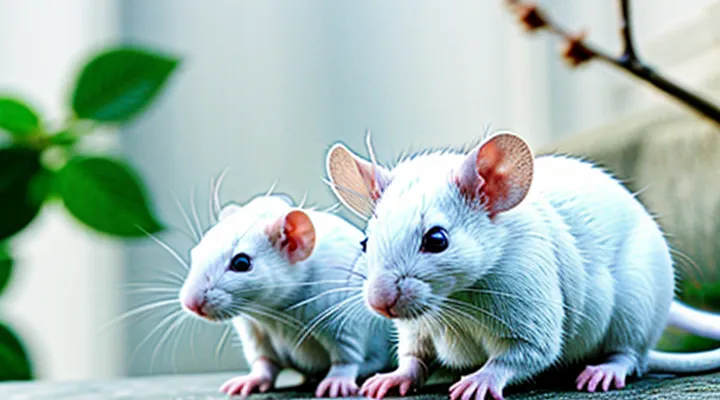
General Dream Interpretation of Rats
Positive Connotations of Rats in Dreams
Dreams that include rats are often interpreted as messages from the subconscious, and when the animal appears as a white rat, the symbolism tends toward favorable outcomes.
Positive aspects associated with rats in nocturnal visions include:
- Resourcefulness: the dream signals an ability to locate solutions in unexpected places.
- Adaptability: it reflects readiness to adjust to changing circumstances without loss of direction.
- Community: the presence suggests supportive relationships or the formation of new alliances.
- Prosperity: the imagery may herald financial improvement or the successful completion of a project.
The color white intensifies these meanings, adding layers of purity, clarity, and renewal. A white rat can represent a clean slate, indicating that past difficulties have been resolved and future endeavors will proceed without lingering doubts.
When interpreting such a dream, focus on the emotional tone experienced during the vision. Feelings of calm, curiosity, or confidence reinforce the beneficial interpretation, whereas fear or disgust may point to unresolved anxieties that need attention. Assess current life situations for opportunities that align with the traits listed above; the dream often acts as a reminder to embrace resourcefulness, nurture connections, and pursue promising ventures.
Negative Connotations of Rats in Dreams
Dreams featuring white rats often trigger concern because rats traditionally symbolize decay, betrayal, and disease. When the animal appears in a pale hue, the contrast can intensify feelings of unease, suggesting that the negative traits are being highlighted rather than softened.
The following interpretations commonly arise from such imagery:
- Hidden contamination – a subconscious alert to toxic influences in personal or professional environments.
- Deception – an indication that a trusted individual may be concealing harmful intentions.
- Loss of control – a representation of chaotic forces that threaten order and stability.
- Fear of poverty – an association with scarcity, as rats are linked to scavenging and scarcity in many cultures.
Psychological frameworks link rat imagery to the amygdala’s response to threat. The white coloration may reflect a fear of purity being compromised, where the dreamer perceives an intrusion upon an ideal or clean state.
Cultural narratives reinforce these meanings. In Western folklore, rats accompany plague and ruin; in Eastern symbolism, white animals can denote ghostly presences. The convergence of color and species therefore amplifies the warning signal, prompting the dreamer to examine sources of contamination, betrayal, or disorder in waking life.
Specific Meanings of White Rats in Dreams
Purity and Innocence
White rats appearing in a dream often signal a state of unblemished simplicity. The color white conveys cleanliness, while the rat’s modest size suggests a lack of threat, together forming an image of untouched virtue.
The animal’s reputation for survival does not diminish the purity implied by its pale hue. When the creature behaves calmly or is observed from a distance, the dream reinforces a sense of innocence untainted by guilt or corruption.
Key interpretive points:
- Calm behavior indicates emotional equilibrium and a return to a basic, unspoiled self.
- Presence in a clean environment strengthens the association with moral clarity.
- Interaction that is gentle or protective reflects a desire to preserve personal integrity.
- Seeing the rat in a group of similarly colored animals expands the theme to communal purity.
Overall, the vision encourages the dreamer to recognize an inner reservoir of innocence, suggesting that current circumstances allow for a reaffirmation of ethical simplicity.
Hidden Betrayal or Deception
Dream imagery of a white rat often signals concealed treachery. The animal’s color suggests purity, yet its presence disrupts that perception, pointing to a covert agenda that masks itself as harmless. When the rat appears, it typically signals that someone close is presenting false intentions, using a veneer of innocence to hide ulterior motives.
Interpretive cues strengthen this reading:
- The rat is observed but not directly confronted; avoidance indicates denial of the betrayal.
- Interaction involves secrecy, such as whispering or hidden exchanges, reinforcing the theme of deception.
- The setting is familiar (home, workplace), suggesting the deceit originates within a trusted environment.
Consequences of ignoring the symbol include prolonged mistrust and potential exploitation. Recognizing the white rat as an alert to hidden betrayal allows the dreamer to reassess relationships, verify information, and safeguard personal interests.
Opportunity and New Beginnings
Dreams featuring white rats often signal the arrival of fresh possibilities. The animal’s color suggests purity and clarity, while the rat’s reputation for adaptability underscores a readiness to navigate new circumstances. When such a creature appears, the subconscious may be highlighting a moment when previously hidden options become visible.
The symbolism aligns with the concept of beginnings that require decisive action. The white rat’s presence can indicate that the dreamer is poised to initiate a venture, embrace a change, or accept an invitation that promises growth. The image encourages confidence in taking the first step, emphasizing that the path ahead is untainted by past failures.
Key interpretations related to opportunity and new starts:
- Recognition of an emerging chance that aligns with personal values.
- Motivation to leave stagnant routines and explore unfamiliar territory.
- Assurance that the upcoming phase will be marked by clarity and purpose.
Overall, the white rat in a dream functions as a concise reminder that a period of renewal is imminent, urging the dreamer to act promptly and harness the clean slate presented.
Intuition and Inner Wisdom
Dream imagery featuring white rodents often signals an internal alert system. The color white suggests purity, clarity, and a fresh perspective, while the animal’s behavior reflects subtle cues from the subconscious. When such a creature appears, the mind may be urging the dreamer to trust instinctive judgments that bypass rational analysis.
The presence of a white rat can indicate that inner guidance is attempting to surface. This signal typically manifests as:
- An urge to listen to gut feelings rather than external advice.
- A reminder that personal insight, cultivated through quiet reflection, holds actionable information.
- An invitation to examine hidden emotional patterns that influence decision‑making.
In practice, the dream serves as a diagnostic tool. By noting the rat’s actions—scurrying, nibbling, or remaining still—one can gauge the strength and direction of intuitive messages. Rapid movement may point to urgent, spontaneous insight; calm stillness may suggest a need for patient contemplation before acting.
Integrating this awareness involves two steps. First, pause to record the dream’s specifics without judgment. Second, compare the recorded symbols with current life circumstances, identifying areas where intuition has been overlooked. This method transforms fleeting nocturnal images into a reliable source of inner wisdom, guiding choices with a clarity that rational analysis alone may not provide.
Spiritual Transformation
Dreams that present white rats often signal a shift in inner perception. The animal’s pale coloration suggests purity, while the rat’s reputation for navigating hidden pathways points to an emerging awareness of subconscious currents. Together, these elements indicate a process of spiritual renewal that moves beyond surface concerns.
The transformation unfolds through several stages:
- Recognition of suppressed instincts; the dream prompts acknowledgment of primitive drives that have been denied.
- Reorientation of values; the white hue urges a move toward clarity, compassion, and ethical alignment.
- Integration of shadow aspects; the rat’s reputation for scavenging encourages the assimilation of neglected emotions into a cohesive self‑concept.
- Emergence of heightened intuition; the dream’s vivid imagery strengthens inner guidance, facilitating decisions that reflect deeper truths.
Each stage contributes to a redefined sense of purpose, aligning personal aspirations with a broader, more harmonious worldview. The recurring presence of the white rat serves as a catalyst, urging the dreamer to relinquish outdated patterns and adopt a more authentic, spiritually attuned mode of existence.
Cultural and Historical Perspectives on White Rats
White Rats in Folklore and Mythology
White rats appear in the folklore of many cultures, often as omens or agents of supernatural activity. In Chinese legend, the white rat is linked to the Moon deity, serving as a messenger that carries wishes to the heavens. Japanese myths describe a white rat as a shape‑shifting spirit (yōkai) that can bring fortune or mischief depending on its treatment by humans. Celtic tales recount a white rat prowling the borders of sacred groves, representing the thin line between the natural world and the Otherworld. Slavic folklore frequently portrays a white rat as a household guardian that warns of impending danger, while certain Native American narratives assign the creature the role of a trickster who tests the moral fiber of individuals.
Across these traditions, the animal embodies contrasting qualities. Purity and innocence arise from its white coat, yet its association with disease and infestation conveys danger and impurity. The duality reflects a cultural perception of rats as both survivors and vectors of decay, capable of crossing boundaries between life and death, order and chaos.
When a white rat surfaces in a dream, the symbolic load drawn from myth informs its interpretation. Common readings include:
- A signal of forthcoming change, especially transformation that requires shedding old habits.
- An alert to hidden threats, such as health concerns or deceit in one’s environment.
- An indication of latent creativity or resourcefulness, echoing the animal’s adaptability.
- A reminder of moral accountability, recalling the trickster role that tests ethical choices.
The mythic background therefore provides a framework for decoding the presence of a white rat in nocturnal visions, linking ancient narrative patterns to personal subconscious messages.
White Rats in Modern Symbolism
White rats appearing in contemporary symbolism often represent purity juxtaposed with underlying anxiety. Their pale coloration suggests innocence, while the rodent form evokes notions of hidden threats and survival instincts. This duality appears frequently in visual art, literature, and digital media, where creators employ the creature to comment on societal pressures that mask themselves behind benign appearances.
In modern dream analysis, a white rat may signal unresolved emotional turbulence that the dreamer attempts to conceal. The animal’s small size emphasizes the subtlety of the issue, whereas its color underscores a desire for cleansing or renewal. Interpreters frequently associate this image with personal boundaries that have been breached, prompting a subconscious call for vigilance.
Common symbolic associations include:
- Purity corrupted – a reminder that seemingly clean environments can harbor hidden decay.
- Adaptation under scrutiny – an illustration of resilience when exposed to public observation.
- Hidden intelligence – an acknowledgment of cleverness operating beneath the surface.
Artists and designers leverage these meanings to craft narratives that critique consumer culture, environmental neglect, or psychological repression. The recurring use of white rats thus serves as a concise visual shorthand for complex, often contradictory, human experiences.
Psychological Interpretations of White Rats in Dreams
The Shadow Self and Repressed Emotions
White rats that surface in nocturnal visions often serve as a mirror for the hidden aspects of the psyche. Their stark coloration emphasizes purity contrasted with the creature’s traditional association with filth, prompting the mind to confront the parts of itself that have been denied or suppressed.
The appearance of a white rat signals the emergence of the shadow self—traits, impulses, and memories that the conscious ego has relegated to the background. This symbol urges the dreamer to acknowledge feelings of shame, guilt, or anger that have been kept out of awareness. Recognizing these emotions reduces their power to operate covertly and allows integration into a more balanced self‑concept.
Key implications of this dream motif include:
- Identification of repressed anger or resentment that may be influencing daily behavior.
- Awareness of concealed desires that conflict with the individual's self‑image.
- Prompting of introspective work aimed at reconciling the conscious identity with its hidden counterpart.
Engaging with the symbolism of a white rat encourages a deliberate examination of internal conflicts. By bringing the shadow material into conscious scrutiny, the individual can transform lingering tension into constructive personal growth.
Fear of the Unknown
Dreams that feature white rats often surface when the subconscious confronts uncertainty. The animal’s pale coloration emphasizes purity and vulnerability, while its typical association with hidden spaces evokes concealed threats. This combination creates a symbolic representation of fear of the unknown, prompting the dreamer to recognize areas of life that feel ambiguous or uncontrolled.
Psychological analysis links the presence of white rats to anxiety about unseen variables. The creature’s small size suggests that the perceived danger is manageable, yet its nocturnal habits reinforce the idea that the threat is not fully illuminated. The dream thus signals a need to examine hidden factors before they manifest as larger concerns.
Practical implications include:
- Identifying situations where information is incomplete.
- Assessing emotional responses when outcomes remain unclear.
- Developing strategies to gather data and reduce ambiguity.
By acknowledging the symbolic message, individuals can transform the unsettling image into a catalyst for proactive inquiry, thereby diminishing the grip of uncertainty.
Desire for Control or Escape
Dreams that include white rats often symbolize a subconscious struggle between the need to dominate one’s environment and the urge to flee from overwhelming pressures. The animal’s color conveys purity or innocence, while the rat’s reputation for survival underscores adaptability. When the dreamer perceives the rat as a tool for manipulation—such as directing its movements or using it to achieve a goal—the image reflects an explicit desire for control. Conversely, if the rat appears to escape, hide, or evade the dreamer’s attention, the scene signals a wish to withdraw from demanding circumstances.
Key aspects that differentiate the control versus escape interpretation include:
- Active engagement: Guiding the rat, setting traps, or commanding its actions points to an assertive stance, suggesting the dreamer seeks mastery over personal or professional challenges.
- Passive observation: Watching the rat flee, noticing its disappearance, or feeling powerless to stop it indicates a yearning to disengage, often linked to stress, burnout, or fear of failure.
- Emotional tone: Feelings of satisfaction or triumph when manipulating the rat reinforce a control motive; anxiety, dread, or relief when the rat escapes highlight an escape motive.
Understanding which scenario dominates the dream provides insight into the dreamer’s current coping strategy. A prevalence of control imagery may warrant reflection on whether the individual is overextending authority, while recurring escape motifs suggest the need to create safe boundaries or consider withdrawal from oppressive situations.
Practical Advice for Interpreting White Rat Dreams
Analyzing the Dream's Context
Dreams in which white rats appear demand attention to surrounding details, because the surrounding environment determines symbolic direction. Observe the setting: a laboratory, a house, an outdoor space, or a dark alley each channels a distinct emotional tone. A clean, brightly lit room suggests order, control, or purification, while a cluttered or dim space hints at hidden anxieties or unresolved conflicts.
Identify the actions of the rat. A rat running freely, being chased, or being captured each conveys a different message. Freedom implies a release of suppressed impulses; pursuit indicates stress or fear of being overtaken; capture may symbolize an attempt to contain or confront a problem.
Consider the dreamer’s emotional response. Feelings of disgust, curiosity, calm, or affection shape the interpretation. Disgust aligns with avoidance of unwanted habits; calm reflects acceptance of an aspect of self; curiosity signals a willingness to explore neglected talents or instincts.
Examine personal associations with rats. Past experiences, cultural references, or recent media exposure can color the imagery. A scientist’s familiarity with laboratory rats may translate the animal into a symbol of research, analysis, or systematic problem‑solving.
Summarize the contextual factors:
- Physical location (clean vs. dirty, public vs. private)
- Rat’s behavior (running, hiding, interacting)
- Dreamer’s emotions (repulsion, intrigue, serenity)
- Personal and cultural background (previous encounters, symbolism)
Integrating these elements yields a nuanced reading that moves beyond generic animal symbolism, revealing how the white rat functions as a mirror of the dreamer’s current psychological landscape.
Considering Personal Feelings and Associations
Dreams that contain white rats often serve as mirrors of the dreamer’s inner life. The emotional tone experienced during the dream—fear, curiosity, disgust, or affection—directly influences the symbol’s significance. When the dreamer feels uneasy, the animal may represent hidden anxieties; when the feeling is neutral or positive, it can signal unnoticed resources or resilience.
Personal memories linked to laboratory work, childhood pets, or cultural stories shape the rat’s connotation. A scientist who handled white lab rodents may interpret the creature as a reminder of precision and observation, whereas someone who recalls a childhood encounter with a timid mouse may view the white rat as a sign of vulnerability that requires protection.
Typical personal associations and their possible interpretations include:
- Fear of contamination or disease – suggests concern about personal health or emotional “infection” by toxic relationships.
- Sense of curiosity or investigation – points to a drive for knowledge, urging the dreamer to explore a concealed problem.
- Feeling of helplessness or confinement – reflects perceived limitations in one’s current environment, encouraging a reassessment of boundaries.
- Affection or empathy toward the animal – indicates acceptance of one’s own imperfections and a willingness to nurture neglected aspects of the self.
Evaluating these feelings alongside the dream’s context yields a nuanced reading that aligns the white rat’s image with the individual’s unique psychological landscape. The process demands honest self‑reflection, because the same animal can convey contrasting messages for different people based on their personal history and emotional response.
Consulting Dream Dictionaries and Experts
Consulting published dream dictionaries provides immediate reference points for the symbolism of a white rat appearing in a night vision. Most entries associate the animal’s color and behavior with themes of purity, hidden threats, and subconscious messages. Typical explanations include:
- A white rat signifies concealed anxieties that have been sanitized or suppressed.
- The creature’s movement may reflect a need to address lingering doubts about personal integrity.
- Interaction with the rat—such as catching, feeding, or fearing it—often denotes the dreamer’s attitude toward vulnerable aspects of self‑esteem.
Professional dream analysts expand beyond static definitions. They examine the dream’s narrative, emotional tone, and personal history to construct a tailored interpretation. Their methodology commonly comprises:
- Gathering detailed recollection of the dream, including setting, actions, and feelings.
- Correlating the white rat motif with the individual’s current life circumstances, stressors, and aspirations.
- Integrating symbolic layers from cultural, psychological, and mythological sources to produce a nuanced reading.
When selecting reference materials or consultants, prioritize sources with documented expertise, such as authors with academic backgrounds in Jungian or Freudian theory, and practitioners who publish case studies or peer‑reviewed articles. Verify credentials, review client testimonials, and ensure the analysis respects the dreamer’s personal context rather than imposing generic archetypes. This disciplined approach maximizes the relevance and accuracy of the interpretation.
Common Scenarios Involving White Rats in Dreams
Being Bitten by a White Rat
Dreams in which a white rat bites the sleeper convey a distinct set of messages. The bite itself acts as a trigger, drawing attention to an underlying concern that the dreamer may be ignoring.
The sensation of being bitten often signals:
- An intrusion of anxiety or fear into the conscious mind.
- A warning about a subtle threat, such as a hidden conflict or a minor health issue.
- A reminder of personal boundaries that have been crossed, suggesting the need to assert control.
White coloration adds a layer of meaning. In dream literature, white typically denotes purity, innocence, or a fresh start. When combined with a rat—a creature associated with survival instincts and adaptability—the image suggests that the dreamer is confronting an aspect of themselves that is both pure and pragmatic. The bite may therefore indicate an urge to integrate practical wisdom into an untainted part of one’s identity.
Psychological analysis links the rat bite to the shadow self, the portion of the psyche that holds repressed impulses. The abrupt pain of the bite forces the dreamer to acknowledge these suppressed elements, prompting self‑examination and potential growth.
Practical steps after experiencing such a dream include:
- Recording the dream details immediately to preserve context.
- Identifying recent situations where personal limits felt threatened.
- Evaluating health habits for signs of minor ailments that may manifest symbolically.
- Reflecting on any recent decisions that involve purity, renewal, or ethical clarity.
Interpreting the bite as a call to action helps transform the unsettling experience into a constructive insight.
Chasing or Being Chased by a White Rat
Dreams in which a white rat is either chased or doing the chasing signal a dynamic between pursuit and avoidance. The animal’s color suggests purity, innocence, or a desire for cleanliness, while the act of chasing introduces tension, urgency, or confrontation.
When the dreamer chases a white rat, the scenario often reflects an effort to capture a fleeting idea, resolve a hidden problem, or reclaim a sense of order that feels threatened. The pursuit may indicate a proactive stance toward rectifying a situation that feels morally ambiguous or contaminated.
When a white rat pursues the dreamer, the image typically conveys feelings of being pursued by unresolved guilt, suppressed instincts, or an external pressure that challenges the dreamer’s sense of moral clarity. The chase may also represent anxiety about losing control over a delicate aspect of life that the rat symbolizes.
Common interpretations include:
- A call to confront hidden weaknesses that jeopardize personal integrity.
- An urge to restore balance after a period of emotional or ethical disarray.
- A manifestation of fear that purity or order is being compromised.
- A reminder to address lingering doubts about one’s own intentions or actions.
Holding or Petting a White Rat
Dreams in which you hold or pet a white rat convey messages about personal relationships and emotional balance. The gentle contact suggests a willingness to engage with aspects of yourself that are often dismissed as insignificant or unclean. This interaction signals acceptance of vulnerability and a readiness to nurture qualities such as intuition, adaptability, and subtle influence.
Typical interpretations include:
- Recognition of hidden talents that can be developed through careful attention.
- A call to integrate rational analysis with compassionate instincts, especially in collaborative environments.
- An indication that a current partnership or friendship requires a softer, more supportive approach.
When the rat appears calm and the touch feels pleasant, the dream encourages confidence in handling delicate situations. If the animal seems uneasy or the contact feels forced, it warns against imposing control over fragile matters and advises a reassessment of boundaries.
Seeing Multiple White Rats
Dreams that include several white rodents often point to issues of cleanliness, order, or hidden anxieties. The presence of multiple animals amplifies the symbolic weight, suggesting that the concerns are not isolated but part of a broader pattern in the subconscious. The white coloration typically conveys purity, innocence, or a desire for clarity, while the rat’s reputation for stealth and survival adds a layer of caution regarding unseen problems or social dynamics.
Common interpretations include:
- Repeated signals of unresolved stress related to personal or professional environments that require systematic cleaning or restructuring.
- Indications of suppressed emotions seeking acknowledgment; the number of creatures may reflect the magnitude of the internal conflict.
- A warning about potential betrayal or deceit within a group, where the white hue masks underlying intentions.
In therapeutic contexts, the dreamer is advised to examine areas of life where order appears compromised, to assess relationships for hidden motives, and to consider steps toward emotional purification. Addressing these themes can transform the unsettling imagery into a catalyst for practical change.
A Dead White Rat in a Dream
Dreaming of a dead white rat conveys a specific set of symbolic messages. The animal’s color, species, and condition combine to create a distinct narrative that differs from other rodent imagery.
The whiteness of the rat suggests purity, vulnerability, or a connection to the subconscious. When the creature is lifeless, the dream often signals the end of a phase linked to these qualities. Common interpretations include:
- Completion of a hidden project or secret endeavor, especially one that required discretion.
- Release from a lingering anxiety that was previously masked by a sense of innocence.
- Indication of a health concern that has been unnoticed, prompting a need for medical review.
- Symbolic death of a personal habit or belief that no longer serves the dreamer’s growth.
- Warning that a seemingly harmless situation may conceal a detrimental outcome.
Psychological analysis ties the image to the process of integration. The dead rat represents material that the unconscious mind has discarded, allowing the conscious self to reorganize priorities. In therapeutic contexts, the dream may be used to explore feelings of loss, guilt, or relief associated with the termination of a covert activity.
Cultural traditions sometimes link white rodents to spiritual messengers. A deceased white rat, therefore, can be interpreted as a signal that a spiritual lesson has been delivered, and the dreamer is ready to move beyond the lesson’s initial teaching phase.
Overall, the presence of a dead white rat in a dream points to the conclusion of a concealed or delicate matter, urging the sleeper to acknowledge the transition, assess any lingering effects, and adjust behavior accordingly.