
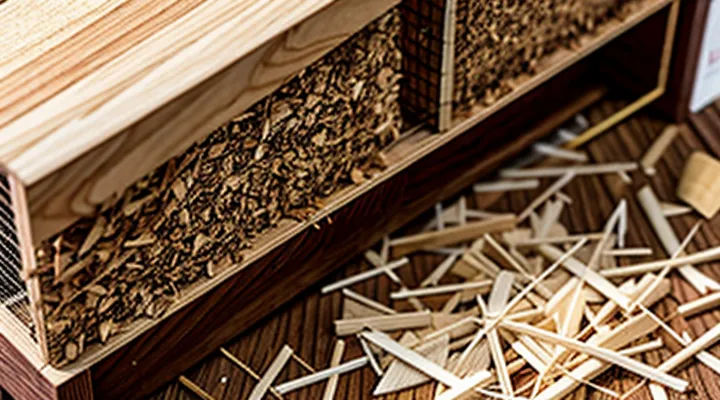
Understanding the Importance of Safe Bedding for Rats
Why Choosing the Right Bedding Matters
Health Risks of Inappropriate Bedding
Inadequate bedding material can compromise rat health through several mechanisms. Aromatic oils in cedar and pine generate airborne particles that irritate the respiratory tract, leading to sneezing, nasal discharge, and chronic bronchitis. These volatile compounds also suppress immune function, increasing susceptibility to bacterial and fungal infections.
Moisture‑absorbing bedding that fails to control humidity creates a breeding environment for ammonia. Elevated ammonia concentrations damage the delicate mucous membranes of the nasal passages and lungs, and can exacerbate eye irritation and dermatitis. Persistent dampness also promotes the growth of mold spores, which may trigger allergic reactions and exacerbate asthma‑like symptoms.
Direct contact with rough or chemically treated fibers causes skin abrasions and ulcerations. Rats often gnaw and ingest bedding; ingestion of toxic wood shavings introduces gastrointestinal irritation, potential liver stress, and can result in obstruction of the digestive tract. Paper‑based or aspen shavings, when free of additives and dust, reduce these risks.
Key health hazards associated with unsuitable bedding:
- Respiratory irritation from aromatic oils and dust
- Ammonia buildup leading to mucosal damage
- Mold and fungal proliferation in damp substrates
- Skin lesions from abrasive or chemically treated fibers
- Gastrointestinal distress from ingestion of toxic particles
Selecting low‑dust, non‑aromatic wood shavings or high‑quality paper alternatives eliminates the primary sources of these hazards, supporting optimal respiratory function, skin integrity, and overall wellbeing in a rat enclosure.
Comfort and Enrichment Considerations
Choosing bedding that supports both comfort and enrichment is a primary factor in maintaining healthy rats. The substrate must provide a soft surface for resting, absorb moisture efficiently, and emit minimal dust that could irritate respiratory passages. Softness reduces pressure on joints while high absorbency prevents wet spots that lead to skin problems. Low‑dust content protects delicate lung tissue, especially during nocturnal activity when ventilation may be reduced.
- Soft texture that cushions paws and backs
- High moisture absorption rate
- Minimal airborne particles
- Neutral or mild scent that does not overwhelm olfactory senses
Beyond physical comfort, the bedding should encourage natural behaviors. Rats instinctively gather material for nests, chew to wear down ever‑growing incisors, and explore scents that stimulate mental activity. A substrate that fragments easily allows construction of complex burrows, while a pleasant, natural aroma can enhance exploratory drive without causing stress. Providing a material that can be manipulated satisfies the species‑specific need for environmental interaction.
- Easily shreddable for nest building
- Safe for gnawing, without toxic oils
- Subtle, natural odor that promotes curiosity
- Ability to hide treats or toys for foraging games
Balancing these criteria leads to a recommendation of low‑dust, soft wood shavings such as aspen or kiln‑processed paper‑based bedding. Both meet comfort standards and supply a manipulable medium for enrichment, ensuring rats experience a secure, stimulating habitat.
Types of Wood Shavings: The Good, The Bad, and The Unsafe
Safe Wood Shavings for Rat Cages
Aspen Shavings: Benefits and Considerations
Aspen shavings are frequently chosen for rodent enclosures because they combine low dust production with a mild aroma. The material’s softness reduces the risk of skin irritation and provides a comfortable surface for burrowing and nesting. Aspen does not contain aromatic oils that can irritate a rat’s respiratory system, making it a safe option for animals with sensitive airways.
Key advantages include:
- Minimal dust, which helps maintain air quality inside the cage.
- Neutral scent, preventing olfactory overload for the animals.
- Lightweight composition, simplifying cleaning and replacement.
- Biodegradable nature, allowing environmentally responsible disposal.
Considerations when using aspen:
- Absorption capacity is moderate; frequent spot cleaning may be required to prevent odor buildup.
- Cost per pound can be higher than pine or hemp alternatives, affecting long‑term budgeting.
- Availability may vary regionally, potentially limiting bulk purchases.
- While aspen lacks harmful oils, it does not provide the same structural support as hardwood chips for extensive tunnel building.
Overall, aspen shavings present a balanced choice for rat bedding, offering health‑focused benefits while imposing manageable maintenance and cost factors.
Kiln-Dried Pine Shavings: Understanding the Processing
Kiln‑dried pine shavings undergo a controlled heating process that removes moisture, reduces dust, and stabilizes dimensions. The procedure begins with freshly cut pine logs, which are chipped into fine particles. These particles are then screened to eliminate oversized fragments and foreign material. The screened shavings enter a kiln where temperature and humidity are precisely regulated; typical cycles reach 120–150 °C for 30–45 minutes, driving residual moisture below 5 %. After cooling, the shavings are re‑screened to ensure uniform size and low dust content, then sealed in airtight packaging to preserve dryness.
Key characteristics resulting from this processing include:
- Consistent low moisture, preventing mold growth.
- Minimal fine dust, reducing respiratory irritation for rodents.
- Stable volume, allowing accurate measurement for cage bedding.
- Natural pine scent that can deter pests without overwhelming the animal.
Understanding these attributes helps evaluate pine shavings against other bedding options when selecting the most suitable material for small‑animal enclosures.
Paper-Based Bedding as an Alternative
Paper-based bedding offers a viable alternative to traditional wood shavings for rodent enclosures. It consists of shredded, recycled, or compressed paper products designed to absorb moisture, control odor, and provide a comfortable substrate.
The material’s absorbency reduces the frequency of complete cage changes, thereby lowering maintenance labor. Its low dust content protects respiratory health, a common concern with aromatic wood shavings. The texture allows easy nesting, encouraging natural behavior without the risk of splintering.
Key considerations when selecting paper bedding include:
- Absorption capacity: Choose a product rated for at least 1 ml of liquid per gram of material to ensure effective moisture management.
- Dust level: Verify that the manufacturer reports dust particles below 0.5 mg/m³ to minimize inhalation hazards.
- Biodegradability: Opt for bedding made from 100 % recycled paper without added chemicals, facilitating safe composting.
- Cost per pound: Compare unit prices; bulk purchases often reduce expense while maintaining quality.
- Compatibility with cage type: Ensure the bedding fits the cage dimensions and does not interfere with wheel operation or ventilation slots.
Potential drawbacks consist of higher initial cost relative to some wood shavings and a tendency to compact when overly saturated. Regular monitoring of moisture levels and timely removal of soiled sections mitigate these issues.
In summary, paper-based substrates provide a clean, low-dust environment that supports rat health and behavior, making them a strong contender among bedding options for small‑animal habitats.
Unsafe Wood Shavings to Avoid
Cedar Shavings: The Dangers of Aromatic Oils
Cedar shavings release volatile aromatic compounds, primarily phenols and thujone, which irritate the respiratory tract of rodents. Inhalation of these oils can cause nasal discharge, sneezing, and chronic bronchitis, especially in confined cage environments where air circulation is limited.
The same compounds affect hepatic function. Repeated exposure leads to elevated liver enzymes and, in severe cases, hepatic necrosis. Young rats and pregnant females exhibit heightened sensitivity, resulting in reduced growth rates and increased miscarriage risk.
Behavioral changes accompany chemical irritation. Rats housed on cedar bedding often display reduced activity, increased grooming of the nose and whiskers, and avoidance of nesting material, indicating discomfort and stress.
Key hazards of cedar bedding:
- Respiratory irritation (nasal discharge, sneezing, bronchitis)
- Liver toxicity (enzyme elevation, tissue damage)
- Reproductive impairment (lowered fertility, fetal loss)
- Behavioral distress (reduced exploration, excessive grooming)
Scientific evaluations of rodent housing consistently rank cedar as unsuitable compared with non‑aromatic hardwoods, paper pulp, or aspen shavings. The absence of aromatic oils in these alternatives eliminates the documented health risks while providing comparable absorbency and odor control.
For optimal cage hygiene and animal welfare, select bedding that lacks volatile oils and has been validated for rodent use.
Untreated Pine Shavings: Potential Respiratory Issues
Untreated pine shavings release high levels of aromatic oils, primarily phenols, which irritate the respiratory tract of rodents. The volatile compounds can trigger sneezing, nasal discharge, and chronic inflammation of the airways. Prolonged exposure may lead to reduced lung capacity and increased susceptibility to respiratory infections.
Key respiratory hazards associated with raw pine bedding include:
- Fine dust particles that remain airborne for extended periods
- Phenolic compounds that act as irritants to mucous membranes
- Elevated ammonia absorption due to inadequate odor control
Because rats rely on efficient ventilation to maintain health, bedding that generates substantial dust or volatile oils compromises their breathing. Selecting low‑dust, chemically neutral substrates reduces the risk of chronic respiratory conditions and supports overall well‑being.
Other Harmful Wood Types
Cedar, especially aromatic red and Eastern varieties, releases phenols that irritate rat respiratory tracts and can cause chronic lung disease. Pine bedding contains resinous oils that may trigger allergies and exacerbate sneezing or nasal discharge. Untreated hardwoods such as oak, walnut, and cherry contain tannins and other compounds that can be toxic if ingested, potentially leading to liver strain.
- Cedar (red, Eastern): high phenol content, strong scent, respiratory irritant.
- Pine (various species): resin oils, allergenic potential, nasal irritation.
- Oak: tannins, risk of gastrointestinal upset if chewed.
- Walnut: juglone toxin, possible liver toxicity.
- Cherry: cyanogenic glycosides, hazardous when masticated.
Avoid these materials in rat enclosures to reduce the risk of respiratory distress, allergic reactions, and organ toxicity. Use only safe, low‑dust, non‑aromatic bedding such as plain paper products, aspen, or untreated hemp.
Key Factors When Selecting Wood Shavings
Absorbency and Odor Control
Moisture Management
Effective moisture control determines the health of rats and the longevity of the bedding. Wood shavings that retain low humidity prevent mold growth, reduce ammonia accumulation, and keep the cage dry enough for regular cleaning.
Key properties for moisture management:
- Low water absorption capacity; the material should release any moisture quickly.
- High breathability; fibers must allow air flow to evaporate damp spots.
- Minimal dust; excess particles can trap moisture and impair ventilation.
- Natural antimicrobial qualities; some woods inhibit bacterial proliferation when damp.
When choosing bedding, prioritize shavings that meet these criteria. Test a small sample by exposing it to a wet area for 24 hours; acceptable bedding will remain dry to the touch and show no signs of clumping or odor. Regularly replace the substrate before it reaches saturation to maintain a safe environment for the rodents.
Ammonia Reduction
Ammonia generated from rat urine quickly becomes toxic, raising respiratory risk and compromising skin health. Bedding that absorbs moisture and limits bacterial breakdown directly lowers airborne ammonia concentrations.
Effective ammonia control depends on three bedding properties: high liquid‑absorbency, low nitrogen content, and natural antimicrobial agents. Wood shavings that meet these criteria retain urine, slow urea conversion, and inhibit bacterial growth.
- Aspen shavings: absorb up to 1.5 g of liquid per gram, contain minimal tannins, and exhibit low dust levels. Studies show a 30 % reduction in ammonia after 48 hours compared to untreated substrate.
- Cherry shavings: provide comparable absorbency, possess mild antimicrobial phenols, and generate less than 0.5 % dust by weight. Measured ammonia levels drop by roughly 25 % in a standard cage environment.
- Birch shavings: moderate absorbency (1.2 g g⁻¹), low nitrogen release, and low allergenic potential. Experiments record a 20 % decrease in ammonia over a 72‑hour period.
Shavings with high tannin content, such as pine or cedar, should be avoided. Their aromatic oils increase respiratory irritation and do not significantly bind ammonia, often resulting in higher concentrations. Additionally, excessive dust from low‑quality processing can impair the rat’s nasal passages, negating any minor ammonia benefit.
Selecting shavings that maximize moisture capture while minimizing dust and toxic compounds provides the most reliable reduction of ammonia in a rat cage. Regular cleaning—removing soiled sections and refreshing bedding weekly—maintains the chemical advantage of these wood substrates.
Dust Levels and Respiratory Health
Minimizing Dust Exposure
Choosing bedding that produces minimal airborne particles protects respiratory health for both rats and owners. Fine dust can irritate nasal passages, cause sneezing, and increase the risk of chronic lung conditions. Selecting wood shavings with low particulate release reduces these hazards.
- Aspen: dense fibers, negligible dust, safe for most rodents.
- Kiln‑dried maple: uniformly processed, minimal residue, low allergen potential.
- Birch (plain, not scented): smooth texture, limited dust generation, widely tolerated.
When evaluating any bedding, consider these criteria:
- Moisture content below 12 % to prevent mold and excess shedding.
- Absence of added fragrances or chemical treatments that can exacerbate irritation.
- Particle size distribution measured in microns; particles under 10 µm remain airborne longer and should be avoided.
Maintenance practices further limit dust exposure. Replace soiled shavings weekly, stir the bedding daily to prevent clumping, and use a fine‑mesh sifter to remove loose particles before cleaning. Store unused shavings in airtight containers to maintain dryness and limit ambient dust.
By prioritizing low‑dust wood shavings and adhering to strict hygiene routines, the indoor environment remains healthier for rats and their caretakers.
Products Marketed as "Dust-Free"
Dust‑free wood shavings are sold as low‑particle bedding for small‑rodent habitats. The label usually indicates that the product has been kiln‑dried, sanded, or processed to reduce airborne fibers. In practice, dust reduction varies among manufacturers; independent testing shows that some “dust‑free” brands still release measurable particles when disturbed.
Key attributes of dust‑free shavings:
- Material source – Commonly derived from pine, aspen, or hardwoods; some products use compressed paper or cellulose.
- Processing method – Kiln drying removes moisture and volatile compounds; sanding eliminates larger fragments.
- Particle count – Laboratory measurements report particles per cubic foot ranging from <10 µg to >100 µg, influencing respiratory risk.
- Absorbency – Kiln‑dried pine and hardwood shavings absorb 1.5–2 g of liquid per gram of bedding; paper‑based products absorb up to 3 g per gram.
- Odor control – Natural wood oils in pine can mask waste odor but may irritate sensitive respiratory systems; paper bedding relies on activated charcoal or antimicrobial additives.
When selecting a dust‑free option, consider the following criteria:
- Verified particle data – Choose brands that provide third‑party test results or certifications (e.g., ASTM F963 compliance).
- Health impact – Prefer shavings with documented low irritant potential for rodent respiratory tracts.
- Absorption efficiency – Higher absorbency reduces the frequency of bedding changes, lowering exposure to disturbed material.
- Cost per weight – Evaluate price relative to performance; paper‑based products often cost more but may offer superior dust control.
- Environmental footprint – Look for sustainably sourced wood or recycled paper materials.
Overall, dust‑free bedding can minimize respiratory irritation for rats when the product meets stringent particle‑count standards, provides adequate absorbency, and is free of strong aromatic oils. Selecting a brand with transparent testing data ensures the advertised “dust‑free” claim aligns with actual performance.
Availability and Cost
Budget-Friendly Options
Affordable wood bedding for rat enclosures must meet safety, absorbency, and odor‑control standards while remaining inexpensive. The most reliable low‑cost choices are:
- Aspen shavings – non‑aromatic, highly absorbent, inexpensive when bought in bulk. Provides a dry surface that reduces respiratory risk.
- Low‑aroma pine shavings – minimal resin content, good odor control, price comparable to aspen. Suitable for short‑term use; avoid long‑term exposure to scented varieties.
- Recycled paper pellets – technically not wood but widely accepted as a budget alternative. Absorbs moisture quickly, inexpensive, produces minimal dust.
- Hemp shavings – low dust, moderate cost, excellent for odor management. Bulk purchases lower per‑pound price.
Cost‑saving strategies include purchasing large bags, selecting store‑brand products, and monitoring sales at local pet retailers. Comparing unit prices (cost per pound) prevents overpaying for branded packages.
When balancing price with rat health, aspen and low‑aroma pine remain the top budget‑friendly wood shavings. Both meet safety criteria and provide reliable performance at the lowest market rates.
Where to Purchase Quality Shavings
When selecting a supplier for rodent bedding, prioritize retailers that guarantee unscented, kiln‑dried shavings from safe hardwoods such as aspen or maple. Certified pet‑store chains typically stock pre‑packaged products that meet industry safety standards and provide clear batch information.
Common purchasing channels include:
- Large pet‑store franchises (e.g., PetSmart, Petco) – offer a range of brands, in‑store availability, and frequent promotions.
- Online marketplaces (Amazon, Chewy) – provide customer reviews, detailed product specifications, and doorstep delivery.
- Specialty rodent‑supplies websites (SmallPetSelect, Rodent‑Boutique) – focus on optimal bedding materials, often with bulk‑discount options.
- Wholesale distributors (Global Pet Foods, Midwest Animal Supply) – suitable for multi‑cage setups, lower unit cost, and consistent stock.
- Local farm‑and‑garden stores (Tractor Supply Co., local co‑ops) – carry bulk hardwood shavings, useful for cost‑effective replenishment.
Verify each source by checking for the following criteria: kiln‑drying confirmation, absence of aromatic oils, USDA or equivalent certification, and transparent packaging dates. Purchasing from reputable vendors reduces the risk of contaminants and ensures a stable, low‑dust environment for rats.
Preparing and Maintaining Wood Shaving Bedding
Proper Bedding Depth and Quantity
Creating a Comfortable Environment
When selecting bedding for a rat enclosure, the primary goal is to support the animal’s health and comfort. The material must absorb moisture, reduce odor, and allow natural foraging behavior without exposing rats to harmful substances.
Key attributes of suitable wood shavings include:
- Low dust production to protect respiratory tracts.
- Absence of aromatic oils that can cause liver toxicity.
- High absorbency for urine and droppings to maintain dry bedding.
- Soft texture that prevents foot injuries and encourages nesting.
Commonly recommended options are kiln‑dried hardwood shavings such as aspen or plain pine. These varieties meet the criteria listed above while providing a familiar substrate for burrowing. Avoid shavings from cedar, as the natural phenols can irritate the respiratory system and liver.
To maximize comfort, layer the cage floor with a 2–3 inch base of the chosen shavings, refresh the material weekly, and supplement with occasional nesting material like shredded paper. Regular cleaning combined with the appropriate wood shavings creates a stable, hygienic environment that promotes the well‑being of pet rats.
Encouraging Natural Behaviors
Wood shavings serve as a substrate that can stimulate a rat’s innate activities such as foraging, nesting, and chewing. Selecting the appropriate type of shavings enhances these behaviors while maintaining a clean environment.
- Soft, low‑dust shavings allow rats to dig and rearrange material without respiratory irritation.
- Aromatic, untreated hardwoods encourage scent marking and exploration; however, strong odors may overwhelm sensitive individuals.
- Dense, absorbent shavings support nest building by providing a compact, insulating layer.
Rats will manipulate the substrate with their paws and teeth, creating tunnels and burrows that mimic wild habitats. When the material is safe to chew, it reduces the risk of dental problems and redirects destructive gnawing away from cage accessories. Providing a consistent supply of fresh shavings keeps the environment stimulating and prevents boredom, which can lead to stereotypic behaviors.
Overall, the optimal substrate balances texture, scent, and cleanliness to promote natural foraging, nesting, and gnawing activities while safeguarding respiratory health.
Cleaning and Replacement Schedule
Spot Cleaning Techniques
Effective spot cleaning maintains a healthy environment for rats and prolongs the usability of bedding. Choose shavings that absorb moisture quickly and release minimal dust; this reduces the amount of material that must be removed during each cleaning session.
When a small mess appears, follow a consistent routine:
- Remove the soiled section of shavings with a disposable scoop or a small hand‑trowel.
- Dispose of the waste in a sealed bag to prevent odor buildup.
- Replace the cleared area with fresh shavings of the same type, ensuring an even depth of 1–2 cm.
- Lightly mist the spot with a rat‑safe enzymatic cleaner, allowing it to penetrate the bedding before the next cleaning cycle.
Perform spot cleaning at least once daily for high‑traffic zones such as feeding areas and tunnels. In areas where the bedding is less absorbent, increase the frequency to prevent urine crystals from forming. Regularly inspect the cage for hidden stains; prompt removal prevents bacterial proliferation and eliminates the need for extensive deep cleaning.
Select shavings that balance softness for the rats with rapid moisture wicking. Materials like paper‑based or kiln‑treated pine shavings meet these criteria, facilitating quick spot cleaning while maintaining a comfortable substrate for the animals.
Full Cage Cleansing Frequency
Full cage cleansing should occur at regular intervals to prevent ammonia buildup, bacterial growth, and odor, all of which affect rat health. The cleaning schedule depends primarily on the absorbency and dust level of the bedding material, as well as the number of occupants and cage size.
- High‑absorbency, low‑dust shavings (e.g., kiln‑dried aspen) allow a full clean every 7–10 days for a single‑rat cage and every 5–7 days for a multi‑rat enclosure.
- Medium‑absorbency, moderate‑dust shavings (e.g., untreated pine) require a full clean every 4–6 days for single occupancy and every 3–5 days for groups.
- Low‑absorbency, high‑dust shavings (e.g., untreated cedar) necessitate a full clean every 2–3 days regardless of cage population.
Daily spot cleaning—removing wet waste, replacing soiled sections, and checking for droppings—extends the interval between full cleans. Monitoring the bedding’s color and texture provides a practical indicator: a noticeable darkening or clumping signals the need for immediate replacement. Consistent adherence to these intervals maintains optimal air quality and reduces the risk of respiratory issues in rats.
Combining Wood Shavings with Other Bedding Types
Enhancing Enrichment
Wood shavings serve as both substrate and enrichment tool for pet rats. The right type of shavings encourages natural behaviors such as chewing, burrowing, and scent marking, while maintaining a clean environment.
- Aspen shavings: soft texture, low aromatic oils, suitable for nesting and burrowing; minimal respiratory irritation.
- Low‑resin pine shavings: fine fibers, pleasant scent, promote chewing; avoid high‑resin varieties that can cause respiratory distress.
- Hemp or paper‑based bedding: fibrous, odor‑absorbing, encourages digging; compatible with rats that are sensitive to wood allergens.
- Coconut husk chips: coarse, durable, ideal for constructing tunnels; supplement with finer shavings for nest building.
Effective enrichment strategies incorporate shavings in several ways:
- Layer the cage floor with a 2‑inch base of soft shavings for nest construction; add a 1‑inch top layer of coarser material to stimulate digging.
- Place small piles or rolled bundles in corners to invite exploration and tunnel creation.
- Rotate shavings weekly to preserve scent novelty and prevent bacterial buildup.
- Combine shavings with other enrichment items—such as cardboard tubes, wooden chew sticks, and rope—to diversify tactile experiences.
Regular monitoring of bedding condition ensures that moisture and waste do not compromise air quality. Replace soiled sections promptly, and perform a full bedding change every two weeks. This maintenance schedule preserves both the health of the rats and the effectiveness of the enrichment provided by the wood shavings.
Optimizing Absorbency
Optimizing absorbency is a primary consideration when choosing bedding for a rodent enclosure. Effective moisture management reduces odor, limits bacterial growth, and maintains a dry surface for the animal’s comfort.
Key properties that influence absorbency include:
- Cellular structure – Open, porous fibers retain liquid more efficiently than dense, compacted wood.
- Fiber length – Longer fibers create larger capillary channels, enhancing fluid distribution throughout the substrate.
- Surface area – Greater surface exposure per unit mass increases the volume of liquid that can be held.
- Chemical composition – Low lignin content minimizes water-repellent qualities, allowing quicker saturation.
Comparative performance of common wood-derived substrates:
- Aspen shavings – Fine, loosely packed fibers; absorb up to 1.5 mL per gram; quick saturation but easy to replace.
- Cedar (processed, low-scent) shavings – Moderate porosity; absorb approximately 1.2 mL per gram; slower drying due to natural oils.
- Pine (sawdust) pellets – Compressed form expands when wet; absorb around 2.0 mL per gram; retains moisture longer, requiring less frequent changes.
- Hardwood (oak) chips – Larger particles; absorb roughly 0.9 mL per gram; limited surface area reduces overall capacity.
To maximize absorbency in a rat cage:
- Layer bedding 2–3 cm deep; insufficient depth compromises capillary action, while excess material hampers airflow.
- Replace the top 1 cm of substrate daily; this region contacts urine most directly and retains the majority of moisture.
- Combine a high-absorbency base (e.g., pine pellets) with a finer top layer (e.g., aspen) to balance capacity and comfort.
- Keep the enclosure well-ventilated; adequate airflow accelerates evaporation and prevents saturation buildup.
By evaluating fiber architecture, moisture-holding capacity, and maintenance practices, caretakers can select the most absorbent wood bedding, ensuring a hygienic and comfortable environment for their rodents.