
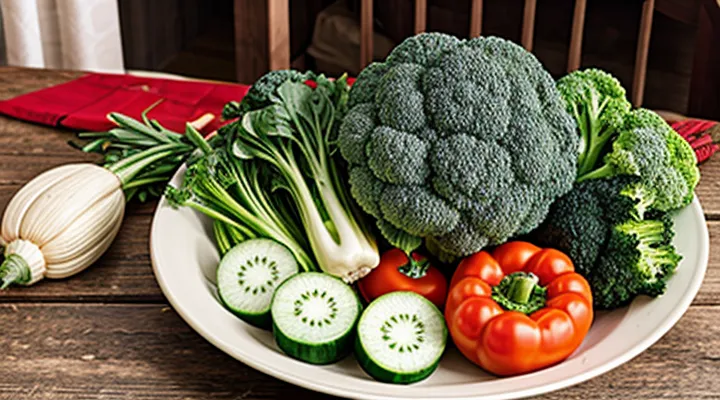
General Nutritional Requirements
Macronutrients
Macronutrients are the primary dietary components that support growth, energy metabolism, and tissue maintenance in Dambo rats. Protein supplies essential amino acids for muscle development and immune function; carbohydrates provide readily available energy; fats deliver concentrated calories and facilitate absorption of fat‑soluble vitamins.
Vegetables that meet these macronutrient requirements include:
- Broccoli – high in protein (≈2.8 g per 100 g) and moderate carbohydrates; low fat.
- Spinach – protein content around 2.9 g per 100 g; rich in complex carbohydrates; negligible fat.
- Peas – protein ≈5 g per 100 g; carbohydrates ≈14 g; minimal fat; also supply fiber.
- Kale – protein ≈4.3 g per 100 g; carbohydrates ≈9 g; very low fat.
- Carrots – carbohydrates ≈9 g per 100 g; modest protein (≈0.9 g); virtually no fat.
- Sweet potatoes – carbohydrates ≈20 g per 100 g; protein ≈1.6 g; low fat; provide sustained energy.
When constructing a diet, balance these vegetables to achieve approximately 15–20 % of total calories from protein, 60–70 % from carbohydrates, and 10–15 % from fats. Supplementary sources such as seed oils or insect protein may be added to reach the desired fat and amino acid profile without exceeding caloric limits.
Micronutrients
Micronutrients are indispensable for the health of dambo rats, influencing bone development, immune function, and metabolic efficiency. A diet lacking in vitamins and trace elements can lead to growth retardation, susceptibility to disease, and reduced reproductive performance.
Vegetables that supply the essential micronutrients for dambo rats include:
- Leafy greens (e.g., kale, collard greens, spinach) – high in vitamin K, vitamin A (β‑carotene), and calcium.
- Red and orange peppers – rich sources of vitamin C and vitamin A.
- Broccoli and cauliflower – provide vitamin C, vitamin K, and folate.
- Carrots – deliver β‑carotene, a provitamin A, and potassium.
- Sweet potatoes – contain vitamin A, manganese, and copper.
- Green peas – supply vitamin C, vitamin K, and iron.
- Bell peppers (yellow, orange) – offer vitamin C, vitamin B6, and folate.
Inclusion of these vegetables in daily rations ensures a balanced supply of vitamins A, C, K, B‑complex, and essential minerals such as calcium, iron, magnesium, and zinc. Rotating the selection prevents nutrient excess and supports a varied palate, contributing to overall vitality in dambo rats.
Safe Vegetables for Dambo Rats
Leafy Greens
Leafy greens form a core component of a balanced diet for Dambo rats, offering vitamins, minerals, and fiber essential for health and digestion. When selecting greens, prioritize varieties low in oxalates and free of pesticides, and introduce them gradually to monitor tolerance.
Suitable options include:
- Romaine lettuce – high water content, moderate calcium.
- Kale – rich in vitamin K and vitamin C; feed in small portions due to calcium‑to‑phosphorus ratio.
- Spinach – provides iron and folate; limit to occasional servings because of oxalate concentration.
- Swiss chard – supplies magnesium and beta‑carotene; remove stems if thick.
- Bok choy – low in oxalates, high in vitamin A; serve without heavy sauces.
- Arugula – offers a peppery flavor and antioxidants; suitable as a regular supplement.
Preparation guidelines:
- Wash thoroughly under running water to eliminate residues.
- Remove any wilted or discolored leaves.
- Chop into bite‑size pieces to facilitate chewing.
- Offer fresh portions daily; discard leftovers after 24 hours to prevent spoilage.
Avoid greens with known toxicity, such as collard greens and mustard greens, which contain glucosinolates that may irritate the gastrointestinal tract. Regular rotation of approved leafy greens reduces the risk of nutrient imbalances and maintains interest in the diet.
Kale
Kale is a leafy green that can be included in a dambo rat’s diet. It supplies vitamin A, vitamin C, calcium, and dietary fiber, all of which support eye health, immune function, and digestive regularity. The low-calorie content helps maintain a healthy weight when offered in appropriate amounts.
When feeding kale, follow these guidelines:
- Offer fresh, washed leaves; remove any wilted or bruised sections.
- Provide no more than 10 % of the total daily food volume to avoid excess calcium.
- Cut leaves into bite‑size pieces to prevent choking.
- Introduce gradually, monitoring for signs of digestive upset such as loose stools.
Potential concerns include oxalic acid, which can interfere with calcium absorption if consumed in large quantities. Limiting kale to the recommended proportion and rotating with other safe greens reduces this risk. Regular veterinary check‑ups should confirm that the nutrient balance remains appropriate for the individual rat.
Spinach
Spinach is a viable option for feeding Dambo rats, offering a range of nutrients that support their health. The leaf provides high levels of vitamin A, vitamin K, and folate, which contribute to vision, blood clotting, and cellular function. Its calcium and iron content assists in bone development and oxygen transport.
When incorporating spinach, observe the following guidelines:
- Offer fresh, washed leaves to remove pesticides and soil residues.
- Limit portions to 5‑10 % of the daily diet to avoid excess oxalates that can interfere with calcium absorption.
- Introduce gradually, monitoring for signs of digestive upset such as loose stool or reduced appetite.
Spinach should be served raw or lightly steamed; cooking reduces oxalate concentration but may diminish heat‑sensitive vitamins. Avoid canned or frozen varieties that contain added salts or preservatives.
Overall, spinach can enrich a Dambo rat’s diet when provided in moderation, prepared hygienically, and balanced with other low‑oxalate vegetables and protein sources.
Romaine Lettuce
Romaine lettuce is a viable vegetable for dambo rats when offered in moderation. It supplies water-rich leaf tissue, moderate levels of vitamin A, and a modest amount of dietary fiber, all of which support hydration and digestive health. The low calcium and oxalate content reduces the risk of urinary complications common in rodents.
Feeding guidelines:
- Provide fresh, washed leaves, removing any wilted sections.
- Limit portions to approximately 10–15 grams per 100 grams of body weight per day.
- Introduce gradually to monitor for gastrointestinal upset.
- Combine with a balanced pellet diet to ensure complete nutrient coverage.
Potential concerns include the relatively low protein and fat content, which necessitates supplementation with higher‑protein foods such as legumes or commercial rat mixes. Additionally, romaine lettuce should never replace staple feeds; it functions best as an occasional enrichment that adds variety and moisture to the diet.
Collard Greens
Collard greens provide essential nutrients for dambo rats, including calcium, vitamin K, and fiber. The high calcium content supports healthy bone development, while vitamin K contributes to blood clotting and skeletal health. Fiber aids digestion and helps maintain gastrointestinal motility.
When offering collard greens, present them fresh, washed thoroughly to remove pesticides or soil residues. Cut leaves into bite‑size pieces to facilitate chewing and reduce choking risk. Avoid feeding wilted or spoiled greens, as they may contain harmful bacteria.
Feeding guidelines:
- Limit portion to 10–15 % of the rat’s daily diet by weight.
- Introduce gradually, starting with a few small pieces, to monitor tolerance.
- Provide alongside a balanced staple diet of pellets, grains, and occasional fruits.
- Observe for signs of digestive upset; discontinue if diarrhea or bloating occurs.
Potential concerns include oxalic acid, which in large quantities can interfere with calcium absorption. To mitigate risk, rotate collard greens with other low‑oxalate leafy vegetables such as kale or romaine lettuce.
In summary, collard greens are a nutritious addition for dambo rats when served fresh, in moderate amounts, and as part of a varied diet. Regular observation ensures the vegetable remains beneficial without adverse effects.
Root Vegetables
Root vegetables provide essential carbohydrates, fiber, and micronutrients that support the digestive health of Dambo rats. Their natural sweetness and texture encourage chewing, which promotes dental wear and mental stimulation.
Suitable options include:
- Carrots – high in beta‑carotene; serve raw or lightly steamed; remove tops and slice into bite‑size pieces.
- Sweet potatoes – rich in complex starches and vitamin C; cook thoroughly, peel, and offer in small cubes.
- Beets – source of folate and potassium; boil or steam, cool, and trim root ends before serving.
- Turnips – moderate fiber and calcium; serve raw in thin strips or lightly cooked to soften.
- Parsnips – contain vitamin K and antioxidants; steam briefly, then cut into manageable sticks.
Avoid raw potatoes and any tubers with high solanine levels, as they are toxic. Introduce each new vegetable gradually, observing for signs of gastrointestinal upset such as diarrhea or reduced appetite. Limit portions to no more than 10 % of the daily diet to maintain a balanced nutritional profile alongside pellets, leafy greens, and protein sources. Regular health checks ensure that root vegetable intake remains beneficial without causing nutritional imbalances.
Carrots
Carrots are a common component of a balanced diet for Dambo rats, offering a source of vitamins, minerals, and fiber. Their natural sweetness makes them readily accepted, while their texture supports dental health.
-
Nutrient profile
• Vitamin A (β‑carotene) – supports vision and immune function.
• Vitamin K – contributes to blood clotting.
• Potassium – aids electrolyte balance.
• Dietary fiber – promotes gastrointestinal motility. -
Feeding guidelines
• Offer raw, washed carrots in small cubes or thin slices.
• Limit to 5–10 g per 100 g body weight daily, representing no more than 10 % of total vegetable intake.
• Rotate with other approved vegetables to ensure nutrient diversity. -
Potential concerns
• Excessive consumption may cause hypervitaminosis A.
• High sugar content can contribute to weight gain if not moderated.
• Ensure no pesticide residues remain; thorough rinsing is mandatory.
Sweet Potatoes
Sweet potatoes are a viable vegetable option for Dambo rats. The root vegetable supplies carbohydrates, dietary fiber, and essential vitamins such as A (beta‑carotene) and C, which contribute to vision health and immune function. Minerals including potassium and manganese support electrolyte balance and bone metabolism.
When offering sweet potatoes, follow these guidelines:
- Serve cooked, unseasoned pieces; raw tuber is difficult to digest.
- Cut into bite‑size cubes no larger than 1 cm to prevent choking.
- Limit portions to 10–15 g per 100 g body weight per week, adjusting for individual activity levels.
- Introduce gradually to monitor tolerance and avoid gastrointestinal upset.
Potential concerns include the natural sugar content, which may promote weight gain if overfed, and the presence of solanine in green or sprouted sections; discard any discolored parts. Regularly rotate sweet potatoes with other approved vegetables to ensure a balanced diet.
Turnips
Turnips provide a source of fiber, vitamin C, and potassium that can complement a Dambo rat’s diet. The root is low in fat and contains modest protein, making it suitable for occasional inclusion alongside staple grains and protein pellets.
When offering turnips, follow these guidelines:
- Wash thoroughly, peel if the skin is thick or blemished.
- Slice into bite‑size pieces no larger than ½ inch to prevent choking.
- Introduce gradually, starting with a single piece per rat to monitor tolerance.
- Limit to 5 % of total daily food volume; excess can cause digestive upset due to high fiber.
- Provide fresh turnip only; discard any leftovers after 24 hours to avoid spoilage.
Potential concerns include the presence of glucosinolates, which in large amounts may impair thyroid function. Regular health checks should confirm that turnip consumption does not affect weight or stool consistency. When used responsibly, turnips enrich the nutritional profile of a Dambo rat’s vegetable selection.
Other Safe Options
Dambo rats can thrive on a varied vegetable diet that extends beyond the most commonly recommended greens. Introducing additional safe options diversifies nutrient intake and encourages natural foraging behavior.
- Bell peppers (red, yellow, orange) – high in vitamin C and beta‑carotene; feed in small, bite‑sized pieces.
- Zucchini – low in oxalates, provides moisture and fiber; offer raw or lightly steamed.
- Cucumber – predominantly water; useful for hydration, but limit to thin slices to prevent excess moisture.
- Carrot tops – leafy portion of carrots supplies potassium and antioxidants; strip away thick stems before serving.
- Broccoli florets – rich in vitamin K and calcium; give in moderation to avoid gas buildup.
- Cauliflower leaves – tender leaves contain vitamin C and fiber; discard thick stalks.
- Kale (young leaves) – source of vitamin A and calcium; provide only a few leaves daily to prevent iodine overload.
- Swiss chard (stalks removed) – offers magnesium and iron; feed the leafy portion in small quantities.
All vegetables should be washed thoroughly, trimmed of any tough stems, and presented in portions appropriate for the rat’s size. Rotate items regularly to maintain balanced nutrition and monitor for any signs of digestive upset.
Bell Peppers
Bell peppers are a viable option for Dambo rats when offered in moderation. The fruit provides vitamin C, vitamin A, and dietary fiber, all of which support immune function and digestive health. The low calorie content aligns with the species’ metabolic needs, and the crunchy texture encourages natural gnawing behavior.
When feeding bell peppers, observe the following guidelines:
- Serve only the flesh; remove seeds and stems to prevent choking hazards.
- Offer raw, washed pieces cut into ½‑inch cubes or thin strips.
- Limit intake to 1–2 grams per 100 grams of body weight per day to avoid excess vitamin C.
- Introduce gradually, monitoring for signs of gastrointestinal upset.
Bell peppers should complement a balanced diet that includes high‑fiber pellets, leafy greens, and occasional root vegetables. Regular rotation of vegetable varieties reduces the risk of nutrient imbalances and maintains interest in the diet.
Peas
Peas are a viable vegetable option for Dambo rats, offering a balance of protein, fiber, and essential vitamins. Each 100 g of fresh peas provides approximately 5 g of protein, 5 g of dietary fiber, and notable levels of vitamin C, vitamin K, and folate, all of which contribute to the animal’s overall health.
Nutritional advantages include:
- Protein source – supports muscle maintenance and growth.
- Fiber content – promotes digestive regularity and prevents constipation.
- Vitamins and minerals – aid immune function, blood clotting, and cellular metabolism.
When incorporating peas into a Dambo rat’s diet, observe the following guidelines:
- Offer peas cooked or lightly steamed; raw peas may be difficult to chew and digest.
- Limit portions to 1–2 tablespoons per day for an adult rat, adjusting for size and activity level.
- Remove any added salt, butter, or seasoning before serving.
- Introduce peas gradually, monitoring for signs of gastrointestinal upset such as diarrhea or bloating.
- Rotate peas with other approved vegetables to ensure a varied nutrient profile and prevent overreliance on a single food source.
Potential concerns involve excessive carbohydrate intake, which can lead to weight gain if not balanced with protein‑rich foods and regular exercise. Additionally, some rats may develop a mild allergic reaction; discontinue feeding immediately if symptoms such as swelling, itchiness, or respiratory distress appear.
In summary, peas represent a nutritious, fiber‑rich vegetable that can be safely included in a balanced diet for Dambo rats, provided portion sizes are controlled and preparation avoids added fats or salts.
Green Beans
Green beans are a safe, low‑calorie vegetable for Dambo rats. Their crisp texture encourages chewing, which helps maintain dental health. The vegetable supplies vitamin C, vitamin K, folate, and dietary fiber, all of which support immune function and gastrointestinal regularity.
When offering green beans, follow these guidelines:
- Serve fresh, washed beans; avoid canned varieties that contain added salt or preservatives.
- Cut into bite‑size pieces (approximately 1 cm) to prevent choking.
- Limit portions to 1–2 tablespoons per day for an adult rat; younger rats require less.
- Introduce gradually, monitoring for signs of digestive upset such as soft stools.
Potential issues include pesticide residues and mold growth. Choose organic or thoroughly rinse non‑organic beans, and discard any that appear wilted or discolored. Green beans should complement a balanced diet that primarily consists of high‑quality rat pellets and occasional protein sources.
Vegetables to Avoid or Limit
High Oxalate Vegetables
High oxalate vegetables pose a health risk to Dambo rats because oxalates can bind calcium, forming crystals that damage kidneys and urinary tract. Regular consumption of such plants may lead to renal failure, reduced mineral absorption, and painful stone formation. Therefore, these vegetables should be excluded from the daily diet of Dambo rats.
Typical vegetables with elevated oxalate concentrations include:
- Spinach
- Swiss chard
- Beet greens
- Rhubarb leaves
- Kale (especially raw)
- Parsley
- Okra
- Sweet potatoes (with skin)
- Collard greens
- Purslane
If any of these items appear in a feeder mix, replace them with low‑oxalate alternatives such as carrots, broccoli, bell peppers, or cucumber. Monitoring feed composition and limiting oxalate intake protects renal function and supports overall health in Dambo rats.
Beets
Beets are a viable vegetable option for Dambo rats, offering a range of nutrients that complement a balanced diet. The root contains vitamin C, potassium, folate, and dietary fiber, all of which support immune function, muscle activity, and digestive health. The leafy tops add additional vitamin A and calcium, expanding the nutritional profile.
When feeding beets, follow these practical guidelines:
- Offer raw or lightly steamed pieces; avoid boiling, which reduces vitamin content.
- Cut the root into bite‑size cubes (approximately ½ cm) to prevent choking.
- Provide no more than one teaspoon of beet flesh per week for an adult Dambo rat; increase proportionally for juveniles only under veterinary supervision.
- Introduce the leafy greens separately, limiting to a few small leaves each week.
- Rinse thoroughly to remove soil and pesticide residues; organic produce is preferable.
Potential concerns include the high natural sugar concentration in beets, which can lead to weight gain or dental issues if over‑fed. Additionally, the oxalic acid present in both root and leaves may contribute to kidney stone formation in susceptible individuals. Monitor the animal’s weight and urine output, and discontinue beet feedings if any signs of digestive upset appear.
In summary, beets can enrich a Dambo rat’s diet when presented in controlled portions, prepared safely, and balanced with other low‑sugar vegetables. Regular veterinary check‑ups will ensure that the inclusion of beets remains beneficial over the long term.
Rhubarb
Rhubarb is occasionally mentioned when discussing vegetables that can be offered to Dambo rats, but its use requires strict caution. The plant contains oxalic acid, a compound that can cause renal damage and gastrointestinal irritation in small mammals. Only the stalks, which have lower oxalic acid concentrations than the leaves, may be considered for occasional, limited feeding.
- Offer no more than a single, bite‑size piece (approximately 5 g) per week.
- Ensure stalks are thoroughly washed to remove soil and pesticide residues.
- Serve raw, unseasoned, and cut into uniform, manageable pieces.
- Observe the rat for signs of distress, such as reduced activity, watery stools, or excessive drinking; discontinue immediately if any appear.
Do not feed rhubarb leaves or any part of the plant that appears wilted, discolored, or damaged. Regular diet for Dambo rats should prioritize leafy greens, carrots, and bell peppers, reserving rhubarb for rare, supervised trials only.
Cruciferous Vegetables (in moderation)
Cruciferous vegetables can be part of a balanced diet for Dambo rats, provided they are offered in limited quantities. These plants supply fiber, vitamins C and K, and glucosinolates that support digestive health. However, excessive intake may interfere with thyroid function due to goitrogenic compounds, so moderation is essential.
Common cruciferous options suitable for occasional feeding include:
- Broccoli florets (small pieces, 1–2 times per week)
- Cauliflower (tiny chunks, 1 time per week)
- Kale leaves (finely shredded, 1 time per week)
- Brussels sprouts (halved, 1 time per week)
- Bok choy (young shoots, 1 time per week)
When introducing any cruciferous item, start with a minimal portion and observe the rat for signs of digestive upset or changes in appetite. Replace a portion of the daily vegetable mix with these items rather than adding them on top of existing servings. Regular monitoring ensures the nutritional benefit without compromising thyroid health.
Broccoli
Broccoli provides a balanced source of nutrients that support the health of Dambo rats. It contains high levels of vitamin C, calcium, and dietary fiber, all of which contribute to strong bones, immune function, and digestive regularity. The vegetable’s low calorie density helps maintain optimal body weight without excess energy intake.
Key nutritional components of broccoli for Dambo rats:
- Vitamin C: enhances antioxidant defenses and tissue repair.
- Calcium: essential for skeletal development and tooth integrity.
- Fiber: promotes gut motility and prevents constipation.
- Potassium and magnesium: support muscle contraction and nerve transmission.
Feeding guidelines:
- Offer fresh, raw broccoli in small, bite‑size pieces to encourage natural chewing.
- Limit portions to no more than 10 % of the daily diet to avoid gastrointestinal upset.
- Rinse thoroughly to remove pesticide residues; consider organic sources when possible.
- Introduce gradually, observing for signs of gas or loose stools; discontinue if adverse reactions appear.
Potential concerns include the presence of oxalic acid, which can interfere with calcium absorption if consumed in large quantities. Cooking the broccoli lightly (steaming for 2–3 minutes) reduces oxalic levels while preserving most nutrients, making it a safer option for occasional inclusion. Store broccoli in the refrigerator’s crisper drawer, wrapped in a damp paper towel, and use within three days to maintain freshness.
Cabbage
Cabbage is a leafy cruciferous vegetable that can be included in a Dambo rat’s diet. It delivers high moisture, dietary fiber, and a range of micronutrients essential for small‑rodent health.
- Vitamin C: antioxidant support, tissue repair.
- Vitamin K: blood clotting, bone metabolism.
- Vitamin B6 and folate: amino‑acid metabolism, cell division.
- Potassium and calcium: electrolyte balance, skeletal strength.
- Fiber: promotes gastrointestinal motility, prevents constipation.
Benefits for Dambo rats include improved hydration, enhanced digestive function, and contribution to immune competence. The vegetable’s crunch also provides mental stimulation through natural foraging behavior.
Feeding guidelines:
- Offer raw, finely shredded leaves.
- Wash thoroughly to remove pesticide residues.
- Limit to 1–2 tablespoons per 100 g body weight, three times weekly.
- Observe for signs of gas or bloating; reduce quantity if symptoms appear.
Risks:
- High glucosinolate content may cause excessive gas in sensitive individuals.
- Oxalic acid can interfere with calcium absorption if overconsumed.
- Unwashed cabbage may contain harmful chemicals.
Storage and preparation:
- Store in a perforated bag in the refrigerator, use within 3–5 days.
- Avoid cooking, which diminishes vitamin C and alters fiber structure.
- Discard wilted or discolored leaves to prevent spoilage.
Cauliflower
Cauliflower offers a safe and nutritious option for Dambo rats. It supplies essential vitamins such as C and K, dietary fiber, and a modest amount of calcium, all of which support healthy bone development and immune function.
- Low in calories, reducing the risk of obesity.
- High fiber content aids digestive regularity.
- Vitamin C contributes to tissue repair and antioxidant protection.
- Vitamin K assists in blood clotting and bone metabolism.
When feeding cauliflower, present it raw or lightly steamed. Raw pieces retain maximum vitamin content, while brief steaming softens the texture for easier chewing. Cut the vegetable into bite‑size cubes or thin florets to prevent choking.
Limit intake to 5–10 % of the rat’s total daily diet. Excessive consumption may cause gas or mild gastrointestinal upset due to the plant’s complex carbohydrates. Rotate cauliflower with other approved vegetables to maintain dietary variety and prevent nutrient imbalances.
Other Potentially Harmful Vegetables
Dambo rats require a diet that excludes several common vegetables because they contain compounds toxic to rodents or can cause severe digestive distress.
- Allium family (onion, garlic, leek, chive): contain thiosulfates that damage red blood cells.
- Raw potatoes and green potato skins: high in solanine, a neurotoxin.
- Rhubarb leaves: contain oxalic acid, leading to kidney failure.
- Avocado flesh and pit: contain persin, which can cause respiratory distress.
- Unripe or green tomato parts: also rich in solanine.
- Eggplant (aubergine): solanine levels similar to raw potatoes.
- Cruciferous vegetables in large quantities (cabbage, broccoli, cauliflower): produce excessive gas and may cause bloating.
- Spinach and Swiss chard: high oxalate content, increasing risk of urinary stone formation.
- Kale and other goitrogenic greens: interfere with thyroid function when fed excessively.
Avoiding these items helps maintain optimal health and prevents acute or chronic conditions in Dambo rats.
Onions
Onions are generally unsuitable for Dambo rats. The vegetable contains organosulfur compounds, primarily thiosulfate, which interferes with hemoglobin function. Consumption can lead to hemolytic anemia, manifested by weakness, jaundice, and rapid deterioration of health. Additionally, onions irritate the gastrointestinal tract, causing vomiting, diarrhea, and loss of appetite.
Key points of toxicity:
- Thiosulfate induces oxidative damage to red blood cells.
- Even small quantities can trigger adverse reactions in sensitive rodents.
- No documented safe serving size for Dambo rats.
Veterinary guidance recommends excluding onions from the diet entirely. If accidental ingestion occurs, monitor the animal for signs of anemia and seek immediate veterinary care. Substitute non‑toxic vegetables such as carrots, bell peppers, or leafy greens to provide nutritional variety without risk.
Garlic
Garlic (Allium sativum) is generally unsuitable for Dambo rats. Its sulfur compounds can cause gastrointestinal irritation, hemolytic anemia, and liver stress in these rodents. Even small amounts may lead to reduced appetite, lethargy, and discoloration of the urine.
Key considerations:
- Toxicity risk – allicin and related metabolites are recognized as harmful to small mammals.
- Digestive impact – can provoke vomiting, diarrhea, and abdominal pain.
- Long‑term effects – repeated exposure may impair kidney function and blood cell production.
If garlic appears in a mixed‑vegetable offering, remove it before presenting the food to Dambo rats. Substitute with safe alternatives such as carrots, kale, or bell peppers, which provide comparable flavor without health hazards.
Avocado
Avocado should not be offered to Dambo rats. The fruit contains persin, a toxin that can cause respiratory distress, gastrointestinal upset, and lethargy in rodents. High fat content places additional strain on the animal’s liver and may lead to obesity if consumed regularly. The pit presents a choking hazard and can cause intestinal blockage.
Key concerns:
- Persin toxicity affecting lungs and digestive tract
- Excessive calories and fat contributing to metabolic disorders
- Physical risk from the large seed
- Potential for allergic reactions in sensitive individuals
Given these risks, avocado is classified as an unsuitable vegetable for Dambo rats and should be excluded from their diet.
Preparing Vegetables for Dambo Rats
Washing and Cleaning
Properly washing vegetables intended for Dambo rats prevents ingestion of pesticides, soil particles, and harmful microbes. Clean produce maintains the animal’s digestive health and reduces the risk of illness.
- Rinse each piece under running, cold water for at least 30 seconds.
- Use a soft vegetable brush to scrub firm surfaces such as carrots, cucumbers, and bell peppers.
- Submerge leafy greens in a bowl of cold water, agitate gently, then repeat with fresh water to remove trapped debris.
- For stubborn residues, soak vegetables in a solution of one part white vinegar to three parts water for five minutes, then rinse thoroughly.
After washing, pat dry with a clean kitchen towel or allow air drying on a sterile rack. Avoid using detergents or soap, as residues can be toxic. Store cleaned vegetables in a sealed container within the refrigerator and discard any produce that shows signs of spoilage before offering it to the rat.
Proper Portion Sizes
When feeding Dambo rats vegetables, portion control prevents digestive upset and maintains optimal weight. Adult rats should receive no more than 10 % of their daily caloric intake from fresh produce; juveniles require slightly less, around 5 % of total calories.
Guidelines for serving size:
- Leafy greens (e.g., kale, romaine, spinach): 1 – 2 tablespoons per day, finely chopped.
- Root vegetables (e.g., carrot, beet, radish): 1 teaspoon of grated material per day.
- Crunchy vegetables (e.g., cucumber, bell pepper, zucchini): 1 – 2 small bite‑size pieces daily.
- High‑water content vegetables (e.g., celery, lettuce): limit to 1 – 2 small strips to avoid excess moisture.
Measure portions by volume rather than weight to ensure consistency. Distribute vegetables across multiple feedings; a single large serving can overwhelm the rat’s small stomach. Remove any uneaten produce within two hours to prevent spoilage.
Adjust quantities if the rat shows signs of weight gain, loose stool, or reduced activity. Regularly monitor body condition and modify portions accordingly.
Cooking Methods (if applicable)
When offering vegetables to dambo rats, preparation should preserve nutrients while eliminating potential hazards. Raw options are safe for many leafy greens, but some vegetables benefit from gentle heat to improve digestibility and reduce microbial load.
- Steaming: Apply steam for 3–5 minutes until just tender; avoid overcooking to prevent loss of water‑soluble vitamins. Cool to room temperature before serving.
- Blanching: Submerge vegetables in boiling water for 30–60 seconds, then immediately transfer to ice water. This method softens fibrous textures and deactivates enzymes that could cause spoilage.
- Boiling: Use minimal water and a short cooking time (2–4 minutes) for root vegetables such as carrots or parsnips. Drain thoroughly and allow to cool; excess moisture may encourage mold growth in the enclosure.
- Microwaving: Place chopped pieces in a microwave‑safe dish, cover loosely, and heat on medium power for 1–2 minutes. This technique retains most nutrients and requires no added fat.
Avoid frying, sautéing, or adding seasonings, oils, and salts, as these can introduce unnecessary fats and compounds harmful to the rats’ digestive system. Serve cooked vegetables at ambient temperature, ensuring they are free of sharp edges or large pieces that could cause choking. Rotate varieties regularly to provide a balanced spectrum of vitamins, minerals, and fiber.
Introducing New Vegetables
Gradual Introduction
Introducing new vegetables to Dambo rats requires a measured approach to prevent digestive upset and ensure acceptance. Begin with a single, mild‑flavored vegetable, such as cucumber or lettuce, offering a small piece (approximately 1 cm³) once daily. Observe the animal for 24 hours; any signs of loose stool, reduced appetite, or lethargy indicate the need to pause and revert to the previous diet.
If the rat tolerates the initial offering, maintain the same vegetable for three consecutive days, then add a second variety, for example, carrot or bell pepper, in an equally modest portion. Continue the observation period after each addition. The process repeats until the desired assortment is incorporated, typically no more than five different vegetables.
Key points for successful gradual introduction:
- Quantity control: limit each new item to 5 % of total daily food intake.
- Frequency: present the new vegetable once per day; increase to twice only after consistent tolerance.
- Rotation: alternate vegetables every 2–3 days to provide variety while monitoring reactions.
- Preparation: wash thoroughly, remove seeds or tough stems, and serve raw or lightly steamed to preserve nutrients.
- Record‑keeping: note the vegetable, amount, and any health changes to identify problematic items quickly.
By adhering to this stepwise protocol, caregivers can expand the dietary repertoire of Dambo rats safely, enhancing nutrition without compromising gastrointestinal health.
Monitoring for Reactions
When new vegetables are added to a Dambo rat’s diet, systematic observation is essential to confirm tolerance and prevent health issues.
Monitor the animal for at least 48 hours after each introduction. Record any of the following indicators:
- Loose or unusually firm stools
- Reduced appetite or refusal of food
- Lethargy, trembling, or uncharacteristic aggression
- Swelling, redness, or discharge around the mouth, eyes, or paws
Maintain a simple log that notes the vegetable type, quantity offered, time of feeding, and any observed reactions. Use a consistent format to enable comparison across multiple feedings.
If any adverse sign appears, cease the suspect vegetable immediately and revert to the established baseline diet. Provide fresh water and, if diarrhea persists, consider a brief period of bland food such as cooked plain rice. Consult a veterinarian if symptoms last longer than 24 hours or if severe illness develops.
Repeating the observation cycle for each new vegetable ensures that only well‑tolerated items become regular components of the diet.
General Dietary Guidelines
Importance of Variety
A diverse vegetable selection is necessary for the health of Dambo rats. Different plant families supply distinct vitamins, minerals, and phytochemicals that together meet the species’ nutritional requirements. Relying on a single type increases the risk of deficiencies, such as low vitamin C from an absence of leafy greens or insufficient calcium when root vegetables dominate the diet.
Variety also supports digestive function. A range of fiber textures—soft leaves, crunchy stems, and fibrous roots—stimulates gut motility and fosters a balanced microbiome. Alternating vegetables prevents the buildup of anti‑nutrients (e.g., oxalates in spinach) that can impair mineral absorption when consumed excessively.
Behavioral benefits accompany nutritional ones. Presenting multiple options encourages natural foraging instincts, reduces monotony, and promotes mental stimulation, which correlates with lower stress levels.
Practical guidelines for implementing variety:
- Leafy greens: kale, romaine lettuce, bok choy – provide vitamin A, calcium, and antioxidants.
- Cruciferous vegetables: broccoli, cauliflower – supply glucosinolates and vitamin C.
- Root vegetables: carrots, sweet potatoes – deliver beta‑carotene and soluble fiber.
- Fleshy vegetables: bell peppers, zucchini – offer water content and additional vitamins.
Rotate selections weekly, monitor intake, and remove any leftovers after 24 hours to maintain freshness. This systematic approach ensures balanced nutrition, optimal gut health, and enriched enrichment for Dambo rats.
Supplementing with Other Foods
When planning a diet for Dambo rats, vegetables provide essential fiber, vitamins, and minerals, but they should not constitute the entire menu. Incorporating additional food groups ensures balanced nutrition and supports growth, dental health, and immune function.
A varied vegetable selection might include leafy greens such as kale and romaine, root vegetables like carrots and sweet potatoes, and cruciferous options such as broccoli. These items supply differing nutrient profiles and prevent monotony.
Supplementary foods fill gaps left by vegetables alone. Recommended categories and typical portions are:
- Fruit: Small slices of apple, pear, or berries; limit to two teaspoons per day to avoid excess sugar.
- Protein: Cooked egg white, plain boiled chicken, or low‑fat cottage cheese; offer 1–2 teaspoons three times weekly.
- Whole grains: Cooked quinoa, brown rice, or oatmeal; provide 1 teaspoon on alternate days for additional carbohydrates and B‑vitamins.
- Herbs and seeds: Fresh parsley, cilantro, or a pinch of unsalted sunflower seeds; add sparingly for trace minerals and enrichment.
Each supplement should be introduced gradually, monitoring for digestive tolerance. Water must remain available at all times, and any leftovers should be removed promptly to prevent spoilage. This approach delivers a comprehensive diet that meets the nutritional demands of Dambo rats while maintaining the primary focus on appropriate vegetable choices.
Hydration
Dambo rats require constant access to fresh water; inadequate hydration leads to rapid health decline. Vegetables with high moisture content can supplement water intake and reduce reliance on separate water sources.
- Cucumber (≈95 % water) – soft texture, easy to chew.
- Bell pepper, red or green (≈92 % water) – rich in vitamin C.
- Zucchini (≈94 % water) – mild flavor, low sugar.
- Celery (≈95 % water) – fibrous, promotes digestion.
- Lettuce, romaine (≈96 % water) – crisp leaves, minimal calories.
- Spinach (≈91 % water) – iron and calcium, should be offered in limited amounts due to oxalates.
Provide 1–2 cm³ of these vegetables daily, divided into two feedings. Observe the rat’s droppings and activity; reduced urine output or lethargy indicates insufficient fluid intake. Replace any wilted produce promptly to maintain water quality and prevent bacterial growth.