
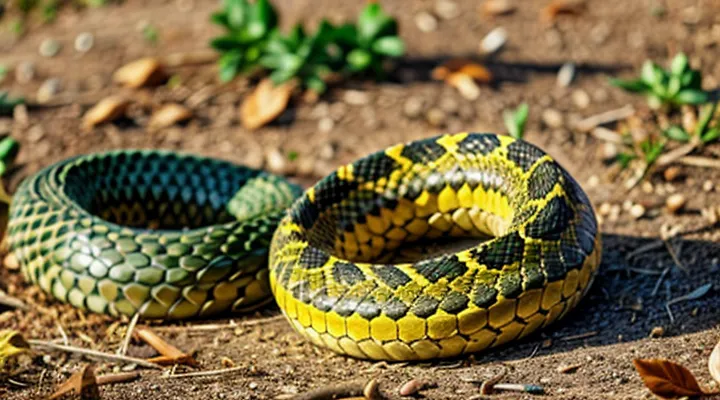
Understanding Snake Diets
Generalist vs. Specialist Feeders
Generalist feeders consume a broad spectrum of prey, including amphibians, fish, insects, and small mammals. Their dietary flexibility allows opportunistic capture of mice when such prey become abundant. Consequently, many widespread species, such as the common garter snake (Thamnophis sirtalis) and the eastern rat snake (Pantherophis alleghaniensis), regularly include rodents in their meals.
Specialist feeders focus on a limited set of prey types, often excluding mammals entirely. Species that rely on non‑rodent resources typically avoid hunting mice. Notable examples include:
- Egg‑eating snakes – the African egg‑eating snake (Dasypeltis scabra) restricts consumption to reptile eggs.
- Fish specialists – the mangrove snake (Boiga dendrophila) primarily captures fish and amphibians in wet habitats.
- Insectivores – the smooth green snake (Opheodrys vernalis) targets insects and their larvae.
- Reptile predators – the king cobra (Ophiophagus hannah) specializes in other snakes, rarely pursuing rodents.
Ecological factors shape these feeding strategies. Habitat specialization, prey availability, and morphological adaptations—such as jaw structure and venom composition—determine whether a snake includes mice in its diet. Specialist feeders often exhibit anatomical traits optimized for their preferred prey, reducing the likelihood of mouse predation.
Understanding the distinction between broad and narrow dietary niches clarifies why certain snake species consistently forgo rodent hunting while others retain the capacity to exploit mice when conditions permit. «Dietary specialization reduces competition and enhances survival in stable environments», notes a recent herpetological review.
Factors Influencing Prey Choice
Snakes that avoid hunting small rodents exhibit prey selection shaped by a range of ecological and physiological variables.
Key determinants include:
- Body size relative to typical prey dimensions; larger individuals favor prey that provides sufficient caloric return, while smaller species may be constrained to insects or amphibians.
- Venom composition; toxins optimized for ectothermic prey reduce efficiency when targeting endothermic mammals.
- Habitat specialization; arboreal or aquatic environments limit encounters with ground‑dwelling rodents.
- Sensory adaptations; species relying heavily on heat‑sensing pits are more attuned to warm‑blooded prey, whereas those with limited thermal detection may concentrate on ectotherms.
- Metabolic rate; lower energy demands permit consumption of smaller, less nutritious items.
- Seasonal prey availability; fluctuations in rodent populations drive opportunistic shifts toward alternative taxa.
- Interspecific competition; coexistence with rodent‑specialist snakes can pressure marginal species toward different food sources.
Collectively, these factors dictate the dietary niche of snakes that do not pursue mice, reinforcing ecological partitioning and reducing direct competition for resources.
Snakes with Non-Murine Diets
Insectivorous Snakes
Examples of Insectivorous Species
Snakes that rely primarily on invertebrates for food avoid hunting rodents entirely. Their diets consist of insects, larvae, termites, and other small arthropods, which distinguishes them from the majority of colubrid and viperid species that target mammals.
Examples of insectivorous species include:
- « Sand snake » (Psammophis schokari): captures ants, beetles, and grasshopper eggs in arid habitats.
- « Worm snake » (Carphophis amoenus): feeds on earthworms and soft-bodied insects beneath leaf litter.
- « Blind snake » (Leptotyphlops dulcis): specializes in termite larvae and ant pupae within subterranean nests.
- « Threadsnake » (Ramphotyphlops brongersmai): consumes ant eggs and small arthropods in tropical soils.
- « Sea snake » (Laticauda colubrina): preys on marine crustaceans and fish eggs, rarely targeting mammals.
These taxa demonstrate that a substantial subset of serpents sustains itself without exploiting murine prey, illustrating dietary specialization toward invertebrate resources.
Prey Preferences within Insectivores
Insect‑eating snakes rely almost exclusively on arthropods, annelids, or small amphibians, eliminating the need to capture rodents. Their dentition, metabolic rate, and habitat selection align with prey that can be captured in narrow burrows or on the forest floor.
Typical insectivorous groups include:
- Families Leptotyphlopidae and Typhlopidae – feed on ant and termite larvae, earthworms, and soft‑bodied insects.
- Genus Rena (family Leptotyphlopidae) – specialize in termite workers and ant pupae.
- Genus Lampropeltis subspecies “sand snake” – target beetle larvae and grasshoppers.
- Genus Dasypeltis – consume only eggs, yet lack the predatory behavior toward mammals.
- Genus Hydrophis (juvenile stages) – shift from fish to crustaceans before any potential rodent predation.
These taxa exhibit morphological and behavioral adaptations that preclude mouse hunting, confirming that a substantial portion of serpentine diversity subsists on invertebrate diets.
Ophiophagous Snakes
Types of Snakes Consumed
Snakes that are regularly consumed by humans tend to belong to families whose diet excludes rodents. Their flesh is valued for texture, flavor, or cultural significance, and their feeding habits simplify handling and processing.
- Boa constrictor – primarily feeds on birds, lizards, and medium‑sized mammals; avoids small rodents.
- Python reticulatus – preys on ungulates, fish, and amphibians; rarely targets mice.
- Elaphe spp. (rat snakes) – despite the name, many species focus on birds and eggs rather than live rodents.
- Naja naja (Indian cobra) – diet consists of frogs, fish, and other snakes; does not actively hunt mice.
- Ophiophagus hannah (king cobra) – specializes in other snakes; mouse predation is incidental at most.
These species are preferred in culinary contexts because their non‑rodent diet reduces the risk of pathogen transmission associated with wild mouse prey. Their larger size also yields more meat per individual, enhancing economic efficiency for producers.
Ecological Role of Ophiophagous Snakes
Ophiophagous snakes, species that specialize in consuming other serpents, occupy a distinct trophic niche that separates them from rodent‑predating colubrids and pit vipers. Their diet limits direct competition with mammals‑targeting snakes and reduces predation pressure on small rodent populations, thereby influencing the structure of prey communities.
Ecological functions of ophiophagous snakes include:
- Regulation of venomous snake abundance, which moderates risk to vertebrate prey and human populations.
- Transfer of energy from higher trophic levels to lower ones, as predation on large serpents releases nutrients back into the ecosystem.
- Maintenance of biodiversity through niche partitioning, preventing dominance of a single predator type.
- Contribution to population control of invasive snake species, limiting ecological displacement of native fauna.
Research indicates that the presence of ophiophagous predators correlates with reduced incidence of rodent‑associated crop damage in regions where mouse‑hunting snakes are less prevalent. This relationship underscores the indirect benefits provided by snake‑eating species to agricultural productivity and ecosystem resilience.
Piscivorous Snakes
Aquatic Habitats and Hunting Strategies
Aquatic snakes exhibit morphological and behavioral traits that direct their predation toward fish, amphibians, and invertebrates rather than rodents. Stream‑dwelling species possess laterally flattened bodies, keeled scales, and valvular nostrils that facilitate submerged movement and respiration. Their eyes are positioned to detect motion through water turbulence, while the vomeronasal organ is highly sensitive to dissolved chemical cues released by aquatic prey.
Hunting strategies in these environments rely on ambush and active pursuit. Ambush predators such as the common water snake conceal themselves among submerged vegetation, remaining motionless until a fish creates a pressure wave that triggers a rapid strike. Active hunters, exemplified by sea kraits, patrol reef crevices, using chemosensory detection to locate concealed eels or crustaceans before delivering a venomous bite. Both approaches minimize exposure to terrestrial habitats where mammals, including mice, are abundant.
Species that consistently avoid mammalian prey include:
- «Nerodia sipedon» (Northern water snake) – diet dominated by fish and amphibians, limited terrestrial foraging.
- «Laticauda colubrina» (Blue‑sea snake) – nocturnal reef hunter, consumes eels and small fish, rarely leaves water.
- «Acrochordus arafurae» (Arafura file snake) – adheres to slippery surfaces, feeds on fish and tadpoles, lacks adaptations for land pursuit.
- «Hydrophis cyanocinctus» (Blue‑banded sea snake) – pursues fish in open water, venom specialized for piscine neuromuscular systems.
Adaptations such as reduced limb musculature for climbing, reliance on aquatic sensory modalities, and energy-efficient prey capture collectively explain why these snakes do not hunt mice.
Common Fish-Eating Snakes
Fish‑eating snakes constitute a distinct group that relies almost exclusively on aquatic prey, thereby excluding rodents from their diet. Their physiological and behavioral traits reflect this specialization.
Typical representatives include:
- «Northern water snake» (Nerodia sipedon) – inhabits streams and lakes; captures fish and amphibians with rapid constriction.
- «Cottonmouth» (Agkistrodon piscivorus) – semi‑aquatic viper; employs ambush tactics in shallow water to seize fish.
- «Banded water snake» (Nerodia fasciata) – prefers sluggish waterways; feeds on fish, tadpoles, and small crustaceans.
- «Garter snakes» (Thamnophis spp.) – several species exhibit strong piscivorous tendencies, especially in wetland habitats.
- «Yellow‑bellied sea snake» (Pelamis platura) – fully marine; extracts fish from coral reefs and open ocean.
Key adaptations include laterally flattened bodies for efficient swimming, valved nostrils that close underwater, and sharp, backward‑curving teeth suited for grasping slippery prey. Digestive enzymes are optimized for processing fish tissue, and hunting strategies focus on stealth and rapid strikes rather than the pursuit of terrestrial mammals. Consequently, these snakes do not engage in mouse predation, aligning them with the broader category of serpents that avoid rodent hunting.
Herpetophagous Snakes (Amphibian and Reptile Eaters)
Diet Composition
Snakes that avoid rodent prey rely on alternative food sources, shaping a distinct diet composition. Species such as garter snakes, water snakes, egg‑eating snakes, and certain dwarf boas primarily consume amphibians, fish, invertebrates, eggs, and birds. Their nutritional intake reflects the availability of these prey types in aquatic or semi‑aquatic habitats.
- Garter snakes (Thamnophis spp.): amphibians, fish, earthworms, aquatic insects.
- Water snakes (Nerodia spp.): fish, amphibians, crustaceans, small reptiles.
- Egg‑eating snakes (Dasypeltis spp.): bird eggs, embryonic tissues.
- Dwarf boas (Corallus spp., non‑mammal‑focused populations): lizards, frogs, small birds.
Protein derives mainly from muscle tissue of ectothermic prey, while lipids are supplied by fish and amphibian bodies. Calcium and phosphorus levels are maintained through consumption of bony elements in amphibians and eggs. This diet reduces reliance on mammalian prey, aligning with ecological niches where rodents are scarce.
Specific Herpetophagous Examples
Snakes that specialize in amphibians, other reptiles, eggs, or fish typically exclude rodents from their diet. Their morphological adaptations, hunting strategies, and ecological niches favor prey such as frogs, salamanders, lizards, or oviparous eggs, resulting in negligible mouse predation.
- «Eastern Garter Snake» (Thamnophis sirtalis) – consumes amphibians, small fish, and invertebrates; mouse capture is rare.
- «Hognose Snake» (Heterodon spp.) – primarily feeds on toads and amphibian larvae; rodent consumption is incidental at best.
- «African Egg‑eating Snake» (Dasypeltis spp.) – obligate ovivore; digestive system adapted to egg contents, no documented mammalian prey.
- «Indigo Snake» (Drymarchon couperi) – preys on other snakes, lizards, and turtles; mouse hunting is absent in field observations.
- «Coral Snake» (Micrurus spp.) – envenomates and consumes smaller snakes and lizards; rodents are not part of its natural diet.
These taxa illustrate herpetophagous specialization, confirming that a subset of serpents consistently avoids hunting mice.
Avian and Egg Specialists
Nest Raiding Behavior
Snakes that forgo rodent prey often supplement nutrition by exploiting nests of other species. Nest raiding provides access to eggs, hatchlings, and occasionally stored food items, allowing these serpents to meet energetic demands without hunting live mammals.
Typical patterns include:
- Targeting bird colonies during breeding season, when egg density peaks.
- Infiltrating reptile burrows to consume freshly laid eggs or neonates.
- Exploiting mammalian dens that store cached provisions, such as stored insects or small vertebrates.
Physiological adaptations support this behavior. Reduced venom potency aligns with the low resistance of eggs, while elongated, slender bodies facilitate entry into narrow nest openings. Sensory specialization, particularly enhanced chemosensory detection of yolk-associated odors, directs snakes to viable targets.
Ecological consequences are measurable. Egg predation can lower reproductive success of avian and reptilian populations, influencing community dynamics. Conversely, nest raiding reduces competition for live prey, allowing these snakes to occupy niches distinct from mouse‑hunting counterparts.
Research indicates that species such as the king cobra (Ophiophagus hannah) and the indigo snake (Drymarchon couperi) exhibit pronounced nest‑raiding tendencies, relying minimally on rodent capture. Their dietary profiles emphasize eggs and hatchlings, reflecting evolutionary shifts away from traditional mammalian hunting strategies.
Adaptations for Egg Consumption
Snakes that forego rodent prey often specialize in ovivory, relying on eggs as a primary food source. Their anatomical and physiological traits reflect this dietary shift.
- Highly kinetic skulls allow the mouth to expand around the smooth curvature of an egg, reducing the need for powerful crushing muscles required for hard‑bodied prey.
- Reduced dentition or the presence of small, recurved teeth minimizes damage to the delicate shell while still providing grip.
- Salivary glands produce enzymes rich in lipases and proteases that rapidly break down yolk and albumen, compensating for the absence of venom in most egg‑eating species.
- Digestive tracts exhibit elongated intestines and slower transit times, maximizing nutrient absorption from the low‑protein, high‑fat content of eggs.
- Sensory adaptations include heightened visual detection of nest sites and thermoreceptive pits tuned to the slight temperature gradients of buried clutches.
Behaviorally, these snakes display seasonal activity patterns aligned with the breeding cycles of their avian or reptilian hosts, seeking nests during peak egg availability. Nest‑searching strategies involve following chemical cues from incubating females or exploiting predator‑disturbed sites.
Collectively, skeletal flexibility, modified dentition, specialized digestive chemistry, and targeted sensory capabilities constitute the core adaptations that enable snakes to thrive on an egg‑based diet while avoiding murine prey.
Invertebrate Eaters (Other than Insects)
Mollusk and Crustacean Diets
Snakes that avoid rodent prey often specialize in consuming soft‑bodied invertebrates. Their digestive physiology accommodates the high moisture content and low caloric density of mollusks and crustaceans, allowing efficient extraction of nutrients without the need for mammalian protein.
Typical species include:
- Asian vine snake (Ahaetulla prasina) – feeds on snails, slugs, and small freshwater crabs.
- African egg‑eating snake (Dasypeltis scabra) – consumes eggs and the occasional freshwater shrimp found in nesting sites.
- South American water snake (Nerodia fasciata) – preys on aquatic snails, mussels, and crayfish.
- European grass snake (Natrix natrix) – hunts pond snails, amphibian larvae, and juvenile crayfish.
Dietary patterns emphasize opportunistic foraging in wet habitats where mollusks and crustaceans are abundant. Adaptations such as elongated jaws, reduced venom reliance, and specialized dentition support the ingestion of soft shells and exoskeletons.
Unique Feeding Adaptations
Snakes that forgo rodent prey exhibit a range of specialized feeding mechanisms. Some species possess elongated, slender jaws that enable the capture of elongated fish, while others have reduced dentition that facilitates the ingestion of soft‑bodied amphibians. Certain taxa display a highly kinetic skull allowing the consumption of prey larger than their head circumference, a trait exploited by large constrictors that target birds or reptiles instead of mammals.
Key adaptations include:
- Egg‑specialization – species such as the African egg‑eating snake possess blunt, recurved teeth that crack shells and a muscular esophagus that extracts yolk.
- Aquatic suction – water snakes employ rapid expansion of the buccal cavity to generate negative pressure, drawing fish into the mouth without reliance on teeth.
- Venom targeting – some elapids produce neurotoxins optimized for amphibian neuromuscular systems, reducing the need for extensive envenomation of mammals.
- Thermal detection shift – pitless snakes rely on visual cues and rapid strike reflexes to capture ectothermic prey in low‑light environments.
These morphological and physiological traits enable the avoidance of mouse predation, demonstrating evolutionary pathways that diversify snake diets beyond typical rodent consumption.
Adaptations for Non-Murine Diets
Morphological Adaptations
Jaw Structure and Dentition
Snakes that avoid rodent prey possess jaw adaptations that reflect alternative feeding strategies. Their maxillary bones often exhibit reduced kinetic range, limiting the ability to expand the oral cavity for large, bulky items such as mice. The mandibular symphysis is frequently more rigid, providing greater bite force for crushing shells or gripping slippery fish.
Key dentition characteristics include:
- Small, recurved teeth concentrated at the front of the maxilla, optimized for grasping soft-bodied prey rather than piercing furred mammals.
- Absence of posteriorly positioned, enlarged fangs, which in rodent‑specialist species facilitate deep penetration of dense tissue.
- In some ovivorous species, vestigial teeth are replaced by smooth, enamel‑free palatal surfaces that aid in swallowing eggs whole.
These morphological traits correlate with diets composed of amphibians, fish, or eggs, demonstrating a functional link between jaw structure, tooth arrangement, and prey selection in snakes that do not pursue mice.
Body Shape and Size
Body shape and size exert a direct influence on a snake’s prey repertoire. Species possessing a robust, heavy build lack the agility required to capture small, fast‑moving rodents, and therefore exclude mice from their diet. Conversely, extremely slender, diminutive forms specialize in invertebrates, amphibians or fish, which also eliminates mice as a viable target.
Typical morphological categories that preclude mouse predation include:
- Large, muscular constrictors such as boa constrictors and reticulated pythons; bulk and gape accommodate prey exceeding the size of typical rodents.
- Massive aquatic species like the green anaconda; body mass and habitat preference favor fish, birds and large mammals.
- Very thin, elongated sea snakes; streamlined form optimizes pursuit of fish and cephalopods, not terrestrial rodents.
- Miniature, fossorial snakes such as thread snakes (Leptotyphlops spp.); reduced size limits intake to ants, termites and larvae.
These body configurations shape feeding behavior, ensuring that mice are not incorporated into the dietary profile of the listed groups.
Behavioral Adaptations
Hunting Techniques
Snakes that largely avoid rodent prey rely on specialized hunting methods matched to alternative food sources such as fish, amphibians, insects and birds. Their techniques emphasize sensory specialization, rapid strike dynamics and environmental exploitation rather than the constriction patterns typical of mouse‑hunting species.
Key hunting methods include:
- Lateral undulation combined with suction – aquatic species generate forward thrust while creating a pressure gradient to draw fish into the mouth.
- Chemotactile ambush – burrowing snakes detect prey through scent receptors on the tongue, remaining motionless until amphibians pass within striking distance.
- Heat‑sensing strike – pit‑viper relatives equipped with infrared pits locate warm‑blooded birds or small mammals that are not rodents, delivering a precise bite before retreating.
- Envenomation with rapid release – arboreal hunters inject neurotoxic venom into insects or small reptiles, allowing the prey to be swallowed without prolonged struggle.
These techniques reflect evolutionary adaptation to habitats where mice are scarce, ensuring efficient capture of non‑rodent prey while conserving energy.
Habitat Selection
Snakes that do not prey on mice exhibit distinct habitat preferences that reflect their dietary specialization. Habitat selection prioritizes environments where alternative prey are abundant and where competition with rodent‑eating species is minimal.
Key environmental factors influencing site choice include:
- Temperature regimes that support ectothermic metabolism without favoring rodent populations.
- Moisture levels that sustain amphibians, fish, or invertebrates, which serve as primary food sources.
- Structural complexity providing concealment for ambush hunting of non‑rodent prey.
- Substrate composition matching the locomotor adaptations of fossorial or arboreal species.
Representative non‑rodent‑feeding snakes and their typical habitats:
- Sea snakes: open oceanic waters, coral reefs, and estuarine zones where fish dominate the diet.
- Vine snakes (Ahaetulla spp.): tropical forest canopies rich in lizards and birds.
- Blind snakes (Typhlops spp.): loose, moist soils containing earthworms and insect larvae.
- Egg‑eating snakes (Dasypeltis spp.): savanna and woodland edges where bird nests are plentiful.
Understanding these habitat associations informs management practices aimed at preserving ecological niches that support snake diversity independent of rodent predation.
The Ecological Role of Diverse Snake Diets
Niche Partitioning
Niche partitioning describes how sympatric species reduce competition by exploiting different resources or employing distinct foraging strategies. In serpentine communities, dietary segregation often determines which taxa exclude rodents such as mice from their menus.
Avoidance of murine prey results from anatomical, behavioral, and habitat specializations that align snakes with alternative trophic niches. Morphological traits—e.g., slender heads for fish capture, elongated bodies for burrowing amphibians, or heat‑sensing pits tuned to ectothermic prey—guide prey selection. Temporal activity patterns further separate species that hunt nocturnal rodents from those active during daylight hours when insects or amphibians dominate.
Typical snake groups that rarely, if ever, hunt mice include:
- Aquatic colubrids (e.g., Natrix spp.) – diet dominated by fish and amphibians.
- Egg‑specialist boas (e.g., Corallus spp.) – focus on bird eggs and hatchlings.
- Arboreal vine snakes (e.g., Ahaetulla spp.) – prey primarily on lizards and small birds.
- Burrowing blindsnakes (e.g., Leptotyphlops spp.) – consume ant and termite larvae.
- Sea snakes (e.g., Hydrophis spp.) – feed almost exclusively on marine eels and fish.
These dietary preferences illustrate how ecological segregation permits coexistence among diverse snake assemblages. By occupying distinct foraging niches, snakes that do not pursue murine prey reduce direct competition with rodent‑predating counterparts, thereby maintaining community stability and resource balance.
Ecosystem Health and Pest Control
Snakes that specialize in prey other than rodents contribute to biodiversity by occupying distinct trophic niches. Their diets focus on fish, amphibians, insects, or eggs, reducing direct competition with rodent‑predating species.
Aquatic and semi‑aquatic colubrids, such as the northern water snake (Nerodia sipedon), consume fish and amphibians almost exclusively. Arboreal racers, including the green racer (Philothamnus spp.), target insects and small reptiles. Egg‑eating snakes, like the African egg‑eater (Dasypeltis scabra), rely solely on reptile eggs. These taxa rarely, if ever, capture mice.
The absence of mouse predation among these snakes supports ecosystem health by maintaining balanced predator‑prey dynamics. Their presence can suppress populations of alternative pests (e.g., mosquito larvae, insect larvae, amphibian overabundance) that might otherwise proliferate. Consequently, agricultural and natural habitats benefit from diversified snake assemblages that address multiple pest categories without relying on rodent control alone.
Key examples of non‑rodent‑eating snakes and associated ecological functions:
- Nerodia spp. – regulates fish and amphibian communities in wetlands.
- Philothamnus spp. – limits insect populations in forest canopies.
- Dasypeltis spp. – controls reptile egg availability, influencing reptile recruitment.
- Thamnophis sirtalis (common garter snake, northern populations) – primarily consumes amphibians and invertebrates, reducing larval mosquito numbers.
Integrating these species into pest‑management strategies enhances resilience of ecosystems, diminishes reliance on chemical controls, and promotes long‑term ecological stability.
Conservation Implications
Snakes that avoid hunting mice typically rely on alternative prey such as fish, amphibians, eggs, or insects. Species exemplifying this dietary specialization include the egg‑eating Dasypeltis, the water‑associated Natricidae (e.g., Nerodia spp.), and several arboreal colubrids that consume bird eggs. Their feeding habits reduce direct competition with rodent‑targeting predators and diminish exposure to rodent control chemicals.
Conservation implications stem from the narrow dietary niches of these reptiles. Habitat alteration that reduces availability of fish, amphibians, or avian nests directly threatens population stability. Pesticide runoff contaminates aquatic environments, impairing prey abundance and causing secondary toxicity. Trade demand for exotic pet species adds pressure to wild populations lacking robust management frameworks.
Key conservation actions:
- Preserve and restore wetland and riparian habitats that sustain primary prey.
- Implement buffer zones to limit agricultural pesticide infiltration into snake habitats.
- Enforce regulations on capture and trade, complemented by monitoring programs.
- Support captive‑breeding initiatives for species with critically low wild numbers.