
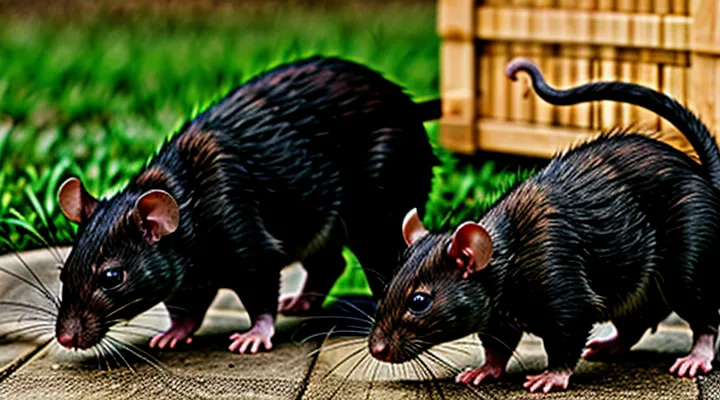
Understanding Rat Dietary Needs
What Makes a Food Dangerous for Rats?
Toxicity and Digestive Issues
Rats possess a limited capacity to process certain compounds; ingestion of specific items leads to rapid organ damage or prolonged gastrointestinal distress.
- Chocolate and cocoa products – contain theobromine, which interferes with cardiac rhythm and can cause seizures.
- Citrus peels and seeds – high acidity damages stomach lining and may trigger vomiting.
- Raw beans (especially kidney beans) – contain phytohemagglutinin, a toxin that induces severe abdominal pain and diarrhea.
- Onions, garlic, and leeks – rich in thiosulfates that damage red blood cells, leading to hemolytic anemia.
- Alcoholic beverages – depress central nervous system, can cause respiratory failure.
Foods that are not outright poisonous still pose significant digestive challenges.
- High‑fat snacks (chips, nuts, fried items) – overload the liver, result in steatorrhea and weight gain.
- Dairy products – rats lack lactase; lactose remains undigested, producing gas and watery stools.
- Processed meats with additives – preservatives irritate intestinal mucosa, cause inflammation.
- Raw potatoes and green tomato skins – contain solanine, a mild irritant that leads to cramping and reduced nutrient absorption.
Avoiding these items protects rat health by preventing acute toxicity and maintaining stable digestive function.
Nutrient Imbalance
Rats require a precise balance of protein, fat, carbohydrates, vitamins, and minerals to maintain optimal health. When a diet includes foods that disrupt this balance, physiological stress appears quickly, leading to weight loss, organ strain, and reduced immunity.
Commonly prohibited items cause nutrient imbalance by providing excessive or deficient levels of specific components:
- High‑fat treats (e.g., chocolate, fried snacks) – introduce surplus calories and saturated fats, displacing essential protein and fiber.
- Sugar‑rich foods (candies, soda) – elevate simple carbohydrate intake, impair glucose regulation, and dilute mineral absorption.
- Salty or processed meats – increase sodium beyond safe limits, risking hypertension and kidney overload.
- Citrus fruits and acidic foods – supply excessive vitamin C, which rats cannot metabolize efficiently, potentially leading to gastrointestinal irritation.
- Raw beans or legumes – contain anti‑nutrients that bind iron and calcium, reducing their bioavailability.
Nutrient imbalance manifests through observable signs: lethargy, abnormal fur condition, dental overgrowth, and erratic behavior. Laboratory analysis often reveals altered plasma levels of calcium, phosphorus, and electrolytes, confirming dietary disruption.
Preventive measures include:
- Providing a commercial rodent pellet formulated to meet established nutrient ratios.
- Supplementing with fresh vegetables and limited whole‑grain items to ensure fiber and micronutrient diversity.
- Excluding the listed prohibited foods entirely from the cage environment.
- Conducting periodic veterinary examinations to monitor weight, blood chemistry, and organ function.
Adhering to these guidelines preserves the delicate nutrient equilibrium essential for rat vitality and longevity.
Categories of Forbidden Foods
Raw and Undercooked Foods
Raw Beans and Legumes
Raw beans and legumes should not be offered to pet rats. They contain high levels of lectins, especially phytohemagglutinin, which can damage intestinal lining and cause severe vomiting, diarrhea, and dehydration. The toxins are largely inactivated only after prolonged boiling; consuming them raw exposes rats to concentrations that their digestive systems cannot tolerate.
Key hazards of uncooked legumes include:
- Lectin toxicity leading to gastrointestinal distress.
- Phytic acid binding essential minerals, reducing nutrient absorption.
- Potential presence of cyanogenic glycosides in certain beans, which release cyanide when metabolized.
- Bacterial contamination from soil or handling, increasing infection risk.
Rats lack the enzymatic capacity to break down these anti‑nutrients without heat treatment. Even small quantities of raw kidney, lima, or broad beans can produce acute symptoms within hours. Safe feeding practices require thorough cooking—boiling for at least 10 minutes, followed by cooling—before any legume is introduced, and even then, portions should remain minimal.
Raw Sweet Potatoes
Raw sweet potatoes, when served uncooked, belong on the list of foods that rats should not consume. The vegetable’s high starch content remains largely indigestible for rodents, and the raw form contains solanine‑like compounds that can irritate the gastrointestinal tract.
Potential hazards include:
- Diarrhea or soft stools caused by unprocessed fiber.
- Gastric irritation leading to reduced appetite.
- Possible toxicity from glycoalkaloids present in the raw tuber.
Cooking eliminates most of these risks. Heating breaks down resistant starches and deactivates harmful compounds, making sweet potatoes a safe occasional treat when fully cooked, cooled, and offered in small portions.
If a rat ingests raw sweet potato, monitor for:
- Changes in stool consistency.
- Decreased water intake.
- Lethargy or signs of abdominal discomfort.
Should any of these symptoms appear, discontinue the food immediately and consult a veterinarian. Opt for cooked, plain sweet potato as a healthier alternative, or replace it with other safe vegetables such as carrots, peas, or broccoli.
Raw Peanuts
Raw peanuts pose several risks for pet rodents and should not be included in their diet. The nuts contain naturally occurring aflatoxins, which are toxic compounds produced by certain molds. Even small amounts can accumulate in a rat’s liver and kidneys, leading to organ damage over time.
Additional concerns include:
- High fat content, which can trigger obesity and related metabolic disorders.
- Potential for added salt or oil in commercially sold peanuts, both of which are harmful to rats.
- Small size and hard texture increase the likelihood of choking or dental injury.
Because of these hazards, raw peanuts are classified among the foods that must be avoided for rats. If a treat is desired, opt for species‑appropriate options such as fresh vegetables, small pieces of fruit, or specially formulated rodent treats that meet nutritional standards.
Foods High in Toxins
Chocolate
Chocolate is listed among the foods that must be excluded from a rat’s diet. The primary hazard lies in theobromine and caffeine, compounds that rodents metabolize far more slowly than humans. Even modest quantities can provoke rapid heart rate, elevated blood pressure, tremors, seizures, and, in severe cases, fatal cardiac arrest. Dark chocolate contains the highest concentration of these stimulants, followed by milk chocolate; white chocolate, while low in theobromine, still poses a risk due to added sugars and fats that can disrupt digestion.
Key points regarding chocolate toxicity for rats:
- Theobromine dose of 100 mg/kg body weight can be lethal; rats reach this threshold with less than a gram of dark chocolate.
- Symptoms appear within 30 minutes to 2 hours after ingestion and may include hyperactivity, vomiting, and loss of coordination.
- Recovery is unlikely without prompt veterinary intervention, typically involving activated charcoal, intravenous fluids, and cardiac monitoring.
Preventive measures:
- Store all chocolate products in sealed containers out of reach.
- Educate household members about the danger and discourage sharing human treats with pet rodents.
- If ingestion is suspected, contact a veterinarian immediately; provide details on the type and estimated amount of chocolate consumed.
Eliminating chocolate from a rat’s environment eliminates a significant toxic risk and supports overall health and longevity.
Avocado
Avocado should not be offered to pet rats. The fruit contains persin, a toxin that can cause severe gastrointestinal distress and respiratory complications in rodents. In addition, avocado’s high fat content exceeds the dietary limits for rats and may lead to obesity and liver strain.
Potential health effects include:
- Vomiting or diarrhea
- Difficulty breathing
- Lethargy or weakness
- Liver inflammation
If a rat ingests avocado, remove any remaining pieces, monitor for the symptoms listed above, and consult a veterinarian promptly. Substitute safe treats such as small pieces of apple, carrot, or leafy greens to satisfy a rat’s craving for fresh vegetables.
Rhubarb
Rhubarb is classified among the foods that should never be offered to pet rats. The plant contains high levels of oxalic acid, which can bind calcium and lead to hypocalcemia, kidney damage, and severe gastrointestinal irritation. Both the stalks and especially the leaves are hazardous; the leaves concentrate the toxin and can cause rapid onset of symptoms such as vomiting, diarrhea, tremors, and lethargy. Because rats have a limited ability to metabolize oxalates, even small quantities of rhubarb may be harmful. Consequently, any portion of rhubarb must be excluded from a rat’s diet. Safe alternatives for providing fiber and enrichment include carrot sticks, cucumber slices, and plain leafy greens such as romaine lettuce.
Foods Causing Digestive Distress
Citrus Fruits
Citrus fruits are generally unsuitable for pet rats and should be excluded from their diet. The high acidity and concentrated sugar content can overwhelm a rat’s delicate digestive system, leading to stomach irritation, diarrhea, and dehydration. Essential oils present in the peel and pulp—particularly limonene and citric acid—are known irritants and may cause renal strain with repeated exposure.
Common citrus items to avoid include:
- Oranges and orange slices
- Lemons and lime wedges
- Grapefruits and pomelos
- Tangerines, mandarins, and clementines
- Citron, yuzu, and other specialty citrus varieties
Potential health consequences of feeding citrus to rats:
- Gastric ulceration from excessive acidity
- Persistent loose stools and electrolyte imbalance
- Increased risk of kidney overload due to high citric acid load
- Disruption of normal gut flora, reducing nutrient absorption
If a rat inadvertently consumes a small piece of citrus, monitor for signs of distress such as vomiting, watery stool, or lethargy, and provide fresh water and bland food (e.g., plain cooked rice or oatmeal). Immediate veterinary consultation is advised for any severe or prolonged symptoms.
To maintain a safe diet, substitute citrus with rat‑approved fruits and vegetables that are low in acid and sugar, such as apple slices (seedless), blueberries, carrots, and leafy greens. Keeping citrus fruits stored in secured containers eliminates accidental access and supports optimal health for the animal.
Grapes and Raisins
Grapes and raisins are among the foods that should never be offered to pet rats. Scientific studies have identified a toxic compound in these fruits that can cause acute kidney injury in rodents. The toxicity appears at relatively low quantities; ingestion of even a few grapes or a small handful of raisins can trigger severe physiological responses.
Typical clinical signs include:
- Reduced urine output
- Lethargy and weakness
- Loss of appetite
- Vomiting or diarrhea
- Elevated blood urea nitrogen and creatinine levels
If a rat consumes grapes or raisins, immediate veterinary intervention is required. Treatment focuses on fluid therapy to support kidney function and monitoring of blood chemistry until recovery is confirmed.
Safe alternatives for treats:
- Small pieces of fresh apple (core removed)
- Sliced cucumber
- Cooked sweet potato
- Commercial rodent treats formulated without toxic ingredients
Owners should store grapes and raisins out of reach and check all household foods for accidental inclusion in a rat’s diet.
Onions and Garlic
Onions and garlic are classified among the foods that must be excluded from a rat’s diet because they contain compounds that are toxic to rodents. The primary hazards are sulfur‑based substances such as thiosulfates and disulfides, which can damage red blood cells and irritate the gastrointestinal tract.
These agents cause hemolytic anemia, leading to symptoms that may include weakness, pale gums, rapid breathing, and dark urine. They also provoke vomiting, diarrhea, and abdominal pain. The toxic effect can develop within a few hours after ingestion and may be fatal if not treated promptly.
- Thiosulfates → oxidative damage to erythrocytes → hemolysis
- Disulfides → irritation of stomach and intestines → vomiting, diarrhea
- Cumulative exposure → increased risk of chronic anemia and organ stress
Because rats lack the enzymatic pathways to metabolize these substances safely, even small quantities of raw or cooked onion or garlic can be harmful. Safe alternatives for flavoring or enrichment include fresh vegetables such as carrots, cucumber, and leafy greens, which provide nutrients without the associated risks.
Green Potatoes
Green potatoes are unsafe for rats because they contain solanine, a glycoalkaloid that develops when tubers turn green or sprout. Solanine interferes with cellular membranes, leading to neurological and gastrointestinal disturbances in rodents.
Key risks include:
- Nausea, vomiting, and diarrhea
- Lethargy, tremors, and disorientation
- Potential respiratory failure at high concentrations
Even small amounts can trigger adverse effects; toxicity is dose‑dependent but unpredictable due to variable solanine levels. Rats cannot metabolize the compound efficiently, making exposure hazardous.
To protect pet or laboratory rats, remove any green sections, sprouts, or peeled skins before offering potatoes. Prefer safe alternatives such as plain cooked carrots, peas, or apple slices, which provide nutritional value without toxic risk.
Sugary and Processed Foods
Candy and Sweets
Candy and other sugary confections should not be part of a rat’s diet. High concentrations of sugar create rapid spikes in blood glucose, leading to insulin resistance and obesity. Artificial sweeteners, especially xylitol, are toxic to rodents and can cause sudden liver failure. Chocolate contains theobromine, a stimulant that rats cannot metabolize efficiently, resulting in cardiac arrhythmia and seizures. Additionally, the sticky texture of many sweets adheres to teeth, promoting dental decay and periodontal disease.
- Pure sugar, honey, and syrup: provide empty calories, encourage weight gain, and disrupt gut flora.
- Chocolate (dark, milk, white): contains theobromine and caffeine, both lethal in sufficient amounts.
- Candy with xylitol or other sugar alcohols: highly toxic; ingestion can be fatal.
- Caramel, toffee, and gummy products: hard to chew, increase risk of choking and dental damage.
- Frosted or icing-coated treats: contain high fat and sugar levels, exacerbating metabolic stress.
Excluding these items prevents metabolic disorders, organ toxicity, and dental problems, ensuring a healthier, longer‑lived pet rat.
Salty Snacks
Salty snacks are unsafe for pet rats because excessive sodium disrupts fluid balance, strains kidneys, and can lead to hypertension. Rats obtain sodium naturally from a balanced diet; supplemental salt offers no nutritional benefit and may cause dehydration, electrolyte imbalance, and increased thirst.
Common salty items that should be excluded:
- Potato chips, including flavored varieties
- Pretzels, especially salted or seasoned types
- Salted nuts and peanuts
- Popcorn with added butter and salt
- Crackers and salty biscuits
- Processed cheese snacks (e.g., cheese puffs, cheese-flavored chips)
Even small quantities can accumulate, as rats consume food frequently throughout the day. If a rat ingests a salty snack, monitor for signs such as excessive drinking, lethargy, or abnormal urination, and consult a veterinarian promptly. Provide only fresh vegetables, high‑quality rodent pellets, and occasional fruit to maintain optimal health.
Processed Human Foods
Processed human foods pose significant health risks to pet rats. High levels of salt, sugar, artificial additives, and unhealthy fats can cause dehydration, kidney strain, obesity, and gastrointestinal disturbances.
- Salty snacks (pretzels, chips, seasoned nuts) – excess sodium disrupts electrolyte balance and may lead to hypertension.
- Sugary items (candies, pastries, chocolate) – rapid glucose spikes increase the likelihood of diabetes and dental decay; chocolate also contains theobromine, which is toxic to rodents.
- Processed meats (bacon, sausage, deli slices) – contain nitrates, preservatives, and high fat content that can cause liver overload and intestinal irritation.
- Fried foods (fried chicken, onion rings, French fries) – heavy oil and trans fats impair digestion and contribute to fatty liver disease.
- Canned soups and ready‑made sauces – high sodium and hidden sugars create chronic stress on the kidneys and pancreas.
- Bread products with added butter or margarine – saturated fats and salt promote weight gain and cardiovascular strain.
- Artificial sweeteners (xylitol, sucralose) – can cause hypoglycemia and metabolic upset in rodents.
Avoid offering any of these items. Provide a diet based on fresh vegetables, high‑quality rodent pellets, and occasional whole‑grain grains to maintain optimal health.
Health Consequences of Feeding Forbidden Foods
Acute Symptoms
Diarrhea and Vomiting
Diarrhea and vomiting are immediate indicators that a rat has consumed a food it should not eat. These gastrointestinal disturbances arise when the animal’s digestive system cannot process certain ingredients, leading to rapid fluid loss, electrolyte imbalance, and potential dehydration.
Foods that commonly trigger these reactions include:
- Citrus fruits (oranges, lemons, grapefruits) – high acidity irritates the stomach lining.
- Spicy or heavily seasoned items – capsaicin and other irritants provoke inflammation.
- Dairy products – most rats lack sufficient lactase, resulting in fermentation and loose stools.
- Processed snacks containing artificial sweeteners (especially xylitol) – toxic to rodents and cause severe vomiting.
- Raw beans and legumes – contain lectins that damage intestinal walls.
- High‑fat treats (fried foods, bacon, sausage) – overload the liver and pancreas, leading to regurgitation.
- Sugary candies and chocolate – sugar spikes and cocoa compounds disturb gut motility.
When diarrhea appears, the stool will be watery, may contain mucus, and often has a strong odor. Vomiting presents as frequent expulsion of partially digested material, sometimes accompanied by foamy saliva. Both conditions can progress quickly; within hours, a rat may exhibit lethargy, sunken eyes, and reduced skin turgor.
Immediate response should involve:
- Removing the offending food and any similar items from the enclosure.
- Providing fresh water in small, frequent amounts to prevent dehydration.
- Offering bland, easily digestible foods such as plain cooked rice or boiled chicken (no skin or seasoning) for a short period.
- Monitoring weight and behavior for at least 24 hours; any deterioration warrants veterinary consultation.
Long‑term prevention relies on strict dietary guidelines: supply only species‑appropriate pellets, fresh vegetables low in acid, and occasional fruit in limited quantities. Regularly inspect treats for hidden ingredients that could cause gastrointestinal upset. Consistent adherence to these standards eliminates the risk of diarrhea and vomiting linked to prohibited foods.
Lethargy and Weakness
Lethargy and weakness are common signs that a rat has ingested foods that are toxic or nutritionally unsuitable. These symptoms appear because certain ingredients disrupt metabolic processes, damage the nervous system, or cause severe dehydration.
Typical forbidden items that trigger such decline include:
- Chocolate and cocoa products – contain theobromine, which depresses cardiac and nervous function.
- Raw or green potatoes – solanine interferes with cell membranes, leading to fatigue.
- Citrus peels and seeds – high acidity and toxic compounds can impair digestion and energy levels.
- Processed meats with excessive salt – cause electrolyte imbalance, resulting in weakness.
- Sugary snacks and candy – induce rapid blood‑sugar spikes followed by crashes, producing lethargy.
- High‑fat junk food – overloads the liver, reducing stamina and causing sluggishness.
When a rat exhibits prolonged inactivity, reduced responsiveness, or diminished grip strength, immediate removal of the offending food and veterinary assessment are essential to prevent irreversible damage.
Long-Term Effects
Organ Damage
Rats that consume prohibited items may develop serious organ damage. Toxic compounds in certain foods target specific systems, leading to irreversible injury if exposure continues.
- Chocolate, especially dark varieties: contains theobromine, which can cause myocardial inflammation and necrosis, impairing heart function.
- Citrus peel and seeds: high levels of essential oils and cyanogenic glycosides damage liver cells, resulting in hepatic necrosis and impaired detoxification.
- Raw beans (especially kidney beans): contain lectins that disrupt intestinal mucosa, allowing bacterial translocation that strains the pancreas and can trigger pancreatitis.
- Avocado flesh and pit: persin induces myocardial degeneration and may also cause renal tubular necrosis, compromising kidney filtration.
- High‑fat processed snacks: saturated fats accumulate in the liver, promoting steatosis and eventual cirrhosis; excess lipid deposits also burden the gallbladder, leading to cholelithiasis.
- Alcoholic beverages: ethanol metabolites generate free radicals that damage brain tissue, but also cause gastritis and hemorrhagic lesions in the stomach lining, impairing nutrient absorption and stressing the spleen.
Prolonged ingestion of these items accelerates cellular apoptosis, disrupts enzymatic pathways, and impairs organ regeneration. Immediate removal of the offending food and veterinary assessment are essential to prevent permanent damage.
Nutritional Deficiencies
Rats that consume prohibited items often develop specific nutrient shortfalls that compromise growth, immunity, and organ function.
High‑fat, sugary treats replace essential proteins and vitamins, leading to:
- Protein deficiency – reduced muscle mass, delayed wound healing.
- Vitamin C insufficiency – increased susceptibility to respiratory infections.
- Calcium shortage – weakened bones, dental malformation.
- Iron deficit – anemia, lethargy, reduced oxygen transport.
Acidic or highly salted foods disrupt electrolyte balance, causing sodium and potassium imbalances that affect nerve signaling and cardiac rhythm.
Fiber‑poor diets, common when rats eat processed snacks, result in gastrointestinal stasis, altered gut flora, and impaired absorption of micronutrients such as B‑complex vitamins.
Chronic exposure to toxic compounds found in some human foods (e.g., caffeine, alcohol, artificial sweeteners) interferes with hepatic metabolism, reducing the body’s ability to synthesize and store vital nutrients.
Preventing these deficiencies requires a diet centered on balanced rodent pellets, fresh vegetables, and limited safe treats, ensuring that all macro‑ and micronutrient requirements are met.
What to Do If Your Rat Eats Forbidden Food
Immediate Actions
If a pet rat consumes a prohibited item, act without delay. First, remove any remaining portions of the food to prevent further ingestion. Second, assess the rat’s condition: look for signs such as vomiting, diarrhea, lethargy, or respiratory distress. Third, if symptoms appear or the consumed item is known to be highly toxic (e.g., chocolate, caffeine, onions, citrus peel, processed snacks with artificial sweeteners), contact a veterinarian immediately and provide details about the food type, estimated amount, and time of ingestion.
Immediate steps can be summarized as follows:
- Isolate the rat from the contaminated source.
- Offer fresh water to encourage hydration.
- Do not induce vomiting unless instructed by a professional.
- Keep a record of the incident for veterinary reference.
- Follow the veterinarian’s treatment plan, which may include activated charcoal, supportive fluids, or medication.
Prompt intervention reduces the risk of severe toxicity and improves the likelihood of a full recovery.
When to Contact a Vet
Rats that consume foods known to be toxic can develop rapid, severe health problems. Contact a veterinarian immediately if any of the following signs appear:
- Sudden vomiting or regurgitation
- Diarrhea containing blood or mucus
- Noticeable lethargy or loss of coordination
- Excessive drooling or foaming at the mouth
- Swelling of the face, paws, or abdomen
- Unusual respiratory effort, wheezing, or gasping
- Seizures, tremors, or convulsions
- Sudden weight loss or refusal to eat and drink
Even if symptoms are mild, seek professional advice within a few hours of exposure. Early intervention can prevent organ damage and increase the chance of recovery. Provide the vet with details about the suspected food, the amount ingested, and the time elapsed since consumption. This information allows precise treatment planning and improves outcomes.
Safe Alternatives and a Balanced Rat Diet
Recommended Staples
Rats thrive on a diet that includes a few reliable staple items. These foods supply essential nutrients, support dental health, and maintain stable energy levels.
- High‑quality commercial rodent pellets formulated for laboratory or pet use. Pellets provide balanced protein, fiber, vitamins, and minerals in a consistent ratio.
- Whole grain oats or barley, served in small portions. Grains deliver complex carbohydrates and soluble fiber, aiding digestion.
- Fresh leafy greens such as romaine lettuce, kale, or spinach. Greens contribute vitamins A, C, and K, as well as calcium and iron.
- Small pieces of cooked, unseasoned chicken breast or boiled egg whites. Lean animal protein supplements the diet without excess fat.
- Fresh fruit in moderation, for example apple slices (core removed) or berries. Fruit offers natural sugars and antioxidants, but should be limited to prevent obesity.
These staples form the foundation of a healthy rat diet. Complement them with occasional treats while avoiding foods known to be toxic or harmful.
Healthy Treats
Providing rats with treats enhances enrichment, but choices must support their health. Safe options contain natural nutrients, low fat, and minimal sugar.
- Fresh vegetables: carrot slices, broccoli florets, cucumber, bell pepper.
- Fruits in moderation: apple (seedless), blueberries, strawberries, kiwi.
- Whole‑grain items: small pieces of whole‑wheat bread, cooked quinoa, oatmeal.
- Protein sources: boiled egg white, plain cooked chicken, mealworms (unsprayed).
- Commercial rat treats formulated without added sugars or artificial colors.
When selecting treats, follow these principles: offer no more than 10 % of daily caloric intake; present small portions to prevent choking; wash produce thoroughly to remove pesticides; avoid seasoned or processed foods.
Foods that must be excluded include chocolate, caffeine, alcohol, raw beans, onions, garlic, citrus peels, and any items containing salt or sugar spikes. Excluding these items prevents toxicity, digestive upset, and long‑term health complications.