
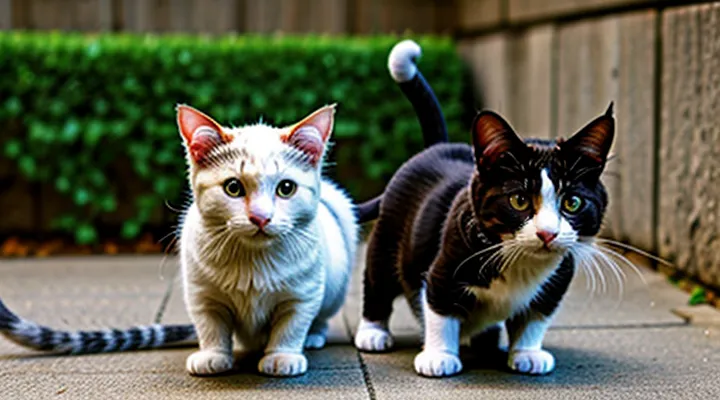
The Feline Hunter: An Overview of Cats and Pest Control
The Instinct to Hunt: Why Cats Chase Mice
Natural Predatory Behavior
Cats retain instinctual hunting skills honed over millennia. Their predatory sequence—stalk, pounce, bite, and kill—relies on acute vision, rapid reflexes, and a powerful bite that severs the spinal cord of small prey. Breeds that exhibit heightened sensory acuity and muscular coordination demonstrate superior mouse‑catching efficiency.
Key physiological traits supporting effective rodent control include:
- Large, forward‑facing pupils that enhance low‑light detection.
- Muscular forelimbs and flexible spine enabling explosive leaps.
- Sharp, retractable claws for precise grasping.
- Strong jaw muscles delivering a swift, fatal bite to the neck.
Breeds consistently observed to excel in these areas are:
- Maine Coon – robust build, strong forelimbs, and a keen sense of movement.
- Siberian – dense coat for insulation, high stamina, and rapid reflexes.
- American Shorthair – balanced body, sharp eyesight, and a historic reputation for vermin control.
- Bengal – wild ancestry, heightened predatory drive, and exceptional agility.
- Turkish Van – muscular structure and a propensity for active hunting.
These cats demonstrate the natural predatory behavior essential for efficient mouse capture, making them reliable choices for environments where rodent control is a priority.
Domestication and Retained Instincts
Domestication has altered feline behavior without erasing the predatory drive inherited from wild ancestors. Early commensal relationships selected cats that tolerated human presence, yet the neurological circuitry for stalking and killing prey remained largely intact. Consequently, many modern breeds exhibit a spectrum of hunting proficiency that reflects both genetic heritage and the degree of selective breeding for temperament.
The retention of instinct manifests in several measurable traits: acute auditory sensitivity, rapid visual tracking of small movements, and a reflexive pounce response. Breeds that have been less extensively modified for companionship tend to display higher frequencies of these behaviors, resulting in more effective mouse control.
Key breeds known for pronounced hunting instincts include:
- Maine Coon – large size, strong forelimbs, persistent pursuit.
- American Shorthair – historic barn cat lineage, high prey drive.
- Siamese – agile body, keen hearing, quick strike.
- Bengal – hybrid vigor from Asian leopard cat, intense stalking.
- Turkish Van – water‑loving, energetic, strong chase instinct.
Even breeds refined for aesthetic traits retain the fundamental predatory circuitry; the variation lies in expression intensity rather than presence. Understanding the balance between domestication and innate hunting mechanisms informs the selection of cats for effective rodent management.
Top Cat Breeds for Rodent Control
Maine Coon: The Gentle Giant Hunter
Size and Agility
Size directly influences a cat’s ability to pursue small, fast-moving prey. Light-bodied breeds can maneuver through tight spaces, reach high perches, and accelerate quickly, all essential for ambushing rodents. Larger cats may possess greater strength but often lack the rapid directional changes required to outwit agile mice.
Agility combines flexibility, reflex speed, and coordination. Cats with a high shoulder‑blade mobility and long, muscular hind limbs generate swift bursts of speed and execute sharp turns without losing balance. These traits enable precise strikes and effective capture of elusive vermin.
Breeds that combine compact size with pronounced agility include:
- Cornish Rex – slender frame, low body weight, exceptional flexibility.
- Oriental Shorthair – lithe build, elongated limbs, quick reflexes.
- Abyssinian – medium‑small size, muscular legs, rapid acceleration.
- Siamese – slim torso, strong hindquarters, adept at leaping and darting.
- Burmese – compact musculature, high stamina, swift pursuit capability.
These breeds demonstrate the optimal balance of diminutive stature and dynamic movement, making them the most effective mouse hunters among domestic felines.
Temperament and Effectiveness
Effective mouse hunting depends on a cat’s instinctual drive, confidence, and agility. Breeds that combine a strong predatory instinct with a bold, independent temperament tend to outperform more sedentary or overly sociable cats.
- Maine Coon – Confident, adaptable, strong; retains high stamina for prolonged chases, frequently captures multiple rodents per night.
- American Shorthair – Even‑tempered, focused; natural hunter with reliable kill rates in farm and barn settings.
- Siberian – Energetic, curious; excellent leaper, excels in dense underbrush where mice hide.
- Norwegian Forest Cat – Independent, resilient; uses powerful hind legs to ambush and overpower prey.
- Turkish Van – Assertive, water‑loving; displays high alertness and rapid reflexes, effective in both indoor and outdoor environments.
- Bengal – Hyper‑active, intensely playful; channelled energy translates into aggressive pursuit and swift kills.
- Selkirk Rex – Calm yet determined; maintains steady focus, achieving consistent capture rates despite a plush coat.
Breeds lacking strong predatory drive—such as the Ragdoll, Persian, or Exotic Shorthair—show lower effectiveness, often preferring human interaction over hunting. Selecting a cat with a pronounced, self‑reliant temperament maximizes mouse control in residential, agricultural, or commercial settings.
American Shorthair: The Classic Mouser
Heritage and Hunting Prowess
Heritage shapes a cat’s innate predatory skills, and breeds that descend from working or farm cats retain the most refined hunting instincts. Genetic lineage determines muscle structure, sensory acuity, and behavioral drive essential for effective mouse control.
- Maine Coon – Originates from New England farm cats; large frame, strong forelimbs, and keen hearing enable rapid pursuit and subdual of rodents.
- Norwegian Forest – Descended from Scandinavian barn cats; dense coat protects against harsh weather, while agile climbing ability allows access to hidden prey.
- Siberian – Developed in Russian villages; muscular body and sharp retractable claws support swift strikes and prolonged chases.
- American Shorthair – Bred for rodent control on early American farms; balanced temperament and high stamina make it a reliable mouser.
- Turkish Van – Historically kept on Turkish lakeside farms; exceptional swimming skill expands hunting territory to water‑logged environments where rodents seek refuge.
- Bengal – Bred from Asian leopard cat ancestry; heightened visual acuity and explosive bursts of speed replicate wild predatory behavior in domestic settings.
Each breed’s historical role as a farm or barn guardian directly informs its modern effectiveness against mice. The combination of physical adaptations inherited from ancestors and selective breeding for vigor results in a measurable advantage in rodent suppression.
Adaptability and Versatility
Adaptability determines how quickly a cat adjusts to varying environments, from cluttered barns to sleek apartment kitchens. Breeds that thrive across such settings maintain high hunting efficiency because they can locate prey in diverse terrain, respond to changes in lighting, and cope with fluctuating human activity.
Versatility reflects a cat’s ability to employ multiple hunting strategies. Some felines rely on stealth and ambush, while others use rapid pursuit or opportunistic pouncing. A versatile predator can switch tactics as prey behavior shifts, ensuring consistent mouse control throughout the year.
Key breeds that combine strong adaptability with broad tactical range include:
- Maine Coon – large, muscular body; comfortable in cold barns and indoor homes; alternates between stalking and sudden bursts.
- American Shorthair – resilient to temperature swings; excels in both indoor and outdoor hunting; balances patience with quick strikes.
- Siberian – thick coat protects against harsh climates; adept at climbing and leaping, allowing access to hidden nests.
- Domestic Shorthair (mixed) – genetic diversity yields high environmental tolerance; often exhibits spontaneous hunting styles.
- Bengal – agile and energetic; thrives in active households and outdoor environments; employs both stealth and rapid chase.
These breeds demonstrate that a cat’s success in rodent control hinges not solely on innate predatory instinct but on the capacity to thrive in multiple habitats and to modify hunting methods as circumstances demand. Selecting a cat with proven adaptability and versatility maximizes the likelihood of effective, sustained mouse suppression.
Siberian Cat: The Resilient Rodent Slayer
Origin in Harsh Environments
Breeds that evolved in demanding climates possess physical and behavioral adaptations that enhance their ability to hunt small rodents. Harsh weather, rugged terrain, and limited food sources selected for strength, endurance, and acute predatory instincts.
- Norwegian Forest Cat – dense double coat protects against sub‑zero temperatures; muscular build and powerful hind legs enable swift leaps onto prey.
- Siberian – robust skeleton and flexible spine allow rapid changes in direction; thick fur provides insulation while maintaining agility.
- Maine Coon – large paws and tufted ears improve balance on uneven forest floor; high stamina supports prolonged pursuit of fleeing mice.
- Turkish Van – water‑repellent coat and strong forelimbs facilitate hunting in both dry highlands and wet environments; keen eyesight functions well in low‑light conditions.
- Turkish Angora – slender yet resilient frame and fine, insulating fur suit cold, windy plateaus; heightened auditory sensitivity detects subtle rodent movements.
These breeds translate their survival traits into efficient mouse control. Muscular power, protective pelage, and refined sensory systems combine to produce rapid detection, decisive strikes, and sustained hunting performance in domestic settings.
Strong Prey Drive
A strong prey drive reflects an innate motivation to stalk, chase, and seize moving targets. It originates from the cat’s ancestral hunting circuitry, triggering rapid visual processing, acute auditory sensitivity, and precise motor coordination.
Cats possessing a heightened prey drive demonstrate faster reaction times, persistent pursuit, and a willingness to engage small rodents without hesitation. These attributes translate directly into higher mouse capture rates compared to felines with a more sedentary disposition.
- Bengal – intense focus, rapid pounce, consistent hunting behavior.
- Abyssinian – energetic, agile, instinctively tracks quick movements.
- Maine Coon – large, powerful, combines stamina with keen detection.
- Siamese – vocal, alert, reacts swiftly to subtle cues.
- Turkish Van – water‑loving, but exhibits relentless pursuit of terrestrial prey.
Breed tendencies provide a reliable baseline, yet individual cats may diverge from the norm. When selecting a feline for rodent control, prioritize those recognized for a pronounced prey drive, while accounting for personality and environment.
Chartreux: The Blue-Gray Pest Controller
History as Monastery Cats
Monastic communities relied on felines to protect grain stores and manuscripts from rodent infestation. Early records from European abbeys describe the introduction of domestic cats as a deliberate measure against mice that threatened food supplies and parchment collections. Monks selected cats for their hunting proficiency, temperament suited to quiet cloister life, and adaptability to the stone architecture of monasteries.
Historical accounts identify several breeds that excelled in this role:
- European Shorthair – robust, agile, and capable of hunting in confined spaces; frequently mentioned in medieval monastery inventories.
- Maine Coon – large, strong, and effective at tackling larger rodents; introduced to monastic farms in the 18th century.
- British Longhair – dense coat protected against cold stone corridors; noted for persistent stalking behavior.
- Norwegian Forest Cat – skilled climber, able to patrol high shelves where grain was stored; valued in northern monasteries.
These breeds demonstrated consistent success in reducing rodent populations, thereby preserving food reserves and safeguarding valuable texts. Their presence contributed to the sustainability of monastic economies and the longevity of cultural heritage housed within cloister walls.
Focus and Determination
Focus and determination differentiate highly effective mouse hunters from average domestic cats. A cat that maintains sustained attention on a moving target, resists distraction, and persists after initial failure demonstrates the mental stamina required for successful predation.
Breeds noted for these traits include:
- Maine Coon – strong concentration during prolonged chases; consistent pursuit despite obstacles.
- Siberian – resilient focus in varied environments; tenacious follow‑through after initial miss.
- American Shorthair – sharp attention to subtle movements; unwavering drive to secure prey.
- Bengal – intense fixation on fast‑moving rodents; relentless effort until capture.
- British Shorthair – methodical tracking; persistent engagement even when prey hides.
These breeds combine innate hunting instincts with a disciplined mindset, enabling them to locate, stalk, and capture mice efficiently. The synergy of acute focus and unwavering determination directly enhances their success rates in rodent control.
Manx: The Tailless Terror
Unique Physical Traits for Hunting
Cats that excel at mouse hunting share distinct physical adaptations that enhance speed, stealth, and precision. Muscle composition in the hindquarters provides explosive bursts of acceleration, allowing a cat to close the distance to a fleeing rodent in a fraction of a second. The spine’s flexibility, coupled with a low center of gravity, enables rapid changes in direction without loss of balance, essential for navigating tight spaces where mice hide.
- Long, tapered forepaws: Extended claws and a narrow paw shape facilitate deep penetration into burrows and improve grip on slippery prey.
- Highly developed whiskers (vibrissae): Sensitive to minute air currents, they detect the subtle movements of a mouse even in low‑light conditions.
- Acute auditory apparatus: Enlarged ear canals amplify high‑frequency sounds, making it possible to locate prey beneath foliage or within walls.
- Sharp, retractable teeth: Serrated canines and premolars deliver a quick, lethal bite, minimizing struggle and preventing escape.
- Dense, water‑repellent coat: Provides insulation in cold environments and reduces drag when moving through grass or debris, preserving speed.
These traits collectively determine a breed’s hunting efficiency. Breeds such as the Egyptian Mau, known for a muscular hindlimb structure, and the American Wirehair, distinguished by a robust whisker system, illustrate how specific anatomical features translate into superior mouse‑catching performance. By examining the presence and refinement of these characteristics, one can predict which feline lines are most capable of controlling rodent populations.
Agility and Speed
Agility and speed directly affect a cat’s capacity to intercept and capture mice. Rapid acceleration, swift changes in direction, and high vertical leaps enable a cat to close the distance before a mouse can escape.
- Egyptian Mau – accelerates within a few strides, reaches impressive heights when jumping.
- Bengal – muscular build drives powerful short‑range sprints and agile maneuvers.
- Abyssinian – slender frame supports quick reflexes and fluid movement.
- Oriental Shorthair – elongated body facilitates rapid bursts and tight turns.
- Savannah – long legs produce strong leaping power and sustained speed.
Factors Influencing a Cat's Hunting Ability
Individual Personality and Drive
Beyond Breed: The Hunter's Spirit
The ability to eliminate rodents depends more on a cat’s innate predatory drive than on its pedigree. Breeds traditionally praised for mouse‑hunting often share a common behavioral profile: high motivation to chase, sharp auditory and visual perception, and swift, precise movements. These characteristics constitute what can be called the hunter’s spirit.
The hunter’s spirit manifests through three core components. First, sensory acuity—especially low‑light vision and acute hearing—detects subtle prey cues. Second, motor responsiveness—rapid acceleration, agile footwork, and flexible spine—enables the cat to close distance quickly. Third, motivational intensity—persistent interest in stalking and capturing moving objects—drives repeated hunting attempts.
Environmental factors shape expression of these components. Access to outdoor exposure, regular play with interactive toys, and occasional live‑prey encounters reinforce predatory instincts. Conversely, a sedentary indoor lifestyle or chronic stress can suppress even genetically predisposed hunters.
Key indicators of a strong hunting instinct include:
- Persistent pursuit of moving toys or shadows
- Quick reflexes when startled by sudden sounds
- Preference for high perches offering a clear field of view
- Frequent “pouncing” behavior during play sessions
- Demonstrated success in catching small insects or insects in controlled settings
Evaluating individual cats against these criteria yields more reliable predictions of rodent control performance than relying solely on breed reputation. The hunter’s spirit, when recognized and nurtured, determines effectiveness in mouse capture across all feline lineages.
Early Life Experiences
Early developmental conditions shape a cat’s hunting proficiency. During the first twelve weeks, sensory, motor, and motivational systems mature rapidly; exposure to moving objects, live prey, and varied environments calibrates predatory reflexes. Absence of such stimuli often results in reduced chase intensity, delayed pounce timing, and lower success rates when confronting rodents.
Socialization with humans influences confidence but does not replace prey-specific training. Structured play that mimics rodent behavior—quick darts, erratic direction changes, and tactile feedback—reinforces the innate chase drive. Repeated sessions between two and eight weeks of age produce stronger neural pathways for tracking and capture, measurable by faster reaction times in later testing.
Breed-specific early experiences:
- Maine Coon – introduce feather wands and small motorized toys at three weeks; transition to live mouse exposure by six weeks to match the breed’s large size and powerful forelimbs.
- Siamese – prioritize high‑frequency, rapid‑movement toys from four weeks; early interaction with agile prey encourages the breed’s speed‑focused hunting style.
- American Shorthair – combine obstacle courses with hidden prey compartments at five weeks; supports the breed’s balanced stamina and precision.
- Bengal – start with interactive laser patterns at two weeks, followed by live‑prey sessions at five weeks; aligns with the breed’s intense predatory instincts.
- Norwegian Forest Cat – provide outdoor‑simulated environments with foliage and moving targets from four weeks; complements the breed’s climbing ability and ambush tactics.
Consistent early exposure to realistic prey cues correlates with higher capture efficiency across these breeds, confirming that formative experiences are decisive for mouse‑hunting performance.
Environmental Stimulation
Opportunities for Hunting
Cats with strong predatory instincts create distinct hunting opportunities that align with their physical and behavioral traits. Breeds such as the American Shorthair, Maine Coon, and Siberian possess robust musculature and keen senses, enabling them to patrol larger territories and engage rodents in outdoor settings. Their larger size allows them to tackle bigger prey, extending the range of potential catches beyond typical house mice.
In indoor environments, smaller, agile breeds like the Russian Blue, Burmese, and Oriental Shorthair excel at navigating confined spaces. Their low‑profile bodies and rapid reflexes facilitate swift interceptions of rodents hiding in closets, cabinets, or under furniture. These cats often maintain high activity levels, increasing the frequency of hunting encounters within limited areas.
Key factors influencing hunting opportunities:
- Territorial range: Larger breeds cover extensive outdoor zones; smaller breeds focus on confined indoor zones.
- Sensory acuity: Breeds with heightened hearing and vision detect prey at greater distances.
- Physical stamina: Endurance determines the duration of pursuit and success rate.
- Social motivation: Some breeds hunt independently, while others respond to human‑initiated play that simulates predatory behavior.
Enrichment and Play
Enrichment and play directly influence a cat’s ability to hunt rodents, sharpening the reflexes and motivation that differentiate high‑performance breeds from less active ones. Structured activities stimulate the predatory sequence—stalk, pounce, capture—by providing realistic targets and opportunities for repeated practice.
- Interactive toys that mimic mouse movement (feather wands, laser pointers) encourage stalking and rapid bursts of acceleration.
- Puzzle feeders requiring manipulation before release of food reinforce problem‑solving and fine motor control.
- Rotating play stations with tunnels, boxes, and climbing structures create three‑dimensional environments that replicate natural hunting grounds.
- Scheduled short, high‑intensity play sessions maintain peak arousal levels without causing fatigue.
- Auditory and olfactory stimuli (soft rustling sounds, scent‑infused toys) engage the sensory pathways essential for tracking prey.
Breeds known for strong predatory instincts—such as the American Shorthair, Maine Coon, and Bengal—show measurable improvements in mouse capture rates when regularly exposed to these enrichment modalities. Conversely, breeds with lower baseline drive benefit less, highlighting the need to match enrichment intensity with inherent hunting propensity. Consistent implementation of targeted play routines therefore maximizes the rodent‑control potential of each breed.
Health and Nutrition
Maintaining Peak Physical Condition
Maintaining peak physical condition directly affects a cat’s ability to hunt rodents efficiently. Optimal body composition, muscle tone, and cardiovascular health enable rapid acceleration, precise jumps, and sustained pursuit, all critical for successful mouse capture.
Key components of conditioning include:
- Balanced nutrition: High‑protein diets support muscle development and energy reserves; controlled calorie intake prevents excess weight that hampers agility.
- Regular activity: Structured play sessions that mimic prey behavior—chasing, pouncing, and climbing—enhance reflexes and coordination.
- Weight management: Monitoring body condition score ensures the cat remains lean enough for swift movements without sacrificing stamina.
- Health monitoring: Routine veterinary exams detect orthopedic or cardiac issues early, preserving functional capacity.
- Environmental enrichment: Access to climbing structures and varied terrain promotes natural exercise patterns and improves balance.
Breeds renowned for superior rodent control, such as the Egyptian Mau, American Shorthair, and Siberian, demonstrate the greatest hunting success when these conditioning principles are consistently applied. Their genetic predisposition for agility and stamina is amplified by disciplined physical upkeep, resulting in higher capture rates and more reliable pest management.
Impact on Energy and Agility
High metabolic output provides the stamina required for repeated bursts of activity during pursuit. Fast-twitch muscle fibers enable rapid acceleration, while flexible spine and limb structure allow swift directional changes. Together, these physiological factors determine how effectively a cat can locate, chase, and capture small prey.
- Abyssinian – elevated aerobic capacity, pronounced agility, excels in prolonged chases.
- Bengal – strong musculature, quick reflexes, capable of leaping several times its body length.
- Siamese – lean body, high endurance, maintains speed over extended distances.
- Egyptian Mau – exceptional balance, rapid sprinting ability, adept at sudden pounces.
- Savannah – large lung capacity, powerful hindquarters, combines speed with precise jumps.
Breeds that combine sustained energy reserves with nimble movement outperform those with slower, less flexible builds when hunting rodents.
Practical Considerations for Employing a "Mouser" Cat
Integrating a Hunter into Your Home
Socialization with Other Pets
When evaluating feline effectiveness in rodent control, social compatibility with other household animals influences hunting performance. A cat accustomed to dogs, birds, or other cats is less likely to experience stress that interferes with predatory focus.
- Maine Coon – typically tolerant of dogs and large mammals; early exposure reduces territorial aggression, preserving hunting drive.
- American Shorthair – adapts well to multi‑pet environments; consistent interaction maintains confidence in chase behavior.
- Siberian – exhibits calm demeanor around other pets; socialization prevents distraction during mouse pursuits.
- Bengal – energetic and confident; positive experiences with fellow animals sustain high activity levels needed for catching prey.
- British Shorthair – prefers stable social settings; early integration with pets curtails anxiety that could diminish hunting instincts.
Effective socialization strategies include gradual introductions, supervised play sessions, and shared feeding areas. Consistent positive reinforcement during these interactions reinforces confidence, allowing the cat to focus on tracking and capturing rodents without interference from inter‑species tension.
Providing a Safe and Stimulating Environment
A safe and stimulating environment maximizes the hunting efficiency of mouse‑predatory cat breeds. Hazardous objects such as exposed wires, toxic plants, and unsecured windows must be eliminated to prevent injury while the cat pursues prey.
Providing secure access to outdoor areas, either through a fully screened patio or a cat‑proofed balcony, allows natural stalking behavior without exposing the animal to traffic or predators. Indoor spaces should feature sturdy climbing structures, scratching posts, and enclosed tunnels that mimic the crevices rodents use for shelter.
Enrichment items that trigger predatory instincts enhance skill development. Recommended components include:
- Interactive toys that move unpredictably, encouraging pounce and chase.
- Puzzle feeders that require manipulation, reinforcing problem‑solving abilities.
- Rotating scent trails using safe herb extracts (e.g., catnip, valerian) to simulate prey presence.
Regular rotation of toys and rearrangement of climbing routes prevents habituation and sustains engagement. Maintenance of clean litter boxes, fresh water, and balanced nutrition supports overall health, ensuring that hunting performance remains consistent.
Ethical Considerations of Pest Control
Humane Methods and Practices
Effective rodent control using cats depends on selecting breeds with strong predatory instincts while ensuring humane treatment. Breeds such as the American Shorthair, Maine Coon, and Norwegian Forest Cat exhibit high chase drive and natural hunting proficiency. Their physical stamina and keen senses enable consistent mouse capture without reliance on aggressive training methods.
Humane practices maintain the cat’s welfare and reinforce natural behavior. Key measures include:
- Providing regular veterinary care to prevent illness that could impair hunting ability.
- Supplying a balanced diet that meets nutritional needs while allowing occasional prey intake for enrichment.
- Offering safe outdoor access or enclosed outdoor enclosures to reduce exposure to traffic and predators.
- Using positive reinforcement, such as praise or food rewards, when the cat successfully engages in hunting behavior.
- Avoiding physical punishment; instead, redirect unwanted aggression with interactive toys.
Environmental enrichment supports instinctual hunting. Install climbing structures, hideaways, and scratching posts to encourage movement and exploration. Rotate toys that mimic prey, such as feather wands or motorized mice, to sustain interest and sharpen reflexes.
Monitoring outcomes ensures ethical standards. Record capture frequency, health indicators, and stress signs. Adjust feeding schedules or enrichment strategies if the cat shows fatigue or anxiety. This systematic approach balances effective mouse control with the cat’s physical and psychological well‑being.
Responsible Pet Ownership
Choosing a cat for rodent control demands more than instinctual ability. Owners must guarantee that the animal’s health, safety, and welfare are protected throughout its life.
First, confirm that the breed’s genetic predispositions align with the household environment. Some hunting cats require extensive space for exercise; cramped apartments increase stress and injury risk. Second, provide regular veterinary examinations to monitor for ailments common in high‑energy breeds, such as dental disease and musculoskeletal strain. Third, ensure that local regulations permit outdoor hunting activities; many municipalities restrict free‑roaming cats to protect wildlife and public health.
Effective rodent hunters often exhibit sharp reflexes, strong prey drive, and a muscular build. These traits intensify nutritional needs, necessitate a balanced diet rich in protein and supplemented with joint‑support nutrients. Additionally, the cat’s sharp claws and teeth may damage household items; owners should supply durable scratching posts and safe toys to channel predatory behavior.
Practical steps for responsible stewardship:
- Conduct a home‑environment audit before acquisition.
- Schedule biannual veterinary check‑ups and vaccinations.
- Register the cat with local animal control, adhering to licensing requirements.
- Install secure outdoor enclosures if unrestricted roaming is prohibited.
- Provide enrichment that mimics hunting, reducing frustration and promoting mental health.
By integrating these measures, owners secure the well‑being of their feline hunters while maintaining effective mouse control.