
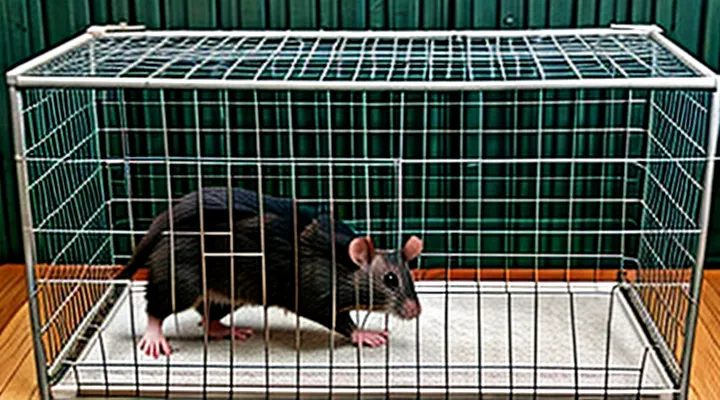
Essential Considerations for Rat Cages
Size and Space Requirements
Minimum Dimensions
Adequate space is a non‑negotiable requirement for healthy, active rats. Minimum floor area should be measured in square inches per individual, with additional height to accommodate climbing and nesting.
- One adult rat: at least 2 sq ft (≈ 288 in²) of floor space.
- Pair of rats: minimum 4 sq ft (≈ 576 in²).
- Larger groups: add 2 sq ft (≈ 288 in²) for each additional rat.
Vertical clearance must allow full extension of a rat’s body without restriction. A height of 12 inches (30 cm) meets this criterion; taller cages provide extra enrichment but are not required for basic welfare.
Bar spacing influences safety. Gaps wider than ½ inch (12 mm) risk escape or injury; narrower spacing prevents these hazards while still allowing airflow.
Overall cage dimensions that satisfy the above criteria include:
- 24 × 12 inches (≈ 2 sq ft) for a single rat.
- 24 × 24 inches (≈ 4 sq ft) for a pair.
- Incremental expansions of 24 × 12 inches per additional rat.
These measurements represent the smallest acceptable size; larger enclosures improve exercise opportunities and mental stimulation.
Multiple Rats Considerations
When housing more than one rat, cage dimensions must exceed the minimum single‑rat recommendation. Provide at least 2 sq ft of floor space per animal; larger groups benefit from 3 sq ft each. Bar spacing should not exceed 0.5 in (12 mm) to prevent escape and injury. Multi‑level designs are acceptable if each tier offers the required floor area and safe ramps with a gentle incline.
Materials influence durability and hygiene. Stainless steel or powder‑coated metal frames resist rust and are easy to disinfect. Wire flooring can cause foot problems; solid or mesh platforms are preferable for resting areas. Ensure adequate ventilation without drafts; side panels with mesh or perforated plastic maintain airflow while protecting against temperature extremes.
Social dynamics demand enrichment that supports communal activity. Include multiple nesting boxes, chew toys, and climbing structures to reduce competition. Position resources so that dominant rats cannot monopolize food or water; place at least two feeding stations and separate water bottles.
Cleaning schedules must accommodate the larger waste load. Choose cages with removable trays and smooth interior surfaces to expedite removal of bedding and droppings. Consider models with hinged doors for full access, reducing stress during maintenance.
Security features are critical. Locks should be tamper‑proof and latch from the outside. Verify that all openings, including ventilation holes, are reinforced to prevent gnawing. Regularly inspect hinges, latches, and bars for wear.
In summary, optimal enclosures for multiple rats combine ample floor area, appropriate bar spacing, robust materials, effective ventilation, abundant enrichment, easy cleaning, and secure locking mechanisms. Selecting cages that meet these criteria ensures health, welfare, and harmonious group living.
Bar Spacing and Safety
Preventing Escapes
Secure cage design is essential for preventing rats from escaping. Choose enclosures with solid, reinforced doors that close flush against the frame; latch mechanisms should require two‑hand operation to avoid accidental opening. Wire mesh must have openings no larger than ½ inch to block the animal’s head and paws. Solid flooring eliminates gaps where a rat could slip through, and any ramps or tunnels should be sealed with tight-fitting connectors.
Key construction elements that deter escape:
- Latch system – double‑locking clips or slide bolts that cannot be disengaged with a single paw.
- Mesh gauge – stainless‑steel wire with ≤ ½ inch spacing, resistant to gnawing.
- Door alignment – hinges and tracks that keep the door aligned, preventing distortion over time.
- Seam integrity – welded or riveted joints, no exposed welds or loose screws.
- Ventilation panels – inset, covered openings that maintain airflow without compromising security.
Regular inspection reinforces these measures. Verify that latches remain functional, mesh is intact, and no chew marks appear on corners or seams. Replace damaged components promptly to maintain a barrier that reliably contains the pet.
Preventing Injuries
Choosing a cage that minimizes the risk of injury is essential for rat welfare. Solid flooring prevents foot injuries caused by wire mesh, while a smooth, non‑slippery surface reduces the chance of falls. Bar spacing must be narrow enough to stop a rat from squeezing through or getting a paw trapped; a gap of no more than ½ inch (12 mm) meets this requirement. Rounded cage corners eliminate sharp edges that can cut delicate skin or cause bruising.
Proper ventilation is achieved with mesh panels that are securely attached to the frame, avoiding loose wires that could snag whiskers or tails. The cage should include sturdy, chew‑resistant accessories; flimsy plastic toys can break and create sharp fragments. Position food and water dispensers away from the cage walls to keep rats from reaching them with their heads and injuring themselves.
Routine maintenance protects against injury. Clean the enclosure weekly to remove debris that could cause foot infections. Inspect all components for cracks, rust, or loose fittings before each cleaning session; replace any damaged parts immediately.
Key safety checks
- Verify bar spacing ≤ ½ inch (12 mm).
- Ensure floor is solid, non‑wire, and easy to clean.
- Confirm all edges are rounded or covered.
- Test stability of water bottles and food dishes.
- Examine chewable items for cracks or splinters.
By adhering to these specifications, an enclosure provides a secure environment that reduces the likelihood of cuts, entrapments, and other common injuries in pet rats.
Types of Rat Cages
Wire Cages
Advantages of Wire Cages
Wire cages offer several practical benefits for housing rats. Their open framework provides superior airflow, reducing humidity and minimizing the risk of respiratory problems. The transparent design allows constant visual monitoring of the animals, facilitating early detection of health issues. Cleaning is streamlined because waste falls through the bars, keeping the living area cleaner and simplifying maintenance routines. The sturdy metal construction resists gnawing and prevents damage that could compromise the enclosure’s integrity. Wire structures accommodate a variety of accessories, such as ladders, tunnels, and chew toys, without requiring extensive modifications. Additionally, the material does not retain odors, helping to maintain a neutral environment even after prolonged use. These attributes collectively make wire cages a reliable choice for rat owners seeking durability, hygiene, and ease of observation.
Disadvantages of Wire Cages
Wire cages present several practical drawbacks that affect rat health and husbandry. The metal bars can cause injuries, especially when rats jump or climb, and sharp edges may damage paws or tails. Heat loss through the open framework makes temperature regulation difficult, exposing rats to drafts and increasing the risk of respiratory problems.
- Bar spacing often allows escape attempts or entrapment of small limbs.
- Cleaning requires disassembly; residue can accumulate in gaps, leading to persistent odor and bacterial growth.
- Rats can gnaw through thin wire, compromising cage integrity and creating hazardous fragments.
- Limited surface area restricts placement of bedding, tunnels, and enrichment items, reducing opportunities for natural behaviors.
These factors diminish the suitability of wire enclosures for long‑term rat care.
Plastic Cages
Advantages of Plastic Cages
Plastic cages offer several practical benefits for housing rats. Their smooth, non‑porous surfaces prevent the accumulation of urine and feces, making routine cleaning faster and more effective. The material’s resistance to moisture eliminates the risk of mold growth, which can compromise both the health of the animals and the durability of the enclosure.
Durability and safety complement the hygiene advantages. Polypropylene and polyethylene constructions resist chewing, reducing the likelihood of escape or injury. The lightweight nature of plastic allows easy relocation of the cage without the need for additional tools, while still providing sufficient structural strength to support multi‑level accessories.
Key advantages of plastic cages:
- Quick disassembly and reassembly for thorough sanitation.
- Compatibility with water‑tight liners that further simplify waste removal.
- Low cost relative to metal or wooden alternatives, enabling budget‑friendly upgrades.
- Absence of rust or corrosion, ensuring long‑term usability in humid environments.
These attributes make plastic enclosures a strong candidate when evaluating the most suitable housing options for rats.
Disadvantages of Plastic Cages
Plastic cages present several significant drawbacks for rat housing. Their smooth surfaces hinder natural chewing behavior, increasing the risk of dental problems because rats cannot wear down continuously growing incisors. The material also lacks breathability; limited airflow can cause humidity buildup, fostering mold growth and respiratory irritation. Chemical leaching is another concern—certain plastics release volatile compounds when exposed to cleaning agents or high temperatures, potentially contaminating food and water supplies. Structural rigidity limits escape routes, yet once a cage is damaged, cracks are difficult to repair, creating sharp edges that may injure delicate paws. Finally, plastic offers poor insulation against temperature fluctuations, exposing rats to uncomfortable heat or cold during seasonal changes.
- Low chewability → dental health issues
- Poor ventilation → mold, respiratory stress
- Chemical migration → contamination risk
- Fragile repairability → injury hazards
- Inadequate thermal regulation → temperature stress
DIY Cages
Considerations for Building Your Own
When constructing a rat enclosure, begin with the minimum floor area required for a healthy colony. Allocate at least 2 sq ft per adult rat; larger groups demand proportionally more space to prevent stress and aggression.
- Dimensions – Minimum interior height 12 inches; longer cages allow vertical climbing and horizontal foraging.
- Materials – Use untreated, non‑toxic wood (e.g., pine, maple) or powder‑coated metal. Avoid cedar and pine oils that irritate respiratory systems.
- Ventilation – Incorporate multiple openings or a mesh side panel to ensure constant airflow; maintain a draft‑free zone to protect against temperature fluctuations.
- Flooring – Install a solid base covered with removable, washable liners; avoid wire floors that can cause foot injuries.
- Access points – Provide at least two lockable doors for cleaning and feeding; include a front door for daily interaction and a rear door for maintenance.
- Safety – Seal all seams, corners, and joints; round sharp edges; use chew‑resistant hardware to prevent escape.
- Enrichment – Design attachment points for climbing ropes, tunnels, and platforms; ensure structures are stable under the weight of active rats.
- Cleaning – Choose smooth interior surfaces that resist grime buildup; design removable sections for thorough disassembly.
- Cost efficiency – Source reclaimed lumber or repurpose furniture frames; calculate total expense against commercially available cages to justify the project.
Finalize the design with a detailed plan, verify measurements, and assemble using non‑toxic adhesives or screws. Conduct a brief inspection for gaps or hazards before introducing rats. Properly built enclosures promote physical health, mental stimulation, and long‑term colony stability.
Features of a Good Rat Cage
Ventilation
Effective airflow is a critical factor when selecting a habitat for laboratory or pet rats. Stagnant air accelerates the buildup of ammonia from urine, which can irritate respiratory passages and increase the risk of disease. A cage that promotes continuous exchange of fresh air reduces these hazards and supports overall health.
Ventilation design should incorporate the following elements:
- Bar spacing: Openings of ½ inch (12 mm) or larger allow adequate circulation while preventing escape.
- Mesh panels: High‑density stainless‑steel mesh on side walls or tops creates uniform airflow without compromising structural integrity.
- Slatted flooring: Gaps of ¼ inch (6 mm) beneath the cage enable waste to fall through, keeping the living surface dry and improving air movement.
- Adjustable vents: Small, lockable vents on the upper rear panel provide the ability to increase or decrease airflow based on ambient temperature and humidity.
- Filter compatibility: Compatibility with activated‑carbon or HEPA filters permits removal of odors and particulates when cages are placed in enclosed enclosures.
Placement of cages influences ventilation efficiency. Position cages away from walls and other obstacles that can obstruct air currents. Stacking multiple units should incorporate vertical gaps of at least 2 inches (5 cm) to prevent the formation of stagnant zones.
Regular maintenance sustains ventilation performance. Clean debris from mesh and vent openings weekly; replace filters according to manufacturer guidelines. Inspect bar spacing for deformation that could reduce airflow.
In summary, cages that combine appropriately sized openings, mesh panels, slatted bases, adjustable vents, and filter compatibility deliver the airflow required to maintain a healthy environment for rats.
Accessibility for Cleaning
Easy cleaning access directly affects hygiene and the longevity of a rat enclosure. Designs that allow rapid removal of waste and quick disassembly reduce the time spent on maintenance and minimize stress for the animals.
Key design elements that improve cleaning accessibility include:
- Removable wire or mesh flooring that can be lifted without tools.
- Hinged or swing-out front and side doors large enough for hand entry.
- Slide‑out or pull‑out waste trays positioned at the cage base.
- Wide openings or removable panels for reaching all interior corners.
- Smooth, non‑porous surfaces on walls and perches to prevent debris buildup.
- Modular components that detach and reassemble without screws or bolts.
Cages incorporating these features enable routine cleaning with minimal effort, supporting a healthier environment for pet rats.
Level and Shelf Design
When selecting a cage for rats, the arrangement of levels and shelves directly influences the animals’ ability to explore, exercise, and rest safely. A well‑designed tier system must accommodate the species’ natural climbing instincts while preventing injury.
Key considerations for level and shelf design:
- Minimum vertical clearance of 6–8 inches between platforms to allow comfortable movement without restricting posture.
- Shelf depth of at least 4 inches to provide stable footing and space for nesting material.
- Rounded or padded edges on all surfaces to eliminate sharp corners that could cause cuts.
- Secure attachment mechanisms (e.g., lockable brackets or reinforced hinges) to ensure platforms remain fixed under the weight of multiple rats.
- Easy‑access openings or removable panels on each level to facilitate cleaning and inspection without disturbing the entire enclosure.
The overall cage height should not exceed the animal’s ability to reach the top without excessive strain; a total height of 12–18 inches accommodates most adult rats while preserving a manageable vertical space for owners. Materials such as stainless steel or powder‑coated metal provide durability and resist gnawing, whereas plastic shelves may warp under humidity and should be avoided.
Stability is critical: a cage that wobbles when a rat climbs can cause stress and increase the risk of falls. Reinforced frame corners and cross‑bars distribute load evenly, maintaining a steady platform even when multiple rats occupy the same level.
In practice, a cage featuring two to three evenly spaced shelves, each meeting the dimensions above, offers sufficient vertical enrichment without overcrowding. This configuration supports natural behaviors, simplifies maintenance, and maximizes the usable interior volume for a healthy, active rat colony.
Enrichment Opportunities
Hammocks and Hiding Spots
When choosing an enclosure for pet rats, the inclusion of hammocks and hiding spots directly influences comfort, activity levels, and stress reduction. Hammocks provide a suspended platform that encourages climbing, stretches the spine, and offers a dry resting area above cage bedding. Hiding spots furnish secure retreats where rats can withdraw from stimulation, supporting natural nocturnal behavior and reducing aggression.
Key considerations for hammocks:
- Material must be chew‑resistant, such as untreated wood, metal mesh, or reinforced cotton rope.
- Size should accommodate at least two adult rats, allowing simultaneous use without crowding.
- Attachment points need to be sturdy, anchored to the cage frame with metal brackets or reinforced clips to prevent sagging or collapse.
- Placement near the upper third of the cage encourages vertical exploration while keeping the floor clear for nesting material.
Essential features of hiding spots:
- Enclosed design with one or two entry openings, mimicking burrows or tunnels.
- Interior dimensions of at least 4 × 4 × 4 inches to allow full body rotation.
- Construction from safe, non‑toxic materials such as acrylic, untreated wood, or solid PVC.
- Placement in quieter corners, away from feeding stations, to create a low‑traffic sanctuary.
Integrating both elements within a single cage maximizes usable space. Position the hammock opposite the primary hideout to establish a clear visual line, encouraging rats to move between elevated and concealed zones. Regular inspection for wear, fraying, or chew damage ensures long‑term safety and maintains the enclosure’s suitability for active, inquisitive rodents.
Chew Toys and Ladders
Rats need continuous dental wear and vertical movement; therefore cages must accommodate sturdy chew toys and reliable ladders. Chew items made from untreated hardwood, natural seagrass or compressed paper allow incisors to grind evenly while resisting gnawing damage. Ladders constructed from solid wood or reinforced acrylic provide safe ascent and descent without splintering or bending under the animal’s weight.
When choosing accessories, consider material safety, size, and attachment method. Toys should be at least two inches in diameter to prevent accidental ingestion of small fragments. Ladders must span the cage height with rungs spaced no more than one inch apart, ensuring a comfortable grip for adult rats. All pieces should attach securely to the cage frame to avoid detachment during vigorous activity.
- Hardwood chew blocks (e.g., maple, birch) – durable, dental health support.
- Seagrass ropes – flexible, encourages natural gnawing behavior.
- Acrylic or wooden ladders – rigid, easily cleaned, compatible with wire or plastic cages.
- Composite chew toys with embedded tunnels – enriches environment, promotes exploration.
Integrating these items into cages with ample floor space and appropriate bar spacing creates a habitat that meets rats’ physical and behavioral needs while maintaining durability and hygiene.
Accessories and Setup
Bedding Options
Paper‑based bedding, such as shredded newspaper or commercial paper pellets, offers low dust, high absorbency, and safe chewability. Rats readily nest in it, and the material is inexpensive and easy to replace.
Wood shavings present mixed results. Aspen shavings provide moderate absorbency with minimal aromatic oils, making them acceptable for rats. In contrast, pine and cedar emit phenols that can irritate respiratory tracts; these should be avoided.
Coconut fiber (coir) supplies excellent moisture control and a natural texture for burrowing. Its low dust level supports respiratory health, but it can become compacted if not refreshed regularly.
Hemp bedding combines high absorbency with a pleasant scent and low dust. It resists mold growth and decomposes slowly, reducing the frequency of full cage changes.
Corncob pellets absorb moisture efficiently and create a firm surface for digging. Their hardness may limit nesting comfort, and they can produce dust when broken down.
Straw, typically wheat or oat, is inexpensive and encourages natural foraging behavior. However, it generates significant dust and can harbor mites, making it less suitable for sealed or wire cages.
When selecting bedding, consider cage construction. Wire‑mesh floors benefit from highly absorbent, low‑dust substrates to prevent moisture buildup under the bars. Solid‑bottom cages can accommodate bulkier materials like coir or hemp, provided ventilation remains adequate.
A concise recommendation:
- Paper‑based products: safest, versatile, low dust.
- Aspen shavings: acceptable alternative when paper unavailable.
- Coconut fiber, hemp, or corncob pellets: high absorbency, low dust, suitable for most cage types.
- Pine, cedar, straw: generally unsuitable due to respiratory irritants or excessive dust.
Food and Water Dispensers
Choosing appropriate food and water dispensers directly influences the health and comfort of rats housed in any cage design. Proper dispensers reduce spillage, prevent contamination, and allow easy access for the animals, which is essential for maintaining a stable environment.
Key dispenser types:
- Water bottles with metal sipper tubes – attach securely to cage sidebars, provide a leak‑proof supply, and allow precise monitoring of consumption.
- Gravity‑fed water dispensers – mounted on the cage interior, maintain a constant water level, suitable for larger enclosures where external bottles are impractical.
- Automatic feeders – programmable units that dispense measured portions at set intervals, ideal for cages with limited floor space.
- Hopper feeders – open‑top containers that dispense dry food as rats pull it out, compatible with wire and plastic cages alike.
Compatibility considerations:
- Mounting points must align with cage bar spacing; most standard rat cages use 0.5‑inch (12 mm) bar intervals.
- Dispenser height should allow rats to reach without excessive stretching, typically 2–3 inches (5–7 cm) above the floor.
- Materials must be chew‑resistant; stainless steel and reinforced polycarbonate prevent damage and ingestion of fragments.
Maintenance guidelines:
- Clean all components daily with mild detergent, rinse thoroughly, and sanitize weekly with a dilute bleach solution (1 %).
- Inspect sipper tubes for cracks or biofilm buildup; replace worn parts promptly.
- Verify water level and feeder capacity each shift to avoid depletion.
Effective pairings for optimal rat cages:
- Wire cages with slatted floors – use metal water bottles and hopper feeders mounted on sidebars.
- Plastic modular cages with solid bases – favor gravity‑fed dispensers and automatic feeders placed on the interior wall.
- Large double‑deck cages – combine external water bottles on each level with automatic feeders to distribute food evenly.
By aligning dispenser type with cage construction, ventilation, and space layout, owners ensure consistent nutrition, reduce waste, and support the overall well‑being of their rats.
Litter Training Setup
A successful litter training system begins with a substrate that absorbs moisture, controls odor, and resists gnawing. Clay‑based, paper, or wood‑chip litters meet these criteria; avoid pine or cedar, which release harmful oils. Place the tray on a solid, non‑slippery surface such as a piece of acrylic or a sealed wooden board to prevent displacement when the rat moves.
Choose a tray that fits comfortably within the cage’s floor space, leaving at least 2–3 inches of open area for exercise. The tray should have low sides (1–2 inches) to allow easy entry while containing waste. Secure the tray with a detachable clip or a silicone mat to keep it from sliding.
Maintain a routine cleaning schedule: remove clumped waste daily, replace the entire substrate weekly, and sanitize the tray with a mild, rodent‑safe disinfectant. Monitor the rat’s behavior; if the animal avoids the tray, adjust the location to a quieter corner or add a small shelter nearby to encourage use.
Supplement the setup with a shallow water dish and a separate feeding station to keep the litter dry. Ensure the cage’s ventilation is adequate, as proper airflow enhances odor control and prevents humidity buildup that can compromise the litter’s effectiveness.
Avoiding Unsuitable Cages
Aquarium Tanks
Aquarium tanks are frequently considered when selecting an enclosure for rats because they provide a clear, rigid barrier and easy access for cleaning. The glass or acrylic walls prevent chewing damage, while the removable top allows quick inspection and handling. Their vertical space can be limited, so floor area should be the primary factor in choosing a model.
Key characteristics for a suitable tank include:
- Minimum floor space of 2 sq ft per adult rat; larger groups require proportionally more room.
- Height of at least 12 inches to accommodate climbing structures without restricting movement.
- Secure, latch‑type lid that cannot be opened by the animals.
- Smooth interior surfaces to avoid injury and simplify disinfection.
- Compatibility with ventilation inserts or drilled holes covered with metal mesh to ensure airflow.
When adapting an aquarium for rat habitation, incorporate chew‑resistant accessories such as wooden platforms, plastic tunnels, and stainless‑steel feeding dishes. Provide a solid base layer of bedding material that can be changed without disturbing the structure. Install a water bottle with a metal spout to prevent gnawing, and place enrichment items at varying heights to encourage natural behavior.
Routine maintenance involves draining the tank, washing all surfaces with a mild, non‑toxic cleanser, and rinsing thoroughly before refilling bedding. Regular checks for cracks or loose seals prevent escapes and maintain a safe environment. With proper selection and modification, an aquarium tank can meet the spatial and safety requirements of a rat enclosure while offering straightforward upkeep.
Small or Restricted Spaces
When evaluating cages for rats, the amount of usable floor area directly influences health, behavior, and longevity. A cage that is too compact restricts movement, reduces opportunities for exercise, and increases stress. Minimum space recommendations are based on adult body size and natural activity patterns; they should not be interpreted as optional.
- Floor space per adult rat: at least 0.5 sq ft (≈0.05 m²).
- Minimum width: 12 in (30 cm) to allow side‑to‑side movement.
- Minimum length: 18 in (45 cm) to accommodate running and digging.
- Height: 12 in (30 cm) or higher to permit climbing and vertical enrichment.
Cages that meet only the lower limits may suffice for a single rat but become inadequate for pairs or groups, where total floor area must be multiplied by the number of occupants. Overcrowding accelerates the spread of disease and intensifies aggression.
Ventilation remains critical in confined enclosures. Adequate airflow prevents ammonia buildup, which can damage respiratory systems. Wire mesh panels, perforated flooring, or vented lids provide continuous exchange without compromising security.
Enrichment compensates for limited space. Incorporating multi‑level platforms, chewable toys, and tunnels utilizes vertical volume, encouraging natural foraging and climbing behaviors. However, enrichment items must be securely anchored to avoid collapse in small cages.
In summary, a cage designed for rats should exceed the bare minimum dimensions, provide robust ventilation, and integrate vertical enrichment to mitigate the constraints of a restricted footprint. Selecting such a cage promotes physical health, reduces stress, and supports natural behaviors.
Cages with Poor Ventilation
Poor airflow in a rat enclosure creates a stagnant environment that quickly becomes unsuitable for the animals. Limited exchange of fresh air raises humidity, concentrates ammonia from urine, and encourages the growth of mold and bacteria.
Consequences of inadequate ventilation include:
- Respiratory irritation and increased incidence of infections.
- Elevated ammonia levels that cause eye and nose discharge.
- Excess moisture leading to skin conditions and fur damage.
- Strong, unpleasant odors that affect both rats and handlers.
- Reduced activity as rats avoid areas with stale air.
To determine whether a cage provides sufficient ventilation, examine the following factors:
- Number and size of openings relative to cage volume; at least 10 % of the internal surface should be open.
- Presence of mesh or slatted sides that allow continuous airflow without compromising security.
- Ability to position the cage near a draft-free but well‑ventilated area.
- Observation of condensation on walls or the bottom, indicating poor air movement.
Cages lacking these characteristics should be excluded from consideration when choosing a suitable habitat for rats. Selecting enclosures with robust ventilation safeguards health, minimizes odor, and supports normal behavior.