
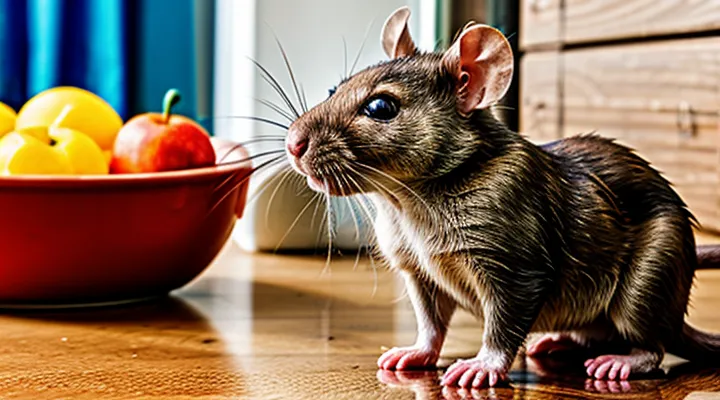
Understanding Rat Dietary Needs
Essential Nutrients for Rats
Protein Requirements
Rats require a diet that supplies roughly 14‑16 % protein on a dry‑matter basis. Adequate protein supports growth, tissue repair, and reproductive health. When evaluating infant foods for rat consumption, the protein content must meet or exceed this threshold while avoiding excessive levels that could stress the kidneys.
Key considerations for protein in baby foods:
- Minimum protein percentage: 14 % dry weight; foods below this level risk deficiency.
- Source quality: Animal‑derived proteins (e.g., pureed chicken, turkey, beef) provide essential amino acids in a balanced profile; plant‑based proteins (e.g., pureed peas, lentils) are acceptable if combined to achieve a complete amino acid spectrum.
- Digestibility: Soft, well‑cooked purees improve absorption; raw or heavily processed textures reduce bioavailability.
- Absence of additives: Choose products free of soy protein isolate, whey protein concentrate, or artificial sweeteners that may cause gastrointestinal upset in rodents.
Typical baby foods that satisfy protein requirements:
- Plain chicken or turkey puree (≈18 % protein, no seasoning)
- Beef or lamb puree (≈16 % protein, low fat)
- Greek yogurt, plain, unsweetened (≈10 % protein, high calcium)
- Mashed lentils, well‑cooked (≈12 % protein, complement with a small animal protein source)
When incorporating baby food into a rat’s diet, ensure the overall daily protein intake remains within the 14‑16 % range by mixing the puree with a standard rodent pellet base. Regular monitoring of body condition and urinary output helps verify that protein levels are appropriate and not causing renal strain.
Carbohydrate Needs
Rats require carbohydrates to supply roughly 45‑55 % of their metabolizable energy; the source must be digestible and free of excessive simple sugars that can cause rapid spikes in blood glucose.
Suitable baby foods provide complex carbohydrates such as pureed sweet potatoes, carrots, or peas, and contain minimal added sugars or artificial sweeteners. The carbohydrate content should not exceed 10 g per 100 g of product, and the product must be free of flavorings that could be toxic to rodents.
Examples that meet these criteria include:
- Plain pureed sweet potato (no added sugar)
- Unsweetened pureed carrots
- Pureed peas, drained and rinsed
- Plain oatmeal prepared with water, cooled, and served in small portions
Products to avoid contain high fructose corn syrup, honey, maple syrup, or any artificial sweetener such as xylitol, as these substances can be lethal or cause severe metabolic disturbance in rats. Additionally, baby foods with added fruit juices, fruit purees, or flavored cereals often exceed safe carbohydrate thresholds and should be excluded from a rat’s diet.
When incorporating baby food, introduce a minimal amount (approximately ½ tsp) and observe the animal for any signs of digestive upset. Adjust the portion size to maintain the overall carbohydrate proportion within the recommended range and ensure that the primary diet remains a balanced rodent pellet formulated for nutritional completeness.
Fat Considerations
When offering baby food to rats, monitor the fat content closely. Excess dietary fat can lead to obesity, hepatic lipidosis, and reduced lifespan in rodents.
Commercial baby foods vary widely in fat levels. Pureed fruits and vegetables typically contain less than 1 % fat, while meat‑based or creamy varieties may exceed 5 % fat. Rats metabolize fat less efficiently than humans; a diet high in fat strains the liver and impairs digestive function.
Select low‑fat options based on these criteria:
- Ingredient list shows “fat” or “oil” as one of the last components.
- Nutritional label indicates total fat below 2 g per 100 g serving.
- Absence of added butter, cream, or cheese.
- Preference for pureed vegetables, legumes, or lean protein sources.
Occasional high‑fat items, such as a small spoonful of avocado puree, may be offered no more than once per week, provided the overall daily fat intake remains under 3 % of total calories. Consistent adherence to low‑fat selections supports healthy weight, cardiovascular function, and longevity in pet rats.
Vitamins and Minerals
Rats require a balanced intake of vitamins and minerals to maintain health, especially when their diet includes baby food formulated for humans. Selecting baby food that supplies these nutrients without exceeding safe limits is essential.
Essential micronutrients for rats include:
- Vitamin A – supports vision and immune function; 1,200 IU per kilogram of body weight is adequate.
- Vitamin D3 – aids calcium absorption; 500 IU per kilogram of body weight prevents deficiency.
- Vitamin E – antioxidant protecting cell membranes; 30 IU per kilogram of body weight is sufficient.
- B‑complex vitamins (B1, B2, B6, B12, niacin, folic acid) – facilitate energy metabolism; standard commercial levels meet rat needs.
- Vitamin C – rats synthesize this vitamin internally; supplementation is unnecessary and may cause gastrointestinal upset.
- Calcium – required for bone development; 0.5 % of diet dry matter is optimal.
- Phosphorus – works with calcium; maintain a calcium‑to‑phosphorus ratio of approximately 1.5:1.
- Magnesium – involved in nerve transmission; 0.1 % of diet dry matter is appropriate.
- Potassium – regulates fluid balance; 0.3 % of diet dry matter is adequate.
- Sodium – essential for nerve function; keep below 0.2 % of diet dry matter.
Baby foods that naturally contain these nutrients without excessive additives include:
- Pureed carrots (vitamin A, calcium, potassium)
- Mashed sweet potatoes (vitamin A, potassium, magnesium)
- Unsweetened applesauce (vitamin C, potassium)
- Plain, unsalted pumpkin puree (vitamin A, calcium, phosphorus)
- Plain, low‑fat yogurt (vitamin D, calcium, phosphorus)
When choosing baby food, verify that the label lists no added salt, sugar, or artificial sweeteners. Avoid products containing honey, maple syrup, or fruit concentrates, as these introduce unnecessary sugars that can disrupt rat metabolism.
Excess intake of fat‑soluble vitamins (A, D, E) can lead to toxicity. Monitor total daily consumption to stay within the limits noted above. For mineral balance, ensure that calcium and phosphorus sources are paired; excessive calcium without adequate phosphorus impairs bone health.
A practical feeding schedule:
- Offer 1 – 2 teaspoons of a single‑ingredient puree per 100 g of rat body weight each day.
- Rotate varieties to cover the full spectrum of essential vitamins and minerals.
- Supplement the core diet of commercial rat pellets with the measured baby food portions.
Adhering to these guidelines provides rats with the necessary micronutrients found in baby food while preventing adverse effects from over‑supplementation.
Foods to Avoid for Rats
Harmful Ingredients in Baby Food
Rats metabolize many food components differently from humans, so several common baby‑food additives can cause toxicity or digestive distress. Recognizing these substances helps owners choose products that do not jeopardize rodent health.
- Added sugars (sucrose, high‑fructose corn syrup, honey). Rats lack mechanisms to process large sugar loads, leading to hyperglycemia, obesity, and liver strain.
- Salt and sodium‑rich seasonings. Excess sodium disrupts electrolyte balance, raises blood pressure, and can precipitate renal failure in small mammals.
- Artificial sweeteners (aspartame, sucralose). Metabolic pathways in rats do not break down these compounds efficiently, resulting in gastrointestinal upset and potential neurotoxicity.
- Preservatives (sodium benzoate, potassium sorbate, BHA, BHT). These chemicals have been linked to liver enzyme induction and oxidative stress in rodent studies.
- Flavor enhancers (monosodium glutamate, disodium inosinate). High concentrations overstimulate taste receptors and may provoke seizures in susceptible individuals.
- Fruit concentrates and purees with added citric acid. Acidic pH can erode tooth enamel and irritate the stomach lining of rats.
- Thickening agents (xanthan gum, carrageenan). Some rats develop inflammatory responses in the gut when exposed to these polysaccharides.
- Allergenic proteins (cow’s milk, soy, wheat gluten). Rats can experience allergic reactions ranging from mild dermatitis to severe anaphylaxis.
When evaluating infant foods for rodent consumption, eliminate any product containing the items above. Opt for plain, single‑ingredient purees without added sugars, salts, preservatives, or artificial additives. Regularly monitor weight, behavior, and stool consistency to confirm tolerance.
Specific Toxic Foods
When selecting baby food for pet rats, avoid items known to cause toxicity or severe digestive upset. The following ingredients are hazardous and must be excluded from any rodent diet.
- Chocolate and cocoa products – contain theobromine, which rats cannot metabolize.
- Caffeinated beverages or foods – caffeine stimulates the heart and can lead to fatal arrhythmias.
- Citrus peels and large quantities of raw citrus fruit – high acid levels damage the stomach lining.
- Raw potatoes and green tomato skins – contain solanine, a potent neurotoxin.
- Onions, garlic, and related Allium species – cause hemolytic anemia by damaging red blood cells.
- Avocado flesh and pit – persin induces respiratory distress and cardiac failure.
- Xylitol‑sweetened foods – rapid insulin release leads to hypoglycemia and liver failure.
- High‑salt snacks or processed meats – excess sodium precipitates kidney damage and hypertension.
- Alcohol‑containing products – depress central nervous system function and can be lethal even in small doses.
- Moldy or spoiled baby foods – produce mycotoxins that impair liver and immune function.
Only plain, unflavored, low‑fat, and low‑sugar purees such as cooked carrots, peas, or pumpkin are considered safe for rats. Always verify ingredient lists before offering any commercial baby food product.
Safe Baby Food Options for Rats
Types of Baby Food Generally Considered Safe
Single-Ingredient Purees
Single‑ingredient purees provide a controlled source of nutrients for laboratory or pet rats, minimizing the risk of additives that could cause digestive upset. Each puree should consist of one vegetable or fruit, cooked or raw as appropriate, then blended to a smooth consistency without salt, sugar, or seasoning.
Suitable options include:
- Carrot puree – high in beta‑carotene, low in sugar.
- Sweet potato puree – rich in complex carbohydrates and vitamin A.
- Pumpkin puree – offers fiber and moderate potassium.
- Pea puree – supplies protein and essential amino acids.
- Apple puree – provides natural sugars and fiber, use only peeled fruit.
- Banana puree – delivers potassium and simple carbohydrates, limit to small portions.
Unsuitable single‑ingredient purees contain compounds toxic to rats, such as:
- Citrus fruit puree – acidity can irritate the gastrointestinal tract.
- Tomato puree – contains solanine in stems and leaves; only ripe flesh in minimal amounts is acceptable.
- Avocado puree – high in persin, a known rodent toxin.
Preparation guidelines: wash produce thoroughly, peel when skin may contain pesticide residues, cook root vegetables until soft, then blend until no chunks remain. Cool the puree to room temperature before offering. Serve in quantities appropriate for the rat’s size and age; a teaspoon per adult rat is sufficient for a single feeding.
Storage recommendations: refrigerate puree in a sealed container for up to three days; discard any signs of fermentation or mold. For longer preservation, portion into freezer‑safe bags and store for up to two months, thawing only once before use.
Fruit Purees
Fruit purees can be offered to pet rats as occasional treats, provided they meet strict safety criteria. Rats tolerate smooth, low‑sugar, preservative‑free purees better than whole fruit, which may contain seeds or tough skins that pose choking hazards.
Safe options include:
- Apple puree (peeled, no added sugar)
- Pear puree (peeled, no added sugar)
- Banana puree (ripe, limited to small amounts)
- Blueberry puree (fresh, no seeds)
- Pumpkin puree (cooked, unsalted)
Purees to avoid:
- Citrus (orange, lemon, lime) – high acidity can irritate the digestive tract
- Grape or raisin puree – contains compounds linked to renal failure in rodents
- Fruit mixes with added sweeteners, artificial flavors, or preservatives – increase risk of metabolic disturbances
Preparation guidelines:
- Wash fruit thoroughly, remove skins, cores, and seeds.
- Blend until completely smooth; no lumps remain.
- Serve a teaspoon or less per rat, no more than twice weekly.
- Store in a sealed container in the refrigerator for no longer than 24 hours; discard any signs of spoilage.
Nutritional impact is modest; purees supply simple carbohydrates and trace vitamins but lack the protein and fiber essential to a rat’s diet. Use fruit purees solely as supplemental enrichment, not as a staple food source.
Vegetable Purees
Vegetable purees can be a convenient source of nutrients for pet rats when they meet specific safety criteria. Purees should be unsweetened, free of added salt, spices, or preservatives, and prepared from fresh, wash‑cleaned vegetables. Serve in small quantities, no more than a teaspoon per feeding, and monitor the animal for any digestive upset.
Safe options include:
- Carrot puree (cooked or raw, blended smooth)
- Sweet potato puree (cooked, no skin)
- Pea puree (cooked, skins removed)
- Zucchini puree (raw or lightly steamed)
- Pumpkin puree (cooked, plain)
Avoid purees made from:
- Tomatoes (acidic, potential toxicity)
- Potatoes with skin (solanine risk)
- Onions, garlic, or related alliums (irritant compounds)
- Spinach or beet greens (oxalate content)
- Any mixture containing dairy, sugar, or artificial flavorings
When introducing a new puree, start with a single spoonful and observe for changes in stool consistency or appetite. Rotate safe varieties to provide a broader nutrient profile, and always keep the primary diet of high‑quality rat pellets as the nutritional foundation.
Meat Purees
Meat‑based baby purees can serve as a protein source for pet rats when they meet strict safety criteria.
Purees that contain only one type of cooked meat, such as chicken, turkey, or beef, provide high‑quality protein and essential fatty acids without the carbohydrates and sugars found in many fruit‑or vegetable‑based options. The absence of added salt, sugar, and artificial preservatives reduces the risk of renal strain and digestive upset.
Safety requirements for any meat puree intended for rats include:
- Single‑ingredient composition (no mixed meats or added sauces)
- No added salt, onion, garlic, or other aromatics toxic to rodents
- No preservatives, sweeteners, or flavor enhancers
- Fresh preparation or a product with a short shelf life and clear expiration date
- Packaging that prevents contamination (sealed, BPA‑free containers)
Brands that consistently meet these standards are often marketed as “single‑ingredient chicken puree” or “plain turkey puree” for infants. Alternatively, owners can prepare homemade puree by cooking boneless, skinless meat thoroughly, cooling it, and blending it to a smooth consistency without seasoning.
Feeding guidelines:
- Offer a teaspoon of puree once or twice weekly, not exceeding 5 % of the rat’s total diet.
- Observe the animal for signs of gastrointestinal distress after introduction.
- Store unused portions in the refrigerator for no more than 24 hours; discard any that develop odor or discoloration.
By adhering to these criteria, meat purees become a safe, nutritionally appropriate addition to a rat’s diet.
How to Introduce Baby Food
Gradual Introduction
Introducing new baby foods to a pet rat’s diet requires a step‑by‑step approach. Sudden changes can cause digestive upset, alter gut flora, and increase the risk of food‑related illness. A controlled rollout lets the animal’s system adapt while allowing observation of tolerance.
Procedure for gradual rollout
- Select a single baby‑food product that meets nutritional criteria (low sugar, no added salt, free of artificial preservatives).
- Offer a pinch‑sized portion mixed with the rat’s regular feed.
- Observe for 24‑48 hours; note any signs of diarrhea, lethargy, or loss of appetite.
- If no adverse reaction occurs, increase the portion by 10‑15 % of the total daily ration.
- Maintain the new level for another 48 hours before the next increment.
- Continue the process until the desired proportion of baby food replaces part of the standard diet, typically not exceeding 20 % of total intake.
Document each stage, recording quantity and any health changes. Adjust or discontinue the product if symptoms appear. This systematic method ensures safe integration of infant foods into a rat’s nutritional regimen.
Portion Sizes
When offering baby food to rats, portion control is critical to prevent obesity, digestive upset, and nutrient imbalances. A single serving should correspond to the animal’s body weight and metabolic rate, not to typical human infant portions.
- Weight‑based guideline: 0.5 g of pureed food per 100 g of rat body weight per day. For a 300‑g adult, this equals roughly 1.5 g total across all meals.
- Meal frequency: Split the daily allowance into 2–3 feedings to mimic natural foraging patterns and reduce the risk of overconsumption.
- Texture consideration: Provide a smooth puree that can be measured with a calibrated teaspoon; a level ¼‑teaspoon approximates 0.5 g for most standard baby food densities.
- Monitoring: Weigh the rat weekly. If weight gain exceeds 2 % per week, reduce the portion by 10 % and reassess after another week.
Excessive portions can introduce high levels of sugars, salts, or additives that are tolerable in small amounts but harmful in larger doses. Adjust portions promptly if the rat shows signs of lethargy, loose stools, or rapid weight gain.
Monitoring for Reactions
When introducing any infant formula or puree to a pet rat, observe the animal for immediate and delayed signs of intolerance. Record the time of feeding and note any abnormal behavior within the first hour, then again after 12–24 hours.
Key indicators to watch:
- Respiratory distress: rapid breathing, wheezing, or gasping.
- Gastrointestinal upset: vomiting, diarrhea, or excessive gas.
- Skin reactions: redness, swelling, or scratching at the mouth.
- Behavioral changes: lethargy, agitation, or loss of appetite.
If any of these symptoms appear, discontinue the specific food and consult a veterinarian. Maintain a log that includes the product name, portion size, and observed reactions; this documentation helps identify problematic ingredients and guides future dietary choices. Use a gradual introduction schedule—start with a teaspoon of a single, plain puree and increase only after a symptom‑free period of at least 48 hours.
Baby Food to Avoid for Rats
Baby Food with Added Sugars
Rats require a diet low in simple carbohydrates to maintain metabolic balance. Baby foods that contain added sugars introduce concentrations of sucrose, fructose, glucose syrup, or fruit juice concentrates that exceed the natural carbohydrate levels found in standard rodent feed. These sugars are rapidly absorbed, leading to spikes in blood glucose and insulin, which can accelerate weight gain, impair glucose tolerance, and increase the risk of hepatic lipidosis in small mammals.
The presence of added sugars also disrupts the gut microbiome. Fermentation of excess sugars favors proliferation of opportunistic bacteria, reducing populations of beneficial lactobacilli and bifidobacteria. Over time, this imbalance can cause diarrhea, reduced nutrient absorption, and heightened susceptibility to enteric infections.
Safety assessment indicates that baby foods with any declared added sweetener should be excluded from a rat’s diet. Acceptable alternatives include:
- Pureed vegetables without seasoning (e.g., carrots, peas, sweet potato)
- Unsweetened fruit purees (e.g., plain applesauce, mashed banana) where the fruit’s natural sugars remain within safe limits
- Commercial rodent nutritional supplements formulated without added sugars
When evaluating a baby food product, verify the ingredient list for terms such as:
- Cane sugar, brown sugar, honey
- High‑fructose corn syrup, corn syrup solids
- Fruit juice concentrate, fruit puree with added sugar
- Molasses, agave nectar, maple syrup
If any of these appear, the product is unsuitable for rat consumption. The recommended practice is to provide only unsweetened, nutritionally balanced foods that align with the species‑specific carbohydrate tolerance of rats.
Baby Food with Artificial Sweeteners
Baby food marketed for infants often contains artificial sweeteners such as sucralose, aspartame, or acesulfame‑K. These compounds are chemically stable, low‑calorie, and designed to mimic sugar without adding energy. Rodents, including pet rats, metabolize many sweeteners differently from humans; some sweeteners bind to taste receptors but are not broken down efficiently, leading to gastrointestinal irritation or altered gut microbiota.
Safety considerations for rats include:
- Toxicity data: Scientific studies show that high doses of sucralose can cause liver inflammation in rodents, while aspartame metabolizes into phenylalanine, which may be harmful at elevated levels.
- Digestive effects: Artificial sweeteners are not fermentable by rat gut bacteria, potentially resulting in reduced short‑chain fatty acid production and mild diarrhea.
- Palatability: Rats may be attracted to the sweet taste, leading to overconsumption of a product that lacks essential nutrients for their diet.
Veterinarians recommend limiting or avoiding baby foods that list artificial sweeteners among the primary ingredients. If a baby food is considered, verify that the label contains only natural sweeteners (e.g., fruit puree) and that the product provides balanced protein, fat, and vitamin content appropriate for a rat’s nutritional requirements.
Baby Food with Preservatives
Baby food that contains preservatives presents specific risks for laboratory and pet rats. Preservatives such as sodium benzoate, potassium sorbate, and BHT are added to extend shelf life, but they can disrupt the rodent gastrointestinal microbiome and cause liver stress. Rats metabolize these compounds differently from humans, leading to accumulation at lower dietary levels.
Safety assessment requires evaluating each additive’s toxicological profile for rodents. Studies indicate that sodium benzoate exceeds the tolerable daily intake for rats at concentrations above 0.1 % of the diet, while potassium sorbate remains safe up to 0.5 % when isolated. BHT shows hepatotoxic effects at doses as low as 50 mg kg⁻¹ body weight. Consequently, baby foods with high preservative concentrations should be excluded from rat feeding regimens.
Key factors for selecting appropriate baby food:
- Verify the ingredient list for synthetic preservatives; prefer products labeled “preservative‑free” or “natural”.
- Check the concentration of each preservative; ensure it falls below established rodent safety thresholds.
- Choose formulations with simple carbohydrate sources (e.g., pureed fruit) and minimal added salts or sugars.
- Conduct a short trial period, monitoring weight, fecal consistency, and behavior for adverse reactions.
Baby Food with Dairy
Baby food that includes dairy can be an attractive supplement for pet rats because of its smooth texture and appealing flavor. However, several nutritional and health factors must be evaluated before offering such products.
Rats lack the enzyme lactase in sufficient quantities to digest large amounts of lactose. Excess lactose can cause gastrointestinal upset, including diarrhea and bloating. Therefore, only dairy‑based baby foods with minimal lactose content should be considered.
Calcium levels in dairy products are high. While calcium is essential for bone health, an imbalance can lead to urinary tract stones in rats. Products formulated for infants often contain added calcium; verify the label and choose versions with calcium concentrations comparable to standard rodent diets.
Freshness is critical. Dairy spoils quickly at room temperature, creating a breeding ground for pathogenic bacteria. Store opened containers in the refrigerator and discard any product that shows signs of sour odor, discoloration, or separation.
When selecting dairy baby food for rats, follow these guidelines:
- Choose plain, unsweetened varieties without added sugars, fruit purees, or artificial flavors.
- Verify that the lactose content is listed as low or that the product is labeled “lactose‑reduced.”
- Check the calcium percentage; aim for a value that does not exceed the calcium‑phosphorus ratio recommended for rodents (approximately 1:1).
- Prefer products with a short ingredient list, focusing on milk, cream, or cheese as the sole dairy component.
- Serve only a small portion (no more than one teaspoon per 100 g body weight) as an occasional treat, not a dietary staple.
If a rat shows any signs of digestive disturbance after consuming dairy baby food—such as watery stools, reduced activity, or loss of appetite—immediately cease feeding and consult a veterinarian. Continuous monitoring ensures that the inclusion of dairy does not compromise the animal’s overall health.
Baby Food with Mixed Ingredients
Rats tolerate baby foods that combine fruits, vegetables, and grains only when each component meets strict safety criteria.
- All produce must be fresh, washed, and free of pesticide residues.
- Fruits should be low‑sugar varieties such as apple (core removed), pear, or banana, limited to a teaspoon per serving.
- Vegetables may include steamed carrots, peas, or broccoli; raw cruciferous items should be avoided because they can cause gas.
- Whole‑grain cereals must be unsweetened, low‑fat, and contain no added salt or artificial sweeteners.
Ingredients that render a mixed‑ingredient baby food unsafe for rats include:
- Added sugars, honey, or maple syrup, which can disrupt glucose regulation.
- Salt, soy sauce, or seasoned blends, which exceed rodents’ sodium tolerance.
- Dairy products, as adult rats lack lactase and may develop diarrhea.
- Preservatives such as BHA, BHT, or sodium benzoate, which have documented toxicity in small mammals.
When offering mixed‑ingredient baby food, follow these practices:
- Verify the label for “no added sugar, salt, or artificial additives.”
- Serve a small amount (no more than 5 g) to assess tolerance before increasing quantity.
- Observe the rat for signs of digestive upset, such as loose stools or reduced activity, and discontinue immediately if symptoms appear.
By selecting baby foods that consist solely of natural, unseasoned fruits, vegetables, and whole grains, owners can provide a nutritionally balanced supplement without exposing their rats to harmful substances.
Preparing and Storing Baby Food for Rats
Preparing Homemade Baby Food
Approved Ingredients
Safe baby food for rats must consist of ingredients that are nutritionally appropriate, non‑toxic, and free of additives that can harm small rodents. Ideal components include simple, natural foods that provide protein, carbohydrates, and essential vitamins without excess fat or sugar.
- Cooked, unseasoned chicken or turkey breast, finely shredded.
- Plain, unsweetened oatmeal or cooked rice, fully cooled.
- Mashed, boiled carrots or sweet potatoes, without butter or salt.
- Plain, low‑fat yogurt, free of artificial sweeteners and fruit pieces.
- Soft, ripe banana or apple, peeled and mashed, without seeds or core.
- Small amounts of boiled egg whites, fully cooked and chopped.
Ingredients to avoid are any that contain caffeine, chocolate, artificial flavors, preservatives, high‑sugar syrups, or excessive salt. Dairy products should be limited to low‑fat options without added sugars. All foods must be introduced gradually and offered in small quantities to monitor tolerance and prevent digestive upset.
Cooking Methods
When preparing infant‑grade food for pet rodents, the cooking technique determines nutrient retention, texture, and the presence of harmful compounds. Selecting methods that preserve vitamins while eliminating pathogens is essential for safe consumption.
- Boiling: Submerge vegetables or fruits in water at a rolling boil for 3‑5 minutes. Drain thoroughly to reduce sodium and mineral loss. Cool before mashing to a smooth consistency suitable for small mouths.
- Steaming: Place produce above simmering water, cover, and steam for 4‑6 minutes. This method retains up to 90 % of water‑soluble vitamins compared with boiling. Allow to cool, then puree.
- Baking: Preheat oven to 350 °F (175 °C). Spread thin slices of sweet potato or squash on a parchment sheet; bake for 20‑25 minutes until soft. Cool, then mash. Baking eliminates microbes without excessive water loss.
- Microwaving: Arrange chopped food in a microwave‑safe dish, cover loosely, and heat on high for 2‑3 minutes, stirring halfway. This rapid method preserves texture but requires careful monitoring to avoid hot spots.
- Raw preparation: For foods safe to eat uncooked, such as peeled apples or cucumber, wash thoroughly under running water, peel if necessary, and puree. Use only fresh, pesticide‑free produce; raw items must be free of mold or bruises.
Key considerations across all methods include:
- Temperature control – Ensure internal temperature reaches at least 165 °F (74 °C) for cooked items to destroy bacteria.
- No added salts, sugars, or seasonings – Rats are sensitive to sodium and artificial sweeteners; keep preparations plain.
- Fine texture – Mash or blend to a consistency that a rat can ingest without choking.
- Storage – Refrigerate cooked portions within two hours of preparation and use within 24 hours; discard any leftovers showing discoloration or foul odor.
Applying these techniques yields infant‑grade meals that meet the dietary needs of laboratory or pet rats while minimizing health risks.
Pureeing Techniques
When preparing infant‑grade meals for laboratory or pet rodents, the pureeing stage determines whether the final product meets nutritional and safety standards.
Begin with ingredients that lack added sugars, salts, artificial flavors, or preservatives. Fresh fruits, vegetables, and lean protein sources—such as cooked chicken breast or boiled egg white—provide essential nutrients without excess additives. Verify that each component is free from pesticide residues and mold growth before processing.
The pureeing process should follow these steps:
- Wash all produce thoroughly under running water; peel when skin may contain irritants.
- Cook vegetables and meats to a temperature of at least 74 °C (165 °F) to eliminate pathogens; cool to room temperature before blending.
- Cut ingredients into uniform pieces no larger than 1 cm to ensure smooth texture after blending.
- Load the pieces into a stainless‑steel blender or food processor; add a measured amount of water or low‑fat milk to achieve a consistency that a rat can lick or sip without choking.
- Pulse the machine until the mixture is free of lumps; pass the puree through a fine sieve to remove any remaining fibers.
- Transfer the final product to a sterilized, airtight container; label with date and ingredient list.
- Store at 4 °C for up to 48 hours; discard any batch that shows discoloration, off‑odor, or separation.
Texture control is critical: a viscosity comparable to thick yogurt allows easy consumption while preventing aspiration. Adjust liquid volume incrementally; excessive dilution reduces caloric density, while insufficient fluid increases the risk of solid fragments.
Safety checks before feeding include a visual inspection for foreign particles, a temperature check to confirm the puree is lukewarm (≈37 °C), and a quick taste test to verify absence of bitterness, which may indicate spoilage.
By adhering to these precise pureeing techniques, caregivers can provide rats with baby food that aligns with nutritional guidelines and minimizes health hazards.
Storing Baby Food
Refrigeration Guidelines
When offering baby food to rats, proper storage prevents spoilage and protects animal health. Refrigeration slows bacterial growth, preserves nutrients, and maintains texture suitable for small rodents.
Store prepared baby food in airtight containers to limit exposure to air and moisture. Place containers on middle shelves, where temperature remains stable, and avoid the door where fluctuations occur. Label each container with the preparation date; discard any portion older than three days.
Recommended refrigeration practices:
- Cool food to 40 °F (4 °C) within two hours after preparation.
- Keep the refrigerator set between 35 °F and 38 °F (1 °C–3 °C) to ensure consistent cooling.
- Use shallow containers (no deeper than 2 inches) to promote rapid cooling.
- Separate raw meat‑based baby foods from fruit or vegetable varieties to avoid cross‑contamination.
- Perform a visual inspection before each feeding; remove any signs of mold, off‑odor, or discoloration.
If a batch must be stored longer than three days, transfer it to the freezer at 0 °F (‑18 °C). Thaw only the amount needed for a single feeding, and use it immediately. Re‑freezing is prohibited because repeated temperature changes degrade quality and increase pathogen risk.
By adhering to these refrigeration guidelines, caregivers ensure that baby food remains safe and nutritionally adequate for rat consumption.
Freezing Options
When selecting baby food for laboratory or pet rats, preservation method influences safety and nutritional quality. Freezing is a practical option, provided specific guidelines are followed.
- Cool the product to 0 °C within two hours of preparation to inhibit bacterial growth.
- Transfer to airtight containers or freezer bags, removing excess air to prevent oxidation.
- Label each package with the preparation date; store at –18 °C or lower for up to three months.
- Thaw in a refrigerator at 4 °C, never at room temperature, to maintain a stable environment and avoid rapid temperature shifts that can degrade nutrients.
Avoid refreezing once the food has been thawed, as repeated cycles increase the risk of mold and nutrient loss. Prior to offering frozen‑then‑thawed baby food, inspect for discoloration, off‑odors, or visible spoilage; discard any compromised portions.
Implementing these freezing practices ensures that the baby food remains a safe, palatable, and nutritionally reliable component of a rat’s diet.
Shelf Life Considerations
When selecting infant formula or puree for a pet rodent, the product’s remaining shelf life determines safety. Fresh batches contain the intended nutrient balance and lack bacterial growth; older containers risk contamination that can cause digestive upset or illness in rats.
Key factors to evaluate:
- Expiration or “best‑by” date printed on the packaging. Choose items with a date at least several weeks ahead.
- Storage conditions after opening. Refrigerate sealed containers at 4 °C (39 °F) and use within 48‑72 hours.
- Visual and olfactory cues. Discoloration, sour smell, or visible mold indicate spoilage, regardless of date.
- Packaging integrity. Bulging, torn seals, or punctured lids allow air and microbes to enter, shortening usable time.
Plan purchases to match the animal’s consumption rate. If a product will not be fully used before its date, consider smaller containers or frozen portions that retain quality when thawed. Proper handling preserves the intended nutritional profile and prevents health risks associated with expired baby food fed to rats.
Benefits and Risks of Feeding Baby Food to Rats
Advantages of Baby Food for Rats
Nutritional Supplementation
When selecting infant formulas or baby‑food products for laboratory or pet rats, the primary concern is that the base diet lacks several micronutrients essential for rodent health. Supplementation must address these gaps without introducing toxic substances.
Key nutrients requiring supplementation include:
- Vitamin A: Provide a water‑soluble retinol source at 1,000–1,500 IU per kilogram of feed to support vision and epithelial integrity.
- Vitamin D3: Add 2,000–3,000 IU/kg to promote calcium absorption and bone development.
- Vitamin E (α‑tocopherol): Include 50–100 mg/kg to protect cell membranes from oxidative damage.
- B‑complex vitamins: Supply thiamine, riboflavin, niacin, pyridoxine, and cobalamin at levels comparable to standard rodent chow (e.g., thiamine 5 mg/kg, pyridoxine 5 mg/kg).
- Calcium and phosphorus: Maintain a Ca:P ratio of approximately 1.2:1 by adding calcium carbonate and dicalcium phosphate to achieve 0.5–0.8% calcium and 0.4–0.6% phosphorus in the finished mixture.
- Trace minerals: Incorporate zinc (30 mg/kg), copper (6 mg/kg), manganese (10 mg/kg), and selenium (0.15 mg/kg) to avoid deficiency‑related metabolic disorders.
Avoid baby foods that contain:
- Added sugars or artificial sweeteners, which can cause dysbiosis and obesity.
- High‑fat dairy products, which may exceed the rodents’ lipid tolerance and lead to hepatic steatosis.
- Preservatives such as sodium benzoate or potassium sorbate, which have documented toxicity in rodents at low concentrations.
Mix the chosen baby‑food base with the listed supplements in a homogenized slurry, then dry or freeze‑dry to match the texture of standard rodent pellets. Verify the final product’s nutrient profile with a laboratory assay before routine feeding. Regular monitoring of body weight, coat condition, and blood chemistry will confirm the adequacy of the supplementation regimen.
Palatability for Sick or Senior Rats
When rats are ill or advanced in age, the acceptance of food can decline dramatically. Palatability becomes the primary factor influencing intake, overriding nutritional composition. To ensure consistent consumption, caregivers should adjust texture, temperature, aroma, and flavor intensity.
- Soft, moist textures reduce chewing effort; pureed baby cereals or finely blended vegetable purées are ideal.
- Warmed portions (approximately 30 °C/86 °F) enhance scent diffusion and mimic natural body temperature, encouraging approach behavior.
- Mildly sweet flavors, such as unsweetened applesauce or banana mash, stimulate the rat’s innate preference for carbohydrate-rich foods without overwhelming the palate.
- Low‑fat, low‑sugar formulations prevent gastrointestinal distress, which is common in compromised individuals.
- Absence of strong spices, salts, or artificial additives eliminates irritation of sensitive nasal and oral receptors.
Testing individual preferences is essential. Offer a small amount of a single candidate food for 24 hours; observe consumption volume and any signs of aversion. Rotate options only after confirming acceptance, maintaining a consistent feeding schedule to reinforce habit formation. By prioritizing these sensory characteristics, caretakers can sustain adequate caloric intake and support recovery or longevity in vulnerable rats.
Ease of Digestion
When selecting baby food for rats, the primary digestive consideration is how quickly and completely the product can be broken down in a rodent’s short gastrointestinal tract. Rats process nutrients faster than humans; foods that linger cause fermentation, gas, and potential gut upset.
Key characteristics of easily digestible baby foods include:
- Smooth, pureed consistency – eliminates the need for extensive chewing, allowing rapid enzymatic action.
- Low fiber content – excess cellulose slows transit and may lead to impaction; aim for less than 2 g fiber per 100 g serving.
- Minimal added sugars – high simple sugar loads can overload the rat’s liver and trigger dysbiosis; choose products with ≤5 g sugar per serving.
- Absence of artificial preservatives and colors – these compounds are not metabolized efficiently by rodents and may irritate the intestinal lining.
- Simple ingredient list – single‑source fruits or vegetables (e.g., pureed carrots, peas) reduce the risk of indigestible additives.
Practical guidelines:
- Verify that the label specifies “no added sugars” and “no artificial additives.”
- Test a small amount (approximately ½ tsp) and observe stool consistency for 24 hours; firm, well‑formed droppings indicate adequate digestion.
- Rotate between a few approved flavors to prevent monotony while maintaining digestive ease.
By focusing on texture, fiber, sugar, and additive content, caretakers can provide baby foods that complement a rat’s rapid digestive physiology without causing gastrointestinal distress.
Potential Risks and How to Mitigate Them
Choking Hazards
When offering baby food to pet rats, the primary safety concern is the risk of choking. Rats have small throats and powerful incisors; hard or oversized pieces can become lodged, leading to airway obstruction or injury.
Hazardous items include:
- Whole grapes, cherries, or berries with pits.
- Large chunks of carrots, apples, or potatoes (exceeding ½ inch in diameter).
- Whole nuts, seeds, and popcorn kernels.
- Hard candy, dried fruit, or any food with a tough outer shell.
- Uncooked pasta or rice that retains firmness after boiling.
Safe preparation practices:
- Cut solid foods into pieces no larger than a pea, preferably ¼ inch or less.
- Cook vegetables and grains until fully softened; mash or puree if necessary.
- Remove skins, pits, and seeds before serving.
- Test texture by pressing the piece between thumb and forefinger; it should yield easily.
- Introduce new foods gradually, observing the rat’s chewing behavior for signs of difficulty.
By limiting size, ensuring softness, and eliminating hard components, caregivers reduce choking incidents and provide a nutritionally appropriate diet for their rodents.
Overfeeding Risks
Overfeeding any type of infant formula or pureed food to pet rodents can quickly exceed their daily caloric requirements. Excess calories lead to rapid weight gain, which strains the musculoskeletal system and shortens lifespan.
Digestive disturbances appear when the stomach is overloaded. Rats may experience diarrhea, bloating, or vomiting, increasing the risk of dehydration and electrolyte imbalance.
Nutrient imbalances arise because baby foods are formulated for human infants, not for rodent metabolism. Overconsumption of sugars and fats can suppress the appetite for essential rodent chow, resulting in deficiencies of protein, fiber, and micronutrients such as vitamin C and calcium.
Metabolic disorders, including hyperglycemia and fatty liver disease, develop when rats ingest high‑glycemic or high‑fat baby foods in large quantities. These conditions reduce immune function and predispose the animals to infections.
Long‑term overfeeding can alter gut microbiota, diminishing the diversity of beneficial bacteria and promoting pathogenic strains. This shift may affect nutrient absorption and increase susceptibility to gastrointestinal disease.
Key risks of excessive infant‑food feeding for rats:
- Rapid obesity and joint stress
- Diarrhea, bloating, vomiting
- Dehydration and electrolyte loss
- Protein and fiber deficiency
- Hyperglycemia and fatty liver disease
- Impaired immune response
- Disrupted gut microbiome
Monitoring portion size and limiting baby‑food treats to a small percentage of the total diet prevents these adverse outcomes and supports overall health.
Imbalanced Diet Concerns
Feeding commercially prepared infant purées to pet rats often introduces an uneven nutrient profile. These products are formulated for human infants, whose dietary requirements differ markedly from those of rodents, and they can supply excessive simple sugars while lacking essential fiber, protein, and certain vitamins.
Key imbalances observed in rats that consume baby food regularly include:
- Protein deficit – most infant meals contain 1–2 % protein, far below the 15–20 % needed for healthy rodent growth and tissue repair.
- Fiber shortage – low dietary fiber impairs gastrointestinal motility, increasing the risk of constipation and gut dysbiosis.
- Vitamin excess – fortified purées may deliver high levels of vitamins A and D, which can accumulate and cause toxicity in rats.
- Mineral skew – calcium‑phosphorus ratios often exceed the optimal 1:1 balance, predisposing animals to skeletal abnormalities.
- Sugar overload – added fructose or sucrose raises blood glucose rapidly, promoting obesity and insulin resistance.
To prevent these deficiencies and excesses, supplement baby food with rodent‑specific ingredients:
- Add a measured portion of high‑protein rodent chow or boiled egg white to raise total protein intake to at least 15 % of calories.
- Incorporate shredded vegetables such as carrots, broccoli, or kale to supply insoluble fiber and essential micronutrients.
- Limit baby food to no more than 10 % of the daily ration; the remainder should consist of a balanced, commercially formulated rat diet that meets established AAFCO guidelines.
- Monitor weight, coat condition, and fecal consistency regularly; any deviation warrants dietary adjustment or veterinary consultation.
By recognizing and correcting the nutritional gaps inherent in infant purées, caregivers can ensure that rats receive a diet that supports growth, reproduction, and long‑term health.