
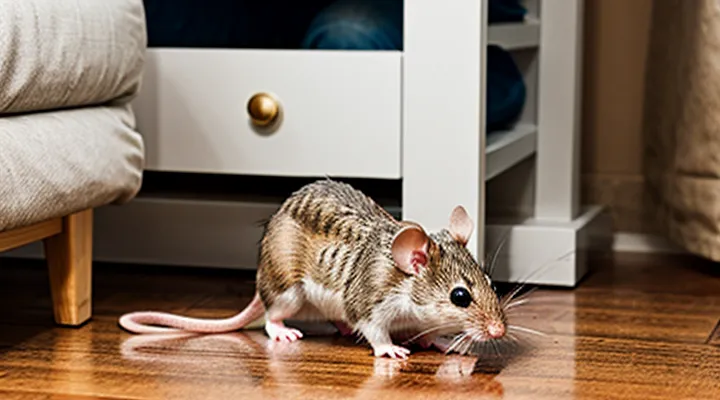
Understanding the Problem: Why Reporting is Crucial
Health Risks and Property Damage
Disease Transmission
Mice in residential units carry pathogens that can infect humans through direct contact, contaminated food, and droppings. Common agents include Hantavirus, Salmonella, and Lymphocytic choriomeningitis virus; each can cause respiratory illness, gastrointestinal upset, or febrile disease.
Identifying a rodent problem early limits exposure. Look for gnaw marks, shredded packaging, greasy trails, and urine stains. When evidence appears, follow a structured reporting process:
- Document location, time of sighting, and visible signs.
- Contact the building’s maintenance department or property manager using the official communication channel (email, portal, or phone line) provided in the lease.
- Include the documentation from step 1 and request a pest‑control assessment within 24 hours.
- Keep a copy of the request and any response for future reference.
Prompt reporting triggers professional eradication measures, which typically involve sealing entry points, setting traps, and applying approved disinfectants. These actions reduce the likelihood of pathogen spread and protect other residents.
Failure to report promptly increases the risk of disease clusters, especially in densely populated apartments where shared ventilation and waste disposal systems can amplify transmission. Timely notification therefore serves as a critical control point in public‑health protection within multi‑unit housing.
Structural Damage
Mice can compromise the integrity of an apartment’s structure by gnawing on wood, insulation, wiring, and plumbing. Prompt reporting prevents escalation, protects safety, and reduces repair costs.
- Inspect walls, ceilings, and baseboards for fresh chew marks, exposed insulation, or holes larger than a quarter inch.
- Photograph each damaged area, noting location and extent. Include close‑up shots of compromised materials such as wiring or pipe sheathing.
- Review the lease or building handbook to identify the designated contact for maintenance requests.
- Submit a written report to the landlord or property manager that includes:
- Date of observation.
- Detailed description of damage.
- Photographic evidence.
- Request for immediate inspection and repair.
- If the landlord does not respond within a reasonable timeframe (typically 48–72 hours), contact the building’s maintenance department directly, referencing the written report and attaching the evidence.
- Should the issue remain unresolved, file a complaint with the local health or housing authority, providing the same documentation and noting any risk to electrical safety or water damage.
Maintain copies of all communications and receipts for any professional repairs or pest‑control services you arrange, as these may be required for reimbursement or legal proceedings.
Identifying the Responsible Parties
Landlord and Property Management
Lease Agreement Review
When a mouse problem arises in a rental unit, the lease contract determines the tenant’s rights and the landlord’s obligations. Reviewing the agreement before filing a complaint ensures that the reporting process follows the terms agreed upon and avoids unnecessary disputes.
Key provisions to examine:
- Maintenance and habitability clause – confirms the landlord’s duty to keep the premises free from pests.
- Notice requirements – specifies how and within what timeframe a tenant must inform the landlord of a problem.
- Contact information – lists the designated property manager, maintenance staff, or third‑party pest control service.
- Remediation timeline – outlines the period the landlord has to address the infestation after receiving notice.
- Penalty or rent‑adjustment provisions – detail any rent reductions or compensation if the issue is not resolved promptly.
If the lease includes a direct reporting channel, use it as the first step. Otherwise, follow the general notice procedure: submit a written report to the landlord or management office, reference the specific maintenance clause, and keep a copy for records. Should the landlord fail to act within the stipulated period, the lease may allow the tenant to arrange professional pest control and deduct the cost from rent, or to withhold rent until the problem is fixed, depending on local law.
Document every communication, including dates, recipients, and descriptions of the mouse activity. This documentation supports any future claim for rent abatement or legal action and demonstrates compliance with the lease’s reporting requirements.
Communication Protocols
When a resident discovers mice in a rental unit, the first priority is to initiate a clear, documented communication channel with the property management. An authoritative approach requires selecting the most reliable medium, confirming receipt, and tracking the response timeline.
- Use the building’s official maintenance portal if available; enter a detailed description, include dates, and attach photographs. The system automatically timestamps the entry and generates a reference number.
- If the portal is absent, send an email to the designated property‑management address. In the subject line, state “Rodent Issue – Unit [Number]”. The body should list the location of sightings, frequency, and any immediate actions taken, then request a written acknowledgment.
- For urgent situations, call the on‑call maintenance line. Record the call date, time, and the name of the representative. Follow up the verbal report with an email or portal entry that references the conversation and confirms the promised action.
After the initial contact, monitor the status using the reference number. If no acknowledgment arrives within 24 hours, resend the communication and mark it as “Follow‑up”. Maintain a log that includes each interaction, dates, and outcomes; this record supports any escalation to local health authorities or tenant‑rights organizations if the issue remains unresolved.
Local Health Department
Public Health Concerns
Mice infestations create direct threats to resident health. Their droppings and urine contain pathogens such as Hantavirus, Salmonella, and Leptospira, which can cause severe respiratory and gastrointestinal illnesses. Contact with contaminated surfaces may trigger allergic reactions and asthma attacks, particularly in children and individuals with pre‑existing respiratory conditions.
Rodent presence compromises food safety. Stored groceries, pantry items, and kitchen countertops become vectors for bacterial growth when exposed to mouse waste. Cross‑contamination can spread to prepared meals, increasing the risk of food‑borne disease outbreaks within the building.
Structural damage amplifies health hazards. Mice gnaw electrical wiring, creating fire risks, and tunnel through insulation, reducing thermal efficiency and encouraging mold growth. Moisture accumulation from damaged pipes fosters bacterial proliferation, further endangering occupants.
Prompt reporting to property management or local housing authority limits exposure. Early intervention allows professional pest control to implement sealing, trapping, and sanitation measures before populations expand. Documentation of sightings supports compliance with health‑code regulations and may trigger mandatory inspections by municipal health departments.
Key public‑health considerations:
- Identification of disease‑causing agents in mouse waste
- Prevention of allergen exposure and asthma triggers
- Protection of food supplies from contamination
- Mitigation of structural damage that fosters secondary hazards
- Enforcement of regulatory standards through timely notification
Effective communication of mouse sightings reduces the likelihood of widespread health incidents and preserves a safe living environment for all residents.
Reporting Procedures
When a mouse problem is discovered in an apartment, immediate documentation and communication are essential to prompt remediation.
- Record evidence: photograph sightings, note dates, and describe locations of activity. Preserve any droppings or gnaw marks in sealed containers for reference.
- Notify the property owner or manager: use the official reporting channel (email, tenant portal, or written notice). Include the documented evidence and request a written acknowledgment.
- Alert building maintenance or on‑site pest control: if the complex has a dedicated team, forward the same information and ask for an inspection schedule.
- Contact the local health or housing authority: submit a complaint through the agency’s online form or phone line, attaching the evidence and the landlord’s response. This step triggers regulatory oversight if the issue persists.
- Follow up in writing: after each conversation, send a brief confirmation summarizing the agreed actions and timelines. Keep copies for future reference.
If the landlord fails to act within a reasonable period (typically 7‑10 days), submit a formal grievance to the tenant‑rights board or consider legal counsel to enforce habitability standards.
Pest Control Services
Professional Assessment
A professional assessment establishes the extent of a mouse infestation and identifies the most appropriate reporting channels. Certified pest‑control inspectors conduct visual inspections, set monitoring devices, and document evidence such as droppings, gnaw marks, and live captures. Their findings create a factual record that landlords, property managers, or municipal health departments require to initiate corrective action.
When an infestation is suspected, follow these steps:
- Contact a licensed pest‑control company; request a written inspection report.
- Provide the inspector with access to all affected areas, including kitchens, storage rooms, and utility spaces.
- Review the report for:
- Confirmation of mouse activity.
- Recommended mitigation measures.
- Estimated timeline for eradication.
- Submit the report to the property owner or management office. Retain a copy for personal records.
- If the landlord fails to act within the stipulated period, forward the assessment to the local housing authority or public health department, referencing the documented findings.
Professional documentation eliminates ambiguity, ensures compliance with local health codes, and accelerates the resolution process.
Treatment Options
After notifying the property manager or local housing authority about a mouse sighting, the next step is to choose an appropriate control method. Effective treatment reduces health risks, prevents property damage, and limits future infestations.
-
Professional extermination – Engage a licensed pest‑control firm. Technicians inspect the unit, identify entry points, and apply bait stations, traps, or gas treatments according to local regulations. Follow‑up visits ensure the population is eliminated.
-
Integrated pest management (IPM) – Combine sanitation, exclusion, and targeted trapping. Begin by sealing cracks, gaps around pipes, and openings behind appliances. Maintain a clean environment by storing food in sealed containers and promptly disposing of waste. Deploy snap traps or electronic traps in high‑activity zones; replace bait regularly.
-
Chemical baits – Use anticoagulant or non‑anticoagulant rodenticide blocks approved for residential use. Place blocks in tamper‑proof stations to protect children and pets. Monitor and replace as needed, adhering to label instructions and safety guidelines.
-
Live‑catch traps – Capture mice without killing them. Position traps along walls and near droppings, check them at least twice daily, and release captured rodents at least one mile from the residence. This method requires strict hygiene to avoid disease transmission.
-
Ultrasonic repellents – Install devices that emit high‑frequency sound waves intended to deter rodents. Effectiveness varies; use as a supplemental measure alongside physical controls.
Select the option that aligns with lease agreements, local regulations, and personal safety considerations. Document all actions taken and retain receipts or service reports for future reference.
Step-by-Step Reporting Process
Documenting the Infestation
Photographic Evidence
Photographic documentation provides concrete proof that a mouse infestation exists, eliminating doubt when the issue is escalated to property managers, pest‑control firms, or municipal health officials. A clear image shows the species, activity signs, and location, allowing responders to assess severity and plan treatment without a site visit.
To capture effective images:
- Use a smartphone or digital camera with flash enabled.
- Focus on the mouse, droppings, gnaw marks, or nests; ensure the subject fills the frame.
- Include surrounding landmarks (room layout, furniture) to demonstrate context.
- Take multiple shots from different angles and distances.
- Store files in a dedicated folder named with the apartment number and date (e.g., “Apt‑12B_2025‑10‑08”).
When preparing the evidence for submission:
- Rename each file to reflect content (e.g., “Droppings_Kitchen_2025‑10‑08.jpg”).
- Compress the folder into a zip archive to simplify attachment.
- Write a brief note containing: apartment number, date of observation, and a concise description of the problem.
- Attach the archive to the email or upload it through the reporting portal specified by the landlord or local authority.
Typical recipients for the report include:
- Building management or leasing office, using the official maintenance request system.
- Licensed pest‑control contractor, contacted via the phone number provided in the lease agreement.
- City or county health department, through the online complaint form for rodent hazards.
Providing well‑organized photographic evidence accelerates response time, supports any follow‑up inspections, and creates a documented trail that can be referenced in future correspondence or legal proceedings.
Date and Time Stamps
Accurate date and time stamps create a reliable record of rodent activity, enabling property managers and pest‑control professionals to assess patterns and prioritize interventions. Each report should include the exact calendar date and the precise hour and minute of the observation. Use a 24‑hour format (e.g., 2025‑10‑08 14:32) to avoid ambiguity.
When documenting a sighting, follow these steps:
- Open the reporting form or app provided by the landlord or management office.
- Enter the current date automatically generated by the system, or manually type it in the required format.
- Record the time of the incident at the moment it occurs; if the incident is discovered later, note the actual observation time and, if known, the estimated time of occurrence.
- Attach a timestamped photograph or video; most smartphones embed EXIF data that includes date and time, which can be verified by the recipient.
- Submit the entry and retain a copy for personal reference.
Consistent timestamping supports evidence‑based decisions, such as scheduling inspections during peak activity periods and tracking the effectiveness of remediation measures over weeks or months. It also protects tenants by providing documented proof should disputes arise regarding the timeliness of pest‑control responses.
Witness Statements
Witness statements are a critical component of any systematic approach to reporting rodent activity in a rental unit. They provide concrete evidence that supports the tenant’s claim and helps property managers, pest‑control professionals, and health officials assess the severity of the infestation.
A reliable statement should include:
- Date and exact time of the observation.
- Specific location within the apartment (e.g., kitchen cabinet, bathroom ceiling).
- Description of the mouse (size, color, behavior) or evidence of activity (droppings, gnaw marks, nests).
- Any actions taken by the tenant before reporting (e.g., traps set, food sealed).
- Contact information for follow‑up.
When preparing the statement, use clear, factual language and avoid speculation. Record the information promptly, preferably in writing, and keep a copy for personal records.
Submission procedures vary by building management:
- Deliver the written statement to the leasing office or designated maintenance request portal.
- Attach photographic or video evidence if available.
- Request a written acknowledgment of receipt, noting the ticket or reference number.
- If the landlord fails to respond within the stipulated timeframe, forward the statement and supporting documentation to the local health department or housing authority.
Maintaining thorough witness statements accelerates the response process, ensures accountability, and creates a documented trail that can be referenced in future communications or legal actions.
Initial Contact with Landlord/Management
Written Communication Preferred
When a mouse sighting occurs in a rental unit, the most reliable method of notifying responsible parties is a written record. Written communication provides a clear timestamp, preserves details, and creates a document that can be referenced in future discussions or disputes.
First, identify the appropriate recipient. Typical destinations include the property manager, the building’s maintenance office, the landlord’s designated email address, the contracted pest‑control service, and, when required by local regulations, the municipal health department. Verify contact information through the lease agreement, building notice board, or the management portal.
Second, compose the message with essential facts only. Include:
- Date and time of observation
- Exact location within the apartment (e.g., kitchen cabinet, bathroom wall)
- Description of evidence (live mouse, droppings, gnaw marks)
- Any immediate actions taken (traps set, food sealed)
Third, attach supporting material if available. Photographs, video clips, or scanned copies of previous reports enhance credibility and expedite response.
Fourth, send the report through the preferred channel. Email is generally accepted; use the official address listed in the lease. If an online reporting form exists, fill it out and upload attachments. For situations lacking digital access, a printed letter signed and dated should be mailed or hand‑delivered to the management office.
Fifth, retain a copy of the sent communication. Store the sent email in a dedicated folder, keep printed copies in a file, and record the reference number provided by the recipient, if any. This archive serves as evidence of compliance and can be cited if the issue persists.
Finally, monitor the response. Expect acknowledgment within 24–48 hours. If no reply arrives, resend the original message with a brief note indicating the lack of response and request an update.
By following these steps, tenants ensure that their report of mouse activity is documented, traceable, and actionable, reducing ambiguity and facilitating prompt remediation.
Essential Information to Include
When notifying property management or a local health authority about a mouse problem, include precise details that enable swift verification and remediation.
- Exact address of the affected unit, including building name, floor, and apartment number.
- Specific locations where mice were observed or signs were found (kitchen cabinets, pantry, basement, etc.).
- Date and approximate time of each sighting or evidence collection.
- Description of the evidence: droppings, gnaw marks, nesting material, live or dead rodents, photographs, or video clips.
- Contact information of the tenant: phone number, email address, and preferred method of communication.
- Lease identification, such as unit number and tenant name, to confirm tenancy and responsibility.
- Record of previous reports or pest‑control actions taken, including dates, service providers, and outcomes.
- Request for a written acknowledgment and a timeline for inspection or treatment.
Providing this information in a single, well‑organized message reduces back‑and‑forth communication and accelerates the response needed to eliminate the infestation.
Following Up on Your Report
Maintaining a Communication Log
Keeping a detailed communication log is a practical step when you need to report rodent activity in a rented dwelling. The log creates a clear record that can be shared with property managers, pest‑control services, or housing authorities, reducing misunderstandings and speeding up response.
Record the following data for each incident:
- Date and exact time of observation.
- Specific location within the apartment (e.g., kitchen pantry, bathroom cabinet).
- Description of evidence (droppings, gnaw marks, live or dead mice, sightings).
- Person contacted (name, title, organization) and method of contact (phone, email, in‑person).
- Response received (date of acknowledgment, scheduled treatment, follow‑up actions).
Choose a storage method that matches your workflow. A bound notebook works offline and is easy to reference during meetings. A spreadsheet or cloud‑based document allows quick updates, automatic sorting, and sharing via a link. Mobile apps designed for maintenance requests often include built‑in logging features and can attach photos directly.
The log serves three core purposes. First, it provides chronological evidence that supports any dispute about the landlord’s responsibilities. Second, it helps you track the effectiveness of interventions, revealing patterns such as recurring hotspots or delayed responses. Third, it supplies a concise summary for future tenants or legal counsel, should the situation require escalation. Maintaining this record ensures accountability and facilitates prompt, documented action against the infestation.
Escalation Tactics
When initial reports to the property manager receive no action, escalation becomes necessary. Direct communication with the landlord or leasing office should include a written record of the complaint, dates of sightings, and any health‑risk documentation. If the landlord fails to respond within a reasonable timeframe—typically five business days—follow these steps:
- Send a certified letter to the landlord, requesting remediation and citing local housing codes that mandate pest control.
- Contact the building’s maintenance supervisor, providing the same documentation and asking for an immediate inspection.
- File a formal complaint with the municipal health department or housing authority, attaching copies of all prior correspondence.
- If the issue remains unresolved, consider withholding rent proportionally, after verifying that local law permits this action, and inform the landlord in writing of the intent.
- As a final measure, seek legal counsel or file a small claims suit for breach of habitability, presenting evidence of the pest infestation and the landlord’s neglect.
Each escalation layer should be documented thoroughly, preserving copies of emails, letters, and response logs. Maintaining a chronological record strengthens the case and ensures compliance with tenant‑rights regulations.
Contacting the Health Department
When to Involve Public Health Officials
When a mouse problem threatens resident health or violates housing regulations, contact the local public health department. This step is appropriate under the following conditions:
- Evidence of disease vectors, such as droppings in kitchens, bathrooms, or food storage areas.
- Persistent infestation despite landlord‑initiated extermination attempts.
- Complaints from multiple tenants indicating a widespread issue within the building.
- Failure of the property manager to address the problem within a reasonable timeframe, typically 48–72 hours after notification.
- Legal requirements that classify rodents as a public health hazard in the jurisdiction.
Public health officials can conduct inspections, enforce remediation standards, and, if necessary, impose penalties on the property owner. Their involvement ensures that the infestation is managed according to health codes and that tenants receive safe living conditions.
Necessary Information for Reporting
Accurate reporting of rodent sightings in a rental unit depends on providing complete, verifiable details.
- Exact address, including building name, floor, and apartment number.
- Date and time when the mice were observed.
- Description of the location within the unit (kitchen, basement, pantry, etc.).
- Number of individuals seen or signs of activity (droppings, gnaw marks, nests).
- Photographs or video evidence, clearly showing the pests or damage.
Report the information through the landlord’s designated maintenance portal, email address, or written notice. Use the format required by the property management: subject line indicating “Rodent Issue,” body containing the listed details, and attached media files.
Retain a copy of the submission and any response received. If the issue is not addressed within the timeframe stipulated in the lease or local housing regulations, follow up with a second written request and consider notifying the local health department or housing authority, providing the same documentation.
Consistent documentation creates a clear record, facilitates prompt remediation, and protects tenant rights.
Legal Rights and Tenant Protections
Implied Warranty of Habitability
Landlord Responsibilities
When a tenant discovers mice, the landlord must take immediate action to protect the habitability of the unit. The responsibility begins with prompt acknowledgment of the report and extends through coordinated remediation.
- Inspect the affected area within 24 hours of notification.
- Arrange professional extermination services licensed for residential properties.
- Repair structural defects that allow entry, such as gaps around pipes, vents, or doors.
- Provide written confirmation of scheduled treatment and completion dates.
- Maintain records of all pest‑control activities for at least one year.
- Ensure that any chemicals used comply with local health regulations and do not endanger occupants.
Failure to address a mouse infestation violates most residential tenancy codes, which require landlords to keep premises free from health hazards. Tenants may withhold rent or terminate the lease if the landlord neglects these duties, and local housing authorities can impose penalties. Therefore, landlords should establish a clear reporting channel—typically a dedicated email or phone line—and train property‑management staff to follow the outlined steps without delay.
Your Rights as a Tenant
Tenants have a legal entitlement to a habitable dwelling, which includes freedom from rodent infestations. When mice appear in an apartment, the lease and local housing codes give the tenant specific powers to demand remediation.
First, the tenant may notify the landlord in writing, describing the infestation, the exact location, and the date of observation. The notice creates a documented request for repair, which the landlord must address within the timeframe established by state or municipal statutes—often 30 days for non‑emergency conditions, or sooner if health hazards are evident.
If the landlord fails to act, the tenant may:
- Request an inspection by the local health department or building authority.
- Withhold rent or pay for professional pest control and deduct the cost, provided the jurisdiction permits such remedies and the tenant follows proper notice procedures.
- Terminate the lease without penalty if the infestation renders the unit uninhabitable, citing the implied warranty of habitability.
- Pursue a claim in small‑claims court for damages, including expenses for temporary housing, medical costs, and loss of personal property.
Tenants should retain copies of all correspondence, photographs of mouse activity, and receipts for any services purchased. These records support any legal action and demonstrate that the tenant fulfilled the duty to notify the landlord.
State and local housing laws often impose penalties on landlords who neglect pest‑control obligations, ranging from fines to mandatory remediation orders. Tenants can report violations to the housing authority, which may conduct an inspection and enforce compliance.
By exercising these rights, tenants ensure that mouse problems are addressed promptly and that their living environment meets legal standards for safety and cleanliness.
Local Housing Ordinances
Checking Your Municipal Code
When dealing with rodent infestations in rental units, the municipal code determines the legal responsibilities of landlords, tenants, and local health agencies. Consulting the code before filing a complaint ensures that you reference the correct statutes and avoid unnecessary delays.
First, identify the jurisdiction governing the apartment. Use the city or county website, or call the municipal clerk’s office to confirm the applicable code. Most jurisdictions publish their ordinances online in searchable databases; enter keywords such as “rodent control,” “pest infestation,” or “housing health standards.”
Next, locate the sections that address pest management. Typical headings include:
- Housing health and safety standards
- Landlord maintenance obligations
- Tenant reporting procedures
- Enforcement and penalties
Read each relevant provision carefully. Note any deadlines for reporting, required documentation, and the agency authorized to receive complaints (often a health department or housing inspection office). Some codes specify that landlords must remediate infestations within a set number of days after notification; others outline tenant rights to withhold rent or seek repairs.
After extracting the necessary details, document them. Create a concise record that lists:
- The exact ordinance citation (e.g., “Section 12.5.3, City Code”).
- The required reporting channel (phone number, online portal, or email).
- The timeframe for landlord response.
- Potential penalties for non‑compliance.
Finally, submit the complaint using the prescribed method and attach the code excerpt as supporting evidence. Retain copies of all correspondence for future reference or possible escalation to a housing authority. This systematic approach leverages municipal regulations to secure prompt and lawful action against mouse infestations.
Legal Aid Resources
Legal aid organizations provide essential support when tenants must notify landlords or authorities about rodent problems. These groups offer free or low‑cost advice, representation, and documentation assistance, ensuring that complaints are filed correctly and that tenants’ rights are protected.
- Local legal aid clinics: usually operate on a walk‑in basis or through online intake forms; they can draft formal letters to landlords, advise on lease‑violation claims, and guide tenants through small‑claims court if necessary.
- Tenant‑rights nonprofits: maintain hotlines and resource libraries that explain housing codes, health‑department regulations, and the landlord’s obligations to remediate infestations.
- Public defender offices: in some jurisdictions, they accept civil housing matters and may assign an attorney to cases involving severe health hazards.
- Law school legal‑service programs: student attorneys, supervised by licensed counsel, often handle housing disputes, including pest‑infestation complaints, at no charge.
- State or city housing agencies: provide complaint forms and may intervene directly; legal‑aid partners can help complete these forms and track response deadlines.
When contacting a legal‑aid provider, supply the following information: lease agreement, photographs of the infestation, records of prior communications with the landlord, and any notices from health or housing inspectors. Accurate documentation speeds up the preparation of a formal complaint and strengthens the case if litigation becomes necessary.
If a tenant cannot afford private counsel, the combination of these resources typically covers the entire reporting process—from drafting the initial notice to representing the tenant in administrative hearings or court proceedings. Accessing legal aid early reduces delays, prevents escalation of the health risk, and safeguards the tenant’s right to a habitable living environment.
Preventive Measures After Reporting
Sealing Entry Points
Identifying Gaps and Cracks
Inspecting an apartment for entry points precedes any formal complaint about rodent activity. Small openings allow mice to travel between walls, floors, and exterior spaces; locating these gaps determines the accuracy of the report and the effectiveness of subsequent remediation.
Begin the inspection by turning off lights and using a flashlight to reveal shadowed areas. Walk the perimeter of each room, focusing on:
- Baseboards and trim where paint has peeled or where gaps are visible.
- Under-sink cabinets and behind appliances; these zones often conceal cracks in drywall or flooring.
- Utility penetrations such as electrical outlets, plumbing stacks, and HVAC ducts; enlarge openings may be evident around conduit sleeves.
- Window frames and door thresholds; check for deteriorated caulking or warped weatherstripping.
Measure each opening with a ruler or a credit‑card thickness gauge. Record dimensions that exceed ¼ inch, as mice can squeeze through spaces as small as ⅛ inch but larger gaps indicate a higher likelihood of repeated entry. Note the material type (drywall, plaster, wood, concrete) because repair methods differ.
Document findings with photographs taken from multiple angles. Include a brief description of the location, size, and observed condition. Attach the images to the maintenance request or pest‑control report to provide clear evidence for building management.
When submitting the report, reference the documented gaps and cracks explicitly. State the room, exact location, and measured size, then request inspection and sealing of each identified entry point. This precise information streamlines the response process and reduces the chance of unresolved infestations.
Recommended Materials
When notifying building management or pest‑control services about mouse activity, present clear, organized evidence to ensure a prompt response.
- Photographs or video clips showing rodents, droppings, gnaw marks, or nests
- Written log detailing dates, times, and locations of sightings
- Copies of lease agreement or tenant handbook sections that address pest responsibilities
- Contact information for the property manager, maintenance team, and local health department
- Completed incident‑report form provided by the landlord or a printable template that includes fields for description, severity, and requested action
Photographs provide visual confirmation of the infestation and help staff prioritize treatment areas. A chronological log demonstrates persistence and may influence the urgency of the response. Lease excerpts clarify contractual obligations, supporting the tenant’s claim for remediation. Accurate contact details prevent delays in communication. A structured report form consolidates all information, allowing the receiving party to process the complaint efficiently and track resolution progress.
Sanitation and Food Storage
Proper Waste Disposal
Proper waste disposal reduces the attraction of mice and strengthens the credibility of any complaint submitted to building management or local health authorities. When waste is sealed, stored away from food preparation areas, and removed regularly, the likelihood of rodent activity diminishes, making it easier to identify genuine infestations and to provide clear evidence in reports.
Key practices for effective waste handling include:
- Use containers with tight‑fitting lids; avoid open‑top trash cans.
- Separate recyclables from organic waste to prevent decomposition odors.
- Empty containers at least once daily in communal disposal areas.
- Keep disposal zones clean; sweep crumbs and spills immediately.
- Store trash bags in a cool, dry place away from walls and cabinets.
When reporting a mouse sighting, include the following details:
- Location of waste containers (kitchen, bathroom, hallway) and any observed breaches.
- Frequency of waste removal by the tenant or building service.
- Photographs of improperly sealed bins or overflowing trash.
- Date and time of the sighting, correlated with recent waste disposal activities.
Providing precise waste‑management information allows property managers to assess sanitation deficiencies, prioritize corrective actions, and verify that the reported mouse presence is not a result of avoidable waste practices. This systematic approach ensures that complaints are handled efficiently and that preventive measures are reinforced.
Airtight Containers
Airtight containers are essential for minimizing mouse attraction in an apartment. By sealing all food items, the scent that draws rodents is eliminated, reducing the likelihood that a resident will need to file a report. Use containers made of thick plastic or glass with rubberized seals; these materials prevent gnawing and maintain a vacuum around the contents.
When selecting containers, consider the following criteria:
- Seal integrity: the lid must close without gaps.
- Durability: the material should resist chewing.
- Size: choose a volume that matches typical pantry storage to avoid excess empty space where crumbs can accumulate.
Place containers on shelves away from walls and corners where mice travel. Keep the exterior clean; wipe any spills immediately to avoid residual odors. Regularly inspect seals for wear; replace any container that shows cracks or compromised closures.
By integrating airtight storage into daily habits, the need to contact property management or local pest‑control services diminishes. Consistent use of these containers creates a barrier that directly addresses the primary cause of mouse complaints in residential units.
Monitoring and Ongoing Vigilance
Regular Inspections
Regular inspections provide the earliest indication of mouse activity, allowing tenants to report problems before infestations spread. Conduct inspections on a predictable schedule—weekly in high‑risk seasons, biweekly otherwise—to maintain consistent data.
- Choose inspection times when lights are on and residents are present.
- Examine kitchen cabinets, pantry shelves, and behind appliances for droppings, gnaw marks, or nests.
- Inspect storage closets, laundry rooms, and utility areas, focusing on corners, vents, and pipe openings.
- Use a flashlight to reveal shadows in dark spaces; a handheld mirror helps view behind fixtures.
- Record each observation in a simple log: date, location, type of evidence, and severity rating (e.g., 1 = minor droppings, 5 = active nest).
After each inspection, compile the log and forward it to the property manager or designated pest‑control contact. Include clear photographs that match log entries, label images with timestamps, and reference the exact unit and room. Prompt, factual communication enables the management team to file the appropriate report with municipal health authorities or the building’s pest‑control service without delay.
Consistent documentation creates a traceable record that supports any escalation process, such as formal complaints to local housing agencies. By adhering to a disciplined inspection routine, tenants contribute reliable information that speeds resolution and reduces the likelihood of recurring mouse problems.
Early Detection
Early detection reduces the time mice have to establish nests, multiply, and cause damage. Prompt identification enables swift communication with property management, minimizing health risks and repair costs.
Typical indicators include:
- Fresh droppings in corners, cabinets, or along baseboards
- Gnaw marks on wood, plastic, or wiring
- Scratching sounds in walls or ceilings, especially at night
- Grease or urine stains near food storage areas
- Small nests made of shredded paper, fabric, or insulation
When signs appear, verify the infestation by:
- Inspecting concealed spaces such as behind appliances, under sinks, and inside closets.
- Setting up snap traps or bait stations in suspected pathways for a short observation period.
- Recording the exact locations, dates, and types of evidence found.
After confirmation, prepare a concise report for the landlord or building manager:
- State the unit number and address.
- List observed evidence with timestamps.
- Attach photos or video clips that clearly show droppings, gnaw marks, or traps with captures.
- Request a specific response deadline, such as pest‑control intervention within 48 hours.
Deliver the report through the designated channel—email, online maintenance portal, or written notice—as stipulated in the lease agreement. Retain a copy for personal records and follow up if the response is delayed.