
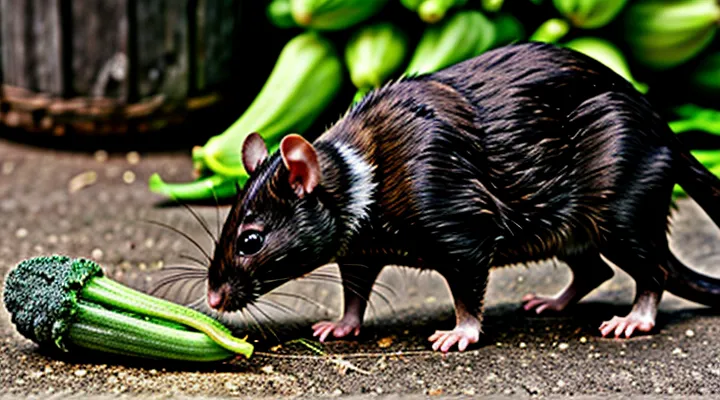
«Safe and Nutritious Vegetables for Rats»
«Leafy Greens»
«Kale»
Kale is a leafy green that rats can consume safely when offered in moderation. The vegetable provides a range of nutrients beneficial for rodent health, including vitamins A, C, and K, calcium, and dietary fiber. These components support vision, immune function, blood clotting, and digestive regularity.
When adding kale to a rat’s diet, follow these guidelines:
- Wash thoroughly to remove pesticides or soil residues.
- Trim tough stems; offer only the tender leaves and soft ribs.
- Serve fresh, chilled pieces no larger than a thumbnail.
- Limit portions to 5‑10 % of the total daily food intake to avoid excess calcium or oxalates.
- Observe the animal for any signs of gastrointestinal upset; discontinue if diarrhea or vomiting occurs.
Kale should complement a varied diet that includes grains, protein sources, and other vegetables. Regular rotation prevents nutritional imbalances and maintains the animal’s interest in its food.
«Spinach»
Spinach is a viable option when selecting leafy greens for pet rats. The vegetable supplies vitamins A, C, and K, as well as iron, calcium, and dietary fiber. These nutrients support vision, immune function, bone health, and digestive regularity.
Rats tolerate raw spinach, but preparation should eliminate potential contaminants. Wash thoroughly under running water, remove any wilted or discolored leaves, and chop into bite‑size pieces to prevent choking. Avoid feeding spinach that has been seasoned, cooked with oil, or mixed with dairy products.
Feeding guidelines:
- Offer 1–2 small leaves (approximately 5–10 g) per rat, two to three times a week.
- Monitor for signs of digestive upset, such as loose stools or reduced appetite.
- Rotate spinach with other greens to provide a balanced nutrient profile and reduce oxalate accumulation.
While spinach contributes valuable nutrients, excessive consumption can lead to oxalate buildup, potentially affecting kidney function. Limiting portions and maintaining variety in the diet mitigates this risk and ensures overall health.
«Romaine Lettuce»
Romaine lettuce is a safe, low‑calorie option for pet rats. It supplies water, fiber, and modest amounts of vitamins A, K, and C. The crisp texture encourages chewing, which helps maintain dental health.
When offering romaine, follow these guidelines:
- Wash thoroughly to remove pesticide residues.
- Remove the core and any wilted leaves.
- Serve small, bite‑size pieces; a single rat can consume 1–2 teaspoons per day.
- Introduce gradually to monitor for digestive upset.
Romaine should complement a balanced diet that includes protein sources, grains, and a variety of other vegetables. Excessive lettuce can dilute essential nutrients, so limit it to a modest portion of the overall vegetable intake. Store the lettuce in a sealed container in the refrigerator and discard any leaves that become soggy or discolored.
«Arugula»
Arugula (Eruca vesicaria) is a fast‑growing leafy green that rats can consume safely when offered in appropriate quantities. The plant provides vitamin K, vitamin A, calcium, and folate, contributing to bone health and visual function. Its peppery flavor may encourage reluctant eaters to increase overall vegetable intake.
When incorporating arugula into a rodent diet, observe the following guidelines:
- Rinse thoroughly to remove pesticides or soil residues.
- Serve raw; cooking reduces the leaf’s crisp texture and may diminish nutrient content.
- Limit portions to 1–2 teaspoons per 100 g of body weight per day to avoid gastrointestinal irritation.
- Introduce gradually, monitoring for signs of diarrhea or reduced appetite.
- Rotate with other greens (e.g., kale, romaine, spinach) to ensure a balanced nutrient profile.
Regular, moderate inclusion of arugula enhances dietary diversity without exposing rats to toxic compounds. Excessive consumption can lead to oxalate buildup, potentially affecting kidney function, so adherence to the recommended limits is essential.
«Root Vegetables»
«Carrots»
Carrots are a common vegetable offered to pet rats and provide several nutrients that support health. The root contains approximately 9 g of carbohydrates, 0.9 g of protein, 0.2 g of fat, and 3 g of fiber per 100 g, along with beta‑carotene, vitamin K, potassium, and small amounts of calcium and iron.
Nutritional benefits
- Beta‑carotene converts to vitamin A, essential for vision and immune function.
- Fiber promotes gastrointestinal motility and helps prevent constipation.
- Potassium contributes to electrolyte balance and muscle activity.
Feeding guidelines
- Offer raw carrot in small, bite‑size pieces; a typical serving is ¼ to ½ inch cube, no more than 1 – 2 g per day for a single adult rat.
- Wash thoroughly to remove pesticide residues; consider organic carrots when possible.
- Introduce gradually to monitor tolerance; observe for signs of diarrhea or reduced appetite.
Potential concerns
- High sugar content may lead to weight gain if overfed.
- Excessive beta‑carotene can cause mild discoloration of the skin; moderation prevents this effect.
- Some rats may develop a preference for carrots, reducing intake of other essential foods; balance with leafy greens, grains, and protein sources.
In summary, carrots are a safe, nutrient‑rich addition to a rat’s diet when provided in controlled portions, cleaned properly, and incorporated into a varied feeding regimen.
«Sweet Potatoes»
Sweet potatoes are a safe vegetable option for pet rats when offered in moderation. The root is rich in complex carbohydrates, beta‑carotene, vitamin C, and dietary fiber, all of which support energy metabolism and digestive health. Rats tolerate the natural sugars in sweet potatoes better than many fruit alternatives, provided the portion size remains limited.
Feeding guidelines:
- Cooked, unseasoned sweet potato pieces are preferable; raw tuber may be difficult to digest.
- Cut into bite‑size cubes (approximately ½ cm) to prevent choking.
- Offer no more than one teaspoon per 100 g of body weight per week.
- Introduce gradually, observing for signs of gastrointestinal upset such as loose stools or reduced appetite.
Potential concerns:
- Excessive intake can lead to weight gain and elevated blood sugar.
- Sprouts or green skins contain solanine, a toxic compound; discard any sprouted portions.
- Avoid adding butter, salt, sugar, or spices, as these additives can harm rat health.
Incorporating sweet potatoes as an occasional treat diversifies a rat’s diet, contributes essential nutrients, and provides enrichment through varied texture and flavor. Regular monitoring ensures the vegetable remains a beneficial component of the overall feeding regimen.
«Beets»
Beets are a safe vegetable option for pet rats when offered in moderation. The root provides fiber, vitamin C, potassium, and folate, contributing to digestive health and immune support. Rats typically enjoy the sweet flavor, but the high sugar content may lead to weight gain if overfed.
Preparation guidelines:
- Wash thoroughly to remove soil and pesticide residues.
- Peel the skin to reduce fiber that can cause digestive irritation.
- Cook lightly (steaming or boiling) to soften the texture; raw beets may be harder to chew.
- Cool to room temperature before serving.
- Cut into small, bite‑size pieces to prevent choking.
Feeding recommendations:
- Limit to one to two teaspoons per week for an adult rat.
- Observe for signs of loose stools or reduced appetite after introduction.
- Combine with a balanced diet of pellets, grains, and other approved vegetables.
Potential concerns:
- Excessive sugar may exacerbate diabetes or obesity.
- Some rats may develop a mild allergic reaction, manifested by itching or swelling.
- Beet pigments can temporarily stain a rat’s fur and urine; this is harmless but may be noticeable.
Overall, beets can enrich a rat’s diet when prepared correctly and served in controlled portions. Regular monitoring ensures the vegetable remains a beneficial supplement rather than a health risk.
«Parsnips»
Parsnips are an acceptable addition to a rat’s diet when offered in moderation.
Nutritional highlights include:
- Fiber that supports gastrointestinal motility.
- Vitamin C contributing to antioxidant defenses.
- Potassium and manganese that aid electrolyte balance.
- Moderate carbohydrate content providing energy.
Safe preparation requires thorough cleaning to remove soil and pesticide residues. After washing, peel the skin to reduce potential irritants. Offer either:
- Fresh, raw pieces no larger than a quarter‑inch cube, introduced gradually.
- Lightly steamed or boiled chunks, cooled to room temperature, which improve digestibility without destroying most nutrients.
Potential concerns arise from excessive raw intake, which may cause bloating or soft stools. Over‑feeding can lead to weight gain due to carbohydrate density. Residual chemicals from conventional farming pose additional risk; organic sources are preferable.
A typical serving size for an adult rat is one to two small cubes, not exceeding three times per week. Consistency in portion control helps maintain nutritional balance while providing variety in the dietary regimen.
«Cruciferous Vegetables»
«Broccoli»
Broccoli is a commonly recommended vegetable for pet rats because it supplies a range of nutrients without posing a high toxicity risk.
The vegetable contains vitamin C, vitamin K, folate, calcium, and dietary fiber, all of which support immune function, blood clotting, bone health, and digestive regularity.
Preparation should involve thorough washing to remove soil and pesticide residues, followed by a brief steam or blanching to soften the florets. Raw pieces may be offered, but cooking reduces bitterness and improves palatability. No salt, butter, or seasoning should be added.
Feeding guidelines:
- Offer 1–2 cm³ of chopped broccoli per 100 g of rat body weight.
- Limit to two to three servings per week to prevent nutrient imbalance.
- Observe the animal for signs of loose stool or reduced appetite after introduction.
Potential concerns include oxalic acid, which can contribute to kidney stone formation if consumed in excess, and the presence of pesticides on unwashed produce. Overreliance on broccoli may displace other essential food groups, so it should be part of a varied vegetable rotation.
In summary, broccoli provides valuable vitamins and fiber for rats when served in modest, properly prepared portions and complemented by a balanced diet.
«Cauliflower»
Cauliflower is a safe vegetable option for pet rats when offered in moderation. The florets contain vitamin C, vitamin K, folate, and dietary fiber while providing minimal calories and fat.
Nutritional advantages include:
- High vitamin C content supports immune function.
- Fiber promotes gastrointestinal motility.
- Low carbohydrate level helps maintain stable blood‑glucose levels.
Safety considerations require raw cauliflower to be washed thoroughly to remove pesticide residues. Cooking is optional; if used, steam or boil briefly without adding salt, oil, or seasonings. Avoid serving the thick central stem, which can be difficult to chew, and discard any wilted or mold‑affected pieces.
Feeding guidelines:
- Offer 1–2 small florets (approximately 5 g) per rat per day.
- Introduce gradually, monitoring for signs of gas or diarrhea.
- Provide fresh pieces daily; discard leftovers after 24 hours to prevent spoilage.
- Combine with a balanced pellet diet and occasional other vegetables.
Excessive cauliflower may cause bloating due to its glucosinolate content. If a rat shows abdominal discomfort or loose stools, reduce or pause cauliflower intake until symptoms resolve.
«Brussels Sprouts»
Brussels sprouts are a viable option for pet rats when offered in moderation. The vegetable supplies vitamin C, fiber, and antioxidants that support immune function and digestive health. Rats can tolerate the slight bitterness, but the high glucosinolate content may cause stomach upset if consumed excessively.
Nutritional highlights
- Vitamin C: essential for preventing scurvy in rodents.
- Dietary fiber: promotes gastrointestinal motility.
- Vitamin K and folate: contribute to blood clotting and cell division.
- Small amounts of calcium and potassium.
Preparation guidelines
- Wash thoroughly to remove pesticide residues.
- Steam or blanch briefly to soften texture; raw sprouts may be too tough for some rats.
- Cool to room temperature before serving.
- Cut into bite‑size pieces (approximately ¼ inch) to prevent choking.
Feeding recommendations
- Limit to 1–2 grams per rat, equivalent to a few florets, three times per week.
- Observe for signs of digestive distress, such as loose stools or reduced appetite.
- Avoid feeding spoiled or moldy sprouts; discard any that have wilted.
When incorporated correctly, Brussels sprouts add variety to a rat’s diet and contribute beneficial nutrients without compromising health.
«Other Recommended Vegetables»
«Bell Peppers»
Bell peppers are a safe vegetable option for pet rats when offered in moderation. The fruit’s crisp texture and mild sweetness are generally well‑received by rodents, making it a practical addition to a varied diet.
Nutritional content includes vitamin C, vitamin A (as beta‑carotene), and modest amounts of fiber and antioxidants. These compounds support immune function, eye health, and digestive regularity without contributing excessive calories.
Preparation guidelines are essential to prevent health issues:
- Wash thoroughly to remove pesticides or soil residues.
- Remove seeds and core, which can be harder to chew and may cause gastrointestinal irritation.
- Offer small, bite‑size pieces (approximately ½ inch cubes) to avoid choking hazards.
- Introduce gradually; monitor for any signs of digestive upset before increasing the portion.
Rats should receive bell peppers as a supplement rather than a staple, balancing them with other vegetables, grains, and protein sources to maintain overall nutritional adequacy.
«Cucumber»
Cucumber offers a safe, low‑calorie option for pet rats when offered in moderation. The flesh is high in water (about 95 %), providing hydration, and contains small amounts of vitamin C, potassium, and dietary fiber. Rats tolerate the mild flavor and soft texture, which can be especially useful for younger or dental‑sensitive individuals.
Feeding guidelines
- Offer only fresh, washed cucumber; remove any pesticide residues.
- Slice into bite‑size pieces (approximately ½ cm thick) to prevent choking.
- Limit portions to 1–2 grams per 100 g of body weight per day; excess water may cause loose stools.
- Exclude the skin if it appears waxed or has been treated with chemicals.
- Avoid canned or pickled cucumber, as added salt and vinegar can be harmful.
Potential concerns
- High moisture content may lead to diarrhea if introduced abruptly; increase gradually.
- Seeds are generally safe in small numbers but can be removed to reduce fiber load.
- Over‑feeding can dilute essential nutrients from a balanced diet; cucumber should complement, not replace, staple feeds such as pellets and leafy greens.
«Zucchini»
Zucchini is a safe and nutritious vegetable for pet rats when offered in moderation. The flesh is low in calories, high in water, and supplies vitamins A and C, potassium, and dietary fiber, all of which support healthy vision, immune function, and digestion.
Preparation guidelines:
- Wash thoroughly to remove pesticide residues.
- Cut into bite‑size pieces, about ½‑inch cubes.
- Serve raw or lightly steamed; avoid adding salt, butter, or seasoning.
- Introduce a small amount (one to two pieces) and observe for any adverse reaction before increasing the portion.
Potential concerns:
- Overfeeding may cause loose stools due to high fiber and moisture content.
- Occasionally, the skin can be tougher; some rats prefer peeled pieces, especially younger animals.
- Ensure zucchini does not replace the staple diet of high‑quality rat pellets and fresh water.
Frequency recommendation: a few zucchini pieces two to three times per week provide variety without disrupting nutritional balance. Rotate with other approved vegetables to maintain a diverse diet.
«Green Beans»
Green beans are a suitable addition to a rat’s diet when offered in moderation. They provide protein, fiber, vitamins A, C, K, and minerals such as iron and potassium, contributing to overall health without excessive calories.
When feeding green beans, follow these guidelines:
- Serve only fresh, raw beans; cooked or canned varieties may contain added salts or preservatives that are harmful.
- Cut beans into bite‑size pieces to prevent choking.
- Introduce gradually, starting with a few small pieces per day, and observe the animal for any signs of digestive upset.
- Limit intake to no more than 10 % of the total daily vegetable portion to maintain a balanced diet.
Green beans should be washed thoroughly to remove pesticides, and any wilted or spoiled portions must be discarded. Regular inclusion, alongside a variety of other safe vegetables, supports nutritional diversity for pet rats.
«Peas»
Peas are a safe and nutritious vegetable for pet rats when offered in moderation. They supply protein, fiber, vitamins A, C, K, and minerals such as iron and potassium, supporting growth, immune function, and digestive health. Fresh or frozen peas should be thawed and rinsed to remove any added salt or seasoning; canned peas are unsuitable because of high sodium content.
Key considerations for feeding peas to rats:
- Portion size: Limit to 1–2 teaspoons per feeding, no more than three times weekly, to avoid excess carbohydrate intake.
- Preparation: Serve peas whole, without shells, and cut into bite‑size pieces for easy chewing.
- Monitoring: Observe for signs of gastrointestinal upset; discontinue if diarrhea or bloating occurs.
- Balance: Complement peas with a varied diet that includes leafy greens, other root vegetables, and a high‑quality pellet base.
When integrated correctly, peas enrich a rat’s diet without posing health risks.
«Vegetables to Avoid or Feed in Moderation»
«Vegetables to Avoid Entirely»
«Onions»
Onions are frequently present in household kitchens, yet they pose a significant health risk for pet rats. The plant’s sulfur‑containing compounds, such as thiosulfate, can damage red blood cells, leading to hemolytic anemia. Toxic effects may appear after ingestion of only a few grams, regardless of whether the onion is raw, roasted, or fried.
Because the metabolic pathways of rats are unable to neutralize thiosulfate efficiently, any amount of onion should be excluded from their diet. Accidental consumption warrants immediate observation for signs of weakness, jaundice, or dark urine, and veterinary consultation should follow.
If a rat owner wishes to provide a flavorful vegetable, safer options include:
- Carrots (cooked or raw, in small portions)
- Bell peppers (seedless, chopped)
- Zucchini (steamed, unseasoned)
- Leafy greens such as romaine lettuce or kale (washed, limited quantity)
In summary, onions must be treated as a prohibited food item for rats; their inclusion jeopardizes the animal’s circulatory health and should be avoided entirely.
«Garlic»
Garlic belongs to the allium family and contains compounds that can damage a rat’s red blood cells. Even small amounts may cause hemolytic anemia, leading to weakness, jaundice, and potentially fatal outcomes. Consequently, garlic should be excluded from a rat’s diet.
Key considerations
- Toxicity – thiosulfates in garlic interfere with hemoglobin function.
- Symptoms of ingestion – lethargy, pale gums, dark urine, rapid breathing.
- Safe exposure limit – no safe quantity has been established; avoidance is the only reliable precaution.
- Alternative flavor enhancers – fresh herbs such as parsley, cilantro, or basil provide aromatic variety without health risks.
If a rat accidentally consumes a fragment of garlic, monitor for the listed symptoms and consult a veterinarian promptly. Regular vegetable selections for pet rats should focus on non‑toxic options like carrots, broccoli, and bell peppers, while maintaining a balanced mix of fiber, vitamins, and minerals.
«Raw Sweet Potatoes»
Raw sweet potatoes may be offered to pet rats as a raw vegetable option. The tuber supplies carbohydrates, dietary fiber, beta‑carotene, vitamin C, potassium, and manganese, all of which contribute to energy metabolism and antioxidant defenses.
Nutritional highlights:
- Approximately 20 g of carbohydrate per 100 g serving.
- 3 g of fiber, supporting digestive health.
- 850 µg of beta‑carotene, convertible to vitamin A.
- 30 mg of vitamin C, aiding immune function.
- 337 mg of potassium, maintaining electrolyte balance.
Safety considerations require thorough washing to remove soil and pesticide residues. Peel the skin, as it can contain higher concentrations of oxalates that may irritate the gastrointestinal tract. Cutting the sweet potato into bite‑size cubes prevents choking and allows the rat to handle the food comfortably.
Recommended serving: one to two small cubes (5–10 mm) per adult rat, no more than twice weekly. Observe the animal for signs of digestive upset; discontinue if diarrhea or excess gas occurs. Rotate raw sweet potatoes with other vegetables to maintain a balanced diet.
«Rhubarb»
Rhubarb is occasionally mentioned among vegetables that pet rats might encounter, but only specific parts are suitable for consumption. The stalks contain low levels of calcium oxalate crystals, which can cause irritation if ingested in large amounts. The leaves are highly toxic, containing concentrated oxalates and anthraquinone glycosides that can lead to kidney failure and severe gastrointestinal distress; they must never be offered to rats.
When feeding rhubarb stalks, observe the following guidelines:
- Offer only a small piece (approximately 1–2 cm) once or twice a week.
- Ensure the stalk is fresh, washed, and free of pesticide residues.
- Monitor the rat for signs of oral irritation, reduced appetite, or abnormal stool; discontinue immediately if symptoms appear.
- Provide ample fresh water to aid digestion and reduce crystal accumulation.
Rhubarb stalks supply modest amounts of vitamin K, dietary fiber, and antioxidants, but these benefits are outweighed by the risk of oxalate buildup when overfed. For a balanced diet, prioritize vegetables with proven safety records, such as carrots, bell peppers, and broccoli, and treat rhubarb as an occasional, carefully controlled supplement.
«Avocado Pit and Skin»
Avocado pits and skins are unsuitable for rat consumption. The fruit’s flesh contains persin, a toxin that can cause respiratory distress, vomiting, and liver damage in rodents. The pit is a hard, indigestible object that may cause oral injury, choking, or intestinal blockage. The skin holds higher concentrations of persin than the pulp and is difficult for rats to chew, increasing the risk of gastrointestinal irritation.
Key concerns:
- Persin toxicity: present in both flesh and skin, harmful to rodent organs.
- Physical hazards: pit’s size and hardness can damage teeth and obstruct the digestive tract.
- Digestive irritation: skin’s fibrous texture can cause inflammation of the gastrointestinal lining.
For a balanced diet, exclude all parts of the avocado from a rat’s menu and replace them with proven safe vegetables such as carrots, broccoli, and bell peppers.
«Vegetables to Feed in Moderation»
«Corn»
Corn is an acceptable vegetable for pet rats when offered in moderation. It provides carbohydrates, a modest amount of protein, and essential vitamins such as B‑complex and vitamin C. The fiber content supports digestive health, while the natural sugars supply quick energy.
When feeding corn, follow these guidelines:
- Offer cooked or raw kernels only; avoid processed corn products containing salt, butter, or sugar.
- Serve small portions, roughly one to two teaspoons per adult rat, to prevent excess calorie intake.
- Remove any husk or cob before giving the kernels, as these can cause choking or intestinal blockage.
- Introduce corn gradually, monitoring for signs of digestive upset or allergic reactions.
Potential concerns include high starch levels, which can lead to weight gain or blood‑sugar spikes if overfed. Rats with a history of obesity, diabetes, or gastrointestinal sensitivity should receive corn sparingly or not at all. Always provide fresh water and a balanced diet that includes a variety of leafy greens, root vegetables, and protein sources to ensure nutritional completeness.
«Broccoli and Cauliflower (in large quantities)»
Broccoli and cauliflower are among the vegetables that can be included in a rat’s diet, but they should be offered in moderation. Both belong to the Brassica family and provide vitamins C and K, fiber, and antioxidants that support immune function and digestive health.
When feeding these cruciferous vegetables, consider the following points:
- Serve raw or lightly steamed pieces no larger than a fingertip; larger chunks increase choking risk.
- Limit the total daily portion to approximately 10 % of the rat’s overall food intake; excessive amounts may cause gas and bloating.
- Introduce the vegetables gradually to monitor for gastrointestinal upset.
- Avoid using butter, oil, or seasoning, which can introduce unnecessary fats and sodium.
High consumption of broccoli or cauliflower can lead to thyroid interference due to goitrogenic compounds. Regular rotation with other low‑goitrogen vegetables reduces this risk. Additionally, the fiber content may be too intense for some rats, resulting in loose stools if the quantity exceeds the recommended limit.
Prepared correctly, these vegetables add variety and essential nutrients to a rat’s feeding regimen while maintaining digestive balance.
«Certain Leafy Greens (high in oxalates)»
Leafy greens that contain high levels of oxalates should be offered to pet rats only in very limited quantities. Oxalates can bind calcium, potentially leading to kidney stones or reduced mineral absorption when consumed excessively.
- Spinach – rich in oxalates; limit to a few leaf fragments per week.
- Swiss chard – similar oxalate content; serve sparingly.
- Beet greens – high oxalate concentration; provide only occasional small pieces.
- Kale (especially curly varieties) – moderate oxalate levels; include infrequently.
Guidelines for safe inclusion:
- Offer no more than 10 % of the total vegetable portion per serving.
- Rotate with low‑oxalate greens such as romaine lettuce, bok choy, or parsley to maintain nutritional balance.
- Observe the rat for signs of digestive upset or changes in urine color, which may indicate oxalate‑related issues.
- Ensure fresh water is always available to aid renal function.
When high‑oxalate greens are part of the diet, monitor calcium intake from other sources to mitigate potential deficiencies.
«Preparation and Feeding Guidelines»
«Washing and Cleaning»
Properly prepared vegetables reduce the risk of gastrointestinal upset in pet rodents. Rinse each item under running water to remove soil, pesticide residues, and microbial contaminants. Use a clean brush for firm produce such as carrots, broccoli stems, or zucchini to dislodge particles that cling to the surface. Submerge leafy greens in a bowl of cool water, agitate gently, then lift them out and repeat with fresh water to flush hidden debris.
After rinsing, pat the vegetables dry with a lint‑free cloth or paper towel. Drying prevents excess moisture from promoting mold growth in the cage. For items that will be stored before feeding, place them in a perforated container within the refrigerator; keep the container uncovered or loosely covered to maintain airflow.
Key steps for safe preparation:
- Rinse under running water; brush firm produce.
- Soak leafy greens, agitate, replace water.
- Pat dry with clean cloth or paper towel.
- Store in ventilated container, refrigerated if not used immediately.
Following these procedures ensures that the vegetables offered to rats are free of surface contaminants and suitable for healthy consumption.
«Cooking and Preparation»
«Raw vs. Cooked»
Rats can consume vegetables either raw or cooked, but the preparation method influences nutrient availability, texture, and microbial risk. Raw vegetables retain heat‑sensitive vitamins such as vitamin C and certain B‑complex vitamins, providing a crisp texture that encourages natural chewing behavior. However, raw produce may contain pesticide residues, soil‑borne pathogens, or tough fibers that can cause digestive upset if not thoroughly washed.
Cooking softens fibrous cell walls, making some nutrients more accessible, particularly carotenoids and certain minerals. Heat also eliminates most bacteria and parasites, reducing the chance of gastrointestinal infection. Overcooking, however, degrades heat‑labile vitamins and can create a mushy consistency that diminishes chewing stimulation.
Vegetables generally safe raw:
- Carrot sticks, peeled and sliced
- Bell pepper strips, seeded
- Cucumber slices, peeled
- Zucchini, thinly sliced
- Leafy greens (e.g., romaine lettuce, kale) washed thoroughly
Vegetables commonly served cooked:
- Sweet potato, boiled or steamed, diced
- Peas, lightly steamed
- Green beans, blanched
- Pumpkin, baked or boiled, cubed
- Broccoli florets, briefly steamed
When offering raw vegetables, always wash under running water, peel when appropriate, and remove any blemished parts. For cooked vegetables, use plain water without added salt, oil, or seasoning; steam or boil until just tender, then cool to room temperature before serving. Rotate varieties regularly to provide a balanced nutrient profile and prevent monotony.
«Chopping Size»
When offering vegetables to pet rats, the dimensions of each piece directly affect safety and consumption. Pieces that are too large can cause choking, while overly small fragments may be swallowed whole, bypassing natural chewing behavior that promotes dental health.
Guidelines for cutting vegetables:
- Soft, leafy greens (e.g., lettuce, spinach): tear or cut into strips 1–2 cm wide and 3–4 cm long.
- Crunchy vegetables (e.g., carrots, cucumber): dice into cubes measuring approximately 1 cm on each side.
- Fibrous stalks (e.g., celery, green beans): slice into 0.5‑cm thick sticks, 3–5 cm in length.
- Root vegetables (e.g., beet, sweet potato, cooked): cut into bite‑size wedges 1.5–2 cm thick.
Uniform pieces encourage even eating, reduce waste, and allow quick assessment of portion size. Adjust dimensions according to the individual rat’s size and chewing proficiency, but never exceed the recommended limits.
«Introducing New Vegetables»
Introducing fresh vegetables expands a rat’s diet, supplies essential nutrients, and encourages natural foraging behavior. When adding unfamiliar produce, start with small, bite‑size pieces to gauge acceptance and monitor for adverse reactions. Offer new items alongside familiar staples to reduce stress and ensure a balanced intake.
Suitable newcomers include:
- Broccoli florets – rich in vitamin C and calcium; serve raw, trimmed to ½‑inch pieces.
- Zucchini ribbons – low in sugar, high in potassium; present raw or lightly steamed.
- Red bell pepper strips – source of antioxidants and vitamin A; remove seeds before serving.
- Green beans – provide fiber and iron; offer raw, snapped into short segments.
- Kale leaves – loaded with vitamin K and magnesium; introduce in very limited amounts due to oxalic acid content.
Implementation steps:
- Wash each vegetable thoroughly to eliminate pesticides.
- Cut into uniform, manageable portions.
- Present one new type per day while maintaining regular diet components.
- Observe consumption within a 24‑hour window; discard leftovers to prevent spoilage.
- Record any signs of digestive upset, such as diarrhea or reduced activity, and discontinue the offending item.
Gradual rotation of these options maintains dietary variety, prevents nutrient imbalances, and supports overall health in pet rats.
«Portion Sizes»
Rats require a balanced diet that includes a limited amount of fresh vegetables. Overfeeding can lead to digestive upset, weight gain, and reduced appetite for staple pellets. Portion control ensures that vegetables complement, rather than dominate, the nutritional profile.
A typical daily vegetable allowance for an adult rat ranges from one to two teaspoons of finely chopped produce. The exact amount depends on the vegetable’s water and fiber content, as well as the animal’s size and activity level. Small, high‑water vegetables (e.g., cucumber, lettuce) should be offered at the lower end of the range, while denser, nutrient‑rich options (e.g., carrots, broccoli) can reach the upper limit.
Guidelines for common vegetables:
- Carrot – ½ teaspoon, finely grated; two to three times per week.
- Broccoli – ½ teaspoon, raw florets; up to three times per week.
- Bell pepper – ½ teaspoon, diced; two to three times per week.
- Spinach – ¼ teaspoon, shredded; once or twice per week.
- Cucumber – ¼ teaspoon, sliced; daily, if tolerated.
- Zucchini – ¼ teaspoon, cubed; daily, if tolerated.
Introduce each new vegetable in the smallest quantity and observe for signs of diarrhea or refusal. If the rat consumes the portion without adverse effects, the amount may be modestly increased after several days. Always remove uneaten fresh produce within two hours to prevent spoilage and bacterial growth.
Consistent portion sizing, combined with a stable base of high‑quality pellets, supports healthy weight, proper gut function, and overall vitality for pet rats.
«Monitoring for Adverse Reactions»
When introducing new vegetables into a rat’s diet, systematic observation of health indicators is essential. Record baseline weight, coat condition, and activity level before the first serving. After each feeding, note any immediate signs such as vomiting, diarrhea, or lethargy. Continue daily checks for at least 72 hours, as delayed reactions are common with fiber‑rich foods.
Key parameters to monitor:
- Stool consistency and frequency
- Respiratory rate and effort
- Skin lesions or hair loss
- Changes in water consumption
If any abnormality persists beyond the observation window, discontinue the suspect vegetable and consult a veterinarian. Document the specific vegetable, portion size, and timing of symptoms to facilitate future dietary decisions and prevent repeat exposure.