
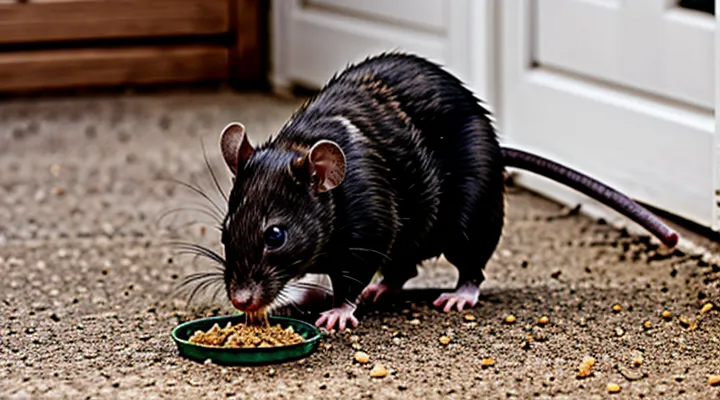
Understanding Rat Nutritional Needs
Essential Nutrients for Rats
Protein Requirements
Rats require protein for tissue maintenance, growth, and reproductive function. Adult individuals thrive on diets containing 14–16 % protein by weight, while juveniles and breeding females benefit from 18–22 % to support rapid development and litter production. Protein intake below these ranges compromises muscle mass and immune competence; excess above 25 % can strain renal function and promote obesity.
- Commercial rodent pellets formulated with 14–20 % protein
- Cooked lean poultry (chicken or turkey breast)
- Hard‑boiled egg, finely chopped
- Low‑fat cottage cheese or plain yogurt
- Soy‑based products such as tofu or tempeh, unseasoned
- Live or dried insects (e.g., mealworms)
Protein sources should be combined with adequate fiber, vitamins, and minerals to ensure balanced nutrition. Monitor body condition regularly; adjust portions if weight gain or loss deviates from target. Replace protein‑rich treats with lower‑calorie options when activity levels are reduced. Consistent provision of appropriate protein levels sustains health and longevity in pet rats.
Carbohydrate Needs
Rats require carbohydrates as a primary energy source, supporting rapid metabolism and activity levels. Digestible carbs supply glucose for brain function and muscle contraction, while excess simple sugars can lead to obesity and dental issues. Balance between complex and simple carbohydrates is essential for maintaining stable blood sugar and preventing gastrointestinal disturbances.
Ideal carbohydrate inclusion consists of:
- Whole grains (e.g., rolled oats, brown rice, barley) – 20–30 % of total caloric intake.
- Legume‑derived starches (e.g., cooked lentils, chickpeas) – 5–10 % of total calories.
- Fresh vegetables with moderate sugar content (e.g., carrots, sweet potatoes) – 5–8 % of calories.
- Limited fruit pieces (e.g., apple, banana) – no more than 2 % of daily calories to avoid excess fructose.
When formulating a rat diet, ensure that carbohydrate sources are low in added sugars and free from preservatives. Monitor body condition regularly; adjust portions if weight gain or loss deviates from the target range. Consistent provision of appropriate carbs promotes optimal growth, reproductive health, and overall vitality.
Fat Intake
Fat provides essential energy for rodents, supports absorption of fat‑soluble vitamins, and contributes to healthy skin and coat. In a balanced rat diet, fats should constitute roughly 5–10 % of total calories. Excessive fat leads to obesity and liver strain; insufficient fat can cause deficiencies in vitamins A, D, E, and K.
Recommended sources include:
- Animal fats: Small amounts of cooked chicken skin or lean meat drippings; high in saturated fatty acids, useful in moderation.
- Plant oils: Olive oil, canola oil, or flaxseed oil; supply mono‑ and polyunsaturated fats, improve coat quality.
- Nuts and seeds: Sunflower seeds, pumpkin seeds, and walnuts; provide omega‑3 and omega‑6 fatty acids, but must be limited to prevent caloric overload.
When adding fats, incorporate no more than one teaspoon of oil per 100 g of dry food, or a handful of seeds per week. Monitor body condition weekly; adjust portions if weight gain exceeds 2 % per month. Regular veterinary checks ensure fat intake aligns with overall health goals.
Vitamins and Minerals
Vitamins and minerals are indispensable components of a balanced rat diet, supporting growth, reproduction, immune competence, and metabolic stability.
Key vitamins
- Vitamin A – regulates vision, epithelial health, and cell differentiation.
- Vitamin D3 – facilitates calcium absorption and bone mineralization.
- Vitamin E – protects cell membranes from oxidative damage.
- Vitamin K – required for normal blood clotting.
- B‑complex (B1, B2, B3, B5, B6, B7, B9, B12) – drive energy metabolism, nerve function, and red blood cell formation.
- Vitamin C – not essential for rats but beneficial as an antioxidant in limited amounts.
Essential minerals
- Calcium – maintains skeletal integrity and nerve transmission.
- Phosphorus – partners with calcium for bone health and energy storage.
- Magnesium – supports enzymatic reactions and muscular function.
- Potassium – balances fluid distribution and nerve impulses.
- Sodium – aids in electrolyte equilibrium; excess should be avoided.
- Iron – crucial for hemoglobin synthesis and oxygen transport.
- Zinc – influences immune response, wound healing, and DNA synthesis.
- Copper – participates in iron metabolism and antioxidant enzymes.
- Selenium – contributes to thyroid hormone regulation and oxidative protection.
Practical sources
- Commercially formulated rodent pellets provide calibrated vitamin‑mineral premixes; select products labeled “complete and balanced.”
- Fresh vegetables (e.g., kale, carrots, broccoli) supply vitamins A, C, K, and trace minerals.
- Small portions of fruits (e.g., berries, apples) add vitamins and antioxidants without excess sugar.
- Calcium‑rich items such as plain yogurt or crushed eggshells address bone requirements.
- Mineral blocks or fortified water additives can correct deficiencies in long‑term breeding colonies.
Balancing considerations
- Monitor dietary ratios, especially calcium to phosphorus (approximately 1:1 to 2:1), to prevent skeletal abnormalities.
- Avoid high‑oxalate foods (e.g., spinach) that interfere with calcium absorption.
- Periodic health checks, including blood panels, verify that vitamin and mineral levels remain within physiological limits.
Incorporating these nutrients through a combination of high‑quality pellets, selective fresh produce, and targeted supplements ensures optimal health outcomes for laboratory and pet rats alike.
Commercial Rat Food Options
Types of Pelleted Diets
Extruded Pellets
Extruded pellets are a commercially produced, uniformly shaped feed formulated specifically for rodents. The manufacturing process forces a mixture of grains, protein sources, fibers, vitamins, and minerals through a high‑temperature die, creating a dense, dry kibble that retains nutritional integrity.
The formulation typically contains 14–20 % protein, 4–6 % fat, 4–5 % crude fiber, and a balanced profile of essential vitamins (A, D, E, K, B‑complex) and minerals (calcium, phosphorus, magnesium). The high fiber content supports gastrointestinal health, while the protein level meets the growth and maintenance requirements of adult and juvenile rats.
Key benefits include:
- Consistent nutrient delivery per gram, eliminating guesswork in portion calculation.
- Minimal selective feeding; rats ingest the entire pellet, reducing food waste.
- Hard texture promotes natural tooth wear, decreasing the risk of malocclusion.
When choosing a pellet product, consider:
- Protein content appropriate for the animal’s life stage (higher for growing or breeding rats).
- Fiber level of at least 4 % to encourage proper digestion.
- Absence of artificial colors, flavors, and unnecessary fillers.
- Certification from a reputable manufacturer with transparent ingredient sourcing.
Feeding guidelines:
- Offer 1 – 2 grams of pellets per 100 grams of body weight daily, divided into two equal meals.
- Introduce new brands gradually over a 5‑day period to monitor tolerance.
- Supplement with fresh vegetables or occasional treats, but keep pellets as the dietary staple.
Store pellets in an airtight container, protected from moisture and direct sunlight. Shelf life typically extends 12 months when kept cool and dry; discard any product that shows clumping, odor, or discoloration.
Block Diets
Block diets are commercially formulated pellets designed to meet the complete nutritional requirements of laboratory and pet rats. Each block contains a precise balance of proteins, fats, carbohydrates, vitamins, and minerals, eliminating the need for supplemental feeding when used exclusively.
Key components of a high‑quality block diet include:
- Protein sources such as soy, casein, or fish meal, providing 14‑18 % of the diet.
- Essential fatty acids from vegetable oils, contributing 4‑6 % of calories.
- Complex carbohydrates from wheat, corn, or barley, supplying the primary energy substrate.
- A vitamin‑mineral premix covering A, D, E, K, B‑complex vitamins, calcium, phosphorus, magnesium, and trace elements like zinc and selenium.
- Fiber additives (e.g., cellulose) to support gastrointestinal health and dental wear.
When selecting a block diet, evaluate:
- Nutrient analysis confirming compliance with recognized rodent standards.
- Absence of artificial colors, flavors, or excessive sugars.
- Shelf‑life stability and packaging that protects against moisture.
Feeding guidelines:
- Offer blocks in a clean cage, ensuring continuous access.
- Replace uneaten portions daily to prevent contamination.
- Monitor body weight weekly; adjust portion size if growth deviates from species‑specific curves.
- Provide fresh water alongside the diet; dehydration can compromise nutrient absorption.
Potential limitations:
- Lack of dietary variety may reduce enrichment; supplement with occasional fresh vegetables or safe treats.
- Some blocks contain soy, which can trigger allergies in sensitive individuals; alternative formulations without soy are available.
Integrating block diets with supplemental foods enhances both nutritional completeness and environmental enrichment, supporting optimal health and behavior in rats.
Choosing a Reputable Brand
Ingredient Quality
High‑quality ingredients determine the nutritional value of a rat’s diet. Fresh, unprocessed components provide the vitamins, minerals, and protein levels required for growth, reproduction, and immune function, while low‑quality items may contain fillers, contaminants, or nutrient loss.
- Source: Choose products labeled as human‑grade or specifically formulated for small rodents; reputable manufacturers disclose origin and testing procedures.
- Freshness: Prefer ingredients with recent production dates and proper storage; avoid stale grains, oxidized fats, or products with visible mold.
- Nutrient density: Verify that protein, fiber, and essential fatty acids meet the species’ requirements; concentrated formulas reduce the need for excessive portions.
- Purity: Ensure the absence of pesticides, heavy metals, and artificial additives; certified organic or NSF‑verified items meet stringent purity standards.
- Consistency: Select foods with uniform particle size and texture to prevent selective eating and ensure each bite delivers the intended nutrient profile.
When evaluating commercial mixes or homemade recipes, compare ingredient lists against these criteria. Prioritize whole‑food components such as quinoa, lentils, and pumpkin over generic cornmeal or soy‑derived fillers. Regularly rotate fresh vegetables and fruits that meet the same quality standards to maintain a balanced diet.
Nutritional Balance
Achieving nutritional balance for pet rats requires precise proportions of macronutrients and a comprehensive supply of micronutrients. Protein should constitute 18‑22 % of the diet, sourced from high‑quality rodent pellets, cooked eggs, or lean meat. Fat must remain limited to 5‑7 % to prevent obesity, with emphasis on unsaturated fats found in seeds and small amounts of vegetable oil. Carbohydrates provide energy; complex sources such as whole grains and oats are preferable to simple sugars.
Vitamins and minerals are indispensable for bone development, immune function, and metabolic processes. A daily intake of calcium and phosphorus in a 1:1 to 1.2:1 ratio supports skeletal health; supplementation with a balanced mineral mix prevents deficiencies. Vitamin C is unnecessary because rats synthesize it endogenously, while vitamins A, D, E, and the B‑complex must be present in the pellet formulation or supplied through fresh vegetables.
Fiber aids gastrointestinal motility and dental wear. Include 2‑4 % crude fiber from leafy greens, carrots, and bran. Fresh water must be available at all times; a minimum of 30 ml per 100 g body weight prevents dehydration.
A practical feeding plan:
- Commercial laboratory‑grade or premium pet pellets as the foundation (80‑85 % of daily intake).
- Fresh vegetables (broccoli, kale, bell pepper) in small portions (10‑15 %).
- Protein treats (hard‑boiled egg, cooked chicken) limited to 5 % of total calories.
- Occasional fruit slices (apple, berries) not exceeding 2 % to avoid excess sugar.
Monitoring body condition and adjusting portions ensures the diet remains within the recommended macronutrient ranges, thereby sustaining optimal health and longevity for rats.
Safe and Healthy Supplemental Foods
Vegetables for Rats
Leafy Greens
Leafy greens provide essential vitamins, minerals, and fiber that support healthy digestion and immune function in pet rats. They should complement, not replace, a balanced diet of grains, proteins, and fortified pellets.
Common leafy greens suitable for rats include:
- Romaine lettuce (moderate calcium, low oxalates)
- Kale (high vitamin C, calcium)
- Spinach (rich in iron, but high oxalates; limit to small portions)
- Swiss chard (source of magnesium and potassium)
- Collard greens (fiber and vitamin K)
- Dandelion leaves (natural diuretic, vitamin A)
Guidelines for feeding leafy greens:
- Wash thoroughly to remove pesticides and soil residues.
- Offer fresh, crisp leaves; discard wilted or discolored portions.
- Limit portions to 1–2 tablespoons per rat per day, adjusting for size and activity level.
- Introduce new greens gradually, observing for signs of digestive upset.
- Rotate varieties to provide a broad spectrum of nutrients and prevent nutrient imbalances.
Safety considerations:
- Avoid iceberg lettuce; it contains negligible nutrients and may cause diarrhea.
- Exclude greens treated with herbicides or chemicals.
- Monitor for excessive calcium intake, especially when offering kale or collard greens, to reduce the risk of urinary stones.
- Remove any wilted or spoiled material promptly to prevent bacterial growth.
Incorporating a measured amount of diverse leafy greens enhances overall nutrition, promotes gut health, and contributes to the vitality of pet rats.
Root Vegetables
Root vegetables constitute a valuable component of a balanced rat diet, supplying carbohydrates, dietary fiber, and a range of micronutrients essential for growth and immune function. Common options include carrots, sweet potatoes, turnips, radishes, beets, and parsnips. Each offers distinct nutritional profiles:
- Carrots – high in beta‑carotene (vitamin A) and moderate fiber; suitable for daily inclusion in limited amounts.
- Sweet potatoes – rich in vitamin C, potassium, and complex carbs; best served cooked to improve digestibility.
- Turnips – provide vitamin C and calcium; raw or lightly steamed pieces are acceptable.
- Radishes – low‑calorie source of vitamin C and antioxidants; serve raw, trimmed of tops.
- Beets – contain folate and iron; offer in small, cooked portions to reduce oxalic acid content.
- Parsnips – supply vitamin K and potassium; present raw or steamed, avoiding excess due to high sugar.
When incorporating root vegetables, observe the following guidelines:
- Wash thoroughly to remove soil and pesticide residues.
- Peel only when the skin is thick or potentially irritating; many varieties are safe with skin intact.
- Cut into bite‑size cubes (approximately ½ cm) to prevent choking.
- Limit total root vegetable intake to 1–2 teaspoons per rat, offered 2–3 times weekly, to avoid excess calories and sugar.
- Cook starchy roots (sweet potatoes, beets, parsnips) lightly—steaming for 5–7 minutes—until tender but not mushy, preserving nutrients while enhancing digestibility.
- Exclude raw white potatoes due to solanine toxicity; do not feed potato peels.
Root vegetables complement protein sources, grains, and fresh greens, creating a diverse menu that meets the dietary needs of pet rats while minimizing the risk of obesity, dental issues, and nutrient imbalances. Regular monitoring of body condition and adjusting portions accordingly ensures optimal health outcomes.
Other Safe Veggies
Rats thrive on a diverse range of vegetables that provide essential vitamins, minerals, and fiber. The following vegetables are widely recognized as safe and nutritious for pet rats when offered in moderation.
- Carrots – rich in beta‑carotene; serve in small, bite‑size pieces.
- Broccoli – high in vitamin C and calcium; give raw florets or lightly steamed.
- Bell peppers – especially red and yellow varieties; supply vitamin A and antioxidants.
- Zucchini – low in calories; slice thinly for easy chewing.
- Spinach – source of iron and folate; limit to a few leaves per week to avoid oxalate buildup.
- Cucumber – high water content; feed peeled or unpeeled, removing seeds.
- Green beans – provide protein and fiber; offer cooked or raw, cut into short sections.
- Peas – contain protein and vitamins; serve fresh or frozen, without added salt.
- Kale – rich in vitamin K; provide sparingly due to calcium oxalate levels.
- Radish greens – nutritious leaf portion; avoid the spicy root.
All vegetables should be washed thoroughly, free of pesticides, and introduced gradually to monitor tolerance. Remove any uneaten portions after a few hours to prevent spoilage. Combining these safe veggies with a balanced staple diet ensures optimal health for pet rats.
Fruits for Rats
Berries
Berries can enrich a rat’s diet with natural sugars, antioxidants, and vitamins. Suitable varieties include blueberries, strawberries, raspberries, and blackberries; each supplies vitamin C, fiber, and phytochemicals that support immune function and digestive health.
- Offer fresh berries in small portions (no more than ¼ cup per week).
- Wash thoroughly to remove pesticides or contaminants.
- Remove stems, leaves, and any moldy sections before serving.
- Provide whole berries rather than pureed forms to encourage chewing and dental wear.
Excessive berry consumption may lead to gastrointestinal upset due to high fructose content. Limit intake to the recommended portion and monitor the animal for loose stools or reduced appetite. Incorporating berries occasionally, alongside a balanced staple diet of grains, proteins, and vegetables, contributes to nutritional variety without displacing essential nutrients.
Pitted Fruits
Pitted fruits can be a valuable addition to a rat’s diet when offered in moderation. The removal of pits eliminates choking hazards and eliminates the risk of cyanogenic compounds found in many stone seeds.
Nutritional contributions include:
- Vitamins: High levels of vitamin C (e.g., in oranges and strawberries) support immune function; vitamin A from apricots aids vision and skin health.
- Fiber: Apples and pears provide soluble and insoluble fiber, promoting gastrointestinal motility.
- Antioxidants: Berries supply polyphenols that help mitigate oxidative stress.
Preparation guidelines:
- Wash fruit thoroughly to remove pesticide residues.
- Remove all pits, seeds, and core sections.
- Cut fruit into bite‑size pieces no larger than ½ cm³.
- Offer a maximum of 1–2 teaspoons per day for a typical adult rat, adjusting for size and activity level.
Potential concerns:
- High sugar content may contribute to weight gain if overfed.
- Certain fruits (e.g., grapes, cherries) retain toxic compounds in their skins or stems; only the flesh should be given after pit removal.
- Excessive acidity from citrus can irritate the oral cavity; limit to occasional treats.
Integrating pitted fruits with a balanced base of commercial rat pellets, fresh vegetables, and occasional protein sources ensures comprehensive nutrition while providing variety and enrichment.
Citrus (in moderation)
Citrus fruits can be included in a rat’s diet, but only in limited quantities. They supply natural sugars, water, and small amounts of vitamin C, which rats can produce internally and therefore do not require as an essential nutrient. The high acidity of citrus may irritate the gastrointestinal tract if offered excessively, and the presence of seeds or peel can pose choking hazards.
Guidelines for safe citrus feeding:
- Offer only a few bite‑size pieces of seedless, peeled fruit per week.
- Choose low‑acid varieties such as orange segments or mandarin wedges; avoid grapefruits and lemons, which are more acidic.
- Monitor the rat for signs of digestive upset, such as loose stools, and discontinue if symptoms appear.
- Provide fresh fruit; discard any that has begun to spoil or dry out.
When used sparingly, citrus adds variety and moisture without compromising overall nutritional balance.
Grains and Legumes
Cooked Pasta and Rice
Cooked pasta and rice serve as carbohydrate sources that can complement a balanced rat diet. Both foods are low in fat and provide energy, but they differ in fiber content, glycemic impact, and nutrient density.
Pasta, when boiled without added salt or sauces, supplies about 25 g of carbohydrates per 100 g, with a modest amount of protein (≈5 g) and minimal fiber. Rice, particularly white varieties, offers similar carbohydrate levels (≈28 g per 100 g) but contains less protein and virtually no fiber. Brown rice adds 3–4 g of fiber and higher mineral content, making it a preferable option for rats that need additional roughage.
Guidelines for safe inclusion:
- Cool the cooked product to room temperature before offering.
- Serve in small portions (5–10 g per serving) to avoid excess caloric intake.
- Mix with a protein source such as boiled egg or lean meat to improve amino acid balance.
- Limit frequency to 2–3 times per week; treat the items as supplementary, not primary, nutrition.
- Avoid sauces, butter, cheese, or seasoning, which introduce sodium, fat, and additives unsuitable for rodents.
- For rats prone to weight gain or diabetes, prioritize brown rice over white rice and limit pasta frequency.
Potential concerns include rapid digestion leading to spikes in blood glucose, especially with white rice, and the risk of mold growth if leftovers are stored improperly. Monitor body condition and adjust portions accordingly.
Integrating cooked pasta or rice with high‑quality pellets, fresh vegetables, and occasional protein treats ensures a varied diet that meets the nutritional requirements of laboratory and pet rats alike.
Whole Grains
Whole grains provide rats with complex carbohydrates, fiber, and essential micronutrients that support energy stability and digestive health. The starches in unprocessed grains digest more slowly than refined alternatives, reducing blood‑sugar spikes and encouraging consistent activity levels.
Common whole‑grain options suitable for rodents include:
- Brown rice, cooked and cooled
- Oats (plain, rolled or steel‑cut), softened with water or broth
- Quinoa, rinsed and cooked
- Barley, hulled and boiled
- Whole‑wheat pasta, cooked al dente
- Millet, sprouted or cooked
When incorporating grains, follow these guidelines:
- Limit total grain portion to 10–15 % of the daily diet by weight; the majority should remain high‑quality protein and fresh vegetables.
- Offer grains in small, bite‑size portions to prevent choking and reduce waste.
- Ensure grains are free of added sugars, salts, or flavorings; plain preparation preserves nutritional value.
- Store dry grains in airtight containers to prevent mold and pest infestation.
- Observe each rat for signs of intolerance, such as loose stools or reduced appetite, and adjust the ration accordingly.
Nutritionally, whole grains contribute B‑vitamins (thiamine, riboflavin, niacin), minerals (magnesium, phosphorus, selenium), and antioxidants that aid cellular repair. Fiber content promotes gut motility and fosters beneficial bacterial colonies, which can improve nutrient absorption.
In a balanced feeding program, whole grains act as a reliable source of sustained energy and dietary fiber, complementing protein‑rich foods and fresh produce to meet the comprehensive nutritional requirements of pet rats.
Cooked Beans
Cooked beans can be a valuable addition to a rat’s diet when prepared correctly. They supply protein, fiber, and essential micronutrients such as iron, potassium, and folate, which support growth and metabolic functions.
When offering beans, follow these guidelines:
- Use only plain, unsalted beans that have been boiled until soft; raw or undercooked beans contain lectins that are toxic to rodents.
- Rinse thoroughly after cooking to remove any residual cooking water that may contain sodium or additives.
- Limit portions to 1–2 teaspoons per 100 g of body weight, serving them 2–3 times per week to avoid excess carbohydrates and gas production.
- Mix beans with a balanced staple (e.g., high‑quality rodent pellets) to ensure a complete nutrient profile.
Potential drawbacks include:
- High fiber content may cause digestive upset if introduced abruptly.
- Certain varieties (e.g., red kidney beans) retain higher levels of toxic compounds even after cooking; avoid them unless a certified low‑toxin preparation method is used.
- Beans lack sufficient calcium and vitamin D; supplement these nutrients through fortified foods or a commercial rat supplement.
In summary, properly cooked, plain beans provide protein and vitamins that complement a rat’s primary diet, but they must be introduced gradually, served in controlled amounts, and combined with other nutrient sources to maintain overall health.
Occasional Treats and Protein Sources
Small Amounts of Cooked Meat
Cooked meat provides a concentrated source of protein, essential amino acids, and readily digestible fats for pet rats. When offered in moderation, it complements a grain‑based staple diet and supports muscle development and overall vitality.
Ideal serving size ranges from one‑quarter to one‑half of a teaspoon per adult rat, delivered no more than two to three times per week. Meat must be fully cooked, unseasoned, and free of bones, skin, or visible fat. Cool the portion to room temperature before presenting it on a clean dish to prevent burns. Remove any uneaten meat after 30 minutes to avoid spoilage.
- Chicken breast, plain, boiled or baked
- Turkey, skinless, cooked through
- Lean beef, grilled without seasoning
- Rabbit, stewed or roasted, no additives
Avoid processed meats, cured products, and any preparation that includes salt, garlic, onions, or spices, as these ingredients can be toxic to rats. Regularly monitor weight and health indicators; adjust frequency if the rat shows signs of excess weight or digestive upset.
Boiled Eggs
Boiled eggs provide high‑quality protein and essential nutrients that support growth and tissue repair in rats. A single large egg contains approximately 6 g of protein, 5 g of fat, and a range of vitamins (A, D, E, B‑complex) and minerals (iron, selenium, zinc). These components complement a grain‑based base diet by supplying amino acids and fat‑soluble vitamins that are otherwise limited.
When offering boiled eggs, follow these guidelines:
- Portion size: Limit to ¼ of a hard‑boiled egg per 100 g of body weight, divided into two feedings per week. Excess protein can strain the kidneys.
- Preparation: Cool the egg completely, remove the shell, and cut the flesh into bite‑size pieces to prevent choking.
- Frequency: Introduce as an occasional treat, not a daily staple, to maintain a balanced nutrient profile.
- Safety: Use only fresh, properly stored eggs; discard any with cracks, discoloration, or off odors to avoid salmonella contamination.
- Integration: Combine egg pieces with a small amount of standard pellet or fresh vegetables to encourage acceptance and provide fiber.
Boiled eggs should complement, not replace, a diverse diet that includes commercial rat pellets, fresh greens, whole grains, and occasional fruits. Regular monitoring of body condition and stool quality will indicate whether the supplement is well tolerated. Adjust portions if weight gain, digestive upset, or changes in activity level occur.
Yogurt Drops (sugar-free)
Yogurt drops without added sugar provide a concentrated source of protein, calcium, and beneficial bacteria. The high protein content supports muscle maintenance, while calcium contributes to skeletal health. Probiotic cultures aid digestive balance, which can improve nutrient absorption in rats.
When offered as a treat, limit the portion to no more than one to two small drops per day for an adult rat weighing 300‑350 g. This amount supplies approximately 0.5 g of protein and 20 mg of calcium, fitting within daily nutritional requirements without displacing essential staples such as a high‑quality grain‑based diet.
Key considerations for safe use:
- Verify the product contains no artificial sweeteners; some sugar substitutes can be toxic to rodents.
- Ensure the yogurt is plain, without fruit pieces or flavorings that may introduce unwanted sugars or additives.
- Store unopened containers in a refrigerator at 4 °C; once opened, consume within five days and keep tightly sealed to prevent contamination.
- Observe the rat for any signs of intolerance, such as diarrhea or reduced appetite, and discontinue if symptoms appear.
Incorporate yogurt drops as an occasional enrichment item rather than a primary food source. Pair with a small amount of fresh vegetables or a chewable object to encourage natural foraging behavior while delivering the nutritional benefits of the dairy treat.
Foods to Avoid
Toxic Foods for Rats
Chocolate
Chocolate is unsuitable for rat diets because it contains theobromine, a stimulant that rats cannot metabolize efficiently. Theobromine toxicity varies with chocolate type:
- Dark chocolate: approximately 5 mg of theobromine per gram.
- Milk chocolate: about 2 mg per gram.
- White chocolate: negligible theobromine but high sugar and fat content.
Even small quantities can cause vomiting, diarrhea, rapid heartbeat, and seizures. Laboratory studies show lethal doses for rats range from 100 mg to 200 mg of theobromine per kilogram of body weight. Consequently, any amount of chocolate poses a health risk and should be excluded from regular feeding regimens.
If a rat accidentally ingests chocolate, immediate veterinary assessment is required. Treatment may involve induced vomiting, activated charcoal, and supportive care to stabilize cardiovascular function.
Alternative treats that align with optimal nutrition include small pieces of fresh fruit, unsalted nuts, or commercially formulated rodent treats. These options provide palatable variety without the toxic compounds present in chocolate.
Avocado
Avocado is occasionally offered to laboratory and pet rats as a supplemental food item. Its composition includes monounsaturated fats, vitamin E, vitamin C, potassium, and dietary fiber. These nutrients can contribute to coat condition, energy supply, and digestive health when provided in limited quantities.
High fat content poses a risk of excessive calorie intake, potentially leading to obesity or hepatic lipidosis. Avocado also contains persin, a compound toxic to many mammals; the toxin is concentrated in the skin and pit, which must be removed before any exposure to rats.
Safe inclusion requires strict portion control and monitoring. Recommended practice:
- Remove skin and pit completely.
- Offer no more than ½ gram of flesh per rat per week.
- Present as a single, bite‑size piece, not mixed with regular feed.
- Observe the animal for signs of digestive upset or weight gain; discontinue if adverse reactions appear.
When used sparingly and prepared correctly, avocado can serve as an occasional treat that adds variety to a rat’s diet without compromising overall nutritional balance.
Raw Sweet Potato
Raw sweet potato offers a dense source of carbohydrates, fiber, and micronutrients that complement a balanced rat diet. Its natural sweetness provides energy, while the fiber supports digestive health.
- Beta‑carotene (precursor to vitamin A)
- Vitamin C
- Potassium
- Manganese
- Dietary fiber
When offering raw sweet potato, wash thoroughly, remove any bruised spots, and cut into bite‑sized cubes no larger than ¼ inch. Serve in moderation; a single cube per day satisfies most adult rats without excess sugar. Fresh pieces should be removed after 24 hours to prevent spoilage.
Potential concerns include high sugar content, which can contribute to obesity if overfed, and natural oxalates that may affect calcium absorption. Introduce gradually, monitor for digestive upset, and avoid feeding to rats with known kidney issues.
Green Potato Skin
Green potato skin contains fiber, potassium, vitamin C, and a modest amount of protein, making it a potential supplement for a balanced rat diet. The skin also holds solanine, a glycoalkaloid that becomes concentrated when the potato turns green; elevated solanine levels can cause gastrointestinal irritation and neurological symptoms in rodents.
To use green potato skin safely, follow these guidelines:
- Verify that the skin is only lightly green; heavy greening indicates high solanine content and should be discarded.
- Wash the skin thoroughly to remove soil and pesticide residues.
- Cook the skin by steaming or boiling for at least five minutes; heat reduces solanine concentration.
- Offer a small portion (no more than 5 % of the total daily food volume) as an occasional treat, not a staple.
When incorporated correctly, green potato skin can add dietary variety without compromising health. Excessive or uncooked portions should be avoided to prevent toxicity.
Unhealthy and Processed Foods
High Sugar Snacks
High‑sugar treats should be considered occasional indulgences rather than diet staples for laboratory or pet rats. Excessive simple carbohydrates can cause rapid spikes in blood glucose, promote obesity, and increase the risk of dental decay. Rats process sugars less efficiently than proteins and complex carbs, so frequent consumption undermines balanced nutrition and may lead to metabolic disorders.
When offering sugary items, follow these guidelines:
- Limit portions to no more than one teaspoon per week for an adult rat.
- Choose natural sources such as small pieces of fresh fruit (apple, banana, berries) rather than processed sweets.
- Avoid candy, chocolate, sugary cereals, and flavored yogurts, which contain additives and high fructose content.
- Monitor weight and behavior after each treat; any sudden increase in lethargy or weight warrants removal of the snack.
In a well‑structured diet, the majority of calories should derive from high‑quality protein, whole grains, and fresh vegetables. Controlled, low‑frequency sugar exposure can provide enrichment without compromising health.
High Salt Foods
High‑salt foods contain sodium levels far above those found in a balanced rat diet. Excess sodium disrupts fluid balance, raises blood pressure, and can damage kidneys and heart tissue in rodents.
Rats consuming too much salt may exhibit excessive thirst, weight loss, lethargy, and, in severe cases, seizures. Chronic exposure shortens lifespan and predisposes animals to cardiovascular disease.
Research indicates that a healthy adult rat should ingest no more than 0.2 % sodium by weight, roughly 2 mg of sodium per gram of feed. Commercial rodent chow typically meets this limit; supplemental treats must be evaluated against the same benchmark.
Common high‑salt items to exclude:
- Processed meats (e.g., bacon, ham, sausage)
- Snack chips and salted crackers
- Pickled vegetables and olives
- Cheese with added salt
- Commercial pet treats labeled “savory” or “flavor‑enhanced”
When offering occasional treats, choose low‑sodium options such as fresh vegetables, unsalted nuts (in moderation), or plain whole‑grain cereals. If a high‑salt ingredient is unavoidable, dilute it with water‑rich foods to reduce overall sodium concentration.
Monitoring daily intake and keeping treats under 5 % of total calories ensures rats receive adequate nutrition without the hazards of excess salt.
Fried Foods
Fried foods are high‑fat, high‑calorie items that lack the balanced nutrients rats need for growth, reproduction and immune function. The cooking process adds saturated and trans fats, while stripping away moisture and fiber, resulting in a product that is difficult for a rodent’s digestive system to process.
Excessive fat intake leads to obesity, hepatic lipidosis, and cardiovascular strain. Salt and seasoning commonly applied to fried foods increase the risk of hypertension and electrolyte imbalance. Acrylamide, formed when starchy foods are fried at high temperatures, is a known neurotoxin and carcinogen in many species, including rodents.
Key concerns include:
- Rapid weight gain and associated metabolic disorders
- Elevated blood pressure from added sodium
- Gastrointestinal upset, such as diarrhea or constipation
- Potential toxicity from acrylamide and other heat‑generated compounds
- Reduced appetite for nutritionally complete pellets and fresh produce
For optimal health, provide a diet composed of laboratory‑grade rodent pellets, fresh vegetables, limited fruit, and occasional protein sources such as cooked eggs or lean meat. Fried items should be excluded entirely from regular feeding regimes. If a rat accidentally consumes a small piece, monitor for digestive distress and adjust the diet to reinforce balanced nutrition.
Hydration: The Importance of Water
Water Bottle vs. Bowl
Providing fresh water is as essential as food for healthy rats. Two common delivery methods are hanging water bottles and open bowls; each presents distinct advantages and drawbacks that affect hydration, cage cleanliness, and monitoring.
- Hanging bottles deliver water through a sealed spout, reducing spill and limiting bacterial growth. The design prevents rodents from contaminating the supply with bedding or droppings. Regular inspection of the bottle tip ensures no blockage and confirms that the animal can access the flow.
- Bowls allow unrestricted drinking, which can benefit very young or disabled rats that struggle with the bottle’s nozzle. However, an open surface invites bedding, food particles, and urine, creating a breeding ground for microbes. Frequent cleaning is required to maintain hygiene.
When choosing a system, consider the following factors:
- Leak control – Bottles contain liquid within a sealed reservoir; bowls expose water to the cage environment.
- Intake tracking – Bottles enable visual assessment of consumption by observing water level changes; bowls require weighing or measuring before and after refills.
- Space constraints – Bottles occupy vertical space and can be positioned on the cage side; bowls sit on the floor, potentially obstructing tunnels or toys.
- Animal preference – Some rats develop a habit of drinking from bottles, while others favor the open surface of a bowl.
For most adult rats, a high‑quality bottle with a stainless‑steel spout offers reliable hydration, minimal mess, and easy monitoring. Supplementary bowls may be introduced during weaning, illness, or when a rat exhibits difficulty using the bottle. Regardless of the chosen method, replace water daily, sanitize the delivery device weekly, and inspect for cracks or wear to prevent contamination.
Ensuring Constant Access to Fresh Water
Providing rats with uninterrupted fresh water is a non‑negotiable element of a balanced diet. Water supports digestion, kidney function, and overall metabolism; without it, even the most carefully selected foods lose effectiveness.
Maintain a clean water source at all times. Replace the water daily, or more frequently if it becomes dirty or cloudy. Use bottles with stainless‑steel or BPA‑free plastic tubing to prevent bacterial growth. Inspect the spout for cracks and ensure a tight seal; a leaking bottle encourages contamination and reduces intake.
Position the water container where rats can reach it easily. Avoid locations exposed to direct sunlight or drafts, which accelerate evaporation and promote bacterial proliferation. If multiple cages share a water source, provide separate bottles to prevent dominance disputes.
Monitor consumption patterns. A sudden decrease may indicate illness, a blocked spout, or unpalatable water temperature. Keep a log of daily intake to detect subtle changes early.
Key practices:
- Daily water change; twice daily in warm environments.
- Use sealed, chew‑resistant bottles.
- Clean bottles with mild detergent and rinse thoroughly before each refill.
- Place bottles at cage height that matches rat reach.
- Record consumption and inspect for debris or biofilm.
Consistent access to fresh water, coupled with regular monitoring, ensures that nutritional plans achieve their intended health outcomes.
Special Dietary Considerations
Pregnant or Nursing Rats
Pregnant and nursing rats require higher levels of protein, calories, calcium, and essential fatty acids to support fetal development and milk production. Their diet should be dense, balanced, and free from contaminants.
- Protein sources: high‑quality rodent pellets (≥20 % protein), cooked egg whites, plain boiled chicken, low‑fat cottage cheese.
- Calcium: powdered calcium supplement (e.g., calcium carbonate), unflavored yogurt, finely ground bone meal.
- Fatty acids: small amounts of fish oil or flaxseed oil, mixed into wet food.
- Vitamins and minerals: multivitamin powder formulated for rodents, especially vitamin E and B‑complex.
Supplementary foods that enhance nutrient intake:
- Soft vegetables: finely chopped spinach, kale, and broccoli (rich in folate and vitamin C).
- Fruits: diced apple or banana (provide quick energy, limited to 10 % of total intake).
- Whole grains: cooked oatmeal or brown rice (additional carbohydrates and fiber).
Feeding schedule should include multiple small meals throughout the day to maintain steady energy levels. Wet food or soaked pellets can improve digestibility during late gestation and lactation.
Avoid excessive treats, high‑sugar items, and raw beans, which contain antinutrients. Monitor body condition; rapid weight gain may indicate overfeeding, while weight loss suggests inadequate nutrition and requires adjustment.
Young Rats (Pups)
Young rats require a diet that supports rapid growth, tissue development, and immune function. Adequate protein (18‑20 % of calories), essential fatty acids, calcium, phosphorus, and vitamins A, D, and E are critical during the first six weeks of life.
A balanced regimen combines a specialized pup formula with high‑quality laboratory chow. The formula supplies nutrients in a digestible liquid form for pre‑weaning pups, while the chow introduces solid food and fiber as the animals mature. Both components should be fresh, free of mold, and stored in airtight containers.
- Commercial rodent pup formula: feed 2–3 ml per pup every 4 hours until they can consume solid food.
- High‑protein laboratory chow (≥20 % protein): offer a small portion (≈1 g) daily after weaning, increasing to 3–5 g by four weeks of age.
- Soft vegetables (e.g., finely shredded carrots, cooked sweet potato): provide 0.5 g per pup twice daily for vitamins and fiber.
- Hard‑boiled egg yolk: supply 0.2 g per pup once a week for additional calcium and vitamin D.
- Plain, unsalted boiled chicken breast: offer 0.5 g per pup twice weekly for extra protein and amino acids.
Weaning should begin at 3–4 weeks, gradually replacing formula with solid chow. Monitor body weight daily; a steady increase of 2–3 g per week indicates satisfactory nutrition. Adjust portions if growth stalls or if excess weight accumulates.
Avoid foods that cause gastrointestinal distress or toxicity: raw beans, citrus fruits, chocolate, caffeine, and high‑salt snacks. Ensure water is always available, clean, and changed daily.
Senior Rats
Senior rats require diets that address reduced metabolism, dental wear, and a higher risk of age‑related diseases. Protein should remain a staple, but sources with easy‑to‑digest amino acids—such as cooked chicken, boiled eggs, and low‑fat cottage cheese—are preferable. Fat intake must be moderated; include small amounts of omega‑3‑rich oils (e.g., flaxseed or fish oil) to support joint health without promoting obesity.
Fiber becomes critical for gastrointestinal motility. Offer fresh, soft vegetables like cooked carrots, steamed broccoli, and peeled cucumber. Whole‑grain options such as oatmeal or brown rice provide additional bulk and help maintain stable blood sugar levels. Limit raw, hard vegetables that could strain worn incisors.
Vitamins and minerals decline in bioavailability with age. Supplementation should focus on:
- Vitamin C (fresh fruit puree or a calibrated supplement) to aid immune function.
- Calcium and phosphorus in a 1:1 ratio to preserve bone density; fortified pellets or a calcium carbonate powder can be used.
- B‑complex vitamins to support energy metabolism; a balanced multivitamin formulated for rodents is suitable.
Hydration is essential; senior rats often drink less. Provide fresh water daily, consider a shallow dish to reduce strain, and supplement with moisture‑rich foods such as watermelon or unsweetened applesauce.
Treats must be low‑calorie and soft. Options include:
- Small pieces of banana.
- Unsweetened yogurt (plain, low‑fat).
- Commercial senior‑rat treats labeled “low‑fat” and “high‑fiber”.
Monitor body condition regularly. Adjust portion sizes to maintain a lean physique, and consult a veterinarian if weight loss or gain exceeds 5 % within two weeks. Consistent, balanced nutrition extends lifespan and improves quality of life for aging rats.
Rats with Health Issues
Rats suffering from medical conditions require dietary adjustments that address the underlying pathology while maintaining overall nutritional balance.
For obese rats, reduce calorie density by limiting high‑fat treats and increasing fiber content. Offer measured portions of fresh vegetables such as broccoli, kale, and carrots, complemented by a low‑fat commercial pellet formulated for weight control. Monitor body condition weekly and adjust portions accordingly.
Rats with dental problems benefit from foods that promote enamel health and reduce wear. Provide calcium‑rich items like plain yogurt, low‑fat cheese, and fortified pellets containing calcium phosphate. Include soft, moist foods—steamed sweet potato or pureed pumpkin—to ease chewing without compromising nutrient intake.
Respiratory‑illness rats often experience reduced appetite. Offer highly palatable, nutrient‑dense options such as boiled egg whites, cooked chicken breast, and commercial gel diets designed for easy ingestion. Ensure the diet is low in sodium and free of allergens that could exacerbate inflammation.
Gastrointestinal disturbances demand easily digestible proteins and prebiotic fibers. Use boiled lean meats, plain oatmeal, and small amounts of probiotic‑enhanced yogurt. Avoid raw beans, high‑sugar fruits, and sudden dietary changes that can trigger dysbiosis.
General guidelines for all compromised rats:
- Maintain constant access to fresh water; consider electrolyte‑balanced solutions for dehydration risk.
- Provide a consistent feeding schedule to reduce stress and stabilize metabolic processes.
- Rotate fresh vegetables weekly to supply a broad spectrum of vitamins and minerals while preventing nutrient deficiencies.
- Consult a veterinarian before introducing supplements such as vitamin D, B‑complex, or omega‑3 fatty acids, as dosages must reflect the specific health condition.