
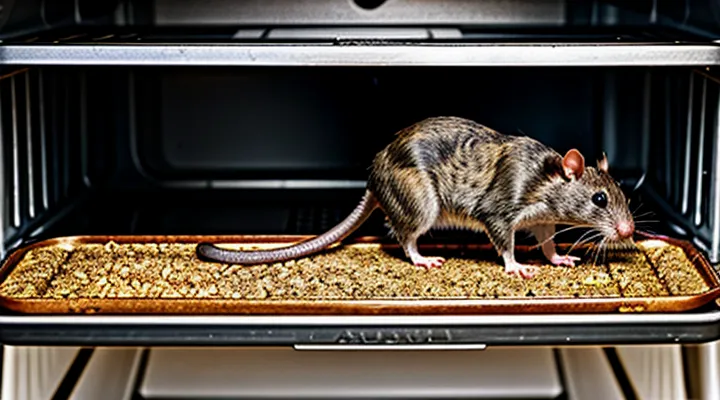
Emergency Rat Food: What to Do When the Main Food Runs Out
Understanding Rat Nutritional Needs
Essential Macronutrients for Rats
Rats require a balanced intake of three macronutrients to maintain growth, reproduction, and immune function. When the regular pellet supply is exhausted, substitute foods must deliver comparable amounts of protein, fat, and carbohydrate.
Protein supplies amino acids for tissue repair and enzyme synthesis. Viable alternatives include cooked chicken breast, boiled eggs, low‑fat cottage cheese, and soy‑based products such as tofu. Aim for 18–20 % of the total diet by weight.
Fat provides essential fatty acids and serves as a dense energy source. Acceptable options are small quantities of unsalted nuts (almonds, peanuts), seeds (sunflower, pumpkin), and a drizzle of vegetable oil (olive or canola). Keep fat contribution below 5 % of the diet to avoid obesity.
Carbohydrate fuels daily activity and supports gut health. Suitable sources are cooked oatmeal, whole‑grain rice, plain whole‑wheat bread, and fresh fruits such as apple or banana in limited portions. Ensure carbohydrates represent 45–55 % of the dietary mix.
A practical composition for an emergency ration might be:
- 50 % protein source (e.g., boiled egg, shredded chicken)
- 10 % fat source (e.g., crushed nuts, seed mix)
- 40 % carbohydrate source (e.g., cooked oatmeal, rice)
Supplement with a multivitamin powder designed for rodents to cover micronutrient gaps. Provide fresh water at all times and monitor body condition daily to adjust portions accordingly.
Vitamins and Minerals Critical for Rat Health
When the primary ration for a pet rat is depleted, the immediate concern is maintaining adequate intake of essential micronutrients. Deficiencies develop rapidly because rats have high metabolic rates and limited body stores of many vitamins and minerals.
- Vitamin A – supports vision, skin integrity, and immune function; sources include cooked carrots, sweet potatoes, and fortified lab blocks.
- Vitamin D3 – regulates calcium absorption and bone health; small amounts of fortified milk or exposure to safe sunlight provide sufficient levels.
- Vitamin E – acts as an antioxidant; available in sunflower seeds, wheat germ, and commercial rodent supplements.
- Vitamin C – rats synthesize this vitamin, but stress or illness can increase demand; fresh bell peppers and broccoli supply additional amounts.
- B‑complex vitamins – essential for energy metabolism; whole grains, eggs, and meat scraps contain B1, B2, B6, and B12.
- Calcium – critical for skeletal development and neuromuscular activity; dairy products, plain yogurt, and calcium‑fortified plant milks are reliable options.
- Phosphorus – works with calcium to maintain bone structure; found in meat, fish, and eggs.
- Magnesium – involved in enzyme function and nerve transmission; nuts, seeds, and leafy greens provide adequate quantities.
- Iron – necessary for hemoglobin formation; lean meat, liver, and cooked lentils are suitable sources.
- Zinc – supports immune response and wound healing; present in meat, shellfish, and pumpkin seeds.
Supplemental rodent multivitamin powders or tablets can fill gaps when whole‑food options are limited. Provide fresh water, limit high‑fat treats, and rotate protein sources to prevent imbalances. Monitoring weight and coat condition helps detect deficiencies early, allowing prompt dietary adjustments.
Safe and Unsafe Emergency Food Options
Safe Human Foods for Temporary Rat Feeding
Grains and Cereals (Cooked)
When a rat’s regular food supply runs out, cooked grains and cereals can fill the nutritional gap. These items supply carbohydrates for energy, modest protein, and essential B‑vitamins. The heat‑treatment reduces anti‑nutritional factors such as phytic acid and improves digestibility.
Suitable options include:
- White rice, cooked plain, cooled to room temperature.
- Brown rice, cooked thoroughly, rinsed to remove excess starch.
- Oatmeal, prepared with water only, without added sugar or salt.
- Barley, boiled until soft, drained well.
- Quinoa, rinsed and cooked without oil or seasoning.
Preparation guidelines:
- Use only water; avoid butter, oil, salt, or seasoning.
- Cook until soft, then allow to cool completely before offering.
- Serve in small quantities—approximately one tablespoon per 100 g of body weight per day.
- Observe the rat for any signs of digestive upset; discontinue if diarrhea or bloating occurs.
Storage recommendations:
- Store uncooked grains in airtight containers in a cool, dry place.
- Refrigerate cooked portions in sealed containers for up to three days; discard leftovers after this period.
Nutritional balance considerations:
- Complement cooked grains with a protein source such as boiled egg white or a small amount of lean meat to meet the rat’s amino‑acid requirements.
- Provide fresh vegetables or a commercial vitamin supplement to cover micronutrient needs not supplied by grains alone.
By adhering to these preparation and feeding protocols, cooked grains and cereals become a reliable temporary component of a rat’s diet during shortages of its primary food.
Vegetables (Fresh and Cooked)
When the staple feed is exhausted, vegetables provide essential nutrients and variety for a pet rat. Fresh vegetables deliver moisture, vitamins, and fiber; cooked vegetables increase digestibility and reduce tough fibers.
- Carrots, bell peppers, broccoli florets, cucumber, and leafy greens such as kale or romaine.
- Zucchini, sweet potato, pumpkin, and green beans, lightly steamed or boiled without seasoning.
- Avoid raw cruciferous vegetables in large quantities; they can cause gas.
Preparation guidelines
- Wash all produce thoroughly to remove pesticides.
- Trim tough stems and remove seeds that may be harmful.
- Serve fresh items in bite‑size pieces; replace uneaten portions within a few hours to prevent spoilage.
- Cooked vegetables should be boiled or steamed until soft, then cooled to room temperature before offering.
Recommended portions
- Fresh vegetables: up to 10 % of the rat’s daily intake, roughly one tablespoon per 100 g of body weight.
- Cooked vegetables: no more than 5 % of daily intake, similar measurement as fresh.
Precautions
- Introduce new vegetables gradually, monitoring for digestive upset.
- Exclude toxic foods such as raw onions, garlic, and rhubarb leaves.
- Ensure a balanced diet by supplementing vegetables with protein sources and a small amount of whole‑grain pellets.
Fruits (In Moderation)
Fruits can serve as a temporary supplement when a rat’s regular chow is unavailable, but they must be offered sparingly.
Rats tolerate only a small proportion of their daily calories from fruit because the natural sugars can disrupt gut flora and lead to obesity if over‑consumed. A safe limit is approximately 10 % of total intake, which translates to one to two small pieces (about ½ – 1 cm) per day for an adult laboratory‑size rat.
Suitable fruits include:
- Apple (core and seeds removed)
- Blueberries
- Strawberries (hull removed)
- Pear (seedless)
- Kiwi (skin removed)
- Melon (cantaloupe, honeydew)
Fruits to avoid entirely:
- Grapes and raisins (risk of renal failure)
- Citrus (high acidity, possible digestive upset)
- Tropical fruits with high fructose content (e.g., mango, pineapple) in large amounts
Preparation guidelines:
- Wash thoroughly to eliminate pesticide residues.
- Remove pits, seeds, and stems that may contain toxic compounds.
- Cut into uniform, bite‑size pieces to prevent choking.
- Offer only a fresh portion; discard leftovers after 30 minutes to avoid bacterial growth.
Monitor the rat for signs of loose stools or decreased appetite after fruit introduction. If adverse effects appear, discontinue the fruit and revert to the standard diet as soon as it becomes available.
Protein Sources (Cooked)
When a pet rat’s staple feed is unavailable, immediate substitution with safe, cooked protein prevents nutritional gaps. Cooked proteins retain essential amino acids while eliminating pathogens that raw meat may carry. Serve only plain preparations; avoid seasonings, oils, or sauces that could irritate the digestive system.
Suitable cooked protein options include:
- Boiled chicken breast, skin removed, cut into ¼‑inch cubes.
- Hard‑boiled egg, chopped, with yolk and white combined.
- Lean ground turkey, cooked thoroughly, no added salt.
- Low‑fat cottage cheese, warmed slightly to a lukewarm temperature.
- Plain, cooked fish such as whitebait or cod, deboned and flaked.
Portion sizes should match the rat’s body weight: roughly 1 g of protein per 10 g of body mass per day. Overfeeding can cause obesity and kidney strain; monitor weight and adjust quantities accordingly. Introduce any new protein gradually, observing for signs of digestive upset or allergic reaction. Rotate between sources to provide a broader amino‑acid profile and prevent monotony.
Dairy and Other Small Treats
When the primary ration is depleted, small dairy portions can temporarily supplement a rat’s diet. Plain yogurt, cottage cheese, and low‑fat milk provide calcium, protein, and probiotics, but should be limited to ½ teaspoon per day to prevent lactose intolerance and excess fat. Offer these items fresh, at room temperature, and discard any leftovers after a few hours to avoid spoilage.
Other miniature treats can bridge nutritional gaps without compromising health. Suitable options include:
- Cooked, unseasoned egg (¼ hard‑boiled egg, chopped)
- Small pieces of lean cooked chicken or turkey (no skin, no bones)
- Unsweetened applesauce (½ teaspoon)
- Fresh fruit bites such as banana or blueberries (¼ teaspoon)
- Tiny amounts of commercial rodent treats formulated with balanced nutrients (follow package guidelines)
When selecting treats, prioritize low‑sugar, low‑salt, and non‑processed foods. Avoid cheese varieties high in fat, flavored yogurts, and any product containing artificial sweeteners, as these can cause digestive upset or toxicity. Introduce each new item gradually, monitoring for signs of diarrhea, vomiting, or changes in behavior. Replace the regular pellet or mash as soon as possible to maintain a stable nutrient profile.
Foods to Strictly Avoid
Toxic Foods for Rats
When the staple diet is depleted, owners often turn to household foods, but many everyday items are lethal to rats.
- Chocolate, especially dark varieties: contains theobromine, which damages the heart and nervous system.
- Caffeine‑containing products (coffee, tea, energy drinks): stimulate the heart, can cause seizures.
- Alcohol: depresses the central nervous system, leads to respiratory failure.
- Raw or undercooked beans (especially kidney beans): contain phytohemagglutinin, a potent toxin.
- Avocado flesh and pit: high in persin, which can cause respiratory distress.
- Citrus peels and seeds: essential oils irritate the gastrointestinal tract.
- Onions, garlic, leeks, chives: sulfur compounds cause hemolytic anemia.
- Processed meats with nitrates or high salt: induce kidney damage and hypertension.
- Artificial sweeteners, particularly xylitol: trigger rapid insulin release, leading to hypoglycemia.
- Moldy or spoiled food: mycotoxins impair liver function.
Avoid these items entirely. Substitute with fresh vegetables, fruits, whole‑grain cereals, and commercially formulated rat pellets. Always verify ingredients before offering new foods. If accidental ingestion occurs, seek veterinary assistance immediately.
High-Fat, High-Sugar, and Salty Foods
When a pet rat’s staple ration is exhausted, owners sometimes consider high‑fat, high‑sugar, or salty items as interim supplements. These foods can provide quick calories but carry distinct health risks if used indiscriminately.
High‑fat options such as small pieces of plain cooked chicken, boiled egg yolk, or a thin slice of low‑fat cheese deliver dense energy. Limit each serving to no more than 0.5 g of fat per 100 g of body weight and monitor for digestive upset. Avoid processed meats that contain additives or excess sodium.
High‑sugar sources include fresh fruit (e.g., apple slices, berries) and plain unsweetened yogurt. Fruit should be offered in bite‑size portions, with skins removed when appropriate, and limited to two to three teaspoons per day to prevent hyperglycemia. Yogurt must be plain, low‑fat, and free of artificial sweeteners.
Salty foods are rarely appropriate for rodents. A pinch of unsalted popcorn or a tiny amount of plain pretzel can temporarily satisfy a craving for crunch, but total sodium intake should remain below 0.2 % of the rat’s daily diet. Regularly check for signs of dehydration or swelling.
In emergencies, the safest approach combines a modest amount of each category with a balanced grain or pellet substitute. Replace the temporary mix with a proper rodent formulation as soon as possible to maintain long‑term health.
Raw or Undercooked Foods
When the regular pellet supply is exhausted, raw or lightly cooked items can temporarily supplement a rat’s diet. These foods must be fresh, free of contaminants, and offered in small, controlled portions to avoid digestive upset.
Safe raw options include:
- Unseasoned, lean chicken breast, diced and served chilled.
- Fresh, washed cucumber slices, skin removed.
- Small pieces of raw apple, core and seeds removed.
- Thin strips of raw carrot, peeled.
Undercooked alternatives, prepared by brief steaming or microwaving until just tender, provide easier digestion while retaining nutrients:
- Soft‑cooked sweet potato, mashed without added salt.
- Lightly boiled green beans, cut into bite‑size pieces.
- Warmed scrambled egg, plain and fully set but not dry.
Risk factors demand attention. Raw meat may harbor Salmonella or E. coli; only use meat from reputable sources and discard leftovers after 24 hours. Raw vegetables contain natural toxins in certain varieties; avoid nightshades, raw beans, and cruciferous greens in large amounts. Undercooked foods should never be seasoned, fried, or contain oils, as rats cannot metabolize these fats efficiently.
In practice, introduce any new raw or undercooked item gradually, monitor for signs of diarrhea or refusal, and revert to the standard diet as soon as it becomes available. Limit supplemental portions to no more than 10 % of the rat’s daily caloric intake to maintain nutritional balance.
Preparing and Serving Emergency Meals
Food Preparation Guidelines
Washing and Chopping
When the regular supply of rat pellets is depleted, fresh foods become essential. Proper preparation reduces contamination risk and ensures the animal can consume the offering safely.
Begin by selecting items that are low in sugar, salt, and fat. Suitable categories include raw vegetables (carrots, broccoli, kale), fruit (apple slices, berries), and lean protein (cooked chicken breast, boiled egg). Avoid processed snacks and foods with additives.
Preparation protocol
- Rinse each piece under cool running water. Use a clean brush for produce with thick skins to dislodge soil.
- Inspect for bruises, mold, or insect damage; discard compromised sections.
- Pat dry with a paper towel or clean cloth to remove excess moisture.
- Cut into uniform cubes or strips no larger than ½ inch. Small pieces prevent choking and allow the rat to handle the food comfortably.
- For protein sources, ensure thorough cooking to an internal temperature of 165 °F (74 °C). Cool before chopping.
- Store prepared portions in airtight containers in the refrigerator for up to 48 hours. Discard any leftovers after this period.
By adhering to these washing and chopping steps, caregivers provide a hygienic, nutritionally appropriate supplement that supports the rat’s health until the primary diet is restored.
Cooking Methods
When the primary grain or pellet supply is depleted, prepare substitute meals using cooking techniques that preserve nutrients and eliminate pathogens.
- Boiling: Submerge finely chopped vegetables, lean protein, or cooked legumes in water for 3–5 minutes. Drain thoroughly; excess moisture can cause digestive upset.
- Steaming: Place small pieces of sweet potato, carrots, or broccoli above simmering water for 4–6 minutes. Steaming retains vitamins better than boiling and reduces the risk of nutrient loss.
- Baking: Spread diced lean meat, tofu, or whole‑grain pasta on a low‑temperature tray (150 °C/300 °F) for 10–15 minutes. Baking creates a firm texture that rats can gnaw safely.
- Microwaving: Cover chopped ingredients with a damp paper towel and heat in short bursts of 30 seconds, stirring between intervals. This method quickly softens food without adding fats.
- Raw preparation: Offer finely shredded raw leafy greens, cucumber, or apple slices. Ensure items are washed to remove contaminants; avoid large pieces that could cause choking.
Seasonings must be limited to plain, unsalted preparations. Avoid garlic, onion, citrus zest, and artificial sweeteners, as they are toxic to rodents. Incorporate a balanced mix of protein, carbohydrates, and fiber: 40 % protein, 30 % complex carbs, 30 % fiber, adjusted according to the rat’s age and activity level.
Providing freshly cooked or safely raw alternatives ensures continuous nutrition until the regular supply is restored.
Portion Sizes
When the regular pellet or mash supply is exhausted, replace it with a measured mix of safe alternatives to meet the rat’s nutritional requirements. A typical adult laboratory rat (250–300 g) needs about 15 kcal per day; a younger or smaller rat requires proportionally less, while an active breeding pair may need up to 20 kcal. Calculate portions by converting caloric density of each food into grams that satisfy the target energy intake.
- Fresh vegetables (e.g., carrots, broccoli, kale): 5–7 g per 100 kcal. Offer 1–2 tablespoons daily, divided between morning and evening feedings.
- Fresh fruits (e.g., apple, banana, berries): 4–6 g per 100 kcal. Limit to 1 tablespoon total, as sugar content is high.
- Protein sources (e.g., cooked egg, plain tofu, low‑fat cheese): 8–10 g per 100 kcal. Provide 0.5–1 gram for every 5 kcal of the daily target.
- Whole grains or cooked pasta: 7–9 g per 100 kcal. Supply 1–2 tablespoons, ensuring no added salt or seasoning.
- Nuts and seeds (e.g., sunflower seeds, peanuts): 15–20 g per 100 kcal. Restrict to a pinch (≈0.2 g) because of high fat density.
Combine these components so the total weight approximates the caloric goal. For an adult rat needing 15 kcal, a practical mix might be 3 g of vegetables, 2 g of fruit, 2 g of protein, and 1 g of grains, totaling around 8 g of food. Adjust upward for juveniles, pregnant females, or highly active individuals, and downward for senior or sedentary rats. Monitor body condition weekly; stable weight indicates appropriate portion sizing.
Ensuring Hydration
Water Availability
When the primary diet is exhausted, a rat’s survival depends heavily on uninterrupted access to clean water. Fresh water should be supplied daily in a bottle with a metal or plastic sipper to prevent contamination. The bottle must be inspected for cracks and cleaned with mild detergent before each refill to eliminate biofilm.
Key considerations for water provision:
- Temperature: Room‑temperature water encourages consumption; avoid ice‑cold or heated water.
- Quantity: Adult rats typically drink 30‑50 ml per day; monitor bottle volume to ensure the animal does not run out.
- Quality: Use filtered tap water or bottled spring water; chlorinated or heavily mineralized water can deter drinking.
- Backup source: Keep a shallow dish of water as an emergency option in case the bottle malfunctions.
If water intake declines, supplement with moisture‑rich foods such as cucumber, apple slices, or plain yogurt. Observe signs of dehydration—sunken eyes, reduced skin elasticity, lethargy—and respond immediately by increasing water availability and consulting a veterinarian if symptoms persist. Maintaining constant, clean water access mitigates health risks while the rat’s regular food supply is being restored.
Hydrating Foods
When a rat’s regular diet is depleted, providing moisture‑rich foods helps maintain hydration and supports digestion. Fresh produce supplies water, electrolytes, and nutrients that complement dry pellets or seed mixes.
- Cucumber slices (peeled, seedless) – up to 95 % water, low in sugar.
- Watermelon chunks (seedless) – high water content, modest natural sugars for quick energy.
- Celery sticks – crisp texture, 95 % moisture, supplies potassium.
- Bell‑pepper pieces – colorful, 92 % water, rich in vitamin C.
- Zucchini cubes – soft, 95 % water, gentle on sensitive teeth.
- Apple wedges (skin removed) – 85 % water, source of fiber; limit to small portions to avoid excess sugar.
- Leafy greens such as romaine lettuce or kale – 95 % water, provide calcium and vitamin K.
Offer these items in small, bite‑size portions, remove uneaten pieces after a few hours to prevent spoilage. Combine hydrating foods with any remaining dry feed to ensure a balanced intake until the primary ration is restored.
Long-Term Solutions and Prevention
Sourcing Main Rat Food Alternatives
Online Retailers
When the usual rat feed is unavailable, owners can obtain suitable nutrition through e‑commerce channels that specialize in pet supplies. Online platforms aggregate a wide range of products, allowing rapid substitution without leaving home.
- Amazon, Chewy, and Petco provide branded rodent mixes, grain pellets, and fortified biscuits.
- Specialty sites such as SmallPetSelect and RatFoodDirect focus on high‑protein formulations and grain‑free options.
- Marketplace retailers (e.g., eBay) list bulk quantities of dried beans, oats, and freeze‑dried insects, often at reduced cost.
When ordering, verify the ingredient list to ensure essential nutrients (protein, fiber, calcium) are present. Choose sellers offering next‑day or expedited shipping to prevent gaps in the animal’s diet. Bulk packaging reduces per‑unit price and minimizes the frequency of reordering. Read customer reviews for product consistency and confirm that the retailer ships to your location, as some items may be restricted.
Local Pet Stores
Local pet retailers serve as the quickest source for substitute nutrition when a rat’s regular supply is exhausted. Stores typically stock ready‑made rodent mixes that contain balanced protein, fat, fiber, and vitamins, eliminating the need for precise home‑blending.
Common alternatives available include:
- Commercial rodent pellets or crumble mixes formulated for laboratory or pet rats.
- High‑protein treats such as dried insects, mealworms, or soy‑based bites.
- Fresh produce: carrots, broccoli, kale, and leafy greens, all washed and chopped into bite‑size pieces.
- Whole grains: cooked oatmeal, brown rice, or whole‑grain pasta, offered in small portions.
- Low‑sugar fruits: apple slices (core removed), berries, or banana chunks, limited to prevent excess sugar.
When selecting items, verify that labels list adequate protein (15‑20 % minimum) and exclude seeds, nuts, or chocolate, which can be toxic. Check expiration dates and store perishables in airtight containers to maintain freshness.
Store personnel can recommend specific brands, confirm ingredient safety, and advise on portion sizes appropriate for an adult rat weighing 300–500 g. Maintaining a varied diet from these locally sourced options ensures nutritional stability until the primary feed is restocked.
Veterinary Recommendations
When a pet rat’s regular pellet supply is unavailable, replace it with nutritionally balanced alternatives that meet the species’ dietary requirements.
- Commercial rodent mixes formulated for rats, containing a blend of grains, seeds, and legumes, provide protein, fiber, and essential vitamins.
- Cooked lean meats (e.g., chicken breast, turkey) in small, unseasoned portions supply high‑quality protein and should be offered no more than 2–3 g per 100 g body weight daily.
- Fresh vegetables such as carrots, broccoli, kale, and bell peppers add vitamins A, C, and K; limit leafy greens to 10 % of the total diet to prevent digestive upset.
- Small quantities of fruit (apple, pear, berries) can be used as occasional treats, not exceeding 5 % of daily intake because of sugar content.
- Hard‑boiled eggs, finely chopped, deliver additional protein and choline; limit to one egg per week for an adult rat.
Safety considerations:
- Ensure all produce is washed thoroughly to remove pesticides.
- Remove seeds from fruits and pits from stone fruits to avoid choking hazards.
- Avoid toxic foods such as chocolate, caffeine, onions, garlic, and raw beans.
- Introduce new items gradually, monitoring for signs of diarrhea or reduced appetite.
Hydration: Provide fresh water at all times; a clean bottle or shallow dish prevents contamination.
Nutrient balance: Aim for a diet composition of approximately 15–20 % protein, 5–10 % fat, and 50 % fiber. Adjust portions based on the rat’s weight, activity level, and health status.
Consult a veterinarian if the rat shows prolonged weight loss, lethargy, or digestive disturbances while on a temporary diet.
Preventing Future Food Shortages
Stockpiling Essentials
When the regular pellet supply is exhausted, a well‑planned reserve of safe, nutritionally balanced foods prevents gaps in a rat’s diet. Stockpiling should focus on items that retain quality over time, meet protein, fiber, and vitamin requirements, and are easy to portion.
Store dry, high‑protein options such as unflavored soy or whey protein powder, freeze‑dried insects, and low‑fat powdered milk. Keep a supply of whole grains—rolled oats, brown rice, and whole‑wheat pasta—sealed in airtight containers to protect against moisture and pests. Include a modest amount of dried fruits (unsweetened apricots, raisins) and vegetables (freeze‑dried peas, carrots) for vitamins and antioxidants. A small quantity of fresh produce can be rotated weekly, but the bulk of the reserve should consist of shelf‑stable items.
Maintain a rotation schedule: label each batch with the acquisition date, use the oldest stock first, and replenish monthly to keep supplies within recommended shelf lives. Store containers in a cool, dark area, ideally below 70 °F (21 °C), to preserve nutrient integrity. Separate raw protein sources from grains to avoid cross‑contamination, and keep a dedicated space for rat‑specific foods to prevent accidental mixing with human food supplies.
When emergency feeding is necessary, combine the stockpiled components to approximate the nutritional profile of standard pellets. A typical emergency mix might consist of:
- 40 % whole‑grain base (oats, brown rice, pasta)
- 30 % protein source (protein powder, freeze‑dried insects)
- 20 % dried fruit or vegetable blend
- 10 % calcium supplement (ground eggshell or powdered bone meal)
Measure portions by weight rather than volume to ensure consistency. Monitor the rat’s health daily; any signs of digestive upset or weight loss require immediate adjustment of the mix or consultation with a veterinarian. By maintaining a diversified, properly stored reserve, caregivers can sustain a rat’s nutritional needs without interruption.
Emergency Kit for Pets
When a pet rat’s staple diet is exhausted, an emergency supply kit can prevent nutritional gaps and stress. The kit should contain non‑perishable items that provide balanced protein, fiber, and essential vitamins.
Include the following components:
- Freeze‑dried or dehydrated rodent pellets; they retain nutrients and have a long shelf life.
- Canned or pouched pumpkin puree; a source of fiber and beta‑carotene, safe for short‑term feeding.
- Low‑fat cooked chicken or turkey breast, vacuum‑sealed; offers high‑quality protein without added seasonings.
- Unsalted, plain peanuts or almonds, lightly crushed; supply healthy fats and calories.
- Small packets of powdered vitamin‑mineral supplement formulated for rodents; ensures micronutrient coverage.
- Sterile water pouches with a secure seal; maintain hydration when fresh water is unavailable.
Store all items in a cool, dry location, away from direct sunlight. Rotate supplies every six months to preserve freshness. In an emergency, offer a mix of these foods in proportions that approximate the rat’s regular diet: roughly 70 % protein source, 20 % fiber source, and 10 % fat source, supplemented with the vitamin‑mineral powder according to the package instructions.
Having a prepared kit eliminates the need for last‑minute searches for suitable food and safeguards the rat’s health until the regular supply can be restored.
Monitoring Your Rat's Health
Signs of Nutritional Deficiency
Behavioral Changes
When a pet rat’s primary ration disappears, it often exhibits distinct behavioral shifts that signal nutritional stress.
First, the animal may increase foraging activity, exploring the cage and attempting to locate alternative food sources. This heightened curiosity can lead to frequent nibbling on bedding, cardboard, or cage accessories, which carries a risk of ingesting non‑digestible material.
Second, a noticeable reduction in grooming appears. Less time spent cleaning the fur correlates with low energy reserves and can result in a rough coat and skin irritation.
Third, social interactions change. Rats may become either unusually aggressive toward cage mates, defending limited resources, or unusually withdrawn, reducing play and vocalizations.
Fourth, activity patterns adjust. Rats often display irregular feeding times, consuming small amounts continuously rather than the usual larger meals, and may show signs of lethargy during periods when they would normally be active.
To mitigate these responses, introduce safe, nutritionally balanced substitutes promptly. Suitable options include:
- Commercial rodent pellets formulated for laboratory or pet use, providing protein, fat, fiber, and essential vitamins.
- Small portions of cooked lean meat (chicken, turkey) without seasoning, delivering high‑quality protein.
- Plain, unsweetened oatmeal or whole‑grain rice, offering complex carbohydrates.
- Fresh vegetables such as carrots, broccoli, or leafy greens, supplying vitamins and minerals.
- Hard‑boiled egg whites, a low‑fat protein source.
Monitor the rat’s behavior after introducing new foods. A return to normal grooming, stable social dynamics, and regular activity cycles indicates that nutritional needs are being met and stress has diminished. If adverse signs persist—persistent gnawing on non‑food items, weight loss, or prolonged lethargy—consult a veterinarian experienced with small rodents.
Physical Symptoms
When a pet rat can no longer rely on its regular staple, the animal may display clear physical indicators of nutritional stress. Recognizing these signs promptly prevents deterioration and guides the selection of appropriate temporary foods.
- Sudden weight loss or failure to gain weight despite normal activity.
- Dull, sparse, or patchy fur, especially around the head, back and tail.
- Visible skin lesions, reddening, or scaling, often on the ears and paws.
- Lethargy, reduced grooming, or a tendency to hide more than usual.
- Diarrhea or unusually soft stools, sometimes accompanied by a foul odor.
- Increased respiratory rate or shallow breathing, suggesting anemia or electrolyte imbalance.
- Swollen or painful abdomen, indicating possible gastrointestinal upset or constipation.
These manifestations reflect deficits in protein, essential fatty acids, vitamins (particularly A, D, and E), and minerals such as calcium and phosphorus. Immediate response should include offering a balanced, high‑protein supplement—commercial rat or mouse chow, boiled egg, or low‑fat cottage cheese—alongside fresh water. Incorporate small portions of fresh vegetables (broccoli, kale, carrots) for vitamins and fiber, and a source of healthy fats (unsalted peanuts or a few drops of olive oil) to support coat quality.
Monitor the rat for improvement within 24–48 hours. If weight loss continues, fur remains poor, or gastrointestinal symptoms persist, consult a veterinarian for a tailored diet plan and possible supplementation. Prompt dietary adjustment restores health markers and prevents long‑term complications.
When to Consult a Veterinarian
Persistent Symptoms
When a rat’s staple feed is depleted, the animal may exhibit ongoing health indicators that signal nutritional imbalance. Recognizing these signs promptly prevents deterioration and guides appropriate dietary substitution.
Typical persistent symptoms include:
- Weight loss despite normal activity
- Dull, flaky fur or loss of coat sheen
- Reduced appetite for alternative foods
- Lethargy or decreased exploration
- Diarrhea that lasts more than 24 hours
- Elevated respiratory rate or subtle wheezing
- Swollen or inflamed gums
- Abnormal stool consistency, such as pellet softening or excess mucus
These manifestations often stem from deficits in protein, essential fatty acids, vitamins (especially A, D, and B‑complex), and minerals like calcium and phosphorus. Continuous observation of body condition score and coat quality provides a practical gauge of nutritional adequacy.
To mitigate the risk, replace the missing staple with a balanced formulation that matches the original protein (15‑20 %), fat (5‑7 %), and fiber (3‑5 %) content. Incorporate a vitamin‑mineral premix designed for laboratory or pet rats, and supplement with small portions of fresh vegetables rich in vitamin C and potassium. Monitor the animal for at least three days after the dietary change; persistence of any listed symptom warrants veterinary evaluation.
Emergency Situations
When a pet rat’s staple diet is exhausted, immediate nutrition must come from foods that supply protein, fat, and carbohydrates without compromising health. The priority is to select items that are digestible, low in sodium, and free of toxic compounds.
- Cooked, unseasoned chicken breast, finely chopped
- Hard‑boiled egg, mashed
- Low‑fat plain yogurt (small portion)
- Cooked brown rice or oatmeal, cooled
- Fresh vegetables such as carrots, broccoli, or peas, washed and diced
- Small pieces of plain, unsalted cheese
These options provide essential amino acids, calcium, and energy. Introduce each item gradually, monitoring for signs of diarrhea or respiratory distress. Avoid processed meats, seasoned foods, citrus fruits, onions, garlic, and any product containing chocolate, caffeine, or artificial sweeteners, as they are poisonous to rodents.
If the emergency supply is limited to a few hours, a combination of a protein source (egg or chicken) with a carbohydrate (rice or oatmeal) and a modest amount of vegetable will prevent rapid weight loss and maintain blood glucose levels. Provide fresh water continuously and keep the enclosure clean to reduce stress.
After the crisis, transition back to the regular commercial rat diet over 24–48 hours. Mix the emergency foods with the standard pellets, gradually increasing the proportion of the usual feed. This approach restores a balanced nutrient profile while minimizing digestive upset.