
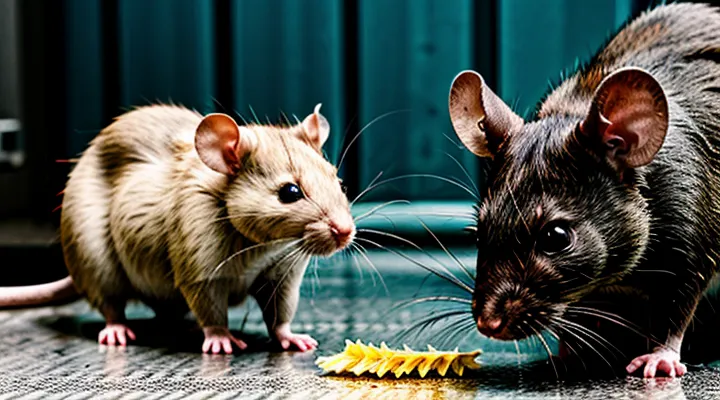
Understanding the Source of the Odor
Identifying the Rat Problem
Signs of Rat Activity
Rats leave distinct evidence that helps pinpoint the source of a foul odor. Recognizing these indicators is the first step toward effective remediation.
- Fresh droppings, typically dark, pellet‑shaped, and found along walls, behind appliances, or in hidden corners.
- Gnaw marks on wood, plastic, wiring, or insulation, often with clean, straight edges.
- Nests composed of shredded paper, fabric, or insulation, usually hidden in concealed spaces such as attics, crawl spaces, or wall voids.
- Tracks or footprints in dust, powder, or soft surfaces, sometimes accompanied by oily smears from their fur.
- Scratching noises at night, especially within walls, ceilings, or beneath floors.
- Presence of urine stains, which emit a strong, musky smell and may discolor nearby surfaces.
- Unusual noises from vent ducts or chimneys, indicating movement through confined passages.
Each sign correlates with potential contamination zones. Inspecting these areas promptly isolates the origin of the odor and guides targeted control measures. Immediate action reduces health risks and prevents further infestation.
Locating the Nest
Rats leave distinct clues that point to the location of their colony. Begin with a visual sweep of the property. Look for gnaw marks on wood, plastic, or wiring, especially near walls, cabinets, and appliances. Identify droppings that appear in clusters; fresh piles are darker and glossy, while older ones are lighter and crumbly. Trace any greasy streaks or urine stains that form irregular lines along baseboards, ceilings, and under furniture.
Next, follow the odor source. A strong, musky smell often intensifies near the nest. Use a handheld infrared thermometer to detect warm spots caused by animal activity. Place the sensor on suspected areas; a temperature rise of 2–3 °C above ambient suggests active habitation.
If visual and thermal clues are inconclusive, employ a motion-activated camera. Position it in hidden corners, behind appliances, or within crawl spaces. Review footage for repeated movement patterns that reveal pathways to the nest.
When the probable area is isolated, conduct a tactile inspection. Insert a flexible inspection mirror or a thin probe through wall gaps to confirm the presence of nesting material—shredded paper, fabric, or insulation. Listen for scratching or rustling sounds, especially at night when rats are most active.
Summarized steps:
- Scan for gnaw marks, droppings, and urine streaks.
- Track odor concentration toward the strongest point.
- Measure temperature differentials with an infrared device.
- Deploy a motion‑activated camera in concealed locations.
- Use an inspection mirror or probe to verify nesting debris.
Accurate identification of the nest enables targeted removal and prevents recurrence of the foul odor.
Types of Rat Odors
Live Rat Odor
Live rats emit a distinctive, musky odor caused by urine, feces, and scent glands. The smell intensifies in confined spaces where waste accumulates, indicating an active infestation that requires immediate attention.
Identify the source. Inspect walls, ceilings, and hidden compartments for droppings, gnaw marks, or nesting material. Use a flashlight to examine dark corners and behind appliances. A strong, ammonia‑like scent suggests recent urine deposits, while a sour, oily smell points to secretions from the rat’s anal glands.
Take decisive action:
- Seal entry points. Close gaps larger than a quarter‑inch with steel wool, metal mesh, or caulk.
- Set traps or bait stations. Position snap traps or electronic devices along walls and near identified pathways.
- Remove waste. Wear gloves and a mask, collect droppings and nesting material, place in sealed bags, and dispose of according to local regulations.
- Clean and disinfect. Apply an enzymatic cleaner to break down organic residues, then follow with a disinfectant containing quaternary ammonium or bleach (1 part bleach to 10 parts water). Allow surfaces to dry completely.
- Ventilate the area. Open windows, use fans, and run an air purifier with a HEPA filter to reduce lingering odor particles.
Prevent recurrence. Maintain a clutter‑free environment, store food in airtight containers, and regularly inspect for new entry points. Schedule periodic monitoring to ensure the infestation does not reappear and the odor remains absent.
Deceased Rat Odor
A dead rat inside a wall, attic, or crawl space releases ammonia‑rich fluids that quickly become a strong, foul odor. The smell indicates decomposition and can attract insects, pose health risks, and signal a breach in the building’s integrity.
First, locate the source. Follow the odor to its strongest point, check for droppings, gnaw marks, or discoloration on surfaces. Use a flashlight and a mirror to inspect hidden areas. If the scent persists after a thorough visual search, consider a professional with a thermal camera or a trained detection dog.
Once the carcass is found, remove it promptly. Wear disposable gloves, a mask rated N95 or higher, and protective clothing. Place the dead rat in a sealed plastic bag, then double‑bag and discard according to local wildlife regulations. Clean the area with a solution of one part bleach to nine parts water, or a commercial enzymatic cleaner, to break down residual proteins. Rinse with clean water and allow the surface to dry completely.
After removal, address lingering odor. Apply an odor‑neutralizing product containing activated charcoal or ozone generators for a short, supervised period. Ventilate the space by opening windows and using fans to circulate fresh air.
Finally, implement preventive measures. Seal entry points with steel wool and caulk, install door sweeps, and maintain a clean environment free of food scraps. Regularly inspect insulation, ducts, and stored items for signs of rodent activity. Promptly repair any water leaks, as moisture attracts rodents and accelerates decomposition if an animal dies unnoticed.
These actions eliminate the immediate problem and reduce the likelihood of future incidents.
Rat Urine and Feces Odor
Rat urine and feces produce a sharp, ammonia‑like odor that often signals an infestation. The smell originates from the breakdown of urea in urine, releasing ammonia, while bacterial activity in droppings generates volatile compounds such as indole and skatole. These odors linger in porous materials, carpets, and wall cavities, making them difficult to eliminate without proper intervention.
Health hazards associated with the odor include respiratory irritation, allergic reactions, and the transmission of pathogens like hantavirus and leptospirosis. Prolonged exposure may aggravate asthma and cause headaches, nausea, or eye irritation. Recognizing the source early reduces the risk of disease spread and property damage.
Effective remediation follows a systematic approach:
- Locate contamination – Inspect hidden areas, insulation, crawl spaces, and storage boxes for wet spots, staining, or droppings.
- Protect yourself – Wear disposable gloves, N‑95 respirator, and eye protection; seal off the work zone with plastic sheeting.
- Remove debris – Dispose of contaminated materials in sealed, puncture‑resistant bags; discard heavily soiled insulation or carpet.
- Clean surfaces – Apply an enzymatic cleaner or a solution of 1 part bleach to 10 parts water; scrub thoroughly, then rinse with clean water.
- Dry thoroughly – Use dehumidifiers and fans to eliminate moisture, preventing future bacterial growth.
- Seal entry points – Repair gaps, install metal mesh over vents, and ensure doors and windows close tightly.
Prevention relies on eliminating attractants and access routes. Store food in airtight containers, maintain regular garbage removal, and keep vegetation trimmed away from the building envelope. Routine inspections of foundations, utility penetrations, and roof eaves help detect early signs of activity before odor becomes pervasive.
Immediate Actions to Address the Odor
Ventilation and Air Purification
Opening Windows and Doors
Opening windows and doors creates a direct pathway for fresh air to replace contaminated indoor air. This simple action reduces the concentration of volatile compounds released by rodent waste and urine, diminishing the offensive odor quickly.
- Position a window opposite a door to establish cross‑ventilation; the airflow will carry odorous particles out of the building.
- Keep all openings unobstructed; remove curtains, blinds, or furniture that could block the draft.
- Use a fan to accelerate movement of air through the opened passages, especially in rooms where the smell is strongest.
- Maintain the openings for at least 30 minutes after cleaning any affected area; longer periods improve results in colder weather.
If outdoor temperature is low, close the openings after the initial ventilation period to preserve indoor heat while still allowing residual odor to dissipate. Regularly repeat the process after any new signs of rodent activity to prevent odor buildup.
Using Air Purifiers with HEPA Filters
Rodent infestations often release ammonia, urine, and fecal particles that linger in indoor air. Removing these contaminants requires a device that continuously filters airborne substances while operating quietly.
Air purifiers equipped with HEPA filters capture particles as small as 0.3 µm with 99.97 % efficiency. By trapping dust, dander, and microscopic droplet nuclei that carry odor molecules, the purifier reduces the perceived smell and improves overall air quality.
Key specifications for selecting an effective unit include:
- CADR (Clean Air Delivery Rate) matching the room’s volume; a minimum of 200 cfm for spaces up to 300 ft².
- True HEPA filter certified to meet the 0.3 µm standard.
- Activated carbon layer to adsorb volatile organic compounds and odor gases.
- Air exchange rate of at least 4–5 changes per hour for persistent odor sources.
Place the purifier where airflow is unobstructed: near the source of the smell, away from walls or furniture that block intake and exhaust. Elevate the unit on a stable surface to promote circulation; avoid corners and enclosed cabinets.
Maintain performance by replacing HEPA and carbon filters according to the manufacturer’s schedule, typically every 6–12 months, or sooner if filter resistance increases. Reset the indicator light after each change to ensure accurate monitoring.
Combine filtration with basic sanitation: clean contaminated surfaces, seal entry points, and remove food sources. The combined approach eliminates the odor source while the purifier continuously removes residual particles, delivering a breathable environment.
Activating Exhaust Fans
When rodents leave a noticeable odor, removing contaminated air is a primary remedy. Exhaust fans draw foul‑smelling air out of the affected area and replace it with fresh ventilation, lowering odor concentration quickly.
Fans must be positioned where the smell is strongest—near entry points, droppings, or nesting sites. Ensure the unit is powered, set to the highest safe speed, and directed outward through a clean duct. Verify that the exhaust path is not blocked by debris or insulation, and that any built‑in filters are free of dust.
Activation checklist
- Confirm power source and circuit breaker are functional.
- Switch the fan on; observe airflow direction with a piece of paper or tissue.
- Adjust speed to maximum until the odor diminishes noticeably.
- Inspect and clean filters every 24 hours during the remediation period.
- After the smell subsides, run the fan for an additional 30 minutes to clear residual particles.
Combine fan operation with thorough cleaning of droppings, disinfection of surfaces, and sealing of all rodent entry points. Regular fan maintenance prevents future odor recurrence and ensures the ventilation system remains effective.
Initial Cleaning and Disinfection
Removing Visible Rat Evidence
When rat activity leaves droppings, urine stains, or torn materials, immediate removal prevents odor intensification and health risks. Wear disposable gloves, a mask, and eye protection before contacting any evidence. Seal the contaminated area to limit dust and odor spread.
- Collect solid debris (carcasses, nests, gnawed items) in a heavy‑duty plastic bag. Tie the bag securely and place it in a sealed container for disposal according to local wildlife regulations.
- Sweep or vacuum dry droppings and urine crusts using a HEPA‑rated vacuum or a damp paper towel. Dispose of the collected material in a sealed bag; avoid shaking to reduce aerosolization.
- Apply an enzyme‑based cleaner to wet stains. Follow the product’s contact time, then scrub with a stiff brush. Rinse with hot water and allow the surface to dry completely.
- Disinfect the cleaned area with a solution of 1 part bleach to 9 parts water or a commercial disinfectant approved for rodent pathogens. Keep the solution on the surface for at least 10 minutes before wiping away.
- Inspect adjacent walls, floors, and ceilings for hidden remnants. Remove any additional material using the same protective and cleaning protocol.
After all visible evidence is cleared, repair entry points, seal gaps, and maintain regular sanitation to deter future infestations.
Cleaning Contaminated Surfaces
When rat activity leaves a pungent odor, the source is often urine, feces, or secretions that have soaked into surrounding surfaces. Immediate cleaning prevents health hazards and eliminates the smell.
Procedure for cleaning contaminated surfaces
- Wear disposable gloves, protective eyewear, and a mask rated for dust and aerosol particles.
- Ventilate the area by opening windows or using an exhaust fan; keep doors closed to contain contaminants.
- Remove loose debris with a disposable paper towel; discard it in a sealed plastic bag.
- Apply an enzymatic cleaner specifically formulated for rodent waste. Saturate the affected area, let the product work for the time indicated on the label (typically 10–15 minutes), then scrub with a stiff brush.
- Rinse the surface with hot water and a mild detergent solution; repeat the rinse if residue remains.
- Disinfect with a solution of 1 % bleach (approximately 1 part bleach to 99 parts water) or an EPA‑approved disinfectant. Allow the disinfectant to remain on the surface for at least 5 minutes before wiping dry.
- Dispose of all cleaning materials, gloves, and protective gear in a sealed bag; wash hands thoroughly after removal of protective equipment.
For porous materials such as unfinished wood, drywall, or insulation, removal and replacement is often safer than attempting decontamination. After cleaning, monitor the area for lingering odor; repeat the process if necessary. Maintaining a dry, sealed environment reduces the likelihood of future rodent incursions and associated odors.
Applying Enzymatic Cleaners
Enzymatic cleaners break down the organic compounds that cause rat odor, eliminating the source rather than masking the smell. The active enzymes target proteins, fats, and urine residues, turning them into harmless water and carbon dioxide.
To use enzymatic cleaners effectively:
- Identify all contaminated surfaces, including floors, walls, insulation, and hidden cavities.
- Remove visible debris and absorb excess moisture with paper towels or a wet‑vacuum.
- Apply the cleaner according to the manufacturer’s dilution ratio; most products require a 1:10 mix with water.
- Saturate the affected area thoroughly, ensuring the solution penetrates cracks and porous materials.
- Allow the product to remain wet for the recommended dwell time (typically 10–30 minutes) to let enzymes act on the odor molecules.
- Rinse with clean water if the surface is washable; otherwise, let it air‑dry completely.
- Repeat the process on stubborn spots or after the initial application if the odor persists.
Choose a formulation that specifies “bacterial and fungal enzyme blend” for comprehensive degradation. Verify that the product is non‑toxic, biodegradable, and safe for use around pets and children.
After treatment, monitor the area for residual odor. Persistent smells may indicate hidden droppings or dead rodents; in such cases, repeat cleaning or consider professional removal. Proper ventilation during and after application accelerates drying and further reduces lingering scents.
Eliminating the Source of the Odor
Rat Extermination Methods
Trapping and Removal
A persistent rat odor indicates an active infestation that must be eliminated promptly. The source is typically urine, feces, or dead rodents, and failure to remove it can lead to health hazards and structural damage.
Effective trapping requires the following actions:
- Choose a trap type suited to the environment: snap traps for quick kills, live‑catch traps for relocation, or electronic traps for rapid discharge.
- Position traps along walls, near gnaw marks, and in concealed corners where rats travel.
- Bait each trap with high‑protein attractants such as peanut butter, dried fruit, or small meat pieces.
- Set traps at night and check them early each morning to reduce suffering and prevent escape.
- Replace or reposition traps if activity declines, indicating successful capture.
Removal proceeds after capture:
- Dispose of dead rodents in sealed, puncture‑proof bags; follow local regulations for hazardous waste.
- Clean contaminated surfaces with an enzymatic cleaner that breaks down urine and feces residues; avoid bleach alone, as it does not neutralize odor molecules.
- Disinfect the area with a solution containing at least 5 % hydrogen peroxide or a commercial rodent‑specific sanitizer.
- Seal entry points by repairing holes, installing steel wool or metal mesh, and applying caulk to gaps around pipes and vents.
- Reduce attractants by storing food in airtight containers, eliminating standing water, and maintaining regular garbage collection.
Continual monitoring for new activity and periodic trap placement ensure that the odor does not return. Immediate, thorough execution of these steps restores a safe, odor‑free environment.
Professional Pest Control Services
Professional pest control firms handle rat‑related odor problems through a systematic approach. First, technicians conduct a thorough inspection to locate active nests, entry points, and accumulation sites. They use visual assessment, tracking powder, and infrared tools to confirm infestation extent.
After verification, the service includes:
- Trapping or baiting to eliminate the rodent population, employing EPA‑registered products.
- Removal of dead animals and contaminated materials that generate foul odors.
- Deep cleaning of affected areas with industrial‑grade disinfectants to destroy urine, feces, and glandular secretions.
- Application of antimicrobial treatments that neutralize lingering smells and inhibit bacterial growth.
- Sealing of structural gaps, installation of barriers, and advice on waste management to prevent re‑infestation.
The final stage involves post‑treatment monitoring. Technicians schedule follow‑up visits to verify that odor sources are gone and that no new activity has begun. Documentation of findings and remediation steps provides a record for property owners and health authorities.
Choosing a licensed pest control provider ensures compliance with safety regulations, access to specialized equipment, and expertise in odor mitigation that surpasses DIY attempts.
Sealing Entry Points
Inspecting for Gaps and Cracks
Detecting the source of a rat‑related odor begins with a thorough examination of the building envelope. Small openings often provide entry points for rodents and allow waste to accumulate in concealed spaces.
Inspect walls, floors, and ceilings for any cracks, holes, or gaps larger than a quarter inch. Pay special attention to areas around utility penetrations, such as pipes, vents, and electrical conduits. Use a flashlight and a mirror to view hidden sections, and feel for drafts that may indicate unseen openings.
- Seal cracks with appropriate filler (e.g., epoxy, steel wool, or expanding foam) before applying caulk.
- Install metal flashing or mesh around pipe sleeves and vent brackets.
- Replace damaged weatherstripping on doors and windows.
- Apply durable sealant around foundation joints and crawl‑space access points.
After repairs, monitor the area for lingering odor. If the smell persists, consider additional measures such as professional cleaning or pest‑control interventions.
Repairing Damaged Structures
When a rat‑induced odor appears, the first priority is to assess any structural compromise caused by the animals. Look for gnawed wood, chewed insulation, and damaged wiring. Document all findings before beginning repairs to ensure that no hidden damage is overlooked.
Next, eliminate the source of the smell. Remove droppings, urine stains, and contaminated nesting material. Use a disinfectant approved for rodent waste and apply it to all affected surfaces. Allow the product to reach its full contact time before proceeding.
Repair work proceeds in three stages:
- Structural reinforcement – Replace gnawed beams, joists, or studs with material of equal or greater strength. Secure new components with appropriate fasteners and verify load‑bearing capacity.
- Insulation and sealing – Install fresh insulation where gaps exist, then seal all entry points with steel wool, caulk, or metal mesh to prevent future intrusion.
- Finishing – Patch drywall, repaint surfaces with odor‑blocking primer, and reinstall any removed fixtures. Verify that all electrical connections are intact and compliant with safety codes.
Finally, conduct a post‑repair inspection. Confirm that the odor has been eliminated, that all repairs meet building standards, and that preventive measures—such as traps, bait stations, and regular inspections—are in place. This systematic approach restores the integrity of the property while removing the unpleasant smell associated with rodent activity.
Removing Deceased Rodents
Locating the Carcass
When a foul odor suggests a dead rodent, pinpointing the source is essential to eliminate the smell and prevent health risks.
Start by isolating the area of strongest scent. Walk slowly, pausing every few steps to inhale. The nose will guide you toward the hottest spot, often near walls, insulation, or hidden voids.
Inspect common hiding places:
- Behind appliances, especially refrigerators and stoves.
- Inside wall cavities, accessible through removable outlet covers.
- Under flooring, particularly carpet edges or loose tiles.
- In attic or crawl‑space insulation, where moisture encourages decay.
- Within stored boxes, trash bins, or pet food containers.
If the odor persists after visual checks, use a flashlight and a mirror to examine dark corners. A handheld infrared camera can reveal heat signatures of decomposing tissue, which may be slightly warmer than surrounding material.
When a suspect spot is identified, proceed with caution:
- Wear disposable gloves, a mask, and eye protection.
- Remove any covering material (e.g., insulation, drywall) to expose the carcass.
- Place the remains in a sealed plastic bag, then dispose of them according to local regulations.
- Clean the area with an enzymatic cleaner to break down organic residues.
- Disinfect with a solution of bleach (1 part bleach to 10 parts water) to kill bacteria and neutralize odors.
If the source remains hidden after these steps, consider hiring a professional pest‑remediation service equipped with specialized detection tools. Prompt removal and thorough sanitation will eradicate the odor and reduce the likelihood of future infestations.
Safe Removal Procedures
Locate the nest or entry points, confirm that the odor originates from rodent activity, and note any visible droppings or damage.
Wear appropriate protective gear:
- Heavy‑duty gloves
- N95 or higher respirator
- Disposable coveralls
- Eye protection
Follow a systematic removal sequence:
- Seal all openings larger than a quarter‑inch to prevent re‑entry.
- Place live traps or snap traps along walls, near walls, and in dark corners.
- Check traps every few hours; dispose of captured animals in sealed bags.
- Apply rodent‑specific bait only in inaccessible areas, following label instructions.
After capture, decontaminate the affected area:
- Remove all nesting material and droppings with a shovel or scoop.
- Apply an enzymatic cleaner to break down urine residues.
- Disinfect surfaces with a 10 % bleach solution, allowing a minimum of ten minutes contact time.
Dispose of waste in double‑sealed, heavy‑duty bags and place them in a municipal hazardous waste collection.
Inspect the property regularly, repair structural gaps, and maintain sanitation to deter future infestations.
Disinfection After Removal
After the rodents have been removed, thorough disinfection eliminates residual bacteria, viruses, and odor‑causing compounds. Begin by clearing all droppings, nesting material, and food remnants. Dispose of contaminated waste in sealed bags and transport to a licensed disposal facility.
- Sweep or vacuum surfaces, using a HEPA‑rated filter to capture fine particles.
- Wash hard surfaces (floors, countertops, walls) with hot water and a detergent that emulsifies organic matter.
- Apply an EPA‑registered disinfectant suitable for rodent‑related pathogens (e.g., a quaternary ammonium compound or a chlorine‑based solution). Follow the product label for concentration and contact time.
- Ensure the disinfectant remains on the surface for the required dwell period, typically 5–10 minutes, to achieve full microbial kill.
- Rinse with clean water if the disinfectant label advises, then dry the area completely.
Ventilate the space by opening windows and using exhaust fans for at least 30 minutes. If the odor persists, repeat the cleaning cycle and consider using an enzymatic deodorizer that breaks down odor molecules. Wear appropriate personal protective equipment—gloves, goggles, and a N95 respirator—throughout the process to avoid exposure to harmful agents.
Long-Term Odor Management and Prevention
Comprehensive Cleaning and Deodorization
Deep Cleaning of Affected Areas
Rats leave urine, feces, and secretions that create a persistent, foul odor. The odor signals the presence of biological contaminants that must be removed through thorough cleaning of all affected surfaces.
Begin by isolating the contaminated zone. Remove droppings, nesting material, and any absorbent items that cannot be disinfected. Place all waste in sealed, puncture‑resistant bags and dispose of it according to local hazardous‑waste regulations.
Proceed with a step‑by‑step deep‑cleaning protocol:
- Pre‑cleaning: Sweep or vacuum loose debris using a HEPA‑rated filter. Avoid scattering particles; use a damp mop to capture remaining residue.
- Disinfection: Apply an enzymatic cleaner or a 10 % bleach solution to all hard surfaces, including floors, walls, countertops, and cabinets. Allow the solution to remain for at least ten minutes to break down organic matter.
- Scrubbing: Use a stiff‑bristled brush or a floor‑scrubbing machine to agitate the disinfectant into porous materials such as grout, tile, or wood. Rinse thoroughly with clean water.
- Drying: Accelerate drying with industrial fans or dehumidifiers. Moist environments encourage bacterial growth and prolong odor.
- Final sanitation: After drying, spray a neutralizing odor‑control agent or activated charcoal powder to absorb lingering smells.
Wear appropriate personal protective equipment—gloves, goggles, N‑95 respirator, and disposable coveralls—throughout the process. Ensure adequate ventilation by opening windows or using exhaust fans to remove airborne contaminants.
Conclude with an inspection. Verify the absence of detectable odor by conducting a sensory check and, if available, a volatile‑organic‑compound (VOC) test. Document the cleaning procedure, note any areas that required repeated treatment, and implement preventive actions such as sealing entry points and maintaining regular sanitation schedules.
Using Odor Neutralizers
When rat infestations leave a lingering odor, neutralizing the scent is a practical step toward restoring a habitable environment. Effective odor control begins with identifying the source of the smell, removing contaminated materials, and then applying suitable neutralizing agents.
Choose a product formulated for organic waste and animal odors. Options include enzymatic cleaners that break down odor‑causing compounds, activated charcoal filters that adsorb volatile molecules, and ozone generators that oxidize foul scents. Verify that the selected neutralizer is safe for the surfaces present—some enzymatic solutions can damage painted wood, while ozone devices require vacated spaces to avoid respiratory irritation.
Apply the chosen neutralizer according to the manufacturer’s instructions. Typical procedure:
- Clean the affected area with a mild detergent to eliminate surface debris.
- Distribute the enzymatic solution evenly, allowing sufficient contact time (usually 10–15 minutes) for biochemical breakdown.
- For charcoal, place sachets or panels in concealed corners, replacing them every 30 days.
- If using ozone, run the generator for the recommended cycle, then ventilate the space before re‑entry.
Safety precautions are mandatory. Wear gloves and eye protection when handling chemicals, and ensure proper ventilation to prevent accumulation of fumes. Store all products out of reach of children and pets.
Regular maintenance prolongs the effect of odor neutralizers. Re‑treat high‑traffic zones weekly, and replace absorbent materials (charcoal, zeolite) according to usage guidelines. Combining neutralizers with thorough cleaning and pest‑exclusion measures eliminates the smell more reliably than any single method.
Replacing Contaminated Materials
When a rodent‑induced odor permeates a space, any material that has absorbed urine, feces, or saliva becomes a source of persistent smell and potential health risk. Such items must be removed and substituted with clean, uncontaminated equivalents to restore air quality and safety.
- Identify all porous and semi‑porous objects that have been exposed: insulation, drywall, carpet, upholstery, wood paneling, and ceiling tiles.
- Inspect each item for visible stains, discoloration, or dampness; any sign of contamination warrants replacement.
- Isolate the affected area with plastic sheeting to contain particles during removal.
- Dispose of contaminated materials in sealed, heavy‑duty bags; follow local hazardous‑waste regulations.
- Install new, untreated materials that meet building‑code standards; prioritize moisture‑resistant products where appropriate.
- Apply a registered antimicrobial sealant to adjacent surfaces before installation to inhibit bacterial growth.
- Conduct a final ventilation cycle using HEPA‑filtered air movers to expel residual odors.
Replacing compromised components eliminates the reservoir of odor‑producing substances, ensuring that the environment no longer harbors the smell associated with rodent activity.
Preventing Future Infestations
Maintaining Sanitation
Rats produce strong odors when they inhabit unsanitary areas; the smell signals a breakdown in hygiene that must be corrected immediately.
- Eliminate food sources: store all food in sealed containers, clean crumbs and spills promptly, and keep pet food out of reach.
- Secure waste: use trash cans with tight‑fitting lids, empty them regularly, and place them away from living spaces.
- Clean infestation sites: scrub floors, walls, and countertops with a disinfectant solution; focus on corners, behind appliances, and storage areas where droppings may accumulate.
- Seal entry points: inspect walls, foundations, and utility openings; fill cracks and install metal mesh to prevent rodent access.
- Manage moisture: repair leaks, keep sinks and drains dry, and use dehumidifiers in damp rooms to discourage nesting.
Routine inspection of these control measures detects re‑infestation early. Replace worn seals, rotate cleaning schedules, and document any recurrence of odor or droppings. Prompt corrective action preserves a healthy environment and eliminates the source of unpleasant smells.
Proper Food Storage
Rats locate food through scent; exposed provisions provide a constant source of odor and encourage nesting. Securing food eliminates the attraction and reduces the likelihood of a persistent smell.
- Store all dry items in airtight containers made of metal or thick plastic.
- Place containers on shelves, at least six inches above the floor, away from walls.
- Keep perishable products refrigerated; discard any that show signs of spoilage without delay.
- Label each container with the purchase or opening date; use older stock first.
- Clean any spills immediately; wipe down surfaces with a mild disinfectant after each meal preparation.
Regularly inspect storage areas for signs of gnawing or droppings. Seal gaps larger than a quarter inch with steel wool and caulk. Maintaining these practices removes food as a lure, directly addressing the source of rat‑related odors.
Regular Property Inspection
Regular property inspection is a primary defense against rodent‑related odor problems. Early detection of gnaw marks, droppings, or nesting material prevents the spread of unpleasant smells that indicate infestation.
- Conduct visual sweeps of attics, basements, crawl spaces, and storage areas at least quarterly. Look for shredded insulation, gnawed wiring, and urine stains.
- Use flashlights and mirrors to examine hidden corners, behind appliances, and under floorboards where rodents may conceal waste.
- Deploy motion‑activated cameras or infrared sensors in suspected zones to verify activity without disturbing occupants.
- Test for ammonia or sulfide odors with portable detectors; record readings and compare them to baseline levels for the building.
- Inspect exterior perimeters for gaps, cracks, or unsecured vents. Seal openings larger than ¼ inch to block entry points.
When inspection reveals evidence of rat presence, initiate immediate sanitation and pest‑control measures. Remove contaminated materials, disinfect surfaces with appropriate bio‑hazard cleaners, and engage licensed exterminators for trapping or baiting. Document all findings and corrective actions in a maintenance log to track trends and ensure compliance with health‑safety regulations.
Monitoring for Re-infestation
Setting Up Monitoring Traps
When rat odor becomes evident, confirming the presence and movement of the pests is essential before committing to extensive remediation. Monitoring traps provide concrete evidence of infestation patterns, allowing targeted interventions and preventing unnecessary chemical use.
Begin by mapping areas where the smell is strongest, noting food sources, water points, and possible entry routes. Choose traps suited to the environment—snap traps for discreet indoor placement, live‑catch traps for areas where humane removal is preferred, and multi‑catch snap traps for high‑traffic zones. Gather traps, bait (peanut butter, dried fruit, or commercial rodent attractant), gloves, and a log for observations.
Installation steps
- Wear gloves to avoid contaminating bait.
- Place bait on the trigger mechanism, ensuring it is secure but accessible.
- Position each trap perpendicular to the wall, with the trigger facing the expected travel path.
- Set traps at least 2 feet apart in identified hotspots; increase density near suspected entry points.
- Secure traps on stable surfaces to prevent tipping.
Check traps daily, recording captures, trap condition, and any signs of activity such as droppings or gnaw marks. Replace bait and reset traps as needed, maintaining a consistent log to reveal peak activity periods and locations.
If traps confirm a persistent population, proceed with exclusion measures—seal gaps, reinforce doors, and eliminate food residues. In cases of limited captures, continue monitoring for another week before escalating to professional extermination. Consistent trap data ensures that any subsequent action directly addresses the source of the odor, reducing risk of recurrence.
Regular Inspections
Regular inspections are essential for identifying the source of a rat‑related odor before it spreads throughout a building. By examining all potential entry points, waste accumulation zones, and structural gaps on a predictable schedule, property managers can intervene early and prevent the problem from escalating.
A practical inspection plan includes:
- Weekly visual checks of basement, crawl spaces, and kitchen areas.
- Bi‑monthly assessments of trash storage, drainage systems, and ventilation ducts.
- Quarterly comprehensive surveys that incorporate trap placement and camera monitoring.
During each visit, inspectors should focus on:
- Presence of droppings, urine stains, or gnaw marks.
- Accumulated food debris or spilled waste that can fuel bacterial growth.
- Signs of nesting material, such as shredded insulation or paper.
- Areas where moisture collects, because damp conditions attract rodents.
Documentation must capture the date, location, and severity of each finding. When evidence of infestation appears, immediate actions—such as sealing openings, cleaning contaminated surfaces, and deploying bait stations—should follow the recorded observations. Maintaining a consistent log enables trend analysis, informs future preventive measures, and provides clear accountability for pest‑control efforts.