
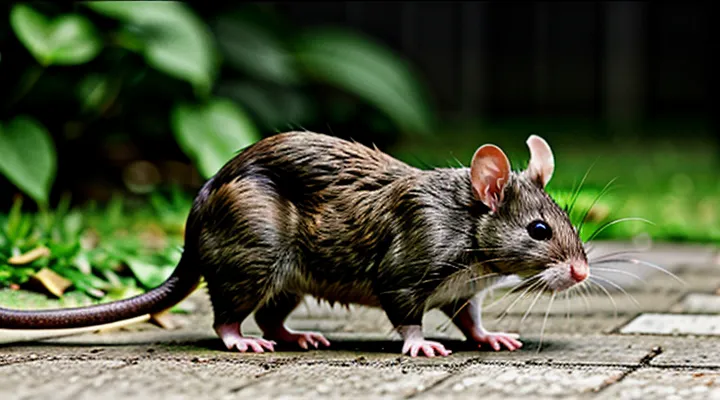
«Why Do Rats Sneeze?»
«Normal Physiological Reasons»
Rats sneeze as a reflex designed to clear the nasal passage of foreign material. The act protects the respiratory tract and is a normal component of rodent physiology.
Typical physiological triggers include:
- Fine dust or bedding particles that become airborne.
- Strong odors from cleaning agents, perfumes, or food additives.
- Rapid changes in ambient temperature or humidity.
- Accumulated nasal mucus that irritates the mucosal lining.
- Grooming debris displaced into the nostrils during self‑care.
- Mild, self‑limiting upper‑respiratory irritation that resolves without treatment.
In healthy individuals, sneezing occurs sporadically and does not imply illness. Frequency may increase temporarily when environmental conditions shift, such as after introducing new bedding or adjusting ventilation.
Observational guidelines:
- Record the number of sneezes per hour to detect abnormal patterns.
- Maintain low‑dust bedding, preferably paper‑based or aspen shavings.
- Keep the enclosure well‑ventilated but free of drafts.
- Use fragrance‑free cleaning products and avoid strong food aromas.
- Ensure stable temperature and moderate humidity (45‑55 % relative humidity).
When these conditions are met, frequent sneezing generally reflects normal physiological response rather than pathology.
«Environmental Factors»
Frequent sneezing in a rat often signals an environmental issue that can be corrected through systematic adjustments.
Dust accumulation on bedding, cage walls, or food containers introduces particulate matter that irritates nasal passages. Replace soiled bedding with low‑dust alternatives such as paper or aspen shavings. Clean cage components weekly with mild, unscented detergent and rinse thoroughly to eliminate residual particles.
Poor ventilation traps airborne irritants and creates humidity fluctuations. Ensure the enclosure receives adequate airflow by positioning it away from closed cabinets and using a small fan on low speed if necessary. Maintain relative humidity between 40 % and 60 % to prevent mucosal dryness without fostering mold growth.
Strong odors from cleaning agents, scented litter, or nearby cooking fumes can provoke sneezing. Opt for fragrance‑free products, store the cage in a neutral‑smell area, and keep doors or windows closed during cooking or use of aerosols.
Temperature extremes stress respiratory tissues. Keep the habitat within the species‑appropriate range of 18–24 °C (65–75 °F) and avoid direct drafts or heat sources.
Implement the following checklist:
- Replace bedding with low‑dust material weekly.
- Wash cage parts with unscented detergent; rinse completely.
- Provide continuous, gentle airflow; monitor humidity levels.
- Eliminate scented products; locate cage away from strong odors.
- Maintain stable temperature; avoid drafts and overheating.
Addressing these environmental factors reduces nasal irritation, supporting the rat’s respiratory health and decreasing sneezing frequency.
«Allergies and Irritants»
Frequent sneezing in a pet rat often signals a response to allergens or irritants in its environment. Identifying and eliminating these triggers is the first step toward restoring respiratory health.
Common sources of irritation include:
- Dust‑laden bedding such as pine shavings;
- Small particles from food, especially raw grains or nuts;
- Household aerosols, including sprays, perfumes, and cleaning agents;
- Mold spores in damp corners or cages;
- Parasites like mites that provoke nasal inflammation.
A systematic assessment begins with visual inspection of the cage and surrounding area, followed by a veterinary examination. Veterinarians may perform nasal swabs, blood work, or allergy testing to differentiate between infectious agents and hypersensitivity reactions.
Effective interventions comprise:
- Replacing bedding with low‑dust alternatives (paper, hemp, or aspen).
- Relocating the cage away from drafts, vents, or areas where chemicals are used.
- Switching to a diet free of common allergens; introduce new foods gradually.
- Administering prescribed antihistamines or corticosteroids under veterinary guidance.
- Maintaining strict cage hygiene: clean waste daily, disinfect surfaces weekly, and ensure proper ventilation.
Long‑term prevention relies on consistent environmental control. Use high‑quality, dust‑free materials, monitor humidity to inhibit mold growth, and limit exposure to scented products. Regular health checks allow early detection of recurring nasal issues, ensuring the rat remains comfortable and active.
«Recognizing Concerning Symptoms»
«Frequency and Severity»
Rats normally sneeze only a few times a day, often in response to dust, strong odors, or sudden temperature changes. Occasional single sneezes are not a health indicator.
When sneezing occurs more than ten times within an hour, persists for several consecutive days, or is accompanied by nasal discharge, audible wheezing, or reduced activity, the frequency moves into a pathological range. Severity escalates if the animal shows labored breathing, loss of appetite, or noticeable weight loss.
Action steps:
- Count sneezes over a 30‑minute interval; document any increase.
- Inspect the cage for excess bedding, mold, or strong scents; replace with low‑dust material if needed.
- Ensure proper ventilation and stable temperature; avoid drafts.
- Separate the affected rat to prevent stress on companions.
- Contact a veterinarian promptly; provide the sneeze count, duration, and any additional symptoms observed.
Early identification of elevated sneeze frequency and accompanying severity signs enables timely medical intervention and reduces the risk of respiratory complications.
«Accompanying Clinical Signs»
Frequent sneezing in a rat often signals additional health concerns that must be evaluated promptly. Observable signs may appear in the respiratory tract, eyes, behavior, and overall condition.
- Clear, watery, or serous nasal discharge
- Thick, purulent nasal exudate indicating bacterial infection
- Conjunctival discharge or watery eyes, sometimes with crusting
- Labored breathing, audible wheezing, or open‑mouth respiration
- Coughing or gagging episodes accompanying the sneeze reflex
- Reduced activity, lethargy, or reluctance to explore the cage
- Decreased food and water intake leading to weight loss
- Elevated body temperature detectable by rectal probe
- Skin abnormalities such as facial dermatitis or alopecia from constant nose rubbing
Presence of any of these symptoms warrants immediate veterinary assessment, diagnostic testing (e.g., nasal swab culture, radiography), and targeted treatment to prevent progression to severe respiratory disease.
«Behavioral Changes»
Frequent sneezing in a pet rat often signals an underlying health issue, and it is accompanied by distinct behavioral shifts that can help identify the severity of the problem.
Rats that sneeze repeatedly may display reduced exploration, slower movement, and a reluctance to climb or navigate familiar structures. Grooming routines become irregular; some individuals over‑groom affected areas while others neglect grooming altogether. Appetite can decline, leading to smaller or skipped meals, and water consumption may drop. Social interaction frequently diminishes, with affected rats withdrawing from cage mates and avoiding contact. Respiratory distress may cause the animal to adopt a hunched posture and breathe through the mouth rather than the nostrils.
Immediate actions focus on observation, environmental control, and professional assessment:
- Record the frequency of sneezes, accompanying signs, and any changes in activity or feeding.
- Ensure the cage is free of dust, strong scents, and aerosolized substances; replace bedding with low‑dust, hypoallergenic material.
- Maintain optimal temperature (18‑22 °C) and humidity (40‑60 %) to reduce airway irritation.
- Isolate the rat from others if symptoms worsen, to prevent stress and potential spread of infection.
- Contact a veterinarian experienced with rodents; provide the recorded observations and request a diagnostic work‑up, which may include nasal swabs, radiographs, or blood tests.
- Follow prescribed treatments rigorously, adjusting care routines as directed to support recovery.
Monitoring behavioral cues alongside sneezing frequency offers a reliable early warning system, enabling swift intervention and improving the likelihood of a full recovery.
«Initial Steps and Home Management»
«Environmental Audit and Improvement»
An environmental audit focuses on conditions that can trigger or exacerbate respiratory irritation in a rodent. Identify sources of airborne irritants, assess ventilation effectiveness, and measure humidity levels.
Key audit elements:
- Airborne particulate concentration (dust, dander, mold spores)
- Ventilation rate and airflow patterns in the enclosure or housing area
- Relative humidity, aiming for 40‑60 % to prevent mucosal drying
- Presence of strong odors, chemicals, or cleaning agents
- Cleanliness of bedding, food containers, and surrounding surfaces
Improvement actions derived from the audit:
- Install high‑efficiency particulate air (HEPA) filtration or replace existing filters with higher-rated models.
- Adjust ventilation fans to increase fresh‑air exchange without creating drafts that stress the animal.
- Deploy a humidifier or dehumidifier to maintain target humidity, monitoring with a calibrated hygrometer.
- Switch to low‑dust bedding, wash reusable items regularly at ≥ 60 °C, and replace disposable components weekly.
- Eliminate scented cleaners; employ neutral‑pH, fragrance‑free disinfectants applied with minimal residue.
Continuous monitoring of air quality indices and periodic re‑audits ensure that corrective measures remain effective and that the rat’s respiratory health improves.
«Dust Reduction Strategies»
Frequent sneezing in a pet rodent often signals irritation from airborne particles. Reducing ambient dust diminishes respiratory stress and supports overall health.
- Keep bedding minimal; use paper‑based or aspen shavings that generate little particulate matter.
- Clean the enclosure weekly with a damp cloth; avoid sweeping that raises dust.
- Install a low‑noise air purifier with a HEPA filter near the cage to capture fine particles.
- Limit use of scented cleaning agents and aerosol sprays inside the habitat.
- Provide a sealed food storage container to prevent flour dust from spreading.
- Ensure proper ventilation by positioning the cage away from drafts and direct sunlight, which can stir settled dust.
Implementing these measures creates a cleaner environment, reducing the likelihood of persistent sneezing episodes.
«Humidity Control»
Frequent sneezing in a pet rat often signals irritation of the upper respiratory tract. One of the most common environmental triggers is improper humidity, which can dry nasal passages or foster mold growth that aggravates the respiratory system.
The ideal relative humidity for a rat’s enclosure lies between 40 % and 60 %. Levels below this range increase mucosal dryness, leading to sneezing episodes. Levels above the range encourage fungal spores and bacterial colonies, which can also provoke respiratory distress.
To achieve and maintain the target humidity range, follow these actions:
- Use a calibrated hygrometer to monitor enclosure humidity at least twice daily.
- If humidity falls below 40 %, introduce a cool‑mist humidifier set to maintain the desired level.
- If humidity exceeds 60 %, employ a dehumidifier or increase ventilation with a low‑speed fan, ensuring airflow does not create drafts.
- Keep water dishes sealed and clean to prevent excess moisture from evaporating into the environment.
- Remove damp bedding or excess substrate that can retain moisture; replace with a dry, absorbent material.
Regular maintenance is essential. Clean the enclosure weekly, replace bedding, and re‑measure humidity after any environmental change. Observe the rat’s sneezing frequency; a reduction indicates effective humidity control, while persistent symptoms may require veterinary assessment.
«Dietary Considerations»
Frequent sneezing in a pet rat often signals irritation of the upper respiratory tract, and diet can influence the severity and recovery of such conditions. Nutrient‑rich, low‑allergen feed supports mucosal health and immune function, reducing inflammation and promoting clearance of irritants.
Key dietary components include:
- High‑quality protein (e.g., boiled egg whites, cooked lean chicken) to sustain tissue repair.
- Vitamin A‑rich foods (carrots, sweet potatoes) for epithelial regeneration.
- Vitamin C sources (citrus slices, bell pepper) to enhance antioxidant defenses.
- Omega‑3 fatty acids (flaxseed oil, small amounts of fish oil) to modulate inflammation.
- Adequate moisture (fresh water, hydrating vegetables) to keep nasal passages moist.
Foods that exacerbate respiratory irritation should be eliminated:
- Dry, dusty seeds or pellets with high grain content.
- Strongly scented fruits (citrus peels, onions) that may provoke nasal reflexes.
- High‑fat treats that can impair immune response.
- Moldy or stale feed, which introduces spores and allergens.
Implement a consistent feeding schedule, offering fresh portions twice daily and removing uneaten food within two hours. Monitor weight and coat condition; sudden loss may indicate underlying infection requiring veterinary intervention. Adjust the diet gradually, observing any change in sneezing frequency, and maintain a clean cage environment to complement nutritional measures.
«When to Seek Veterinary Care»
«Identifying Red Flags»
Frequent sneezing in a pet rat can signal respiratory infection, allergic reaction, or environmental irritation. Recognizing warning signs early prevents escalation and guides appropriate intervention.
Key red flags include:
- Nasal discharge that is thick, colored, or foul‑smelling.
- Labored breathing, wheezing, or open‑mouth respiration.
- Lethargy, loss of appetite, or sudden weight loss.
- Persistent coughing, gagging, or choking sounds.
- Swelling around the face, eyes, or throat.
- Unusual behavior such as aggression, excessive grooming of the nose, or isolation from cage mates.
- Fever indicated by a noticeably warm body surface or reduced activity after handling.
When any of these symptoms appear, immediate veterinary assessment is required. Delaying treatment increases the risk of pneumonia, sinusitis, or systemic infection, which can be fatal in small rodents.
In addition to clinical signs, evaluate the habitat:
- High dust levels, strong scents, or poor ventilation.
- Accumulated ammonia from urine, which irritates nasal passages.
- Presence of mold, parasites, or contaminated bedding.
If environmental factors are identified, remediate them promptly: replace bedding with low‑dust material, improve cage airflow, and maintain strict cleaning routines.
Document the rat’s sneezing frequency, accompanying symptoms, and any recent changes in diet or surroundings. This record assists the veterinarian in diagnosing the underlying cause and prescribing targeted therapy, such as antibiotics, antihistamines, or supportive care.
Prompt recognition of these red flags ensures timely medical intervention and improves the likelihood of full recovery.
«The Importance of a Rat-Savvy Vet»
Frequent sneezing in a pet rat often signals respiratory infection, allergic reaction, or environmental irritants. Identifying the underlying cause requires a physical examination, diagnostic imaging, and laboratory analysis that exceed the scope of general small‑animal practice.
A veterinarian with specific experience in rat health can distinguish between bacterial, viral, and fungal pathogens, assess nasal and sinus anatomy, and prescribe medications with appropriate dosages for a species that metabolizes drugs differently from larger mammals. This expertise reduces the risk of misdiagnosis and prevents the use of ineffective or harmful treatments.
Key competencies of a rat‑savvy veterinarian include:
- Knowledge of common respiratory diseases in rodents and their clinical presentations.
- Ability to perform otoscopic and endoscopic examinations adapted to the rat’s small size.
- Familiarity with dosage calculations for antibiotics, antifungals, and anti‑inflammatory agents in rodents.
- Experience with environmental assessments to identify allergens, dust, or poor ventilation that may trigger sneezing.
- Access to laboratory services that process small‑sample specimens, such as nasal swabs and blood draws.
To secure appropriate care, owners should:
- Search veterinary directories for practices that list exotic or small‑animal specialties.
- Contact local veterinary schools or teaching hospitals for referrals to faculty members with rodent experience.
- Verify that the chosen clinic has equipment suitable for handling and examining tiny patients.
- Schedule an appointment promptly, providing a detailed history of the rat’s symptoms, diet, and habitat conditions.
Choosing a professional trained in rat medicine ensures accurate diagnosis, targeted therapy, and a higher likelihood of recovery for a sneezing pet.
«What to Expect at the Vet»
A rat that sneezes repeatedly should be taken to a veterinarian experienced with small mammals. The clinician will first gather information about the animal’s environment, diet, recent changes, and any other symptoms such as nasal discharge, eye irritation, or changes in appetite.
The examination usually includes:
- Visual assessment of the nasal passages and oral cavity.
- Palpation of the thorax to detect respiratory effort.
- Measurement of body temperature and weight.
- Observation of behavior for signs of stress or pain.
Diagnostic procedures may involve:
- Collection of a nasal swab for microscopic analysis and culture.
- Small‑animal radiographs to view the nasal cavity and lungs.
- Blood sampling for complete blood count and biochemical profile if systemic infection is suspected.
Treatment options are selected based on findings and can consist of:
- Targeted antibiotics for bacterial infections.
- Antifungal medication if fungal agents are identified.
- Supportive care such as humidified air, saline nasal drops, and fluid therapy.
- Recommendations to improve housing conditions, including dust‑free bedding and proper ventilation.
The veterinarian will outline a follow‑up schedule, typically a re‑check within one to two weeks, to assess response to therapy and adjust the plan if necessary. Owners receive written instructions on medication administration, environmental modifications, and signs that require immediate attention.
«Common Medical Causes of Frequent Sneezing»
«Respiratory Infections»
Frequent sneezing in a pet rat typically indicates a respiratory infection. Recognizing accompanying symptoms—nasal discharge, labored breathing, lethargy, or loss of appetite—helps assess severity.
Isolate the affected animal to prevent spread. Provide a warm, draft‑free enclosure with high humidity (approximately 60 %). Ensure bedding is clean and free of dust. Offer fresh water and easy‑to‑eat food to maintain hydration and nutrition.
When symptoms persist for more than 24 hours or worsen, seek veterinary evaluation. A veterinarian will perform a physical exam, possibly obtain a nasal swab or radiographs, and prescribe appropriate antimicrobial or supportive therapy. Follow dosage instructions precisely and complete the full course of medication.
Prevent future incidents by:
- Maintaining cage cleanliness and regular bedding changes.
- Controlling ambient temperature and humidity.
- Providing a balanced diet rich in vitamin C.
- Avoiding exposure to other sick rodents.
Prompt identification and targeted treatment reduce morbidity and support rapid recovery.
«Mycoplasma Pulmonis»
Frequent sneezing in a laboratory or pet rat often signals a respiratory infection, and the most prevalent bacterial agent is Mycoplasma pulmonis. This organism lacks a cell wall, colonizes the upper airway, and can spread rapidly through aerosol or direct contact. Typical signs include nasal discharge, audible sneezes, labored breathing, and reduced activity. Laboratory diagnosis relies on culture of tracheal swabs, PCR amplification of specific DNA fragments, or serologic testing for antibodies.
Effective management requires a three‑step approach:
- Confirm infection with a reliable laboratory test before initiating therapy.
- Administer an appropriate macrolide antibiotic (e.g., tylosin or azithromycin) at the dose recommended for rodents; treatment duration should cover at least 10 days to eradicate the organism.
- Implement strict biosecurity: isolate the affected animal, disinfect cages with a mycoplasma‑effective agent, and provide fresh bedding and filtered air to reduce environmental load.
Preventive measures include regular health monitoring, quarantine of new arrivals for a minimum of four weeks, and vaccination only where a validated product exists. Maintaining optimal humidity, temperature, and ventilation further lowers the risk of respiratory outbreaks.
«Other Bacterial and Viral Agents»
Frequent sneezing in a rodent can signal infection by agents beyond the common Pasteurella or Mycoplasma species. Bacterial pathogens such as Streptococcus pneumoniae, Bordetella bronchiseptica, and Clostridium difficile may colonize the respiratory tract, producing mucosal irritation and repeated expulsions. Viral culprits include Sendai virus, rat coronavirus, and hantavirus, each capable of triggering upper‑airway inflammation. When these organisms are suspected, immediate steps are essential to protect the animal’s health and prevent laboratory or household exposure.
- Isolate the affected rat in a separate cage equipped with HEPA‑filtered airflow.
- Collect nasal and oropharyngeal swabs using sterile technique; submit samples for bacterial culture, PCR, and viral antigen testing.
- Initiate broad‑spectrum antimicrobial therapy only after laboratory confirmation; empirical treatment may involve doxycycline for Bordetella and a fluoroquinolone for Streptococcus pending results.
- If viral infection is identified, provide supportive care: humidified environment, nutritional supplementation, and monitoring of temperature and weight.
- Disinfect the housing unit with a chlorine‑based solution (0.5% NaOCl) and sterilize accessories in an autoclave to eliminate residual pathogens.
- Observe all handlers for respiratory symptoms; employ personal protective equipment (gloves, N95 respirator) during cage cleaning and sample collection.
Accurate diagnosis guides targeted intervention, reduces the risk of cross‑contamination, and improves the likelihood of recovery for the sneezing rat.
«Fungal Infections»
Frequent sneezing in a pet rat often indicates an underlying respiratory problem; fungal infection is a common culprit.
Typical fungal agents include Aspergillus species, Pneumocystis carinii, and Candida colonization. These organisms thrive in damp bedding, poorly ventilated cages, and environments with excess organic debris.
Observable signs accompanying sneezing are nasal or ocular discharge, audible wheezing, reduced activity, weight loss, and labored breathing. Absence of these signs does not exclude infection, as early stages may present only with sneezing.
Diagnostic protocol:
- Physical examination by a veterinarian experienced with rodents.
- Microscopic evaluation of nasal swabs for fungal spores.
- Culture of respiratory secretions on Sabouraud agar.
- Polymerase chain reaction (PCR) testing for species‑specific DNA when available.
Immediate actions:
- Separate the affected rat to prevent cross‑contamination.
- Increase cage airflow; open windows, use low‑speed fans, and avoid direct drafts.
- Replace bedding with a dry, non‑absorbent material such as paper‑based products.
- Schedule veterinary assessment within 24 hours.
Therapeutic measures:
- Administer systemic antifungal agents (e.g., itraconazole 10 mg/kg PO once daily) as prescribed.
- Provide supportive care: nebulized saline, humidified environment, and high‑calorie diet to counteract weight loss.
- Monitor for drug adverse effects, especially hepatotoxicity, through periodic blood chemistry.
Preventive strategies:
- Maintain bedding dryness; change it at least weekly.
- Clean cages with diluted bleach solution (1:32) followed by thorough rinsing.
- Store food in sealed containers to limit mold growth.
- Keep ambient humidity below 50 % and temperature between 20–24 °C.
- Limit stressors: avoid overcrowding, sudden temperature shifts, and handling fatigue.
Addressing sneezing promptly with these steps reduces the risk of severe fungal pneumonia and improves the rat’s recovery prospects.
«Tumors and Nasal Polyps»
Frequent sneezing in a pet rat often signals underlying nasal pathology. Tumors and nasal polyps represent two of the most common serious causes.
Tumors may develop in the nasal cavity, sinuses, or surrounding bone. Benign growths can obstruct airflow, while malignant forms can invade tissue and spread systemically. Clinical signs include persistent sneezing, nasal discharge, facial swelling, and weight loss.
Nasal polyps are non‑cancerous mucosal protrusions that arise from chronic inflammation or infection. They typically cause unilateral or bilateral sneezing, intermittent discharge, and occasional facial distortion. Polyps can enlarge rapidly, further restricting the airway.
Accurate diagnosis requires veterinary evaluation. Recommended procedures are:
- Physical examination focusing on the head and nasal passages.
- Radiography or computed tomography to visualize masses.
- Endoscopic inspection for direct visualization.
- Biopsy of suspicious tissue for histopathological confirmation.
Treatment depends on lesion type and severity. Options include:
- Surgical excision of accessible tumors or polyps, often performed under general anesthesia.
- Radiation therapy for malignant tumors when surgery is not feasible.
- Anti‑inflammatory or corticosteroid medication to reduce polyp size and inflammation.
- Supportive care such as humidified environments, soft diet, and monitoring for secondary infections.
Prompt veterinary intervention improves prognosis and reduces the risk of chronic respiratory compromise.
«Treatment Options and Prognosis»
«Antibiotics and Antivirals»
Frequent sneezing in a rat often signals an upper‑respiratory infection. Determining whether the pathogen is bacterial or viral guides therapeutic choice.
Antibiotics are effective only against bacterial agents. A veterinarian should obtain a nasal or lung sample for culture and sensitivity before prescribing. Commonly used agents include enrofloxacin, trimethoprim‑sulfamethoxazole, and amoxicillin‑clavulanic acid, administered at doses calculated per kilogram of body weight. Treatment typically lasts five to seven days; abrupt discontinuation may foster resistance. Monitor the animal for adverse reactions such as gastrointestinal upset or changes in behavior.
Antivirals have limited applicability in rodents. Drugs such as ribavirin are reserved for confirmed infections with specific viruses (e.g., arenaviruses) and require careful dosing to avoid toxicity. Veterinary oversight is essential, as most viral respiratory diseases in rats resolve with supportive care alone.
- Obtain a veterinary assessment to identify the causative agent.
- If bacterial infection is confirmed, initiate a targeted antibiotic regimen based on culture results.
- For viral etiology, consider antiviral therapy only when evidence supports efficacy and safety.
- Provide supportive measures: humidified environment, adequate nutrition, and stress reduction.
- Re‑evaluate after 48‑72 hours; persistent symptoms warrant further diagnostic testing.
Correct identification of the underlying pathogen and adherence to dosage guidelines maximize recovery chances while minimizing drug‑related complications.
«Anti-inflammatory Medications»
Frequent sneezing in a pet rat often signals upper‑respiratory irritation, which can be exacerbated by inflammatory processes in the nasal passages. Reducing inflammation is a primary therapeutic goal, and anti‑inflammatory drugs are commonly employed.
Non‑steroidal anti‑inflammatory drugs (NSAIDs) such as meloxicam and carprofen provide analgesic and anti‑edematous effects. Meloxicam is typically administered at 0.2 mg/kg subcutaneously once daily; carprofen is given at 2 mg/kg orally every 12 hours. Both agents require veterinary prescription and monitoring for gastrointestinal ulceration or renal compromise.
Corticosteroids, for example prednisolone, suppress immune‑mediated inflammation more aggressively. The usual dosage is 0.5 mg/kg orally once daily, with a rapid taper after 3–5 days to avoid adrenal suppression. Corticosteroids increase the risk of secondary infections; therefore, they should be combined with appropriate antimicrobial therapy when bacterial involvement is confirmed.
When selecting an anti‑inflammatory regimen, consider the following steps:
- Obtain a definitive diagnosis from a veterinarian to identify infectious agents or allergens.
- Choose an NSAID for mild to moderate inflammation; reserve corticosteroids for severe or refractory cases.
- Calculate dosage based on the rat’s exact weight; use a calibrated syringe for accurate delivery.
- Observe the animal for adverse signs (e.g., loss of appetite, blood in stool, lethargy) and report them immediately.
- Re‑evaluate after 48 hours; adjust medication or discontinue if symptoms persist or worsen.
Anti‑inflammatory treatment alone does not address the underlying cause of sneezing. Comprehensive care includes environmental control (dust‑free bedding, adequate humidity), parasite eradication, and, when indicated, targeted antibiotics or antihistamines. Prompt veterinary intervention remains essential for safe and effective management.
«Supportive Care and Nebulization»
Frequent sneezing in a pet rat signals irritation of the upper respiratory tract. Immediate supportive measures stabilize the animal while diagnostic work proceeds.
- Provide a warm, draft‑free enclosure; temperature should remain between 20 °C and 24 °C.
- Ensure continuous access to fresh water; add electrolytes if dehydration is suspected.
- Offer nutrient‑dense, soft foods to maintain caloric intake despite reduced appetite.
- Limit handling to essential procedures; excessive stress can exacerbate mucosal inflammation.
- Keep bedding dry and replace it regularly to reduce ammonia and dust levels.
Nebulization delivers moist, medicated air directly to the nasal passages and lungs, easing mucosal swelling and clearing secretions.
- Select a pediatric or small‑animal nebulizer capable of producing particles sized 2–5 µm.
- Use sterile isotonic saline as the base aerosol; add a veterinary‑approved bronchodilator (e.g., albuterol) only after veterinary assessment.
- Position the rat in a restrained but comfortable holder, mask the snout with a soft, appropriately sized cone or mask to prevent leakage.
- Administer nebulization for 5–10 minutes, monitoring respiratory rate and behavior throughout.
- Repeat sessions every 8–12 hours until sneezing frequency declines, then taper to once daily for a short maintenance period.
Observe the rat for signs of distress, excessive salivation, or worsening respiratory effort. Any adverse reaction warrants immediate veterinary consultation.
«Long-Term Management of Chronic Conditions»
Frequent sneezing in a pet rat often signals a persistent respiratory condition that requires systematic, long‑term care. Effective management hinges on accurate diagnosis, environmental control, consistent medical therapy, and regular health assessment.
- Obtain a veterinary evaluation to identify the underlying cause (e.g., bacterial infection, allergic response, or anatomical abnormality).
- Implement humidity regulation: maintain ambient humidity between 50‑60 % to keep nasal passages moist without fostering mold growth.
- Reduce airborne irritants: eliminate strong scents, dust, and tobacco smoke; use low‑dust bedding such as paper‑based products.
- Provide a balanced diet rich in vitamin C and antioxidants to support immune function.
- Administer prescribed medications (antibiotics, antihistamines, or bronchodilators) according to the veterinarian’s schedule, adjusting dosages only under professional guidance.
- Schedule periodic health checks (every 4–6 weeks) to monitor symptom progression, weight, and respiratory rate.
- Keep detailed records of sneezing frequency, medication timing, and environmental changes to detect patterns and inform treatment adjustments.
Sustained attention to these elements reduces flare‑ups, promotes airway stability, and enhances overall wellbeing. Continuous collaboration with a qualified veterinarian ensures that therapeutic strategies evolve with the rat’s condition, preventing chronic deterioration.
«Preventative Measures for Rat Respiratory Health»
«Optimizing Cage Environment»
Optimizing the cage environment can significantly reduce the incidence of frequent sneezing in pet rats. A well‑controlled habitat minimizes exposure to airborne irritants and supports respiratory health.
Maintain clean, low‑dust bedding. Choose paper‑based or aspen shavings, avoid pine or cedar, which release volatile compounds. Replace bedding regularly, at least once a week, and spot‑clean daily to remove droppings and food debris.
Ensure proper ventilation. Position cages away from direct drafts and strong airflow that can dry nasal passages, yet provide enough air exchange to prevent stale air buildup. Use cages with mesh sides or install a small, quiet fan set on low speed to circulate fresh air without creating turbulence.
Regulate humidity. Keep relative humidity between 40 % and 60 % to prevent mucosal irritation. Employ a hygrometer to monitor levels and use a humidifier or dehumidifier as needed.
Eliminate strong odors. Store food in sealed containers, avoid scented cleaning agents, and keep the cage free from incense, essential oils, or strong perfumes. These substances can act as respiratory irritants.
Control temperature. Maintain ambient temperature between 68 °F and 75 °F (20 °C–24 °C). Extreme heat or cold can stress the respiratory system, leading to sneezing.
Implement a consistent cleaning schedule. Remove soiled bedding, wipe surfaces with a mild, unscented disinfectant, and rinse thoroughly before adding fresh bedding. Regular cleaning reduces mold, bacteria, and fungal spores.
Provide adequate enrichment without dust. Offer chew toys made of untreated wood, cardboard, or safe plastics rather than dusty or chemically treated items.
Monitor diet for allergens. Offer a balanced, high‑quality rodent mix, fresh vegetables, and water. Avoid sudden changes in food that may introduce new allergens.
Schedule veterinary assessments. Persistent sneezing may indicate underlying infections, allergies, or dental issues that require professional evaluation.
By applying these measures, the cage environment becomes less likely to provoke respiratory irritation, helping rats breathe comfortably and reducing the frequency of sneezing episodes.
«Regular Cleaning Protocols»
Frequent sneezing in a pet rat often signals respiratory irritation caused by dust, mold, or accumulated waste. Maintaining a clean environment directly reduces airborne particles that trigger the symptom.
- Remove droppings and food debris from the cage at least once a day. Use a dedicated scoop and a disposable tray to prevent cross‑contamination.
- Replace bedding material weekly. Choose low‑dust, absorbent substrates such as paper‑based or aspen shavings; discard old bedding in a sealed bag.
- Perform a thorough cage wash every seven days. Disassemble all accessories, scrub with warm water, and apply a diluted veterinary‑grade disinfectant (e.g., 0.5 % chlorhexidine). Rinse thoroughly to eliminate residue.
- Clean water bottles and food dishes daily. Use a bottle brush and mild soap, rinse well, and sterilize weekly by boiling for five minutes.
- Ensure proper ventilation. Position the cage away from direct drafts but in a room with regular air exchange; use a low‑noise fan if necessary to circulate fresh air.
- Monitor humidity levels, keeping them between 40 % and 60 % to discourage mold growth. A hygrometer can provide continuous readings.
Consistent adherence to these protocols removes irritants, supports mucosal health, and lowers the likelihood that sneezing will become chronic. Immediate action after observing increased sneezing, combined with regular cleaning, creates a stable environment for respiratory recovery.
«Quarantine Procedures for New Rats»
Frequent sneezing in a newly acquired rat signals possible respiratory infection. Immediate isolation prevents pathogen spread to resident colonies.
- Place the animal in a separate cage with fresh bedding, food, and water.
- Maintain cage temperature between 20‑22 °C and humidity below 60 % to reduce airway irritation.
- Limit human contact to essential care; wear disposable gloves and wash hands before and after handling.
- Record sneezing frequency, discharge characteristics, and any additional symptoms.
- Contact a veterinarian within 24 hours for diagnostic testing (e.g., PCR, culture) and appropriate treatment.
- Disinfect all equipment and surfaces that may have contacted the rat using a 10 % bleach solution or approved veterinary disinfectant.
After veterinary clearance, gradually introduce the rat to the main colony. Continue monitoring for at least two weeks; any recurrence of sneezing requires re‑quarantine and further medical evaluation. Documentation of the entire process supports health management and traceability for future introductions.
«Stress Reduction Techniques»
Frequent sneezing in a pet rat often signals heightened stress or exposure to irritants; reducing stress can improve respiratory health and overall well‑being.
- Provide a spacious cage with multiple levels, tunnels, and chewable objects to encourage natural exploration.
- Maintain stable temperature (20‑24 °C) and humidity (45‑55 %) to prevent dry air from irritating nasal passages.
- Ensure constant fresh‑air flow without drafts; use filtered ventilation or a low‑speed fan positioned away from the cage.
- Offer a balanced diet rich in fiber and low in allergens; rotate fresh vegetables and monitor for foods that trigger sneezing.
- Limit handling to short, calm sessions; approach the rat slowly, support its body, and avoid sudden movements.
- Establish a consistent daily routine for feeding, cleaning, and interaction; predictability reduces anxiety.
- Keep the enclosure clean, removing waste and dust daily; replace bedding with low‑dust materials such as paper or aspen.
- Schedule regular veterinary examinations to rule out infections, dental issues, or allergies that may cause sneezing.
Implementing these measures creates a low‑stress environment, decreasing the frequency of sneezing episodes and supporting the rat’s health.