
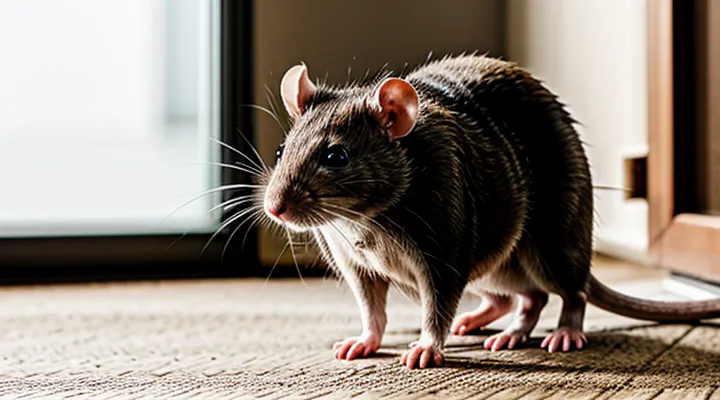
Understanding Rat Health «Sneezing and Itching»
Common Causes of Sneezing in Rats
Environmental Factors
Environmental conditions directly influence respiratory and dermal symptoms in pet rodents. Dry air reduces mucosal moisture, increasing the likelihood of sneezing, while high humidity can promote fungal growth that irritates the skin. Poor ventilation concentrates airborne irritants such as dust, pollen, and ammonia from urine, triggering both sneezing and itching. Temperature extremes stress the animal’s immune system, making it more vulnerable to allergens and infections.
To mitigate these factors, follow a structured approach:
- Maintain relative humidity between 40‑60 %. Use a humidifier in dry climates or a dehumidifier in damp areas.
- Ensure daily cage cleaning to remove soiled bedding, droppings, and food debris. Replace bedding with low‑dust, hypoallergenic material such as paper‑based or aspen shavings.
- Provide adequate airflow without creating drafts. Position cages away from direct sunlight, heating vents, or air‑conditioning units.
- Monitor cage temperature; keep it within the species‑specific comfort range (typically 18‑24 °C). Adjust room heating or cooling as needed.
- Store food in sealed containers to prevent mold growth. Inspect treats for signs of spoilage before offering them.
- Conduct regular health checks for skin lesions or nasal discharge. Record any changes and consult a veterinarian promptly if symptoms persist.
By controlling humidity, ventilation, temperature, and hygiene, owners reduce external triggers that cause sneezing and skin irritation, supporting the animal’s overall well‑being.
Allergic Reactions
When a pet rodent displays sudden sneezing accompanied by intense scratching, an allergic reaction should be considered as a primary cause. Allergens may enter through inhalation, direct skin contact, or ingestion of contaminated bedding, food, or environmental particles.
Key indicators of an allergic episode include:
- Repetitive sneezing or nasal discharge
- Red, inflamed skin around the nose, ears, or paws
- Excessive grooming or compulsive scratching
- Swelling of the face, eyes, or muzzle
- Decreased appetite or lethargy
Immediate steps to manage the situation are:
- Remove the animal from the suspected source of irritation (e.g., new bedding, scented cleaning agents, dust‑laden cages).
- Clean the cage with hypoallergenic, fragrance‑free detergent; rinse thoroughly and dry before re‑housing.
- Bathe the rat with lukewarm water and a mild, pet‑safe cleanser to eliminate residual allergens from the fur.
- Apply a veterinarian‑approved antihistamine or corticosteroid according to dosage guidelines; avoid human medications without professional advice.
- Monitor respiratory and skin symptoms for improvement over the next 12‑24 hours.
If symptoms persist, worsen, or involve difficulty breathing, seek veterinary care without delay. The clinician may perform diagnostic tests such as skin scrapings, blood work, or allergen‑specific IgE panels to identify the trigger and prescribe targeted therapy, including immunotherapy or prescription‑strength anti‑inflammatory agents.
Respiratory Infections
Rats that sneeze and scratch often suffer from respiratory infections, which affect the nasal passages, sinuses, and lungs. Typical signs include frequent sneezing, nasal discharge, labored breathing, and skin irritation caused by mucus accumulation.
Common agents include:
- Bordetella bronchiseptica – bacterial pathogen producing purulent nasal secretions.
- Rat coronavirus (RCV) – viral infection leading to upper‑respiratory inflammation.
- Mycoplasma pulmonis – atypical bacterium causing chronic rhinitis and otitis.
- Parasitic infestations such as Psoroptes mites, which provoke itching and secondary bacterial invasion.
Diagnosing a respiratory condition requires:
- Physical examination to assess respiratory rate, auscultation for wheezes, and inspection of nasal discharge.
- Sample collection (nasal swab, tracheal lavage) for microbiological culture or PCR testing.
- Radiographic imaging to detect lung consolidation or sinus involvement.
When a rat presents with sneezing and itching, immediate measures should include:
- Isolating the animal from the colony to prevent pathogen spread.
- Providing a warm, low‑humidity environment to ease breathing.
- Offering supplemental hydration and soft food to maintain nutrition.
- Cleaning the cage thoroughly, removing bedding, and disinfecting surfaces with a rodent‑safe sanitizer.
Therapeutic interventions depend on the identified pathogen:
- Bacterial infections: administer a veterinarian‑prescribed antibiotic (e.g., enrofloxacin or doxycycline) for the recommended duration.
- Viral diseases: supportive care is primary; antiviral agents may be considered under professional guidance.
- Parasitic irritation: apply a licensed antiparasitic treatment and treat secondary bacterial infection concurrently.
Preventive strategies focus on environmental control and health monitoring:
- Maintain cage humidity between 40‑60 % and temperature around 20‑24 °C.
- Replace bedding weekly and sterilize food dishes.
- Conduct regular health checks, recording any respiratory changes promptly.
- Quarantine new arrivals for at least two weeks before introducing them to the existing group.
Addressing sneezing and itching in rats requires swift isolation, accurate diagnosis, targeted treatment, and rigorous husbandry to mitigate respiratory infections and protect the overall colony health.
Common Causes of Itching in Rats
Parasites «Mites and Lice»
Mites and lice are common ectoparasites that cause sneezing and itching in rats. Their presence triggers nasal irritation and skin discomfort, which often appear together.
Mites attach to the skin, feed on blood, and release allergenic proteins. Infestation produces intense pruritus, hair loss, and may provoke sneezing when the animal inhales irritated particles from the fur. Mite life cycles complete within weeks, allowing rapid population growth.
Lice remain on the surface of the coat, feeding on skin debris and blood. They cause localized itching, restlessness, and can irritate the respiratory tract indirectly by promoting excessive grooming and fur shedding.
To confirm an ectoparasite problem:
- Examine the coat under a magnifying lens for moving specks or nits.
- Inspect the nasal area for crusts or discharge.
- Collect a fur sample for microscopic analysis if uncertainty persists.
Effective control measures include:
- Isolation – separate the affected rat to prevent spread.
- Bathing – apply a veterinary‑approved acaricide or insecticide shampoo, following label dosage.
- Topical treatment – administer a spot‑on product containing fipronil or selamectin to the skin and base of the tail.
- Environmental sanitation – clean cages, replace bedding, and disinfect all accessories with a solution effective against arthropods.
- Repeat dosing – repeat topical or bathing treatment after 7–10 days to break the parasite life cycle.
- Monitoring – observe the rat for residual itching or sneezing for two weeks; re‑treat if symptoms reappear.
Prompt identification and thorough eradication of mites and lice eliminate the primary sources of nasal irritation and skin discomfort, restoring the rat’s health and preventing recurrence.
Skin Irritations
When a rodent exhibits sneezing and scratching, the owner may experience skin irritation from saliva, nasal secretions, or fur contact. Irritation can range from mild redness to itching, swelling, or rash, and may indicate an allergic response or secondary infection.
- Wash the affected area with mild soap and lukewarm water immediately after exposure.
- Apply a fragrance‑free, hypoallergenic moisturizer to restore skin barrier function.
- Use an over‑the‑counter hydrocortisone cream (1 %) for localized itching, following label instructions.
- If redness spreads, warmth develops, or pus appears, seek medical evaluation for possible infection.
- Keep the rat’s living space clean; remove bedding, droppings, and food debris to reduce irritant buildup.
- Wear disposable gloves when handling a sneezing, scratching rodent to limit direct skin contact.
Regular grooming of the animal reduces shedding and dander, lowering the chance of future skin reactions. Monitoring personal skin response after each interaction helps identify sensitivity thresholds and informs appropriate protective measures.
Fungal Infections
A sudden sneeze coupled with persistent scratching often signals a fungal invasion of the respiratory or skin tissues in pet rodents. The most common agents are dermatophytes and molds that thrive in damp bedding, overcrowded cages, or compromised immune systems. Clinical signs include nasal discharge, wheezing, fur loss, crusty lesions, and a distinct odor emanating from affected areas.
To address a suspected fungal condition:
- Isolate the animal to prevent spread to cage mates.
- Examine the nose, eyes, and skin for lesions; collect samples with a sterile swab.
- Submit specimens to a veterinary laboratory for culture or microscopic analysis.
- Begin antifungal therapy only after a definitive diagnosis; typical agents include itraconazole, terbinafine, or topical miconazole, administered according to weight and severity.
- Clean the habitat thoroughly: replace all bedding, disinfect surfaces with a 1% bleach solution, and ensure proper ventilation to reduce humidity.
- Monitor the rat daily for improvement; adjust medication dosage if symptoms persist beyond two weeks.
Preventive measures focus on environmental control and health maintenance. Keep cage humidity below 50 %, provide clean, absorbent bedding, and avoid sharing accessories between animals. Regular health checks enable early detection of respiratory or dermatological changes, reducing the likelihood of fungal outbreaks.
Allergic Reactions
When a pet rat shows sudden sneezing and persistent itching, an allergic reaction may be the underlying cause. Allergens can be introduced through new bedding, dietary changes, or environmental irritants such as dust, pollen, or cleaning agents. Recognizing the signs promptly prevents escalation and protects the animal’s health.
Observe the rat for additional symptoms that often accompany an allergic response: watery eyes, nasal discharge, swelling around the snout, and reduced activity. Document the timing of these signs relative to recent changes in the rat’s environment or diet, as this information aids in identifying the trigger.
Take immediate steps to mitigate the reaction:
- Remove the suspected allergen; replace bedding with a hypoallergenic, dust‑free material.
- Clean the cage with mild, fragrance‑free soap and rinse thoroughly to eliminate residual chemicals.
- Offer fresh water and a bland diet; avoid introducing new foods until the reaction subsides.
- Administer an antihistamine approved for rodents only after consulting a veterinarian; dosage must be exact.
- Monitor respiratory rate and behavior for at least 24 hours; seek veterinary care if breathing becomes labored, swelling worsens, or the rat appears lethargic.
Prevent future episodes by maintaining a stable environment: use unscented, low‑dust bedding, avoid sudden dietary shifts, and keep the cage free of mold and strong odors. Regular health checks enable early detection of sensitivities, allowing prompt intervention before severe allergic manifestations develop.
When to Seek Veterinary Attention
Signs of Serious Illness
When a rat exhibits both sneezing and itching, the combination may mask underlying health threats. Recognizing signs that indicate a serious condition allows timely veterinary intervention.
Persistent nasal discharge that is thick, colored, or foul‑smelling suggests a respiratory infection that could progress to pneumonia. If the discharge accompanies labored breathing, wheezing, or a rapid respiratory rate, the situation is urgent.
Excessive scratching that results in raw, bleeding, or inflamed skin points to severe dermatitis, parasitic infestation, or an allergic response. When lesions spread quickly, develop pus, or are accompanied by swelling of the face or paws, systemic infection is likely.
Loss of appetite, sudden weight reduction, or reduced activity level indicate that the illness is affecting the rat’s overall health. Coupled with fever—evidenced by a warm, dry tail or ears—the rat requires immediate professional care.
Behavioral changes such as aggression, lethargy, or disorientation, especially if they appear alongside the respiratory and dermatological symptoms, often signal neurological involvement or toxin exposure.
Key indicators of a serious illness in this context:
- Thick, colored nasal discharge
- Labored or rapid breathing
- Bleeding or ulcerated skin lesions
- Rapid spread of dermatitis with pus
- Noticeable weight loss or anorexia
- Fever signs (warm tail/ears)
- Sudden behavioral shifts (aggression, lethargy, confusion)
If any of these signs are present, contact a qualified veterinarian without delay. Early diagnosis and treatment improve the likelihood of recovery and prevent complications.
Emergency Situations
When a pet rodent exhibits sudden sneezing accompanied by intense itching, the situation may indicate a rapid onset of respiratory distress, severe allergic reaction, or toxic exposure. These conditions require immediate containment of the environment, assessment of the animal’s breathing, and prevention of further irritation.
- Remove the rat from any dusty, smoky, or chemically scented area.
- Verify that the cage is free of mold, strong fragrances, and bedding that could release particles.
- Observe the respiratory rate; if breaths are shallow, irregular, or accompanied by wheezing, place the animal in a quiet, well‑ventilated space and keep it upright to aid airflow.
- Apply a mild, veterinarian‑approved antihistamine spray to the affected skin only if the product label confirms safety for rodents.
- Monitor for signs of collapse, loss of consciousness, or excessive salivation; these indicate a life‑threatening emergency.
If any of the above symptoms persist beyond a few minutes, or if the rat shows signs of hemorrhage, seizures, or extreme lethargy, contact an emergency veterinary clinic without delay. Transport the animal in a secure carrier, keep the carrier stable, and provide the clinic with details of the observed symptoms and any substances the rat may have encountered. Prompt professional intervention can prevent irreversible damage and increase the likelihood of recovery.
First Steps for Rat Owners
Immediate Actions for Symptom Relief
When a pet rat exhibits sneezing and scratching, swift measures can prevent escalation and reduce discomfort. Begin by isolating the animal in a clean, well‑ventilated cage to limit exposure to irritants and to keep other rodents safe.
- Inspect the nostrils and fur for visible debris; gently remove dust or food particles with a soft, damp cloth.
- Offer a humidified environment: place a shallow dish of warm water nearby or use a low‑output humidifier for 15–20 minutes, ensuring the cage remains dry enough to avoid mold.
- Provide a high‑quality, low‑allergen diet; replace dusty seed mixes with pelleted feed and fresh vegetables that are washed thoroughly.
- Administer a saline nasal rinse if the rat tolerates handling: use a sterile, isotonic solution applied with a tiny syringe, delivering no more than 0.1 ml per nostril.
- Apply a vet‑approved topical anti‑itch ointment to affected skin areas; avoid products containing essential oils or strong fragrances.
- Monitor for additional signs such as nasal discharge, coughing, or lethargy; record observations for the veterinarian.
If symptoms persist beyond a few hours, schedule a professional examination. Early veterinary intervention can identify infections, allergies, or respiratory conditions that require specific treatment.
Environmental Adjustments
Maintain moderate humidity. Aim for 50‑60 % relative humidity to keep nasal passages moist and reduce irritation. Use a humidifier or place a shallow water dish near the cage; monitor levels with a hygrometer.
Improve ventilation while avoiding drafts. Ensure fresh air exchange by opening the room briefly each day or installing a low‑speed fan set on a gentle setting. Position the fan away from the cage to prevent direct airflow on the rat.
Eliminate dust sources. Choose low‑dust bedding such as paper or aspen shavings; avoid cedar, pine, or scented products that release volatile compounds. Clean the enclosure weekly, removing uneaten food and waste that can become airborne particles.
Control temperature. Keep ambient temperature between 18 °C and 24 °C (65‑75 °F). Extreme heat or cold can exacerbate respiratory symptoms and skin discomfort.
Reduce allergens. Wash hands before handling the animal, and wear gloves if contact triggers sneezing. Remove carpeting or heavy fabrics from the room; replace with easy‑to‑clean surfaces.
Provide clean, soft nesting material. Offer shredded paper or fleece that does not shed fibers, allowing the rat to groom without introducing irritants.
Monitor air quality. Use an air purifier with a HEPA filter to capture airborne particles; replace filters according to manufacturer guidelines.
Implement these adjustments promptly; they create an environment that supports respiratory health and alleviates itching, facilitating recovery.
Veterinary Diagnosis and Treatment
Diagnostic Procedures
When a pet rat displays sneezing and skin irritation, a systematic diagnostic approach is essential. Begin with a thorough visual inspection, noting discharge color, frequency of sneezes, lesion distribution, and any signs of crusting or alopecia. Record the animal’s age, housing conditions, diet, and recent exposure to new bedding or cage mates, as these factors influence differential possibilities.
Proceed to a physical examination. Palpate the nasal passages for obstruction, assess respiratory rate and effort, and evaluate the skin for erythema, papules, or parasites. Collect samples for laboratory analysis:
- Nasal swab for bacterial culture and viral PCR to detect common respiratory agents such as Streptococcus spp., Bordetella spp., or paramyxoviruses.
- Skin scraping for microscopic examination to identify mites, fleas, or fungal hyphae.
- Fecal sample for flotation or direct smear to rule out gastrointestinal parasites that can cause pruritus.
- Blood draw for complete blood count and serum chemistry, focusing on leukocyte count, eosinophil percentage, and inflammatory markers.
If initial tests are inconclusive, employ imaging. Radiographs of the thorax reveal pulmonary infiltrates or sinus involvement; ultrasonography can assess soft‑tissue swelling around the nasal cavity. In persistent cases, consider a biopsy of affected skin for histopathology to differentiate allergic dermatitis from autoimmune or neoplastic processes.
Interpret results in the context of the collected data. Elevated neutrophils suggest bacterial infection; eosinophilia points toward allergic or parasitic causes. Positive cultures guide antimicrobial selection, while identification of ectoparasites directs targeted acaricide therapy. This structured diagnostic protocol enables precise identification of the underlying condition and informs appropriate treatment measures.
Treatment Options for Respiratory Issues
A rat that exhibits frequent sneezing and persistent itching is likely experiencing a respiratory problem that requires prompt attention. Identifying the cause and applying appropriate treatment can prevent progression to more severe illness.
- Environmental management: Replace bedding with low‑dust, hypoallergenic material; keep the enclosure clean and well‑ventilated; eliminate drafts and sudden temperature changes.
- Veterinary evaluation: Obtain a professional diagnosis through physical examination, nasal swab, or radiography to determine whether infection, allergy, or another condition is present.
- Antibiotic or antifungal therapy: Administer prescribed medication based on laboratory results; follow the full course to eradicate the pathogen.
- Anti‑inflammatory or antihistamine agents: Use only under veterinary guidance to reduce mucosal swelling and alleviate itching caused by allergic reactions.
- Supportive care: Provide humidified air, ensure constant access to fresh water, and offer nutrient‑dense food to support immune function.
- Monitoring and follow‑up: Record frequency of sneezes, changes in behavior, and response to treatment; schedule re‑examination to confirm recovery.
Effective treatment combines hygiene, targeted medication, and continuous observation, ensuring the rat’s respiratory system returns to normal function.
Treatment Options for Skin Issues
When a rat exhibits both sneezing and skin irritation, immediate attention to the dermatological condition can prevent secondary infections and improve comfort.
Topical therapies include antiseptic creams to reduce bacterial load, corticosteroid ointments for inflammation, and moisturizers containing lanolin or oatmeal to restore barrier function. Apply a thin layer to affected areas twice daily, avoiding the eyes and nasal passages.
Systemic interventions involve oral antihistamines such as diphenhydramine to mitigate allergic responses, and broad‑spectrum antibiotics if bacterial involvement is confirmed. Dosage must follow veterinary guidelines; monitor for sedation or gastrointestinal upset.
Environmental adjustments reduce irritants that trigger respiratory and cutaneous symptoms. Replace bedding with low‑dust, hypoallergenic material, maintain humidity between 45‑55 %, and eliminate strong scents or aerosols. Regular cage cleaning removes allergens and parasites.
Professional care is essential if symptoms persist beyond 48 hours, if lesions enlarge, or if the rat shows signs of distress. A veterinarian can perform skin scrapings, culture, and prescribe targeted treatments such as injectable steroids or immunomodulators.
Summary of treatment options
- Antiseptic or anti‑inflammatory topicals
- Oral antihistamines and antibiotics (vet‑approved)
- Bedding and humidity management
- Veterinary examination for persistent or severe cases
Prompt, appropriate measures address both respiratory and dermal manifestations, supporting recovery and overall health.
Preventive Measures for Rat Health
Maintaining a Clean Environment
A clean habitat reduces the likelihood that a sneezing, itchy rodent will develop secondary infections. Dust, bedding fragments, and residual food provide irritants that can trigger sneezing and exacerbate skin irritation. Regular removal of waste eliminates these triggers and supports the animal’s respiratory and dermal health.
- Remove soiled bedding daily; replace with fresh, low‑dust material.
- Clean food and water containers each evening; rinse with hot water before refilling.
- Wipe cage walls, bars, and accessories with a mild, pet‑safe disinfectant weekly; rinse thoroughly to avoid chemical residue.
- Inspect surrounding area for stray crumbs or droppings; vacuum or sweep to prevent accumulation.
Observe the rat after each cleaning cycle. If sneezing persists or itching intensifies, consider environmental factors such as humidity levels, temperature fluctuations, or the presence of mold. Adjust ventilation, maintain stable climate conditions, and repeat thorough cleaning to eliminate lingering irritants.
Nutritional Considerations
When a pet rat exhibits sneezing and skin irritation, diet can influence recovery and symptom management. Adjusting nutrient intake supports immune function, reduces inflammation, and helps maintain mucosal health.
- Vitamin C: enhances immune response; provide fresh vegetables such as bell peppers or small amounts of fortified rat pellets.
- Vitamin E: antioxidant that mitigates oxidative stress; include seeds (sunflower, pumpkin) in modest quantities.
- Omega‑3 fatty acids: reduce inflammatory pathways; offer a few drops of fish oil or a diet enriched with flaxseed.
- Protein: essential for tissue repair; ensure high‑quality, animal‑based protein sources like boiled egg whites or lean cooked chicken.
- Hydration: keep water clean and readily available; consider adding electrolyte‑balanced solutions if dehydration signs appear.
Feeding practices should avoid common allergens that can exacerbate respiratory symptoms. Eliminate mold‑prone grains, limit citrus fruits, and remove any scented bedding that may release irritants. Introduce new foods gradually, monitoring for increased sneezing or scratching. Maintain consistent feeding times to reduce stress, which can weaken immune defenses.
Monitoring weight and stool consistency provides early indicators of nutritional adequacy. Sudden weight loss or watery feces suggest the need for dietary revision or veterinary assessment. Regularly refresh fresh produce to preserve vitamin content and prevent bacterial growth.
A balanced, anti‑inflammatory diet, coupled with vigilant observation, forms a core component of care for a rat experiencing sneezing and itchiness.
Regular Health Checks
Regular health examinations are essential when a pet rat exhibits sneezing and itching. Early detection of respiratory infections, parasites, or skin conditions prevents escalation and reduces the need for intensive treatment.
A veterinarian should perform the following assessments during each check‑up:
- Visual inspection of the nasal passages, eyes, and fur for signs of discharge, lesions, or excessive grooming.
- Auscultation of the chest to identify abnormal breath sounds that may indicate pneumonia or bronchitis.
- Skin scraping and microscopic analysis to detect mites, fleas, or fungal growth.
- Blood sampling for complete blood count and serology, revealing bacterial or viral agents.
- Weight measurement and body condition scoring to monitor overall health and nutritional status.
Owners must schedule examinations at least quarterly for healthy rats and more frequently—every two to four weeks—if symptoms persist or worsen. Documentation of findings, including temperature, respiratory rate, and any observed parasites, creates a baseline for comparison and guides treatment adjustments.
Prompt veterinary intervention based on regular check‑up results reduces morbidity, improves recovery speed, and ensures the rat’s comfort despite respiratory or dermatological irritation.
Living with a Healthy Rat
Long-Term Care Strategies
A rat that repeatedly sneezes and scratches requires ongoing attention to prevent chronic respiratory or dermatological problems. First, identify the underlying cause. Conduct a veterinary examination to rule out infections, allergies, or environmental irritants. Maintain a clean habitat; replace bedding weekly, disinfect cages with a mild, pet‑safe solution, and ensure proper ventilation to reduce dust and ammonia buildup.
Implement a structured health‑monitoring routine. Record each episode of sneezing or itching, noting time of day, temperature, and any recent changes in diet or environment. Share this log with the veterinarian during follow‑up visits to detect patterns and adjust treatment plans promptly.
Nutritional support strengthens immune defenses. Provide a balanced diet rich in omega‑3 fatty acids, vitamin E, and high‑quality protein. Supplement with a veterinarian‑approved probiotic to promote gut health, which can influence skin and respiratory conditions.
Environmental enrichment reduces stress, a known aggravator of respiratory and skin issues. Rotate toys, offer tunnels, and schedule regular handling sessions to build trust and lower cortisol levels.
When medication is prescribed, follow the dosage schedule precisely. Use long‑acting formulations where available to minimize handling stress. Store medications in a cool, dry place and discard any expired products.
Schedule quarterly veterinary check‑ups even if symptoms subside. During each visit, request a complete blood count, skin scrape, and respiratory assessment to confirm that the condition remains under control.
Long‑term care checklist:
- Clean cage and replace bedding weekly
- Verify proper ventilation and temperature control
- Record symptom occurrences and environmental changes
- Provide diet enriched with omega‑3 and vitamin E
- Administer prescribed medication exactly as instructed
- Conduct quarterly veterinary examinations
Consistent application of these measures sustains respiratory health and skin integrity, minimizing future episodes of sneezing and itching.
Recognizing Early Warning Signs
When a pet rat begins to sneeze or scratch excessively, the first step is to identify subtle indicators that precede more serious problems. Early warning signs often appear as changes in behavior, appearance, or physiological function.
- Nasal discharge that is clear or slightly tinted, occurring before audible sneezing.
- Slightly swollen or reddened nostrils, visible upon close inspection.
- Frequent grooming of a specific area, especially if the rat pauses to rub its cheek or flank against surfaces.
- Reduced activity levels, such as lingering in the nest longer than usual or reluctant to explore.
- Altered breathing pattern, including shallow breaths or brief pauses between inhalations.
- Unusual posture, like a hunched back or a tendency to hold the head lower than normal.
Observation should be systematic. Examine the animal twice daily, noting any deviation from its typical routine. Record the time, duration, and context of each symptom to provide a clear picture for veterinary consultation. Prompt recognition of these early cues enables timely intervention, reducing the risk of complications associated with respiratory or dermatological disorders.