
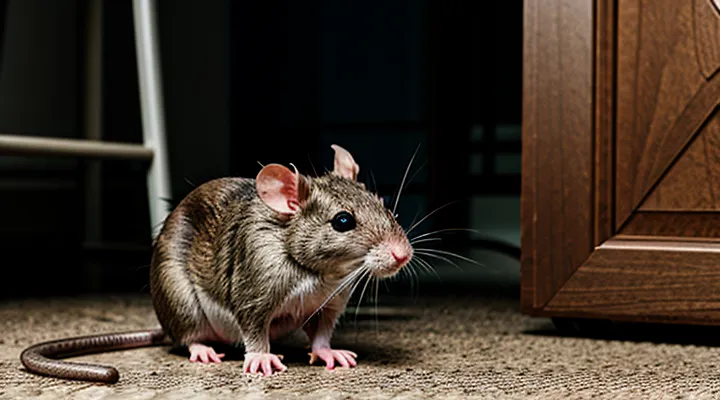
Recognizing Pregnancy in Rats
Physical Signs
Enlarged Abdomen
An enlarged abdomen is the most reliable external indicator that a female rat is carrying offspring. The swelling results from the growth of embryos and the accumulation of amniotic fluid, typically becoming noticeable after the second week of gestation. Observe the size and shape of the belly; a uniform, rounded expansion suggests a healthy pregnancy, while asymmetry, hard spots, or sudden changes may signal complications such as dystocia or internal injury.
Management focuses on supporting the developing litter and preventing stress. Provide a spacious, quiet cage with soft bedding to accommodate the growing body. Offer a diet enriched with protein, calcium, and essential vitamins, supplementing standard pellets with boiled eggs, lean meat, or commercial gestation feed. Ensure constant access to fresh water and monitor intake; reduced drinking or eating can precede health issues.
Key actions include:
- Daily visual checks of abdominal size and skin condition.
- Weighing the rat every few days; a steady gain of 2–4 g per day is normal.
- Adjusting food portions to meet increasing nutritional demands.
- Limiting handling to essential care, avoiding sudden movements or loud noises.
- Consulting a veterinarian promptly if the abdomen becomes hard, if the rat shows signs of pain, or if delivery does not occur by the expected term (around 21–23 days).
Weight Gain
Pregnant rats typically increase body weight by 30‑50 % over the course of gestation. The rise begins around day 7, peaks near day 21, and includes both fetal mass and maternal tissue growth. Monitoring weight weekly provides a reliable indicator of normal development and helps detect complications such as under‑nutrition or excessive edema.
- Provide a balanced diet containing at least 20 % protein, supplemented with calcium, vitamin E, and essential fatty acids.
- Offer fresh water ad libitum; dehydration accelerates weight loss and jeopardizes litter viability.
- Increase daily caloric intake by 10‑15 % after implantation; over‑feeding can lead to obesity and dystocia.
- Record each measurement at the same time of day to reduce variability caused by feeding cycles.
Rapid, unexplained weight loss may signal miscarriage, infection, or parasitic burden and requires immediate veterinary assessment. Conversely, sudden, disproportionate weight gain often indicates fluid accumulation or uterine torsion; prompt examination is mandatory.
Adjust cage enrichment to accommodate a heavier, less agile animal. Ensure bedding depth supports the increased body mass and reduces stress on joints. Regular health checks, including palpation of the abdomen and observation of nesting behavior, complement weight tracking and contribute to successful outcomes for both dam and offspring.
Nipple Development
Nipple development in a gestating rat signals the onset of lactation and influences the care of newborn pups. During the early gestation period, mammary buds appear as small, pale protrusions along the ventral surface. By mid‑gestation, these structures enlarge, forming distinct papillae with visible areolae. In the final weeks, ducts proliferate, and the nipples become prominent, pink, and capable of producing milk.
Key observations for caretakers:
- Monitor the abdomen for symmetrical swelling of the mammary line; asymmetry may indicate infection or developmental issues.
- Check nipple coloration daily; healthy nipples progress from pink to a richer hue as vascularization increases.
- Gently palpate the area to assess firmness; overly soft nipples can suggest inadequate hormonal support, while hard, swollen nipples may signal mastitis.
If abnormalities arise:
- Isolate the affected rat to prevent stress on the litter.
- Consult a veterinarian for hormonal evaluation; supplemental progesterone or prolactin may be required.
- Administer appropriate antibiotics if bacterial infection is confirmed, following veterinary dosage guidelines.
Providing a clean, low‑stress environment, balanced nutrition rich in protein and calcium, and regular health checks ensures proper nipple maturation, preparing the mother for successful nursing.
Behavioral Changes
Nesting Instincts
Pregnant rats exhibit a strong drive to construct a secure nest for their future litter. The instinct manifests shortly after conception, prompting the animal to seek out a quiet, concealed location. Typical sites include corners of cages, behind bedding piles, or within enclosed structures such as tunnels or hide boxes.
To support this behavior, provide the following materials:
- Soft, shredded paper or tissue
- Untreated cotton fibers
- Small wooden shavings
- Commercial nesting pads designed for rodents
Place the materials near potential nesting zones, ensuring they are readily accessible but not scattered throughout the entire enclosure. This arrangement encourages the rat to gather and shape the nest without contaminating food or water supplies.
Maintain a stable environment by keeping temperature, humidity, and lighting consistent. Sudden changes or loud noises can disrupt nest building and cause stress, which may affect gestation outcomes. Limit handling to essential checks, and when interaction is necessary, approach calmly and support the rat’s body to avoid disturbing the developing nest.
Monitor the nest regularly for signs of completion: a compacted, dome‑shaped structure with layered material. Once the nest is established, avoid repositioning or removing any components. The rat will adjust the interior as the pregnancy progresses, adding or rearranging material as needed.
Finally, ensure the cage remains clean but do not disturb the nest area during routine cleaning. Use spot cleaning techniques elsewhere, and reserve a thorough cleaning for a time when the rat has already given birth. This approach respects the animal’s natural nesting instinct while promoting a safe, healthy environment for the upcoming litter.
Increased Appetite
Pregnant rats typically exhibit a marked rise in food consumption. This change reflects the energy demands of fetal development and preparation for lactation. Ignoring the increased appetite can lead to weight loss, reduced litter size, or compromised health of both mother and offspring.
Provide a diet that meets the higher caloric and protein requirements. Offer a balanced mix of high‑quality rodent pellets, fresh vegetables, and occasional protein sources such as boiled egg or mealworms. Ensure that the pellet formulation contains at least 18–20 % protein; standard adult formulas (15 % protein) are insufficient for gestating females.
Monitor intake daily. Record the amount of food offered and the leftovers to detect any sudden drop, which may signal illness or complications. Adjust portions gradually; a pregnant rat may need 20–30 % more food than her non‑pregnant counterpart, but overfeeding can cause obesity and difficult deliveries.
Maintain fresh water at all times. Increased metabolism raises fluid loss, and dehydration can impair milk production after birth. Replace water bottles regularly and check for leakage.
Avoid sudden dietary changes. Introduce new foods gradually over several days to prevent gastrointestinal upset. If a rat refuses a particular item, replace it with an equivalent nutrient source rather than eliminating the nutrient class altogether.
Key actions:
- Upgrade to a gestation‑specific pellet formula (≥18 % protein).
- Add 1–2 tablespoons of fresh leafy greens per day.
- Provide 1 hard‑boiled egg or a handful of mealworms weekly.
- Increase daily food quantity by 20–30 % compared with baseline.
- Record consumption and adjust if intake declines.
By meeting the heightened appetite with appropriate nutrition, water, and careful observation, caretakers support healthy development of embryos and ensure a smoother postpartum period.
Decreased Activity
Pregnant rats often show reduced movement, especially during the later stages of gestation. The slowdown results from the growing abdominal mass, hormonal shifts, and the body’s preparation for parturition. Recognizing this pattern prevents misinterpretation of lethargy as illness.
Observe the rat’s environment for factors that could exacerbate inactivity. Ensure the cage provides ample space, soft bedding, and easy access to food and water. Remove obstacles that require climbing or extensive navigation, because limited mobility increases the risk of injury.
When decreased activity is evident, take the following steps:
- Verify that food and water are within reach; place dishes on the cage floor.
- Offer fresh, high‑quality nutrition to support fetal development.
- Adjust temperature to a stable, moderate range (20‑24 °C) to reduce metabolic strain.
- Monitor weight gain weekly; a steady increase indicates normal progression.
- Consult a veterinarian if lethargy persists beyond normal gestational decline or if other symptoms appear (e.g., discharge, loss of appetite).
By adapting housing conditions and providing targeted care, caretakers can accommodate the natural slowdown in movement while maintaining the health of both dam and offspring.
Preparing for Rat Pups
Setting Up the Environment
Providing a Safe and Quiet Space
A pregnant rat requires an enclosure that eliminates stressors and protects the developing litter. Choose a location away from high foot traffic, loud appliances, and other animals. The cage should be sturdy, with a secure latch to prevent escape and intrusion.
- Use a solid-bottom cage; wire floors can cause injuries and hinder nesting.
- Line the base with thick, absorbent bedding such as shredded paper or aspen shavings; replace regularly to maintain dryness.
- Keep ambient temperature between 68‑74 °F (20‑23 °C); avoid drafts and direct sunlight.
- Cover the cage with a lightweight, breathable cloth to dampen sudden noises while allowing airflow.
- Position the enclosure on a stable surface to prevent vibrations from nearby equipment.
- Limit handling to essential checks; when interaction is necessary, move slowly and speak softly.
Monitoring the environment daily ensures the mother remains comfortable and the litter develops without complications. Adjust lighting cycles to a consistent 12‑hour light/dark pattern, and provide fresh water and a balanced diet within the same quiet area.
Nesting Materials
Pregnant rats instinctively gather material to construct a nest for their upcoming litter. Providing appropriate items reduces stress and supports normal birthing behavior.
Suitable options include:
- Untreated paper towels or shredded paper
- Soft cotton batting or fleece strips
- Tissue paper (unprinted, non‑scented)
- Aspen shavings (avoid aromatic woods)
Materials to exclude:
- Pine or cedar shavings (contain volatile oils harmful to embryos)
- Plastic films or synthetic fibers that can cause overheating
- Treated or scented fabrics that may irritate sensitive skin
Placement guidelines:
- Offer a small, insulated corner within the cage, lined with 2–3 cm of chosen material.
- Refresh the nest daily to maintain cleanliness and prevent mold growth.
- Monitor the rat’s use; adjust quantity if the nest appears insufficient or overly cluttered.
Adequate nesting material contributes directly to successful delivery and healthy pups.
Ensuring Adequate Ventilation
Adequate ventilation is essential when caring for a gestating rodent. Proper airflow prevents the buildup of ammonia, carbon dioxide, and excess humidity, all of which can compromise fetal development and the mother’s health.
Maintain a steady exchange of fresh air by positioning the cage near a well‑ventilated area, avoiding direct drafts that could chill the animal. Use a cage with perforated sides or a mesh cover to facilitate passive ventilation, and consider an external exhaust fan set to low speed for larger enclosures. Monitor ambient temperature; ideal conditions range from 68 °F to 74 °F (20 °C–23 °C) with relative humidity between 40 % and 60 %. Excess moisture encourages bacterial growth, while overly dry air irritates respiratory passages.
Implement the following measures:
- Replace bedding weekly and spot‑clean soiled areas daily to reduce ammonia production.
- Install a carbon filter or activated charcoal panel to absorb odors and volatile compounds.
- Use a digital hygrometer and CO₂ sensor to track environmental parameters; adjust ventilation if readings exceed recommended limits.
- Ensure the enclosure is not placed near heating vents, air conditioners, or direct sunlight, which can create temperature fluctuations.
Regular inspection of the ventilation system guarantees that the pregnant rat receives a stable, low‑stress environment, supporting both maternal well‑being and successful litter outcomes.
Nutritional Needs
High-Protein Diet
A pregnant rat requires a diet that supplies sufficient protein to support fetal growth, milk production, and the mother’s metabolic demands. Protein should represent 20–25 % of the total caloric intake, markedly higher than the 14–16 % recommended for non‑reproductive adults. Sources with high biological value—such as soy isolate, whey concentrate, fish meal, or egg protein—provide essential amino acids in ratios that match the rat’s physiological needs.
Key considerations for formulating the diet:
- Quantity: Offer 4–5 g of protein per 100 g of feed, adjusting upward as gestation progresses.
- Digestibility: Choose ingredients with digestibility scores above 90 % to ensure maximal nutrient absorption.
- Supplementation: Include lysine, methionine, and threonine at levels exceeding the baseline requirement, because these amino acids become limiting during embryogenesis.
- Balance: Maintain adequate calcium, phosphorus, and vitamin D to prevent skeletal deficiencies that can arise from excessive protein intake.
- Monitoring: Record body weight weekly; a gain of 2–3 g per week signals appropriate nutritional support.
Transition the rat to the high‑protein regimen at the confirmation of pregnancy. Gradual introduction over 48 hours prevents gastrointestinal upset. Provide fresh water continuously, as increased protein metabolism raises fluid requirements. Replace any low‑protein treats with protein‑rich options to maintain a consistent dietary profile.
By adhering to these parameters, caretakers ensure that the pregnant rat receives the nutrients necessary for healthy litter development and maternal well‑being.
Access to Fresh Water
Providing a pregnant rodent with a reliable source of clean water is a non‑negotiable aspect of its care. Contaminated or intermittent water can cause dehydration, stress, and complications during gestation, potentially affecting litter viability.
- Use a stainless‑steel or heavy‑duty plastic bottle with a chew‑resistant nozzle to prevent breakage.
- Replace the water daily; inspect the bottle for biofilm, mold, or residue before refilling.
- Ensure the bottle hangs at a height that allows the rat to drink comfortably without stretching or bending its spine.
- Keep the bottle’s tip away from bedding, food, or droppings to avoid contamination.
- Monitor consumption; a sudden drop in intake may indicate illness or pregnancy‑related issues and requires veterinary assessment.
Maintain the water system as part of a broader hygiene routine: clean the bottle and nozzle with mild, unscented detergent, rinse thoroughly, and sterilize weekly with a diluted bleach solution (1 % concentration) followed by a full rinse. Consistent access to fresh water supports the physiological demands of gestation, promotes healthy fetal development, and reduces the risk of urinary tract infections.
Supplementation (if necessary)
Pregnant rats require a diet that meets increased protein, calcium, and vitamin demands. When standard laboratory or commercial rodent chow fails to provide adequate levels, targeted supplementation becomes necessary.
Supplementation is indicated if:
- Rapid weight gain is absent after two weeks of gestation.
- Dental wear or skeletal abnormalities appear.
- Blood work reveals deficiencies in iron, folic acid, or vitamin D.
Key nutrients for gestating rodents include:
- Protein: 20–25 % of total calories; add soy or casein isolate if chow is below this range.
- Calcium: 1.2 % of diet; provide calcium carbonate or limestone powder.
- Phosphorus: maintain a 1.2:1 calcium‑phosphorus ratio.
- Vitamin D₃: 1000 IU/kg feed; essential for calcium absorption.
- Folic acid: 2 mg/kg feed; supports neural tube development.
- Iron: 80 mg/kg feed; prevents anemia.
Dosage guidelines:
- Mix supplements into fresh water at 0.5 ml per 100 g of feed for liquid formulations.
- For powdered additives, incorporate 1 g per kilogram of chow, ensuring uniform distribution.
- Administer once daily, preferably with the morning feeding to promote consistent intake.
Continuous observation of weight trajectory, litter size, and maternal behavior is required. Any adverse reaction—loss of appetite, diarrhea, or lethargy—warrants immediate cessation of supplements and veterinary evaluation. Regular veterinary checks should confirm that nutrient levels remain within physiological limits throughout gestation.
Social Considerations
Isolating Pregnant Rat (if cohabiting)
When a female rat becomes pregnant while sharing a cage, separating her from the group is essential to protect both the mother and the developing litter. Overcrowding can cause stress, increase the risk of aggression, and lead to accidental injury to the unborn pups. Isolation also allows precise monitoring of gestation progress and simplifies preparation for the birthing environment.
Create a dedicated enclosure that meets the following criteria:
- Size: at least 2 × 2 × 2 feet, providing ample space for movement and nesting.
- Bedding: deep, absorbent material such as shredded paper or aspen shavings; replace regularly to maintain hygiene.
- Temperature: steady range of 68‑74 °F (20‑23 °C); avoid drafts and direct heat sources.
- Food and water: place feeders and bottles within easy reach; ensure constant supply of fresh water.
- Enrichment: include a nest box, chew toys, and a tunnel to reduce boredom without encouraging excessive activity.
After moving the pregnant rat, observe her daily for signs of distress, weight gain, and nesting behavior. Adjust cage conditions promptly if any abnormalities appear. When the expected delivery date approaches (typically 21‑23 days after conception), add extra nesting material and minimize disturbances to facilitate a smooth birth.
Monitoring Other Rats (if applicable)
When a female rat is expecting, the presence of other rats can affect her health and the development of the litter. Continuous observation of the group provides early warning of stress, aggression, or illness that could jeopardize the pregnancy.
Key points for effective monitoring:
- Record each rat’s behavior at least twice daily; note signs of fighting, excessive grooming, or withdrawal.
- Check food and water consumption for all individuals; a sudden drop may indicate illness or competition.
- Inspect cages for cleanliness, nesting material, and adequate space; overcrowding can elevate cortisol levels in the pregnant female.
- Watch the pregnant rat for changes in posture, abdominal swelling, or abnormal discharge; any deviation from normal should prompt veterinary consultation.
- If aggression or dominance hierarchies threaten the expectant mother, consider temporary segregation to protect her and the unborn pups.
Documenting these observations in a simple log enables pattern recognition and swift intervention, minimizing risks to both the mother and her future offspring.
Caring for the Mother and Pups
During Labor and Delivery
Minimizing Disturbances
When caring for a pregnant rodent, limiting stressors is essential for fetal development and maternal health. Provide a quiet, stable environment; avoid sudden noises, vibrations, and frequent handling. Keep the cage in a low‑traffic area, away from appliances that generate heat or loud sounds.
Maintain consistent routines. Feed and clean the enclosure at the same times each day to establish predictability. When interaction is necessary, move slowly, support the animal’s body, and limit the duration of contact.
Implement the following measures:
- Cage placement: Choose a corner with minimal foot traffic and stable temperature.
- Lighting: Use a regular light‑dark cycle (approximately 12 hours each) and avoid bright flashes.
- Noise control: Shut windows during construction or loud activities; use soft background sounds if needed.
- Handling protocol: Restrict handling to essential health checks; use gentle, brief restraint with both hands.
- Companion management: If other rodents share the space, monitor for aggression and separate if competition for resources arises.
Observe the animal for signs of distress—rapid breathing, excessive grooming, or refusal to eat—and adjust the environment promptly. Consistent, low‑stress conditions support successful gestation and reduce the risk of complications.
Observing for Complications
When a female rat is carrying litters, vigilant observation is essential to detect health issues early. Sudden changes in behavior, appetite, or physical condition often signal underlying problems that require immediate attention.
Key signs of complications include:
- Loss of appetite lasting more than 24 hours.
- Lethargy or inability to move normally.
- Abdominal swelling that is uneven, hard, or rapidly enlarging.
- Discharge from the vagina, especially if it is foul‑smelling or contains blood.
- Difficulty breathing or rapid, shallow respiration.
- Bleeding from the birth canal before the expected delivery date.
- Severe weight loss despite continued feeding.
If any of these symptoms appear, isolate the rat from the colony, provide a quiet, warm environment, and contact a qualified veterinarian without delay. Early intervention reduces the risk of fetal loss, maternal death, and long‑term health consequences. Regular, daily checks throughout gestation help ensure that complications are caught before they become critical.
Post-Delivery Care for Mother
After delivering a litter, a mother rat requires prompt support to recover and continue nursing. Provide a quiet, temperature‑controlled enclosure free from drafts; maintain a temperature of 24‑26 °C for the first week. Replace bedding daily with clean, absorbent material to keep the nest dry.
Ensure constant access to high‑calorie, nutrient‑dense food. Offer fresh pellets, boiled egg, and small amounts of fruit or vegetables. Change water at least twice daily; use a sipper bottle to prevent spillage. Supplement with a protein source such as cooked chicken or commercial rodent milk replacer if the mother shows reduced appetite.
Maintain hygiene without disturbing the nest. Clean the cage exterior and remove waste, but avoid handling the pups unless necessary. Limit human contact to reduce stress and prevent scent contamination that could cause the mother to reject the litter.
Monitor the mother for signs of distress:
- Lethargy or unwillingness to nurse
- Excessive bleeding or foul odor from the genital area
- Swelling, discharge, or difficulty breathing
- Loss of appetite lasting more than 24 hours
Record observations and compare them to normal post‑whelping behavior. If any abnormal condition persists, contact a veterinarian experienced with small mammals promptly. Early intervention prevents complications such as mastitis, uterine infection, or postpartum hemorrhage.
Post-Natal Care for Pups
Keeping Pups Warm
Newborn rat pups cannot regulate their body temperature and depend on external heat to survive. Immediate provision of a stable, warm environment reduces the risk of hypothermia, supports immune development, and encourages proper growth.
- Place the nest in a location where ambient temperature remains between 28 °C and 30 °C (82 °F–86 °F). Use a calibrated thermometer to verify consistency.
- Add a layer of soft, dry nesting material such as shredded paper or tissue. The material should be thick enough to allow the mother to build a nest but not so dense that it impedes airflow.
- If ambient conditions fall below the target range, employ a low‑intensity heating pad set to the lowest setting. Cover the pad with a towel to diffuse heat and prevent direct contact with the pups.
- Monitor the pups for signs of overheating: rapid breathing, reddened ears, or lethargy. Adjust the heat source immediately if any symptoms appear.
- Keep the enclosure free of drafts. Seal gaps in the cage and avoid placing the nest near vents or open doors.
- Limit the duration of supplemental heat to the first 10‑14 days. After this period, gradually reduce external warmth to encourage the pups’ own thermoregulatory abilities.
Regular temperature checks and prompt adjustments ensure that the newborns remain within the optimal thermal window until they can maintain body heat independently.
Monitoring Nursing
Monitoring the nursing period of a gestating rat requires systematic observation of both the dam and her offspring. Begin by confirming that the mother has established a suitable nest; a compact, insulated structure indicates readiness to care for the litter. Check the nest daily for signs of disarray, excessive moisture, or missing pups, which may signal maternal neglect or health issues.
Track the dam’s weight at least twice weekly. A stable or modest increase after the initial postpartum surge suggests adequate nutrition, while rapid loss may precede abandonment or illness. Record food and water intake; reduced consumption warrants immediate veterinary assessment.
Observe the pups for uniform activity and growth. Count the number of alive pups each day; a sudden decline signals possible infection or cannibalism. Measure pup weight every 2–3 days using a precision scale; growth rates should follow established curves for the strain. Any stagnation or regression requires environmental review—temperature, humidity, and bedding quality.
Maintain the enclosure temperature between 28 °C and 30 °C during the first two weeks, gradually lowering to 24 °C–26 °C as the litter matures. Use a calibrated thermometer to verify consistency; fluctuations can stress the dam and impair nursing behavior.
Document any abnormal maternal actions: excessive grooming of the pups, aggression toward them, or refusal to nurse. Immediate intervention—such as supplemental feeding with a sterile formula or temporary removal of the dam—prevents mortality. Record all observations in a log with dates and times to facilitate trend analysis and inform future breeding cycles.
Handling Pups (with caution)
Handling newborn rat pups demands precise care and strict hygiene. Approach the nest only when necessary; prolonged exposure increases stress for both mother and litter.
- Wash hands thoroughly with soap and hot water before each contact.
- Wear disposable gloves to prevent transmission of pathogens.
- Keep the work area clean; disinfect surfaces with a rodent‑safe sanitizer.
Minimize disturbance by limiting the number of visits. When handling is required, support the pup’s body gently with fingertips, avoiding pressure on the delicate spine. Use a soft, warm surface such as a heated pad set to 30 °C (86 °F) to maintain optimal temperature; do not place pups directly on cold surfaces.
Feeding should be performed only if the mother is unable or unwilling to nurse. Use a calibrated syringe with sterile, species‑appropriate formula; deliver 0.2 ml per pup every 2–3 hours, monitoring for signs of aspiration. After each feeding, return the pup to the nest promptly and allow the mother to resume care.
Observe the litter for abnormalities: excessive lethargy, failure to gain weight, or visible injuries. Report any concerns to a qualified veterinarian experienced with rodents.
Potential Complications
Mastitis
Mastitis is an inflammation of the mammary glands that can develop in female rats during gestation. Hormonal changes increase blood flow to the breasts, creating a favorable environment for bacterial invasion when the skin is compromised.
Typical signs include swelling, heat, redness, and a palpable firm mass in the affected gland. The rat may exhibit reduced appetite, lethargy, or a low‑grade fever. In severe cases, pus may discharge from the nipple, and the animal may display pain when the area is touched.
When a pregnant rat shows these symptoms, immediate steps are required:
- Isolate the individual from the colony to prevent spread.
- Keep the cage warm but well‑ventilated; avoid drafts.
- Clean the affected area with a sterile saline solution, applying gentle pressure to reduce edema.
- Contact a veterinarian promptly; request a culture to identify the causative organism and obtain an appropriate antibiotic regimen.
- Administer the prescribed medication according to the veterinarian’s dosage schedule, typically a broad‑spectrum injectable such as enrofloxacin or ampicillin for 5–7 days, adjusting for gestational stage and weight.
Supportive care should accompany antimicrobial therapy. Provide high‑quality, easily digestible food and fresh water to maintain nutrition. Supplement with a probiotic to preserve gut flora disrupted by antibiotics. Monitor temperature and weight daily; any deterioration warrants immediate veterinary reassessment.
Preventive measures focus on hygiene and stress reduction. Regularly replace bedding, disinfect feeding equipment, and inspect nipples for cracks or lesions. Ensure the breeding environment is clean, dry, and free of overcrowding. Limit handling to essential procedures to minimize trauma to the mammary tissue.
Prompt identification and treatment of mastitis protect both the mother’s health and the viability of her litter, reducing the risk of premature birth, stillbirth, or neonatal infection.
Dystocia (Difficult Birth)
Dystocia, or difficult birth, occurs when a pregnant rat cannot deliver offspring without assistance. The condition threatens both the dam and the pups, requiring prompt identification and intervention.
Observable signs include prolonged labor exceeding two hours, repeated abdominal contractions without pup expulsion, vaginal discharge that is bloody or foul‑smelling, and a lethargic or distressed appearance. Failure to progress despite strong contractions signals an emergency.
Common causes are oversized pups, malpositioned fetuses, uterine inertia, and maternal health problems such as obesity or nutritional deficiencies. Congenital abnormalities in the pups may also impede passage through the birth canal.
Immediate actions:
- Isolate the rat in a quiet, warm area to reduce stress.
- Provide fresh water and a small amount of easily digestible food.
- Gently massage the abdomen to encourage movement, avoiding excessive force.
- Monitor for any pup emergence; if none appear after 30 minutes of continuous effort, prepare for veterinary care.
Veterinary intervention may involve:
- Administration of oxytocin to stimulate uterine contractions.
- Sedation and manual extraction of obstructed pups.
- Cesarean section in cases of complete blockage or maternal collapse.
Preventive measures focus on optimal breeding conditions:
- Maintain a balanced diet rich in protein, calcium, and vitamins.
- Keep the dam at a healthy weight to reduce uterine strain.
- Provide a spacious, low‑stress nesting environment.
- Conduct regular health checks throughout gestation to detect complications early.
Neonatal Mortality
When a rat is carrying offspring, the survival rate of newborn pups becomes a primary concern. High neonatal mortality directly reduces the success of a breeding program and may indicate underlying health or environmental problems.
Typical factors that increase pup loss include:
- Dystocia or prolonged labor
- Inadequate nest insulation leading to hypothermia
- Insufficient maternal nutrition or milk production
- Bacterial, viral, or parasitic infections
- Excessive handling or environmental stressors
Effective monitoring relies on regular observation of the dam and her litter. Record daily weight gain, noting any plateau or loss. Inspect the nest for warmth, cleanliness, and adequate bedding. Observe pup activity; lifeless or unresponsive pups often signal hypothermia or dehydration. Count the number of live pups each day to detect early attrition.
Interventions that reduce mortality are:
- Maintain ambient temperature at 28‑30 °C for the first week, using a heating pad or incubator with a gentle heat source.
- Provide supplemental lactation support, such as kitten milk replacer, for pups that fail to nurse.
- Ensure the dam receives a high‑protein diet enriched with calcium and essential fatty acids.
- Implement strict hygiene: change bedding daily, disinfect cages, and limit personnel traffic.
- Seek veterinary assistance promptly if signs of infection, dystocia, or maternal neglect appear.
Consistent documentation supports long‑term prevention. Log breeding dates, litter sizes, and any health issues. Adjust housing conditions based on trends in pup survival. Select breeding pairs with proven reproductive performance to minimize genetic contributors to neonatal loss.
Responsible Rat Ownership
Understanding Rat Reproduction
Gestation Period
The gestation period for laboratory and domestic rats averages 21‑23 days, with most individuals delivering on day 22. Variations of one to two days are normal and depend on strain, age, and environmental conditions.
As the end of gestation approaches, observable changes include enlarged abdomen, increased nesting behavior, and a slight decrease in activity. By day 18 most females begin gathering bedding to construct a nest, and by day 20 the mammary glands become more prominent. Anticipating delivery around day 22 allows caretakers to prepare a quiet, safe nesting area and to monitor temperature and humidity closely.
Effective management during the pregnancy involves:
- Providing a balanced diet enriched with protein (18‑20 %) and additional calcium to support fetal growth.
- Supplying fresh water at all times; dehydration accelerates complications.
- Maintaining a stable cage environment: temperature 20‑24 °C, low stress, minimal handling after day 15.
- Conducting a health check around day 10 to rule out infections or parasites that could affect gestation.
- Scheduling a veterinary examination if abnormal bleeding, severe weight loss, or lethargy occur.
By adhering to these timelines and care guidelines, the gestation proceeds smoothly, reducing the risk of premature birth or stillbirth and ensuring healthy offspring.
Litter Size
A pregnant rat typically produces between six and twelve pups per litter. Laboratory strains such as the Sprague‑Dawley often average eight to ten, while wild‑caught individuals may have smaller litters of four to six due to limited nutrition.
Several variables influence litter size:
- Genetics: Inbred lines show consistent numbers, whereas outbred populations vary widely.
- Age: First‑time breeders (primiparous) usually yield fewer pups; optimal fecundity occurs between 3 and 6 months of age.
- Nutrition: Diets rich in protein and calories increase embryonic survival and can raise total offspring.
- Health status: Parasite load, chronic disease, or stress suppress ovulation and reduce embryo viability.
Monitoring the expected litter size helps plan cage space, nesting material, and feeding regimes. Record the number of pups at birth; compare it with the average for the strain to detect potential health issues early. If the count deviates markedly—significantly lower than typical for the strain—evaluate the dam’s diet, housing conditions, and veterinary health.
Preparing for the anticipated number of neonates includes:
- Providing a spacious, clean cage with at least 8 inches of bedding per rat to accommodate multiple nests.
- Supplying high‑quality, protein‑rich chow and supplemental vitamins to support lactation.
- Ensuring easy access to fresh water, as dehydration quickly impacts both dam and litter.
Accurate knowledge of expected litter size allows timely adjustments to husbandry practices, reducing mortality and promoting healthy development of the newborn rats.
Weaning Age
The period when newborn rats transition from mother’s milk to solid food is critical for their development and for maintaining a healthy breeding colony. The typical weaning window begins at 21 days of age and ends around 28 days. During this interval, pups gradually reduce nursing frequency while increasing consumption of solid chow and water.
Key considerations for successful weaning:
- Provide a high‑quality, nutritionally balanced rodent diet accessible on the cage floor.
- Ensure fresh water is continuously available.
- Keep the nesting material clean but retain enough bedding for temperature regulation.
- Monitor each pup for adequate weight gain; a loss of more than 10 % of body weight signals a problem.
- Separate the dam from the litter no earlier than day 21 to prevent premature weaning and stress.
If a litter shows signs of delayed development, extend maternal contact until day 28 and supplement with softened food to ease the transition. After the final weaning day, relocate the juveniles to a separate cage to prevent aggression and to allow the dam to recover for future breeding cycles.
Preventing Unwanted Pregnancies
Spaying or Neutering
Spaying a pregnant rat means surgically removing the uterus and ovaries before the embryos develop fully. The procedure eliminates the current litter and prevents future pregnancies, but it carries significant risks because the animal’s physiological state is already altered.
Performing sterilization during gestation increases the chance of hemorrhage, anesthesia complications, and fetal loss. Veterinary guidelines advise postponing surgery until after the litter is delivered or, if immediate intervention is necessary, limiting the operation to the earliest stage of pregnancy when fetal development is minimal.
If the goal is to retain the current litter, allow the rat to give birth, then schedule spaying once the pups are weaned. This approach avoids jeopardizing fetal viability and reduces surgical stress.
Practical steps for managing a pregnant rat:
- Contact a veterinarian experienced with small rodents; confirm their ability to assess gestational stage.
- Discuss anesthesia protocols tailored to pregnant physiology.
- Ensure pre‑operative fasting and hydration according to veterinary recommendations.
- After surgery, provide a quiet recovery area, monitor temperature, and supply easily accessible water and soft food.
- Observe for signs of infection, excessive bleeding, or distress; seek immediate veterinary assistance if symptoms appear.
Separating Sexes
When a female rat is carrying litters, keeping her separate from males prevents unintended breeding and reduces stress for both animals. The separation must begin before the onset of estrus and continue until the offspring are weaned.
Identify the appropriate moment for segregation. Observe the female for signs of pregnancy—enlarged abdomen, nesting behavior, and weight gain. Once these indicators appear, move her to a dedicated enclosure that offers ample bedding, nesting material, and a secure environment.
Implement the separation with the following steps:
- Prepare a clean cage with a solid bottom, appropriate ventilation, and enough space for the pregnant rat to move freely.
- Transfer the female using gentle handling to avoid injury; support her hindquarters and keep movements smooth.
- Place the male in a separate cage at least 10 feet away to eliminate visual and olfactory cues.
- Monitor both cages daily for health issues, ensuring food, water, and enrichment remain accessible.
- Record dates of transfer, observed pregnancy signs, and any health observations for future reference.
Maintain the isolated setup until the pups are at least three weeks old. At that stage, gradual introduction of the male can occur if breeding is desired, but only after confirming the female’s readiness and the pups’ independence. This protocol minimizes accidental conception, supports maternal health, and promotes optimal outcomes for the litter.
Finding Homes for Pups
Responsible Adoption Practices
Discovering that a pet rat is pregnant requires immediate planning for the upcoming litter. The primary responsibility of the caretaker is to secure a safe, stable environment for the mother and her future offspring.
- Arrange a separate enclosure that prevents escape and reduces stress. Provide solid flooring, nesting material, and a quiet location away from other animals.
- Consult a veterinarian experienced with rodents. Obtain a health assessment, parasite screening, and vaccination recommendations before the birth.
- Adjust the diet to include high‑protein pellets, fresh vegetables, and occasional boiled egg or low‑fat cottage cheese. Ensure constant access to clean water.
- Monitor weight and behavior daily. Record any signs of distress, abnormal discharge, or loss of appetite and seek veterinary advice promptly.
- Plan the timing of adoption for the pups. Wait until the litter is at least three weeks old and able to eat solid food before separating them from the mother. Keep the mother and litter together for the first two weeks to promote bonding and proper development.
When selecting prospective adopters, follow a structured evaluation:
- Verify the adopter’s experience with small mammals or willingness to learn.
- Require a written commitment outlining care standards, including diet, cage size, and regular health checks.
- Conduct a brief interview to assess understanding of the species’ social needs and lifespan.
- Provide a starter kit containing appropriate bedding, food, and a care guide.
Maintain records of each transaction, including contact information, adoption date, and a follow‑up schedule. Contact the new owner after two weeks and again after one month to confirm proper integration and address any health concerns.
By implementing these practices, caretakers protect the health of the pregnant rat, ensure the well‑being of the newborns, and promote responsible ownership for the long term.
Screening Potential Owners
When a rat is gestating, the future caretakers of both the mother and her offspring must be vetted rigorously. The welfare of the litter depends on the reliability and preparedness of the individuals who will assume responsibility.
- Prior experience with rodents, especially breeding rats, confirms familiarity with dietary, housing, and health requirements.
- A secure, escape‑proof enclosure that provides adequate space, nesting material, and ventilation demonstrates an appropriate environment.
- Commitment to a minimum of eight weeks of care for each pup, including regular health checks and socialization, ensures continuity.
- Knowledge of common pregnancy complications—such as dystocia, mastitis, and nutritional deficiencies—indicates readiness to intervene or seek veterinary assistance.
The screening process should follow a structured interview, a written questionnaire, and a site visit. During the interview, ask candidates to describe their past handling of pregnant rodents, emergency plans, and sources for veterinary care. The questionnaire should request details on housing specifications, feeding regimens, and time availability. A site visit allows verification of enclosure standards, cleanliness, and the presence of necessary supplies. Only candidates who satisfy all criteria should be approved to take ownership of the pregnant rat and her future litter.