
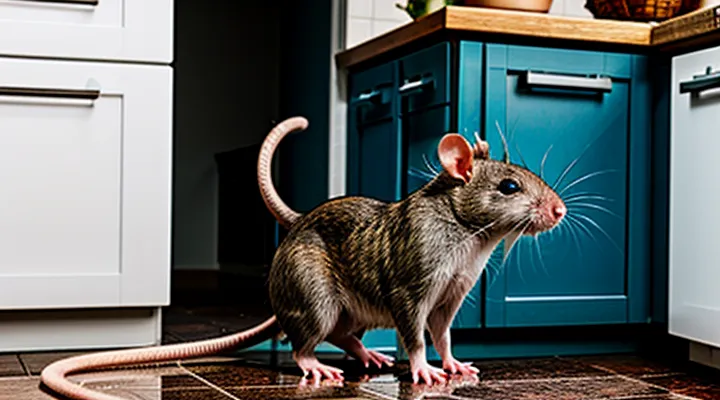
Immediate Actions and Safety Precautions
Assessing the Situation
Locating the Carcass
When a rodent has perished in a food‑preparation area, the first priority is to determine the exact spot of the body. Visual inspection should begin at the most likely locations: behind appliances, under cabinets, inside wall voids, and near any exposed wiring or plumbing. Follow any signs of disturbance—droppings, gnaw marks, or scent trails—to narrow the search.
Key actions for locating the carcass:
- Turn off electricity to the work zone to avoid accidental contact with hidden wiring.
- Remove removable panels, drawer fronts, and appliance covers to expose concealed spaces.
- Use a flashlight and a mirror to inspect dark corners and the underside of countertops.
- Deploy a handheld infrared or thermal scanner to detect temperature differences that indicate a warm body, especially if the death occurred recently.
- If the body is not visible, listen for subtle sounds of movement or decay (e.g., faint creaking) when gently tapping adjacent surfaces.
After confirming the location, isolate the area with plastic sheeting, wear disposable gloves and a mask, and proceed to removal according to local health‑department guidelines.
Identifying Potential Hazards
A deceased rodent discovered in a food‑preparation area introduces several immediate dangers that must be recognized before any cleaning begins.
- Biological contamination: bacteria, viruses, and parasites from the carcass can spread to surfaces, utensils, and food items.
- Chemical exposure: decomposing tissue may react with cleaning agents, producing harmful fumes.
- Physical hazards: sharp bones or teeth can puncture skin or damage cookware.
- Pest attraction: the presence of a dead animal can draw flies, beetles, and other scavengers that further compromise hygiene.
Assess the environment by inspecting countertops, cutting boards, and storage containers for visible stains, odors, or residue. Test adjacent surfaces for moisture, as damp conditions accelerate microbial growth. Verify that ventilation systems are not obstructed by carcass fragments, which could circulate contaminants throughout the kitchen.
Isolate all food items, discard any that have contacted the carcass, and seal them in airtight containers for later evaluation. Remove contaminated utensils and cookware, placing them in a designated disposal bag.
Document the identified hazards, then follow a structured decontamination protocol that includes thorough disinfection, proper waste disposal, and a post‑cleaning inspection to confirm that no residual risks remain.
Personal Protection
Recommended Gear
When a rodent is found deceased in a food‑preparation area, immediate action prevents contamination and health hazards. Proper equipment ensures safe removal, thorough cleaning, and protection against disease‑transmitting agents.
- Thick disposable gloves (nitrile or latex) – barrier against pathogens and bodily fluids.
- Disposable shoe covers – prevent tracking contaminants to other rooms.
- Sealable biohazard bags – contain the carcass and any contaminated materials for disposal.
- Disinfectant wipes or spray with at least 70 % alcohol or a quaternary ammonium solution – sanitize surfaces after removal.
- Face shield or safety goggles – guard eyes from splashes while handling the body.
- Dust mask or respirator (N95 rating) – filter airborne particles that may be released during cleanup.
- Heavy‑duty trash can with a tight‑fitting lid – store sealed bags until proper disposal.
After gear is assembled, don the protective items, place the dead animal in the biohazard bag, seal it, and dispose of the bag according to local regulations. Follow with a complete wipe‑down of all surfaces using the chosen disinfectant, allowing the recommended contact time before the area is deemed safe for food preparation.
Avoiding Direct Contact
When a rodent carcass is discovered in a food preparation area, immediate steps must prevent skin, mucous membrane, or inhalation exposure. Direct handling of the dead animal increases the risk of disease transmission, so eliminate contact before any cleanup begins.
- Wear disposable nitrile gloves; discard them after use.
- Use a disposable plastic bag or a sealable container to enclose the carcass.
- Place the bagged specimen in a second outer bag for double protection.
- Avoid touching the animal with bare hands, tools, or clothing.
- Keep the area well‑ventilated; open windows or run an exhaust fan to disperse potential airborne particles.
- Do not use your own towels, sponges, or cleaning cloths on the surface; employ disposable paper towels or a dedicated cleaning kit.
- After removal, wash hands thoroughly with soap and hot water for at least 20 seconds, even if gloves were worn.
Following these precautions isolates the source of contamination, reduces the chance of pathogen spread, and creates a safe environment for subsequent sanitization.
Removal and Disposal
Safe Removal Techniques
Tools for Retrieval
A dead rodent in a food‑preparation area must be removed promptly to avoid contamination, odor, and health risks. The removal process requires sturdy, disposable, and sanitary equipment that minimizes direct contact and prevents the spread of bacteria.
- Heavy‑duty rubber or nitrile gloves, double‑layered if possible, to protect skin and prevent cross‑contamination.
- Disposable plastic bags with a sealable zip or twist‑tie closure for secure containment of the carcass.
- Rigid grabber or tongs made of stainless steel or reinforced plastic, allowing the body to be lifted without touching it.
- Disinfecting wipes or spray containing a hospital‑grade sanitizer for immediate cleaning of surfaces touched during retrieval.
- Paper towels or absorbent pads to blot any fluid spills before disposal.
- A sealed, puncture‑resistant container for temporary storage if a longer holding period is required before waste removal.
After the carcass is placed in the sealed bag, tie the bag tightly and place it inside the puncture‑resistant container. Apply the disinfectant to the bag exterior, surrounding countertops, and any tools used. Dispose of the sealed container according to local regulations for dead animal waste. Clean and disinfect all tools before discarding or storing them for future use.
Preventing Contamination
When a dead rodent is discovered in a food‑preparation area, the priority is to stop bacterial and viral spread. The animal’s body can release pathogens that contaminate surfaces, utensils, and stored food, creating health risks for anyone who consumes the affected items.
Immediate actions
- Wear disposable gloves and a mask.
- Place the carcass in a sealed plastic bag, then into a second bag before discarding it in an outdoor trash container.
- Remove any food items that were exposed, even if they appear intact; place them in a separate sealed bag for disposal.
- Ventilate the kitchen by opening windows or using an exhaust fan for at least 15 minutes.
Sanitation procedures
- Clean all surfaces that the rodent touched with hot, soapy water.
- Apply an EPA‑approved disinfectant to countertops, cutting boards, appliances, and floor areas; follow the manufacturer’s contact time.
- Rinse with clean water and dry with disposable paper towels.
- Launder any cloth items (rags, aprons) at the highest temperature setting.
Preventive measures
- Seal cracks, gaps, and holes in walls, cabinets, and around pipes to block entry.
- Store food in airtight containers; keep pantry shelves free of debris.
- Maintain a regular schedule for trash removal; use bins with tight‑fitting lids.
- Conduct routine inspections for droppings or gnaw marks, and address signs of infestation promptly.
By executing these steps, contamination is contained, the kitchen environment is restored to a safe state, and future incidents are less likely to occur.
Proper Disposal Methods
Sealing the Carcass
When a dead rodent is discovered in a kitchen, the carcass must be contained to prevent bacterial spread and attractants for other pests. Proper sealing stops odors, fluids, and debris from contaminating food preparation surfaces.
- Wear disposable gloves before handling the animal.
- Place the carcass in a thick, sealable plastic bag (e.g., freezer‑grade).
- Remove excess air, seal the bag tightly, then place it inside a second bag and seal again.
- Label the outer bag with the date and location of discovery.
- Transport the double‑bagged carcass to a municipal hazardous‑waste drop‑off or place it in an outdoor trash container with a secure lid.
After sealing, clean and disinfect any tools or surfaces that contacted the animal. Use an EPA‑approved sanitizer, allow sufficient contact time, and rinse with hot water. Discard gloves and wash hands thoroughly with soap. These measures eliminate health risks and reduce the likelihood of secondary infestations.
Local Regulations for Deceased Pests
Local health codes classify a dead rodent discovered in a food‑preparation area as a sanitary hazard. Authorities require immediate containment, proper disposal, and documentation to prevent contamination and disease spread.
- Remove the carcass using disposable gloves and a sealed, leak‑proof container.
- Place the container in a sealed trash bag and store it in a refrigerator‑grade area if disposal will be delayed more than 24 hours.
- Contact the municipal health department or pest‑control agency within the timeframe specified by local ordinance (often 24 hours) to report the incident and obtain disposal instructions.
- Follow prescribed disposal methods, which may include:
- Drop‑off at a licensed hazardous‑waste facility.
- Collection by a certified pest‑removal service.
- Inclusion in municipal solid‑waste collection, only after the carcass is double‑bagged and labeled as “dead pest.”
- Perform a thorough sanitation of the affected area, using EPA‑approved disinfectants, and retain records of cleaning procedures for inspection.
Failure to adhere to these requirements can result in citations, fines, or temporary closure of the food‑service establishment. Maintaining a written log of incidents, disposal receipts, and cleaning protocols provides evidence of compliance during health‑department audits.
Sanitation and Disinfection
Cleaning the Affected Area
Initial Cleaning Steps
When a rodent is found dead in a food‑preparation area, immediate action prevents contamination and odor spread. Begin by removing the carcass with disposable gloves, placing it in a sealed plastic bag, and discarding it in an outdoor trash container.
Next, ventilate the space: open windows and run an exhaust fan for at least 15 minutes to disperse any airborne particles.
Proceed to clean all surfaces that may have contacted the animal. Use a detergent solution to scrub countertops, cutting boards, and appliances, then rinse with hot water. Follow with a disinfectant approved for kitchen use, applying it according to the label’s contact time.
Dispose of all cleaning materials—rags, sponges, and paper towels—in sealed bags and wash hands thoroughly with soap after glove removal.
Finally, inspect the area for droppings, urine stains, or damage to food packaging. Remove any compromised items, and consider a deeper sanitation cycle if evidence of contamination is extensive.
Disinfectant Solutions
When a rodent carcass is discovered in a food‑preparation area, the surface must be treated with an effective disinfectant to eliminate bacterial and viral contaminants. Choose a solution that is approved for kitchen use, such as a chlorine‑based sanitizer (e.g., 200 ppm sodium hypochlorite), an alcohol‑based spray (minimum 70 % ethanol), or a quaternary ammonium compound labeled for food contact surfaces.
Prepare the disinfectant according to the manufacturer’s dilution instructions. Verify concentration with a test strip if available; incorrect strength can leave pathogens alive or damage surfaces.
Apply the solution in the following order:
- Remove visible debris and organic matter with disposable paper towels; discard in a sealed bag.
- Wet the affected area with the prepared disinfectant, ensuring full coverage of countertops, cabinets, and floor sections.
- Allow the liquid to remain for the required contact time (typically 5–10 minutes) without wiping.
- Rinse with clean water if the product label mandates, then dry with disposable cloths.
- Dispose of all cleaning materials in a sealed container; treat as hazardous waste according to local regulations.
Wear protective gloves and, if ventilation is limited, a face mask. Store any unused disinfectant in a clearly labeled container away from food items. After treatment, inspect the area for residual odors or residues before resuming food preparation.
Odor Control
Natural Remedies for Odor
When a rodent carcass is discovered in a food‑preparation area, the primary concern is eliminating the foul smell without introducing harsh chemicals. Natural methods can neutralize odor while keeping the kitchen safe for cooking.
- Sprinkle baking soda over the affected surface, let it sit for at least 30 minutes, then vacuum or wipe away. The alkaline properties absorb volatile compounds.
- Place bowls of white vinegar in the room for several hours. Acetic acid vapor binds with odor‑causing molecules, reducing their intensity.
- Fill a saucepan with water, add a few slices of fresh lemon or a handful of orange peels, and simmer on low heat. Citrus oils disperse through steam, masking and breaking down the smell.
- Spread activated charcoal pieces on a tray near the source. The porous material adsorbs airborne particles, diminishing lingering odors.
- Mix equal parts water and hydrogen peroxide in a spray bottle; mist the area lightly. The oxidizing agent degrades organic residues that contribute to the stench.
After applying these remedies, remove the dead animal using disposable gloves, seal it in a plastic bag, and discard it according to local waste regulations. Clean all surfaces with hot, soapy water, then rinse thoroughly. Ventilate the kitchen by opening windows or running an exhaust fan for at least 15 minutes to expedite air exchange. These steps restore a neutral scent environment without resorting to synthetic deodorizers.
Commercial Odor Eliminators
When a rodent carcass is discovered in a kitchen, the immediate concern is the lingering odor that can attract pests and create an unpleasant environment. Commercial odor eliminators are designed to neutralize the volatile compounds released by decaying tissue, reducing the smell faster than household cleaners alone.
Effective products typically contain enzymatic or oxidizing agents that break down odor molecules at the source. Choose a formula that is:
- Certified for use in food preparation areas
- Non‑toxic to humans and pets when used as directed
- Capable of eliminating both organic and ammonia‑based odors
- Resistant to re‑contamination after application
Apply the selected eliminator after removing the carcass and cleaning all surfaces with a detergent. Follow the manufacturer’s instructions for dilution, contact time, and ventilation. In most cases, spraying the solution onto countertops, cabinets, and nearby flooring, then allowing it to air‑dry, suffices. If the odor persists, repeat the process or consider a fogger designed for commercial kitchens.
Safety precautions include wearing gloves, eye protection, and ensuring adequate airflow to disperse any fumes. Store the product in a sealed container away from heat sources. Proper disposal of the dead animal and any contaminated materials, combined with the use of a professional‑grade odor eliminator, restores a sanitary kitchen environment and prevents secondary infestations.
Preventing Future Infestations
Identifying Entry Points
After a rodent carcass is found in a kitchen, the first step toward preventing future incidents is to locate the pathways the animal used to gain access.
Common routes include:
- Gaps around exterior doors and interior door frames
- Cracks in foundation or wall sheathing
- Openings around utility penetrations (pipes, cables, vent ducts)
- Unsealed spaces beneath sinks, cabinets, and countertops
- Unscreened windows, skylights, and attic hatches
- Gaps around refrigerator, stove, and dishwasher connections
Inspect each potential route with a focused visual sweep. Use a bright flashlight to highlight shadowed areas, and run a fingertip along seams to feel for loosened material. Look for fresh gnaw marks, droppings, or shredded insulation, which indicate active use. Document findings before proceeding to repair.
Seal identified openings with durable materials: insert steel wool or copper mesh into narrow gaps, then apply silicone caulk or expanding foam for a weather‑tight barrier. For larger holes, attach hardware cloth or metal flashing, securing with screws or construction adhesive. Ensure all repairs are flush with surrounding surfaces to eliminate future concealment spots.
Completing a systematic entry‑point audit and sealing process removes the primary avenue for rodents, reducing the likelihood of another death and associated health hazards in the kitchen environment.
Pest-Proofing Your Kitchen
Discovering a dead rodent in the kitchen signals a breach in the household’s defensive barrier. Immediate corrective measures protect health, prevent odor, and stop further intrusions.
Inspect walls, floors, and ceilings for openings larger than a quarter‑inch. Fill gaps with steel wool, then seal with expanding foam or silicone caulk. Install door sweeps and repair damaged screens.
Store all food in containers that lock tightly. Wipe countertops after each use; clean crumbs and spills before they dry. Avoid leaving pet food out overnight.
Use trash cans with lids that close securely. Empty bins daily, especially after preparing meals. Keep compost bins outside the kitchen or in a sealed container.
Eliminate clutter that offers shelter. Keep pantry shelves orderly, place items on pallets rather than directly on the floor, and remove cardboard boxes that could serve as nesting material.
Set up monitoring devices such as snap traps or electronic monitors in concealed locations. Check them weekly; replace or relocate as needed.
After removal, wear disposable gloves, place the carcass in a sealed bag, and discard it according to local regulations. Disinfect countertops, cutting boards, and any surfaces the rodent contacted with a solution of one part bleach to nine parts water, then rinse with clean water.
Regularly repeat these actions to maintain a barrier that deters rodents and safeguards the kitchen environment.
Health Considerations
Potential Health Risks
Disease Transmission
A deceased rodent in a kitchen creates a direct pathway for pathogens to contaminate surfaces, food, and utensils. Contact with the carcass or its fluids can introduce bacteria, viruses, and parasites that rodents commonly harbor.
Typical agents include Salmonella, Leptospira, Hantavirus, Staphylococcus aureus, and Yersinia pestis. These organisms spread through:
- bodily fluids (blood, urine, feces) that splash onto countertops,
- aerosolized particles generated when the body decomposes,
- direct handling of the dead animal without protection.
To prevent disease transmission, follow these precise actions:
- Evacuate the area; keep all personnel away from the contaminated zone.
- Don disposable gloves, a face mask, and an apron before touching the carcass.
- Place the rodent in a sealed, puncture‑resistant bag and dispose of it according to local hazardous‑waste regulations.
- Remove and discard any food, utensils, or linens that touched the surface.
- Clean all affected surfaces with a detergent, then apply a disinfectant proven effective against gram‑negative bacteria and viruses (e.g., 10 % bleach solution) for at least five minutes.
- Rinse with clean water and allow surfaces to air‑dry completely.
- Conduct a visual inspection for additional droppings or urine stains; repeat cleaning if any are found.
- Document the incident, the steps taken, and any signs of illness among staff for future reference.
Implementing these measures eliminates the immediate threat and reduces the likelihood of secondary infections within the food‑preparation environment.
Allergic Reactions
A dead rodent in a food‑preparation area can release allergenic proteins through skin, fur, urine, feces, and decomposing tissue. Airborne particles may trigger respiratory sensitivity, while direct contact can cause skin irritation or hives.
Typical allergic manifestations include:
- Sneezing, nasal congestion, or wheezing
- Itchy, red rash or urticaria at points of contact
- Watery, itchy eyes or conjunctival swelling
- Shortness of breath or chest tightness in severe cases
Immediate precautions:
- Restrict entry to the kitchen; seal the area to prevent particle spread.
- Wear disposable gloves, a mask rated for fine particles, and protective eyewear before handling the carcass.
- Ventilate the space by opening windows and using exhaust fans.
- Remove the animal with a sealed bag; dispose of it according to local regulations.
- Clean all surfaces with a disinfectant that deactivates protein allergens; rinse thoroughly.
- Launder any fabric items (rags, towels) in hot water; discard single‑use protective gear.
If symptoms develop:
- Administer an antihistamine for mild reactions.
- Use a short‑acting bronchodilator for wheezing or asthma‑like symptoms.
- Seek emergency medical care for difficulty breathing, swelling of the face or throat, or rapid progression of symptoms.
After the incident, maintain regular kitchen sanitation, monitor for lingering odors, and consider allergen‑reducing cleaning agents to minimize future exposure.
When to Seek Professional Help
Signs of Continued Infestation
After a rodent carcass is discovered in a kitchen, the presence of additional indicators often means the infestation persists. Continuous activity leaves a distinct trail of evidence that requires immediate attention.
Typical signs include:
- Fresh droppings, especially near food storage, countertops, or behind appliances.
- Gnaw marks on wiring, wooden cabinets, plastic containers, or structural components.
- Chewed or torn packaging, indicating that rats are still accessing food sources.
- Dark streaks or spots on surfaces, which are urine deposits that stain walls, floors, and cabinets.
- Visible pathways of mud or grease that trace movement routes along walls and under sinks.
- Nests constructed from shredded paper, fabric, insulation, or dried food debris.
- Audible sounds such as scratching, scurrying, or squeaking, particularly during nighttime hours.
- Repeated sightings of live rodents or fresh tracks in dust, flour, or powdered sugar.
These indicators confirm that the problem extends beyond a single dead animal. Prompt sanitation, sealing of entry points, and professional pest control are essential to eliminate the ongoing threat.
Post-Mortem Pest Control Services
When a rodent is found deceased in a food‑preparation area, the situation requires professional post‑mortem pest control. This service eliminates health hazards, removes residual contamination, and prevents secondary infestations.
The typical workflow includes:
- Inspection of the kitchen to assess the dead animal’s location and any signs of droppings, urine, or gnaw marks.
- Removal of the carcass using sealed containers and disposable gloves to avoid cross‑contamination.
- Disinfection of surfaces with EPA‑approved sanitizers, focusing on countertops, cutting boards, and nearby appliances.
- Application of residual insecticide or rodent‑repellent treatments in cracks, wall voids, and entry points to deter surviving pests.
- Installation of monitoring devices (e.g., glue boards or electronic traps) to verify that the infestation has been eradicated.
- Documentation of findings, actions taken, and recommendations for future prevention.
Choosing a provider involves verifying licensure, confirming that technicians are trained in biohazard handling, and requesting a written guarantee of service completion. Cost factors include the size of the kitchen, severity of contamination, and any required structural repairs.
Prompt engagement of qualified post‑mortem pest control minimizes the risk of foodborne illness, protects property value, and restores a safe cooking environment.