
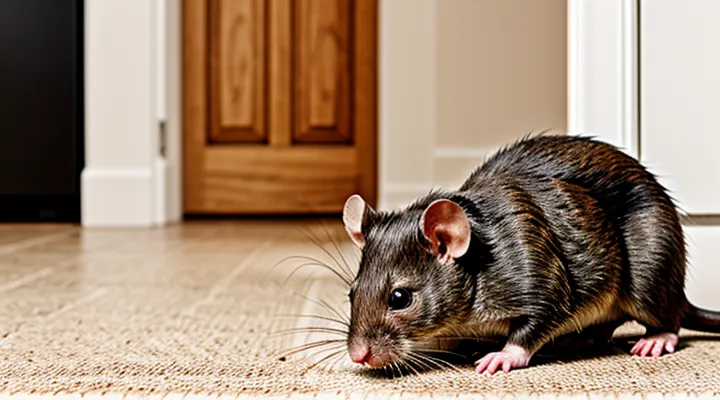
Understanding Rat Behavior
Why Rats Enter Homes
Rats enter residential buildings primarily because the environment satisfies their basic survival needs. Food residues, standing water, and accessible shelter create conditions that attract them and support reproduction.
- Unsecured food sources: crumbs, pet food, improperly stored pantry items, and garbage containers provide a reliable diet.
- Water availability: leaky pipes, dripping faucets, and condensation on surfaces supply the moisture rats require.
- Structural gaps: cracks in foundations, gaps around utility penetrations, and unsealed doors or windows serve as entry points.
- Warmth and protection: insulated walls, attics, and crawl spaces offer stable temperatures and concealment from predators.
- Nesting materials: shredded paper, fabric, insulation, and stored cardboard give rats the raw material for building nests.
- Proximity to outdoor habitats: gardens, dumpsters, and sewer lines increase the likelihood of rodents moving indoors when conditions are favorable.
Understanding these factors enables targeted prevention measures that remove attractants and block access, thereby reducing the incidence of indoor infestations.
Signs of a Rat Infestation
Rats leave unmistakable evidence of their presence. Recognizing these indicators enables prompt action before damage escalates.
- Droppings: small, dark, rice‑shaped pellets found near food sources, along walls, or in hidden corners.
- Gnaw marks: fresh, clean cuts on wood, plastic, wiring, or insulation; older gnawing appears rough and splintered.
- Grease trails: dark smears along baseboards, cabinets, or behind appliances where rodents rub their bodies.
- Nest material: shredded paper, fabric, insulation, or dried plant matter gathered in concealed areas such as attics, wall voids, or under appliances.
- Unusual noises: scratching, scurrying, or squeaking heard especially at night or within walls, ceilings, and crawl spaces.
- Odor: a strong, musky scent emanating from urine or droppings, often detectable in confined spaces.
- Burrows: small holes, typically ½ to ¾ inch in diameter, in drywall, flooring, or exterior walls, sometimes surrounded by loose debris.
Identifying any combination of these signs confirms a rat problem and warrants immediate professional inspection and control measures.
Things Rats Actively Avoid
Strong Scents
Peppermint Oil
Peppermint oil is a volatile essential oil whose strong menthol aroma disrupts the olfactory receptors of rodents. The compound menthol, together with menthone, creates a scent that rats find unpleasant, causing them to avoid areas where the oil is present.
When applied correctly, peppermint oil can reduce rodent activity in kitchens, pantries, and entry points. Effective use requires the following steps:
- Dilute 10–15 drops of pure peppermint oil in 200 ml of water.
- Transfer the mixture to a spray bottle.
- Apply to cracks, gaps, and surfaces near suspected pathways.
- Reapply every 3–4 days, or after cleaning, to maintain potency.
Concentration matters; undiluted oil may damage finishes, while overly weak solutions lose repellant effect. Laboratory tests show a 60–80 % decrease in rat visitation after consistent application for two weeks, though complete eradication is not guaranteed.
Safety considerations include keeping the oil out of reach of children and pets, as ingestion can cause gastrointestinal irritation. Ventilation is advisable during spraying to avoid respiratory discomfort for occupants.
Peppermint oil complements, rather than replaces, structural exclusion methods such as sealing entry holes and maintaining proper sanitation. Relying solely on the oil may lead to temporary displacement of rodents, not permanent removal. Combining chemical deterrence with physical barriers yields the most reliable outcome.
Essential Oils (Clove, Eucalyptus)
Rats are highly sensitive to strong aromatic compounds; both clove and eucalyptus essential oils exploit this trait to deter their presence indoors.
Clove oil contains eugenol, a phenolic substance that irritates the nasal passages and respiratory system of rodents, causing avoidance behavior. Eucalyptus oil is rich in 1,8‑cineole, a volatile terpene that produces a pungent, menthol‑like scent overwhelming to rats’ olfactory receptors.
Effective application requires strategic placement and proper dilution:
- Mix 5–10 drops of clove oil with 1 cup of water; spray along baseboards, entry points, and behind appliances.
- Combine 5–8 drops of eucalyptus oil with 1 cup of water; mist in pantry corners, attics, and crawl spaces.
- Reapply every 3–4 days, especially after cleaning or ventilation, to maintain potency.
Safety considerations:
- Use only food‑grade oils; avoid direct contact with pets and children.
- Test a small area for surface reactions before widespread use.
- Do not apply undiluted oil to fabrics or wood, as it may cause staining or degradation.
When integrated with sealed entry points and reduced food sources, clove and eucalyptus oils form a reliable, non‑chemical barrier that discourages rats from inhabiting residential environments.
Ammonia
Rats are highly sensitive to ammonia, a volatile compound released by urine, cleaning products, and pet waste. The sharp odor triggers irritation of the nasal passages and interferes with the animals’ keen sense of smell, which they rely on for locating food and navigating their environment. As a result, areas with elevated ammonia levels become unattractive shelters and foraging zones.
Key characteristics of ammonia that deter rodents:
- Low odor detection threshold; rats perceive concentrations far below human awareness.
- Irritant effect on respiratory epithelium, causing discomfort and reduced activity.
- Disruption of pheromone communication, impairing social signaling and breeding behavior.
Common household sources:
- Cat litter boxes and dog kennels where urine accumulates.
- Bathroom cleaners containing ammonium hydroxide.
- Leaking pipes or poorly ventilated basements with stagnant water.
Mitigation strategies:
- Regularly clean and replace litter, using low‑ammonia formulations.
- Choose enzymatic cleaners instead of ammonia‑based products.
- Ensure proper ventilation in damp areas; install exhaust fans or dehumidifiers.
- Repair leaks promptly to prevent urine pooling and subsequent ammonia buildup.
By maintaining low ammonia concentrations, homeowners create an environment that is less inviting to rats, reducing the likelihood of infestation and the associated health risks.
Bleach
Bleach (sodium hypochlorite solution) produces a strong chlorine odor and a corrosive residue that rats find intolerable. The chemical irritates the rodents’ respiratory system and damages the sensitive mucous membranes in their nose and eyes, prompting avoidance of treated areas.
When applied correctly, bleach can serve as a temporary barrier in kitchens, basements, and storage rooms where rats seek food or shelter. The deterrent effect lasts only while the odor remains potent; evaporation or dilution reduces efficacy within hours.
Practical guidelines for using bleach as a rat repellent:
- Prepare a 1 % solution (approximately 1 part commercial bleach to 9 parts water).
- Apply the mixture to surfaces near entry points, behind appliances, and along baseboards using a spray bottle or cloth.
- Allow the liquid to remain wet for at least 10 minutes before wiping or rinsing; this ensures sufficient exposure.
- Ventilate the area to prevent excessive chlorine buildup, which can be hazardous to humans and pets.
- Reapply weekly in high‑traffic zones, or after cleaning that removes the residue.
Limitations: bleach does not eliminate established infestations, does not affect hidden nests, and can damage porous materials or discolor fabrics. Overuse may lead to respiratory irritation for occupants and create a health risk if mixed with other cleaners.
For long‑term control, combine bleach treatment with sealing entry points, removing food sources, and employing traps or professional pest‑management services. This integrated approach maximizes rat aversion while minimizing chemical exposure.
Predator Urine
Predator urine contains volatile compounds that signal the presence of carnivores such as foxes, coyotes, and feral cats. These chemicals are detected by the olfactory receptors of rats, triggering innate avoidance responses.
Rats exposed to predator urine exhibit reduced foraging activity, increased time spent in sheltered areas, and a tendency to abandon infested zones. The scent induces stress hormones, disrupts normal navigation, and discourages nesting.
Effective use in residential settings requires careful placement and concentration:
- Apply a few milliliters to cotton balls or absorbent pads.
- Position the pads near entry points, wall voids, and known gnawing sites.
- Replace the material every 2–3 weeks to maintain potency.
- Store products away from food preparation surfaces to avoid contamination.
Field studies report a decline in rodent sightings after consistent application, though complete eradication depends on additional control measures such as sealing entry gaps and removing food sources. Predator urine should complement, not replace, integrated pest management practices.
Unpleasant Textures and Surfaces
Rough or Abrasive Materials
Rats are highly sensitive to the texture of surfaces they encounter in a dwelling. Rough or abrasive materials create several deterrents that make a home less attractive to them.
The primary effects of such textures include:
- Impaired movement – irregular surfaces hinder the swift, silent navigation rats rely on for foraging and escape.
- Risk of injury – sharp fibers, splinters, or grit can damage delicate paws and whiskers, prompting avoidance.
- Disrupted nesting – rats prefer smooth, pliable substrates for building nests; coarse materials interfere with construction and insulation.
- Increased stress – constant contact with abrasive surfaces elevates discomfort, reducing the likelihood of prolonged habitation.
Common household elements that fall into this category are:
- Unfinished wood with splintering grain
- Exposed concrete or brick without sealant
- Metal grates or corrugated metal sheets
- Sandpaper‑finished panels
- Rough stone tiles or pavers
Mitigation strategies focus on replacing or covering these surfaces with smooth alternatives such as sealed hardwood, polished tile, or laminate flooring. Where replacement is impractical, applying a protective layer—paint, varnish, or a thin polymer coating—creates a uniform, non‑abrasive finish that diminishes the deterrent effect.
By minimizing rough textures, a residence becomes less hostile to rats, reducing the chance that they will view the environment as unsuitable for shelter and movement.
Sticky Traps (as deterrents)
Sticky traps provide a direct physical barrier that immobilizes rats the moment they step onto the adhesive surface. The glue is formulated to remain tacky despite dust and debris, ensuring that a single contact is sufficient to hold the animal in place. Because the trap does not emit odor or sound, it avoids attracting non‑target species and does not rely on chemical baits that rats may learn to ignore.
- Advantages
- Immediate capture without poisoning.
- Visible evidence of activity, helpful for monitoring infestations.
- No need for regular re‑baiting; traps can remain effective for weeks.
- Disadvantages
- Limited to small to medium‑sized rodents; larger individuals may break free.
- Requires careful disposal to prevent secondary contamination.
- Placement in high‑traffic human areas can cause accidental contact.
Effective deployment follows a few practical rules. Position traps along established runways: behind appliances, near wall voids, and within concealed corners where gnaw marks appear. Secure traps to a flat surface to prevent shifting, and replace them promptly once a capture occurs. Use gloves when handling used traps to avoid direct contact with the adhesive and any bodily fluids.
Sticky traps exploit rats’ natural aversion to immobilization and loss of mobility. While they can reduce visible activity, optimal control combines traps with sanitation measures—sealing entry points, removing food sources, and maintaining a clutter‑free environment. This integrated approach maximizes deterrence and limits the likelihood of reinfestation.
Loud Noises and Vibrations
Ultrasonic Repellents
Ultrasonic devices emit high‑frequency sound waves that fall outside the range of human hearing but are audible to rodents. The waves create a hostile acoustic environment, prompting rats to vacate treated areas. Laboratory testing confirms that exposure to frequencies between 20 kHz and 60 kHz disrupts rodent communication and induces stress responses.
Effectiveness varies with placement, obstacle density, and device power. Direct line‑of‑sight is required; walls, furniture, and insulation attenuate the signal. Multiple units may be necessary in large or compartmentalized spaces. Continuous operation maintains the deterrent effect, while intermittent cycles reduce power consumption without compromising results.
Key considerations for safe and reliable use:
- Position units at least 12 inches above the floor and away from corners.
- Ensure no solid barriers block the sound path between the emitter and target zones.
- Verify that the device complies with FCC regulations for ultrasonic emissions.
- Replace batteries or check power sources monthly to avoid signal degradation.
- Combine ultrasonic repellents with physical exclusion methods, such as sealing entry points, for comprehensive control.
Research indicates that ultrasonic repellents alone seldom eradicate established infestations. Integrating acoustic deterrents with sanitation, trapping, and structural sealing yields the most consistent reduction in rat activity.
Sudden Disturbances
Rats experience acute stress when confronted with unexpected stimuli inside a dwelling. Sudden noises—such as alarms, dropping objects, or slamming doors—trigger a rapid flight response, causing individuals to abandon established foraging routes and hide in deeper crevices. Vibrations from appliances, plumbing, or construction work produce similar effects; the tactile shock disrupts the animal’s ability to gauge stable surfaces, leading to reduced movement and increased grooming as a coping behavior.
Unexpected flashes of light, especially from sudden switches or electronic devices, interfere with rats’ nocturnal vision. The abrupt illumination forces a temporary cessation of activity and may result in disorientation that persists after the light source is removed. Rapid human motion, including hurried footsteps or sudden entry into a room, is perceived as a predator cue. Rats react by freezing, emitting alarm vocalizations, or relocating to alternative burrows, which can fragment established nesting sites.
Key disturbances and typical rat reactions:
- Loud, abrupt sounds – immediate retreat, abandonment of food caches.
- Sharp vibrations – hesitation in movement, increased use of sheltered pathways.
- Sudden bright lights – temporary immobilization, disoriented navigation.
- Rapid human intrusion – freezing, vocal alarm, relocation to secondary nests.
Consistent exposure to these stimuli elevates cortisol levels, diminishes reproductive output, and encourages the development of escape routes. Mitigating sudden disturbances—by softening door closures, scheduling noisy activities during periods of low rat activity, and using dimmer lighting—reduces stress and limits the likelihood of rats seeking alternative shelter within the home.
Bright Lights
Consistent Illumination
Consistent illumination creates an environment that conflicts with the natural habits of house rats. Continuous light exposure disrupts their circadian rhythm, which is calibrated for darkness during daylight hours and activity at night. The result is heightened stress, reduced feeding efficiency, and impaired reproductive cycles.
Key effects of steady lighting include:
- Suppression of nocturnal foraging, leading to lower food intake.
- Increased cortisol levels, indicating physiological stress.
- Interference with breeding patterns, causing fewer litters.
- Diminished shelter-seeking behavior, making rats more exposed to predators and human intervention.
- Reduced nesting activity, as rats prefer dim corners for building nests.
Overall, unvarying brightness discourages rats from establishing long‑term presence in a residence, making it an effective deterrent when combined with other control measures.
Certain Food Items
Spicy Foods
Rats encounter many human foods, yet the pungency of spicy dishes creates a strong aversion. Capsaicin, the active compound in chili peppers, binds to TRPV1 receptors in a rat’s oral and nasal tissues, triggering a burning sensation comparable to that experienced by humans. This sensory overload discourages ingestion and quickly conditions the animal to avoid similar flavors.
Key physiological responses include:
- Immediate irritation of the mouth, throat, and nasal passages.
- Activation of pain pathways that produce a rapid, unpleasant sensation.
- Suppression of appetite for foods containing capsaicin, leading to reduced overall consumption.
For homeowners seeking a non‑toxic deterrent, the following practices are effective:
- Apply a thin layer of hot sauce or crushed red pepper to entry points, such as cracks and gaps.
- Place crushed chili flakes in areas where droppings are found; the lingering scent reinforces avoidance.
- Use commercially available rodent repellents formulated with capsaicin, ensuring they are applied according to label instructions.
These measures exploit rats’ natural sensitivity to heat, providing a reliable method to keep them away from interior spaces without resorting to lethal chemicals.
Onions and Garlic
Onions and garlic are among the few kitchen ingredients that deter rats effectively. Their strong odor originates from sulfur‑containing compounds—principally allicin in garlic and propanethial S‑oxide in onions. These volatiles irritate the rodents’ olfactory receptors, causing discomfort and prompting avoidance of treated areas.
- Allicin disrupts the sensory nerves that rats use to locate food.
- Propanethial S‑oxide produces a pungent vapour that interferes with respiratory function.
- Both compounds act as natural repellents without requiring synthetic chemicals.
Practical application involves placing small, unpeeled pieces of onion or crushed garlic in corners, behind appliances, and near entry points. The scent persists for several days; replacing the material weekly maintains efficacy. Combining onions and garlic with other deterrents, such as peppermint oil or steel wool, enhances protection.
Safety considerations demand that edible portions remain inaccessible to pets and children, as excessive ingestion can cause gastrointestinal irritation. Use only fresh produce; dried or powdered forms lose potency rapidly. Proper ventilation prevents the buildup of strong odors that may affect human occupants.
Unpalatable Non-Food Items
Rats avoid objects that produce strong, irritating odors, sharp textures, or uncomfortable physical sensations. Their sensory systems detect compounds that are harmful or unpleasant, prompting them to steer clear of such items.
- Essential oils with high menthol or citrus content (peppermint, eucalyptus, lemon)
- Ammonia‑based cleaners and bleach solutions
- Aluminum foil or metal trays that create reflective, cold surfaces
- Rough, abrasive fabrics such as burlap or sisal rope
- Sticky traps coated with non‑food adhesives
- Bright LED lights placed near entry points
- High‑frequency ultrasonic emitters that generate inaudible vibrations
These materials create sensory deterrents without providing nutritional value, reducing the likelihood of rodent intrusion in residential spaces.
Strategies for Rat Deterrence
Maintaining a Clean Environment
Proper Food Storage
Proper food storage eliminates a major attraction for rodents inside residences. Secure containers prevent odors and visual cues that draw rats to kitchens and pantries.
- Use airtight, metal or heavy‑plastic containers with sealed lids for all dry goods, pet food, and bulk items.
- Store perishable items in the refrigerator or freezer; discard leftovers promptly.
- Keep countertops clear of crumbs; wipe surfaces after each meal.
- Position garbage cans with fitted lids away from walls; empty them daily.
- Seal cracks and gaps around cabinets, pipes, and entry points to stop rats from accessing stored food.
These measures create an environment where food sources are inaccessible, reducing the likelihood of infestation.
Waste Management
Effective waste management reduces conditions that attract rodents. Properly sealed containers prevent the scent of food residues from reaching rats, eliminating a primary incentive for intrusion.
Maintaining a regular disposal schedule removes decomposing matter before it becomes a magnet for foraging. Prompt removal of organic waste eliminates a common source of moisture and odor that rats find appealing.
Key practices include:
- Using trash cans with tight-fitting lids.
- Storing compost in sealed bins away from entry points.
- Emptying waste containers at least once daily in high‑risk areas.
- Cleaning spills immediately and sanitizing surfaces regularly.
By eliminating accessible food sources and minimizing odor, waste management directly addresses the factors rats find most repellent in a household environment.
Sealing Entry Points
Inspecting Foundation Cracks
Rats seek unobstructed pathways into a house; visible gaps in a foundation signal easy access and hide potential shelter. When cracks are present, the structure emits a subtle invitation that aligns with the rodents’ instinct to exploit weak points. Detecting and sealing these openings removes a primary attraction and forces the pests to search elsewhere.
- Walk the perimeter of the building, focusing on the lowest visible level.
- Use a flashlight to highlight hairline splits, especially around windows, doors, and utility penetrations.
- Measure each fissure; cracks wider than ¼ inch often permit entry without assistance.
- Document location, length, and width for prioritization.
- Apply a moisture‑resistant sealant or hydraulic cement to close gaps that meet the size criteria.
Unaddressed foundation fissures allow rats to travel beneath flooring, create nests, and contaminate stored food. Over time, their activity can undermine structural integrity, increase noise, and elevate health risks.
Professional remediation recommends regular inspections—at least twice a year and after severe weather—to maintain a barrier that rodents find inhospitable. Prompt repair of identified cracks sustains a secure envelope, reducing the likelihood of infestation.
Securing Vents and Pipes
Rats use gaps around ventilation ducts and plumbing as direct pathways into residential spaces. Even small openings allow movement from exterior walls to interior rooms, making vents and pipes common entry points.
Securing these openings requires precise sealing and regular inspection. Recommended actions include:
- Install metal mesh or stainless‑steel screens over all vent openings; mesh size must be ¼ inch or smaller.
- Apply high‑quality, rodent‑resistant caulk around pipe penetrations, joints, and flanges.
- Fit expandable foam insulation designed to resist chewing, ensuring the foam remains tightly packed.
- Replace damaged or corroded vent covers with reinforced models that lock in place.
- Conduct quarterly checks for signs of gnawing or displacement; repair any breach immediately.
Consistent implementation of these measures removes the primary access routes rats seek, reducing the likelihood of infestation throughout the household.
Natural Repellents
Planting Repellent Herbs
Planting aromatic herbs around a residence creates a natural barrier that rats tend to avoid. These plants emit volatile compounds that interfere with a rodent’s sensory receptors, reducing the likelihood of entry and nesting.
Commonly used repellent herbs include:
- Mint (Mentha spp.) – strong menthol scent; plant in containers near entry points and along foundation walls.
- Rosemary (Rosmarinus officinalis) – woody, pine‑like aroma; thrives in full sun; position in garden beds adjacent to exterior doors.
- Lavender (Lavandula angustifolia) – sweet, floral odor; prefers well‑drained soil; place in flowerbeds or hanging pots near windows.
- Thyme (Thymus vulgaris) – earthy, pungent scent; low‑growth habit suits groundcover along fences.
- Sage (Salvia officinalis) – sharp, herbal fragrance; plant in raised beds or large pots to deter rodents from garden edges.
Effective planting strategy:
- Site selection – choose sunny locations with good air circulation; rats are less likely to linger where herbs are vigorous.
- Soil preparation – ensure drainage; incorporate organic matter to promote healthy growth and strong scent production.
- Spacing – maintain at least 12 inches between plants to allow full foliage development and continuous aromatic release.
- Maintenance – trim regularly to prevent flowering, which can diminish repellent potency; harvest leaves for indoor use to extend protection inside the home.
- Barrier integration – combine herb rows with physical seals on cracks and gaps; the dual approach maximizes rodent deterrence.
When herbs are established and properly cared for, their persistent fragrances create an environment that rats find hostile, reducing incursions without reliance on chemicals or traps.
Professional Pest Control Measures
When to Call an Expert
Rats will gnaw, contaminate food, and create noisy pathways. When these activities become evident, a professional pest‑control service should be engaged.
- Visible droppings on countertops, shelves, or in hidden corners.
- Chewed wires, insulation, or structural components.
- Persistent gnawing noises, especially at night.
- Unexplained odors of urine or decay.
- Repeated sightings despite traps or DIY measures.
If any of the above appear, postponing treatment increases the risk of electrical fires, property damage, and disease transmission. Home remedies often fail to reach concealed nests, allowing the infestation to expand.
Contact a licensed exterminator promptly. Provide details of observed signs, the extent of damage, and any previous control attempts. The specialist will conduct a thorough inspection, identify entry points, and implement an integrated management plan that includes sealing gaps, targeted baiting, and ongoing monitoring.
Long-Term Prevention
Regular Home Inspections
Regular home inspections provide systematic detection of conditions that encourage rodent activity, allowing owners to eliminate factors rats find appealing. By examining the property on a scheduled basis, potential entry points, food sources, and shelter opportunities are identified before infestations develop.
- Inspect exterior walls, foundations, and roof for cracks, gaps, or damaged flashing.
- Verify that doors, windows, and vents have tight-fitting screens and weatherstripping.
- Check storage areas for spilled grain, pet food, or garbage; ensure containers are sealed.
- Examine crawl spaces and attics for nesting material, insulation damage, or clutter.
- Assess landscaping near the building; trim overgrown vegetation and remove debris that could serve as cover.
Conduct inspections quarterly in temperate regions and bi‑monthly where rodent pressure is high. Record findings, prioritize repairs, and implement corrective actions within a defined timeframe. Documentation creates a traceable history, confirming that the environment remains consistently inhospitable to rats.
Removing Attractants
Rats avoid environments where food sources, water, and shelter are scarce. Eliminating these attractants reduces the likelihood of infestation.
- Store dry goods in sealed containers; metal or heavy‑plastic lids prevent gnawing access.
- Clean kitchen surfaces after each meal; remove crumbs, spills, and food residues promptly.
- Dispose of garbage in bins with tight‑fitting lids; empty bins regularly to eliminate odor buildup.
- Repair leaky faucets and eliminate standing water in sinks, pet bowls, and plant trays.
- Declutter basements, attics, and storage closets; remove cardboard, fabric piles, and other potential nesting material.
- Seal gaps around doors, windows, and utility penetrations; use steel wool or caulk to block entry points.
Consistent removal of these incentives creates conditions that rats find inhospitable, discouraging their presence throughout the residence.
Creating an Uninviting Environment
Rats avoid spaces that offer no shelter, food, or water. To make a home unwelcoming, eliminate these resources and block access points.
- Seal cracks, gaps, and holes larger than ¼ inch with steel wool, cement, or metal mesh.
- Install door sweeps and repair torn screens to prevent entry under doors and windows.
- Store food in airtight containers; clean crumbs and spills immediately.
- Keep garbage in sealed bins and remove trash daily.
- Reduce clutter such as piles of cardboard, fabric, or stored items that can serve as nesting material.
- Maintain low humidity by fixing leaks, using dehumidifiers, and ensuring proper ventilation in basements and crawl spaces.
- Remove standing water from pet dishes, plant trays, and drainage areas; dry them after each use.
- Employ physical deterrents like metal flashing on pipe penetrations and metal sheeting on vent openings.
- Apply non-toxic repellents (e.g., peppermint oil or ammonia) at entry points, reapplying regularly to sustain effect.
Consistent implementation of these measures creates an environment where rats find no advantage, prompting them to seek alternative locations.