
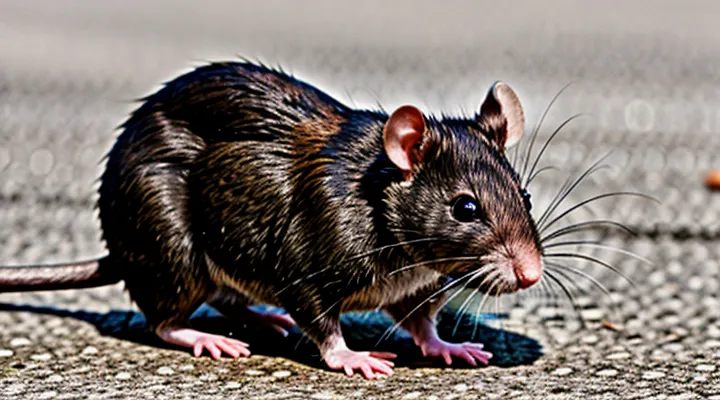
Recognizing Rat Droppings: A Visual Guide
Key Characteristics of Rat Feces
Size and Shape Variations
Rat droppings exhibit a broad spectrum of dimensions and configurations, reflecting species, diet, age, and physiological condition. Typical measurements range from 0.2 cm to 0.6 cm in length and 0.1 cm to 0.3 cm in width. Smaller specimens, often under 0.25 cm, correspond to juvenile or nutritionally limited individuals, while adult specimens of larger species can exceed 0.6 cm.
Shape characteristics vary according to moisture content and gastrointestinal transit time. Common forms include:
- Cylindrical: Uniform length, rounded ends; indicates a balanced diet with adequate fiber.
- Oval‑flattened: Slightly compressed cross‑section; suggests higher water intake or soft food consumption.
- Irregular fragments: Broken or jagged edges; may result from rapid passage, dehydration, or gastrointestinal distress.
Coloration, though not the primary focus, often accompanies size and shape changes. Darker, firmer pellets typically align with longer, cylindrical forms, whereas lighter, softer droppings tend toward oval or fragmented shapes. Recognizing these variations assists in species identification, health assessment, and environmental monitoring.
Color and Texture Clues
Rat droppings provide immediate visual cues about a rodent’s condition and diet.
Typical colors include:
- Dark brown to black: normal for healthy adults consuming standard rodent feed.
- Light brown or tan: indicates a diet high in grains or a recent shift to softer foods.
- Yellow‑orange: suggests ingestion of fruit, carrots, or vitamin‑rich supplements.
- Red or pinkish: may result from blood in the stool, pointing to gastrointestinal bleeding or infection.
- White or chalky: signifies a lack of pigment, possible malnutrition, or a fungal contaminant.
Texture reveals moisture content and digestive health:
- Firm, dry, and crumbly pellets: reflect normal dehydration levels and efficient digestion.
- Slightly moist, pliable pellets: common after recent water intake or a higher-fiber diet.
- Gelatinous or overly soft masses: indicate diarrhea, infection, or exposure to toxins.
- Fragmented or disintegrating pellets: suggest weakened intestinal walls or severe illness.
Observing both color and texture together enables rapid assessment of a rat’s well‑being and informs appropriate pest‑control or veterinary actions.
Fresh vs. Old Droppings
Fresh rat droppings are small, dark, and glossy. They measure about ¼ inch (6‑8 mm) in length and resemble thin, curved rice grains. The surface is moist, giving a slightly shiny appearance, and the edges are smooth. Fresh pellets retain a faint odor that is less pungent than that of older waste.
Old droppings change markedly as they desiccate. The color lightens to a dull brown or gray, and the surface becomes matte and brittle. Cracks appear along the length, and the pellets may fragment into smaller pieces. The odor intensifies, becoming sharp and unmistakable. These characteristics aid in distinguishing recent activity from longer‑term presence.
Key differences:
- Color: dark, glossy vs. light, matte
- Texture: moist, pliable vs. dry, brittle
- Shape: intact, curved vs. cracked, fragmented
- Odor: faint vs. strong
Recognizing the transition from fresh to old feces allows accurate assessment of rat activity and informs effective pest‑management decisions.
Distinguishing Rat Feces from Other Pests
Mouse Droppings: Subtle Differences
Mouse droppings are typically 1–2 mm long, cylindrical, and possess pointed ends. Rat droppings range from 10 mm to 20 mm, are more robust, and display blunt tips. Both appear dark brown to black, but mouse pellets often have a smoother surface.
Key distinguishing features:
- Length: mouse ≈ 1–2 mm; rat ≈ 10–20 mm.
- Shape: mouse – tapered, almost needle‑like; rat – blunt, barrel‑shaped.
- Surface texture: mouse – glossy, uniform; rat – slightly rough, may show faint ridges.
- Consolidation: mouse droppings are found in clusters of 2–6; rat droppings appear in larger piles or scattered single pieces.
Identification relies on measuring specimens, observing tip morphology, and noting clustering patterns. Accurate differentiation assists in pest assessment and targeted control measures.
Roach Feces: A Common Imposter
Roach feces often masquerade as rodent droppings, leading to misidentification during pest inspections. Understanding the distinct physical traits of each eliminates confusion and directs appropriate control measures.
Rat droppings are typically ¼ to ½ inch long, cylindrical, and have blunt ends. Their color ranges from dark brown to black, and the surface appears smooth and glossy. When fresh, they may be slightly moist, hardening to a firm, dry state within hours.
Cockroach excrement differs markedly:
- Length: ¼ inch or less, rarely exceeding ⅓ inch.
- Shape: Oval or slightly pointed, lacking the uniform cylindrical form of rat scat.
- Color: Light brown to tan, often with a matte finish.
- Texture: Granular, crumbly, and may disintegrate when disturbed.
- Arrangement: Frequently found in clusters near food sources, water lines, or within wall voids; rarely in straight lines along travel paths.
Key identification cues:
- Measure the specimen; anything under ¼ inch likely belongs to an insect.
- Observe the ends; blunt, uniform tips suggest a rodent, while tapered or irregular edges indicate a cockroach.
- Check the surface; a glossy, moist coating points to rat feces, whereas a dry, powdery appearance is characteristic of roach droppings.
- Note the pattern; rats deposit droppings in linear runs, whereas cockroaches deposit scattered piles.
Accurate differentiation prevents unnecessary rodent remediation and ensures targeted insect management.
Bat Guano: Often Confused
Bat guano and rat droppings are frequently mistaken because both appear as small, dark pellets in indoor environments. Accurate identification prevents misdirected pest control measures and reduces health risks.
Bat guano originates from chiropteran digestion. It is typically soft, crumbly, and may emit a faint, ammonia‑like odor. The material often clumps when moist and disintegrates into powder when dry. Color ranges from light brown to gray, occasionally with a glossy surface due to mineral content. Guano may contain visible insect fragments, such as moth or beetle exoskeletons, reflecting the bat’s diet.
Rat droppings differ markedly. Fresh pellets are hard, cylindrical, and measure 0.3–0.5 inches in length. They retain a uniform dark brown to black hue and lack the crumbly texture of guano. Rat feces rarely contain external debris; they are solid and maintain shape when handled.
Key distinguishing features:
- Texture: guano – soft, powdery; rat feces – hard, solid.
- Shape: guano – irregular, often fragmented; rat feces – uniform cylinders.
- Odor: guano – mild ammonia; rat feces – strong, pungent rot.
- Associated debris: guano – insect parts; rat feces – none.
- Location: guano – attics, caves, ceiling cracks; rat feces – along walls, near food sources, in concealed corners.
Misidentifying bat guano as rat droppings can lead to inappropriate chemical treatments that damage building structures and fail to address the true source. Conversely, treating rat droppings as guano may overlook a rodent infestation, allowing disease vectors to proliferate. Proper visual assessment using the criteria above ensures targeted remediation and minimizes health hazards.
Where to Find Rat Droppings
Common Hiding Spots
Kitchen and Pantry Areas
Rat droppings found in kitchen and pantry spaces share distinctive visual traits that aid identification. Each pellet measures roughly ¼ to ½ inch (6–12 mm) in length, with a cylindrical shape that tapers slightly at the ends. The color ranges from dark brown to black, sometimes appearing grayish when dried. Surface texture is smooth, lacking the ridges seen in mouse feces, and the pellets often retain a slight sheen when fresh.
Typical locations include:
- Along the edges of countertops, especially near food preparation zones.
- Inside cracks of cabinets, behind appliances, and within pantry shelving.
- On the floor beneath pantry doors or under kitchen sinks where moisture accumulates.
When multiple pellets are present, they may cluster in a straight line, reflecting the animal’s movement path. A fresh deposit may emit a faint, musky odor, while older accumulations become powdery and may crumble when disturbed.
In addition to visual cues, the presence of urine stains—yellowish spots that darken over time—often accompanies droppings in these areas. Together, these signs confirm rodent activity and indicate the need for immediate sanitation and pest‑control measures.
Basements and Attics
Rat droppings found in basements and attics share distinct visual traits that aid identification. Typically, they appear as small, dark brown to black cylinders, measuring ¼ to ½ inch in length and about ⅛ inch in width. The surfaces are smooth, with a slight sheen when fresh and a matte finish as they age. Fresh specimens may retain a faint, oily residue; older droppings become dry and crumbly.
Key visual markers include:
- Length: 0.25–0.5 in (6–12 mm)
- Width: ~0.125 in (3 mm)
- Color: dark brown, black, or reddish‑brown if the diet contains pigments
- Shape: cylindrical, often with rounded ends; occasional pointed tip in younger rodents
- Texture: firm when newly deposited, turning brittle after several days
In basements, droppings frequently accumulate near entry points such as utility openings, pipe chases, and foundation cracks. They may be found on concrete floors, insulation, and stored boxes. The low‑light environment often leaves droppings unnoticed until they cluster in corners or along walls.
Attics present a different substrate. Droppings settle on wooden joists, insulation batts, and stored items. The presence of insulation can cause droppings to adhere to fibers, creating a speckled pattern that resembles fine dust. Accumulation near roof vents, rafters, and access ladders signals active rodent movement.
Both locations may show secondary signs: urine stains that darken surrounding surfaces, gnaw marks on structural wood, and a musky odor that intensifies with larger deposits. Recognizing these visual cues enables prompt remediation and prevents health risks associated with rodent waste.
Garages and Sheds
Garages and sheds often serve as entry points and habitats for rodents, making them prime locations for the presence of rat droppings. Recognizing the visual characteristics of these droppings allows property owners to assess infestation levels and take appropriate action.
Typical rat droppings measure ¼ to ½ inch (6‑12 mm) in length, are cylindrical with blunt ends, and appear as dark brown to black pellets. Fresh specimens are moist and may emit a faint, musky odor; older droppings become dry, crumbly, and lighter in color. The size and shape distinguish them from mouse feces, which are smaller (¼ inch or less) and more pointed.
In garages and sheds, droppings commonly accumulate in:
- corners of walls and ceilings
- insulation material and attic spaces
- stored boxes, pallets, and cluttered areas
- underneath shelving and workbenches
- entry points such as doors, vents, and gaps around utility lines
Identifying rat feces in these environments involves checking for the described dimensions, shape, and coloration, and noting the presence of multiple pellets grouped together. A concentration of droppings near food sources, water containers, or nesting materials strongly suggests active activity.
Removal procedures include wearing disposable gloves, using a sealed plastic bag for collection, and disinfecting the area with a bleach solution (1 part bleach to 10 parts water) after all droppings are cleared. Following cleaning, sealing cracks, installing door sweeps, and maintaining a clutter‑free space reduce the likelihood of re‑infestation.
Signs of Infestation Beyond Droppings
Rat presence reveals itself through more than fecal pellets. Evidence appears in structural damage, material deposits, and behavioral cues.
- Gnaw marks on wood, plastic, or wiring indicate active chewing. Fresh bite edges are smooth; older scars show splintered fibers.
- Grease or oil trails along walls and baseboards result from rats rubbing their bodies against surfaces. The residue feels slick and darkens with age.
- Urine stains appear as discolored patches, often near food sources, entry points, or nesting sites. Fresh urine is clear; it yellow‑tones as it dries.
- Nests constructed from shredded paper, fabric, insulation, or dried vegetation are typically hidden in concealed spaces such as attics, crawl spaces, or behind appliances. Nest material is compacted and may emit a musky odor.
- Scratching or scurrying sounds heard at night, especially within walls or ceilings, suggest movement. Persistent noises indicate a resident population rather than a transient visitor.
- Chewed or missing food packaging, exposed grain, or scattered crumbs point to foraging activity. Packaging shows ragged edges and may be partially torn.
- Damaged electrical cords or short circuits can result from gnawing, creating fire hazards. Look for exposed wires, burnt insulation, or malfunctioning devices.
Collecting multiple indicators strengthens the case for an infestation, prompting targeted control measures.
Health Risks Associated with Rat Feces
Pathogens and Diseases
Rat droppings serve as a direct vector for a range of microbial hazards. Their size, shape, and coloration allow investigators to confirm rodent activity and assess exposure risk.
Common pathogens found in rat feces
- Salmonella spp. – cause gastrointestinal infection, fever, and dehydration.
- Leptospira interrogans – leads to leptospirosis, presenting with jaundice, renal failure, and hemorrhage.
- Hantavirus – triggers hantavirus pulmonary syndrome, characterized by rapid respiratory distress and high mortality.
- Lymphocytic choriomeningitis virus (LCMV) – produces meningitis, encephalitis, and flu‑like symptoms.
- Yersinia pestis – responsible for plague; symptoms include fever, swollen lymph nodes, and septicemia.
- Streptobacillus moniliformis – causes rat‑bite fever, with rash, fever, and arthralgia.
- Campylobacter jejuni – results in enteritis with abdominal cramping and watery diarrhea.
Disease mechanisms linked to fecal exposure
Inhalation of aerosolized particles, ingestion of contaminated food or water, and direct contact with skin or mucous membranes transmit these agents. Pathogens survive for weeks in dried feces, maintaining infectivity under typical indoor conditions. Immunocompromised individuals experience more severe outcomes, including systemic infection and organ failure.
Key health implications
- Acute gastroenteritis from bacterial contamination.
- Severe respiratory failure in hantavirus cases.
- Renal and hepatic dysfunction in leptospirosis.
- Neurological complications from LCMV and plague.
Understanding the microbial profile of rat droppings enables targeted sanitation, early diagnosis, and appropriate medical intervention.
Allergic Reactions and Asthma Triggers
Rat droppings are small, dark, cylindrical pellets that often appear in clusters on surfaces where rodents travel. The protein fragments and microbial components embedded in these pellets become airborne when disturbed, creating inhalable particles that can provoke immune responses.
Allergic reactions linked to exposure include:
- Immediate skin irritation, redness, and itching after contact with contaminated surfaces.
- Nasal congestion, sneezing, and watery eyes resulting from inhaled allergens.
- Development of specific IgE antibodies that sensitize the individual to rodent proteins.
Asthma triggers associated with these particles involve:
- Bronchoconstriction triggered by inhalation of fine dust from dried feces.
- Increased airway inflammation due to endotoxins and bacterial fragments present in the waste.
- Exacerbation of chronic asthma symptoms when exposure occurs repeatedly or in poorly ventilated environments.
Effective mitigation requires thorough cleaning of contaminated areas, use of protective equipment to prevent aerosolization, and, when necessary, medical evaluation for allergy testing and asthma management.
Safe Removal and Prevention
Personal Protective Equipment
When handling rodent droppings, protective gear prevents exposure to pathogens and allergens.
Gloves made of nitrile or latex create a barrier against direct contact with fecal material and any associated bacteria or viruses. Disposable gloves should be removed and discarded immediately after use, followed by thorough hand washing with soap and water.
Masks equipped with a minimum N95 filtration level block inhalation of aerosolized particles that may become airborne during cleaning. For high‑risk environments, a full‑face respirator with HEPA filters offers added protection.
Eye protection—safety glasses or goggles—shields the conjunctiva from splashes that can occur when droppings are disturbed. Ensure a snug fit to prevent gaps.
Coveralls or disposable gowns protect clothing and skin from contamination. Choose a fluid‑resistant material, secure the garment with a zip or snap closure, and change it before leaving the work area.
Footwear safety includes sealed boots or shoe covers to avoid tracking fecal matter onto clean surfaces. Replace or disinfect after each task.
Proper donning and doffing procedures reduce cross‑contamination. Follow a sequence: gloves, gown, mask, eye protection, then remove in reverse order, performing hand hygiene at each step.
Disposal of used PPE must follow local biohazard regulations. Seal items in puncture‑resistant bags, label as contaminated, and place in designated waste containers for incineration or autoclaving.
Regular inspection of equipment ensures integrity; replace damaged gloves, cracked eyewear, or expired respirator cartridges promptly. Training on correct usage and emergency response reinforces safety when encountering rodent droppings.
Cleaning and Disinfection Protocols
Rat droppings are small, dark, cylindrical pellets that often appear in clusters near food sources, nesting sites, or along walls. Their presence signals a potential health hazard, requiring immediate removal and surface decontamination to prevent disease transmission.
Effective decontamination begins with personal protection: disposable gloves, N‑95 respirator, eye protection, and disposable coveralls. Remove visible waste using a damp paper towel or disposable scoop; place material in a sealed biohazard bag before disposal. Avoid dry sweeping, which can aerosolize particles.
Cleaning and disinfection protocol:
- Wet the contaminated area with a detergent solution (1 % non‑ionic surfactant) to loosen organic matter.
- Scrub surfaces with a stiff brush for 5 minutes, ensuring complete removal of residue.
- Rinse with clean water and allow the surface to dry.
- Apply an EPA‑registered disinfectant effective against Salmonella, Leptospira, and Hantavirus (e.g., 0.1 % sodium hypochlorite or 0.5 % hydrogen peroxide) at the manufacturer‑specified contact time.
- Wipe excess disinfectant with a disposable cloth; discard the cloth in a sealed waste bag.
- Perform a final visual inspection; repeat the disinfection step if residue remains.
After completion, remove and dispose of all protective gear, wash hands thoroughly with soap, and decontaminate reusable equipment according to manufacturer guidelines. Regular monitoring and prompt cleaning maintain a safe environment in areas prone to rodent activity.
Eradicating the Rat Infestation
Rat droppings are dark, tubular, and approximately ½‑inch long, often found in clusters along walls, beneath appliances, or within insulation. Their presence confirms active nesting sites and indicates the urgency of removal measures.
Effective elimination of a rat problem requires coordinated actions:
- Seal entry points: Install steel mesh or cement around gaps larger than ¼ inch; inspect foundation, vents, and utility openings.
- Remove food sources: Store grain, pet food, and waste in airtight containers; eliminate standing water and clear outdoor debris.
- Deploy traps: Use snap traps or electronic devices in high‑traffic corridors; position bait at least 2 inches from the trap’s trigger to ensure contact.
- Apply rodenticides responsibly: Place tamper‑resistant bait stations near burrows; follow label instructions and monitor for non‑target exposure.
- Conduct thorough sanitation: Vacuum all droppings with a HEPA‑rated filter, then disinfect surfaces with a 10 % bleach solution; dispose of contaminated materials in sealed bags.
After implementing these steps, schedule follow‑up inspections every two weeks for the first month, then monthly, to verify that no new droppings appear and that the infestation remains suppressed. Continuous vigilance prevents re‑infestation and safeguards health standards.