
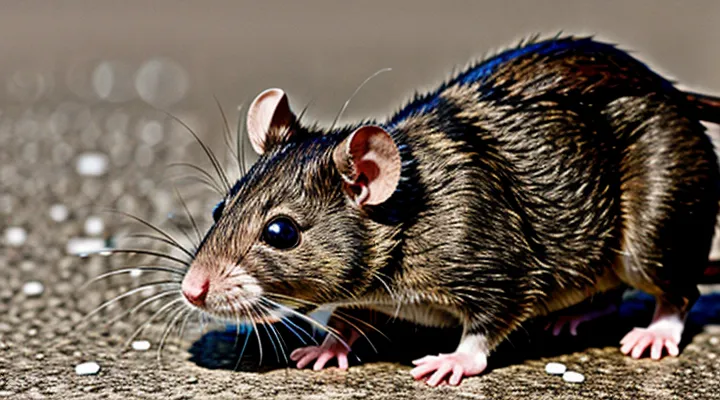
Introduction to Rodent Dropping Identification
Why Accurate Identification Matters
Public Health Implications
Accurate visual documentation of rodent feces provides essential data for assessing disease risk in urban and rural environments. Photographic records enable rapid differentiation between rat droppings and other animal waste, reducing false‑positive alerts and focusing resources on genuine hazards.
Health hazards linked to rat feces include:
- Transmission of hantavirus, leptospirosis, and salmonellosis through aerosolized particles or direct contact.
- Contamination of food supplies, water sources, and surfaces with pathogenic bacteria and parasites.
- Allergic reactions and respiratory irritation caused by dried droppings and associated urine.
Surveillance programs that incorporate high‑resolution images of fecal deposits improve early detection of infestation hotspots. Integration of photographic analysis with geographic information systems allows authorities to map exposure zones, prioritize sanitation interventions, and monitor the effectiveness of rodent control measures.
Public‑health policies should mandate regular visual inspections in high‑risk facilities such as restaurants, hospitals, and food‑processing plants. Training for inspection personnel must emphasize identification of characteristic size, shape, and coloration patterns observable in the images. Prompt removal of contaminated material, combined with disinfection protocols, reduces pathogen load and limits community transmission.
Property Damage Concerns
Rat excrement provides a reliable indicator of potential damage to buildings, furnishings, and stored goods. The presence of fresh droppings often precedes moisture‑induced degradation, as rodents gnaw on insulation, wiring, and structural components to create nesting sites. Damage can progress rapidly once the environment is contaminated with urine and fecal material, which accelerates corrosion and promotes mold growth.
Key property concerns associated with rodent droppings include:
- Corrosion of metal surfaces, especially electrical conduits and plumbing, caused by acidic urine residues.
- Compromise of insulation integrity, leading to heat loss, increased energy consumption, and heightened fire risk.
- Structural weakening of wood framing and drywall where gnawing activity creates holes and undermines load‑bearing capacity.
- Contamination of stored food products, resulting in spoilage, economic loss, and the need for extensive sanitation.
- Attraction of secondary pests such as insects and parasites that thrive on organic waste, further exacerbating damage.
Effective mitigation relies on early detection of droppings, accurate identification through photographic analysis, and prompt remediation to prevent escalation of these hazards.
Overview of Common Rodent Pests
Norway Rats
Norway rats (Rattus norvegicus) produce fecal pellets that are essential for species identification and health assessment. Pellets measure 0.5–1 cm in length, 0.2–0.3 cm in width, and exhibit a cylindrical shape with slightly tapered ends. The exterior surface is smooth to mildly ridged, reflecting the animal’s diet of grains, fruits, and occasional protein sources. Color ranges from dark brown to almost black when fresh, darkening to grayish‑brown as desiccation proceeds. In high‑resolution photographs, the pellet’s edges appear sharply defined, while internal texture remains indistinct, allowing reliable measurement of dimensions without invasive dissection.
Key attributes for photographic analysis include:
- Length and width measured with calibrated scales placed adjacent to the specimen.
- Color grading using standardized lighting to distinguish fresh from aged droppings.
- Surface texture assessment through macro lenses that reveal ridges or mucus remnants.
Comparative studies show that Norway rat pellets differ from those of roof rats (Rattus rattus) by being larger, more robust, and darker. These distinctions aid in tracking urban rodent populations, evaluating sanitation conditions, and detecting zoonotic pathogens in environmental samples. Accurate visual documentation, combined with precise morphometric data, supports reproducible scientific conclusions about rat presence and health status.
Roof Rats
Roof rats (Rattus norvegicus) produce fecal pellets that are typically 0.5–0.8 cm in length, 0.2–0.3 cm in width, and exhibit a tapered, cylindrical shape. The surface appears smooth, with a dark brown to black coloration that may fade to gray when exposed to air for extended periods. Each pellet contains a single, compact mass of undigested material; the edges are rounded rather than sharply pointed, distinguishing them from the more rectangular droppings of Norway rats.
Key visual characteristics for scientific photography:
- Length ≈ 5–8 mm, width ≈ 2–3 mm.
- Color = dark brown, black, or grayish when desiccated.
- Shape = cylindrical, tapered at both ends, smooth surface.
- Arrangement = often found in clusters along ceiling joists, attic rafters, or near entry points such as roof vents.
When documenting roof‑rat droppings, use a macro lens with a scale bar placed adjacent to the specimen. Ensure uniform illumination, preferably diffused natural light or a ring flash set to low intensity, to avoid glare on the glossy surface. Capture multiple angles: a straight‑on view for length measurement, a side view to illustrate tapering, and a close‑up to show surface texture. Store images in a lossless format (e.g., TIFF) to preserve detail for subsequent morphological analysis.
Mice
Mice are small murine mammals whose fecal pellets serve as primary evidence in pest‑assessment protocols.
Typical mouse droppings measure 2–5 mm in length, 1–2 mm in width, and display a cylindrical form with slightly tapered ends. The exterior surface appears smooth, often dark brown to black, while the interior may reveal a lighter, moist core when freshly deposited.
Photographic documentation requires macro lenses, uniform illumination, and a scale bar placed adjacent to the specimen. Backgrounds of neutral gray or white enhance contrast and permit precise measurement of dimensions.
Key distinctions from rat feces include:
- Size: mouse pellets are markedly smaller than the 6–12 mm rat equivalents.
- Shape: mouse droppings maintain a more uniform cylinder, whereas rat pellets frequently exhibit a pointed tip.
- Color: mouse excrement tends toward darker shades, reflecting a higher concentration of melanin pigments.
Scientific analysis employs these visual markers to confirm species presence, estimate population density, and monitor pathogen transmission risk. High‑resolution images enable automated image‑recognition software to classify droppings with accuracy exceeding 90 %.
Visual Characteristics of Rat Droppings
Size and Shape
Norway Rat Droppings: Typical Appearance
Norway rat (Rattus norvegicus) droppings exhibit a distinctive morphology that facilitates reliable identification in laboratory and field investigations. Typical specimens measure 0.8–1.2 cm in length and 0.3–0.5 cm in width, presenting a cylindrical form with slightly tapered ends. The exterior surface is smooth, lacking visible ridges or segmentation, and the coloration ranges from dark brown to black, occasionally displaying a glossy sheen when freshly deposited.
Key visual characteristics include:
- Length: 8–12 mm, consistent across mature individuals.
- Width: 3–5 mm, proportionally constant relative to length.
- Shape: elongated, slightly curved, with blunt termini.
- Color: uniform dark brown to black; older droppings may appear grayish due to oxidation.
- Surface texture: smooth, non‑fibrous, no discernible hairs or fragments.
Internally, the droppings contain a compact, compacted core of semi‑solid fecal material, often surrounded by a thin, moist outer layer that dries rapidly under ambient conditions. The core may exhibit a crumbly consistency when desiccated. The presence of a single, well‑defined central vein is uncommon, distinguishing them from the segmented excreta of other rodent species.
Recognition of these attributes supports accurate species attribution and informs subsequent microbiological or toxicological analyses.
Roof Rat Droppings: Typical Appearance
Roof rats (Rattus norvegicus) produce droppings that are distinct in size, shape, and composition. Typical specimens measure approximately ½ inch (12–15 mm) in length and ⅛ inch (3–4 mm) in width. The pellets are cylindrical to slightly tapered, with rounded ends that may appear slightly flattened when pressed against surfaces.
The exterior of each droplet is smooth and glossy, reflecting a moist interior. Color ranges from dark brown to black, occasionally showing a reddish hue when the animal’s diet includes fruit or berries. The surface may exhibit a faint sheen that disappears as the droppings dry.
Internal characteristics include:
- Firm, compact core that resists disintegration when handled gently.
- Minimal visible fiber fragments; any present are fine and uniformly distributed.
- Absence of large undigested particles, distinguishing roof‑rat feces from those of larger rodent species.
When examined under magnification, the droppings reveal a homogeneous matrix of digested plant material and occasional insect exoskeleton fragments. The lack of pronounced odor in fresh samples contrasts with the stronger, ammonia‑like smell that develops as the material ages.
These attributes aid scientific identification and differentiate roof‑rat droppings from those of house rats, which are generally larger, less glossy, and contain more coarse debris.
Color and Texture
Fresh Droppings
Fresh rat droppings observed immediately after deposition exhibit distinctive physical traits that aid in rapid identification and subsequent laboratory processing. Typical dimensions range from 0.3 to 0.5 cm in length and 0.1 to 0.2 cm in width, with a cylindrical to slightly tapered profile. The exterior surface appears glossy due to retained moisture, while the interior remains soft and pliable.
Key diagnostic features of newly excreted specimens include:
- Coloration: dark brown to black, sometimes with a reddish hue near the tip.
- Moisture level: high, resulting in a slightly sticky texture that can adhere to surrounding substrates.
- Odor: strong, musky scent detectable without specialized equipment.
- Shape consistency: uniform cross‑section along the length, lacking the fissures common in aged feces.
- Edge definition: smooth, rounded termini without frayed or ragged margins.
These characteristics differentiate fresh deposits from older, desiccated droppings, which typically display reduced size, brittle texture, and faded coloration. Accurate recognition of these parameters supports precise sampling, reduces contamination risk, and enhances the reliability of subsequent microscopic or molecular analyses.
Older Droppings
Older rat droppings exhibit distinct visual and physical traits that differentiate them from fresh specimens. Color transitions from glossy dark brown to matte gray‑brown indicate prolonged exposure to air and desiccation. Surface texture becomes brittle, often cracking along the length of the pellet. Moisture loss reduces weight by up to 30 %, resulting in a lighter, more porous structure.
Key identification markers for aged droppings include:
- Uniformly dull coloration lacking the glossy sheen of recent excrement.
- Cracked or fragmented edges that may separate into smaller fragments.
- Reduced size, typically 5–7 mm in length, with occasional shrinkage of up to 1 mm.
- Absence of a distinct odor; chemical volatiles dissipate over time, leaving a faint, stale scent.
Scientific relevance of older droppings lies in their suitability for retrospective surveys. Preservation of keratinous outer layers allows microscopic examination of parasite eggs and bacterial residues after several weeks. DNA degradation progresses with time, yet sufficient genetic material often remains for species confirmation when samples are stored in dry, dark conditions.
For accurate documentation, photograph specimens against a neutral background, capture at 10× magnification, and record ambient humidity and temperature. Annotate each image with the estimated age range, using visual cues such as color intensity and structural integrity. This systematic approach supports reliable comparative analysis across temporal studies.
Quantity and Distribution
Indicative of Infestation Severity
Rat feces provide a direct measure of colony size and activity. The quantity, distribution, and physical condition of droppings correlate with the level of infestation.
- High count per square meter indicates extensive movement and breeding.
- Uniform spread across surfaces suggests multiple active pathways.
- Clumped piles near food sources reveal localized feeding hotspots.
- Moist, glossy pellets point to recent deposition; dry, brittle specimens imply older deposits.
- Presence of urine stains alongside droppings intensifies the assessment of population density.
Interpretation follows a gradient: sparse, isolated droppings denote a minor presence; moderate numbers distributed in several rooms signal a growing problem; dense accumulations covering large areas confirm severe infestation. Monitoring changes in droppings over time allows estimation of population dynamics and effectiveness of control measures.
Locating High-Traffic Areas
Identifying zones where rodents move most often is essential for acquiring reliable photographic evidence of fecal deposits. Concentrated activity produces recognizable signs that guide field teams to the most informative locations.
Typical markers of intense movement include:
- clusters of droppings on floors, countertops or walls;
- gnaw marks on structural elements;
- grease or urine trails visible under ultraviolet illumination;
- accumulation of nesting material such as shredded paper or fabric.
Systematic detection employs visual surveys combined with technology. Infrared cameras capture nocturnal pathways, while non‑toxic tracking powders reveal recent footprints. Placement of snap traps along suspected routes confirms presence and refines the focus area.
Collected data must be geo‑referenced and logged with precise coordinates. Photographs should be taken from consistent angles, using macro lenses to resolve size, shape and coloration details. Repeated imaging over time documents variations in droplet density, supporting quantitative analysis of rodent activity in «high‑traffic areas».
Differentiating Rat Droppings from Other Pests
Mouse Droppings: Key Distinctions
Size Comparison
Rat fecal pellets vary in length from approximately «2 mm» to «30 mm», depending on species, age, and diet. Length correlates with body size: juveniles produce pellets near the lower limit, whereas mature individuals generate the upper range. Width typically measures between «1 mm» and «5 mm», with a proportionate relationship to length that aids in species identification.
Key comparative dimensions:
- Small‑size pellets: length «2–8 mm», width «1–2 mm». Frequently observed in laboratory strains and young wild rats.
- Medium‑size pellets: length «9–18 mm», width «2–3 mm». Representative of average adult rodents in urban environments.
- Large‑size pellets: length «19–30 mm», width «4–5 mm». Associated with robust, well‑fed individuals or larger species such as Norway rats.
These measurements provide a quantitative framework for distinguishing rat droppings from those of other small mammals, supporting accurate field assessments and laboratory analyses.
Shape Comparison
Rat fecal pellets exhibit a limited set of geometric forms that can be distinguished reliably in photographic records. Precise shape assessment supports species identification, health monitoring, and environmental surveys.
Morphological parameters include overall length, maximum width, length‑to‑width ratio, tip curvature, and cross‑sectional profile. Measurements obtained from calibrated images enable quantitative comparison across samples.
• Spindle‑shaped: length markedly exceeds width, tapering symmetrically toward both ends; ratio typically > 3:1.
• Oval‑rounded: length modestly greater than width, gentle curvature at both termini; ratio around 2:1.
• Cylindrical: uniform width along most of the length, minimal tapering; ratio near 1.5:1.
• Triangular‑pointed: one end sharply acute while the opposite end remains blunt; ratio variable, curvature concentrated at the pointed tip.
Shape classification correlates with dietary composition, digestive transit time, and species‑specific anatomy. Consistent documentation of these forms enhances reproducibility in laboratory studies and field investigations.
Insect Frass: Avoiding Misidentification
Cockroach Droppings
Cockroach feces, commonly called frass, appear as small, dark, cylindrical pellets typically measuring 2‑5 mm in length. The surface is often glossy, with a slightly tapered shape that distinguishes it from the more irregular, granular droppings of rodents. Color ranges from deep brown to black, sometimes exhibiting a reddish hue when the insects have consumed dyed food.
Key identification characteristics:
- Size: 2–5 mm long, 0.5–1 mm wide.
- Shape: elongated, slightly tapered at both ends.
- Texture: smooth, moist to the touch, may become brittle when dried.
- Color: dark brown to black; occasional reddish tint.
- Composition: primarily undigested plant material, occasional protein fragments, and chitin fragments from exoskeleton shedding.
In scientific contexts, cockroach droppings serve as indicators of infestation density, dietary preferences, and potential pathogen carriers. Microscopic examination reveals characteristic undigested particles and occasional fungal spores, aiding in ecological and health‑risk assessments. Comparative analysis with rodent feces highlights differences in morphology, aiding field researchers in rapid species identification without reliance on visual capture.
Bat Guano
Bat guano consists of the excreta of chiropteran species, commonly accumulated in caves, attics, and roosting structures. The material forms in large piles or thin layers, depending on colony size and ventilation.
Physical characteristics of bat guano include elongated fragments measuring 2–5 mm in length, with tapered ends. The exterior surface appears dark brown to black, often glossy when fresh and matte after desiccation. Interior texture ranges from fibrous when moist to crumbly when dry, reflecting the high cellulose content of insect prey.
Microscopic examination reveals:
- Uniformly sized, oval-shaped nitrogenous granules.
- Abundant chitin fragments from insect exoskeletons.
- Low‑density, porous matrix facilitating rapid moisture loss.
Chemical composition is dominated by nitrogen, phosphorus, and potassium, with trace minerals such as calcium and magnesium. The high nitrogen content distinguishes bat guano from rodent feces, which typically contain more plant material and exhibit a lighter coloration.
For scientific analysis, bat guano serves as a reliable indicator of chiropteran activity. Distinguishing features—size, coloration, fibrous texture, and nitrogen richness—enable accurate identification when comparing with rodent droppings in field photographs.
Photographic Analysis Techniques
Importance of High-Resolution Imagery
Capturing Detail for Accurate Assessment
Accurate assessment of rodent fecal material depends on capturing fine morphological and chromatic details. High‑resolution imaging should include the entire pellet length, tip curvature, and surface texture, while preserving natural coloration that indicates diet and health status. Lighting must be diffuse to avoid glare on the glossy outer coat, and scale bars should be placed directly adjacent to each specimen for precise measurement.
Key imaging parameters:
- Resolution of at least 300 dpi, enabling visualization of hair fragments and mucus strands.
- Color balance calibrated against a neutral gray reference to maintain true pigmentation.
- Depth of field sufficient to keep both edges and central portions in sharp focus.
- Consistent background contrast, preferably matte black, to highlight the droplet silhouette.
Documentation protocols require recording camera settings, lens specifications, and environmental conditions alongside each photograph. This systematic approach ensures that subsequent morphological analyses and comparative studies are based on reproducible, high‑quality visual data.
Lighting and Angles for Optimal Photography
Ensuring Clarity and True Color
Accurate visual documentation of rodent fecal material requires strict control of image clarity and color fidelity. Clear focus, minimal distortion, and true-to-life coloration enable reliable morphological and chemical assessments.
Consistent illumination eliminates shadows and color shifts. Deploy diffused, daylight‑balanced light sources (≈5 000 K). Position lights at 45° angles to the sample, employ reflectors to fill dark zones, and avoid mixed‑temperature lamps.
Camera configuration must preserve detail and chromatic integrity. Select a macro lens with a focal length suited to the specimen size; set aperture between f/8 and f/11 to balance depth of field and sharpness. Keep ISO low (100–200) to reduce noise. Record images in RAW format and lock white balance to a custom setting derived from a neutral gray reference.
Color calibration bridges the gap between captured data and objective analysis. Place a calibrated gray card and a standardized color chart adjacent to each specimen. Capture a reference shot, then apply software correction to align the image histogram with the known values of the chart. Document the calibration parameters for reproducibility.
Sample preparation influences both clarity and color. Use a clean, non‑reflective surface (e.g., matte black or white) to provide contrast without altering hue. Include a calibrated scale bar in each frame. Handle droppings with disposable tools to prevent contamination that could modify pigmentation.
Checklist for ensuring optimal image quality:
- Diffused, daylight‑balanced lighting (≈5 000 K)
- Macro lens, aperture f/8–f/11, ISO 100–200
- RAW capture, custom white balance using a gray reference
- Gray card and color chart in every frame for calibration
- Non‑reflective background, scale bar, contamination‑free handling
«True color is essential for accurate identification», therefore each step must be documented and repeatable, guaranteeing that the resulting photographs serve as reliable evidence for scientific analysis.
Documenting Dropping Clusters
Contextual Information for Pest Control
Rat droppings serve as primary evidence of infestation, allowing pest‑management professionals to confirm species presence and gauge activity levels. Accurate visual assessment reduces reliance on trapping and accelerates response planning.
Typical features include:
- Length 1.5–2 cm, width 0.5 cm
- Cylindrical shape with blunt ends
- Dark brown to black coloration; fresh specimens may appear glossy
- Firm texture; older droppings become crumbly and may develop a white, fungal surface
- Presence of a single, central tail‑bone ridge in cross‑section
Location patterns reveal habitat use: clusters near food storage, concealed in wall voids, or scattered along runways indicate active foraging routes. Moist environments accelerate decomposition, altering color and odor, which can mislead visual identification if not considered.
Detection informs control actions. Confirmed droppings trigger targeted sanitation, sealing of entry points, and deployment of baits in proximity to identified runways. Regular monitoring of droppings density provides quantitative feedback on treatment efficacy, allowing adjustment of chemical or mechanical interventions.
Environmental Factors Affecting Dropping Appearance
Diet of the Rat
Impact on Color and Consistency
The appearance of rodent fecal pellets provides direct insight into physiological state and environmental exposure. Color ranges from bright orange to deep black, each hue reflecting specific dietary components, metabolic by‑products, or pathological conditions. Darker pigments often correspond to high iron intake or gastrointestinal bleeding, while lighter shades may indicate a diet rich in carbohydrates or low‑fat content. Seasonal shifts in food availability can produce observable transitions, allowing researchers to track seasonal dietary changes without invasive sampling.
Consistency conveys moisture balance, gut motility, and microbial activity. Firm, cylindrical pellets suggest normal transit time and adequate water absorption, whereas soft, elongated excretions point to diarrhea, malabsorption, or infection. Textural assessment, combined with microscopic examination, helps differentiate between bacterial overgrowth, parasitic infestation, and exposure to toxins. Variations in surface sheen, granularity, and breakage pattern further refine diagnostic interpretations.
Effective photographic documentation requires preservation of true color and texture. Recommended practices include:
- Use neutral‑gray background to avoid color cast.
- Position lighting at 45° angles to highlight surface texture without creating glare.
- Include a calibrated scale bar in each image for size reference.
- Capture images in RAW format, then convert using color‑profile standards to maintain fidelity.
- Store specimens in airtight containers at consistent temperature to prevent post‑collection color shift.
Adhering to these protocols ensures that visual records accurately reflect the intrinsic properties of the droppings, facilitating reliable scientific analysis.
Humidity and Temperature
Effects on Texture and Degradation
Rat fecal pellets exhibit distinct textural characteristics that evolve as the material ages. Fresh deposits present a firm, compact structure with a glossy surface, reflecting high moisture content and intact cellular matrices. As desiccation progresses, the outer layer contracts, creating a brittle crust while the interior retains residual softness. This gradient in firmness provides a reliable indicator of sample age and exposure conditions.
Key factors influencing texture and degradation include:
- Moisture loss: Rapid evaporation accelerates surface hardening, producing cracks that facilitate further drying.
- Ambient temperature: Elevated temperatures increase enzymatic breakdown of keratin and protein fibers, softening the core despite external brittleness.
- Microbial activity: Colonization by saprophytic bacteria and fungi initiates enzymatic digestion, reducing cohesion and altering particle size distribution.
- Ultraviolet radiation: Prolonged exposure degrades chromophores and weakens structural proteins, leading to a matte appearance and increased fragility.
The combined effect of these variables results in a progressive shift from a cohesive, glossy pellet to a fragmented, powdery residue. Accurate interpretation of photographic records therefore requires correlation of visual texture cues with known degradation pathways, enabling precise temporal assessment of rodent excreta in forensic and ecological investigations.
Best Practices for Scientific Documentation
Standardized Reporting Protocols
Consistent Data Collection
Consistent data collection ensures that every photographic record of rodent fecal deposits adheres to a reproducible protocol, allowing reliable comparison across specimens and studies. Uniform documentation of image metadata—such as capture date, time, ambient temperature, and sampling site coordinates—creates a foundation for statistical analysis and longitudinal monitoring.
Standardization of visual parameters eliminates variability introduced by equipment and environment. Fixed lighting conditions, calibrated white balance, and a predefined scale bar placed adjacent to each droplet provide measurable reference points. Background material, preferably a neutral, non‑reflective surface, must remain unchanged throughout the sampling period. Camera settings—including aperture, exposure time, and ISO—are locked at predetermined values before each session.
Key elements to record for each photograph:
- «Date and exact time of capture»
- «Geographical coordinates of collection point»
- «Ambient temperature and humidity»
- «Lighting source type and intensity»
- «Scale bar length and material»
- «Camera model, lens focal length, aperture, ISO, and shutter speed»
Applying these controls produces a dataset where morphological variations in droppings reflect biological differences rather than methodological inconsistencies. The resulting image archive supports rigorous identification, species‑level inference, and epidemiological modeling.
Collaboration with Pest Management Professionals
Expert Verification and Action
Expert verification of photographic records of rodent feces establishes the reliability of morphological data used in epidemiological and environmental studies. Certified mammalogists and sanitary engineers assess each image for characteristic size, shape, coloration, and surface texture, confirming species attribution and potential disease relevance.
Verification procedure includes:
- Comparison of image dimensions with reference standards from accredited taxonomic databases.
- Microscopic examination of selected specimens to corroborate visual features.
- Documentation of metadata such as collection site, date, and environmental conditions.
- Independent review by at least two qualified professionals before acceptance into the data repository.
Following confirmation, actionable steps are implemented:
- Immediate notification of public‑health authorities when images indicate the presence of pathogens or high infestation levels.
- Initiation of targeted pest‑control measures in affected facilities, guided by the verified distribution pattern.
- Integration of verified data into research models to refine risk assessments and guide policy development.
- Archival of the validated image set in open‑access scientific repositories for future comparative studies.