
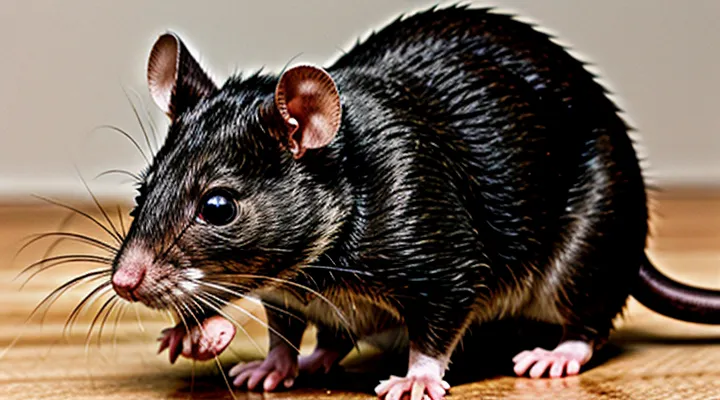
Understanding Rat Incisors
Normal Tooth Growth in Rats
Continuous Growth and Wear
Rats possess continuously growing incisors that extend throughout their lives. The enamel covers only the front surface, while dentin forms the bulk of the tooth, creating a self-sharpening edge as the softer dentin wears away during gnawing. This growth‑wear cycle maintains a functional length that enables efficient food processing and nest construction.
If the incisors become excessively long, the teeth may curl inward, impairing chewing, causing oral injury, or leading to malocclusion. Conversely, overly short teeth reduce the lever arm needed for effective gnawing, resulting in excessive force on the jaw and increased risk of fracture. The equilibrium length therefore reflects the balance between daily attrition and basal growth.
Key factors influencing the optimal length:
- Daily gnawing activity: higher usage accelerates wear, allowing longer growth before reaching functional limits.
- Diet composition: coarse, fibrous foods promote greater abrasion, while soft diets reduce wear.
- Age: younger rats exhibit faster growth rates; older individuals rely more on wear to maintain length.
- Genetic predisposition: some strains display variations in growth velocity and enamel thickness.
Monitoring should focus on the visible portion of the incisors above the gum line. A functional length typically shows the tip extending slightly beyond the cheek pouch, with the curvature remaining outward. Any deviation from this pattern warrants trimming to restore the natural growth‑wear balance and prevent health complications.
The Role of Diet and Gnawing
Diet hardness determines the rate at which a rat’s incisors are worn. Fiber‑rich pellets, coarse vegetables, and occasional nuts provide abrasive surfaces that promote steady attrition, preventing overgrowth. Soft feeds such as processed mash or excessive fruit lack sufficient grit, leading to slower wear and potential elongation of the teeth.
Gnawing behavior supplies mechanical stimulation that complements dietary abrasion. Access to chewable objects—wood blocks, cardboard strips, or mineral rods—forces the incisors to engage in repetitive biting cycles. Regular gnawing maintains the natural curvature and length of the teeth, while the absence of such activity allows the enamel to extend beyond functional limits.
Key factors influencing optimal incisor length:
- Food texture: coarse, fibrous items > soft, mushy items
- Chewable enrichment: natural wood > plastic toys
- Frequency of gnawing: multiple sessions per day > occasional sessions
- Nutrient balance: adequate calcium and phosphorus > deficient mineral intake
Monitoring these variables ensures that a rat’s teeth remain within the functional range required for efficient feeding and oral health.
Ideal Incisor Length
Visual Cues of Healthy Teeth
Rats maintain a specific incisor length to support gnawing and dental health. Visual assessment provides the quickest indication of whether the teeth are within the appropriate range.
A healthy rat incisor displays the following characteristics:
- Even, smooth surface without chips, cracks, or abrasions.
- Uniform white coloration extending from the gum line to the tip; discoloration or dark patches suggest decay.
- Symmetrical growth on both upper and lower incisors, with the upper teeth slightly longer than the lower.
- No visible overgrowth beyond the normal bite plane; excessive length appears as a pronounced point extending beyond the lower jaw.
- Absence of gingival swelling or redness around the teeth; healthy gums are pink and firm.
If any of these visual cues are absent, the rat’s teeth may be too short, overgrown, or compromised, indicating the need for veterinary evaluation and possible trimming. Regular observation of these signs ensures the animal’s incisors remain functional and pain‑free.
How to Assess Tooth Length
Accurately measuring a rat’s incisor length is essential for monitoring dental health and preventing overgrowth. Use a calibrated digital caliper or a fine‑scale ruler capable of measuring to 0.1 mm. Position the animal on a soft, non‑slipping surface, restrain gently, and expose the upper incisors without applying pressure that could alter their natural position.
Follow these steps:
- Align the caliper jaws with the incisor’s outer edge at the gum line and the tip of the tooth.
- Record the distance displayed on the device.
- Repeat the measurement three times, rotating the rat slightly each time to ensure consistency.
- Calculate the average of the three readings; this value represents the true tooth length.
Compare the average length to species‑specific reference ranges (typically 5–7 mm for adult laboratory rats). Values consistently above the upper limit indicate excessive growth, requiring intervention such as trimming or dietary adjustment. Values below the lower limit may suggest wear or underlying pathology and merit veterinary evaluation.
Document each measurement with date, animal identifier, and any observed abnormalities. Maintaining a chronological log enables trend analysis, early detection of dental issues, and informed decisions about husbandry practices.
Problems with Abnormal Tooth Length
Overgrown Incisors
Causes of Overgrowth
Rats continuously grow their incisors, and overgrowth occurs when the natural wear mechanism fails. The primary factors that lead to excessive length include:
- Insufficient gnawing material – a diet lacking hard objects reduces abrasion, allowing teeth to elongate unchecked.
- Nutritional deficiencies – low calcium or vitamin D intake weakens enamel, altering the wear pattern.
- Dental disease – infections, abscesses, or malocclusion distort the alignment of the incisors, preventing proper grinding.
- Genetic predisposition – hereditary traits can affect tooth growth rate or jaw structure, increasing the risk of overgrowth.
- Environmental stress – chronic illness or prolonged captivity may diminish normal chewing behavior.
Overgrowth compromises the animal’s ability to eat, can cause facial injuries, and may lead to digestive problems. Managing these causes—providing appropriate chew toys, balanced nutrition, regular health checks, and monitoring for hereditary issues—helps maintain incisors within the length required for normal function.
Symptoms and Impact on Health
Rats with overgrown incisors exhibit visible signs that directly affect their wellbeing. Common manifestations include:
- Continuous gnawing of cage bars, furniture, or cage mates
- Difficulty eating, leading to reduced food intake
- Drooling or saliva accumulation around the mouth
- Facial swelling or ulceration where teeth press against soft tissue
- Unsteady gait or reluctance to move due to oral pain
These symptoms arise because rat incisors grow continuously and must be worn down through regular chewing. When the teeth exceed functional length, they misalign, causing the jaws to open improperly and the molars to become misdirected. The resulting malocclusion interferes with mastication, which can trigger weight loss, digestive disturbances, and secondary infections. Persistent oral trauma may progress to osteomyelitis of the jawbone, compromising skeletal integrity and potentially leading to systemic illness.
Maintaining appropriate dental length prevents these health issues. Routine inspection, provision of chewable materials, and veterinary trimming when necessary ensure that incisor growth remains within a functional range, supporting normal feeding behavior, weight stability, and overall physiological health.
Complications of Untreated Overgrowth
Overgrown incisors in rats cause immediate functional impairment. The teeth continue to grow unchecked, creating a sharp, uneven edge that interferes with normal gnawing. As the bite surface becomes irregular, food intake declines, leading to rapid weight loss and dehydration.
Untreated dental elongation also precipitates secondary infections. The exposed pulp becomes vulnerable to bacterial invasion, resulting in abscess formation and systemic sepsis. Persistent oral trauma promotes ulceration of the gingival tissue, which can progress to chronic inflammation and bone loss.
Additional complications include:
- Facial asymmetry caused by unequal pressure on the skull
- Malocclusion of the molars, impairing chewing efficiency
- Impaired grooming behavior, increasing the risk of skin infections
- Elevated stress hormones, which suppress immune function
- Reduced reproductive performance due to compromised overall health
If the condition persists, the rat may develop chronic pain, leading to behavioral changes such as aggression or lethargy. In severe cases, organ failure can occur as metabolic demands exceed the animal’s capacity to maintain homeostasis. Prompt dental trimming prevents these outcomes and restores normal feeding behavior.
Undergrown or Broken Incisors
Causes of Undergrowth or Fracture
Rats continuously grow their incisors; failure to maintain proper length leads to undergrowth, while excessive wear or trauma can cause fractures. Undergrowth and breakage arise from distinct, often preventable factors.
- Insufficient gnawing material – diets lacking hard objects reduce natural abrasion, allowing teeth to remain short and misaligned.
- Nutritional deficiencies – low calcium or vitamin D impair enamel formation, making incisors prone to underdevelopment and brittleness.
- Improper cage design – smooth surfaces or absence of chew toys limit mechanical stimulation, contributing to inadequate tooth wear.
- Malocclusion – genetic anomalies or injuries that shift jaw alignment prevent even grinding, resulting in uneven growth or stress points that fracture.
- Physical trauma – bumps, falls, or aggressive encounters can crack an already weakened incisor.
- Dental disease – infections or periodontal issues weaken structural integrity, increasing fracture risk.
Addressing these causes involves providing appropriate chew objects, ensuring a balanced diet rich in calcium and vitamin D, maintaining a cage environment that encourages natural gnawing, and monitoring for signs of misalignment or injury. Early intervention prevents permanent damage and supports healthy incisor length in rats.
Symptoms and Impact on Health
Rats whose incisors exceed the normal growth rate display distinct oral and systemic signs. Overgrown teeth often become curved, creating a visible gap between the upper and lower jaws. The animal may develop difficulty chewing, leading to reduced food intake and weight loss. Persistent gnawing on cage bars or objects can indicate discomfort from misaligned teeth.
Dental overgrowth may cause ulceration of the gum tissue, which appears as reddened or bleeding areas along the tooth line. Secondary infections can spread to the bloodstream, producing fever, lethargy, and elevated white‑blood‑cell counts. In severe cases, the pressure of elongated incisors can fracture the mandible or damage the palate, resulting in chronic pain and impaired respiration.
Conversely, excessively short incisors hinder proper gnawing, preventing adequate wear. Rats with insufficient tooth length may exhibit excessive salivation, drooling, and inability to process hard foods, leading to malnutrition and muscle wasting. The lack of proper dental contact can also cause abnormal jaw development and skeletal deformities.
Key clinical indicators include:
- Visible overgrowth or truncation of incisors
- Changes in feeding behavior (reluctance to eat, selective consumption)
- Weight fluctuation (loss or failure to gain)
- Oral lesions, bleeding, or discharge
- Signs of systemic infection (fever, lethargy)
Prompt veterinary assessment and corrective trimming restore normal chewing function, reduce tissue damage, and prevent the cascade of metabolic disturbances associated with dental imbalance. Regular monitoring of tooth length is essential for maintaining overall health in laboratory and pet rats.
Risks of Malocclusion
Maintaining appropriate tooth length in rats prevents malocclusion, a condition where incisors fail to align correctly. Overgrown incisors create a sharp angle that interferes with normal occlusion, leading to a cascade of health problems.
Typical consequences of malocclusion include:
- Impaired chewing ability, causing reduced food intake and rapid weight loss
- Soft tissue injury from sharp teeth, resulting in oral ulcerations and secondary infections
- Dental abscess formation, which may spread to surrounding bones and organs
- Facial deformities that compromise airway patency and vision
- Behavioral changes such as reduced activity and increased stress responses
Early detection relies on visual inspection of tooth symmetry and regular monitoring of eating patterns. Prompt trimming to restore proper length eliminates the mechanical cause of malocclusion and mitigates the listed risks.
Maintaining Proper Dental Health
Nutritional Considerations
Importance of Chewing Objects
Rats maintain appropriate incisor length through continuous gnawing. Without sufficient chewing material, the teeth fail to wear down, leading to overgrowth that can impair eating, cause facial injuries, and necessitate veterinary intervention.
- Hard objects such as wooden blocks, ceramic tiles, or untreated branches provide abrasive surfaces that promote uniform wear along the entire incisor edge.
- Textured chew toys introduce variable resistance, encouraging balanced grinding of both the front and back surfaces.
- Natural foraging items, including dried twigs and seed shells, stimulate the musculature involved in mastication, supporting proper alignment of the jaw and preventing malocclusion.
Adequate gnawing also regulates enamel thickness. Continuous abrasion removes the outer enamel layer at a rate that matches growth from the root, preserving a sharp, functional edge. When wear is insufficient, enamel accumulates, creating a blunt, curved profile that hinders food processing.
Consistent access to chewable substrates reduces the risk of dental disease. Studies show that rats provided with daily hard chew items exhibit lower incidence of abscesses and oral infections compared to those restricted to soft bedding alone. The correlation between object hardness and tooth health underscores the necessity of incorporating durable chewing aids into any rat‑keeping regimen.
Appropriate Diet for Dental Health
A balanced diet is the primary factor that controls the growth and wear of a rat’s incisors. Continuous gnawing on appropriate food items creates the natural abrasion needed to keep teeth at functional length and prevents over‑growth that can impair feeding.
High‑fiber ingredients provide the mechanical action required for dental wear. Include:
- Untreated wood blocks or chew sticks made from safe hardwoods such as apple, willow, or maple.
- Fresh vegetables with a firm texture, for example carrot sticks, broccoli florets, and celery ribs.
- Whole grains like rolled oats, barley, and whole‑grain bread, offered in small, dry pieces.
Protein sources support the structural integrity of enamel and dentin. Suitable options are:
- Cooked lean poultry, eggs, or low‑fat cheese in moderation.
- Commercial rat pellets formulated with adequate animal‑based protein.
Limit foods that reduce natural chewing or cause dental issues. Avoid soft, processed treats, sugary items, and sticky substances that can adhere to teeth and promote plaque formation. Provide fresh water daily to aid digestion and maintain overall oral health.
Regular monitoring of tooth length, combined with the diet outlined above, ensures that incisors remain within the optimal range for safe chewing and effective food intake.
Regular Health Checks
Veterinary Examinations
Veterinary examinations of rats include a systematic assessment of dental health to determine whether incisor length falls within the functional range required for efficient gnawing and oral hygiene. The clinician measures the exposed portion of each incisor using a calibrated caliper, comparing the result to species‑specific reference values (typically 2–4 mm of visible enamel beyond the gum line).
Key components of the dental evaluation are:
- Visual inspection for uneven wear, fractures, or enamel spurs.
- Palpation of the mandible to detect abnormal pressure or swelling.
- Radiographic imaging to assess root length, pulp chamber size, and hidden overgrowth.
- Evaluation of feeding behavior, weight trends, and stool consistency as indirect indicators of dental adequacy.
Routine checks are recommended every six months for pet rats and quarterly for breeding colonies or individuals with a history of dental problems. Early detection of excessive incisor length prevents complications such as oral ulceration, malocclusion, and secondary infections. Intervention may involve trimming under anesthesia, dietary adjustments to promote natural wear, and follow‑up examinations to verify proper regrowth.
At-Home Monitoring
Monitoring a rat’s incisor length at home is essential for preventing overgrowth, which can lead to malocclusion, pain, and reduced quality of life. Accurate assessment requires regular measurement, visual checks, and documentation.
Use a digital caliper or a small ruler with millimeter markings to measure the exposed portion of each incisor. Position the rat gently on a flat surface, extend the mouth slightly, and record the distance from the gum line to the tip of the tooth. Typical healthy length ranges from 2 to 3 mm beyond the gum line; values consistently above this threshold indicate the need for intervention.
Visual inspection should accompany measurements. Look for signs such as:
- Uneven tooth edges or sharp points
- Difficulty chewing or reduced food intake
- Redness or swelling around the mouth
- Excessive drooling or avoidance of water
Photograph the teeth weekly with a macro lens or a smartphone camera held steady against a contrasting background. Store images in a dated folder to track changes over time.
Maintain a simple log that includes date, measured length, observed condition, and any corrective actions taken (e.g., trimming, dietary adjustments). A spreadsheet with columns for each parameter enables quick trend analysis and alerts when lengths exceed safe limits.
If overgrowth is detected, trim the incisors using a small animal nail clipper or a specialized rodent tooth file. Perform the procedure under mild sedation or after the rat has been gently restrained to minimize stress. Follow with a soft diet for 24–48 hours to ease chewing while the teeth settle.
Regular at‑home monitoring, combined with prompt trimming when necessary, safeguards dental health and supports overall well‑being in pet rats.
Addressing Dental Issues
Trimming Overgrown Teeth
Rats continuously grow their incisors; the cutting edge should remain slightly longer than the gum line, typically exposing 1–2 mm of enamel. When the teeth extend beyond this range, chewing efficiency declines, and the animal may develop malocclusion, facial deformation, or difficulty feeding.
Trimming overgrown incisors requires precision and proper equipment. Use a veterinary‑grade rotary cutter or a fine dental file, sterilized before each session. Hold the rat gently but securely, positioning the mouth to expose the front of the teeth. Remove enamel in small increments, aiming for a smooth, even surface that leaves the recommended 1–2 mm exposure. Avoid excessive reduction, which can cause pulp exposure and pain.
Routine checks prevent excessive growth. Perform visual inspections weekly; look for:
- Visible enamel extending more than 2 mm beyond the gum line
- Uneven tooth edges or sharp points
- Signs of difficulty chewing or weight loss
If any of these indicators appear, schedule a trimming session promptly. After trimming, monitor the rat for signs of discomfort, bleeding, or infection, and provide soft food for 24–48 hours while the teeth settle. Regular veterinary assessment every six months ensures long‑term dental health.
Pain Management and Supportive Care
Rats maintain continuously growing incisors; when the crowns exceed the functional length required for gnawing, the enamel may overgrow, exposing the softer dentin and creating pressure on the jaw. This condition frequently results in acute discomfort, reduced appetite, and altered behavior. Effective pain control and supportive measures are essential to prevent secondary complications and to promote healing.
Analgesic protocols should begin with a non‑steroidal anti‑inflammatory drug (e.g., meloxicam, 0.2 mg/kg subcutaneously every 24 hours) to address inflammatory pain. If the response is insufficient, a short course of an opioid (e.g., buprenorphine, 0.05 mg/kg subcutaneously every 8–12 hours) can be added, monitoring for sedation and respiratory depression. Analgesics must be administered for at least 48 hours after corrective trimming, with dose adjustments based on observed pain indicators such as reduced grooming, hunched posture, or vocalization.
Supportive care includes:
- Dietary modification: Soft, high‑calorie foods (e.g., soaked pellets, mashed fruit) reduce mastication load while maintaining nutrition.
- Environmental enrichment: Provide low‑resistance chewing objects (e.g., untreated wood blocks) to encourage natural wear without exacerbating pain.
- Hydration maintenance: Offer electrolyte‑balanced fluids via gel or syringe if oral intake declines.
- Dental trimming: Perform precise reduction of overgrown incisors under brief anesthesia, removing only enough enamel to restore functional length and prevent pulp exposure.
Regular monitoring of tooth length, bite force, and weight gain is critical. Measurements taken weekly allow early detection of regrowth, enabling timely intervention before pain escalates. Documentation of analgesic efficacy and supportive measures ensures consistent care and facilitates adjustments tailored to each animal’s response.
Preventing Recurrence
Maintaining appropriate incisor length in pet rodents requires continuous management to avoid the recurrence of overgrowth. Overgrown teeth impair chewing, cause oral injuries, and may lead to systemic health issues. Effective prevention relies on routine monitoring and proactive care.
- Conduct daily visual inspection of the front teeth for signs of excessive length, irregular shape, or discoloration.
- Provide a daily supply of chewable materials such as untreated wood blocks, mineral-rich chew sticks, or hardened corncob. These items stimulate natural gnawing behavior and promote natural wear.
- Schedule weekly weight checks; rapid weight loss can indicate feeding difficulties due to dental problems.
- Offer a balanced diet that includes high-fiber components, encouraging mastication and natural abrasion.
- Arrange quarterly veterinary examinations focused on dental health, including radiographic assessment when needed.
Consistent implementation of these measures reduces the likelihood of recurrence. Prompt correction of any identified irregularities, combined with regular professional evaluation, sustains optimal tooth length and overall well‑being.