
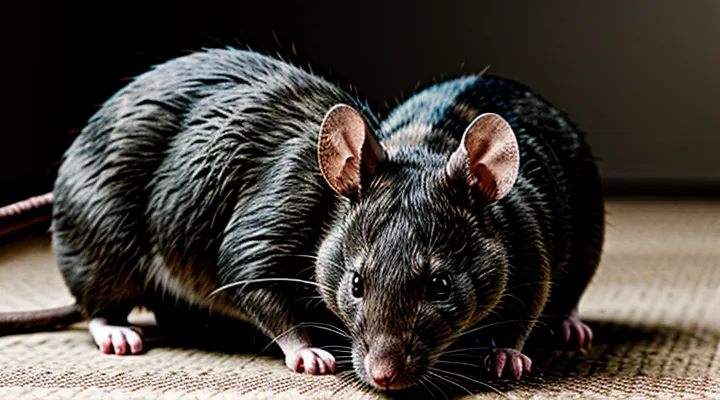
The Symbolism of Rats in Dreams
Historical and Cultural Interpretations of Rats
Rats as Omens
Dreams featuring rats often serve as omens, signaling underlying emotional currents that the conscious mind has not yet acknowledged. Within the broader study of rat‑related dream symbolism, the appearance of these rodents points to messages about personal security, hidden concerns, and imminent change.
Typical omen interpretations include:
- Imminent threat – rats suggest a situation that may undermine stability, such as a deteriorating relationship or a workplace conflict.
- Health warning – the animal’s association with disease translates into subconscious alerts about neglecting physical or mental well‑being.
- Financial anxiety – sightings correlate with worries about scarcity, debt, or unexpected expenses.
- Unresolved guilt – rats can embody feelings of shame or remorse that the dreamer has suppressed.
Psychologically, the rat operates as a projection of anxiety. The brain detects subtle stressors and encodes them as a familiar, often repulsive, creature. This encoding allows the dreamer to process discomfort without confronting the precise source directly. The subconscious may also employ the rat to highlight patterns of avoidance, encouraging the individual to address concealed problems before they manifest outwardly.
When analyzing rat omens, prioritize concrete life circumstances that align with the listed themes. Identify recent events that involve risk, health, finances, or moral conflict, and evaluate whether the dream’s intensity mirrors the urgency of those issues. This approach transforms the symbolic warning into actionable insight, guiding the dreamer toward corrective measures.
Rats in Folklore and Mythology
Rats appear repeatedly in the mythic narratives of many cultures, embodying both beneficent and malevolent qualities. In ancient Egyptian lore, the rat was associated with the deity Set, representing chaos and disorder, while also being linked to fertility through its prolific breeding. In Chinese tradition, the rat is the first sign of the zodiac, symbolizing resourcefulness, adaptability, and the capacity for clever survival. Indigenous North American stories often portray the rat as a trickster figure, capable of outwitting larger predators and teaching lessons about humility.
European folklore frequently casts rats as omens of plague and death. Medieval English ballads describe swarms of rats preceding the arrival of disease, reinforcing a collective fear of contagion. Conversely, Slavic myths sometimes grant rats protective powers, depicting them as guardians of hidden treasure and custodians of underground knowledge.
The mythic roles of rats influence contemporary dream interpretation by providing a cultural framework for symbolic meaning. When a dream features a rat, the interpreter may draw on these archetypal associations—resourcefulness, hidden threats, or transformative potential—to uncover underlying psychological currents.
Key mythic motifs involving rats include:
- Chaos and disorder – exemplified by Egyptian and Greek narratives.
- Cleverness and survival – evident in Chinese zodiac symbolism and African trickster tales.
- Disease and mortality – reflected in medieval European superstitions.
- Guardianship of secrets – present in Slavic and Native American legends.
Common Dream Scenarios Involving Rats
Being Chased by Rats
Dreams in which rats pursue you reveal underlying tension that the mind attempts to resolve through vivid imagery. The chase scenario compresses emotional pressure, bodily arousal, and subconscious warnings into a single, intense experience.
The following points summarize the most common psychological interpretations:
- Heightened anxiety – The sensation of being pursued mirrors real‑world stressors that feel relentless and inescapable.
- Avoidance of responsibility – Rats symbolize tasks or obligations you neglect; the chase forces attention on what you are trying to evade.
- Fear of contamination or decay – Rodents are associated with disease; being chased may signal concerns about personal hygiene, health, or moral impurity.
- Guilt or shame – Pursuit can represent inner criticism, suggesting you feel judged for past actions.
- Loss of control – The rapid, unpredictable movement of rats reflects a perceived loss of agency in daily life.
From a Jungian perspective, the rat functions as a shadow archetype, embodying repressed instincts and primitive urges. When the shadow appears as a pursuer, the psyche urges integration of these disowned aspects to restore balance. Freudian analysis links the image to instinctual drives, particularly those related to survival and territorial defense; the chase amplifies the conflict between id impulses and superego restrictions.
To extract practical insight, examine the following questions after waking:
- Identify recent situations that felt overwhelming or unmanageable.
- Note any responsibilities you have postponed or dismissed.
- Consider personal attitudes toward cleanliness, health, or moral standards.
- Reflect on feelings of guilt that may be resurfacing.
Answering these prompts clarifies the specific stressor the dream dramatizes, allowing targeted coping strategies such as prioritizing tasks, confronting avoided issues, or practicing stress‑reduction techniques. The chase motif serves as a diagnostic cue: the faster the pursuit, the more urgent the underlying concern. Recognizing this pattern transforms a distressing nocturnal event into actionable self‑knowledge.
Seeing Dead Rats
Dreams that feature dead rats present a stark image that often signals underlying emotional or psychological transitions. The presence of a lifeless rodent suggests that the dreamer is confronting aspects of life that feel terminated, suppressed, or no longer viable. This motif typically emerges when the subconscious processes loss, disappointment, or the conclusion of a particular habit or relationship.
Common interpretations include:
- Recognition of a failed endeavor or project that has lost momentum.
- Indication of unresolved guilt or shame associated with past actions.
- Representation of suppressed fears that have lost their potency but still linger in awareness.
- Symbol of personal boundaries being breached, now acknowledged and relinquished.
The emotional tone accompanying the vision—whether relief, dread, or indifference—refines the meaning. Relief may indicate acceptance of an ending, while dread suggests lingering anxiety about what the termination entails. An indifferent reaction can point to desensitization to loss, possibly reflecting emotional numbness.
Therapeutic focus on these dreams involves exploring recent experiences of termination, identifying lingering emotional residues, and assessing whether the individual has integrated the loss constructively. Addressing the symbolism directly can facilitate closure and promote adaptive coping strategies.
Rats in Your Home
Rats appearing in a domestic setting during sleep often reflect the dreamer’s perception of personal boundaries and hidden threats. The presence of rodents inside a house can symbolize subconscious awareness of disorder, contamination, or invasion of private space. Such imagery may arise when the individual feels their control over the environment is compromised, prompting an internal alert to address underlying anxieties.
Key psychological associations include:
- Invasion of privacy: Rats navigating familiar rooms suggest fear of intrusion, whether by external forces or undisclosed aspects of the self.
- Neglected responsibilities: A rodent infestation mirrors unresolved duties, prompting the mind to highlight tasks that have been ignored.
- Survival instinct: Observing rats scavenge or hide activates primal concerns about resource scarcity and personal safety.
- Adaptability and resilience: The animal’s ability to thrive in adverse conditions can represent the dreamer’s latent capacity to cope with hardship.
The emotional tone of the dream—whether terror, disgust, or indifference—modifies the interpretation. Intense revulsion typically points to heightened stress, whereas a calm observation may indicate a rational assessment of a problem that requires strategic planning rather than panic.
Addressing the underlying issues suggested by these nocturnal symbols involves practical steps: inspecting living spaces for actual infestations, organizing clutter, and establishing clear personal boundaries. By confronting the literal and figurative signs of disorder, the dreamer can reduce the recurrence of rat-related imagery and restore a sense of security in both waking and sleeping environments.
Interacting Positively with Rats
Positive engagement with rats can reshape the emotional context of rat-related dreams. Direct interaction—feeding, gentle handling, and observing natural behaviors—creates associative memories that replace fear with familiarity. When the brain processes dream imagery, it draws on recent experiences; a calm encounter reduces the likelihood of rats appearing as threatening symbols.
Practical steps for constructive rat contact:
- Provide fresh food and water daily; the routine reinforces a sense of care.
- Approach slowly, allowing the animal to sniff and retreat if needed; this respects its autonomy and builds trust.
- Spend brief, regular sessions of gentle petting; tactile contact releases oxytocin, which moderates stress responses.
- Observe grooming, nesting, and play; noting these behaviors expands the mental catalog of rats as sentient beings rather than abstract nuisances.
Research on animal‑human interaction indicates that positive exposure lowers cortisol levels and enhances emotional regulation. Applying these findings to dream analysis suggests that a person who routinely engages with rats in a nurturing manner may reinterpret rat imagery as signals of resourcefulness, adaptability, or social connection, rather than as warnings of infestation or disease.
Consistent, respectful interaction therefore serves as a corrective experience. It reprograms the subconscious narrative, allowing rat dreams to reflect constructive qualities and to support personal growth.
Psychological Perspectives on Rat Dreams
Rats as Representations of Anxiety and Fear
Feelings of Being Overwhelmed
Dreaming of rats often signals a subconscious assessment of pressure that exceeds one’s coping capacity. The animal’s rapid movement, hidden habitats, and association with infestation mirror a mind that perceives its environment as crowded, chaotic, or invasive. When the dreamer feels swamped by responsibilities, deadlines, or interpersonal demands, the rat becomes a symbolic proxy for that internal overload.
The sensation of being overwhelmed appears in the dream’s details: clusters of rats scurrying through confined spaces suggest an inability to control the flow of tasks; aggressive bites convey fear of sudden setbacks; persistent squeaking reflects ongoing mental chatter. These elements translate the external stressors into a vivid, emotionally charged tableau that the psyche uses to process excess demands.
Typical indicators linking rat dreams to overwhelm include:
- Repeated encounters with large numbers of rats in confined areas.
- Sudden attacks or bites that elicit panic.
- Inability to escape a swarm despite clear exit routes.
- Persistent auditory cues, such as squeaking or rustling, that disrupt sleep.
Addressing the underlying pressure requires concrete actions: prioritize tasks to reduce quantity, delegate responsibilities where feasible, establish clear boundaries to prevent intrusion, and practice relaxation techniques that lower physiological arousal. By recognizing the rat as a metaphor for excess, individuals can transform the dream’s warning into a strategic plan for regaining equilibrium.
Concerns About Health or Hygiene
Dreams featuring rats often signal subconscious preoccupation with cleanliness, disease, or bodily vulnerability. The mind translates real‑world anxieties about germs, contamination, or illness into symbolic imagery that is easy to visualize during sleep. When a rat appears, the brain may be cataloguing perceived threats to personal hygiene or health, prompting the sleeper to evaluate habits that could invite infection.
Common psychological interpretations link rat imagery to:
- Fear of unseen pathogens, such as bacteria or viruses, lurking in one’s environment.
- Worry about dietary choices that might compromise immunity.
- Perceived neglect of personal or household sanitation routines.
- Stress related to medical diagnoses or upcoming health examinations.
Research shows that individuals who obsess over cleanliness often experience heightened dream recall of vermin. The association arises because rats historically represent pestilence; modern dreamers substitute this archetype for contemporary concerns about contamination. Consequently, the dream functions as an internal alert system, urging the dreamer to scrutinize practices like handwashing, food storage, and living‑space upkeep.
Therapeutic approaches recommend concrete actions to reduce the underlying anxiety. Steps include establishing a regular cleaning schedule, reviewing food safety protocols, and consulting a healthcare professional if persistent health worries emerge. By addressing the tangible sources of unease, the symbolic presence of rats in dreams typically diminishes, reflecting resolved subconscious tension.
Rats as Symbols of Hidden Aspects of the Self
Unacknowledged Problems or Emotions
Dreams in which rats appear often expose unresolved emotional currents that the waking mind suppresses. The rodent’s association with filth, disease, and survival instincts triggers a subconscious alarm, prompting the psyche to bring hidden concerns to the surface. When the dreamer recalls vivid details—scratching paws, sudden movement, or infestation—the brain signals that the underlying issue demands attention.
Typical unacknowledged problems revealed by rat imagery include:
- Persistent feelings of guilt that have not been examined.
- Fear of being overwhelmed by minor, recurring stressors.
- Perceived loss of control in personal or professional environments.
- Unresolved conflicts with authority figures or peers.
- Repressed anger directed toward oneself or others.
Psychological research links these symbols to the shadow aspect of the personality, a concept describing traits and impulses that individuals deny. By confronting the rat motif, the dreamer can map the shadow’s dimensions, transform avoidance into insight, and integrate the suppressed material into conscious awareness. This process reduces the intensity of the dream and diminishes the emotional charge attached to the symbol.
Practical steps for addressing the revealed issues:
- Record the dream immediately, noting setting, emotions, and rat behavior.
- Identify current life situations that echo the listed concerns.
- Explore feelings through journaling or therapy, focusing on the specific emotion tied to the rat.
- Develop actionable strategies—boundary setting, stress‑management techniques, or conflict resolution—to mitigate the underlying problem.
Consistent reflection on rat dreams converts an unsettling nocturnal event into a diagnostic tool, enabling the individual to acknowledge and resolve hidden emotional disturbances.
Feelings of Guilt or Shame
Dreams featuring rats often surface when the subconscious confronts unresolved guilt or shame. The presence of the animal acts as a symbolic trigger, urging the mind to examine personal transgressions that have been suppressed. In such visions, rats embody the hidden aspects of self‑condemnation, allowing the dreamer to process feelings that may be too uncomfortable for waking awareness.
Key psychological mechanisms linking rat imagery to guilt or shame include:
- Projection of inner criticism – The rat represents the part of the psyche that harshly judges behavior, magnifying self‑reproach.
- Association with contamination – Rats evoke notions of filth, mirroring the perceived moral impurity associated with remorse.
- Prompt for corrective action – The unsettling presence of the creature signals the need to address the source of shame, encouraging behavioral adjustment.
When the dreamer awakens with lingering discomfort, the experience can serve as a diagnostic cue. Recognizing the rat as a metaphor for personal fault lines enables targeted reflection: identify the specific act or thought that generated the guilt, evaluate its impact, and consider steps toward restitution or self‑acceptance. By treating the dream as a concrete data point rather than a vague omen, the individual transforms an unsettling nocturnal episode into actionable insight.
Rats and Resourcefulness or Survival Instincts
Adaptability in Difficult Situations
Dreams featuring rats often surface during periods of heightened pressure. The presence of these rodents signals the mind’s assessment of survival strategies, urging the sleeper to evaluate how quickly they can adjust to shifting circumstances. Rat imagery reflects an instinctive drive to locate hidden resources, evade threats, and navigate confined spaces—behaviors that mirror human adaptability when obstacles appear.
Psychological interpretation links rat dreams to the individual’s capacity for flexible problem‑solving. When the subconscious highlights rats, it draws attention to the need for rapid reconfiguration of habits, priorities, or social roles. The dreamer’s reaction—whether fear, curiosity, or indifference—offers a direct measure of willingness to embrace change under duress.
Practical implications derived from this symbolism include:
- Identify immediate stressors and map alternative routes to achieve goals.
- Cultivate a mindset that treats setbacks as opportunities to explore unconventional solutions.
- Practice incremental adjustments rather than wholesale overhauls, mirroring the rat’s gradual navigation of obstacles.
- Maintain vigilance for subtle cues indicating hidden advantages, similar to a rat’s sensitivity to environmental changes.
By recognizing rat‑related dream content as a prompt for adaptive behavior, individuals can transform anxiety into a structured approach for thriving in difficult situations.
Overcoming Challenges
Dreams featuring rats often symbolize hidden anxieties, feelings of contamination, or perceived threats within the subconscious. When such imagery recurs, it signals that the dreamer is confronting internal obstacles that may hinder personal growth. Recognizing this signal provides a foundation for purposeful action.
The psychological profile of rat symbolism suggests three primary challenge categories: (1) unresolved conflicts that generate stress, (2) self‑esteem issues masked by feelings of worthlessness, and (3) avoidance patterns that prevent confronting uncomfortable situations. Each category demands a distinct approach to resolution.
Effective strategies for addressing these challenges include:
- Cognitive re‑evaluation – Identify the specific thought patterns linked to the rat imagery and replace them with evidence‑based alternatives.
- Behavioral exposure – Gradually engage in situations that provoke the underlying fear, thereby reducing avoidance and building resilience.
- Emotional processing – Use journaling or guided therapy to articulate the emotions evoked by the dream, converting vague dread into concrete insight.
- Goal segmentation – Break larger objectives into manageable tasks, preventing overwhelm that the rat symbol may represent.
By applying these methods, individuals transform the unsettling presence of rats in their sleep into actionable data, turning subconscious alarms into measurable progress. The result is a systematic reduction of internal barriers and a clearer path toward personal achievement.
The Subconscious Message of Rat Dreams
Examining Personal Circumstances
Dreams featuring rats often mirror the dreamer’s current life conditions. The symbolic weight of the animal shifts according to personal stressors, relationships, health status, and recent experiences. Recognizing these variables allows a more precise psychological reading.
Typical personal circumstances that color rat imagery include:
- High‑pressure work environments or looming deadlines.
- Conflict or distrust within close relationships.
- Concerns about personal hygiene, disease, or physical well‑being.
- Recent exposure to rodents or media depicting them.
- Feelings of confinement, scarcity, or loss of control.
When a professional feels overwhelmed, the rat may embody hidden anxieties about competence and survival. In strained relationships, the creature can signify perceived betrayal or the presence of “unwanted” influences. Health‑related worries often translate into rats as messengers of contamination or vulnerability. A recent encounter with actual rodents can trigger literal replay, while a sense of entrapment may project the animal’s nocturnal scavenging as a metaphor for limited options.
Effective self‑analysis proceeds through targeted questions:
- Which life domains are currently most demanding?
- Do recent interactions involve distrust or secrecy?
- Are there health concerns that dominate thoughts?
- Have you observed rodents or consumed related content lately?
- What emotions surface when recalling the dream’s details?
Answers clarify the connection between waking circumstances and the dream’s content, revealing whether the rat functions as a warning, a representation of suppressed fear, or a cue toward unresolved issues. Integrating this insight supports personal growth and reduces the recurrence of distressing rat motifs.
The Role of Emotional State
Dreams reflect the current emotional climate of the sleeper; heightened anxiety, lingering guilt, or suppressed anger often surface as vivid imagery. When the mind processes these feelings during sleep, it selects symbols that resonate with the individual's internal experience. Rat imagery frequently emerges under such conditions, acting as a visual proxy for discomfort, contamination, or perceived threat.
Emotional tension shapes the narrative of rat dreams in several distinct ways. The intensity of the feeling determines the level of detail, while the nature of the emotion directs the scenario in which rats appear—whether as invasive pests, timid creatures, or aggressive attackers.
- Persistent stress produces scenarios where rats swarm, suggesting overwhelming pressure.
- Unresolved guilt manifests as hidden or trapped rats, indicating concealed remorse.
- Social insecurity generates dreams of rats in crowded spaces, symbolizing fear of judgment.
- Repressed anger appears as aggressive rats confronting the dreamer, reflecting confrontational impulses.
Understanding these patterns equips the interpreter to differentiate between generic rat symbolism and the specific emotional driver behind each dream. Recognizing the emotional state that fuels rat imagery enables more precise psychological insight and guides targeted coping strategies.
Practical Implications of Understanding Your Rat Dream
Self-Reflection and Introspection
Journaling Your Dreams
Documenting rat‑related dreams provides concrete material for psychological interpretation. Written records preserve vivid details—setting, emotions, actions, and imagery—that fade quickly after waking. Accurate recall allows analysts to trace patterns, compare recurring motifs, and link dream content to waking life stressors or unconscious conflicts.
Effective dream journaling follows a disciplined routine:
- Record the dream immediately upon awakening; include time, location, and any lingering sensations.
- Note the specific behavior of rats—size, number, aggression, interaction with the dreamer, and surrounding environment.
- Describe emotional tone: fear, curiosity, disgust, or calm, and rate intensity on a simple scale.
- Identify associated symbols (e.g., food, decay, darkness) and any personal memories triggered by the dream.
- Reflect briefly on recent events, relationships, or anxieties that could relate to the rat imagery.
Analyzing the compiled entries reveals consistent themes. For instance, repeated encounters with aggressive rats may suggest unresolved hostility or feelings of being overwhelmed. Conversely, observing harmless or cooperative rats could indicate adaptability or hidden resilience. By maintaining a systematic journal, the subconscious narrative behind rat symbolism becomes accessible, enabling targeted therapeutic insight and personal growth.
Identifying Recurring Themes
Dreams featuring rats often present a set of motifs that reappear across different individuals. Recognizing these motifs helps clinicians differentiate between surface imagery and underlying emotional patterns.
Common motifs include:
- Overcrowded spaces filled with rats
- Rats fleeing or being pursued
- Rats biting, scratching, or contaminating objects
- Dead or decaying rats
- Rats transforming into other animals or objects
Each motif signals a distinct psychological concern. Overcrowded infestations reflect perceived loss of control or overwhelming stressors. Pursuit scenarios indicate avoidance of threatening thoughts or situations. Biting and contamination suggest feelings of violation, guilt, or fear of moral corruption. Mortality or decay points to unresolved grief, anxiety about decline, or suppressed aspects of the self. Transformations reveal attempts to integrate hidden qualities, signaling a shift in self‑perception.
Identifying these recurring themes equips analysts with a framework for interpreting the dreamer’s internal conflict, facilitating targeted therapeutic interventions.
Addressing Underlying Issues
Seeking Professional Guidance
Professional assistance can clarify the emotional weight of rat imagery in sleep. Clinicians trained in dream interpretation connect the symbol to personal anxieties, relational patterns, or unresolved trauma, turning vague impressions into actionable insight.
A therapist typically begins with a detailed recount of the dream, noting setting, actions, and feelings. This information integrates into established frameworks—such as Jungian archetype analysis or cognitive‑behavioral approaches—to identify recurring themes and potential triggers in waking life.
When selecting a specialist, consider the following criteria:
- Formal credentials in psychology, counseling, or psychotherapy.
- Specific experience with dream work or symbolic analysis.
- Evidence of continuing education in unconscious processes.
- Clear ethical policies regarding confidentiality and treatment goals.
Engaging a qualified professional reduces misinterpretation, provides coping strategies for distress, and supports personal growth by linking dream content to concrete behavioral change.
Developing Coping Mechanisms
Dreams featuring rats often surface when subconscious anxiety or feelings of betrayal become prominent. The imagery signals underlying stressors that the mind attempts to process during sleep. Recognizing this signal provides a foundation for effective coping strategies.
Developing coping mechanisms involves several deliberate actions:
- Maintain a dream journal; record details immediately upon waking to identify recurring patterns.
- Conduct a reality check; compare dream content with waking experiences to separate symbolic meaning from literal interpretation.
- Apply cognitive restructuring; replace interpretations that amplify fear with balanced assessments of the situation.
- Practice progressive muscle relaxation or guided breathing before bedtime to reduce overall arousal levels.
- Schedule brief exposure sessions; confront minor stressors linked to the dream theme to diminish their impact over time.
- Seek professional guidance when distress persists; a therapist can integrate dream analysis with evidence‑based treatment modalities.
Implementing these steps consistently transforms the unsettling presence of rats in dreams into actionable insight, fostering emotional resilience and reducing the frequency of distressing nocturnal imagery.