
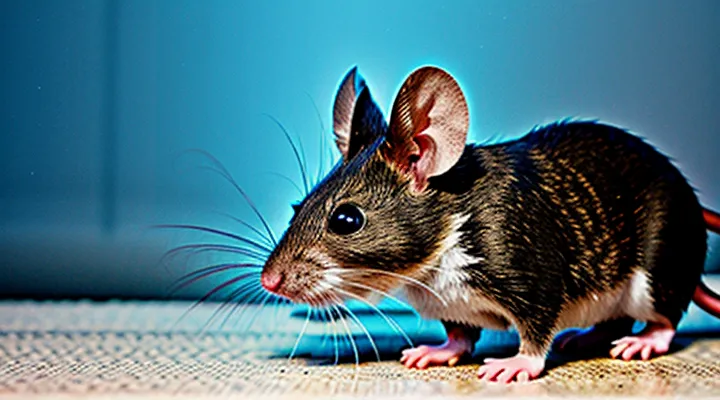
The Enigmatic Mouse: An Introduction to Dream Symbolism
Unpacking the Universal Archetype
Historical and Cultural Interpretations
Dreams featuring mice have been recorded in antiquity, appearing in Egyptian, Greek, and Chinese sources. In Egyptian funerary texts, the mouse symbolized destruction of the soul’s purity, prompting prayers for protection. Greek mythology associated the rodent with cunning and hidden threats; Euripides’ plays reference mice as omens of impending danger to households. Early Chinese literature links mice to fertility and abundance, reflecting the animal’s prolific breeding as a sign of prosperity.
Across cultures, the mouse acquires divergent moral connotations. In medieval European folklore, the creature represents deceit and poverty, often warning dreamers of loss or betrayal. Conversely, Native American traditions, such as those of the Pueblo peoples, view mice as humble messengers that convey guidance from ancestors, suggesting the dreamer should heed subtle advice. Hindu scriptures describe mice as the vehicle of the deity Ganesha, implying that a mouse‑filled dream may signal the need for humility and the removal of obstacles.
Key historical perspectives can be summarized:
- Ancient Near East: Mouse as impurity, necessitating ritual cleansing.
- Classical Antiquity: Symbol of stealth, warning of concealed enemies.
- East Asian cultures: Indicator of wealth, fertility, and harmonious growth.
- Medieval Europe: Emblem of poverty, deceit, and social decline.
- Indigenous American: Messenger of ancestral insight, urging attentive listening.
These cultural layers provide a framework for interpreting mouse imagery within the broader psychological analysis of dream content.
Common Associations of Mice
Mice appearing in dreams trigger a set of well‑documented symbolic links that psychologists associate with personal and collective experiences. These links form the basis for interpreting the emotional tone and underlying concerns reflected in the sleeping mind.
- Timidity and vulnerability – The small size and cautious behavior of rodents echo feelings of insecurity or a tendency to withdraw from confrontation.
- Hidden threats – Mice often move unseen, suggesting subconscious awareness of problems that have not yet surfaced in waking life.
- Resource scarcity – Historical association of mice with grain theft connects the animal to anxieties about lack, financial strain, or insufficient provisions.
- Disease and contamination – Because rodents can carry illness, their presence may symbolize fears of infection, moral impurity, or psychological “toxicity.”
- Adaptability and survival – The ability of mice to thrive in diverse environments reflects a capacity for resilience and clever problem‑solving under pressure.
- Childhood memories – Early encounters with mice, whether through stories or real‑life interactions, often surface as nostalgic or traumatic motifs in dreams.
- Transformation and rebirth – Some traditions view mice as agents of change, indicating a subconscious readiness to shed old habits and adopt new patterns.
Interpreting a mouse in a dream therefore involves matching these common associations with the dreamer’s current circumstances, emotional state, and personal history. The resulting analysis highlights whether the image signals a warning, an invitation to develop confidence, or an affirmation of inner resourcefulness.
Psychological Perspectives on Mouse Dreams
Freudian Interpretations
Symbolism of Small Creatures
Dreams often employ diminutive animals to convey nuanced emotional states. Mice, as representatives of the small‑creature category, embody themes of vulnerability, resourcefulness, and hidden activity. Their appearance signals underlying concerns about personal boundaries, unnoticed responsibilities, or suppressed instincts.
Key symbolic functions of tiny fauna in nocturnal imagery include:
- Perceived weakness: The creature’s modest size reflects feelings of powerlessness or marginalization within a specific life domain.
- Survival instinct: Persistent foraging behavior mirrors the dreamer’s subconscious drive to secure basic needs despite external pressures.
- Secretive movement: Stealthy navigation through confined spaces suggests concealed thoughts or actions that the conscious mind avoids confronting.
- Adaptability: Rapid reproductive cycles and capacity to thrive in diverse environments denote flexibility and resilience in the face of change.
When a mouse surfaces in a dream, the mind may be processing anxieties related to loss of control, fear of being overlooked, or the necessity to attend to minor yet persistent issues. Psychological frameworks interpret this as a cue to examine overlooked details, re‑evaluate personal agency, and consider strategies for managing perceived threats that are small in scale but cumulative in impact.
Unconscious Desires and Repressed Fears
Dreams featuring a mouse often serve as a symbolic conduit for hidden wishes and suppressed anxieties. The diminutive creature represents vulnerability, prompting the unconscious mind to surface motives that remain unacknowledged during waking life.
- Unconed desires: The mouse’s timid nature can mirror a yearning for simplicity, safety, or a return to childhood innocence. When the dreamer observes the animal moving freely, it may indicate a latent wish to break free from restrictive routines or to embrace modest ambitions without fear of judgment.
- Repressed fears: Conversely, a mouse scurrying away or hiding can signal underlying dread of being unnoticed, dismissed, or powerless. The dream may amplify concerns about inadequacy in personal or professional spheres, especially when the mouse’s presence triggers feelings of disgust or alarm.
- Dual symbolism: The coexistence of attraction and aversion toward the mouse reflects the mind’s attempt to reconcile competing impulses—desire for comfort versus anxiety about dependence. This tension often emerges when the dreamer faces decisions that involve relinquishing control or accepting assistance.
Interpretation hinges on contextual cues such as the mouse’s behavior, the dreamer’s emotional response, and surrounding elements. An aggressive mouse may reveal repressed anger toward perceived threats, while a gentle mouse suggests a nurturing instinct toward one’s own fragility. By dissecting these nuances, the dream offers insight into how suppressed emotions shape attitudes and choices in daily life.
Jungian Archetypes and the Collective Unconscious
The Shadow Aspect and Insignificance
Dreams featuring a mouse often surface the dreamer’s hidden self, the “shadow” that Jung described as the repository of repressed traits. The mouse’s modest size and timid behavior act as a metaphor for aspects of personality that the conscious mind dismisses or avoids. Encountering this creature signals that these neglected qualities are seeking acknowledgment, urging integration rather than denial.
The same imagery conveys a sense of personal triviality. When the mouse appears unnoticed or scurrying away, the mind may be echoing feelings of being overlooked, powerless, or unimportant. Such scenes mirror internal narratives that undervalue the individual’s contributions, reinforcing a self‑image of insignificance.
Practical implications for interpretation:
- Recognize the mouse as a prompt to explore suppressed emotions or habits that lack visibility.
- Assess whether recent experiences have amplified feelings of marginalization or low self‑worth.
- Consider actions that elevate the overlooked parts of your identity, such as embracing modest tasks or acknowledging small successes.
The Trickster and Adaptability
Dreams that feature a mouse often activate the trickster archetype, a figure that embodies subversive intelligence and the capacity to navigate constraints. When the animal appears, the unconscious signals a need to employ wit rather than brute force, suggesting that the dreamer’s current challenges may be best met through creative maneuvering.
The trickster dimension of the mouse includes several recognizable patterns:
- Ambiguity: the creature blurs the line between harmlessness and threat, prompting the dreamer to reassess binary judgments.
- Rule‑bending: its habit of slipping through cracks symbolizes a willingness to bypass conventional limits.
- Humor and irony: the mouse’s modest size often masks a surprising impact, encouraging the dreamer to value understated influence.
Adaptability emerges as the complementary quality. The mouse’s survival depends on rapid adjustment to shifting environments, and its presence in a dream highlights the dreamer’s latent flexibility. This adaptability manifests in three ways:
- Rapid problem‑solving: the dream suggests the ability to devise swift, unconventional solutions.
- Emotional resilience: the mouse’s calm amid danger reflects a capacity to maintain composure under stress.
- Resourcefulness: the creature’s use of minimal means to achieve goals points to efficient utilization of available assets.
Integrating the trickster’s cleverness with the mouse’s adaptive strategies equips the dreamer with a psychological toolkit that favors ingenuity, resilience, and the strategic exploitation of marginal spaces.
Cognitive Behavioral Viewpoints
Personal Experiences and Associations
Dreamers often report encountering a mouse in sleep, and their personal narratives reveal recurring symbolic patterns. One frequent account describes a small, swift mouse darting across a familiar room, evoking feelings of anxiety about unnoticed details. Another common story involves a mouse trapped in a cage, prompting reflections on perceived limitations or loss of freedom. A third variant features a mouse offering food, which many interpret as an unexpected source of nourishment or support.
These anecdotes align with established psychological perspectives on animal symbolism. Personal memories of childhood encounters with rodents, for instance, can color the emotional tone of the dream. Individuals who associate mice with disease or contamination may experience heightened dread, whereas those who recall gentle, pet-like mice may feel comforted by the dream’s presence. Cultural narratives—such as folklore portraying mice as clever messengers—also infiltrate the dreamer's inner landscape, influencing interpretation without conscious awareness.
Typical associative links reported across diverse experiences include:
- Surprise or suddenness – the mouse’s rapid movement mirrors unexpected life changes.
- Vulnerability – the creature’s size reflects feelings of powerlessness or marginalization.
- Resourcefulness – the mouse’s ability to navigate tight spaces suggests hidden problem‑solving capacities.
- Hidden threats – nocturnal activity of the mouse may symbolize concealed anxieties.
When individuals recount these personal scenes, the emotional resonance often guides the analytical process. A dream featuring a frightened mouse may signal the dreamer’s own apprehension about confronting minor but persistent stressors. Conversely, a calm mouse interacting peacefully with the dreamer can indicate acceptance of subtle, previously ignored aspects of the self. By examining the specific details of each personal account—setting, mouse behavior, and accompanying emotions—psychologists can trace the underlying cognitive and affective currents that shape the dream’s meaning.
Stressors and Daily Life Influences
Dreams featuring a mouse often surface when daily pressures accumulate in the subconscious. The animal’s small size, quick movements, and habit of hiding mirror how minor yet persistent stressors can infiltrate waking life. When a mouse appears, the mind may be flagging unresolved tensions that the individual perceives as insignificant but that nonetheless disrupt routine functioning.
Typical sources that trigger such imagery include:
- Overloaded work schedule, especially tasks that require constant monitoring or rapid responses.
- Financial concerns that feel small in isolation but compound over time.
- Interpersonal conflicts where the individual feels overlooked or dismissed.
- Health anxieties related to minor symptoms or preventive measures.
- Household responsibilities that demand continual attention, such as caregiving or maintenance.
Each of these factors shares a common characteristic: they generate a background level of unease that the brain translates into a symbolic representation. The mouse’s behavior—scurrying, nibbling, seeking hidden spaces—parallels the way stressors operate beneath the surface, prompting the dreamer to notice patterns of avoidance, hypervigilance, or compulsive checking.
Interpretation benefits from linking the specific content of the dream to concrete daily experiences. If the mouse is chased, the dream may reflect attempts to control a looming deadline. If it is observed but not harmed, the mind could be acknowledging a tolerable stress that has not yet escalated. Recognizing these connections allows the sleeper to address the underlying pressures directly, reducing the frequency of mouse imagery and improving overall psychological equilibrium.
Diverse Meanings of Mouse Dreams
Dreams of a Single Mouse
Feelings of Helplessness and Vulnerability
Dreams that feature a mouse often evoke a sense of powerlessness. The small animal’s vulnerability mirrors the dreamer’s perception of lacking control in waking life. When the mouse is trapped, chased, or unable to escape, the mind registers the scenario as a symbolic reflection of personal helplessness.
Key psychological implications include:
- Perceived inability to influence outcomes, especially in relationships or work environments.
- Heightened awareness of personal limitations, prompting anxiety about future challenges.
- Emotional resonance with early childhood experiences of dependence or neglect.
The emotional tone of the dream can intensify feelings of exposure. A mouse scurrying unchecked may signal that the dreamer feels unprotected, while a mouse that hides or freezes can represent suppressed assertiveness. Recognizing these patterns helps clarify underlying fears and guides the development of coping strategies that restore a sense of agency.
Attention to Minor Details
Dreams featuring a mouse often contain layers of meaning that become accessible only when the sleeper focuses on the smallest visual and narrative elements. The presence of a tiny, seemingly insignificant creature signals a mental environment where overlooked aspects of daily life are surfacing for examination. Observing the mouse’s color, movement, interaction with objects, and surrounding setting creates a map of subconscious priorities that would otherwise remain dormant.
Attention to these subtle cues prevents the analyst from reducing the dream to a single, generic symbol. Instead, each detail functions as a data point that clarifies the emotional tone, personal associations, and contextual stressors influencing the dreamer. For example, a white mouse may evoke notions of purity or vulnerability, while a gray, scurrying mouse in a cluttered room can reflect feelings of being overwhelmed by minor tasks. The direction of the mouse’s motion—toward or away from the dreamer—indicates either an invitation to confront a hidden concern or a desire to avoid a minor yet persistent anxiety.
Typical minor details worth noting include:
- Color and texture – variations often mirror the dreamer’s current mood or health status.
- Size relative to other objects – disproportion can signal feelings of insignificance or inflated self‑importance.
- Location within the dream space – placement in a kitchen, office, or outdoor area connects the mouse to specific life domains.
- Interaction with other characters – cooperation or conflict with humans or animals highlights relational dynamics.
- Auditory cues – squeaks, silence, or background noises provide insight into the intensity of the underlying issue.
Systematic documentation of these elements transforms a vague impression of a mouse into a structured psychological profile. By cataloguing each nuance, the interpreter builds a coherent narrative that links the dream’s symbolic content to the dreamer’s waking concerns, thereby enhancing the overall accuracy of the analysis.
Dreams of Multiple Mice or Infestation
Overwhelm and Anxiety
Dreams featuring a mouse often signal a subconscious response to feelings of being overloaded. The small animal’s stealthy behavior mirrors hidden pressures that the dreamer may not consciously acknowledge, suggesting that stress is accumulating beneath the surface.
When the mouse appears in a confined or chaotic setting, it amplifies the theme of anxiety. The creature’s rapid movements can represent an inner sense of urgency, while its vulnerability highlights fears of inadequacy in confronting demanding situations.
Key aspects of this symbolism include:
- Perception of limited control over daily responsibilities.
- Heightened alertness to minor threats that feel magnified.
- A tendency to withdraw or avoid confronting overwhelming tasks.
Recognizing the mouse as an emblem of excess pressure enables the individual to address underlying anxiety, restructure priorities, and restore a sense of equilibrium.
Feelings of Being Invaded or Consumed
Dreams featuring a mouse often surface when the sleeper feels that personal space is being breached or that an aspect of the self is being absorbed. The small animal’s persistent presence in the nocturnal narrative mirrors sensations of unwanted entry, suggesting that the mind is processing experiences of boundary violation.
Psychologically, the mouse functions as a symbol of infiltration. Its stealthy movement evokes the unconscious perception of an external force slipping into one’s interior world. This can represent literal circumstances—such as crowded environments, intrusive relationships, or overwhelming responsibilities—or internal dynamics, where suppressed thoughts or emotions begin to dominate conscious awareness.
Typical emotional patterns associated with this motif include:
- Acute anxiety about loss of control
- A sense of being overwhelmed by minor but persistent demands
- Discomfort with the idea that something insignificant yet relentless is consuming resources
- Heightened vigilance toward potential threats, however trivial
Interpretation benefits from examining the context in which the mouse appears. If the creature is actively nibbling or entering a personal area (e.g., a bedroom), the dream likely signals a fear of being consumed by external pressures. When the mouse is merely observed from a distance, it may indicate a detached acknowledgment of intrusion without immediate danger. Recognizing these nuances helps transform the unsettling imagery into actionable insight, guiding the individual toward boundary reinforcement and stress management.
Dreams Involving Interaction with a Mouse
Catching or Killing a Mouse: Gaining Control
Dreams featuring a mouse often reflect issues of vulnerability, persistence, or unnoticed influence. When the dreamer captures or eliminates the rodent, the narrative shifts toward an assertion of authority over these subtle forces.
The act of catching a mouse signals a deliberate effort to contain a problem that feels invasive yet manageable. It suggests the dreamer is:
- Identifying a specific stressor that has been operating beneath conscious awareness.
- Applying strategic thinking to isolate the source of discomfort.
- Demonstrating readiness to intervene before the issue escalates.
Killing a mouse intensifies the message of control. It conveys a decisive break with a lingering anxiety or habit. The symbolism includes:
- Termination of a recurring thought pattern that undermines confidence.
- Assertion of personal power over environments perceived as chaotic.
- Psychological closure that reduces the emotional load associated with the feared element.
Both actions indicate a transition from passive observation to active management. The dreamer’s confidence in handling minor threats expands, fostering a broader sense of mastery that can translate into waking life decisions. This empowerment often precedes measurable changes in behavior, such as setting boundaries, confronting procrastination, or restructuring daily routines to eliminate persistent irritants.
Fleeing from a Mouse: Avoiding Issues
Dreams in which a mouse is pursued often signal an unconscious reluctance to confront minor but persistent problems. The act of fleeing reflects a defensive strategy: the mind sidesteps discomfort rather than engaging with the source of anxiety. This pattern aligns with psychoanalytic concepts that associate avoidance behavior with unresolved conflict, and with cognitive‑behavioral perspectives that view avoidance as a learned coping mechanism reinforcing fear.
Typical issues hidden behind the escape response include:
- Unaddressed interpersonal tension that feels insignificant yet accumulates stress.
- Financial concerns perceived as trivial but capable of eroding confidence.
- Health warnings dismissed because they lack immediacy.
- Routine responsibilities that have become overwhelming through neglect.
Interpreting the dream requires assessing the specific context of the mouse’s presence—its size, behavior, and environment—against the dreamer’s current life stressors. When the dreamer acknowledges the avoided matter and consciously addresses it, the recurring escape motif tends to diminish, indicating integration of the previously suppressed content.
Befriending a Mouse: Embracing Vulnerability
Dreams in which the dreamer forms a friendly relationship with a mouse reveal an unconscious invitation to acknowledge fragile aspects of the self. The mouse, as a diminutive creature, embodies qualities that many people instinctively protect or reject: softness, dependence, and the capacity to survive despite limited power. When the dreamer chooses companionship rather than fear, the mind signals readiness to integrate these traits, thereby reducing internal resistance to vulnerability.
Such an encounter functions as a rehearsal for real‑world emotional openness. The dream scenario models a safe environment where the dreamer can practice caring for a being that requires gentle handling. This practice translates into increased tolerance for personal weaknesses, allowing the individual to approach relationships, work challenges, or creative endeavors with less defensive rigidity.
Key psychological implications include:
- Acceptance of personal limitations, expressed through the mouse’s modest stature.
- Development of empathy toward self‑perceived “smallness,” fostering self‑compassion.
- Reduction of avoidance patterns, as the dreamer actively engages with an element that typically provokes unease.
By embracing the mouse, the sleeper cultivates a mental habit of extending kindness to the parts of the psyche that are often hidden or dismissed. This habit supports a more balanced self‑image, where vulnerability is no longer a threat but a resource that enriches personal growth.
The Context of the Dream
Setting and Environment
Mouse in the Home: Personal Space Concerns
Dreams featuring a mouse inside the dwelling often signal anxiety about the integrity of personal boundaries. The animal’s small size and habit of hiding in corners amplify concerns that unseen threats are encroaching on private space. Psychological literature associates such imagery with feelings of vulnerability, loss of control, and the need to re‑establish clear limits in one’s environment.
The mind interprets the mouse as a metaphor for minor yet persistent stressors that infiltrate daily life. When the creature appears in familiar rooms—bedroom, kitchen, or office—the dreamer may be processing:
- Unresolved conflicts with cohabitants or colleagues
- Perceived invasions of privacy, such as unwanted surveillance or gossip
- Subtle pressures from responsibilities that feel “creeping” into personal time
Freudian analysis views the mouse as a displaced object of fear, representing repressed impulses that threaten the ego’s safe zone. Jungian theory categorizes it as a shadow archetype, urging integration of neglected aspects of the self that have been marginalized within the domestic sphere. Contemporary cognitive‑behavioral research links the motif to heightened threat‑monitoring mechanisms, where the brain flags minor disturbances as potential breaches of personal territory.
Interpreting this dream content involves assessing the emotional tone accompanying the mouse. A feeling of disgust may suggest a desire to purge intrusive thoughts, whereas curiosity can indicate readiness to explore hidden facets of one’s identity. The setting—whether the mouse is trapped, escapes, or is observed without reaction—provides clues about the dreamer’s current capacity to manage boundary violations.
Practical steps derived from this analysis include:
- Conducting a boundary audit: identify relationships or tasks that feel overly intrusive.
- Implementing physical delimiters: reorganize living spaces to create clear zones for work, rest, and solitude.
- Engaging in reflective journaling: document moments when minor disturbances trigger disproportionate stress, tracing patterns back to the dream imagery.
By treating the mouse as a symbolic alert, the dreamer can transform a fleeting nocturnal scene into actionable insight about personal space preservation.
Mouse in the Workplace: Professional Anxieties
A mouse appearing in a dream often signals underlying concerns about one’s professional environment. The creature’s small size, stealthy behavior, and tendency to hide correspond to feelings of invisibility, marginalization, or fear of being overlooked at work. When the dreamer associates the mouse with the workplace, several specific anxieties emerge.
- Fear of being dismissed or ignored by superiors and colleagues.
- Perception of limited influence over decisions, mirroring the mouse’s modest stature.
- Anxiety about hidden problems that may surface, such as unnoticed errors or interpersonal conflicts.
- Sense of constant vigilance, as mice are alert to predators, reflecting pressure to monitor performance continuously.
Psychologically, the mouse functions as a metaphor for the dreamer’s self‑assessment of competence and status. A recurring mouse motif may indicate that the individual feels trapped in a low‑visibility role, prompting stress and reduced motivation. Recognizing this symbolism allows the dreamer to address the root causes: clarifying expectations, seeking feedback, and asserting presence within the organizational hierarchy. By confronting the implied insecurity, the dream’s warning transforms into a catalyst for professional development.
Emotions Experienced During the Dream
Fear and Disgust
Dreams featuring a mouse often evoke intense fear and disgust, two emotions that signal the mind’s attempt to process perceived threats and contamination. The small rodent’s rapid movements, hidden habitats, and association with disease trigger an instinctive alarm system, prompting the sleeper to confront underlying anxieties about loss of control or invasion of personal space.
Fear manifests through scenarios such as being chased, bitten, or trapped by the mouse. These images reflect a subconscious appraisal of danger, linking the animal’s unpredictable behavior to feelings of vulnerability. The brain interprets the mouse as a proxy for larger stressors, converting abstract worries into a concrete, manageable threat within the dream narrative.
Disgust appears when the mouse is presented as dirty, diseased, or consuming unappealing substances. This reaction aligns with an innate aversion to pathogens and decay, suggesting that the dreamer may be grappling with concerns about moral impurity, unhealthy relationships, or personal neglect. The visceral repulsion reinforces a psychological boundary between self and perceived contamination.
The convergence of fear and disgust creates a potent emotional charge that can influence waking attitudes. Common interpretations include:
- Recognition of hidden anxieties that require conscious attention.
- Indication of boundaries being breached, prompting reassessment of personal limits.
- Signal that the dreamer is processing feelings of revulsion toward a specific situation or individual.
Understanding these emotional cues equips the individual to address the underlying issues, reducing the recurrence of distressing mouse imagery in subsequent sleep cycles.
Curiosity and Fascination
Dreams that feature a mouse often activate the mind’s innate drive to explore the unknown. The animal’s small size and elusive behavior naturally provoke an investigative stance, prompting the sleeper to focus on details that might otherwise remain unnoticed.
Psychologically, curiosity functions as a cognitive engine that directs attention toward gaps in knowledge. When a mouse appears, it serves as a symbolic cue that the unconscious mind is highlighting an area where information is incomplete. The dreamer’s response—whether pursuit, observation, or avoidance—reveals how actively the individual engages with uncertainty.
Fascination complements this process by adding an emotional layer. The appeal of the mouse’s subtle movements can inspire a sense of wonder, encouraging the dreamer to delve deeper into personal narratives. This emotional attraction signals a willingness to confront hidden aspects of self‑identity, rather than dismiss them as trivial.
Typical interpretations of mouse‑related dreams, viewed through the lens of curiosity and fascination, include:
- Recognition of a dormant desire to acquire new skills or knowledge.
- Indication that minor, overlooked issues are demanding attention.
- Reflection of a gentle but persistent inner drive toward self‑discovery.
- Suggestion that the dreamer’s confidence in handling small challenges is strengthening.
By acknowledging the mouse as a catalyst for investigative and awe‑filled states, the dreamer can transform a fleeting nocturnal image into a purposeful guide for personal development.
Practical Application of Dream Interpretation
Reflecting on Personal Circumstances
Journaling Dream Details
Recording every mouse encounter in a dream creates a reliable data set for psychological interpretation. A written account captures fleeting imagery before memory fades, allowing systematic analysis of recurring motifs and emotional tone.
- Date and time of the dream
- Setting (room, outdoor space, abstract landscape)
- Mouse characteristics (size, color, behavior, number)
- Immediate feelings (fear, curiosity, amusement, disgust)
- Associated objects or people present
- Actions performed by the mouse and by the dreamer
Include sensory details such as sounds, textures, and temperature. Note any post‑dream reflections that arise during waking hours, as they often reveal subconscious links to daily stressors or desires.
Maintain a consistent format across entries; uniform structure simplifies later comparison. Periodic review of journal entries highlights patterns—e.g., increasing mouse size may correlate with growing anxiety, while repeated playful interactions could indicate emerging confidence.
Cross‑reference dream notes with life events documented in the same journal. Aligning mouse symbolism with real‑world triggers sharpens insight into underlying emotional currents, supporting deeper self‑understanding and more accurate psychological assessment.
Connecting Dreams to Waking Life Events
Dreams featuring a mouse often mirror specific experiences, emotions, or concerns that have arisen during waking hours. When a mouse appears, the mind may be processing recent encounters with small, seemingly insignificant details that nonetheless demand attention. The imagery serves as a symbolic representation of vulnerability, curiosity, or the need for careful navigation through a particular situation.
The connection between such dreams and daily life can be traced through several mechanisms:
- Recent exposure to rodents, whether in a professional setting, media consumption, or personal environment, creates a sensory imprint that resurfacing during sleep.
- Psychological stress linked to feelings of being overlooked or underestimated may manifest as a mouse, highlighting the dreamer’s perception of their social standing.
- Unresolved tasks that require meticulous effort—such as organizing paperwork, debugging code, or managing finances—can be encoded as the image of a small, industrious creature.
- Memories of childhood encounters with mice, often associated with fear or fascination, may reappear when current events trigger similar emotional patterns.
Interpreting these symbols involves aligning the dream’s content with concrete events from the preceding day or week. For instance, if a person has been negotiating a delicate contract, the mouse may symbolize the need for precision and subtlety. If the individual has recently watched a documentary about laboratory animals, the brain may recycle that visual material into the dream narrative.
By systematically matching dream elements to recent stimuli, emotional states, and ongoing responsibilities, the mouse becomes a diagnostic cue. This approach transforms the dream from a vague nocturnal episode into a practical reflection of waking life, offering insight into hidden concerns and guiding conscious decision‑making.
Seeking Professional Guidance
When to Consult a Therapist
Dreams that include a mouse can signal unresolved anxiety, feelings of vulnerability, or hidden aspects of self‑esteem. Recognizing when the symbolism becomes a source of distress guides the decision to seek professional help.
- Persistent emotional upset after recurring mouse dreams, such as heightened fear, sadness, or anger.
- Interference with daily functioning: difficulty sleeping, concentration problems, or avoidance of situations that remind you of the dream.
- Emergence of intrusive thoughts about the mouse that dominate mental space and impede decision‑making.
- Presence of additional warning signs: chronic stress, depressive mood, or anxiety disorders that have not improved with self‑care strategies.
- When the dream triggers memories of past trauma or current relational conflicts that feel overwhelming.
If any of these conditions appear, scheduling an appointment with a licensed therapist is advisable. A mental‑health professional can explore the underlying messages of the mouse imagery, assess related emotional patterns, and develop coping techniques tailored to the individual’s experience. Early intervention reduces the risk of escalation and supports healthier processing of subconscious material.
Utilizing Dream Analysis in Therapy
Dream work that focuses on mouse imagery can reveal underlying feelings of vulnerability, hidden anxiety, or unnoticed aspects of daily life. When a therapist integrates such symbolism into treatment, the client receives concrete material for exploring unconscious patterns. The analyst asks the patient to describe the mouse’s behavior, environment, and emotional tone, then links these details to current stressors or relational dynamics.
Key steps for incorporating mouse‑related dream content into therapy include:
- Recording the dream immediately after waking to preserve vivid details.
- Identifying recurring motifs (e.g., pursuit, hiding, interaction) and mapping them onto waking experiences.
- Exploring emotional responses within the dream and comparing them to feelings in therapy sessions.
- Formulating hypotheses about underlying fears or desires that the mouse may represent.
- Testing these hypotheses through behavioral experiments or reflective writing.
By treating the mouse as a metaphorical probe, clinicians can access suppressed material without relying on abstract interpretation. The process encourages clients to articulate sensations that might otherwise remain implicit, fostering insight and facilitating symptom reduction. Consistent application of this method strengthens the therapeutic alliance, as both therapist and client engage in a systematic exploration of symbolic content rather than speculative guesswork.