
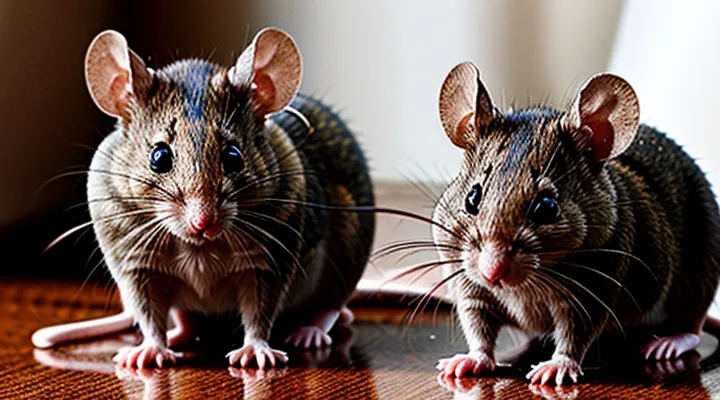
What is Musophobia?
Defining the Fear of Mice
Musophobia, also known as the specific phobia of mice, is an intense, irrational dread triggered by the presence or even the thought of rodents. The condition falls under the category of specific phobias in the Diagnostic and Statistical Manual of Mental Disorders, characterized by immediate anxiety responses and avoidance behavior.
Typical manifestations include rapid heartbeat, sweating, trembling, shortness of breath, and a compelling urge to flee or hide. These physiological reactions often arise within seconds of encountering a mouse or seeing images of one, and may persist long after the stimulus is removed.
The fear can develop through direct negative experiences, observational learning, or cultural conditioning. Genetic predisposition and heightened sensitivity of the amygdala also contribute to the likelihood of developing musophobia.
Management strategies commonly employed are:
- Cognitive‑behavioral therapy (CBT) with exposure techniques to gradually desensitize the individual.
- Systematic desensitization, pairing relaxation exercises with incremental exposure to mouse‑related cues.
- Pharmacological support, such as selective serotonin reuptake inhibitors (SSRIs) or benzodiazepines, for severe anxiety episodes.
- Psychoeducation to clarify the nature of the phobia and reduce catastrophic misinterpretations.
Early identification and targeted intervention can diminish the disruptive impact of musophobia on daily functioning and improve overall psychological well‑being.
Historical Context of Mouse-Related Fears
Musophobia, the specific aversion to rodents, has roots extending back thousands of years. Early Egyptian tomb paintings depict mice as symbols of chaos, suggesting an instinctive dread among the civilization’s priests.
In classical antiquity, Greek writers such as Aristotle recorded observations of mice invading grain stores, linking the pest to famine and divine displeasure. Roman poets later employed mouse imagery to convey moral corruption, reinforcing societal unease.
Medieval European societies associated mice with the Black Death, believing the creatures carried the contagion. Religious texts warned that infestations signified divine punishment, prompting communal rituals aimed at expelling the vermin.
The Enlightenment introduced systematic study of animal behavior. Naturalists catalogued mouse physiology and habitat, reducing mythic fear but preserving a cultural memory of danger.
The twentieth century saw the emergence of clinical psychology, which classified intense rodent phobia as a distinct anxiety disorder. Empirical research identified conditioning, genetic predisposition, and cultural transmission as contributing factors.
Key historical milestones:
- Egyptian symbolic use of mice as chaos agents (c. 3000 BCE)
- Greek philosophical commentary on rodents and scarcity (c. 4th century BCE)
- Medieval plague narratives linking mice to disease (14th century)
- Enlightenment taxonomic efforts separating myth from biology (18th century)
- Psychological classification of musophobia in diagnostic manuals (20th century)
These epochs illustrate how fear of mice evolved from religious and mythological interpretations to a recognized psychological condition.
Symptoms and Diagnosis
Behavioral Manifestations
Musophobia, the specific phobia of mice, triggers distinct behavioral patterns that can be observed in affected individuals. These patterns arise from an involuntary fear response and often interfere with daily activities.
Typical manifestations include:
- Immediate avoidance of environments where rodents may appear, such as basements, kitchens, or storage areas.
- Rapid heart rate, sweating, and trembling when a mouse is sighted or even anticipated.
- Escape behaviors, such as fleeing the room, seeking a higher floor, or exiting the building.
- Verbal expressions of alarm, including shouting or calling for assistance.
- Repetitive safety checks, like inspecting corners, cupboards, and walls for hidden rodents.
- Disruption of routine tasks; for example, abandoning food preparation or cleaning activities upon suspecting rodent presence.
- Persistent anxiety after exposure, leading to heightened vigilance and hypervigilance for future encounters.
These responses reflect the underlying autonomic and psychological mechanisms that define the phobia, and they may persist even in the absence of an actual mouse.
Physiological Responses
Musophobia triggers a cascade of autonomic and endocrine reactions designed to prepare the body for immediate danger. When a mouse is perceived, the amygdala signals the hypothalamus, which activates the sympathetic nervous system. The resulting physiological changes include:
- Elevated heart rate and blood pressure to increase blood flow to muscles.
- Rapid breathing or hyperventilation, supplying extra oxygen for potential escape.
- Pupil dilation, enhancing visual detection of the stimulus.
- Perspiration, particularly on the palms and forehead, to improve grip and thermoregulation.
- Release of adrenaline and noradrenaline, amplifying alertness and muscular readiness.
- Surge of cortisol, sustaining the stress response if the threat persists.
These responses are measurable through electrocardiography, respiratory monitoring, pupillometry, and hormonal assays. The pattern aligns with the classic “fight‑or‑flight” model, confirming that the fear of rodents engages the same biological mechanisms observed in other specific phobias.
Psychological Indicators
Musophobia, the specific phobia of mice, manifests through distinct psychological patterns that differentiate it from general anxiety. Individuals display heightened vigilance toward rodent cues, often interpreting neutral stimuli as threatening. This hypervigilance triggers automatic negative appraisals, such as expecting imminent infestation or disease transmission, even when evidence is absent.
Common cognitive markers include:
- Persistent intrusive thoughts about mice occupying personal spaces.
- Overestimation of the likelihood and severity of encounters.
- Rigid avoidance reasoning that justifies extreme measures to eliminate any possibility of contact.
Emotional responses are typically intense and disproportionate. Affected persons report sudden spikes of dread, shame, or disgust at the mere suggestion of rodents. These feelings can arise without direct exposure, indicating a conditioned emotional network.
Behavioral signs reflect the underlying cognition and affect:
- Systematic avoidance of locations perceived as rodent habitats (basements, attics, kitchens).
- Repeated checking of traps, doors, and food storage for signs of presence.
- Seeking reassurance from others or excessive cleaning rituals aimed at eliminating perceived contamination.
Physiological correlates often accompany the psychological profile. Sympathetic activation appears as increased heart rate, sweating, and trembling during imagined or real encounters. Such somatic feedback reinforces the fear cycle, strengthening the mental associations that define the phobia.
Assessment tools that capture these indicators—self‑report questionnaires, structured interviews, and behavioral avoidance tests—provide reliable data for diagnosis and treatment planning. Recognizing the specific cognitive distortions, emotional intensity, and avoidance behaviors enables targeted interventions, such as exposure therapy and cognitive restructuring, to reduce the debilitating impact of mouse‑related fear.
Diagnostic Criteria
Musophobia, the specific phobia of mice, is diagnosed using the standard criteria for specific phobias as defined in the DSM‑5. The assessment includes the following elements:
- Persistent, excessive fear triggered by the presence or anticipation of mice, recognized as unreasonable by the individual.
- Immediate anxiety response (e.g., panic, rapid heart rate, trembling) upon exposure to the stimulus.
- Active avoidance of situations where mice might be encountered, or enduring such situations with marked distress.
- The fear, anxiety, or avoidance markedly interferes with occupational, academic, or social functioning.
- Duration of the condition extends for at least six months, without a brief, isolated reaction.
- The fear is not better explained by another mental disorder, such as obsessive‑compulsive disorder, post‑traumatic stress disorder, or a medical condition that can produce similar symptoms.
Clinical evaluation should verify that the fear is specific to mice and not generalized to all rodents, and that the response is disproportionate to the actual threat posed. Objective measures, such as physiological monitoring during exposure, can support the diagnosis but are not required.
Causes and Risk Factors
Traumatic Experiences
Musophobia, the specific phobia of rodents, often originates from direct or indirect traumatic incidents involving mice or rats. A single episode of being bitten, startled by a sudden appearance, or witnessing a swarm can embed a lasting fear response. Repeated exposure to distressing scenes—such as infestations in homes, laboratories, or media portrayals of disease transmission—reinforces the association between mice and danger, solidifying the anxiety pattern.
Key traumatic triggers include:
- Physical injury caused by a rodent (bite, scratch, or allergic reaction).
- Acute shock from unexpected encounters in confined spaces (e.g., closets, basements).
- Observational trauma, such as watching another person react fearfully or suffer harm from a mouse.
- Symbolic trauma linked to cultural narratives that depict mice as carriers of plague or corruption.
Neurobiological studies show that these experiences activate the amygdala and hypothalamic‑pituitary‑adrenal axis, producing heightened vigilance and avoidance behaviors. Over time, the brain consolidates the memory, leading to exaggerated physiological responses—rapid heartbeat, sweating, and hyperventilation—whenever a mouse is perceived, even in harmless contexts.
Therapeutic interventions focus on desensitization techniques that gradually re‑expose individuals to controlled mouse-related stimuli. By systematically diminishing the emotional charge of the original trauma, patients can replace fear with neutral or positive associations, reducing the intensity of the phobic reaction.
Observational Learning
Observational learning, also known as social learning or modeling, enables individuals to acquire fear responses by watching others react to a stimulus. When a person witnesses another’s intense anxiety or avoidance behavior toward a small rodent, the observer can internalize similar fear patterns without direct exposure. This process relies on attention to the demonstrator’s cues, retention of the observed reaction, and the capacity to reproduce the response when encountering the animal.
Neurobiological studies indicate that mirror‑neuron systems activate during the observation of fear‑related behaviors, facilitating the encoding of emotional valence associated with mice. Functional imaging reveals heightened activity in the amygdala and anterior cingulate cortex when participants view videos of people expressing distress in the presence of rodents, suggesting that vicarious exposure can trigger the same circuitry involved in direct phobic reactions.
Practical implications for treatment include:
- Modeling calm behavior by therapists to counteract learned fear.
- Using video demonstrations of non‑reactive interactions with mice to weaken conditioned responses.
- Incorporating group exposure sessions where peers display adaptive coping strategies.
Research demonstrates that individuals who have never physically encountered a mouse can still develop a pronounced aversion after observing a single episode of another’s panic. Consequently, observational learning constitutes a potent pathway through which the fear of small rodents can be transmitted across social contexts.
Genetic Predisposition
Musophobia, the specific fear of mice, often manifests early in life and can persist without treatment. Research indicates that genetics contribute significantly to the susceptibility of this condition.
Twin investigations reveal higher concordance rates for rodent-related anxiety in monozygotic pairs than in dizygotic pairs, implying heritability estimates around 30‑45 %. Genome‑wide association studies have identified several loci linked to heightened amygdala reactivity, a neural correlate of phobic responses. Among these, variants in the COMT gene and the BDNF Val66Met polymorphism appear repeatedly in cohorts with pronounced mouse aversion.
Neurochemical pathways implicated in musophobia include:
- Elevated serotonin transporter activity, affecting fear extinction.
- Dysregulated dopamine signaling, influencing threat appraisal.
- Increased cortisol release during exposure, reinforcing avoidance behavior.
Animal models support a genetic basis: selective breeding of rodents for heightened startle responses yields offspring that exhibit stronger avoidance of conspecifics, mirroring aspects of human mouse fear. Gene‑editing experiments that disrupt MAOA expression produce exaggerated defensive behaviors toward small moving objects, reinforcing the link between monoamine metabolism and phobic intensity.
Clinical implications are clear. Identifying individuals with risk‑associated genotypes can guide early intervention, such as exposure‑based therapy combined with pharmacological agents targeting the implicated neurotransmitter systems. Genetic counseling may also inform families about the inherited component of mouse phobia, facilitating proactive coping strategies.
Cultural and Societal Influences
Musophobia, the specific aversion to rodents, manifests differently across cultures and societies. Historical narratives often portray mice as symbols of impurity or disaster, reinforcing collective anxiety. In ancient Egyptian myth, the mouse represented chaos, while medieval European folklore linked the creature to disease and witchcraft, embedding fear within communal belief systems.
Modern media perpetuates these associations. Horror films frequently depict mice as ominous harbingers, and cartoons exaggerate their speed and unpredictability, shaping public perception through repeated exposure. Such representations create a feedback loop where visual cues intensify individual discomfort and reinforce societal stereotypes.
Social environments contribute to the prevalence of mouse phobia through learned behavior. Families that react strongly to rodent sightings model heightened alertness, prompting children to adopt similar responses. Educational settings that omit factual information about rodents may allow myths to persist, limiting opportunities for desensitization.
Key cultural influences include:
- Religious texts that label mice as unclean or pestilent.
- Literary works that cast rodents as antagonists.
- Advertising campaigns that exploit fear to sell pest control products.
- Community rituals that involve mouse eradication as a rite of protection.
Impact on Daily Life
Social Implications
Musophobia, the specific fear of mice, affects interpersonal dynamics beyond individual discomfort. The condition can shape social interactions, influence professional environments, and alter public perceptions of affected individuals.
Key social implications include:
- Stigmatization: People with this phobia may be labeled as irrational, leading to marginalization in social groups.
- Workplace accommodations: Employers may need to modify office layouts, avoid rodent‑infested areas, or provide alternative tasks to prevent anxiety‑induced performance loss.
- Educational settings: Teachers may implement classroom policies that limit exposure to rodents, ensuring that students with the fear can participate without distress.
- Public space design: Municipal planners often consider pest‑control measures that minimize visible rodents, thereby reducing collective unease and potential panic in crowded venues.
- Healthcare access: Clinicians must recognize musophobia when prescribing treatments, as exposure to rodents during medical procedures can hinder compliance and recovery.
These factors demonstrate that the fear of mice extends into societal structures, requiring deliberate policies and empathetic practices to mitigate its broader impact.
Professional Challenges
Professional environments that intersect with the fear of rodents present distinct operational difficulties. Clinicians encounter patients who conceal their aversion, complicating diagnostic accuracy and delaying therapeutic intervention. Therapists must balance exposure‑based techniques with ethical limits, requiring individualized protocols and continuous risk assessment. Researchers handling laboratory mice confront heightened anxiety among staff, which can compromise experimental integrity, increase error rates, and necessitate additional training on anxiety‑management strategies.
Pest‑control specialists frequently serve clients with severe rodent phobia. They must adapt service delivery to minimize direct contact, employ remote‑deployment devices, and coordinate with mental‑health providers, thereby extending job duration and increasing logistical complexity. Veterinarians treating small‑animal patients encounter owners whose fear obstructs routine examinations, forcing the use of sedation, specialized equipment, and extended appointment times.
Educators teaching biological sciences confront classroom dynamics where student discomfort impedes hands‑on learning. They must develop alternative instructional methods, such as virtual simulations, which demand extra resources and curriculum redesign.
Key professional challenges include:
- Accurate identification of phobic symptoms in diverse populations.
- Designing exposure therapies that respect safety thresholds.
- Integrating mental‑health considerations into technical workflows.
- Allocating additional time and resources for anxiety‑mitigating procedures.
- Maintaining compliance with occupational health standards while addressing client fears.
Addressing these obstacles requires coordinated policy development, targeted staff training, and investment in adaptive technologies that reduce direct rodent exposure without compromising service quality.
Personal Well-being
Musophobia, the specific aversion to rodents, can impair daily functioning, sleep quality, and stress levels. Persistent anxiety triggered by sight or even anticipation of mice activates the sympathetic nervous system, raising heart rate and cortisol output. Elevated cortisol interferes with memory consolidation and immune response, creating a feedback loop that deteriorates overall health.
Individuals with this phobia often experience avoidance behavior that limits occupation choices, residential options, and social activities. The resulting isolation reduces exposure to supportive networks, which compounds depressive symptoms. Recognizing the link between phobic reactions and physiological stress is essential for effective self‑care.
Practical measures to safeguard personal well‑being include:
- Cognitive restructuring to challenge automatic threat perceptions.
- Gradual exposure exercises, beginning with low‑intensity visual stimuli and progressing to controlled encounters.
- Relaxation techniques such as diaphragmatic breathing or progressive muscle relaxation performed before anticipated encounters.
- Regular physical activity to lower baseline arousal and improve mood regulation.
- Consultation with mental‑health professionals for tailored therapy, including cognitive‑behavioral therapy or exposure‑based protocols.
Consistent application of these strategies reduces sympathetic activation, stabilizes hormonal balance, and restores functional capacity, thereby protecting mental and physical health despite the presence of musophobia.
Therapeutic Approaches
Cognitive Behavioral Therapy («CBT»)
Cognitive Behavioral Therapy (CBT) is a structured, evidence‑based approach for treating musophobia, the specific fear of rodents. The method focuses on the relationship between thoughts, emotions, and behaviors, aiming to replace distorted beliefs about mice with realistic appraisals.
During CBT, therapists guide patients through exposure exercises that gradually increase contact with mouse‑related stimuli. This systematic desensitization reduces physiological arousal and weakens avoidance patterns. Cognitive restructuring accompanies exposure, challenging catastrophic predictions such as “a mouse will cause severe harm” and substituting them with balanced statements.
Therapeutic sessions typically include:
- Identification of automatic thoughts triggered by mouse cues.
- Examination of evidence supporting and contradicting those thoughts.
- Development of alternative interpretations.
- Controlled exposure to pictures, sounds, and eventually live rodents.
- Homework assignments to practice skills between sessions.
Research consistently shows that CBT yields significant reductions in fear intensity, improves functional daily activities, and lowers relapse rates compared with untreated controls. The protocol’s emphasis on skill acquisition enables individuals to manage future encounters with rodents without reliance on medication.
Exposure Therapy
Musophobia, the intense fear of mice, often triggers avoidance, anxiety, and physiological distress when individuals encounter rodents or related cues.
Exposure therapy reduces this response by systematically confronting feared stimuli under controlled conditions, allowing habituation and cognitive restructuring. The method relies on repeated, gradual exposure to the object of fear, diminishing the automatic threat appraisal.
- Identify hierarchy of mouse‑related triggers (e.g., pictures, videos, live rodents).
- Begin with the least threatening item; maintain exposure until anxiety declines by at least 50 %.
- Progress to more challenging stimuli, ensuring each step reaches a similar reduction in distress before advancing.
- Incorporate coping techniques such as controlled breathing or relaxation to support tolerance.
- Conclude with real‑world encounters, monitoring for sustained improvement over weeks.
Clinical studies report significant symptom reduction for rodent phobia when exposure is delivered by trained therapists, either in‑person or via virtual reality. Successful outcomes require consistent sessions, therapist guidance, and patient commitment; premature escalation or insufficient exposure may impede progress.
Relaxation Techniques
Relaxation techniques are essential tools for individuals confronting a pronounced aversion to rodents. By reducing physiological arousal, these methods lower the intensity of panic symptoms and create a mental environment conducive to gradual desensitization.
Effective practices include:
- Controlled diaphragmatic breathing – inhale slowly through the nose for four counts, hold briefly, exhale through the mouth for six counts; repeat until heart rate stabilizes.
- Progressive muscle relaxation – tense each muscle group for five seconds, then release; move sequentially from feet to head to diminish somatic tension.
- Mindful observation – focus attention on neutral sensory input (e.g., ambient sounds, temperature) while acknowledging intrusive thoughts without reaction.
- Guided imagery – visualize a safe setting, such as a quiet garden, and mentally rehearse encountering a mouse without distress.
- Autogenic training – repeat phrases like “my arms are heavy” to induce a sense of warmth and heaviness, counteracting the fight‑or‑flight response.
Integrating these techniques with gradual exposure to rodent‑related cues accelerates adaptation. Begin with low‑intensity stimuli (pictures, recordings) while practicing relaxation; progress to live observation only after physiological markers remain within baseline ranges. Consistent application yields measurable reductions in anxiety, enabling functional interaction with environments where mice may appear.
Medication Options
Medication can support treatment of intense fear of mice when combined with exposure‑based therapy or counseling. Pharmacologic choices aim to reduce anxiety, prevent panic symptoms, and improve tolerance of exposure sessions.
- Selective serotonin reuptake inhibitors (SSRIs) – fluoxetine, sertraline, paroxetine; start at low dose, increase gradually; therapeutic effect often appears after several weeks; monitor for gastrointestinal upset and sexual side effects.
- Serotonin‑norepinephrine reuptake inhibitors (SNRIs) – venlafaxine, duloxetine; similar dosing schedule to SSRIs; watch for blood pressure elevation and discontinuation syndrome.
- Benzodiazepines – clonazepam, alprazolam; rapid anxiolysis useful for acute exposure; limit duration to avoid dependence; adjust dose for age and hepatic function.
- Beta‑adrenergic blockers – propranolol, atenolol; reduce somatic anxiety (tachycardia, tremor) during exposure; contraindicated in asthma, severe bradycardia, or heart block.
- Antihistamines with sedative properties – hydroxyzine; short‑term relief of nervous tension; may cause drowsiness; avoid with other CNS depressants.
Selection depends on severity of symptoms, comorbid conditions, and patient preference. Initiate treatment under medical supervision, reassess efficacy after 4–6 weeks, and taper or discontinue when exposure therapy yields sustained improvement.
Coping Strategies
Self-Help Methods
Fear of mice, clinically known as musophobia, can trigger intense anxiety when rodents are sighted or anticipated. Self‑help strategies aim to reduce physiological arousal, reshape cognitive patterns, and build gradual tolerance without professional intervention.
Effective techniques include:
- Controlled exposure: view pictures of mice, then videos, progressing to observing a live mouse from a safe distance. Maintain exposure for several minutes, repeat daily, and increase proximity only when anxiety diminishes.
- Breathing regulation: inhale for four seconds, hold for two, exhale for six. Perform the cycle for two minutes before and during exposure to lower heart rate.
- Cognitive restructuring: identify automatic thoughts (“mice will bite”) and replace them with evidence‑based statements (“most mice are harmless and avoid humans”). Record challenges and revised responses in a journal.
- Progressive muscle relaxation: tense each muscle group for five seconds, then release. Complete the sequence from feet to head before confronting a rodent stimulus.
Consistency determines progress. Schedule sessions at the same time each day, track anxiety levels on a 0‑10 scale, and adjust exposure intensity according to recorded reductions. When anxiety persists above moderate levels after several weeks, consider supplemental guidance from a mental‑health professional.
Support Groups
Support groups provide structured environments where individuals with musophobia can share experiences, learn coping strategies, and receive peer encouragement. Regular meetings create a sense of community that reduces isolation and validates personal challenges related to the fear of mice.
Typical formats include:
- In‑person gatherings moderated by mental‑health professionals, focusing on exposure exercises and cognitive‑behavioral techniques.
- Online forums that allow asynchronous discussion, resource exchange, and virtual support sessions.
- Hybrid programs combining face‑to‑face workshops with digital follow‑up, facilitating continuous progress monitoring.
Evidence shows that group participation enhances treatment adherence, accelerates desensitization, and improves overall confidence when confronting rodent‑related triggers. Participants report decreased anxiety levels and greater willingness to engage in exposure tasks after sustained involvement.
Choosing a suitable group involves assessing facilitator credentials, group size, meeting frequency, and confidentiality policies. Prospective members should verify that the program aligns with their therapeutic goals and provides access to evidence‑based interventions.
Lifestyle Adjustments
Musophobia, a specific phobia of rodents, often disrupts daily routines. Adjusting the living environment mitigates exposure and reduces anxiety.
- Seal gaps around doors, windows, and utility lines to prevent entry.
- Store food in airtight containers; eliminate crumbs and spills.
- Use traps or humane deterrents in areas where rodents are likely.
- Keep clutter to a minimum; clear basements, attics, and storage closets.
In occupational settings, proactive measures maintain comfort. Request regular pest inspections for office spaces. Arrange workstations away from kitchens or waste areas. If unavoidable, use portable barriers or personal protective equipment, such as gloves and masks, when navigating potential hotspots.
Personal habits reinforce safety. Schedule weekly cleaning to remove attractants. Opt for outdoor dining or takeout when indoor venues cannot guarantee rodent‑free conditions. Practice relaxation techniques—deep breathing, progressive muscle relaxation—immediately after accidental sightings to curb physiological responses.
Professional assistance strengthens long‑term management. Cognitive‑behavioral therapy, exposure therapy, or medication prescribed by a qualified clinician address the underlying fear. Combining therapeutic interventions with the outlined lifestyle modifications yields sustainable control over musophobia symptoms.
Distinguishing from Other Phobias
Similar Fears
Musophobia, the specific phobia of mice, belongs to a broader category of animal‑related anxieties. Individuals who experience intense dread of rodents often report similar reactions when confronted with other small or fast‑moving creatures.
Common animal phobias that share physiological and psychological characteristics with musophobia include:
- Ailurophobia – fear of cats. Triggers rapid heartbeat, sweating, and avoidance behavior comparable to rodent aversion.
- Arachnophobia – fear of spiders. Produces heightened startle response and persistent intrusive thoughts about the animal’s presence.
- Ophidiophobia – fear of snakes. Generates comparable panic attacks and a strong desire to escape perceived threats.
- Entomophobia – fear of insects in general. Often overlaps with specific insect phobias such as lepidopterophobia (butterflies) or myrmecophobia (ants).
These fears are classified as specific phobias in diagnostic manuals. They share core features: disproportionate fear, immediate anxiety response, and avoidance that interferes with daily functioning. Neurobiological studies show heightened activity in the amygdala and insular cortex across these conditions, indicating a common threat‑detection pathway.
Comorbidity is frequent; patients with musophobia may also exhibit generalized anxiety disorder or panic disorder. Treatment protocols generally align: cognitive‑behavioral therapy with exposure techniques, systematic desensitization, and, when necessary, pharmacological support such as selective serotonin reuptake inhibitors. Successful interventions reduce symptom intensity and improve functional capacity, regardless of the specific animal trigger.
Differential Diagnosis
Musophobia, the specific phobia of rodents, presents with intense anxiety, avoidance, and physiological responses when confronted with mice or related stimuli. Accurate assessment requires distinguishing this condition from other anxiety‑related or medical disorders that produce similar symptoms.
Key entities to consider in the differential diagnosis include:
- Generalized anxiety disorder (GAD). Persistent, non‑situational worry across multiple domains, without the narrowly focused fear of rodents characteristic of musophobia.
- Specific phobia of other animals. Fear may target snakes, insects, or dogs; clinical interview should identify the precise trigger to avoid conflation.
- Obsessive‑compulsive disorder (OCD). Intrusive thoughts about contamination or harm involving mice may resemble phobic avoidance, but compulsive rituals and insight differentiate OCD.
- Post‑traumatic stress disorder (PTSD). History of a traumatic encounter with rodents, accompanied by flashbacks and hyperarousal, distinguishes PTSD from a learned phobic response.
- Panic disorder. Recurrent panic attacks can be misattributed to rodent exposure; however, attacks occur unexpectedly and are not tied to a specific stimulus.
- Social anxiety disorder. Fear of judgment in social settings may be confused with avoidance of public spaces where mice are present; the core fear is interpersonal, not zoological.
- Medical conditions producing autonomic symptoms. Hyperthyroidism, cardiac arrhythmias, or vestibular disorders generate palpitations, dizziness, or nausea that may be mistaken for phobic reactions; laboratory testing clarifies the etiology.
Distinguishing features rely on a structured clinical interview, standardized questionnaires (e.g., the Fear Survey Schedule), and, when necessary, physiological monitoring during exposure. Confirmation of musophobia hinges on the presence of a circumscribed, persistent fear of mice that leads to significant impairment, absent the broader symptom patterns of the alternative diagnoses listed above.