
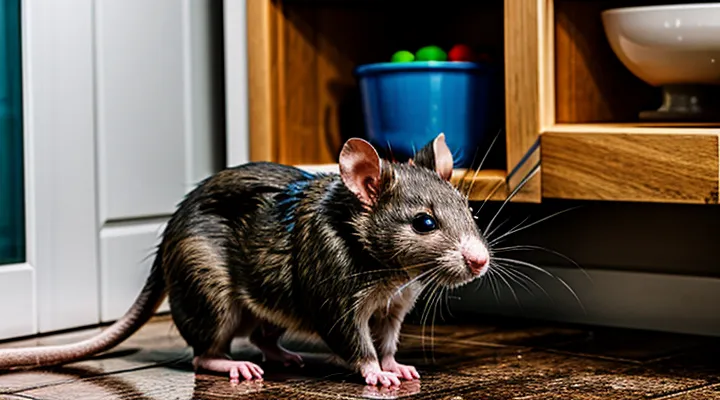
«Immediate Concerns After a Rat Bite»
«Pain and Swelling»
A bite from a pet rat often produces sharp, localized pain that appears within seconds of the injury. The pain may be described as throbbing or burning and can intensify as the wound swells. Nerve endings in the oral tissue are exposed, making the area highly sensitive to pressure and movement.
Swelling typically begins as a small, firm lump around the puncture site and expands over hours. The tissue may turn red, feel warm to the touch, and develop a raised edge. Fluid accumulation in the subcutaneous space creates tension, which can further increase discomfort and limit joint mobility if the bite is near a limb.
Rapidly increasing swelling, spreading redness, or the emergence of pus signals bacterial involvement. Common pathogens include Streptobacillus moniliformis, Pasteurella species, and Staphylococcus aureus. These organisms can cause cellulitis, abscess formation, or systemic rat‑bite fever, each of which elevates the risk of severe complications.
Seek professional care if any of the following occur:
- Pain intensifies after initial relief
- Swelling expands beyond the immediate area
- Redness spreads more than 2 cm from the wound
- Fever, chills, or malaise develop
- Pus or foul odor is present
Prompt antimicrobial treatment and wound management reduce the likelihood of prolonged tissue damage and systemic infection.
«Risk of Local Infection»
A bite from a domestic rat introduces a mixture of oral bacteria directly into the skin, creating a high probability of a localized infection. The wound environment provides nutrients for pathogens such as Staphylococcus aureus, Streptococcus species, and Pasteurella spp., which can proliferate within hours.
Typical manifestations develop within 24–48 hours and include:
- Redness spreading beyond the bite margins
- Swelling and warmth at the site
- Tenderness or throbbing pain
- Purulent discharge or formation of an abscess
- Fever or chills in severe cases
If left untreated, the infection may progress to cellulitis, necrotizing fasciitis, or septic arthritis when the bite occurs near a joint. These complications can compromise surrounding tissue, demand surgical debridement, and prolong systemic antibiotic therapy.
Effective management requires immediate cleaning with antiseptic solution, thorough irrigation to remove debris, and prompt medical evaluation. Empiric antibiotic regimens often combine a beta‑lactamase‑resistant agent (e.g., amoxicillin‑clavulanate) with coverage for anaerobes. Culture‑guided therapy adjusts treatment based on pathogen susceptibility.
Preventive measures include regular veterinary health checks for the animal, minimizing aggressive handling, and ensuring bite wounds are promptly addressed. Early intervention reduces the risk of tissue damage and limits the need for extensive medical intervention.
«Potential Health Risks from Rat Bites»
«Rat-Bite Fever (RBF)»
Rat‑bite fever (RBF) is a bacterial infection transmitted by the saliva of infected rodents, most commonly the Norway rat (Rattus norvegicus). The pathogen, Streptobacillus moniliformis in North America and Spirillum minus in Asia, enters the bloodstream through a puncture wound. The bite provides a direct conduit for bacteria, bypassing the skin’s natural barrier and establishing infection within hours.
Typical clinical presentation emerges 2–14 days after exposure. Common manifestations include:
- Sudden fever and chills
- Severe headache
- Joint pain, often migratory, with swelling
- Red‑purple maculopapular rash, frequently on the extremities
- Nausea, vomiting, or abdominal pain
Complications arise if treatment is delayed. Bacterial sepsis can lead to endocarditis, meningitis, or pneumonia, each carrying a high mortality rate. Laboratory confirmation relies on blood cultures or polymerase chain reaction assays, but empirical antibiotic therapy should begin promptly.
First‑line treatment consists of a 10‑day course of doxycycline or a 7‑day regimen of penicillin G. Alternative agents include ceftriaxone or azithromycin for patients with penicillin allergy. Early administration reduces symptom duration and prevents organ damage.
Prevention focuses on minimizing exposure to rodent saliva. Immediate wound cleansing with soap and water, followed by antiseptic application, lowers bacterial load. Protective gloves during handling, prompt veterinary health checks for pet rats, and avoidance of bites through proper restraint techniques further reduce risk.
«Symptoms of RBF»
A bite from a pet rat can transmit Rat‑Bite Fever, a bacterial infection that manifests rapidly after exposure. Early signs appear within 2–10 days and may include high fever, chills, and intense headache. The infection often progresses to a rash that begins as small, red macules and can evolve into petechiae or larger purpuric spots, typically on the extremities. Joint pain, especially in the knees and ankles, is common and may be accompanied by swelling. Gastrointestinal symptoms such as nausea, vomiting, and abdominal pain may occur, and some patients develop a mild cough or sore throat. Severe cases can lead to endocarditis, meningitis, or renal failure, requiring immediate medical intervention.
Key symptoms to monitor:
- Fever exceeding 38 °C (100.4 °F)
- Headache and chills
- Maculopapular or petechial rash, often on hands and feet
- Arthralgia with joint swelling
- Nausea, vomiting, abdominal discomfort
- Respiratory complaints (cough, sore throat)
- Signs of organ involvement (e.g., chest pain, confusion, reduced urine output)
Prompt recognition of these indicators and early antibiotic treatment significantly reduce the risk of complications.
«Causes of RBF»
Rat Bite Fever (RBF) is an acute bacterial infection acquired primarily through contact with rodents. The disease originates from two pathogens: Streptobacillus moniliformis, common in North America and Europe, and Spirillum minus, prevalent in Asia. Both organisms inhabit the oral cavity, gastrointestinal tract, and urinary system of rats and other small mammals.
Transmission occurs when bacteria enter human tissue or bloodstream. Typical routes include:
- Direct bite or scratch from a rat or similar rodent.
- Contact of mucous membranes or broken skin with contaminated saliva, urine, or feces.
- Ingestion of food or water contaminated by rodent excreta.
- Handling of rodent cages, bedding, or equipment without proper hand hygiene.
Risk increases for individuals who:
- Keep pet rats, especially without routine veterinary care.
- Work in laboratories, pet stores, or pest‑control environments.
- Live in conditions with high rodent infestation.
- Have compromised immune systems or pre‑existing skin lesions.
Early recognition of fever, chills, rash, and arthralgia following rodent exposure enables prompt antibiotic therapy, reducing the likelihood of severe complications such as endocarditis, meningitis, or septicemia. Understanding the bacterial sources and transmission pathways is essential for preventing infection after a domestic rat bite.
«Other Bacterial Infections»
A bite from a pet rat can introduce a range of bacterial pathogens beyond the commonly cited rat‑bite fever. Each organism presents distinct clinical features and may require specific therapeutic approaches.
- Pasteurella multocida – Causes rapid onset of cellulitis, pain, and swelling; responds to penicillin‑type antibiotics.
- Streptococcus species – May lead to purulent infection, lymphangitis, or invasive disease such as streptococcal toxic shock; treated with beta‑lactams or clindamycin.
- Staphylococcus aureus – Produces abscess formation and possible systemic spread; methicillin‑resistant strains necessitate vancomycin or linezolid.
- Yersinia pestis – Rare but severe; presents with fever, buboes, and septicemia; requires immediate administration of streptomycin or doxycycline.
- Leptospira interrogans – Transmitted through contaminated saliva; causes flu‑like illness, jaundice, renal failure; doxycycline is first‑line therapy.
- Clostridium perfringens – May cause gas gangrene in deep puncture wounds; managed with high‑dose penicillin and surgical debridement.
- Mycobacterium marinum – Occasionally isolated from rat oral flora; produces chronic skin lesions; treated with a combination of rifampin and ethambutol.
Prompt medical evaluation is essential after any rat bite. Cultures or polymerase chain reaction testing guide antimicrobial selection. Empiric therapy often includes a broad‑spectrum beta‑lactam combined with coverage for methicillin‑resistant Staphylococcus. Tetanus prophylaxis should be reviewed, and wound irrigation performed immediately to reduce bacterial load. Monitoring for systemic signs—fever, lymphadenopathy, or escalating pain—allows early detection of complications and improves outcomes.
«Tetanus Risk»
A domestic rat bite can introduce Clostridium tetani spores into the wound, creating a pathway for tetanus infection. The organism thrives in low‑oxygen environments, and a puncture from a rat’s sharp teeth often produces a deep, narrow channel ideal for bacterial growth.
- Tetanus spores are commonly present on rodents’ oral flora and on surfaces they contact.
- If the bite is not promptly cleaned, spores may germinate, producing neurotoxin that interferes with motor neuron signaling.
- The incubation period ranges from three to twenty days; early symptoms include muscle stiffness and lockjaw.
- Unvaccinated or under‑immunized individuals face a markedly higher probability of severe disease.
Immediate medical response includes thorough irrigation with antiseptic solution, debridement of devitalized tissue, and assessment of tetanus immunization status. Administration of tetanus toxoid booster or tetanus immune globulin is recommended for patients whose last vaccine dose exceeds ten years or who have an unknown immunization history. Prompt treatment reduces morbidity and prevents the potentially fatal progression of tetanus.
«Leptospirosis»
A bite from a pet rat can introduce the bacterium Leptospira interrogans, the causative agent of leptospirosis. The pathogen resides in the animal’s urine and can contaminate the mouth and teeth, allowing direct transmission when the rat’s teeth break the skin.
Typical clinical presentation includes fever, chills, muscle pain, headache, and conjunctival suffusion. In severe cases, kidney dysfunction, liver inflammation, meningitis, or pulmonary hemorrhage may develop. The incubation period ranges from 2 to 30 days, with symptoms appearing abruptly.
Laboratory confirmation relies on serologic testing (microscopic agglutination test) or polymerase chain reaction detection of bacterial DNA. Prompt administration of doxycycline or penicillin reduces morbidity and prevents complications.
Preventive actions:
- Clean and disinfect any bite wound immediately with soap and antiseptic.
- Seek medical evaluation without delay, especially if systemic symptoms emerge.
- Limit direct contact with rat teeth; use protective gloves when handling rodents.
- Maintain rodent hygiene, including regular cage cleaning and control of stray rats in the household environment.
«Viral Risks»
A bite from a pet rat can introduce several zoonotic viruses that pose serious health threats. The rodent’s saliva, blood, or contaminated wound tissue may carry pathogens capable of causing systemic infection in humans.
- Hantavirus – primarily Seoul virus in urban rats; transmission through bite or scratch leads to hemorrhagic fever with renal syndrome, characterized by fever, thrombocytopenia, and acute kidney injury. Mortality ranges from 1 % to 15 % without prompt supportive care.
- Lymphocytic choriomeningitis virus (LCMV) – present in many laboratory and domestic rats; bite exposure can result in meningitis, encephalitis, or febrile illness. Immunocompromised patients risk severe neurologic complications and higher fatality.
- Rat coronavirus – documented in laboratory colonies; human infection is rare but documented cases show respiratory distress and fever following direct exposure.
These viruses often remain asymptomatic in the host animal, allowing silent carriage. Human infection typically manifests after an incubation period of 1 – 3 weeks, with symptoms that may mimic common viral illnesses, delaying diagnosis. Early laboratory testing (PCR, serology) is essential for confirming infection and guiding treatment.
Immediate wound care—thorough irrigation, antiseptic application, and medical evaluation—reduces viral load and prevents secondary bacterial infection. Post‑exposure prophylaxis is unavailable for most rat‑borne viruses; management relies on supportive therapy and, when indicated, antiviral agents such as ribavirin for hantavirus. Monitoring for fever, neurological signs, and renal dysfunction after a bite is critical for timely intervention.
«Allergic Reactions»
A bite from a pet rat can provoke an allergic response that threatens the victim’s health as much as infection. The immune system may react to proteins in rat saliva, producing reactions that range from mild skin irritation to life‑threatening anaphylaxis.
Allergic manifestations fall into two categories. Local reactions involve redness, swelling, and itching at the puncture site. Systemic reactions include hives, respiratory distress, gastrointestinal upset, and circulatory collapse. The most severe form—anaphylaxis—requires immediate intervention.
Typical signs of an allergic episode after a rat bite:
- Redness or bruising around the wound
- Swelling that expands beyond the bite margin
- Hives or welts on distant body areas
- Tightness in the throat, wheezing, or shortness of breath
- Nausea, vomiting, or abdominal cramps
- Dizziness, faintness, or a rapid drop in blood pressure
Individuals with a history of atopy, previous insect or animal bites, or known hypersensitivity to rodent proteins face higher risk. Repeated exposure can sensitize the immune system, increasing reaction severity over time.
When an allergic reaction is suspected, the following steps are mandatory:
- Clean the wound with soap and water to reduce secondary infection.
- Administer an oral antihistamine if only mild symptoms appear.
- Deliver epinephrine intramuscularly at the first sign of systemic involvement, especially breathing difficulty or cardiovascular symptoms.
- Call emergency services promptly; professional evaluation is required even after epinephrine use.
Preventive measures include wearing disposable gloves during handling, avoiding direct contact with a rat’s mouth or saliva, and keeping the animal’s health status monitored. Prompt recognition of allergic signs and swift medical response are critical to mitigating the danger posed by a domestic rat bite.
«When to Seek Medical Attention»
«Signs Requiring Professional Care»
A bite from a pet rat can introduce bacterial infection, allergic reaction, or disease transmission. Prompt medical evaluation is essential when any of the following signs appear:
- Redness, swelling, or warmth spreading beyond the immediate wound area.
- Persistent pain that intensifies rather than diminishes within 24 hours.
- Pus, foul odor, or visible discharge from the bite site.
- Fever of 38 °C (100.4 °F) or higher, chills, or unexplained malaise.
- Rapid heart rate, low blood pressure, or dizziness indicating systemic involvement.
- Development of a rash, hives, or swelling around the eyes, lips, or throat suggesting an allergic response.
- Numbness, tingling, or loss of sensation near the bite, which may signal nerve damage.
- Any known exposure to rat‑borne illnesses such as leptospirosis, hantavirus, or rat‑bite fever, especially if the animal was ill or the bite was deep.
When any of these symptoms are present, seek professional medical care immediately to reduce the risk of complications and to ensure appropriate treatment, including wound cleaning, antibiotics, tetanus prophylaxis, or allergy management.
«First Aid Steps»
A bite from a household rat can introduce bacteria, viruses, and parasites directly into the bloodstream, creating a risk of infection, tissue damage, and systemic illness. Prompt, correct first‑aid measures reduce the likelihood of complications and improve outcomes.
- Secure the scene – Keep the animal away to prevent additional bites. Wash hands thoroughly with soap and water before touching the wound.
- Apply pressure – Use a clean cloth or sterile gauze to exert steady pressure on the bleeding site until bleeding stops, typically within a few minutes.
- Clean the wound – Rinse the area with copious amounts of running water. Follow with a mild antiseptic solution (e.g., povidone‑iodine or chlorhexidine) applied gently to the tissue.
- Remove debris – Inspect for foreign material such as teeth fragments or dirt. Use sterile tweezers if necessary; avoid probing deep wounds.
- Cover the injury – Place a sterile, non‑adhesive dressing over the cleaned site. Secure with a bandage that maintains gentle compression without cutting off circulation.
- Seek professional care – Contact a medical provider promptly. Mention the bite source, as prophylactic antibiotics, tetanus booster, or rabies evaluation may be required.
- Monitor for signs of infection – Observe the wound for redness, swelling, increasing pain, pus, or fever. Report any changes to a health professional without delay.
These actions constitute the essential response to a rat bite, addressing immediate hazards and facilitating proper medical assessment.
«Preventing Rat Bites»
«Safe Handling Practices»
Safe handling of pet rats reduces the risk of bite‑related injury and disease transmission. Proper techniques protect both the animal and the caretaker.
- Wash hands thoroughly before and after contact with a rat. Use soap and warm water for at least 20 seconds; follow with an alcohol‑based sanitizer if possible.
- Inspect the rat’s body for signs of stress or illness before handling. Look for excessive grooming, aggression, or abnormal posture.
- Approach the rat calmly, avoiding sudden movements. Extend a hand slowly, allowing the animal to sniff and become familiar with the scent.
- Support the rat’s hindquarters and torso with both hands. Do not lift by the tail or grasp the neck, which can trigger defensive bites.
- Keep nails trimmed and avoid wearing loose jewelry that could snag on fur.
- Limit handling sessions to a duration the rat tolerates without signs of agitation. End the interaction before the animal exhibits vocalizations, teeth chattering, or attempts to flee.
- Store cages, food, and water containers in a clean area. Remove debris that could hide parasites or cause injury.
- Use protective gloves when handling a rat that has displayed aggression or when performing health examinations. Choose gloves that allow tactile feedback to prevent accidental bites.
- After a bite occurs, clean the wound immediately with antiseptic solution, apply pressure to stop bleeding, and seek medical evaluation for potential infection or rabies exposure. Document the incident and monitor the rat for changes in behavior.
Adhering to these practices minimizes the hazards associated with rat bites and promotes a safe environment for both owner and pet.
«Cage Maintenance and Hygiene»
Maintaining a clean cage directly reduces the risk of infection following a rat bite. Accumulated waste, urine, and saliva harbor bacteria such as Streptococcus and Salmonella, which can enter the bloodstream when a bite breaches skin. Regular sanitation removes these pathogens before they multiply.
- Remove soiled bedding daily; replace with fresh, absorbent material.
- Clean water bottles and food dishes with hot, soapy water at least once a week; rinse thoroughly.
- Disinfect cage surfaces weekly using a diluted bleach solution (1 part bleach to 9 parts water) or an approved veterinary disinfectant; allow proper contact time before rinsing.
- Inspect and replace nesting material regularly to prevent mold growth.
- Vacuum or sweep the enclosure’s exterior to limit stray debris that could re‑contaminate the interior.
A structured cleaning schedule—daily spot cleaning, weekly deep cleaning, monthly equipment inspection—prevents the buildup of opportunistic microbes. By controlling environmental contamination, owners minimize the bacterial load that a bite may introduce, thereby lowering the chance of serious complications such as cellulitis, septicemia, or zoonotic disease transmission.
«Recognizing Rat Behavior»
Understanding a pet rat’s behavior is essential for preventing a bite that can transmit disease or cause infection. Rats communicate stress, fear, and aggression through observable actions; recognizing these signals allows owners to intervene before a bite occurs.
Key behaviors indicating heightened bite risk:
- Rapid, jerky movements combined with a stiffened body posture.
- Ears flattened against the head and whiskers drawn back.
- Teeth exposed while the animal grooms or chews aggressively.
- Vocalizations such as high‑pitched squeals or growls when approached.
- Defensive lunging or charging toward a perceived threat.
- Persistent biting or chewing of cage bars, indicating frustration.
When any of these signs appear, immediate steps reduce danger: pause interaction, provide a secure escape route, and assess the environment for stressors such as loud noises, sudden temperature changes, or overcrowding. Regular health checks and gentle handling reinforce trust, decreasing the likelihood of aggressive responses.
Accurate interpretation of rat behavior directly lowers the probability of a harmful bite and the associated health complications.